
Review · KAMAKURA DAY TRIPS
Kamakura Historical and Cultural Day Trip with Local Cuisine
Bamboo, Buddha, and an easy ride from Tokyo. This private Kamakura day trip pairs pickup with a focused temple route plus water and snacks, so you spend your energy on the sights, not figuring out trains.
I like that the route includes Hokoku-ji for its famous bamboo and Kamakura Daibutsu for the sheer size of the bronze Buddha. You get a nice mix of Zen quiet, shrine grandeur, and big-ticket religious art without bouncing around.
One thing to plan for: admission tickets are not included for several stops, so you will want a little extra cash for the main temple grounds.
Key things I’d zero in on
- Tokyo pickup with air-conditioned transport cuts the stress of public transit timing.
- A temple line-up with different vibes, from bamboo Zen to a sea-facing temple.
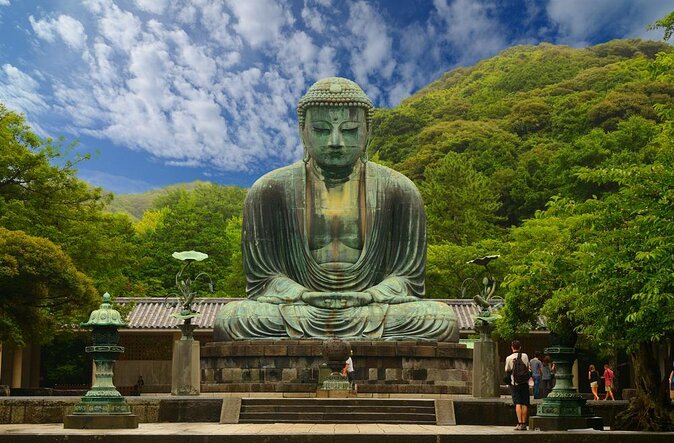
- Kamakura Daibutsu at Kotoku-in gives you a rare chance to see a huge bronze Amida Buddha from 1252.
- Snacks and bottled water included, a small perk that helps on a full morning.
- Private group up to 9, which makes it easier to ask questions and move at your pace.
- Guides like Seiko-san, Yosuke, and Riley, have been praised for being warm, attentive, and English-friendly.
Kamakura in One Day: Temples, Shrines, and Why It Feels Special
Kamakura has a way of shrinking time. You start the morning in a modern Tokyo world, then you’re suddenly walking stone paths beside old temples tied to Japan’s shogun era. It’s one of the easiest ways to feel the country’s layers without planning a multi-day itinerary.
This tour is designed for people who want the highlights, but also want a little intelligence in how they see them. It’s not just stop-and-go. It’s a route that groups together places that match each other thematically, so you notice patterns as you go.
I also like that the day is framed as a historical and cultural tour with local cuisine as part of the plan. Even if you care most about temples, the food angle helps the whole day feel like you’re living the place, not just checking boxes.
You can also read our reviews of more historical tours in Tokyo

Price and Logistics: What $767.36 Buys You (and When It Feels Worth It)
The price is $767.36 per group, for up to 9 people. That matters because you’re not paying a per-person rate that gets painful fast. For families or small friend groups, the cost can feel surprisingly reasonable once you factor in private transport and the time you save.
You are also paying for less friction. Tokyo to Kamakura can be very doable on your own, but a schedule-driven day can turn into wasted time, especially when you’re trying to line up buses or trains with temple openings. Here, you get pickup offered and air-conditioned transportation included, so you keep your day’s rhythm.
Budget reality check: several of the temple stops do not include admission tickets. That’s not a dealbreaker, but it means the tour price is not the only cost you’ll face. If you hate surprises, set aside a little extra for the main grounds and photo areas.
Morning Pickup and the 7:00 to 9:00 Window
Your meeting window runs from 7:00 AM to 9:00 AM across the stated date ranges. That flexibility is helpful because Tokyo traffic and hotel locations can shift your exact start time. You also get mobile ticket access, which is one less thing to print or chase down.
The tour description says the meeting point is near public transportation. That’s useful if you’re not staying right by the pickup spot. Still, the main benefit is the pickup itself, since it reduces the need to coordinate your own transport from Tokyo.
Plan for an early day. You’re in Kamakura for roughly 6 to 8 hours, and the stops are short enough that you will want to stay alert and unhurried while still moving at a guided pace.
Hokoku-ji Bamboo Zen Temple: The Calm You Can Feel
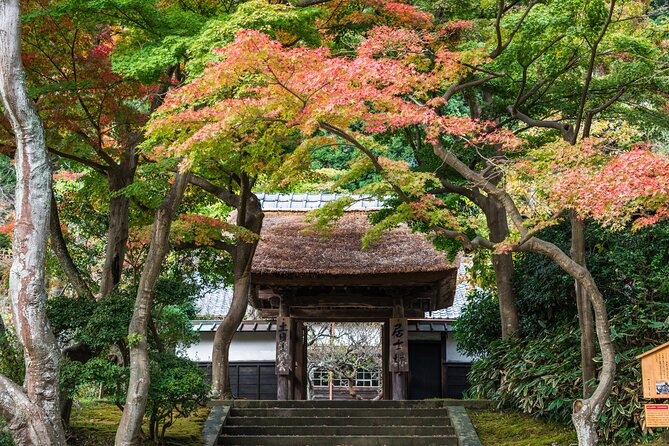
Hokoku-ji is the kind of place you either rush past or remember for years. This is a Zen temple of the Rinzai sect, built in 1334, and it’s especially famous for its bamboo. The grounds feature about 2,000 bamboo stalks, which creates that iconic green tunnel feeling when the light hits right.
You’ll get around 40 minutes here. That’s enough time to look up, notice how the paths guide your eye, and spend a few minutes just standing still. If you’re the type who likes to photograph carefully, this is a good stop to take your time, because bamboo rewards patience.
Possible drawback: 40 minutes can still feel fast if you’re a slow walker. Wear shoes you can walk in comfortably. Bamboo gardens are often on uneven temple ground, and you’ll feel it by stop two if your footwear is wrong.
Tsurugaoka Hachimangu Shrine: Power, Myth, and a Big Sense of Place
Next you head to Tsurugaoka Hachimangu Shrine, dedicated to Emperor Ojin, his wife, and his mother. The shrine became the head shrine of Minamoto Yoritomo, the founder of the Kamakura shogunate government. In other words, this isn’t just a pretty stop. It’s a place tied directly to political and military turning points.
You’ll have about 40 minutes here, and since admission is free, you can spend more of your budget on the non-free temple grounds. This is also a good spot for context. Even if you know only a little Japanese history, your guide can help you connect the shrine to the people who shaped Kamakura’s role in the country.
What to watch for: shrines are built to guide movement. So don’t treat it like a museum where you read everything at once. Let the layout do its job. Pause at key viewing points, then continue.
More Tokyo tours and experiences for the shortlist




Hase-dera Temple: Sea-Facing Views and a Famous Wooden Statue

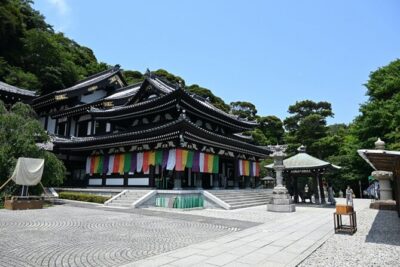
Hase-dera stands out in Kamakura because it’s the only temple there that faces the sea. That single fact changes the feel of the place. You’re not just in a garden of stone and wood. You’re in a temple shaped by coastal light and open air.
You’ll get about 30 minutes here, and seasonal flowers often steal the show. This matters because Kamakura is famous for seasonal shifts, and flowers are part of how these sites are experienced, not just background decoration.
Another highlight is the largest carved-wood statue in Japan enshrined at Hase-dera. That’s not a small claim, and it’s the kind of scale that changes how you think about what you’re seeing. It’s also one of those moments where a good guide helps you look beyond the obvious photo spot.
Consideration: admission is not included for Hase-dera. Bring cash or ensure you can handle on-site payments smoothly. Also, because you’re on a schedule, don’t plan to linger too long in one area if you want to enjoy the rest of the day’s highlights.
Kotoku-in and the Great Buddha: The Bronze Shock of 1252
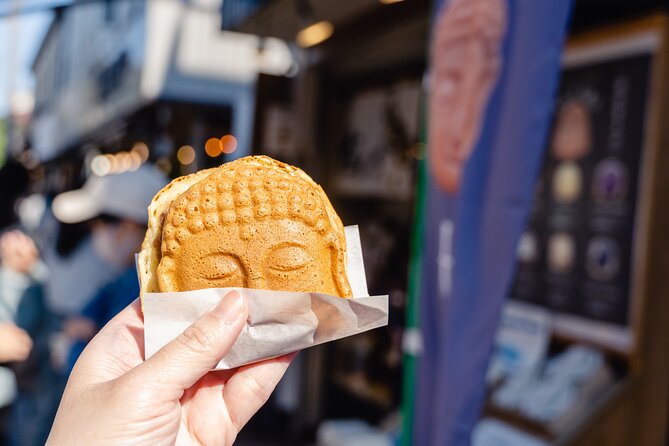
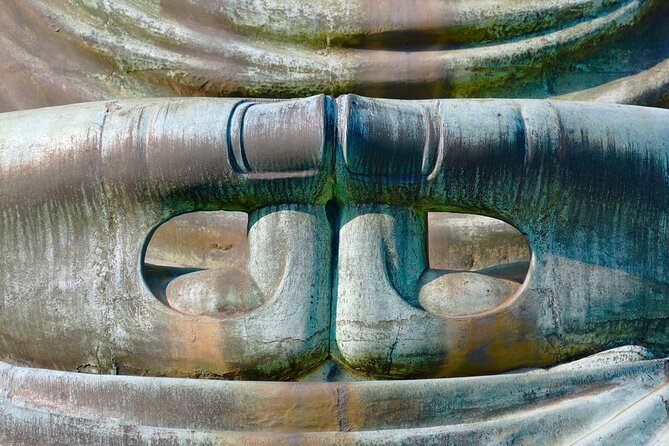
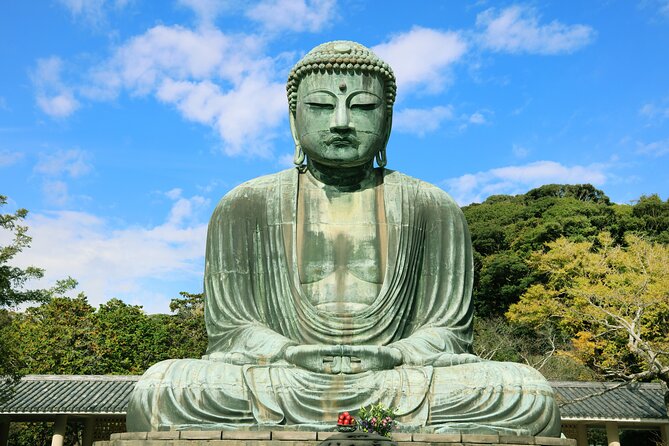
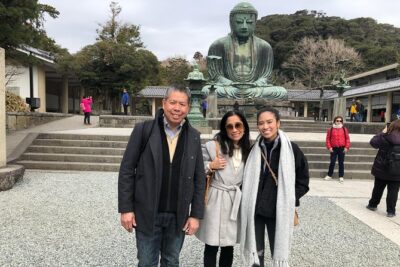
Kotoku-in is where the day turns dramatic. The centerpiece is the Great Buddha of Kamakura, also known as Kamakura Daibutsu. It’s a bronze statue of Amida Buddha, and it was cast in 1252, long before Europeans reached Japan.
You’ll have about 30 minutes at Kotoku-in. For most people, that’s perfect. You can step back to take in the full scale, then move in for a closer look. The best part is that you don’t need complicated knowledge to be impressed. The size and presence do the work.
This is also one reason the tour’s timing feels smart. After Hokoku-ji and Tsurugaoka, you’re ready for a moment that’s all about awe. Kotoku-in gives you that, and then you can end the day with energy still left in the tank.
Two practical notes:
- Admission is not included here, so plan for the entrance fee.
- Photos can be crowded. Keep your patience. The payoff is worth it.
Food Along the Way: Bottled Water, Snacks, and Local Flavor
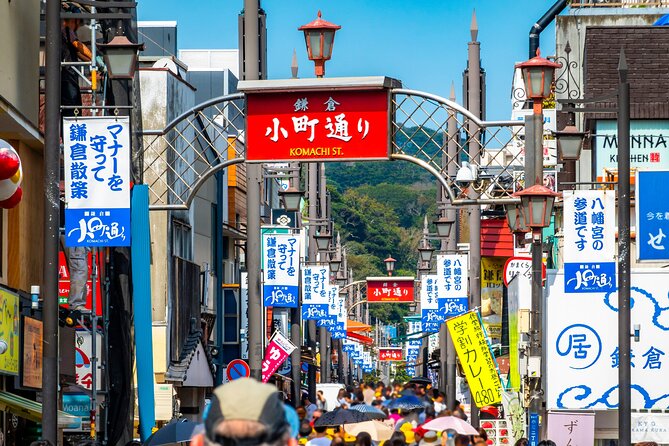
The tour includes bottled water and snacks. That’s small, but it’s real value. A long temple day means long walking, and your energy needs support even if you only eat lightly.
The description also frames the day trip around local cuisine. The exact meals are not detailed in the information you provided, so you should expect at least the chance to eat local-style food during the day rather than sitting down for an elaborate multi-course lunch. If you have dietary restrictions, ask your operator ahead of time so you’re not stuck hunting for options on the fly.
One strategy that works well in Kamakura: treat food as part of the rhythm. Eat a little earlier than you think you need to. Then you can enjoy the next temple stop without that late-afternoon energy dip.
Private Guide Quality: When the Human Touch Makes a Difference
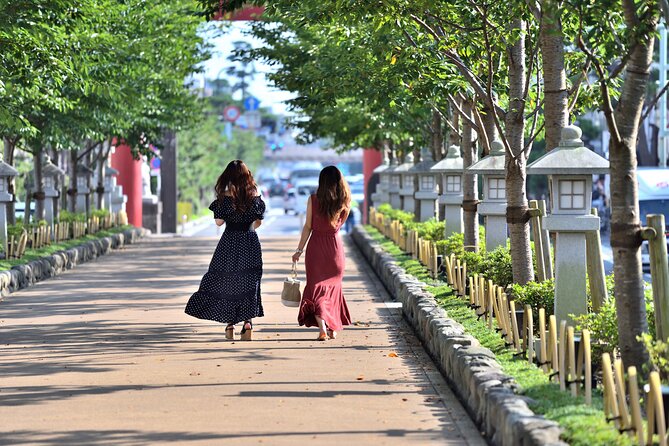
A private tour is only as good as the guide. In this case, the service has strong signals from past guests about the guides being attentive and thoughtful.
You might meet guides like Seiko-san, praised for being knowledgeable and friendly, and for speaking great English. You could also be with OUTECH Yosuke, who’s been thanked for guidance and kindness, with a route that includes time for shopping and eating. Another name you may see is Riley, described as a driver who also acts as a guide and makes sure you’re comfortable and informed.
Why that matters: temple visits are easy to misunderstand if you only have signs and your own guesses. A good guide helps you notice what to look for, what to skip, and how to connect each place to the next.
If you want maximum value, come with one or two interests. For example, ask about the bamboo at Hokoku-ji or why Kamakura’s shogun era mattered. The more specific you are, the more your guide can shape the day.
Time Management: Staying Enjoyably Unrushed
The tour runs about 6 to 8 hours. That means every stop is intentionally timed, not padded. You’ll spend roughly:
- 40 minutes at Hokoku-ji
- 40 minutes at Tsurugaoka Hachimangu
- 30 minutes at Hase-dera
- 30 minutes at Kotoku-in
That timing can feel ideal if you like steady pacing. It can feel short if you prefer to sit for long periods in gardens or you want to read every sign you see. The private format helps because your guide can often help you prioritize what matters most to your group.
My advice: plan to move with the group during guided viewing, then take a breather when the guide suggests you do. Don’t try to do everything solo with your phone. Let the tour’s structure guide your attention.
Who Should Book This Tour (and Who Might Not)
This tour is a strong fit if you want a private day trip that reduces Tokyo-to-Kamakura logistics, includes water and snacks, and hits key sites without complicated planning.
It also works well for groups up to 9, especially if you’re traveling with family members who might not enjoy lots of transfers. The air-conditioned transport is a bonus when the weather is hot or rainy.
You might consider a DIY approach instead if you enjoy public transit navigation, you already know the spots you want, and you don’t mind budgeting your own time. Also, if you hate paying separate admission fees at multiple locations, you will need to decide if the guided structure is worth it.
Should You Book This Kamakura Day Trip?
If your ideal day includes temples plus a little history context, this tour is a practical choice. The combination of Tokyo pickup, private pacing, and the big-hit stops like Kamakura Daibutsu makes it easy to have a memorable day without turning it into a logistics project.
I would book it when value matters for your group size, because the price is per group up to 9. I’d also book it if you want a guide to help you understand what you’re seeing at places like Hokoku-ji’s bamboo and Hase-dera’s famed wooden statue.
If you are an ultra-independent traveler who budgets every yen carefully and prefers to choose stops on the fly, DIY might still work. But if you want your day to run on rails, this is built for that.
FAQ
How long is the Kamakura historical and cultural day trip?
The duration is about 6 to 8 hours.
Is pickup offered from Tokyo?
Yes, pickup is offered.
Is this tour private or shared?
This is a private tour. Only your group participates.
What is the maximum group size?
The tour price is per group for up to 9 people.
Are admission tickets included for the temples?
Admission tickets are not included for some stops, including Hokoku-ji, Hase-dera Temple, and Kotoku-in. Tsurugaoka Hachimangu Shrine is free.
Are bottled water and snacks provided?
Yes. Bottled water and snacks are provided.
What are the main stops on the itinerary?
The stops include Hokoku-ji, Tsurugaoka Hachimangu Shrine, Hase-dera Temple, and Kotoku-in (the Great Buddha of Kamakura).
When do we meet?
The meeting window is 7:00 AM to 9:00 AM during the listed dates.
What is the cancellation policy?
Free cancellation is available. You can cancel up to 24 hours in advance for a full refund.
More 1-Day Tours in Tokyo
More Historical Tours in Tokyo
More Tour Reviews in Tokyo



Not for you? Here's more nearby things to do in Tokyo we have reviewed












Kamakura Day Trips, side by side.
 ★ 4.5Kamakura & Enoshima Day Trip including Temple TicketsFrom $581,375 reviews
 ★ 4.5Mt. Fuji, Kamakura, Big Buddha, & Lake Ashi Day TripFrom $49867 reviews
 ★ 4.5From Tokyo: Kamakura & Enoshima 1-Day Bus TourFrom $66189 reviews
 ★ 5.0Kamakura Historical Walking Tour with the Great BuddhaFrom $98129 reviews
 ★ 5.0Kamakura Private Tour: Temples, Nature, and the Great BuddhaFrom $98121 reviews
 ★ 5.0Kamakura Walking Tour – The City of ShogunFrom $35100 reviews
 ★ 5.0Kamakura 8 hr Private Walking Tour with Licensed Guide from TokyoFrom $20180 reviews
 ★ 4.1Kamakura & Enoshima Day Tour with Pickup & Train RideFrom $1361 reviews
This tour also belongs to