
Review · SHINJUKU TOURS
Shinjuku Highlights Walking Tour
That neon chaos can feel like a maze. This Shinjuku highlights walking tour helps you move with confidence through narrow alleyways and nightlife streets while your guide adds context along the way. I like the short, focused route that hits Omoide Yokocho, Kabukicho, and Golden Gai without wasting hours figuring things out. I also like the small group setup, which makes it easy to ask questions and get real local tips. One possible drawback: the middle of the walk is heavy on nightlife energy and you will pass parts of Shinjuku that feel darker than the postcard version.
You get a guided shortcut to the places people talk about, plus the kind of practical guidance that prevents the common problem, getting lost while trying to chase multiple neighborhoods on your own. With a mobile ticket and a maximum group size of 5, it is built for an efficient, low-stress outing that still feels personal.
Key Points You Should Know Before You Go

- Small group size (max 5) keeps the walk personal and question-friendly.
- No getting lost through narrow alleyways, because you are walking with a guide.
- You cover Omoide Yokocho, Kabukicho, and Golden Gai, then slow down at Hanazono Shrine.
- Mobile ticket keeps things simple when you meet the group.
- Admission is free at each stop, so you pay for the guiding, not museum entries.
- Guide stories can change the vibe, with examples like Arata being praised for promptness and for making sites feel connected to today.
Why This Shinjuku Highlights Walk Works in 1 to 2 Hours
Shinjuku is big. It is also loud, confusing, and constantly changing. This tour keeps things realistic, because it is designed to run about 1 to 2 hours and still cover several of the most talked-about areas. You are not trying to do everything, you are hitting the highlights with a plan.
The best part is that the route is built for orientation. You get led through the narrower alleyways that many people find intimidating on their own. That matters because Shinjuku is the kind of place where one wrong turn can cost you 20 minutes, and with only a short time window, that time adds up fast.
Value-wise, the tour price is also straightforward. At $39.09 per person, you are paying for an in-person guide and for access to the sites included on the walk. The tour also notes free admission for the stops listed, so you are not budgeting for attraction fees during the experience.
You can also read our reviews of more walking tours in Tokyo


Meeting Point at Kitakata Ramen BAN NAI Shinjuku-Omoide Yokocho
The tour starts at a very specific spot: Kitakata Ramen BAN NAI Shinjuku-Omoide yokocho, address 1-chōme-2-8 Nishishinjuku, Shinjuku City, Tokyo 160-0023. Ending point is Hanazono Shrine, address 5-chōme-17-3 Shinjuku, Shinjuku City, Tokyo 160-0022.
Why I like this kind of setup: you are not meeting somewhere vague like a station plaza. You have a real, named landmark. That makes the start feel calmer, especially if you are using public transit and trying to arrive on time.
Also, the tour says you are near public transportation. In practice, that is important in Tokyo, where long walks at the beginning can eat into your actual tour time. You want the walk to start immediately, not after you search for the group.
Omoide Yokocho: Showa-Era Back Alleys With a Guide
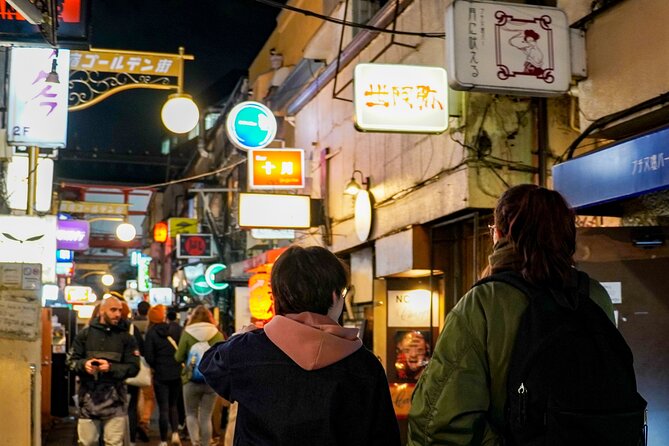
Stop 1 is Omoide Yokocho, and the tour spends about 20 minutes here. The key idea is nostalgia with structure. The tour describes Omoide Yokocho as a retro alley preserving a streetscape from the Showa era, roughly 50 to 70 years ago.
On your own, places like this can feel like a set of interesting streets you wander through. With a guide, you get a framework for what you are looking at and why it matters in a city that otherwise updates itself constantly. That is exactly what a shortcut should do, not just lead you to the door, but help you understand what you are seeing as you walk.
A practical benefit also shows up in the name of the game: narrow alleys are hard to navigate if you do not know where you are going. This tour explicitly handles that. You are not trying to map tiny streets while also taking in the atmosphere.
Kabukicho at Nightlife Volume, Including the Darker Side
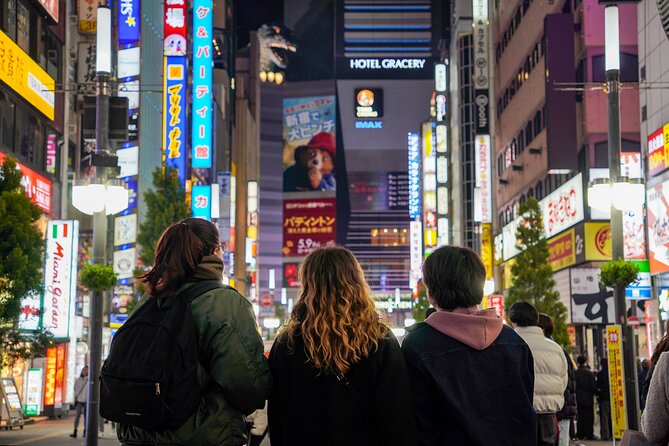
Next comes Kabukicho for about 20 minutes. The tour describes it as a Tokyo nightlife area with venues like hostess clubs and nightclubs. It also points out that it reveals a darker side of the city.
That balance is useful. A lot of tours either focus only on the neon fun or only on the gritty caution. Here, the tour signals you will see the full range of the neighborhood’s mood. If you want a Shinjuku experience that does not sanitize reality, this part of the itinerary fits.
Still, this is also the one section that might not suit everyone. If you prefer quieter areas or you are sensitive to the more intense vibe that comes with nightlife districts, it helps to know this stop is part of the route. Think of it as a reality check in the middle of the highlight reel.
The good news: it is time-boxed. About 20 minutes means you get the context and the contrast without being stuck there for an hour.
Golden Gai: Retro Atmosphere and a Subculture Feel
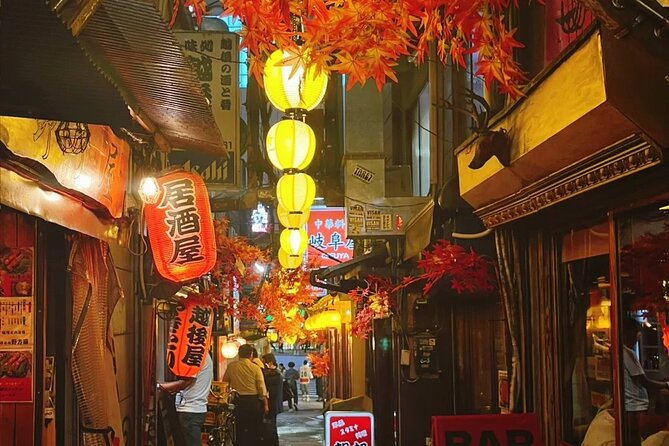
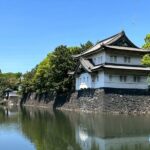
Stop 3 is Shinjuku Golden Gai, again with about 20 minutes allotted. The tour frames Golden Gai as another area that preserves a retro atmosphere of old Tokyo, but with a stronger subcultural vibe.
It also highlights that Golden Gai was frequented by actors, writers, and other people in creative circles. Even if you do not know anything about the neighborhood ahead of time, that clue matters. It tells you what kind of atmosphere to look for, not just what kind of buildings you might pass.
This stop works well right after Kabukicho because it shifts the tone. Instead of only seeing nightlife as nightlife, you start seeing it as identity, communities, and micro-worlds that survive even when the surrounding city moves fast.
If you like places where the details are found in the corners, this is a strong match. Just remember it is still part of a dense entertainment area, so your best experience comes from moving with the guide and paying attention to what they point out.






A Calm Finish at Hanazono Shrine Festival Grounds
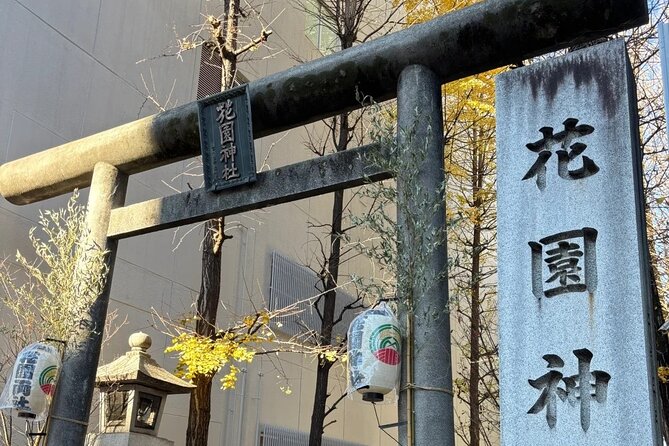
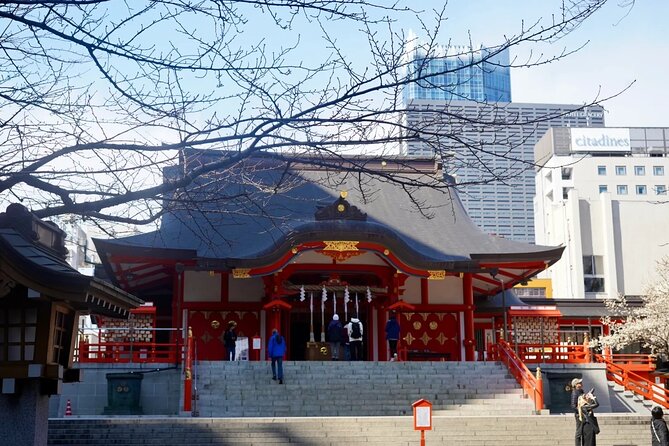
To end, the tour goes to Hanazono Shrine for about 10 minutes. This is a traditional Japanese shrine stop, and the tour emphasizes the feeling of Japanese culture, plus a peaceful retreat with nature and spacious grounds.
That last segment is not just a nice change of pace. It is also smart tour design. After walking through lively, sometimes intense districts, you get a breather. Even a short shrine stop can reset your sense of time and volume, and it gives you something quieter to anchor the experience.
Also, this stop is likely to be a crowd-pleaser for people who want a taste of the cultural side of Tokyo, not only the urban nightlife side.
The downside is simple: 10 minutes means it is more of a gentle landing than a deep visit. If you want more time in the shrine area, you may want to plan a little extra time after the tour ends.
Small Group Size and the Guide Factor
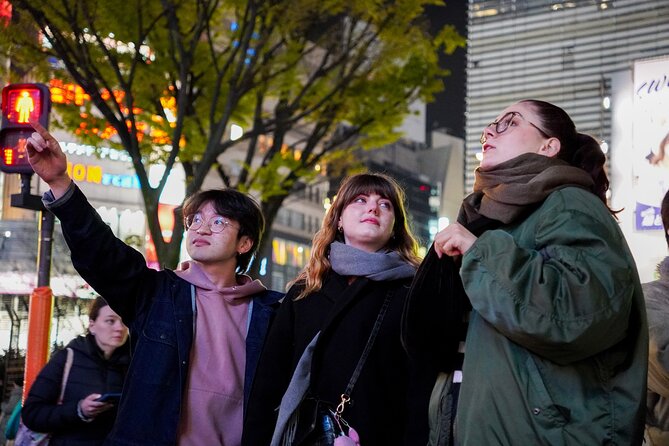
This tour is capped at 5 travelers, and that small group size is one of its biggest practical advantages. When you have a group that small, you are less likely to feel like you are being herded. You can hear your guide, ask questions, and adjust pacing if someone needs a moment.
The guide is in-person and is a key part of why this walk is worth doing even if you think you know Shinjuku. The tour materials highlight that you get local tips and recommendations, and the reviews back up that the guide makes the experience feel alive.
One guide name that shows up in feedback is Arata. Sessions with Arata have been described as prompt, with strong interest in what you want to see, and with help making sure you know where to go next for your subsequent tour. That kind of practical attention matters in Tokyo, where you can line up multiple plans and still feel calm.
Another theme in the feedback is storytelling that connects the past to what exists today. In Shinjuku’s older streets and subcultural areas, that connection is the difference between seeing a photo spot and understanding why the neighborhood keeps its character.
Price and Value: What $39.09 Really Buys You
At $39.09 per person, the tour is not trying to be a bargain through low quality. It is positioned as a guided shortcut. Here is what you are actually getting for the money:
- An in-person guide for the full walk
- Time-saving routing through compact, hard-to-navigate areas
- Admission listed as free at the stops included
- A small group that makes interaction realistic
Because the stops specify free admission, you are paying mainly for the human part, the explanations, and the navigation help. You can absolutely spend money elsewhere in Tokyo on places with ticketed entries. This tour takes a different approach. It helps you get more value out of what you would otherwise pay attention to but miss context for.
There is also a timing benefit. With only 1 to 2 hours, you are less likely to “accidentally” burn half a day. If you are planning a trip with multiple neighborhoods and want Shinjuku to fit cleanly into your schedule, this is one of the more efficient ways to do it.
Practical Tips to Make the Most of the Narrow Alleys
This walk is built around compact streets and alleyways, especially at Omoide Yokocho. That means your comfort matters more than normal.
I suggest you show up ready for walking and tight spaces. Keep your phone accessible for your route and photos, but also be aware that alleyways and nightlife districts can get crowded or busy depending on the time of day. A guide helps, but your body still needs to move through the space.
Because the tour uses a mobile ticket, bring your phone charged enough to show your ticket without stress. That is the kind of simple thing that saves you from last-minute scrambling.
And since it ends at a shrine, it is smart to keep your plans flexible in the final stretch. You may want a little time afterward for quiet browsing, depending on how you feel when the tour wraps.
Who This Tour Suits Best
This is a great fit if you want an efficient way to see Shinjuku’s contrasts. You get older, retro-feeling streets, nightlife districts, and a calm shrine finish. It also suits people who like structure, because you are not trying to stitch together multiple neighborhoods on your own.
It is especially good if:
- You enjoy photo-friendly back streets but do not want to wander blindly
- You want local context for why places feel the way they do
- You prefer small groups that do not drown out questions
It may be less ideal if:
- You dislike nightlife districts or you want to avoid areas with hostess club and nightclub energy
- You are looking for a long, slow sightseeing day with lots of free time at one spot
Should You Book This Shinjuku Highlights Walking Tour?
I would book it if your goal is smart orientation and a guided mix of Shinjuku moods in about 1 to 2 hours. The price makes sense for what you get, especially because the stops listed include free admission and the value is in the guide-led navigation.
I would skip it or think twice if you prefer quieter neighborhoods and you would rather not pass through Kabukicho nightlife energy and its described darker side. The itinerary is short, but it still includes that chapter of Shinjuku.
If you do decide to go, take advantage of the small group setup. Ask questions when you have them. A good guide can turn a confusing city block into a story you remember, not just a photo you scroll past.
FAQ
Where does the Shinjuku Highlights Walking Tour start?
It starts at Kitakata Ramen BAN NAI Shinjuku-Omoide yokocho, 1-chōme-2-8 Nishishinjuku, Shinjuku City, Tokyo 160-0023, Japan.
Where does the tour end?
The tour ends at Hanazono Shrine, 5-chōme-17-3 Shinjuku, Shinjuku City, Tokyo 160-0022, Japan.
How long is the tour?
The tour duration is about 1 to 2 hours.
How much does the tour cost?
The price is $39.09 per person.
How big is the group?
This tour has a maximum of 5 travelers, keeping the experience small group and more personal.
Is the ticket mobile?
Yes, the tour offers a mobile ticket.
Which places are included on the walking route?
The walk includes Omoide Yokocho, Kabukicho, Shinjuku Golden Gai, and finishes at Hanazono Shrine.
Is there an admission fee for the stops?
The tour lists admission as free for the included stops.
Who provides the tour guide?
The experience includes an in-person guide. The provider is Viyago Japan.
What is the cancellation policy?
You can cancel for a full refund if you cancel up to 24 hours before the experience starts.
More Walking Tours in Tokyo


More Tours in Tokyo


More Tour Reviews in Tokyo
Not for you? Here's more nearby things to do in Tokyo we have reviewed












Shinjuku Tours, side by side.
 ★ 5.0Shinjuku Food Tour (13 Dishes at 4 Local Eateries)From $866,603 reviews
 ★ 5.0Tokyo Bar Hopping Tour in Shinjuku (All-You-Can-Drink + Dinner)From $1063,587 reviews
 ★ 4.9Shinjuku Food Tour (15 Dishes and 4 Eateries)From $852,033 reviews
 ★ 5.0Best of Shinjuku: Izakaya Food Tour (4 Stops, 14+ Tastings)From $921,863 reviews
 ★ 4.9Shinjuku Local Bar and Izakaya Guided Walking TourFrom $341,794 reviews
 ★ 5.0Tokyo Shinjuku Chopsticks Making ClassFrom $201,763 reviews
 ★ 5.0Tokyo Shinjuku Sumo Show & Experience with PhotoFrom $791,750 reviews
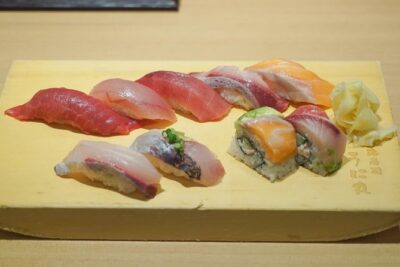 ★ 5.0Tokyo Night Foodie Tour in Shinjuku – Seasonal Sushi, Wagyu BeefFrom $1111,161 reviews
This tour also belongs to