
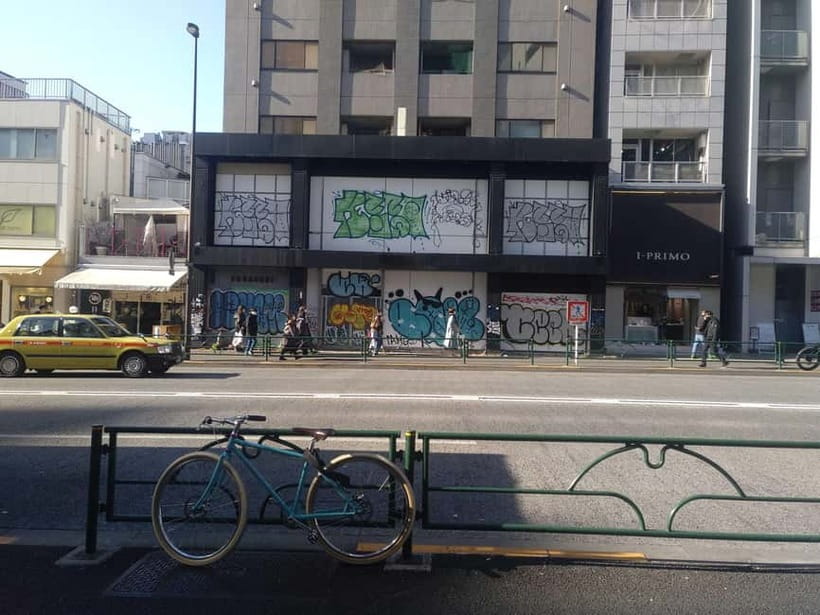
Review · SHIBUYA TOURS
Graffiti in Tokyo Walking Tour: Shibuya and Harajuku
Graffiti in Tokyo has a way of grabbing you fast. This Shibuya and Harajuku walking tour puts you face to face with street art you’d otherwise walk past, and then explains the meaning behind it. The guide, Elena Calderon, is a graffiti researcher and art curator, so you’re not just hunting visuals, you’re learning how Tokyo street writing fits into culture.
What I like most is the focus on hidden corners and the stories tied to what you see. I also love that the tour covers both public, legal-looking art moments and the more underground feel of tag-and-mural Tokyo, so you get the full spectrum without the usual museum-only lens.
One possible drawback: it’s only 2 hours, with Harajuku getting a short visit. If you’re hoping for a long, deep Harajuku-only street-art day, you may want to pair this with independent wandering afterward.
Key things I’d prioritize on this tour

- Elena Calderon’s street-art research angle turns sightings into context you can actually use
- Hidden spots in Shibuya help you notice tags, throw-ups, and murals that blend into the background
- A short Harajuku stop gives you a taste of fashion-meets-street-writing energy without dragging the schedule
- Insider picks beyond graffiti include tips for top art galleries and art stops
- Discounts for art galleries and restaurants add practical value after the walk
Meeting Point at Manhattan Records, then straight into Shibuya walls
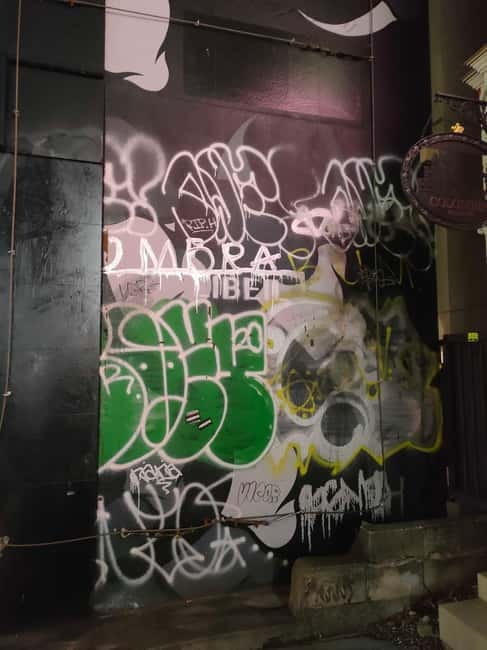
The tour starts at Manhattan Records Shop (Shibuya). From there, you begin walking in the Shibuya area, with the tour route centered on street-level art spotting rather than landmarks.
This is a smart approach. Shibuya and Harajuku can look like you’re surrounded by posters, signs, and shopfronts, so the trick is learning what to look for at eye level, on alley edges, and on the sides of places you’d never think to photograph.
You’ll also get a clear reminder about how to travel responsibly. The tour rules call out no smoking, no alcohol or drugs, and no littering, which matters because a graffiti walk works best when you respect the space you’re viewing in public.
You can also read our reviews of more walking tours in Tokyo



Shibuya City walk: where tags and murals start telling stories
Most of your time is spent in Shibuya City, and that’s exactly where you want it. Shibuya is a place where street art can feel like part of the city’s normal visual noise, so having a guide who can point out what you’d miss makes the whole walk feel like a cheat code.
Expect a guided loop through back streets and less obvious corridors, the kind of routes tourists rarely choose. The goal isn’t just to show big murals, it’s to train your eyes for the smaller work too, like tags and throw-ups that can look quick, but often have real intent and style.
The guide’s background matters here. Elena is described as a graffiti researcher for more than 10 years and an art curator, and the reviews highlight how she ties the visuals to Japanese culture and to how the scene works. That’s what changes this from a photo walk into an interpretation walk.
A practical note: this is an outdoor walking tour, so bring what you need to stay comfortable. The essentials listed are comfortable shoes, a camera, water, and cash, and you’ll be happier if you’re not trying to manage discomfort while looking for art.
Harajuku for about 10 minutes: a quick hit of style meets street writing
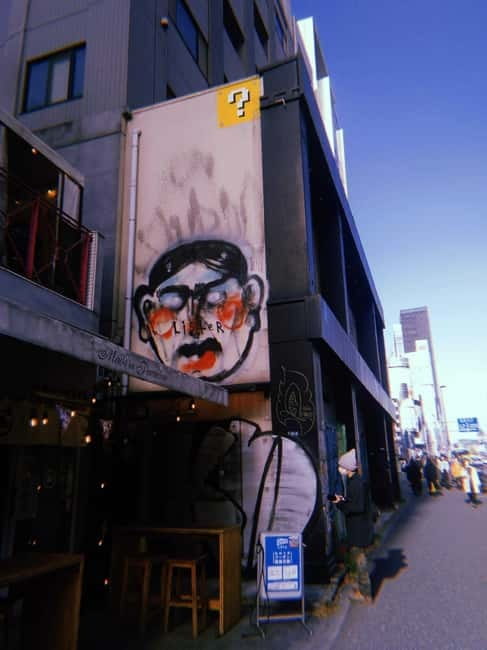
After Shibuya, you get a short Harajuku visit. Ten minutes isn’t enough to “master” Harajuku, but it is enough to show you how street art energy changes when the neighborhood shifts toward fashion-forward visuals and youth culture.
Think of this stop as a snapshot. You’re not getting a full Harajuku redevelopment tour, you’re getting a chance to connect what you saw in Shibuya with what’s different here, including the overall vibe of where street writing appears and how it fits into the surrounding scene.
If your favorite part of graffiti is the storytelling behind how artists show up in different neighborhoods, this short Harajuku moment can still be useful. You’ll leave with a sense of contrast, then you can continue on your own with the guide’s direction in mind.
Who Elena Calderon is, and why her approach earns the 5-star reviews
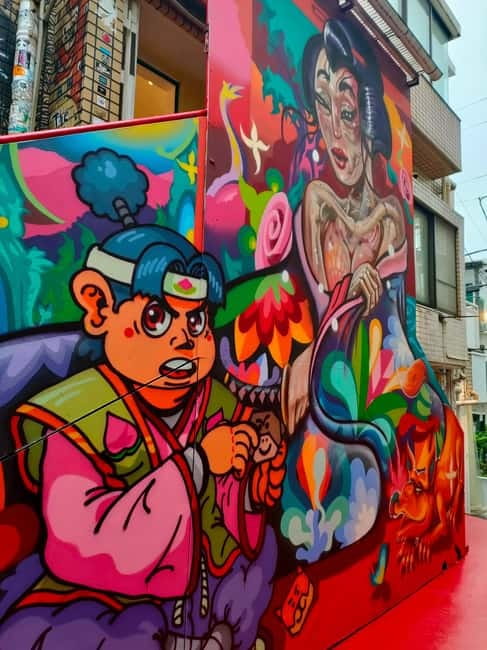
Elena Calderon (Totemo) is the kind of guide reviews keep mentioning for one reason: she doesn’t just identify graffiti, she explains it. People repeatedly highlight her passion, her ability to share enthusiasm without turning the tour into a lecture, and her breadth of knowledge across the scene.
In a city where graffiti can be easy to miss, her biggest value is interpretation. When she points out a spot, you’re often learning what makes it meaningful, how tags connect to crews or style, and why certain marks seem to appear in particular urban spaces.
Reviews also mention that she helps you notice details you’d walk right past, like small stickers and tags. If you’re the type who loves photography, that detail focus pays off because you’ll come away with images that feel intentional, not accidental.
One small consideration from a review: someone wished for additional street art locations or extra info support like a tablet. That’s a fair note, but the tour’s core format already balances walking and explanation, and you still get insider guidance that a self-guided route usually can’t replicate.
Hidden spots and how to spot them yourself later
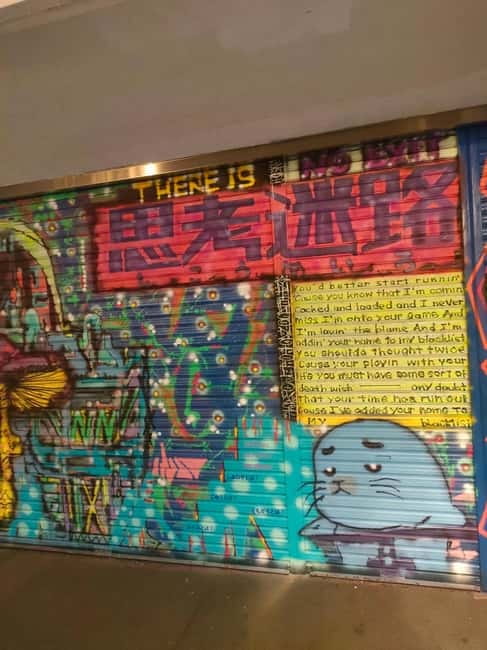
A big selling point here is exclusive access to hidden graffiti spots. The tour doesn’t claim you’ll see only famous walls, and that’s why it works. The best street art moments are often tucked into the everyday city, where a normal tourist glance just does not slow down.
So what do you take from the tour when you go back out on your own? You learn the viewing habits. You start looking along building edges, around side streets, and behind the first layer of shops and signage.
You also learn that graffiti is not just art, it’s urban communication. The stories the guide shares help you read the marks as part of a scene, not random scribbles. That shifts how you experience the city after the tour because you stop treating street art like background and start treating it like language.
And if you’re interested in what to see after the walk, one review mentions that Elena helped them find murals they wanted to return to and photograph later. That kind of follow-up tip is practical, because it turns your tour into a plan, not just a moment.






Art gallery and restaurant discounts, plus smarter next steps
Beyond graffiti spotting, the tour includes insider knowledge on top art galleries and discount access for art galleries and restaurants. The data doesn’t list specific businesses, but the intent is clear: the walk sets you up to keep exploring the art scene in ways that match your new interests.
This is a real value add, especially in Tokyo where art options can feel overwhelming if you don’t know where the scene overlaps with your tastes. The guide’s street-to-gallery connection can help you aim for the kinds of places that fit the same creative energy you just saw on the walls.
A good strategy is simple. After your tour, use the names and directions from your guide to build a shortlist for later in the trip. Then you can pick based on what’s closest to your hotel or where you already plan to be.
Price and value: $38 for two hours of guided street-level context
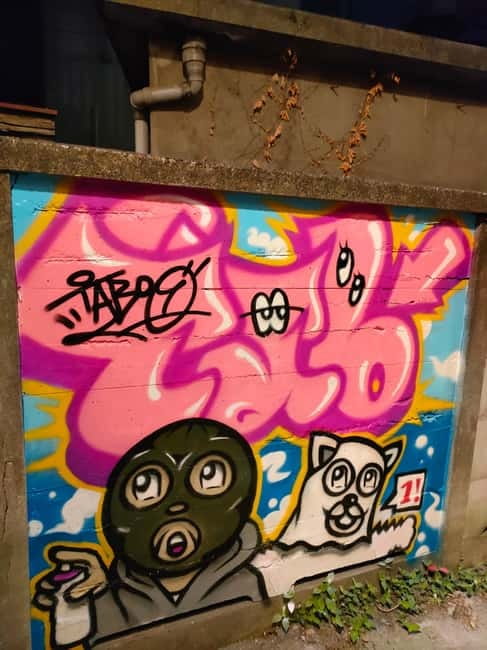
At $38 per person for a 2-hour experience, the value depends on what you want. If you only want a handful of photos, you could probably do a self-guided wandering session in Shibuya.
But if you want the story layer, this price starts making sense. Elena’s long experience, plus access to spots you likely wouldn’t notice, plus the insider art-gateway tips and discounts, all work together. You’re paying for seeing more, and for understanding more, without having to do the research yourself.
Also consider time. In Tokyo, two hours can disappear fast when you’re trying to guess routes and locations. A focused tour gives you structure, so you spend your walking time actually looking at art, not hunting for it.
What to bring and how to be comfortable while you walk
For this tour, pack like you’re going to walk, not like you’re going to a museum. The list is straightforward: comfortable shoes, a camera, water, and cash.
Weather can vary, and you’ll be happier if you dress for walking and carry what you need to stay steady. Since the tour involves streets and outdoor viewing, you’ll want shoes that don’t punish you after the first 30 minutes.
One more thing: the tour rules say no smoking and no alcohol or drugs, and they also prohibit littering. It sounds basic, but on a graffiti walk it matters because you’re spending time near walls and corners that are part of daily neighborhood life.
Who this tour is best for (and who should skip it)
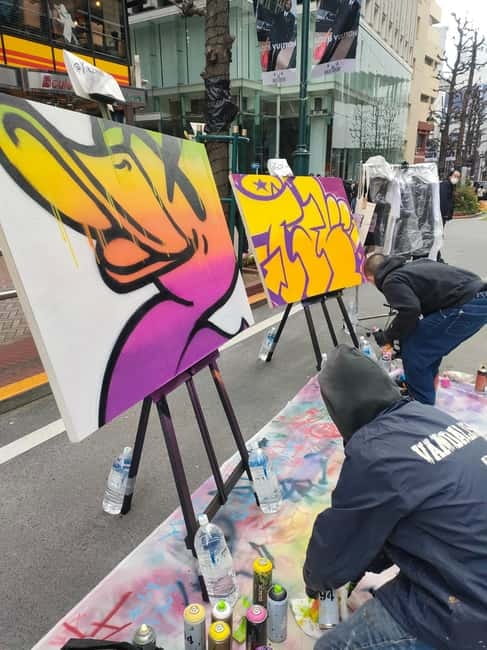
This is a strong fit if you like street art, urban culture, and the idea of learning how art becomes part of a city’s identity. It’s also a great pick if you like tours with an expert voice and a clear focus, because the experience stays tied to what you’re seeing on the street.
It’s also a good choice for families who can handle walking, since the tour isn’t pitched as a night event or anything overly intense. Just remember: the activity is not suitable for babies under 1 year and it’s not suitable for people with mobility impairments.
There’s also an age cap listed: it’s not suitable for people over 95 years. The practical reason is simple, it’s a walking tour that keeps moving.
Should you book? My take on choosing this over a generic Shibuya tour
Book this tour if you want Shibuya and Harajuku through the lens of street-level art and cultural context. The strongest reason is the guide: Elena’s research background and the way she explains what you’re seeing is repeatedly what makes this experience stand out in a positive way.
Skip it if you want a traditional sightseeing crawl of famous stops. The tour is designed for graffiti and street art, not temples, shopping streets, or set-piece attractions.
If you do book, plan to pair it with your own follow-up. Take the names and mural leads you’re given, then give yourself time later in the day to go back and look again at pieces you care about most. That’s where the best photos and the most satisfying memories usually come from.
FAQ
How long is the Graffiti in Tokyo Walking Tour for Shibuya and Harajuku?
The tour lasts 2 hours.
Where do I meet for the tour?
The meeting point is Manhattan Records Shop (Shibuya).
How much does the tour cost?
The price is $38 per person.
What should I bring with me?
Bring comfortable shoes, a camera, water, and cash.
What languages is the tour offered in?
The live guide offers English and Spanish.
Is this tour suitable for everyone?
It is not suitable for people with mobility impairments, babies under 1 year, or people over 95 years.
More Walking Tours in Tokyo


More Tours in Tokyo


More Tour Reviews in Tokyo
Not for you? Here's more nearby things to do in Tokyo we have reviewed












Shibuya Tours, side by side.
 ★ 5.0Official Street Go-Kart in ShibuyaFrom $763,435 reviews
 ★ 4.9Street Kart Experience in ShibuyaFrom $741,484 reviews
 ★ 5.0Shibuya Meltdown Nightlife Tour: All-You-Can-Drink Bar HoppingFrom $1061,058 reviews
 ★ 5.0Shibuya Official Street Go-Kart in Shibuya AnnexFrom $69972 reviews
 ★ 5.0Shibuya Food Tour (13 dishes and 4 Eateries)From $77770 reviews
 ★ 5.0Best of Shibuya Food TourFrom $217612 reviews
 ★ 4.8Shibuya Highlights Walking TourFrom $19601 reviews
 ★ 4.7Premium Go-Kart Tour with Tower & Shibuya CrossingFrom $116528 reviews
This tour also belongs to