
Review · ASAKUSA TOURS
Tokyo Asakusa Half Day Walking Tour with Local Guide
Asakusa sings with history, in half a day. This 2.5-hour small-group walk hits Sensoji Temple and Nakamise Shopping Street with a guide who helps you navigate and explain what you are seeing. One watch-out: lunch and many tasty treats are on your own, so budget a bit extra for food.
You’ll meet at the Asakusa Culture Tourist Information Center at 9:30 am, and the tour ends right back at the same spot. It runs about 2 hours 30 minutes, uses a mobile ticket, and keeps the group tight, with a maximum of 5 travelers.
If you happen to get guides like Hana, Shino, or Kurumi, the vibe is consistently patient and informative. It is an easy way to get your bearings fast in Asakusa without turning your feet into a guessing game.
Key highlights worth showing up for
- Sensoji with real etiquette, including how to worship before you go in
- Nakamise Shopping Street snacks and crafts, from age-manju to folding fans
- A fortune and prayer moment at Sensoji, not just a photo stop
- Shitamachi wandering with stops tied to old Tokyo, like Hoppy Street
- Small group attention, max 5 travelers, so questions get answered
Asakusa in 2.5 hours: what you truly get
This is not a rushed, “see everything from the sidewalk” tour. The goal is to give you a smart, story-led loop through Asakusa’s best-known highlights, plus a taste of the neighborhood feel around them.
In a single morning, you connect the dots between the big headline sights and the smaller details that make them meaningful. That is the big value of having a guide here, especially if it is your first time in Tokyo or you just do not want to spend your limited time figuring things out.
One practical point: because it is designed for variety in a short time, you will likely do more walking than stopping for long sit-down breaks. The trade is that you get the “fast overview” effect without losing the local context.
You can also read our reviews of more walking tours in Tokyo


Price and group size: is $61.78 a good deal?
At $61.78 per person, you are paying mainly for the guide fee, plus whatever admission ticket component is included in the experience. The tour does not include lunch, drinks, or transportation, so you should treat food as a separate budget line.
For me, the value comes down to this: Asakusa is famous, but it is also easy to miss what matters if you are just scanning guidebooks. Paying for a local guide in a small group can save you the time cost of working out what you are looking at, especially at a place like Sensoji where there are actual steps to worship.
Group size matters too. With a maximum of 5 travelers, you get more of the “ask a question, get an answer” experience than the “stand in a line” experience. That makes the whole walk feel smoother and more personal.
Starting at Asakusa Culture Tourist Information Center and the Thunder Gate
The tour begins at the Asakusa Culture Tourist Information Center at 2-chōme-18-9 Kaminarimon, Taito City. From there, you move toward Kaminarimon Gate, the Thunder Gate, which is the iconic symbol of Sensoji Temple.
This opening is more useful than it sounds. If you start your Asakusa day at the right place and follow the right order, you avoid the common mistake of circling the most famous spots without understanding how they connect.
The guide’s role here is to set the scene and help you read the space. Once you understand what Kaminarimon represents, the rest of the walk makes more sense, including why Nakamise feels like more than just a shopping strip.
Nakamise Shopping Street: snacks, crafts, and what to buy
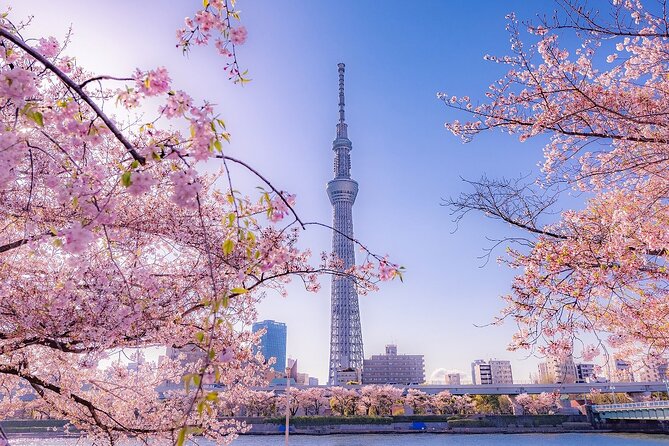
Nakamise Shopping Street is where Asakusa turns from “landmark visiting” into “sensory Tokyo.” This is the stretch packed with snack stalls, souvenir shops, and the kind of goods that feel tied to tradition rather than just tourism.
You can expect to pass specialty shops where you may sample treats like age-manju (deep-fried sweet bun), kibidango (millet dumplings), ningyo-yaki (doll-shaped waffles), matcha tea, and Kaminari Okoshi (sweet rice cracker). Even if you do not buy everything, seeing what is available gives you a useful map for later.
You will also hit craft-oriented shops, not just candy and trinkets. Two named stops include Bunsen-do, known for folding fans, and Bunkoya-Ozeki, which focuses on leather items. That balance is nice because it keeps your souvenir hunt from being random.
A practical consideration: Nakamise can be busy, especially on popular mornings. If you are someone who gets annoyed by crowds, go in with a simple plan. Pick one snack, browse a short list of souvenir types, then keep moving rather than trying to do everything at once.
Sensoji Temple: how to worship, draw a fortune, and pray
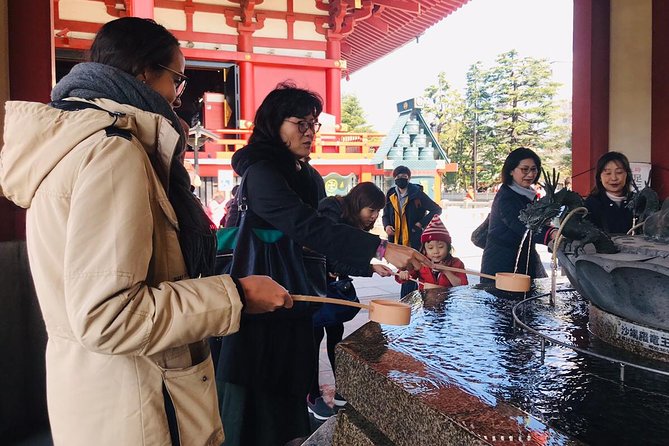
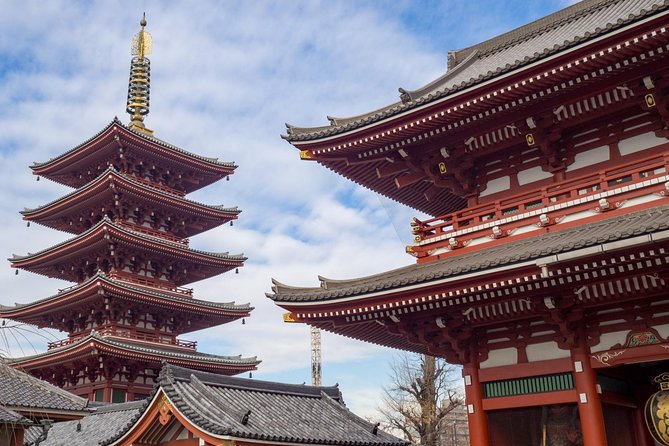
Sensoji is the centerpiece, and this tour treats it that way. Before you visit the main area, the guide explains how to worship, which helps you do the respectful steps without feeling awkward.
Then you get the memorable “participation” moments. The plan includes drawing a fortune and making a prayer at Sensoji Temple. That matters because it turns your visit into more than sightseeing. You leave with something personal, even if you just take a few minutes to follow the process.
If you have ever worried about cultural etiquette when visiting temples, this is one of the best parts of the experience. You are not left to guess. You get a clear sense of what to do and what the actions represent.
Tip for your shoes and timing: temple areas involve walking and standing, and you may wait briefly at key moments. Wear comfortable footwear and keep water nearby if you can. Even though water is not listed as included, it helps you stay comfortable while you focus on the visit.
You can also read our reviews of more guided tours in Tokyo
Shitamachi walking: Kamiya Bar, Hoppy Street, and old Tokyo flavor
After the temple and shopping, the walk shifts into “feel the neighborhood.” The tour includes strolling around Shitamachi, which is the older, traditional side of Tokyo’s culture and street life.
Two named stops in this part of the itinerary are the oldest Kamiya Bar and Hoppy Street. That is a fun pivot because it moves you from big religious and shopping icons into the everyday style of Asakusa, where old traditions show up through food culture and local watering holes.
I like this section because it gives you contrast. Many Asakusa visits stop at the dramatic temple and the souvenir strip. Here you get a chance to see how the area breathes when you are not standing in the biggest tourist flow.
One consideration: this part is more atmosphere than “one must-see monument.” If you want only major headline sights, you might find this chunk a little more about vibe than checklist items. But if you like texture, it is exactly what makes Asakusa feel real.
Lunch and food budgeting: Monja-yaki is on you
In the overview, there is an option to enjoy a savory Monja-yaki pancake lunch, but it is own expense. Since lunch is not listed as included, you should plan to pay for it yourself.
This is actually useful for travelers with different appetites. You can choose a lunch that fits your preferences and budget while still benefiting from the guide’s timing and routing. The tour structure helps you avoid wasting your best morning hour hunting for where to eat.
If you want to make this easy, decide in advance what kind of lunch you are after. If Monja-yaki is your pick, start thinking about it when you are browsing Nakamise. If you prefer something lighter, you might grab a quick bite during the shopping stretch and save your full meal for later.
Flexibility: how customizing your route works in practice
The tour is described as flexible and can be customized on request. That means you should feel comfortable telling the guide what you care about most, like temple time, shopping focus, or more neighborhood strolling.
With only a maximum of 5 travelers, customization is more likely to work smoothly than on big group tours. The guide can set up the itinerary accordingly, so you are not stuck with a rigid script.
A simple way to use this flexibility: pick one or two priorities and one “nice to have.” For example, temple photography and shopping crafts as priorities, then a little extra time in Shitamachi as the nice to have. That kind of clear request usually gets the best results in a short morning.
Practical tips for a smooth Asakusa morning walk
This experience requires good weather. If conditions are poor, the tour can be canceled and you will be offered a different date or a full refund.
Start with the basics:
- Wear comfortable shoes for uneven crowd zones and steady walking.
- Bring some cash or a card for food and snacks since food and drink fee are not included.
- Keep expectations realistic: you are covering a lot in 2 hours 30 minutes, so plan to skim the shopping stalls rather than trying to buy everything.
Also, you are starting near public transportation, so getting there should be straightforward. Still, Tokyo mornings can feel fast. Aim to arrive a few minutes early at the Asakusa Culture Tourist Information Center so you start on time and enjoy the full route.
Should you book this Asakusa half-day walking tour?
Book it if you want a guided, no-confusion introduction to Asakusa. This is ideal for first-timers who want Sensoji to feel understandable, who like Nakamise Shopping Street but do not want to wander aimlessly, and who appreciate small-group attention.
Skip it if you love independent exploring and already know exactly what you want to see and eat. If you are the type who would rather spend the morning at your own pace, you might not value the guide’s structure enough to justify the cost.
One more decision tip: if you are traveling with limited time, this tour’s format is a good match. You get the headline highlights and a neighborhood texture in one morning, then you can decide how to spend the rest of your day based on what you enjoyed most.
FAQ
Where does the tour start?
The tour starts at the Asakusa Culture Tourist Information Center, 2-chōme-18-9 Kaminarimon, Taito City, Tokyo 111-0034, Japan.
What time does the tour start?
The start time is 9:30 am.
How long is the Tokyo Asakusa half-day walking tour?
It lasts about 2 hours 30 minutes.
How much does the tour cost?
The price is $61.78 per person.
What is the group size limit?
The maximum group size is 5 travelers.
What is included in the price?
The included item listed is the guide fee. The itinerary note also indicates an admission ticket is included.
What is not included?
Lunch, food and drink fees, experience fees, and transportation are not included.
Which main sights are included in the walk?
You will go through Kaminarimon Gate for Sensoji Temple, visit Nakamise Shopping Street, and explore around Shitamachi, including Hoppy Street. Sensoji Temple also includes worship guidance, a fortune drawing, and making a prayer.
Can the itinerary be customized?
Yes. The tour can be customized on request, and the guide will set up the itinerary according to your interests.
What happens if the tour is canceled due to weather or if I cancel?
It is non-refundable and cannot be changed for any reason. Separately, if the experience is canceled due to poor weather, you will be offered a different date or a full refund.
More Walking Tours in Tokyo
More Tours in Tokyo






More Tour Reviews in Tokyo


Not for you? Here's more nearby things to do in Tokyo we have reviewed












Asakusa Tours, side by side.
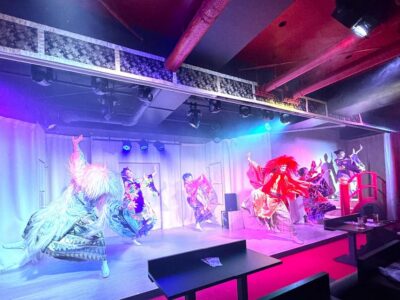 ★ 4.8Japanese Dance Cabaret Theater Asakusa-Kaguwa TicketFrom $492,270 reviews
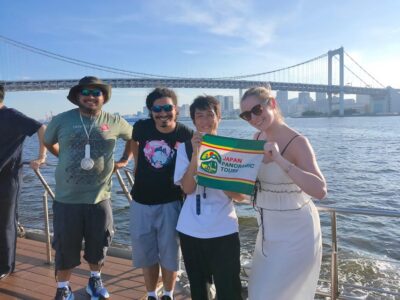 ★ 4.7Meiji Shrine, Asakusa, Skytree Bus Tour and CruiseFrom $1221,986 reviews
 ★ 4.9Roll and Authentic Sushi Making Class in AsakusaFrom $581,957 reviews
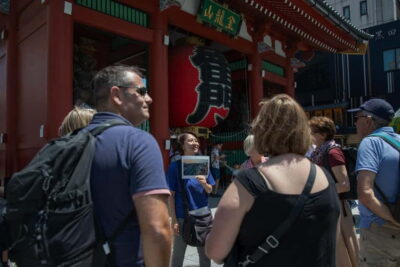 ★ 4.8Asakusa Walking Tour with Sensoji Temple VisitFrom $221,583 reviews
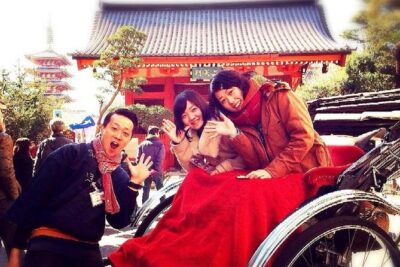 ★ 5.0Tokyo Asakusa Rickshaw TourFrom $421,375 reviews
 ★ 4.5Tokyo Panoramic 1 Day: Meiji Shrine, Asakusa, Odaiba and SKYTREE®From $851,222 reviews
 ★ 5.0Tokyo Go Kart: Asakusa, Skytree, and Akihabara **IDP MUST**From $99988 reviews
 ★ 4.7Asakusa, Skytree & Akhihabara Go-Kart City ExperienceFrom $96761 reviews
This tour also belongs to