
Review · TSUKIJI MARKET TOURS
Tokyo Tsukiji Food & Culture 6hr Private Tour with Licensed Guide
Food tastes better with a guide. This half-day Tokyo tour threads the needle between Tsukiji seafood energy and classic Asakusa temple-and-shopping streets, without you spending your trip staring at a map. I like the way the pace stays human, because a licensed local guide keeps you pointed in the right direction. I also like that you get to pick your own mix of stops, so you can steer the day toward food, shopping, or culture. The one thing to think about is that it is mostly a walking tour and you are responsible for transportation, lunch, and any entrance tickets that are not included.
The Tokyo market layout is not simple anymore, and this tour handles it for you. You can start at Toyosu Market, the wholesale market that opened in 2018 on a man-made island, then swing over to the Tsukiji area for the seafood portion. You will meet your guide at Tsukiji Honganji Temple, just outside the main gate, which is a huge help when the streets and entrances are confusing.
Pricing is $154.84 per person for about 6 hours, and it is commonly booked around 70 days in advance. For that money, you are paying for a licensed guide plus a flexible, private format, not just a checklist of stops. If you prefer wandering at your own speed with no structure, you might feel you could do some of this on your own.
Key reasons this tour works well in real life
- A licensed English-speaking local guide, not a random pointer app.
- Choose 3 to 4 sites from a strong Tsukiji and Asakusa menu.
- Toyosu plus Tsukiji in one day, so you do not miss Tokyo’s new-to-you market setup.
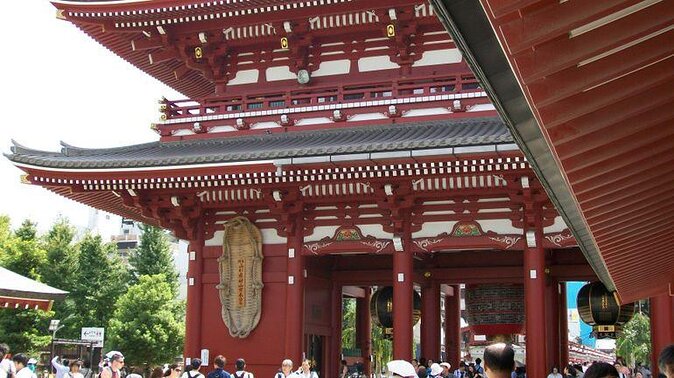
- Asakusa essentials like Senso-ji and Kaminarimon, plus Nakamise shopping street.
- Kappabashi Dogugai shopping for kitchen tools and restaurant-style goods.
- Real guidance when you hit sensory overload, and one review even highlighted chopstick practice and shopping at Nakamise with guide Taka.
Why Tsukiji plus Asakusa fits a 6-hour half day
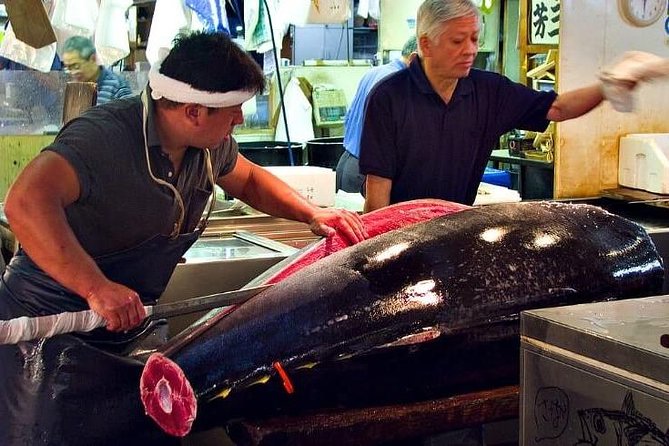
Tsukiji and Asakusa are two different Tokyo moods, and that is exactly why pairing them makes sense. Tsukiji is all about food culture, especially seafood. Asakusa is older-school Tokyo street life, anchored by Senso-ji and the shopping lanes that lead to it.
This tour is built for a day you want to feel full, not exhausting. With an overall duration of about 6 hours and 3 to 4 chosen stops, you can hit big-name sights and still have time to actually look, ask questions, and eat whatever feels right. Also, the meeting point and flow matter here. Without guidance, it is easy to waste time figuring out entrances and which side of the market you should be on.
You can also read our reviews of more food & drink experiences in Tokyo

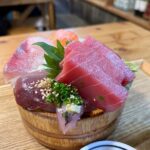
Picking your 3 to 4 stops (and why that matters)
You do not have to commit to the full lineup. The tour is customizable, and you choose 3 to 4 sites from the stop list. That flexibility is valuable because Tsukiji and Asakusa can take over your whole schedule if you let them.
I like this approach because it lets you match your day to how you travel:
- If you are a first-timer, you can prioritize Senso-ji, Kaminarimon, and the classic shopping streets.
- If you are a food shopper, you might emphasize market time plus Kappabashi and Ameyoko.
- If you care about snacks and street culture, you can include Tsukishima Monjya Street for a food stop.
The private format also changes the experience. It is just your group, and you get the guide’s undivided attention. That means you can ask, adjust on the fly, and move when it works for you, not when a group schedule says so.
Toyosu Market: the modern wholesale start that saves you time
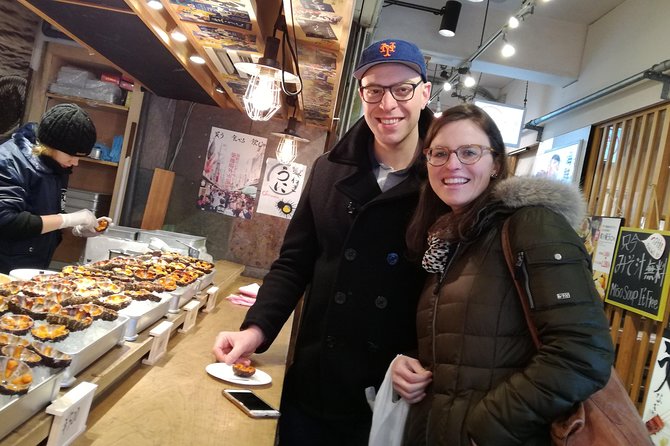
Toyosu Market is a practical starting point, even if you have never heard of it before. It opened on October 11, 2018, on a man-made island in Tokyo Bay, and it took over the wholesale operations from the aging Tsukiji Market.
In the tour plan, Toyosu gets about 2 hours. Admission is not included, so you should budget for any market ticketing costs that apply on your date. Since the tour does not include the admission ticket here, factor that into your thinking about overall value. Still, the upside is that your guide handles the logistics and keeps your time focused.
What you can expect from Toyosu time is less about leisurely sightseeing and more about catching the market in action. Even when you are not buying much, it gives context for why Tsukiji seafood culture matters. You also get a strong contrast right away: modern market infrastructure first, traditional street life later.
Tsukiji Fish Market: meeting at Tsukiji Honganji Temple
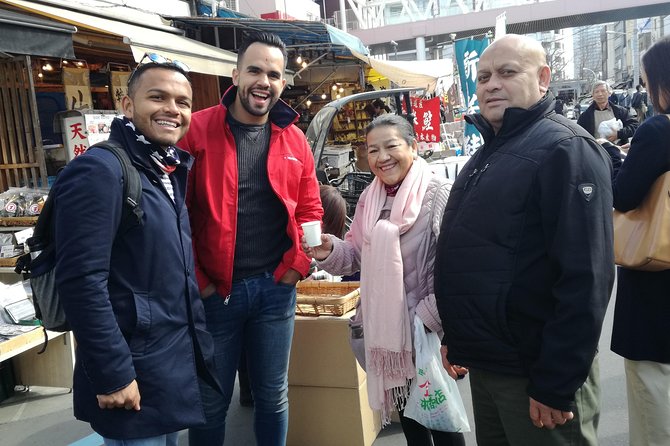
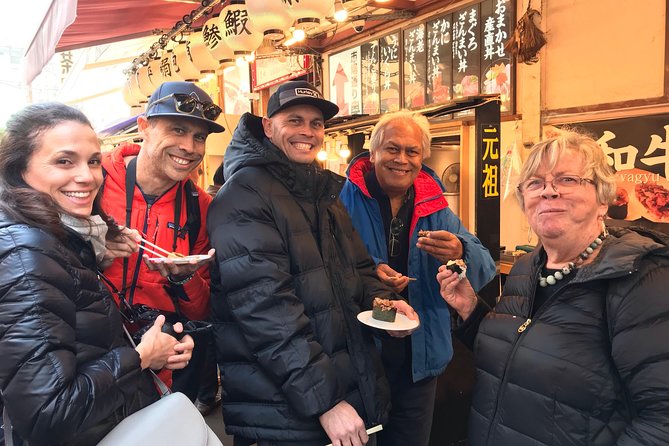
This is the classic seafood portion. You meet your guide at Tsukiji Honganji Temple, right outside the market’s main gate, in the morning. That meeting location is not a small detail. Markets can be maze-like, and having a clear meetup point avoids that early-trip frustration.
The Tsukiji Fish Market stop is about 1 hour, and admission is listed as free. Your guide will help you navigate the market’s layout and point out what to pay attention to. The setting is full of seafood sights and sounds, so the guide’s role is as much about sorting the chaos as it is about information.
A good rule for market time: go in with one clear goal, even if your goal is flexible. Maybe it is tasting something, maybe it is shopping for edible souvenirs, or maybe it is simply understanding how the market works. With only an hour here, you want your brain pointed in the right direction.
Asakusa temple time: Senso-ji, Kaminarimon, and the 250-meter approach
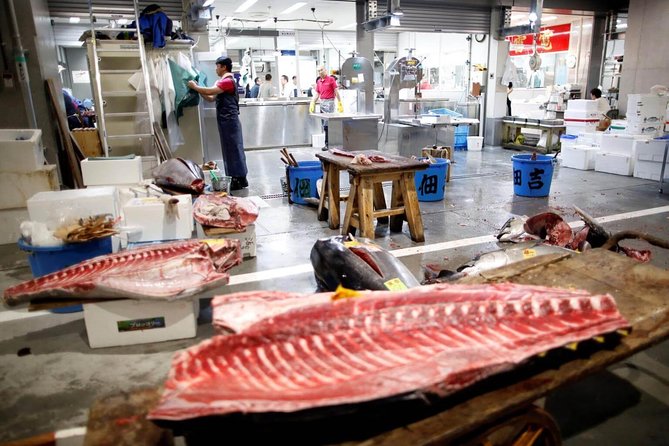
Asakusa is where the day starts to feel like old Tokyo. Senso-ji Temple is famous, and it is also deeply old, with about 1,300 years behind it. You will spend around 30 minutes there, and you will see Kaminarimon, the big red lantern entrance gate that most people recognize instantly.
From there, you can continue to Nakamise Shopping Street (Kaminarimon). This is about a 250-meter-long approach lined with shops selling traditional souvenirs and snack foods. The tour calls out another 30 minutes here.
Why this section is valuable is simple: it is the easiest way to get Asakusa’s vibe without turning it into a scavenger hunt. You have the temple landmark to orient your memory, then Nakamise gives you the everyday Tokyo shopping street that surrounds it.
One practical tip I would borrow from guide Taka’s vibe from a real review: if you are rusty with chopsticks, this area is a place where it is okay to practice. In one story, a guide and a couple worked through chopstick technique and then celebrated by buying chopsticks at Nakamise. That kind of small win is exactly why having a guide matters.
More Tokyo tours and experiences for the shortlist


Shopping streets that feel fun, not touristy
Tokyo shopping can go two ways: either it is memorable and useful, or it becomes expensive aimless wandering. This tour includes stops that tend to make shopping more intentional.
Ameyoko Shopping Street
Ameyoko is a favorite for visitors who want deals and variety. The stop here is about 30 minutes. The style is classic Tokyo street shopping, and it is a good match if you want souvenirs or snack runs without overthinking it.
Kappabashi Dogugai: kitchen tools you can actually bring home
Kappabashi Street (Kappabashi Dogugai) is one of the most practical shopping areas in all of Tokyo. This street between Ueno and Asakusa is lined with dozens of stores selling items restaurant operators use. You spend around 30 minutes here.
If you like food culture but also like taking something home that feels connected to cooking, this is the spot. Kitchen tools, cooking accessories, and utensil-focused shopping give you souvenirs that do not just sit on a shelf.
Yanaka Ginza Shopping Street
Yanaka Ginza is for the Shitamachi atmosphere, the quieter older-town vibe. It is another about 30 minutes. If you want the day to feel less all-at-once, this stop adds a slower tone after the temple and market segments.
Tsukishima Monjya Street: a snack stop with character
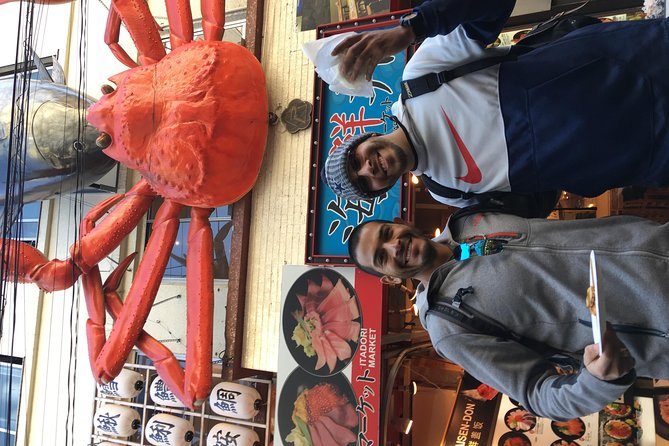
Tsukishima Monjya Street is a food-centric detour option. The stop is about 30 minutes, and admission is not included.
Monjayaki is described as a thin batter made with flour and dashi (Japanese stock), cooked hot and served like a liquid-y dish. The review text also makes a point that monjayaki can look unattractive, but once you get past that, the flavor and texture are what matter.
Two considerations if you include this stop:
- Think of it as a snack or short food experience, not a full meal, since your time is limited.
- Since admission is not included, be ready for food costs as your main expense here.
Rainy days, smooth guidance, and small bonuses
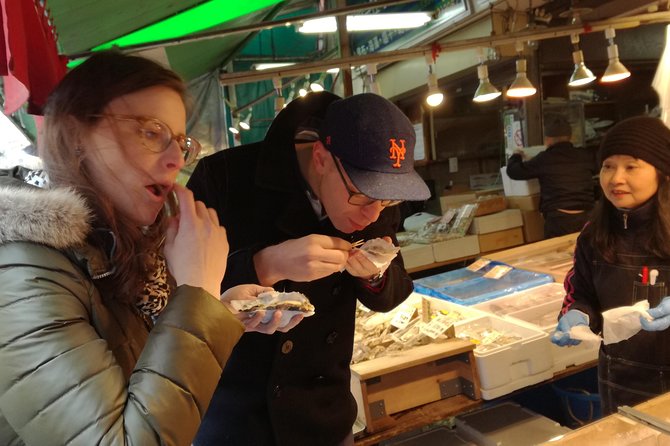
One review mentioned a rainy day food tour where a guide named Taka handled the mood shift and even added an interesting boat tour bonus. That is not something you should assume will happen every time, but it does show how flexible and problem-solving-minded guides can be when weather turns.
Rain matters in Tokyo. Walking tours can feel long if you are not prepared. If you pick this tour, pack a compact umbrella or rain layer, and consider that stopping for snacks might be more appealing on wet streets. A good guide also helps you decide what is worth doing when the ground is slick and the light changes.
And if you are traveling with kids or anyone who feels overwhelmed by market noise, the payoff can be huge. In the same review story, a couple started as chopstick novices and improved during the tour, with encouragement and practice happening naturally during shopping time at Nakamise.
Price and logistics: is $154.84 a good deal?
At $154.84 per person for about 6 hours, the value depends on what you want to buy with your time.
You are getting:
- A licensed local English-speaking guide
- A private tour where only your group participates
- A customizable itinerary where you pick 3 to 4 sites
- A meetup on foot within a designated area
- A mobile ticket
What you are not getting:
- Transportation fees
- Entrance fees (unless listed as free for a specific stop)
- Lunch
- Other personal expenses
- A private vehicle
Also, admission ticket details differ by stop. Toyosu Market lists admission ticket not included, Tsukiji Fish Market is free, and Tsukishima Monjya Street lists admission ticket not included. Other listed shopping and temple areas are marked as free.
So, when does this feel like a smart spend?
- You are a first-time visitor and want your time protected from map confusion.
- You care about food culture but also want the shopping and temple experience to feel guided rather than random.
- You have a small group and want your questions answered right away.
When might it be less compelling?
- If you are the type who enjoys independent wandering and you already know how to move between market entrances and street landmarks.
- If you plan to skip most paid elements anyway and just want quick photos.
Should you book this Tsukiji and Asakusa private tour?
Book it if you want a guided route that ties together seafood culture, classic temple sights, and practical shopping in one smooth half-day. The biggest win is the combination of a licensed guide and a customized set of stops, so you are not trapped in a rigid itinerary that does not match your day.
Skip it, or at least reconsider, if you hate walking, you dislike paying for guide time on top of admissions, or you would rather roam freely with no hand-holding. Remember, it is walking-focused and it is your responsibility to cover transport, lunch, and any admission tickets not marked as free.
If you do book, go in with a loose plan. Decide whether you want your emphasis to be market-first, temple-first, or shopping-first. Your guide can help you make the final call once you are there, and that is where the tour turns from a list of stops into a Tokyo day that actually fits.
FAQ
How long is the Tokyo Tsukiji Food & Culture private tour?
The tour runs about 6 hours.
Can I choose which places to visit?
Yes. You can customize the itinerary by picking 3 to 4 sites from the list of stops.
What is included in the tour price?
A licensed local English-speaking guide and a customizable tour of 3 to 4 sites are included. The tour also includes meeting your guide on foot within a designated area, and you receive a mobile ticket.
Are entrance fees included?
Not always. Toyosu Market lists admission ticket not included, Tsukiji Fish Market lists admission free, and Tsukishima Monjya Street lists admission ticket not included. Other listed stops are marked as free.
Is transportation included?
No. Transportation fees are not included.
Is there pickup by car?
No. This is a walking tour, and pickup is offered on foot near public transportation.
How far in advance is this tour commonly booked?
On average, it is booked about 70 days in advance.
Can I cancel and get a full refund?
Yes. You can cancel up to 24 hours in advance for a full refund. Canceling less than 24 hours before the start time is not refunded.
More Food & Drink Experiences in Tokyo
More Tours in Tokyo




More Tour Reviews in Tokyo


Not for you? Here's more nearby things to do in Tokyo we have reviewed












Tsukiji Market Tours, side by side.
 ★ 5.0Tokyo Tsukiji Fish Market Food and Culture Walking TourFrom $993,184 reviews
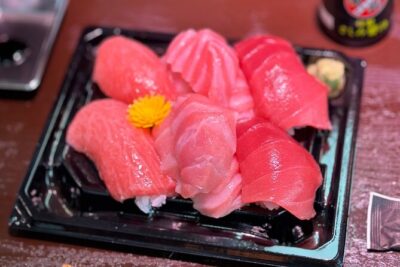 ★ 5.0Tsukiji Fish Market Food and Walking tourFrom $301,724 reviews
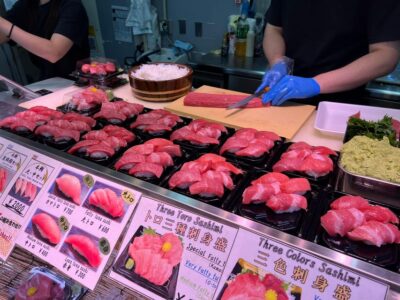 ★ 4.9Tsukiji Fish Market Guided Walking TourFrom $221,397 reviews
 ★ 5.0Tokyo Sushi Making Class in Tsukiji with Professional ChefFrom $491,177 reviews
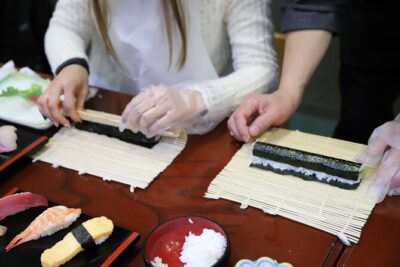 ★ 5.0Tsukiji Fish Market Guided Tour and Sushi Making with Pro ChefFrom $104775 reviews
★ 4.7Tsukiji Fish Market Food and Culture Walking TourFrom $96757 reviews
★ 5.0Tsukiji Fish Market Guided Tour and Sushi Making with Pro ChefFrom $104775 reviews
★ 4.7Tsukiji Fish Market Food and Culture Walking TourFrom $96757 reviews
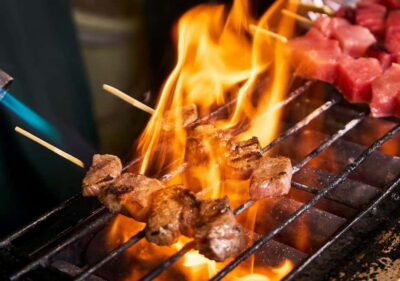 ★ 5.0Tsukiji Fish Market: Street Food & Culture Walking TourFrom $33669 reviews
 ★ 5.0Tsukiji Fish Market Small-Group Food Walking TourFrom $87621 reviews
This tour also belongs to