
Review · TSUKIJI MARKET TOURS
Tokyo Tsukiji Food & Culture 4hr Private Tour with Licensed Guide
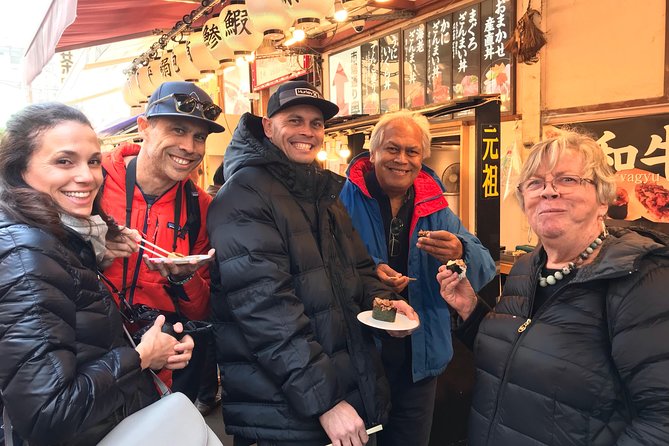
Tokyo fish markets feel like a maze. This private, 4-hour Tokyo food-and-culture tour helps you navigate Toyosu and Tsukiji with a licensed guide while also pairing in street shopping and kitchenware hunting. I especially like the hotel pickup help and the flexible way your guide can shape a route around your interests. One thing to plan for: Toyosu can be closed (Wednesdays, Sundays, and some irregular days), and Toyosu admission is not included.
This is a walking tour with meet-up on foot in a designated area, so it works best when you come ready to wander. You will likely sample foods along the way and spend time in souvenir streets like Nakamise and Kappabashi, plus optional stops such as Tsukishima Monjya Street and Yanaka Ginza depending on timing and the day.
Key Things I’d Focus On Before Booking
- Licensed guide, not just a map, with a route you can customize for 2 to 3 sites
- Toyosu first or swapped, depending on closures, with Tsukiji still on the menu
- Market sampling plus shopping streets, so you get both food and kitchen-souvenir value
- A walking pace, with limited time in each neighborhood (plan for 30 minutes per stop)
- Timing matters, since late arrivals can mean fewer stalls or no auction action
Price and Logistics: What Your $109.01 Buys
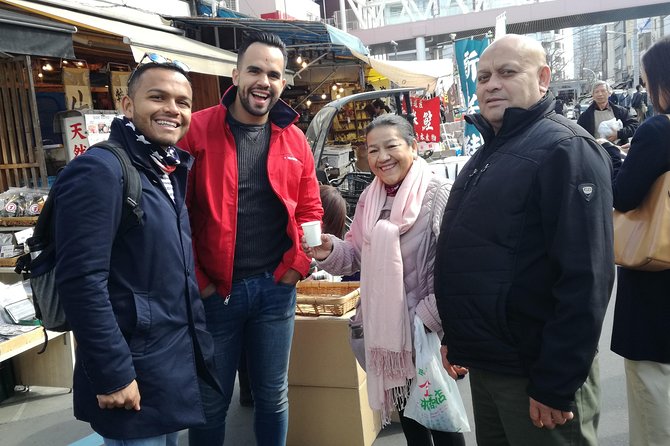
At $109.01 per person for a 4-hour private tour, you are paying for time efficiency and local guidance in two places that can overwhelm you fast: Toyosu and Tsukiji, plus the surrounding shopping streets. The big value here is that the guide is licensed and able to adjust the flow based on what you want most, instead of forcing you into a single rigid checklist.
You also get structure. The tour is set up so you choose 2 to 3 sites from the recommended set, which keeps your afternoon from turning into constant transit. If your route has you moving far across town, those minutes add up. One downside of any city-walking food plan is that train and station time can steal your tasting time, so you will want to be clear about priorities before you start.
Finally, note what is not included: transportation fees, entrance fees, lunch, and other personal expenses. The good news is that many of the cultural stops here are free, but market tastes and shopping will be on you.
You can also read our reviews of more food & drink experiences in Tokyo

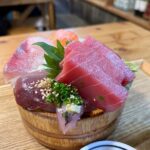
Meeting Up: Pickup Help, Then a True Walking Tour
This is a private tour for just your group, and you meet your guide on foot within a designated area. Pickup is offered, but it is still a walking experience rather than a car-based route. That means your comfort matters. I recommend arriving with good walking shoes and a plan for rain (this route can feel wet and slippery in the wrong weather).
You also get a mobile ticket, which can make check-in smoother once you are standing at the meeting point. Since you are near public transportation, you can usually get yourself there without drama, and the guide helps you get moving once you meet.
The practical tip: treat the first 10 minutes as setup time. Confirm what you want most, then agree with your guide on the number of stops you can realistically enjoy without feeling rushed.
Toyosu Market: Best When It’s Open, Watch Closures
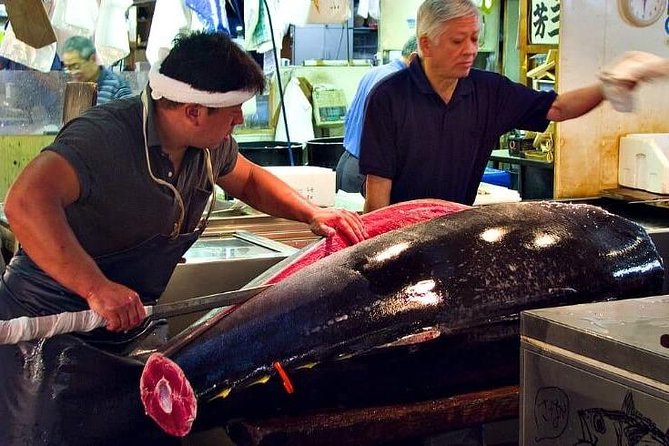
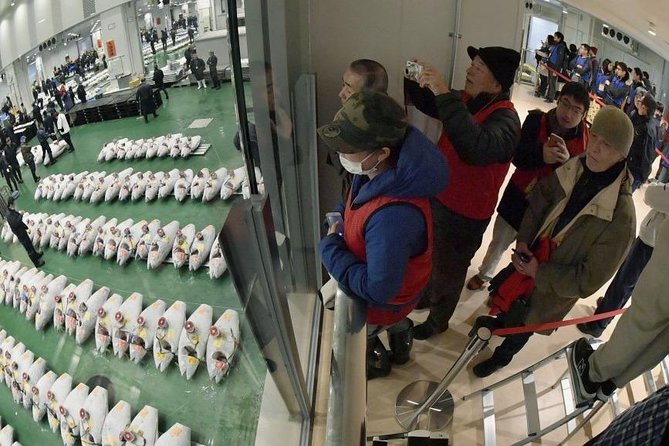
Toyosu is modern and structured, and it is a key part of Tokyo’s seafood world. Your tour time there is about 30 minutes, and it is worth it for the atmosphere and the chance to see how the market operates day to day.
Here is the crucial planning detail: Toyosu Market is closed on Wednesdays, Sundays, and occasionally on other irregular days. When it is closed, many Tsukiji shops may also be closed. That does not automatically ruin your afternoon, but it does change what you can expect. If you are aiming for the most lively market-stall energy, schedule with Toyosu’s closure pattern in mind.
Also, Toyosu admission is not included. So budget for a paid entry ticket on that day.
Tsukiji Fish Market: Old-School Market Chaos, Best for Sampling
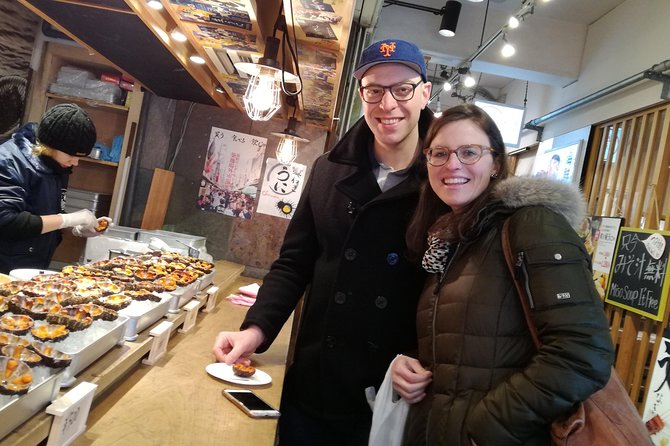
Tsukiji is the older, famous fish-market area, and it still delivers on the sensory overload: stacks of seafood, quick conversations, and nonstop motion. Your time there is also about 30 minutes, and it is marked as free for admission in this tour setup.
This is the part of the experience that tends to justify having a guide. Tsukiji’s lanes can feel like a maze, and food opportunities appear in pockets. With a licensed guide, you can spend your limited time on the stands and street bites that match your tastes, rather than guessing your way through crowds.
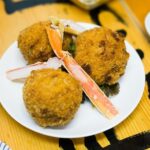
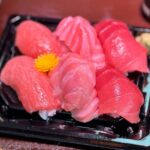
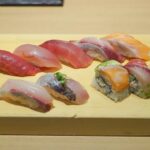
You are not locked into one food type either. Guides often steer people toward a mix of seafood and ready-to-eat treats, and they can suggest what to try based on what you like. The most valuable part is not just the food itself, it is learning how to order and what to look for in a place where everything is quick.
Asakusa Flow: Senso-ji and Nakamise for Food Memories
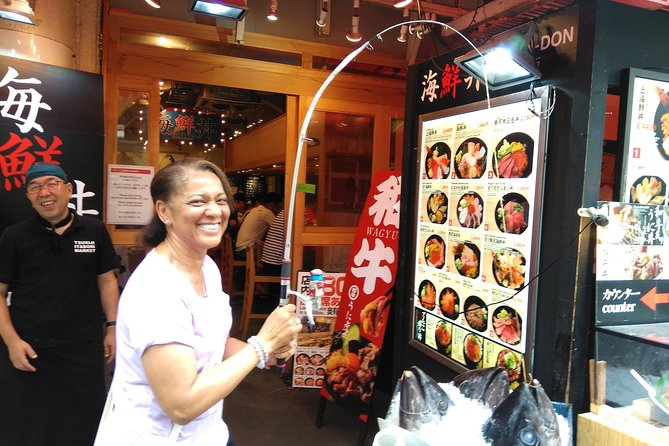
Once you leave the markets, the route shifts into classic Tokyo street culture, with a heavy Asakusa focus.
More Tokyo tours and experiences for the shortlist


Senso-ji Temple, Kaminarimon, and a 1,300-Year Time Check
Senso-ji Temple is one of Tokyo’s best-known temples, dating back about 1,300 years, and it is especially famous for Kaminarimon, the massive red lantern gate. Your time at Senso-ji is about 30 minutes, and entrance is free.
Why this stop works inside a food tour: temple days in Japan come with snack streets nearby, so you get that cultural reset after market intensity. It also gives you a scenic break for photos and for getting your bearings before shopping.
Nakamise Shopping Street: Snacks and Traditional Souvenirs
Nakamise runs about 250 meters along the approach to Senso-ji and is packed with shops selling traditional souvenirs and snacks. You get about 30 minutes here.
Practical advice: treat Nakamise as a sampler zone. Instead of trying to buy everything, pick a few edible items and one small souvenir you can bring home without stress. If you love kitchen culture, this is also a stepping-stone toward Kappabashi, where the items go from snacks to tools.
Ueno and Kappabashi: Kitchenware Shopping Worth the Walk
This is where the tour becomes more than street food. Kappabashi is Japan’s kitchenware wonderland, a shopping street between Ueno and Asakusa lined with many stores that sell what restaurant operators use. If you like gadgets, knives, chopsticks, cookware, or practical kitchen supplies, this stop can feel like a theme park built for cooks.
Your time at Kappabashi is about 30 minutes, and admission is free.
How to shop smarter: go with a shortlist before you arrive. Kitchenware shopping can be addictive, and the tour time is limited. If you want a knife, do not spend 15 minutes drifting between every store. Ask the guide for where to look first, then compare options quickly.
This tour also includes Ameyoko Shopping Street (Ueno). Ameyoko is another food-and-souvenir-style area where you can pick up deals and quick snacks. The practical point is variety: after markets and temple streets, you get a more local shopping feel in this Ueno area.
Tsukishima Monjya and Yanaka Ginza: Where the Tour Gets Interesting
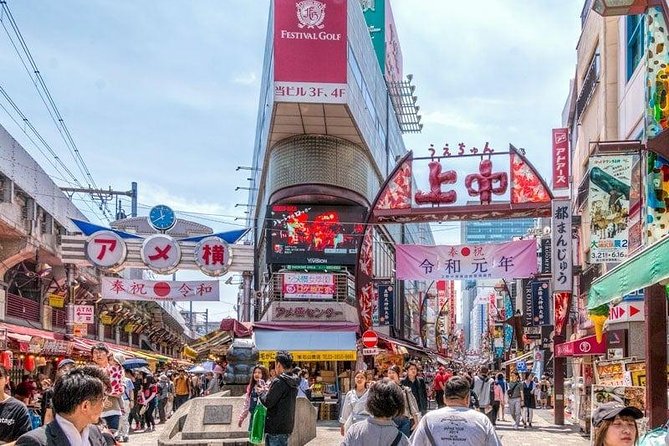
Not every Tokyo food tour includes these two neighborhoods, and that is exactly why they can add value.
Tsukishima Monjya Street: A Taste of Monjayaki Culture
Tsukishima Monjya Street is associated with monjayaki, a hot, liquid-style dish. Your tour time is about 30 minutes, and admission is not included.
What I like about this stop is that it is food culture, not just tourist food. If you are adventurous and curious, monjayaki is a fun way to try something you cannot easily replicate at home. Still, it helps to go with the right expectation: it is more about the experience and flavor texture than perfect looks.
Yanaka Ginza Shopping Street: Old-Town Shitamachi Atmosphere
Yanaka Ginza is often praised for its preserved old-town feeling and Shitamachi atmosphere. Your time is about 30 minutes, and admission is free.
This is a good closing vibe because it is calmer than the market streets and the big tourist temple lanes. If you want a gentler finish to your afternoon, this stop can help your brain decompress after seafood, crowds, and shopping.
The Real Star: How the Licensed Guides Make or Break It
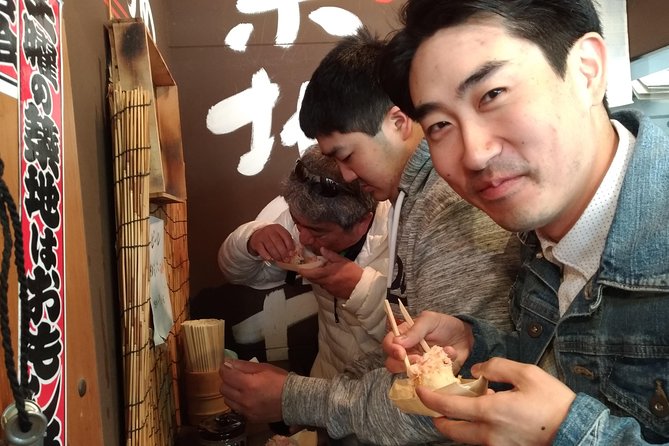
The best moments on this tour tend to revolve around guidance you cannot get from a phone screen. In particular, guides named in feedback often help with:
- Navigating metro and station flow, so you spend time eating and shopping instead of circling landmarks
- Selecting stalls wisely at Tsukiji, where lines and choices can be overwhelming
- Customizing on the fly, including swapping in extra nearby experiences when it fits your time
- Explaining how the market world works, not just where to go
Some examples from guide styles you may experience: Hiromi is repeatedly praised for helping people navigate the metro and steering tastings at Tsukiji. Michie is noted for teaching Japanese food culture in a way that makes the market feel logical, not random. Nori is highlighted for knowing which spots to hit inside the Tsukiji maze. Shuji and Koba are praised for adapting routes for families and helping with train navigation. Even when the plan changes, the common thread is that the guide keeps you moving with confidence.
Important caution based on the timing structure: a 4-hour tour typically cannot fit everything, and you are choosing only 2 to 3 sites from the recommended list. If you expect to cover many neighborhoods plus long transit, you will feel the squeeze. Your best move is to set expectations early with your guide.
How I’d Plan Your Choices for Maximum Food Value
Before your tour starts, pick your top two needs:
1) Markets and sampling, or
2) Kitchenware and shopping streets, or
3) Temple and traditional Asakusa snacks
Then communicate that order to your guide. If you are market-focused, lean heavier toward Toyosu and Tsukiji, then pick either Kappabashi or Nakamise based on what you want to buy. If you love souvenirs, lean Kappabashi and Nakamise, and treat the markets as tasting anchors rather than a full seafood deep scan.
Also remember the day can change. Toyosu closure days can reduce shop activity around the area. If Toyosu is closed, ask your guide how they will reshape your route so you still get food culture value.
If you are traveling with kids, this tour can work well because it blends food, shopping, and visible landmarks like Senso-ji and Kaminarimon. Just keep the pace realistic since it is walking and each stop is time-capped.
Should You Book This Tsukiji Food and Culture Tour?
Book it if you want a private, licensed guide to help you do Tokyo’s seafood and kitchen culture without getting lost. The strongest reason to choose this tour is the combination of market context plus shopping street variety, all within a compact 4-hour window.
Skip or adjust expectations if you are traveling on a day Toyosu is closed, or if you are the type who needs a lot of time for every stop. Also, if you hate walking and crowded lanes, this is still a walking-first plan, and it may feel like too much movement for your comfort level.
If you book, do yourself a favor: pick 2 to 3 must-do areas, confirm how many stops you will actually fit, and set aside money for tastes and kitchen souvenirs since lunch and personal expenses are not included.
FAQ
How long is the Tokyo Tsukiji Food and Culture private tour?
It runs about 4 hours.
Is this a private tour?
Yes. It is a private tour/activity, and only your group participates.
Does the tour include hotel pickup?
Pickup is offered. The tour is a walking tour, with pickup on foot and a meet-up within a designated area of Tokyo.
Are admission tickets included?
Toyosu Market admission ticket is not included. Tsukiji Fish Market is listed as free, and Tsukishima Monjya Street admission ticket is not included.
What is included in the price?
You get a licensed local English-speaking guide, a customizable tour of 2 to 3 sites from the recommended list, and meet-up with your guide on foot.
Is lunch included?
No. Lunch is not included, along with transportation fees and other personal expenses.
What sites might be closed on certain days?
Toyosu Market is closed on Wednesdays, Sundays, and sometimes on other irregular days. Many Tsukiji shops can also be closed due to the Toyosu closure.
Can I customize my itinerary?
Yes. You can customize your itinerary with your guide’s help, choosing 2 to 3 sites from the list of What to expect.
Is transportation included during the tour?
No. Transportation fees are not included.
What if I need to cancel?
You can cancel for a full refund if you cancel at least 24 hours in advance of the experience start time.
More Food & Drink Experiences in Tokyo
More Tours in Tokyo




More Tour Reviews in Tokyo


Not for you? Here's more nearby things to do in Tokyo we have reviewed












Tsukiji Market Tours, side by side.
 ★ 5.0Tokyo Tsukiji Fish Market Food and Culture Walking TourFrom $993,184 reviews
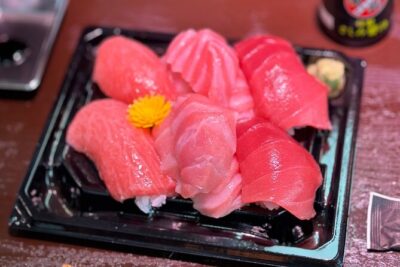 ★ 5.0Tsukiji Fish Market Food and Walking tourFrom $301,724 reviews
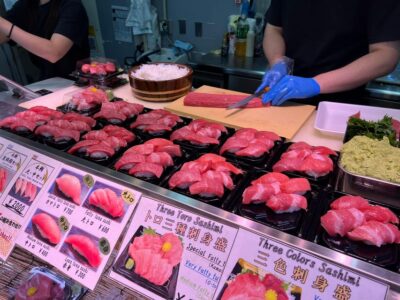 ★ 4.9Tsukiji Fish Market Guided Walking TourFrom $221,397 reviews
 ★ 5.0Tokyo Sushi Making Class in Tsukiji with Professional ChefFrom $491,177 reviews
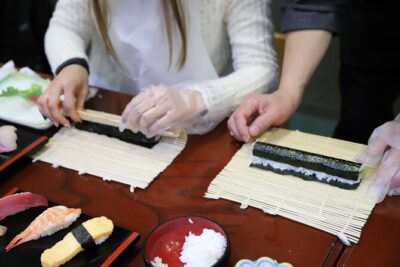 ★ 5.0Tsukiji Fish Market Guided Tour and Sushi Making with Pro ChefFrom $104775 reviews
★ 4.7Tsukiji Fish Market Food and Culture Walking TourFrom $96757 reviews
★ 5.0Tsukiji Fish Market Guided Tour and Sushi Making with Pro ChefFrom $104775 reviews
★ 4.7Tsukiji Fish Market Food and Culture Walking TourFrom $96757 reviews
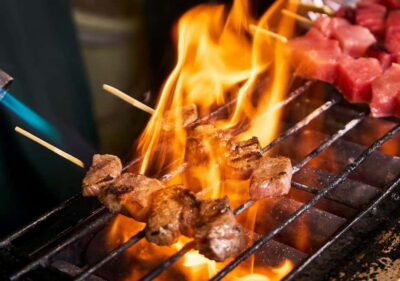 ★ 5.0Tsukiji Fish Market: Street Food & Culture Walking TourFrom $33669 reviews
 ★ 5.0Tsukiji Fish Market Small-Group Food Walking TourFrom $87621 reviews
This tour also belongs to