
Review · SHIBUYA TOURS
Tokyo: Shibuya Highlights Walking Tour & Secret View Spot
Shibuya gets easier fast. This 90-minute Shibuya highlights walking tour is built for first-timers who want to see the big sights without wandering in circles, with an English-speaking local guide leading the way. I especially like the way guides such as Hannah and Mao explain what you’re looking at while you move, so the area starts to make sense instead of feeling like one giant maze of signs and people.
Two things I really like: you get a direct hit on Shibuya Crossing and the nearby photo-ready viewpoints, and you do it in a small-group setting (10 people max). The vibe is practical, not rushed, and the guide will help you with group photos along the route, which is a nice quality-of-life upgrade when you are staring at the crowd and trying to coordinate everyone.
One consideration before you book: if you are counting on a specific panoramic view moment at the observation stop, know that expectations can vary day to day. There was at least one case where the panoramic part did not happen as hoped, so it is smart to go in with flexible eyes and let the guide show you what is possible on that day.
Key tour takeaways before you go
- No getting lost routing with a guide who keeps the group moving through the key Shibuya zones
- Shibuya Crossing photo time focused on the busiest crosswalk in Tokyo
- Observation-deck stop built into the walk, so you do not have to plan your own viewpoint
- Nonbei Yokocho izakaya alley stop that gives you an old-school Shibuya flavor
- Miyashita Park visit with the kind of lights and energy that draws a younger crowd
- Shibuya Center-gai and Mark City add street-and-basement variety in a short window
Where this Shibuya walking tour shines: structure, not chaos
If you have ever tried to navigate Shibuya on your own, you already know the truth. The city is easy once you have your bearings, and hard until then. This tour works because it gives you a simple plan and a human brain to follow.
You will start at SHIBU HACHI BOX on Dōgenzaka and finish back at the same meeting point. That matters because it removes one of the biggest stressors in Tokyo walking days, ending up somewhere you did not intend. The mobile ticket also keeps things tidy, and you can focus on walking and looking instead of hunting for paperwork.
The group size is the other big reason this works. It is capped at 10 people, even though the max group size listed is higher. In practical terms, that means you are more likely to hear the guide and get help taking photos at the moment, not five minutes later when everyone has moved on.
You can also read our reviews of more walking tours in Tokyo


Entering Shibuya Crossing: the world’s busiest crossing, minus the guesswork
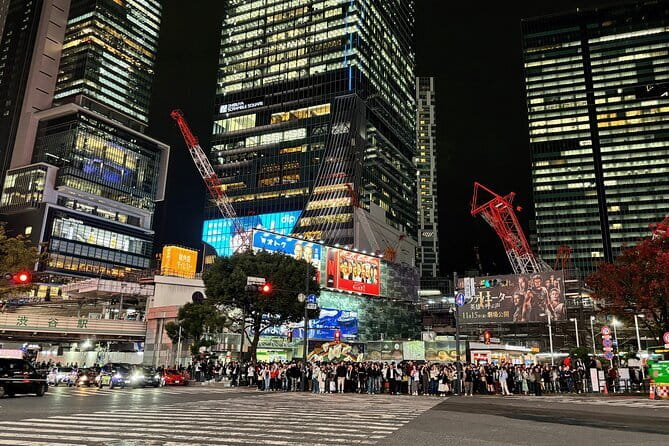
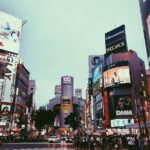
Stop 1 is Shibuya Crossing, the one you recognize instantly from movies and photos. On your own, you can end up standing in the wrong place, timing it badly, or spending your energy just trying to cross. With a guide, the goal is different. You get the right viewing and photo moment, then you keep moving.
You only have about 10 minutes here, so the timing is tight by design. The upside is that you are not stuck waiting around while your whole day gets eaten by one photo. The downside is you should not expect a long, slow wander in the crossing area. You will get the highlight, then you will move on to quieter, more interesting corners where Shibuya has personality.
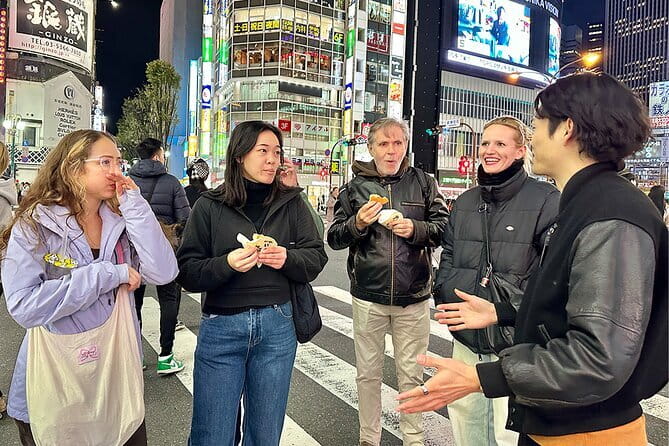
A guide-led crossing also helps you understand what you are seeing. When someone explains how the flow works and why the crosswalk is so famous, it turns the chaos into a clear system. And yes, you can get your group photos while you are there. One guide, Mao, is praised for taking photos as the group moves through the crossing, which is exactly what you want in a place where your hands are full and your attention is split.
Scramble Square and the observation-deck stop: what to expect
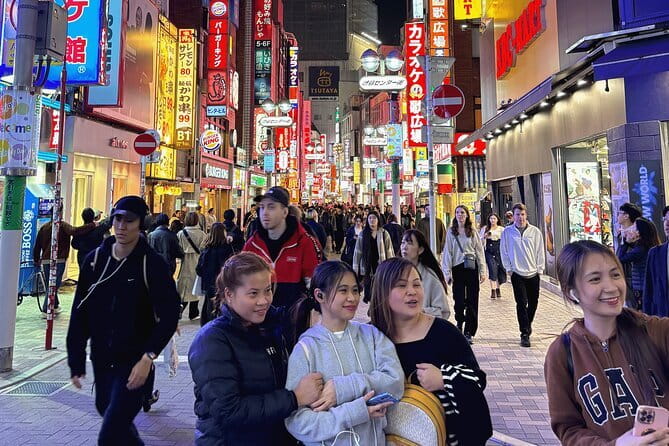
Stop 2 is Shibuya scramble square, described as an observation-deck viewpoint of the area. In a short tour, this kind of stop is gold because it gives you altitude and context. Standing above Shibuya for a moment helps you connect the dots between streets, pedestrian routes, and the giant commercial buildings you pass on ground level.
You get another 10 minutes here, so treat it like a quick viewpoint check, not a long museum visit. The key practical advice: keep your expectations realistic. One person noted that a panoramic view was not delivered as anticipated at the end. I cannot tell you what will happen on your exact date, but you should go prepared for a viewpoint moment that may be limited depending on what is operating.
If you are the type who likes sky-high photos, this stop is still worth it. The value is not just the view, it is that the guide builds it into the route so you do not have to add another leg of planning.
Nonbei Yokocho: old-school izakaya alley energy in a short stop
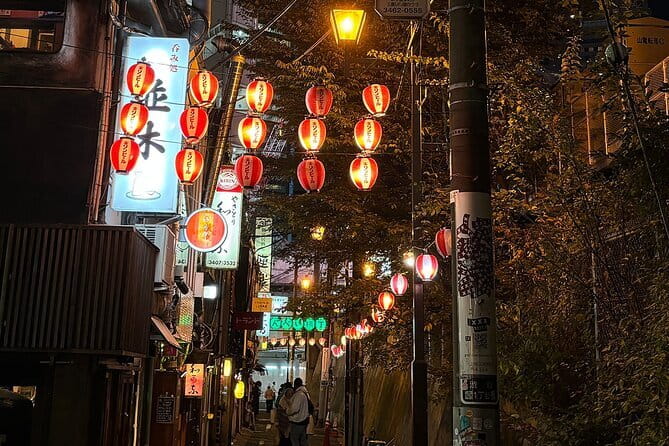
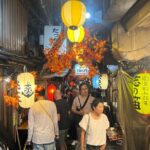
Stop 3 is Shibuya Nonbei Yokocho, which is where the tour slows down in a good way. Instead of staying in the massive landmark zone, you step into a more nostalgic style of street scene with traditional izakaya alley vibes.
This is listed as about 10 minutes, which is just enough time to absorb the atmosphere and understand what kind of place this is. You are not going to turn it into a dinner night on this tour. But you will get a sense of Shibuya beyond the big billboards, and that can help you decide later if you want to come back for drinks or a snack.
The practical win here is decision-making. After Nonbei Yokocho, you are not guessing what the area feels like at street level. You know what kind of side streets Shibuya has, and you can plan your own evening with more confidence.
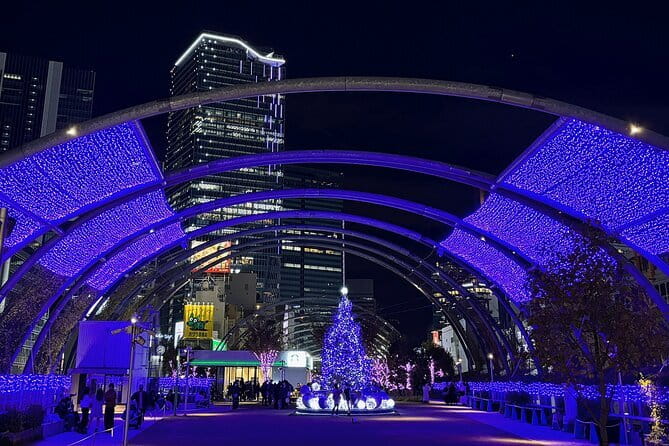
Miyashita Park: lights, youth culture, and a break in the pace
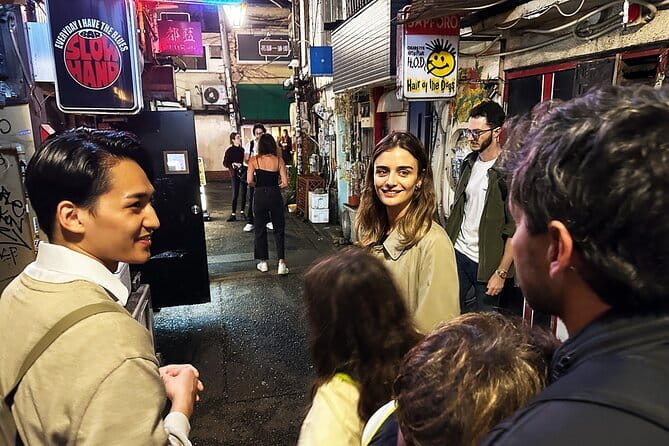
Stop 4 is Miyashita Park, listed with special focus on illuminations and popularity among younger crowds. This is about 20 minutes, so it gives you breathing room compared to the landmark stops.
What I like about this stop is the contrast. Shibuya Crossing is loud and attention-grabbing. Miyashita Park is where the district feels more like a social hangout. If you are visiting at a time when the lights are on, this is the kind of place that makes photos look like you tried, even if you are just standing there watching.
There is also a practical element. In a tour where you are walking through dense areas, any open-air pause helps your legs and your head. You get space to reset your sense of direction before you go back into the shopping and street network.
Keep one flexible mindset: illuminations depend on timing and conditions. But even without the brightest light show, it is still a useful stop because it is a different side of Shibuya, more atmosphere than monument.


Shibuya Center-gai and Mark City: two ways to see daily life
Stops 5 and 6 are where the tour feels especially efficient. Stop 5 is Shibuya Center-gai, the main streets area, and it lasts about 20 minutes. This part is meant to show you the walkable pulse of Shibuya, how people move between storefronts and where the main pedestrian energy sits.
Then you move to Shibuya Mark City, spending about 20 minutes exploring the basement floor. This is a smart choice in a city like Tokyo, where underground spaces often hold a lot of everyday convenience. Basements like this can be a great way to experience Shibuya without battling crowds at street level for every minute.
What you should take from these two stops is variety in a small time window. Center-gai gives you street-level shopping street energy. Mark City gives you indoor, contained browsing vibes. Together, they make Shibuya feel like a place you could return to, not just a place you pass through.
The only drawback with back-to-back shopping areas is that if you are not into browsing, you may want to keep your eyes open for what the guide points out. Ask questions if you can. Guides can often help you see what you might otherwise miss, like how these areas connect and what makes them popular.
Why the guide makes the whole tour work
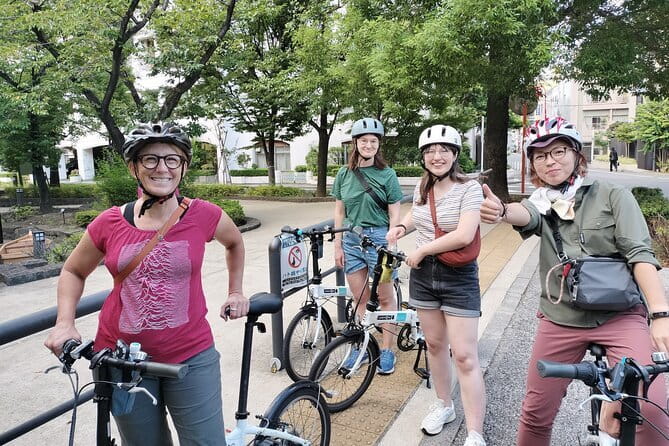
The standout theme here is guided commentary. This tour is not only about where you go, it is about what you notice as you walk.
In a place like Shibuya, the architecture and design can be hard to interpret quickly. The English-speaking local guide helps you connect the layout, explain what you are seeing, and point out interesting features along the way. That is especially valuable if you do not want to spend your pre-trip time researching every building.
It also helps that the guides mentioned, like Hannah and Mao, are described as friendly, helpful, and attentive. That matters because it changes how you experience the small details. When someone is actively guiding photo moments and offering helpful recommendations, you stop treating the day like a checklist and start treating it like a guided walk with context.
The time math: 90 minutes that actually covers ground
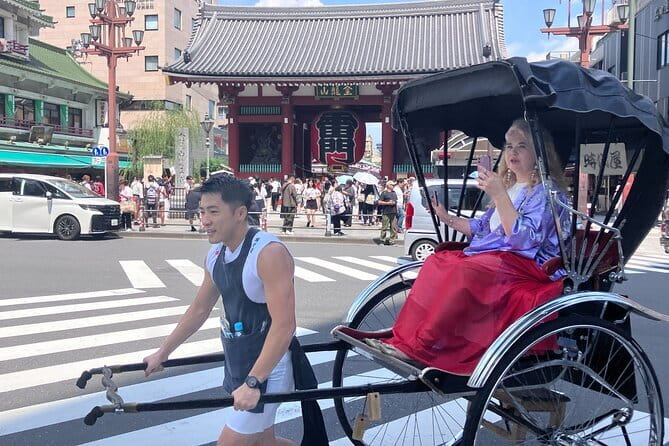
The tour runs around 1 hour 30 minutes, with about 10 minutes at Shibuya Crossing, 10 minutes at the observation-deck stop, 10 minutes at Nonbei Yokocho, then 20 minutes each at Miyashita Park, Center-gai, and Mark City.
That schedule is built for people who want highlights but also want to keep energy for the rest of the day. You will not get stuck for hours. You do not have to commit to a full day just to see Shibuya.
If you only have one day in Tokyo and you already know you want Shibuya as a must-see, this is a good way to get orientation and highlights quickly. It can also fit nicely as a morning or afternoon anchor, then you go off on your own afterward with more confidence.
Price and value: about $25.20 for a guided highlight circuit
The price is $25.20 per person, and at this level, the value comes from what is included.
You get:
- an expert English-speaking local guide
- entrance and experience fees included
- photos taken during the tour
- a tour format that covers multiple major Shibuya zones without you planning routes
You do not need to pay for private transportation, and it is described as near public transport. For $25.20, you are essentially paying for guided time plus photo help plus the structure that keeps you from losing time figuring out where to go next.
Could you do this on your own? Sure, but you would spend more time working out timing, navigating crowd flow, and deciding where to stand for photos. This tour compresses that decision-making into a tight schedule with guidance at each stop.
Who this tour is perfect for
This is a strong fit if:
- You are visiting Tokyo for the first time and want Shibuya orientation fast
- You like the big landmarks but also want small streets like Nonbei Yokocho
- You prefer a small-group walk over a huge crowd tour
- You want the guide to handle navigation and photo timing
It may be less ideal if you want a long, slow wandering experience where you can linger at each stop for an hour. This tour is designed for movement. It is also a little more location-focused than food-focused, since you are not there long enough to turn izakaya alley into a meal stop.
If a full observation-deck panoramic moment is your top priority, I would go in with flexibility and focus on getting the viewpoint context rather than expecting a specific type of panorama every time.
What to bring, how to plan your day, and how to get the most out of it
Shibuya is all about walking, so comfortable shoes matter. You will cover several zones in a short time, and you want your legs to feel good enough to enjoy each stop rather than rush through it.
Also, think about photo posture. At Shibuya Crossing, people are everywhere and your best shot depends on timing and position. Let the guide place you. If you spend time trying to independently find the perfect angle, you risk missing the group photo moment.
Finally, plan the rest of your day around this being your orientation piece. After the tour, you will know where key Shibuya areas sit relative to each other. Then you can come back to the spots you liked, whether that is street-level browsing in Center-gai or an alley vibe like Nonbei Yokocho.
Should you book the Shibuya Highlights Walking Tour?
Yes, if you want an efficient, guide-led Shibuya experience that gets you to the right places without draining your day on navigation. The best part is the combination of major landmark time at Shibuya Crossing, quick context from the observation-deck stop, and then grounded neighborhood flavor with Nonbei Yokocho, Miyashita Park, Center-gai, and Mark City.
Book it especially if you appreciate small-group attention and you like having someone like Hannah or Mao guiding both what to see and where to stand for photos. The only real reason to pause is if you are rigidly dependent on a specific panoramic-view moment. Go with flexible expectations and you will likely have a great time.
If you are ready for a structured Shibuya walk that helps you understand the district quickly, this one is a solid pick.
FAQ
How long is the Shibuya highlights walking tour?
It runs for about 1 hour 30 minutes.
What stops are included?
You visit Shibuya Crossing, an observation deck at Shibuya scramble square, Shibuya Nonbei Yokocho, Miyashita Park, Shibuya Center-gai, and Shibuya Mark City.
Is the group size small?
Yes. The experience has a small-group limit of up to 10 people.
Is it free to enter the stops?
The stops listed all show admission ticket free, and the entrance fee and experience fee are included.
Are photos included?
Yes. Photos are included as part of the tour.
What language is the guide?
The tour includes an expert English-speaking local guide.
How do I get the ticket?
You receive a mobile ticket.
Where does the tour start?
It starts at SHIBU HACHI BOX2-chōme-1-1 Dōgenzaka, Shibuya, Tokyo 150-0043, Japan.
Will transportation be provided?
Private transportation is not included. The meeting point is near public transportation.
What if the weather is bad?
The experience requires good weather. If it is canceled due to poor weather, you will be offered a different date or a full refund.
Can I cancel for free?
Yes. You can cancel up to 24 hours in advance for a full refund. Within 24 hours, the amount paid is not refunded.
More Walking Tours in Tokyo


More Tours in Tokyo


More Tour Reviews in Tokyo
Not for you? Here's more nearby things to do in Tokyo we have reviewed







Shibuya Tours, side by side.
 ★ 5.0Official Street Go-Kart in ShibuyaFrom $763,435 reviews
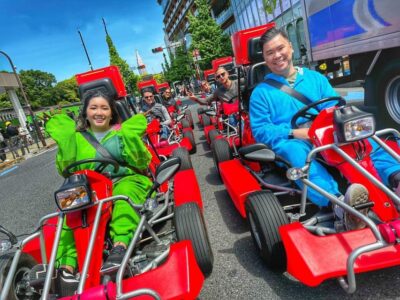 ★ 4.9Street Kart Experience in ShibuyaFrom $741,484 reviews
 ★ 5.0Shibuya Meltdown Nightlife Tour: All-You-Can-Drink Bar HoppingFrom $1061,058 reviews
 ★ 5.0Shibuya Official Street Go-Kart in Shibuya AnnexFrom $69972 reviews
 ★ 5.0Shibuya Food Tour (13 dishes and 4 Eateries)From $77770 reviews
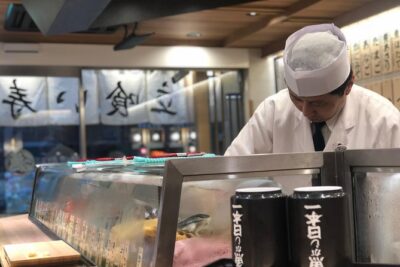 ★ 5.0Best of Shibuya Food TourFrom $217612 reviews
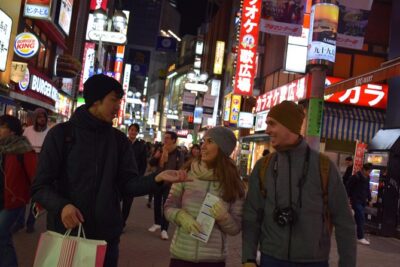 ★ 4.8Shibuya Highlights Walking TourFrom $19601 reviews
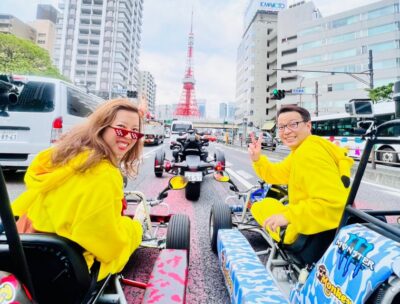 ★ 4.7Premium Go-Kart Tour with Tower & Shibuya CrossingFrom $116528 reviews
This tour also belongs to