
Review · TSUKIJI MARKET TOURS
Inside Tokyo’s Kitchen: Tsukiji Market, Food & Culture Tour
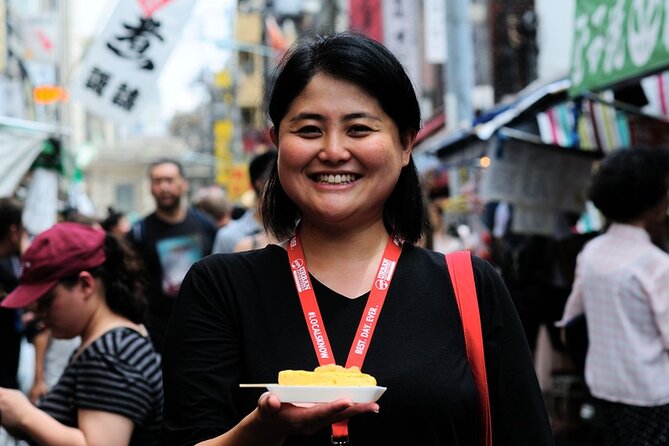
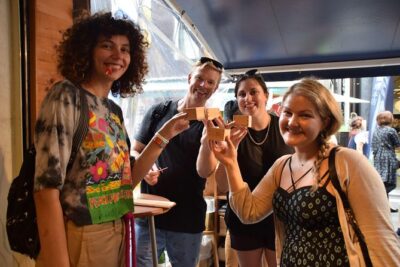
Tokyo tastes better with a plan. This 3-hour Tsukiji Outer Market tour is set up so you get the good stuff without wandering into the wrong lanes, plus you learn what you are eating as you go. I like the small group size (max six), which makes it easier to ask questions and move at a real walking pace, not a stop-and-stare line.
The biggest consideration: the amount and type of food can feel limited depending on timing and where you end up eating, so come hungry, but manage expectations if you are expecting a huge feast or all drinks included.
Key highlights to know before you go
- Small-group pacing (up to 6) helps you actually see and taste, not just shuffle forward
- Kabuki Inari Shrine start ties the food walk to Tokyo theater culture and place names
- Tsukiji Outer Market alleyway route focuses on seafood, snacks, and quick tastings
- Fresh sushi plus wagashi sweets give you both savory and sweet sides of Tokyo
- Namiyoke Inari Shrine finish adds a calm reset before you head back to transit
Why this Tsukiji Outer Market tour is such a smart time-saver
Tsukiji is famous, but it is also easy to get lost in the first 10 minutes. This tour keeps you moving with a guide so you are not stuck playing street-crowd navigation while everyone else is already sampling. In just about three hours, you get a focused slice of what makes this area food-important.
I also like that the experience is not only about eating. You stop at shrines tied to the neighborhood, which helps you understand why food culture in Tokyo is also about tradition, daily ritual, and community spaces.
You can also read our reviews of more food & drink experiences in Tokyo


Kabuki Inari Shrine start: Tokyo theater culture before the food
The tour begins near Kabukiza, with a stop at Kabuki Inari Shrine. Even if you are not a theater person, Kabuki is worth noticing here because it is one of Tokyo’s most distinct cultural exports, drama and dance in a very recognizable style. The shrine setting is also a quick way to get your bearings, since this part of Ginza feels like a doorway into older Tokyo layers.
This early start matters. By the time you are crossing into Tsukiji-area alleys, the day already has momentum, and you want to be with someone who knows where the food counters and tasting spots are.
Tsukiji Outer Market: narrow lanes, real snacks, and guided tasting
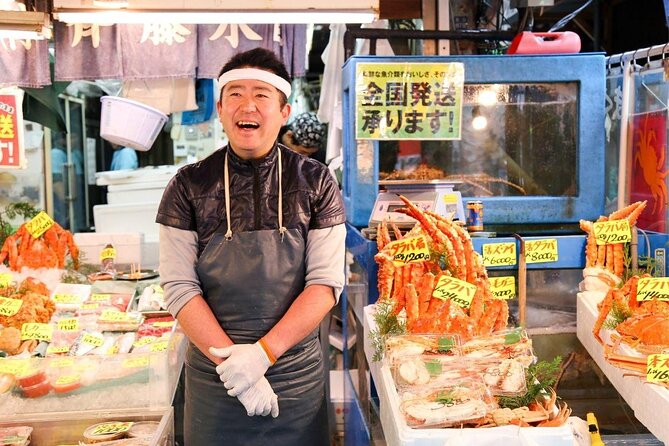
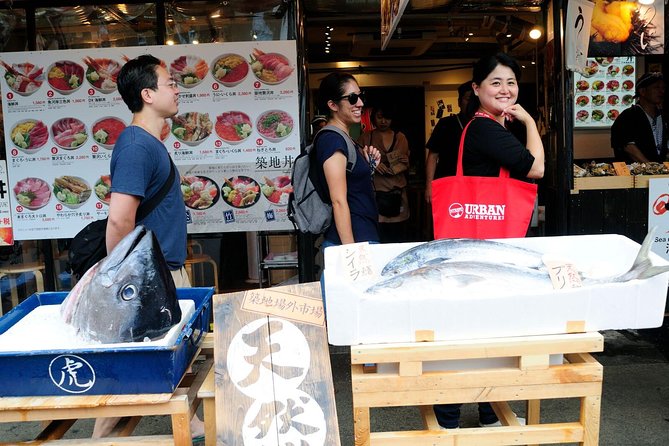
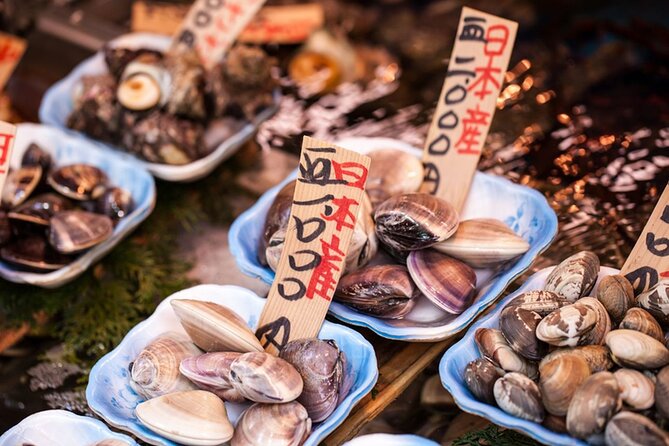
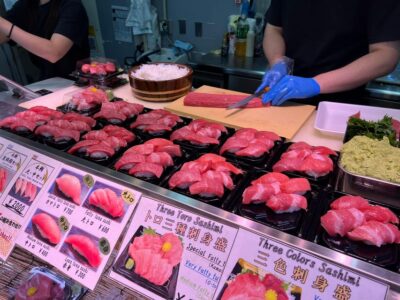
Your main block of time is a walk through the Tsukiji Outer Market. Expect tight streets and a steady stream of seafood, vegetables, and prepared bites. This is not the kind of place where you can casually wander and still hit the best stops. With a guide, you get a route that makes sense, and you also get translations and explanations along the way.
You will likely taste a mix of:
- Fresh sushi
- Japanese snack items
- Wagashi sweets, including cute-style offerings that fit the Japanese sweet tradition
A couple of the food moments that stand out in the guide-led stories are the kind of details that make the tastings memorable, not just convenient. For example, I have heard descriptions of guides like Yuri who helped visitors try real wasabi, even with a wasabi-grinding tool, so you can taste the difference right where the flavors are being discussed. I have also seen notes about guides such as Koz and Aya who guided tastings that go beyond tuna, including items like fish-based omelette bites, fish cakes, and sweetened rice balls.
One practical point: you may see more than fish. The market area is also a spot for ingredients and snack-style foods that reflect how Tokyo eats between meals. That is a useful mindset shift, because it turns Tsukiji from a single-dish goal into a food culture walk.
What you get to taste, and how to order your hunger
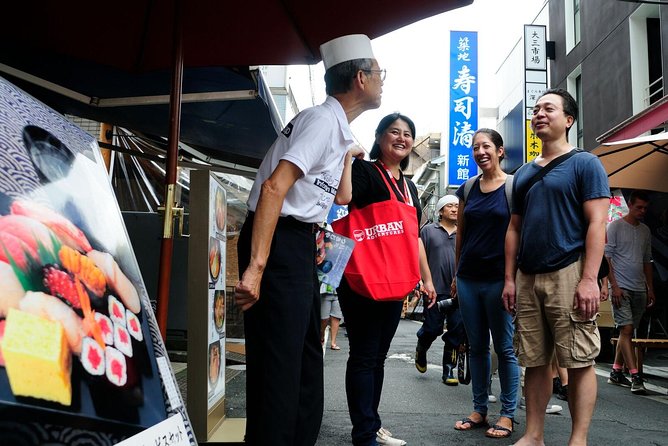
The tour is designed around multiple small tastings rather than one massive meal. That is good if you want variety, but it means you should treat it as a curated sampler, not a full dining experience. Some people love the way the food is paced, while others find they wanted more time at food counters or wanted the tasting to land at a slightly more satisfying moment.
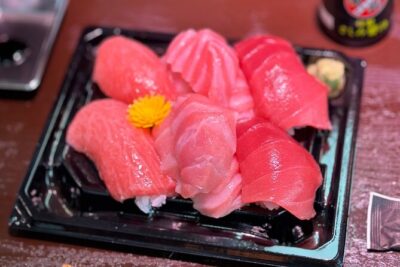
If you are a fish lover, this is where it pays off. Expect tuna-focused items like tuna sashimi or nigiri-style sushi in the tasting mix. You might also run into other seafood surprises, plus regional fish snacks such as fish cake (Satsumaage) and tamagoyaki.
If you are not a fish-only person, do not worry. The walk is not only about raw seafood. It includes sweets, and you often get a sense for the broader snack culture around Tsukiji, like dried fish flavors, savory broth-style snacks, and the sweet balance that makes Japanese meals feel complete.
Wagashi and the shrine stops: why the culture part is worth your time
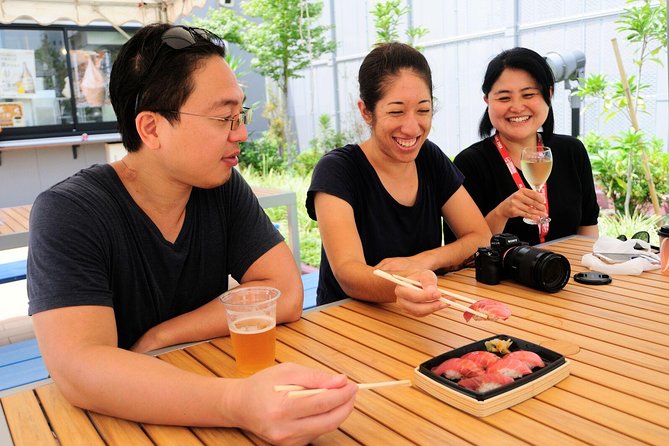
Tokyo food tours can get stuck in a tasting-only mode. Here, you add two shrine moments, and that does more than add photos.
Kabuki Inari Shrine at the start gives you an easy cultural context for the area around Kabukiza. Namely, this neighborhood is not just about tourist shopping. It is part of a real urban rhythm where art spaces and everyday rituals sit side by side.
Then you end at Namiyoke Inari Shrine. Ending with something calmer can actually help you enjoy the food you just ate. After walking and tasting through busy market lanes, a tranquil shrine stop gives your brain a break. You also get a short, meaningful connection to Tokyo’s long-running habit of linking place, worship, and daily life.
More Tokyo tours and experiences for the shortlist



Namiyoke Inari Shrine finish: easy exit back to Tsukiji Station
The tour wraps up at Namiyoke Inari Shrine and then includes a short walk, about 10 minutes, to the nearest station. The finish point is designed so you are not stranded trying to figure out the transit puzzle while you are full and tired.
This matters because Tsukiji-area streets can feel confusing if you are moving on your own. A clear ending makes the whole trip smoother, especially if you plan to continue your day in Tokyo right after.
Price and value: is $83.35 a good deal?
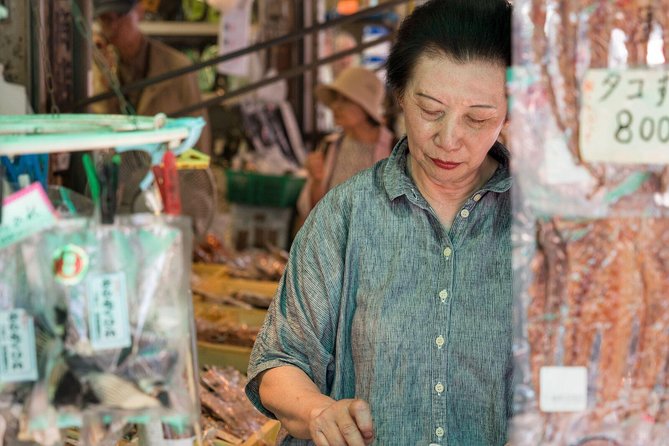
For $83.35 per person, you are paying for three things: a local guide, targeted tastings, and a route that saves you time in a crowded area. The tour runs around 3 hours, and it is limited to a maximum of six people, which helps keep the pace comfortable and personal.
Think of it like this: if you tried to do Tsukiji on your own, you would still need to:
- navigate the market lanes,
- hunt down reliable tasting stops,
- and interpret what you are seeing.
You can do that yourself, of course. But if it is your first time in Tokyo, or you just want to stop guessing, this kind of guided route tends to feel worth it.
One more value angle: you are not only getting food. You are also getting a guided walk through a major market zone plus shrine stops that give context. That combination is hard to recreate perfectly with only a self-guided plan.
Logistics that actually affect your comfort (and your appetite)
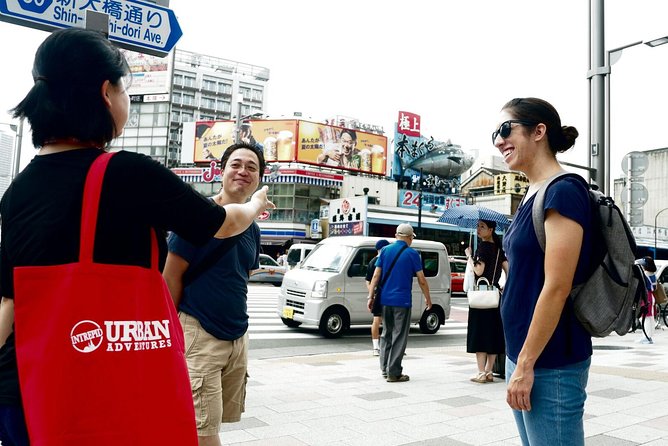
This is a walking tour, and the market floors can be wet. Wear closed-toe shoes, sneakers are a smart call. You also want a steady pace, so keep bulky bags to a minimum and expect uneven, crowded foot traffic.
Start time is 8:00 am, so plan for an early start. If you are late to meet up, you will likely throw off the timing, since the route depends on keeping momentum. I have seen mention of confusion around meeting spots for people who arrived late, so do yourself a favor and locate the start point the day before if you can.
Also, keep food timing in mind. The tastings are distributed across the walk, and food selection can vary. If you are counting on specific items, do it with flexibility. The upside is that you should still come away with a clearer understanding of how Tsukiji-style snacks fit into Tokyo eating habits.
Who should book this Tsukiji Outer Market tour?
This tour fits best if you are:
- visiting Tokyo for the first time and want a fast orientation to Tsukiji Outer Market
- a fish person who wants more than a single sushi stop
- the type who likes explanations, even on food days
It also works for culture-minded foodies. The shrine stops are short, but they keep the walk grounded in place, not just in consumption.
If you are vegetarian or vegan, options are available, but the selection can be limited. That limitation is important to plan around, because a lot of Tsukiji’s daily rhythm centers on seafood and fish-derived flavors. If you are strict, you should be ready to adjust expectations.
It is also child-friendly, and children under 6 can join for free, which can make it easier for families to include a market experience without it turning into an adult-only mission.
Should you book this tour?
If you want a guided Tsukiji walk that combines fresh sushi, Japanese snacks, and wagashi sweets, plus shrine stops that give you context, this is an easy yes. The small-group size is a big part of the value, because it helps you get attention and explanations where they matter.
Skip it or adjust expectations if you are hunting for an all-you-can-eat buffet, or if you want every tasting to land at exactly the moment you would choose. Also consider your flexibility if you are vegetarian or vegan, since selection is limited.
If you come prepared to snack rather than feast, and you want help understanding what you are tasting, this tour can turn Tsukiji from a chaotic headline into a practical Tokyo food memory.
FAQ
How long is the Inside Tokyo’s Kitchen, Tsukiji Market, Food & Culture Tour?
It runs for about 3 hours.
What is the group size limit?
The tour has a maximum of 6 travelers.
How much does the tour cost?
The price is $83.35 per person.
Where does the tour start and when?
It starts at Kabuki Inari Shrine (near Kabukiza) at 8:00 am.
Where does the tour end?
It ends at Namiyoke Inari Shrine with a walk to Tsukiji Station.
What food is included in the tour?
You get freshly made sushi, local snacks, and wagashi sweets.
Are vegetarian or vegan options available?
Yes, vegetarian and vegan options are available, though the food selection is limited.
Do I need to buy tickets for the shrines?
Admission tickets for the shrine stops are free.
Are drinks included?
Drinks and additional food are not included. Tips are also not included.
More Food & Drink Experiences in Tokyo
More Tours in Tokyo





More Tour Reviews in Tokyo


Not for you? Here's more nearby things to do in Tokyo we have reviewed












Tsukiji Market Tours, side by side.
 ★ 5.0Tokyo Tsukiji Fish Market Food and Culture Walking TourFrom $993,184 reviews
 ★ 5.0Tsukiji Fish Market Food and Walking tourFrom $301,724 reviews
 ★ 4.9Tsukiji Fish Market Guided Walking TourFrom $221,397 reviews
 ★ 5.0Tokyo Sushi Making Class in Tsukiji with Professional ChefFrom $491,177 reviews
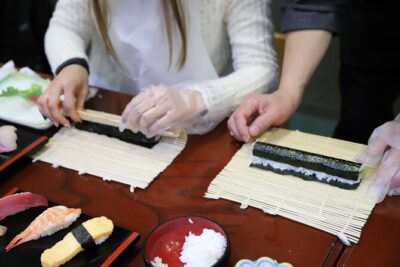 ★ 5.0Tsukiji Fish Market Guided Tour and Sushi Making with Pro ChefFrom $104775 reviews
★ 4.7Tsukiji Fish Market Food and Culture Walking TourFrom $96757 reviews
★ 5.0Tsukiji Fish Market Guided Tour and Sushi Making with Pro ChefFrom $104775 reviews
★ 4.7Tsukiji Fish Market Food and Culture Walking TourFrom $96757 reviews
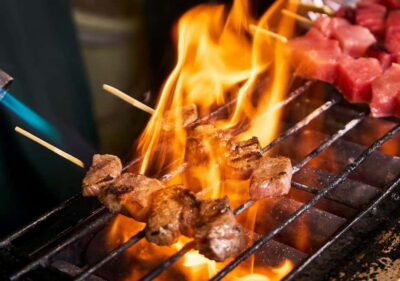 ★ 5.0Tsukiji Fish Market: Street Food & Culture Walking TourFrom $33669 reviews
 ★ 5.0Tsukiji Fish Market Small-Group Food Walking TourFrom $87621 reviews
This tour also belongs to