
Review · ASAKUSA TOURS
Guided Tour of Walking and Photography in Asakusa in kimono
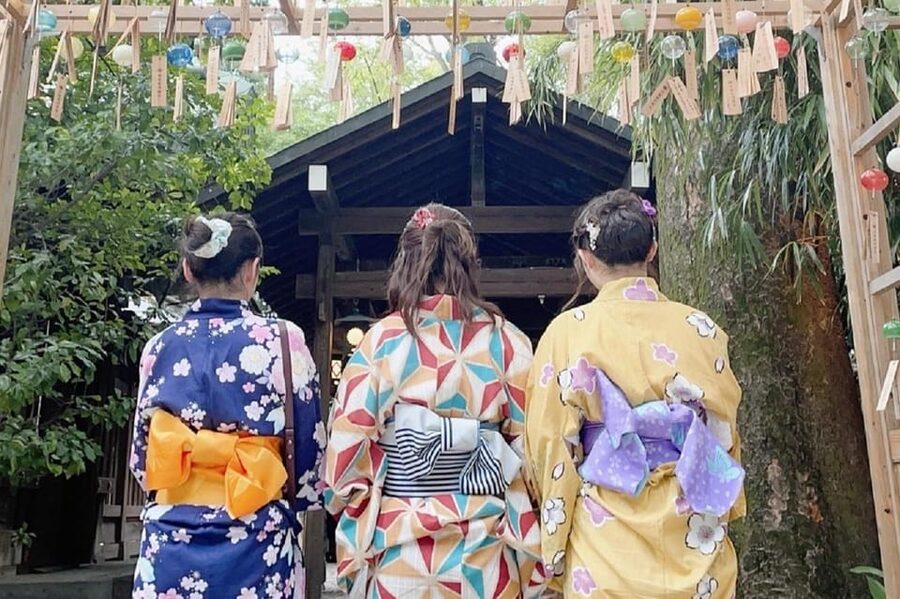
Kimono photos in Asakusa feel like time travel. In this 4-hour guided walk, you get dressed in a rental kimono and then move through the Senso-ji area with planned photo stops designed for how kimonos look with classic Tokyo landmarks.
I especially like the hands-on kimono fitting, including help choosing a kimono and setting your hairstyle, plus the guide’s cultural context as you go. I also love that the guide handles the photo plan, and will take pictures for you with your camera so you are not stuck doing self-timer gymnastics.
One thing to consider is that the schedule is compact, so shopping and temple time are more “see the highlights” than “slow and deep.” Also, extras like the kimono option fee, entrances (if any), transport, and food are not included, so you will want a realistic budget.
Key highlights worth your time
- Kimono dressing plus guiding expertise: You get both kimono setup help and a guide who can manage the walk and photo timing.
- Small group (up to 7 people): Easier pace and more attention during fittings and photo stops.
- Photo planning for kimono-friendly scenes: The route focuses on spots where the kimono and the scenery match well.
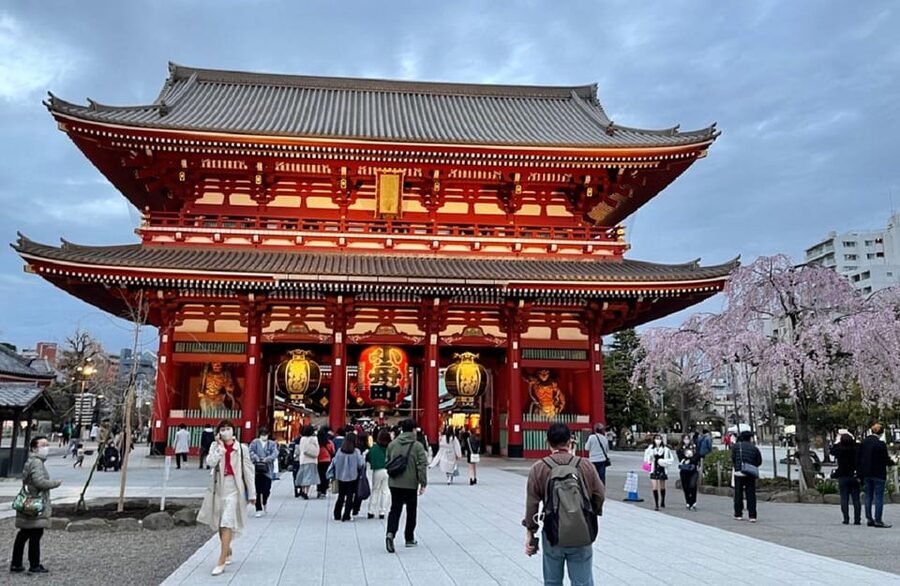
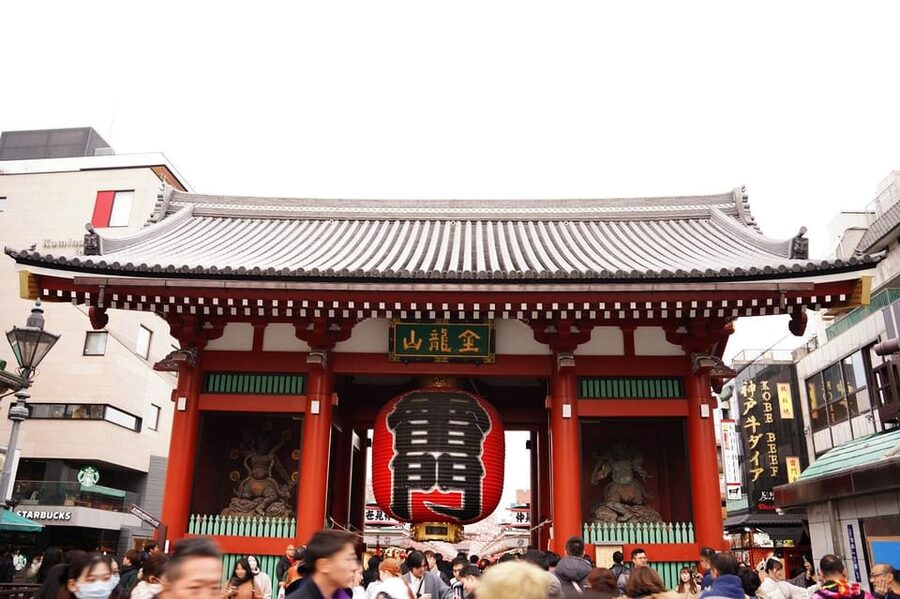
- Senso-ji and Kaminarimon gate moments: You stop at the Kaminari Gate and tour the surrounding area with clear photo objectives.
- Skytree and cherry blossom backdrops (seasonal): You get at least one chance to combine these views in a single frame.
- Your camera, your results: The guide will take the shots for you, using your camera.
Starting at Asakusa Station, then stepping into your kimono look
The tour begins at Asakusa Station, Ginza Line, Exit 1. Your guide meets you there and holds a sign with the company lightspeedstar logo in orange, which makes it easier to spot the right person even when Asakusa feels crowded and loud.
Before the day, the guide contacts you about 7 days ahead about your kimono. Communication is handled through WhatsApp, which is useful because kimono fitting often depends on what you pick and how you want your look to feel. Then, on the tour day, you head to the kimono shop area where the main work starts: selecting your kimono, choosing a hairstyle, and having it adjusted so it actually stays comfortable during walking and photos.
This first phase takes about one hour. That time matters. Many photo tours fail because participants are wearing a costume-like outfit that is too tight, too loose, or awkward for movement. Here, you are guided through the fit and the look, and you also receive advice on Japanese cultural perspective, which changes the mood from costume to respectful experience.
If you are traveling as a family or with mixed comfort levels about clothing, this is a big plus. One past participant specifically noted how helpful the guide was when a very young child was in the group, which is exactly the kind of scenario where a steady guide makes the difference.
You can also read our reviews of more walking tours in Tokyo

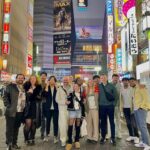
Kaminari Gate and Nakamise Shopping Street: classic Asakusa, framed for kimono photos
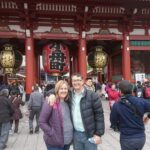
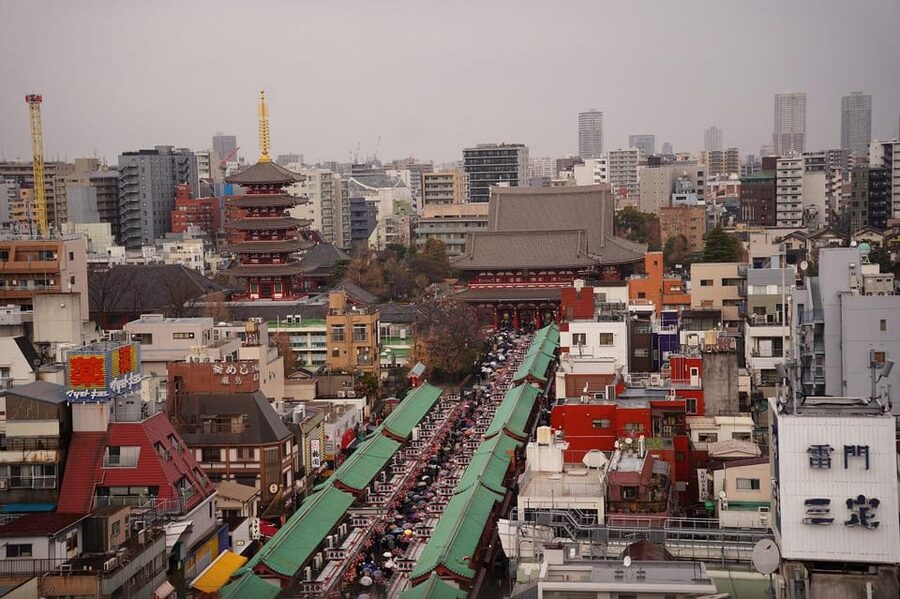
After you are dressed and ready, the tour focuses on the “postcard spine” of Asakusa: Kaminarimon first, then Nakamise Shopping Street, then Senso-ji.
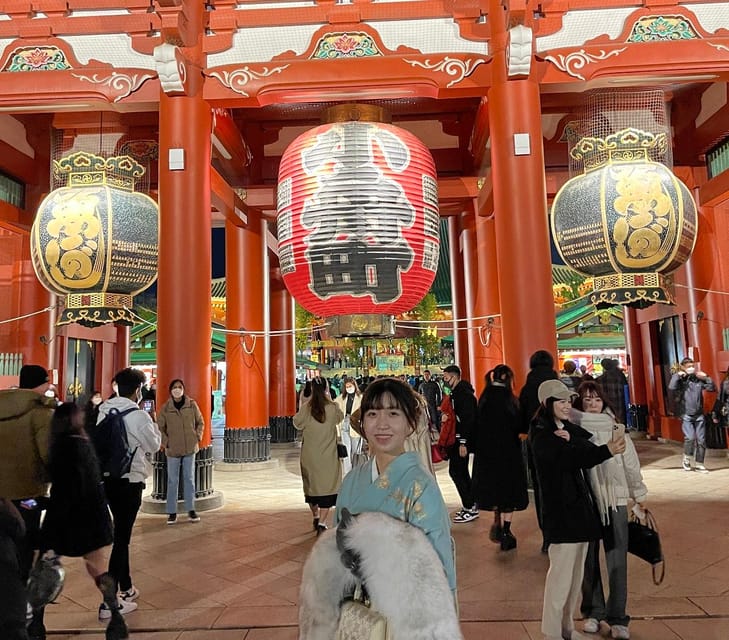
You get a photo stop at the main gate of Senso-ji Temple, called Kaminarimon, official name Kaminari Gate. The important part is not just the gate itself, it is how the guide positions you for photos so your kimono lines up with the architecture. That is a small detail that makes a big visual difference. Kimonos have their own shape and flow, so you want angles that flatter the outfit instead of hiding it.
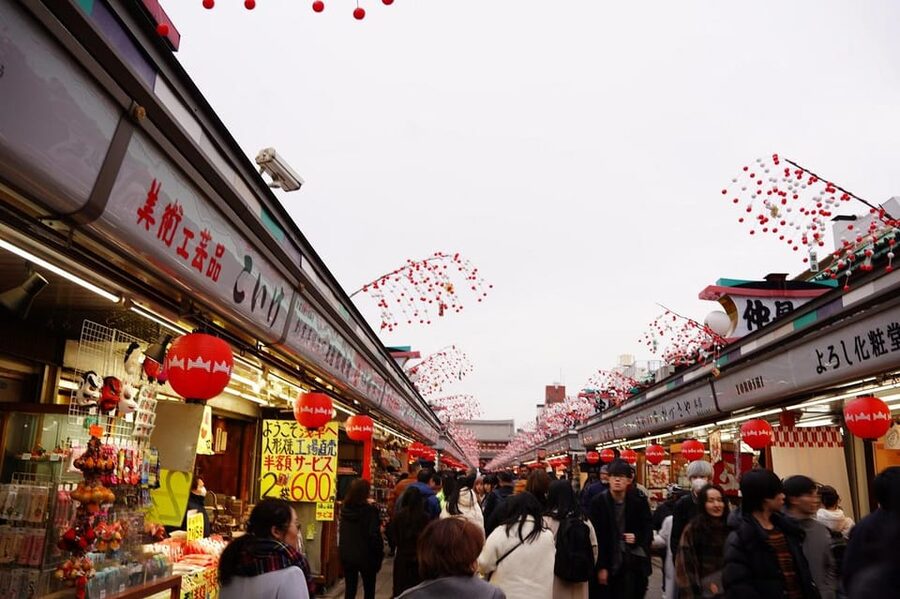
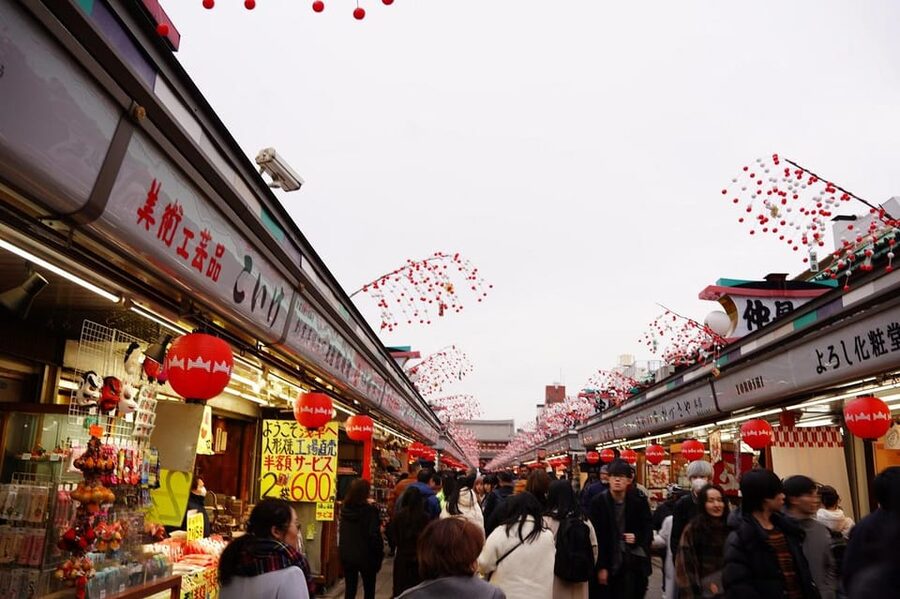
Next comes Asakusa Nakamise Shopping Street. This is one of the oldest shopping streets in Japan, with long-established shops and popular souvenir stalls. Your time here is about 15 minutes, which is enough to browse, buy a couple of items, and snack if you want, but not enough to treat it like a full shopping expedition.
So here is the practical move: decide your “must buy” items before you arrive at Nakamise. When you are wearing kimono, you are already working around the fit and movement, so giving yourself a simple shopping target keeps the experience fun instead of rushed.
You also pass through a short walk segment and then later you return for free time at Kaminarimon again. That second visit gives you breathing room to recompose your photos, watch the gate from a different angle, or pick up anything you missed the first time.
Senso-ji Temple: prayers, pagoda photos, and Skytree-in-the-same-frame magic
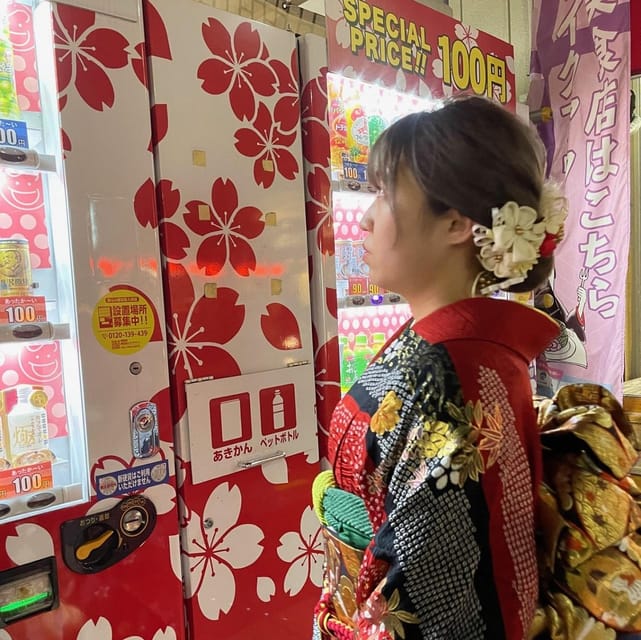
Senso-ji Temple is the heart of Asakusa, with over 1,000 years of history. The tour gives you time to walk the grounds, sightseeing, and even offer prayers. That matters because the kimono fits naturally here, and the experience feels more meaningful than a pure photo stop.
One of the strongest visual anchors is the five-story pagoda, a landmark that shows up in many depictions of Asakusa. Your guide builds photo opportunities around these “signature” views. In certain seasons, you can also capture cherry blossoms together with Senso-ji Temple and Tokyo Skytree in a single photo.
That one-frame goal is why this tour structure works. You are not just taking separate images of random locations. The route is designed for layered composition: temple mood, kimono presence, and the modern skyline element in the background.
Still, be realistic about how long you get here. You are at Senso-ji for about 25 minutes, so the goal is highlights, not deep wandering. If you want to spend extra time reading details or exploring side areas slowly, you might feel a little time pressure. The good news is that you can always return on your own after the tour, once you know where everything is.
Sumida River Terrace and Shirahige Bridge: where Skytree hits hardest in photos
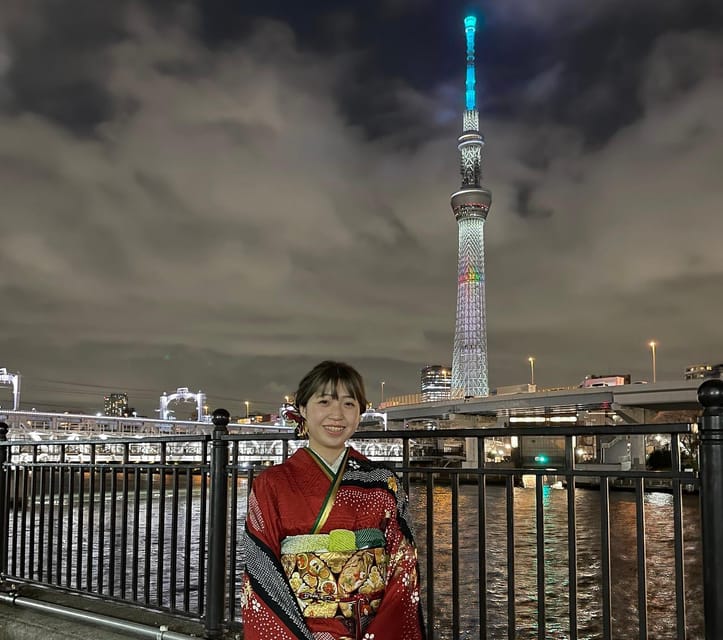
After Senso-ji, you head toward the Sumida River Terrace area together. The stop you are aiming for is on the Left Bank downstream from Shirahige Bridge. This is where the setting opens up for photos.
Why it works for kimono photos: kimonos look best when the background has clean lines and depth. River views and the wide skyline give you that. And because Tokyo Skytree is part of the scene, your guide can help you line up a kimono portrait with the skyline as a backdrop.
In seasonal conditions, the route also includes a chance to photograph you with Tokyo Skytree and cherry blossoms at the terrace. If you are traveling during blossom season, this is the kind of photo combination you usually have to work hard to recreate. If you are not in blossom season, you still get the river and skyline backdrop, just without flowers.
You will spend about 30 minutes here, walking and sightseeing. That is enough time for a few poses, a couple of angles, and one or two “wait for the light” moments if the group pace allows it.
Then you head back toward the kimono shop to wrap up. There is another photo stop at the shop area (labeled 東洋), which acts like a final opportunity to capture the look before you change out of your outfit.
How the guide turns you into a better photographer, without taking over your camera
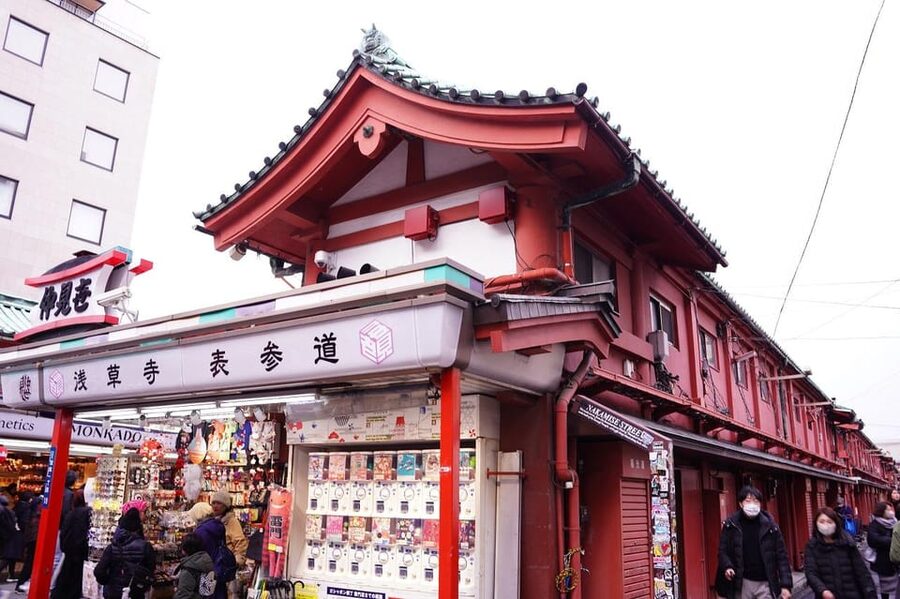
One of the most praised aspects is the guide’s ability to handle the photo planning, including picking the best places to take photos that blend well with kimonos. This matters because kimono style is not universal. The fabric drape, sleeve length, and belt placement all affect what poses look good.
Even better, the guide will take pictures for you using your camera. That removes the frustration of trying to frame yourself while standing in a crowded temple approach. It also means you can focus on how your kimono is sitting and how you feel in it.
In past experiences, guides like Emiko were described as especially kind, and particularly good at capturing lots of great photos and videos. The recurring theme is simple: the guide does not just point you toward a spot, they actively help you get results.
You can also expect some cultural guidance along the way, not in a lecture-heavy way. The goal is to help you understand what you are seeing while you walk, then make photo decisions that match the environment.
You can also read our reviews of more guided tours in Tokyo

Price and what you actually get for $116
At $116 per person for a 4-hour tour, the value comes from combining three things that are often separate when you DIY Tokyo.
First, you get the kimono fixed standard fee included. Second, you get a guided experience with a guide who holds tour guide qualifications and also has kimono dressing qualifications. Third, you get structured photo help, including the guide taking pictures for you.
What you do need to budget separately is clearly stated: kimono option fee is not included, entrance fees to facilities and tourist spots are not included, transportation expenses are not included, and food and drinks are not included.
That breakdown is important because it can change your total cost depending on your choices. If you stay with the standard kimono and skip optional upgrades, you can keep the spending tight. If you add kimono or hairstyle options, your total will rise.
Also, because the tour includes dressing time and sightseeing time, you are paying for convenience. You get a path through Asakusa that hits core locations, and you get photo direction that fits kimono aesthetics. That is the part you would otherwise spend extra time figuring out.
Small group pacing, timing, and where the tour feels tight
This is a small group tour limited to 7 participants. That size matters in Asakusa. With fewer people, the guide can adjust pacing when someone needs a moment for photos or kimono adjustments. It also helps with responsiveness, since your guide can keep track of everyone during the walking segments.
The day flow looks like this:
- Start at Asakusa Station, then move on foot to the first shop-based photo stop segment.
- Walk to Kaminarimon Gate for sightseeing and photos.
- Continue to Nakamise Shopping Street for shopping and sightseeing.
- Visit Senso-ji Temple for prayers and temple sightseeing.
- Revisit Kaminarimon for a bit of free time.
- Walk onward to Sumida River Terrace downstream from Shirahige Bridge for skyline and cherry blossom style shots (seasonal).
- Return to the kimono shop for final photos, then finish by returning to Asakusa Station.
The pacing is why you might feel time pressure if you love lingering. Nakamise is short, and the temple is short. The counterbalance is that the tour compresses the best-known kimono photo settings into a single half day.
So if you want a classic “Asakusa, done right” intro, you will like the structure. If you want a slow and detailed cultural day, you might need extra time on your own afterward.
Who should book this kimono walking and photography tour
This tour is a strong fit if you:
- Want kimono photos without planning your own route and photo angles.
- Appreciate a guide who can handle both outfit logistics and photo timing.
- Like classic Asakusa sights such as Senso-ji Temple, Kaminari Gate, and Nakamise Shopping Street.
- Care about having your photos taken by someone else, especially with your own camera.
It is also a reasonable option if you are traveling with children, as long as everyone can handle the kimono portion and walking time. In at least one experience, the guide was described as very helpful for a family with a young child, which suggests the guide knows how to keep the group comfortable and moving.
Where it might not be ideal:
- If you want long temple exploration or extended shopping time.
- If you prefer to spend every yen only on transport and food and do not want any kimono-related costs beyond what is required.
Should you book it?
If you want an efficient, guided way to get a kimono on, see the key Asakusa highlights, and come away with photos that look like they belong together, this is a smart buy for the money.
I would book it if kimono photography is your priority, and you like the idea of having a guide handle the hard parts: fit, timing, and framing. I would think twice if you are hoping for an unhurried day with zero extra spending. The experience is built around a tight flow, and options like kimono upgrades and entrances can add up.
If your schedule is flexible, this half-day window is perfect because you can still explore Tokyo on your own later, armed with a sense of where the best photo areas are.
FAQ
Where do we meet for the tour?
You meet at Asakusa Station on the Ginza line, Exit 1. The guide stands with the company lightspeedstar logo in orange.
How long is the tour?
The tour lasts 4 hours.
Is the kimono cost included?
The kimono fixed standard fee is included, but kimono option fees are not included.
Will I be responsible for entrance fees?
Entrance fees to facilities and tourist spots are not included.
Does the guide speak English?
Yes. The tour includes an English-speaking guide, and the live guide also supports English, Chinese, and Japanese.
How many people are in the group?
This is a small group with a limit of 7 participants.
Is the tour wheelchair accessible?
Yes, the tour is wheelchair accessible.
How much cancellation flexibility do I have?
You can cancel up to 24 hours in advance for a full refund.
What should I do about the kimono choice before the tour?
The guide contacts you about 7 days before about the kimono. You can also contact the company via WhatsApp.
More Walking Tours in Tokyo
More Tours in Tokyo





More Tour Reviews in Tokyo


Not for you? Here's more nearby things to do in Tokyo we have reviewed












Asakusa Tours, side by side.
 ★ 4.8Japanese Dance Cabaret Theater Asakusa-Kaguwa TicketFrom $492,270 reviews
 ★ 4.7Meiji Shrine, Asakusa, Skytree Bus Tour and CruiseFrom $1221,986 reviews
 ★ 4.9Roll and Authentic Sushi Making Class in AsakusaFrom $581,957 reviews
 ★ 4.8Asakusa Walking Tour with Sensoji Temple VisitFrom $221,583 reviews
 ★ 5.0Tokyo Asakusa Rickshaw TourFrom $421,375 reviews
 ★ 4.5Tokyo Panoramic 1 Day: Meiji Shrine, Asakusa, Odaiba and SKYTREE®From $851,222 reviews
 ★ 5.0Tokyo Go Kart: Asakusa, Skytree, and Akihabara **IDP MUST**From $99988 reviews
 ★ 4.7Asakusa, Skytree & Akhihabara Go-Kart City ExperienceFrom $96761 reviews
This tour also belongs to