
Review · TOKYO CITY TOURS
Tokyo Castle & Imperial PalaceーShogun Walking Tour
Edo Castle still shapes Tokyo today. In just 2 hours, you trace the shift from shogun power to today’s Imperial Palace, with explanations that make the grounds feel bigger than they look. This is a small group tour (up to 10), so you can ask questions and keep up at a human pace.
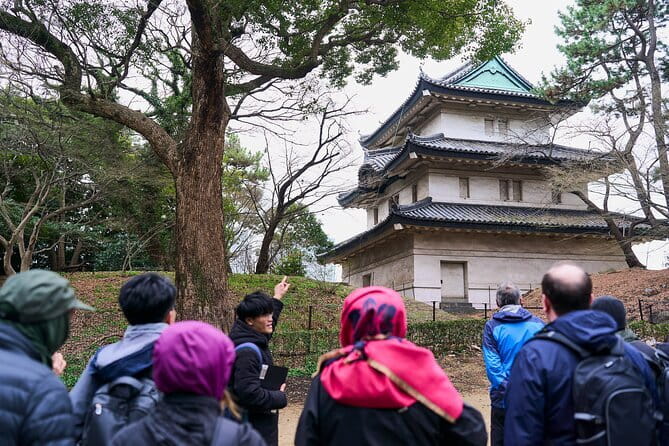
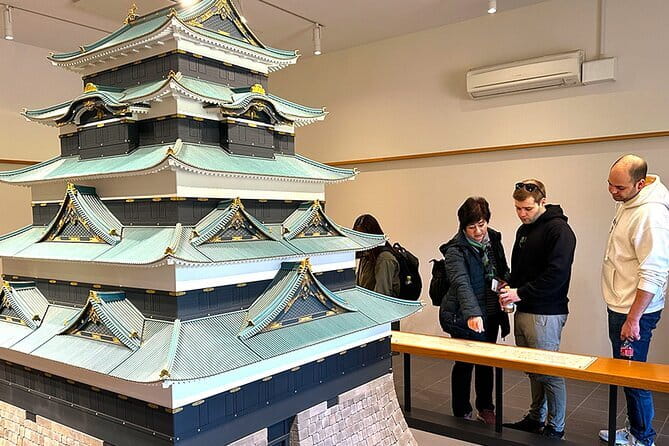
What I love most is how the walk is built like a story. You move gate to garden to ruins, from places like Sakurada Tatsumi Yagura and Ote-Mon Gate to Ninomaru Garden and the East Gardens, instead of doing a random checklist. You’ll also see a miniature structure of the former palace and you get those koi fish moments that make the imperial setting feel alive.
One thing to plan around: there’s a security check when entering the Imperial Palace, and lots of time is outdoors. Also, the tour is English only, with no Japanese language support, so come ready with your best English or just enjoy the visuals and photos.
Key Things You’ll Notice on This Edo-to-Imperial Palace Walk
- Up to 10 people keeps the pace relaxed and the guide easier to hear.
- Edo Castle scale is the main theme, with explanations of why the defenses mattered.
- From shogun to emperor you’ll connect the Edo period to the Imperial Palace that stands there today.
- Ninomaru and East Gardens add the calm side of Tokyo, including a Japanese garden admired by the emperor.
- Miniature palace + koi fish give you detail you cannot get from standing alone.
- English-only tour means you should be comfortable getting history in English.
Why Edo Castle Feels Personal on a 2-Hour Walking Tour
Edo Castle is one of those ideas that can sound huge but vague, until you walk it. The tour ties the samurai era to specific spots around the palace grounds, so you start seeing Tokyo as a city layered with older rules, older power, older protection.
I especially like how the guide frames Edo Castle as a system, not just a backdrop. You hear why it was the largest castle in Japan, and how its defenses made it hard to breach. That’s the difference between learning names and understanding how people lived with risk and strategy in mind.
And because today’s Imperial Palace occupies the same wider footprint, you also learn how a political system can survive through reinvention. The imperial tradition is described as a 2,600-year legacy, and you get hints at how that kind of continuity managed to last.
You can also read our reviews of more walking tours in Tokyo


Meeting at Starbucks Kōkyo Gaien Wadakura Fountain Park: Easy Start, Clear Spot
Your day starts in central Chiyoda at Starbucks Coffee Kōkyo Gaien, Wadakura Fountain Park store. The meeting is practical and easy to find for most first-time Tokyo visitors, and there’s a guide holding a sign that says Local Guide Stars.
This matters more than it sounds. When you’re dealing with security checks and timed entry routines, a clean meeting point keeps your energy for the actual history walk. And since the group is capped at 10, you’re not stuck playing organizer for a big crowd.
Tip: arrive a bit early, grab water if you need it, and do a quick look around the park area. You’ll be outdoors for much of the tour, and Tokyo weather changes fast.
Sakurada Tatsumi Yagura: Where Edo-Era Guard Positions Become Real
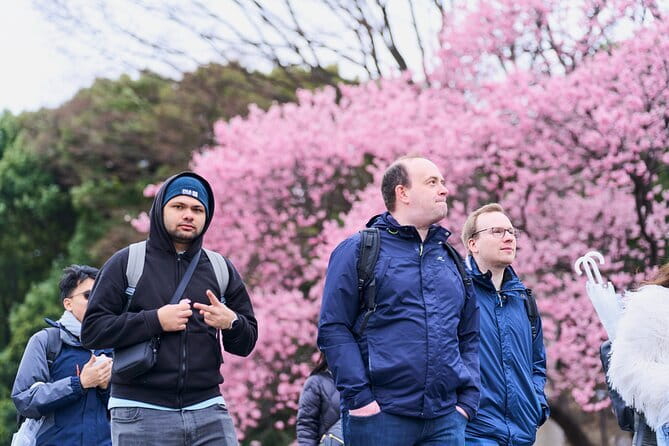
The first meaningful stop is Sakurada Tatsumi Yagura, with a short photo stop and a guided walk through what it represents. Yagura refers to defensive watch structures, and even if you cannot see everything you’d expect from a fully intact castle complex, the guide explains how the castle worked as layered protection.
This is where the tour starts doing something smart. Instead of telling you Edo Castle was massive, you begin to understand what “massive” meant in design. You start noticing the defensive logic, not just the scenery.
Drawback to consider here: the time is short. If you want to linger for extra photos, you might feel a tiny tug to keep up with the group.
Ote-Mon Gate: Learning Scale Without Needing a Blueprint

Next up is Ote-Mon Gate, another photo stop with guided explanation. This is a key moment because gates were never just entrances. In a castle city, gates were checkpoints, choke points, and symbols of who controlled movement in and out.
The guide’s emphasis on size is the real value at this stage. You hear how the palace area connects to the idea of Edo Castle as nearly impenetrable, and how that strength helped sustain a long period of stability. The tour describes a peaceful samurai era that lasted about 260 years, and Ote-Mon Gate is one of the places where that stability feels believable rather than theoretical.
Practical note: bring your camera settings ready. Photography is encouraged, and you’ll want quick, clear shots around gate and wall lines before the group moves on.
Tokyo Imperial Palace Grounds: 2,600 Years of Power, Explained at Ground Level
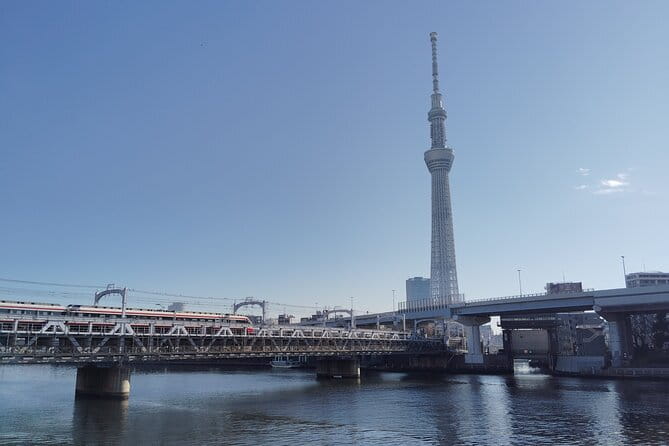
Tokyo Imperial Palace is the emotional center of the tour today. You get photo opportunities and guided commentary as you walk the grounds and connect the old castle role to the current imperial residence.
The big idea you’ll hear is continuity. The imperial system is presented as a 2,600-year tradition, and the tour asks a simple question: how did it survive so long? The guide connects the dots between Edo-era governance and the modern imperial presence, without turning it into a dry lecture.
Just remember you’re entering an active, protected site. There is a security check, and you should not bring knives or alcohol. Yes, this is as obvious as it should be, but the note is there for a reason. Plan your bag like you’re going through an airport, not a picnic.
Also, dress for outdoors. You’ll be walking on paths that can feel exposed depending on the day’s weather.




Ninomaru Garden: The Japanese Garden Factor (And Why It Matters)
Ninomaru Garden is one of the most calming stops, with a photo stop, guided tour, and time to look around. This is also where the tour’s garden theme connects to power in an unexpected way: the highlights mention a Japanese garden admired by the emperor.
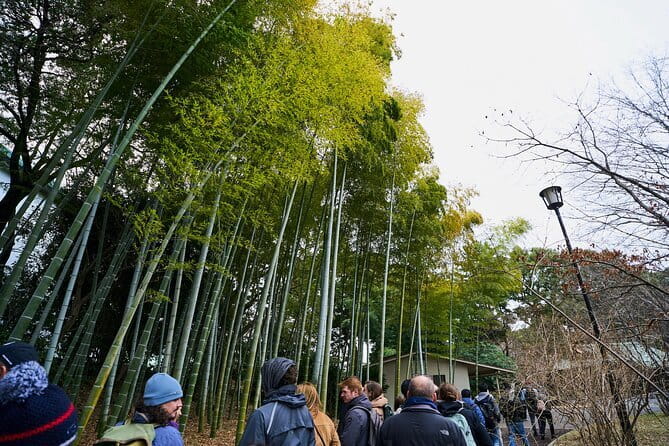
That matters because gardens in Japan are rarely just decoration. They are designed experiences, shaped by viewing angles, seasonal character, and careful placement. The guide helps you see what to notice, like composition and the way water and trees guide your eye.
If you like taking slow breaks, this is where you get them. The group walks, then you get space to observe. And because the tour stays small, you’re less likely to feel rushed by a large crowd.
Possible drawback: if you’re mainly interested in battlefield details, the garden time may feel quieter than you expected. But quiet is part of the story. Samurai-era power wasn’t only about defense and conflict, it was also about controlled order.
Edo Castle Ruins: Turning Today’s Traces Into a Coherent Story
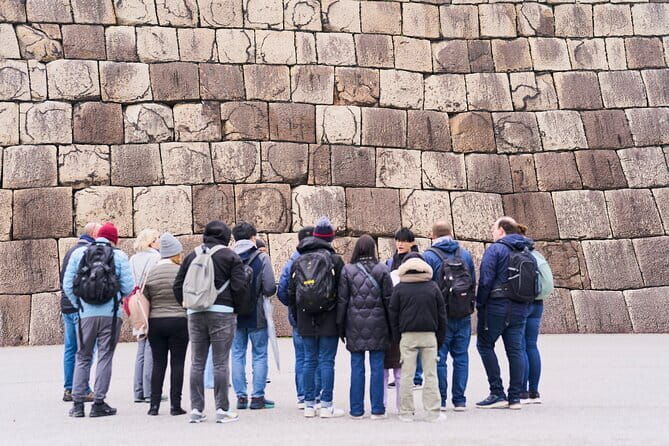
The tour includes Edo Castle Ruins as another short stop, again with photo and guided context. Even though you’re not seeing a fully intact castle, you’re learning how to read what remains. Stones, lines, and layout clues become evidence, and the guide explains why those traces still matter across Tokyo.
This section helps a lot if you’ve ever walked past historical sites and thought, I’m standing here, so why does it feel flat? The guide gives you a way to connect remnants to structure and movement. Instead of asking you to imagine the entire Edo Castle from scratch, you get a set of anchors.
If you want a hands-on learning moment, pay attention here, because the tour later includes a miniature structure of the former palace. That model can help your brain lock in the bigger picture when the ruins feel too small on their own.
Imperial Palace East Gardens: Koi Fish, Trees From Across Japan, and a Quiet Ending
The East Gardens bring the tour to a softer close. You’ll get photo stops and guided exploration, with a highlight that includes special koi fish and diverse trees from across Japan.
This is one of the reasons I think this tour is good value. At many historic sites, you get facts and move on. Here, you end with a sensory lesson: water, living creatures, and seasonal plant character that makes the palace grounds feel cared for, not just preserved.
And that connects back to the Imperial Palace theme. The guide doesn’t treat the present as separate from the past. The imperial residence is framed as living tradition, and the gardens become a daily reminder of that.
Practical tip: keep an eye on where you step. Even if the paths are calm, you’re walking outdoors. Shoes matter more than you think, especially when you want to photograph without worry.
Price and Value: Why $23 for 2 Hours Makes Sense
At $23 per person for about 2 hours, this tour prices like a practical city walking experience, not an expensive museum add-on. Where the value really shows is in the guided interpretation of a massive historic space.
Instead of paying for access to buildings you may not even be able to see fully, you pay for someone to teach you how to read the grounds. You also get inclusions that most independent wandering cannot recreate, like the miniature structure of the former palace and the guided attention to the koi fish and garden details.
Is it perfect value for everyone? If you hate guided history and prefer total freedom, you might feel limited by the group pace. But if you enjoy structured storytelling, the price is easy to justify.
Also, the small group size is part of the value. Up to 10 people is the sweet spot where you can still hear explanations and ask a question without shouting.
The Pace, Timing, and Outdoors Factor You Should Plan For
The itinerary is paced with short walk segments and repeated photo stops. That means you’re not stuck in one long stretch of walking, but you are outside for much of the experience.
In practice, that’s why you should bring the basics:
- A light layer if the weather shifts.
- Comfortable shoes for walking through park and garden areas.
- Your camera charged, since photography is encouraged.
Wheelchairs are available and can be used within the Imperial Palace grounds, but there are slopes and areas where you may need to walk or go down on foot. If mobility is a concern, plan for some gradual movement and check with the operator when you book.
Who This Tour Suits Best (And Who Might Want Another Option)
This tour suits you if you want Tokyo in layers. You enjoy samurai and shogun eras, but you also want the modern explanation of how the Imperial Palace fits into that story.
You’ll likely love it if:
- You watched Shōgun and want real-world grounding for Edo period details.
- You like history that connects to what you can see now.
- You want gardens, photos, and calm time, not only walls and structures.
You might be less thrilled if:
- You want long time inside buildings.
- You’re hoping for Japanese language support. The tour is English only.
Should You Book the Tokyo Castle and Imperial Palace Walking Tour?
I’d book it if you like guided history that turns Tokyo landmarks into a coherent story in just 2 hours. The small group size helps, the pace stays manageable, and the inclusion of the miniature palace model plus the koi and garden time gives you variety beyond a standard walking tour.
I would hesitate only if outdoor walking and security checks would stress you out, or if you need Japanese interpretation. If you’re okay with that, this is a smart, good-value way to connect Edo Castle to the Imperial Palace grounds you’ll keep seeing in your Tokyo trip.
FAQ
How long is the Tokyo Castle & Imperial Palace walk?
The tour lasts about 2 hours.
How big is the group?
It is a small group capped at up to 10 participants.
Where do we meet for the tour?
Meet in front of Starbucks Coffee Kōkyo Gaien, Wadakura Fountain Park store, at 3-1 Kōkyo Gaien, Chiyoda City, Tokyo.
Is the tour offered in English?
Yes. The tour is conducted in English only, with no Japanese language support.
Is there a security check at the Imperial Palace?
Yes. There is a security check when entering the Imperial Palace. You should not bring knives or alcohol.
Is wheelchair access available?
Wheelchairs are available and can be used within the Imperial Palace grounds, but there are some slopes and areas where guests will need to walk or go down on foot.
More Walking Tours in Tokyo


More Tours in Tokyo


More Tour Reviews in Tokyo
Not for you? Here's more nearby things to do in Tokyo we have reviewed








Tokyo City Tours, side by side.
 ★ 5.01-Day Tokyo Bus TourFrom $12914,250 reviews
 ★ 4.5TOKYO SKYTREE® Admission ticketFrom $1311,192 reviews
 ★ 4.6teamLab Planets TOKYO Digital Art Museum Entry TicketFrom $259,779 reviews
 ★ 4.0Mt Fuji & Hakone Cruise, Drum Show Bullet Train 1 Day from TokyoFrom $1497,413 reviews
 ★ 5.0Shinjuku Food Tour (13 Dishes at 4 Local Eateries)From $866,603 reviews
 ★ 4.4Tokyo Mt Fuji 5th St & Hakone Cruise Bus Tour w/Bullet TrainFrom $1545,024 reviews
 ★ 5.0Flagship 2-Hours Official Street Go-Kart Tour – Tokyo Bay ShopFrom $644,974 reviews
 ★ 4.5From Tokyo: Mount Fuji Full-Day Sightseeing TripFrom $684,970 reviews
This tour also belongs to