
Review · ASAKUSA TOURS
Asakusa: 3.5-hour Big-picture History Walk
Asakusa is a shortcut through Japan’s past. This 3.5-hour walk turns temple gates and side streets into a single story, starting with 300-year isolation and the dramatic reopening, then zooming into how Shinto and Buddhism have shaped everyday life. What I like most is that the guide explains the why at every landmark, not just the what, and the tour stays small enough for real questions instead of a conveyor belt.
One thing to plan for: you’ll do moderate walking on uneven old-street surfaces, and there’s no hotel pickup. That means you’ll want comfy shoes, water, and a willingness to move.
Key points that make this walk worth your time
- Big-picture history, anchored on real places like Kaminarimon and Sensō-ji, with global connections explained as you go
- Two religions, one lived-in rhythm and how they can coexist peacefully even when they differ
- East-meets-West comparisons including surprising parallels tied to dragons and old mindsets
- Sacred and secular in the same block from temple space to early 20th-century entertainment lanes
- Small-group comfort plus practical breaks with headsets (for groups of 3 or more) and Japanese snacks along the way
Where you start in Asakusa, and how the timing helps
The meeting point is easy to miss if you blink. Meet in front of a Burger King right next to Exit 4 of Asakusa subway station on the Ginza line (G19). If you’ve ever arrived in Asakusa ready to wander, this tour’s structure is the opposite. It gives you a start point, a pace, and a line of thinking.
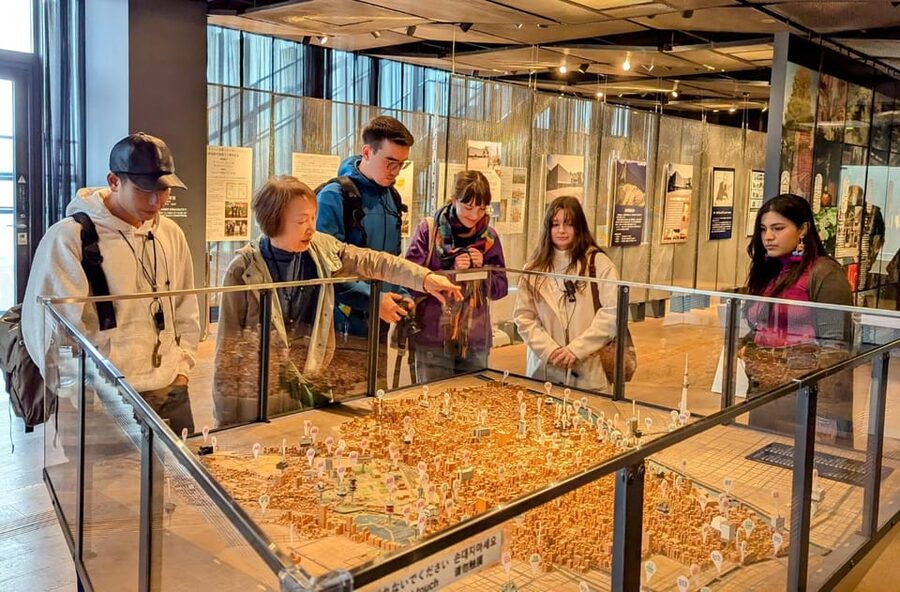
Right away, the walk builds momentum with an initial guided stretch at the Tokyo Cruise Asakusa Pier area and then a stop at the Asakusa Culture Tourist Information Center. That matters because it shifts you from sightseeing to understanding. Before you hit the postcard scenes, you’re getting context for what you’re about to see.
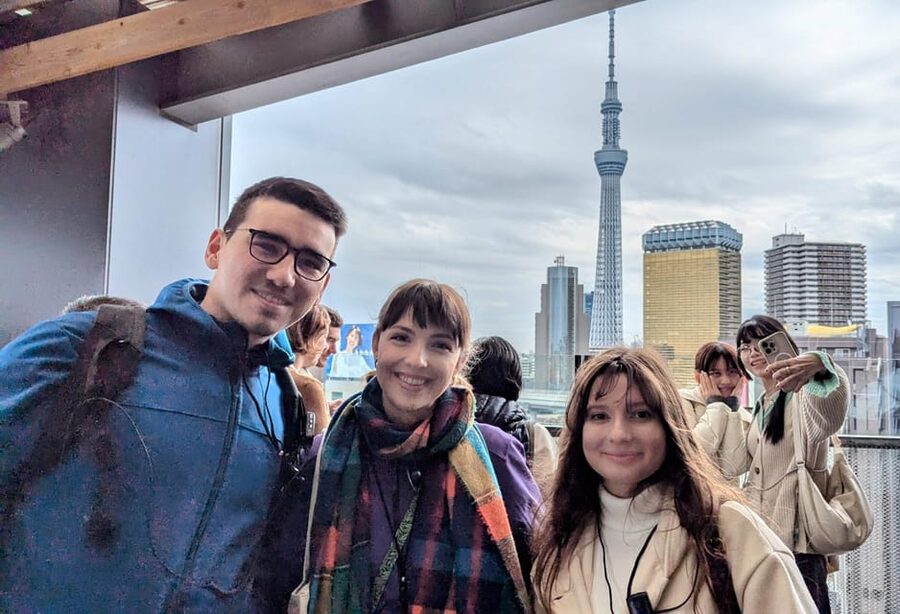
Also, this is limited to just 8 participants. With that size, the guide can slow down for questions, reroute around tight crowds, and keep the group together without turning every stop into a traffic jam.
You can also read our reviews of more walking tours in Tokyo

The 300-year isolation story you can actually picture
A lot of Japan history tours stop at dates. This one does the better thing, it explains the causes and the consequences in plain terms, using what you can see around you.
You’ll hear why Japan closed itself and why it picked the Netherlands as a key trading partner during isolation. You’ll also look out for a sign that symbolizes the transition from isolation to opening. That detail is small, but it gives your brain a handle: it’s not just a theory, it’s a visual marker of a big shift.
Then comes the global ripple effect. Expect to connect Japan’s 19th-century art to influences outside Japan, including the way French Impressionist painters were affected. It’s a fun idea to hold in your head while you’re standing in Asakusa, because you start noticing how art, trade, and curiosity travel farther than anyone expects.
Two religions in one neighborhood, and why they coexist
This is one of the strongest parts of the walk. You’re not asked to memorize definitions. Instead, you’re shown how belief works in real life, in the same spaces, with the same people.
The guide explains Japan’s two major religions and how they can complement each other. The key point is why they’ve coexisted peacefully while sharing many of the same worshipers. That’s not an academic question here. It’s the difference between Japan feeling confusing and feeling readable.
You’ll also see how the spiritual map is layered. On the route, it’s not just one temple and one shrine and you’re done. You move through gates and halls, then into shrine space, then to a pavilion tied to Buddhist practice. By the time you’re done, you’ll understand the logic of the mix, and you won’t feel like you’re hunting for a single correct answer.
Entering Kaminarimon, and reading the street like a timeline
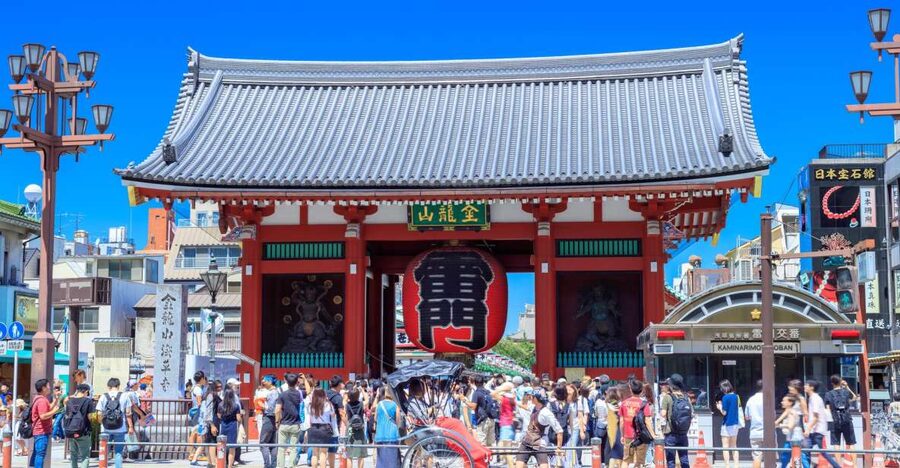
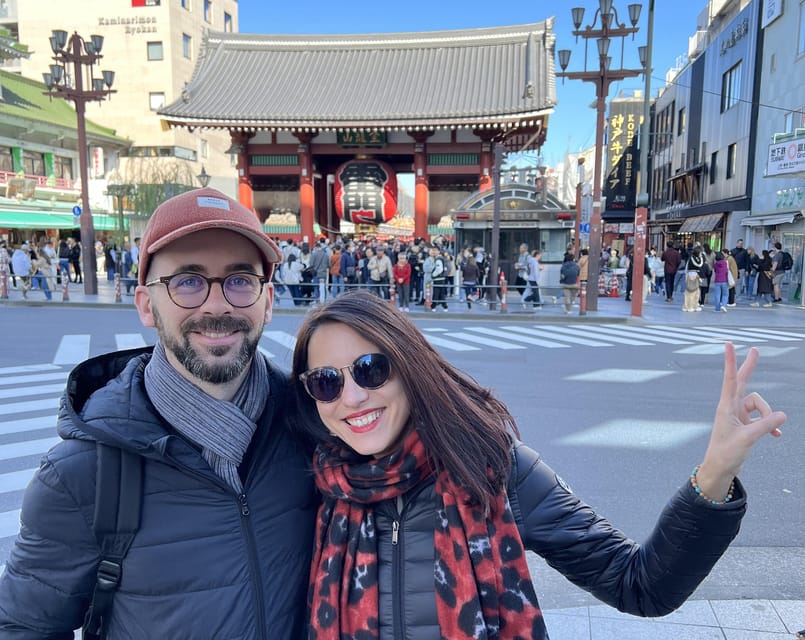
Kaminarimon is the kind of landmark people photograph without thinking. During this walk, it becomes your first chapter. You get to understand what you’re looking at and why it’s such a famous entrance point for Asakusa.
From here, the rhythm stays consistent: short guided stop, clear explanation, then walk on. That helps on a busy day, because it gives you a mental checklist. You won’t just feel swept along. You’ll know what to notice next.
If you’re traveling during peak hours, this structure helps you avoid the most common mistake. Standing still and getting lost in the crowd. Instead, you keep moving with purpose, while the guide handles the timing and crowd flow.
Nakamise Street, the gate to nostalgia, and the practical way to do it
Nakamise Shopping Street is where the photos start to look like they belong on a postcard. The tour still keeps it meaningful. You’re guided here for about 30 minutes, enough time to absorb the atmosphere without turning the walk into a shopping spree.
You’ll also get freshly made Japanese traditional snacks and sweets included with the tour. That’s a big value point, because it’s not just a taste, it’s an energy reset. It also saves you money compared with doing the same snack hopping on your own.
One thing I like: the experience doesn’t push you to buy. If you’re not into shopping, you can focus on the story, the craft, and the way the street acts like a living gateway between old Edo-era customs and modern Tokyo.
You can also read our reviews of more historical tours in Tokyo


Hōzōmon Gate to Sensō-ji, sacred space with context
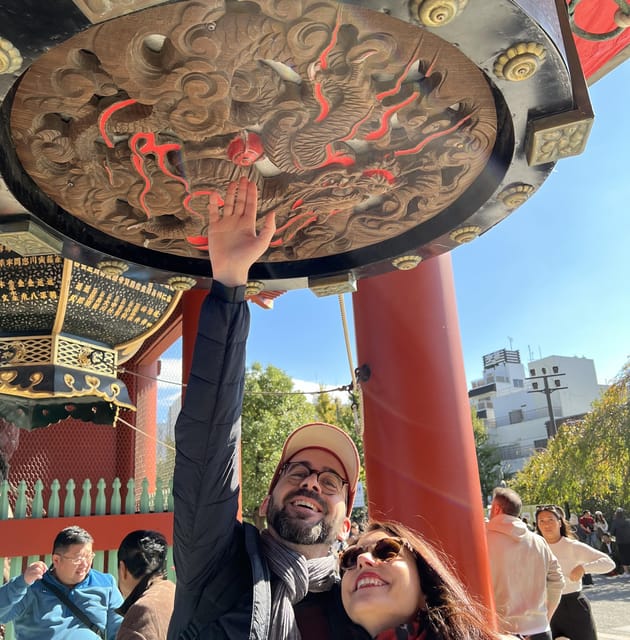
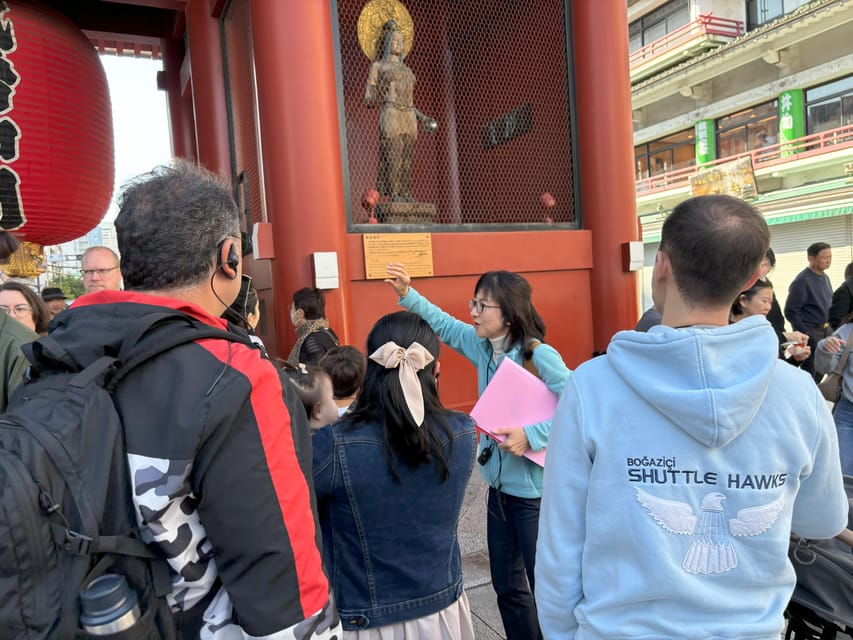
Sensō-ji is the heart of the Asakusa experience, and the tour gives it real attention. You’ll spend about 45 minutes at the temple area, including a guided stop at the Hōzōmon Gate first.
This is where the walk earns its big-picture label. The guide points out what you’re seeing and ties it to centuries of belief and social life. It’s not just incense and architecture. It’s how a sacred site shapes the neighborhood around it.
Then you get one of the tour’s most memorable angles: human nature swinging between sacred and secular. The space next to the temple used to be a major entertainment area, long before other Tokyo neighborhoods like Shinjuku and Shibuya became the main draw. In other words, the temple was never isolated from everyday life. It was part of it.
Asakusa Shrine and the Buddhist and Shinto balance you can feel
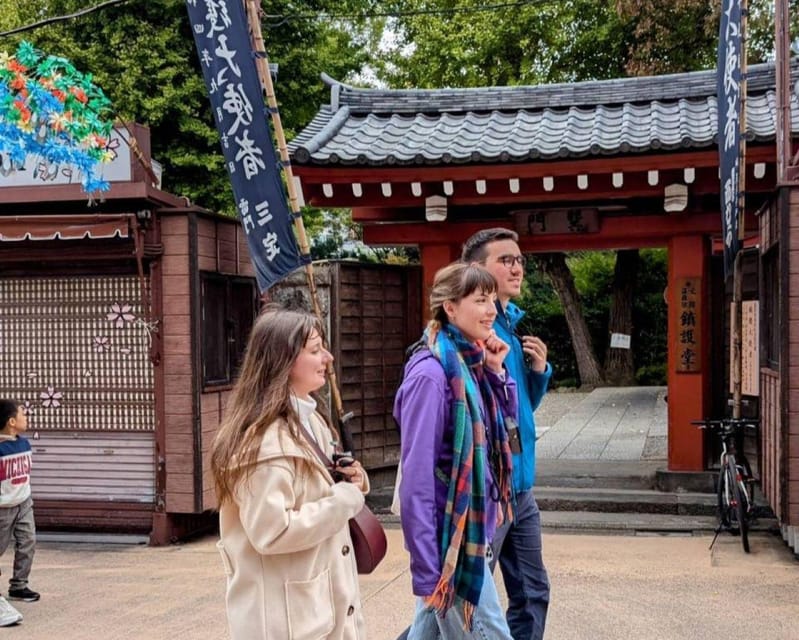
After Sensō-ji, the walk shifts to Asakusa Shrine for a shorter guided stop. That contrast is useful. You’ll start to feel the difference in spiritual focus without needing a religion textbook.
This is where the idea of “shared worshipers” stops being a slogan. The tour keeps returning to the same practical theme: people can hold different traditions without treating them like opposites. The guide’s explanations help you connect the coexistence you see around you with the daily rhythms you don’t fully notice on your own.
You’ll also visit the Yōgō-dō Pavilion, guided for about 15 minutes. That stop is a reminder that temple and shrine space can contain many layers of practice, not just one fixed ritual. It strengthens your sense that religion in Japan is built like a system of overlapping customs.
Side streets beyond the main draw, where Edo-era feeling shows up
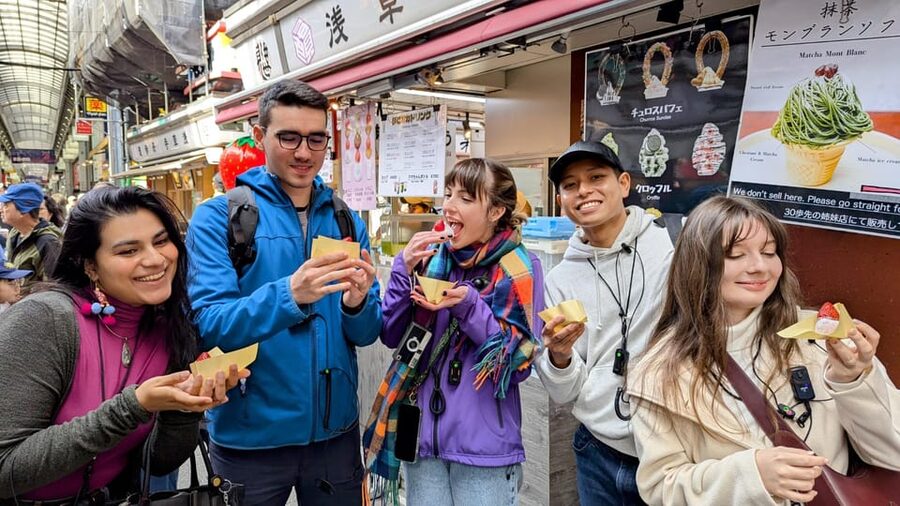
After the big temple moments, the route starts getting more interesting for people who like old textures. You’ll stroll through Asakusa Nishi-sandō Shopping Street and spend time at Asakusa Mokubakan. These stops tend to feel calmer than the big chokepoints.
The tour also includes a small shopping street with a quiet, nostalgic feel. You’re encouraged to rewind to the Edo period and feel like you’ve stepped into an old movie set. That phrasing matters because the goal is not nostalgia for nostalgia’s sake. It’s to help you see how the area used to function, then compare it to what survived.
A practical tip I’d use if I were planning this day: keep your expectations flexible. In Asakusa, a side street can feel like a time capsule one minute and a busy sidewalk the next. The guide helps you stitch that together so it all makes sense.
Hoppy Street and the postwar pulse next to the temple
This part is a great lesson in how Tokyo layers time. Near the temple area, you’ll feel a shift from purely sacred vibes into everyday grit and entertainment.
The tour guides you through Hoppy Street, and it’s tied to a story about older pub lanes and postwar working-class resilience. You’ll hear about narrow lanes famous for old-style Japanese pubs and how those places carried energy that came from real life, not performance for tourists.
You’ll also get an early 20th-century entertainment perspective. Think cinemas, vaudeville theaters, and performance halls, before other parts of Tokyo became the main spotlight. The result is that Asakusa feels less like a museum district and more like a place where people lived, took breaks, and found distractions while history kept changing around them.
East meets West, including dragons and matching mindsets
Not every history tour tries to compare cultures. This one does, and it stays grounded in specifics you can track.
You’ll hear about dragons and how their roles differ in Japanese and Western contexts, but you’ll also notice parallels in how people thought about symbolic creatures. You’ll get the angle that human mind tends to circle the same themes across centuries, including the idea that people long ago shared more mindset overlap than you might expect.
I like this approach because it keeps Japan history from feeling trapped in Japanese-only vocabulary. You can relate the ideas to what you already know, then use the sites around you to prove the connection.
How the guide style makes or breaks the experience
This tour leans heavily on the guide. That’s a good sign, because the whole point is explanation, not just motion.
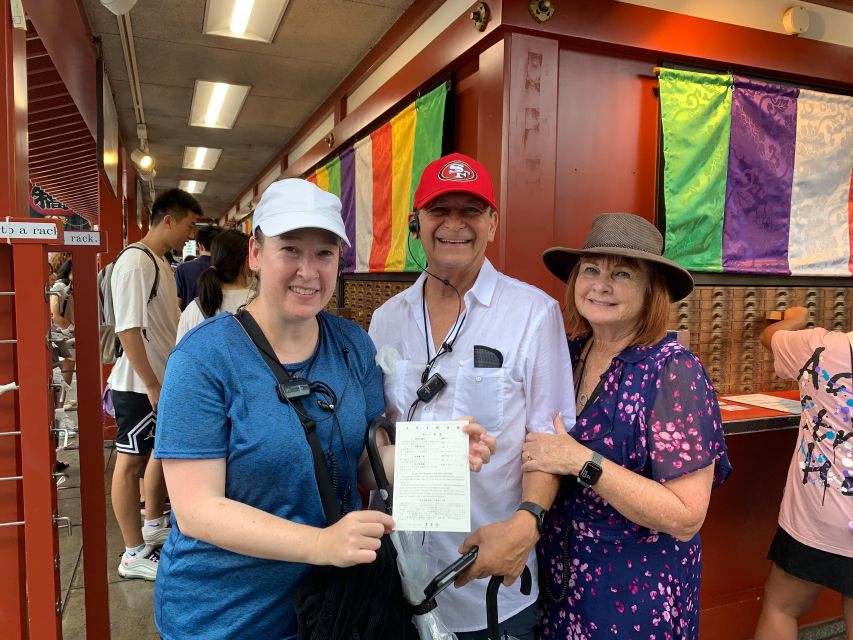
The tour provides English-speaking certified guides, and for groups of 3 or more, you get headsets so you can hear clearly. Those two details matter. In Asakusa, it’s easy to lose words to street noise. The headsets protect the value of what you paid for.
From past group experiences, guides have been praised for caring when weather turns cold or rainy, for crowd handling, and for proactively pointing out practical needs like where restrooms are before it becomes urgent. The best part is how some guides tailor attention when you’re not shoppers, focusing more on architecture, history, and even gardening. If you want a tour that reads the room, this small-group setup gives the guide room to do that.
Price and what you’re really buying for $88
At $88 per person for about 210 minutes, you’re paying for three things that are hard to recreate solo.
First, you’re buying a guide-led narrative that connects multiple centuries into a single thread. Second, you’re buying convenience and clarity, including the headset setup and snack inclusion. Third, you’re buying time efficiency. You cover major landmarks and less obvious side lanes in one morning or afternoon block without needing to build the whole plan yourself.
You’re not paying for hotel pickup, so you should budget a bit of effort getting to the meeting point. But the trade is that you control your own day around it. It’s a flexible half-day experience that can fit into a broader Tokyo schedule.
Given that it’s limited to 8 people and operates in all weather, I think the price makes sense if you want understanding, not just photos.
Who should book this Asakusa history walk
This is a strong match if you want a half-day in Asakusa that feels like a guided lesson, with sites used as gateways into bigger topics like isolation, reopening, belief systems, and global connections.
Adults will likely enjoy it most because of the historical focus. Families can join too, and kids under 6 can join without charge. If you’re traveling with mobility constraints, note it is not suitable for people with mobility impairments.
Also, if you dislike walking, this won’t be your best day. The route includes multiple short guided stops plus street walking, so comfortable shoes are not optional.
Should you book it?
I’d book this if you want Asakusa to make sense fast. This walk connects temple gates, shrine space, and side streets into one coherent story about Japan’s past and how it connects outward to the world. You also get included snacks, a small group size, and headsets to keep the experience actually enjoyable when the street noise rises.
Skip it only if you prefer an unstructured stroll where you set every stop yourself. This tour works because it teaches you what to notice and why, and you’ll get more out of it if you’re open to that guide-led rhythm.
FAQ
How long is the Asakusa big-picture history walk?
It runs for about 210 minutes, which is roughly 3.5 hours.
What does it cost per person?
The price is $88 per person.
Where do I meet the guide?
Meet in front of a Burger King restaurant right next to Exit 4 of Asakusa subway station (G19) on the Ginza line. Step outside when you reach Exit 4.
What is included in the tour price?
Included are an English-speaking certified guide, English audio guide, headsets for groups of 3 or more, and freshly made Japanese traditional snacks and sweets.
What should I bring?
Wear comfortable shoes and bring water. Bottled water is recommended and vending machines are available.
How big is the group?
The maximum group size is 8 participants.
What language is the tour offered in?
The tour is in English, with an English-speaking guide and an English audio guide included.
Is this tour suitable for mobility impairments?
No. It is not suitable for people with mobility impairments.
More Historical Tours in Tokyo
More Walking Tours in Tokyo
More Tour Reviews in Tokyo


Not for you? Here's more nearby things to do in Tokyo we have reviewed


Asakusa Tours, side by side.
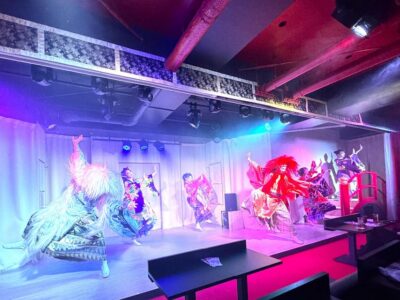 ★ 4.8Japanese Dance Cabaret Theater Asakusa-Kaguwa TicketFrom $492,270 reviews
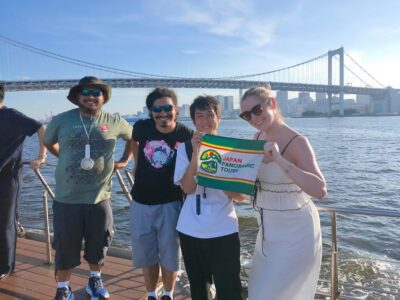 ★ 4.7Meiji Shrine, Asakusa, Skytree Bus Tour and CruiseFrom $1221,986 reviews
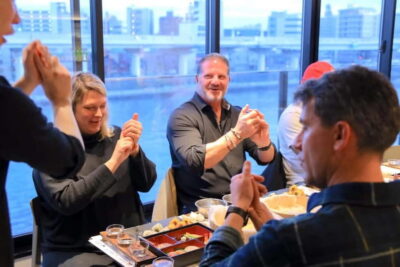 ★ 4.9Roll and Authentic Sushi Making Class in AsakusaFrom $581,957 reviews
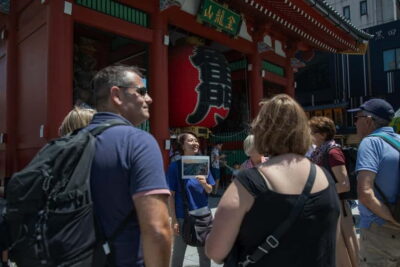 ★ 4.8Asakusa Walking Tour with Sensoji Temple VisitFrom $221,583 reviews
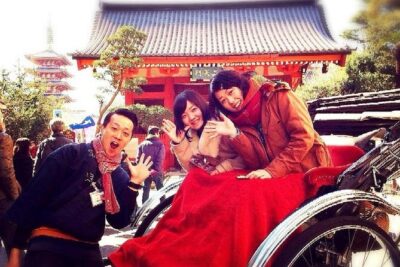 ★ 5.0Tokyo Asakusa Rickshaw TourFrom $421,375 reviews
 ★ 4.5Tokyo Panoramic 1 Day: Meiji Shrine, Asakusa, Odaiba and SKYTREE®From $851,222 reviews
 ★ 5.0Tokyo Go Kart: Asakusa, Skytree, and Akihabara **IDP MUST**From $99988 reviews
 ★ 4.7Asakusa, Skytree & Akhihabara Go-Kart City ExperienceFrom $96761 reviews
This tour also belongs to