
Review · ASAKUSA TOURS
Asakusa: A Big-picture History Walk to Know Japan
Two hours can rewrite Japan’s story. This walk turns Asakusa into a big-picture timeline, starting on the Sumida River and using real landmarks to explain how Japan changed from isolation to modern Tokyo. I love the way the guide links what you see to why it matters, and I especially like how clearly the tour explains Buddhism and Shinto side by side.
One thing to plan for: it is a short but steady walking route. If you have mobility issues, this is not officially suited for impaired guests, so check in early to see what accommodations are possible, and wear shoes you trust.
Key highlights worth your attention
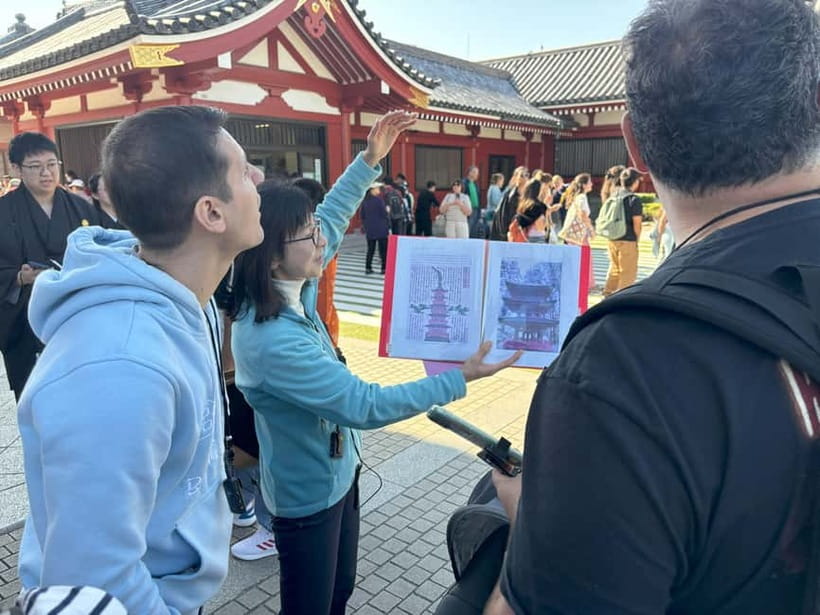
- Sumida River story of isolation to reopening, with the Edo era and Perry-era pressure explained visually
- Buddhism and Shinto, made simple, including how prayer practices differ
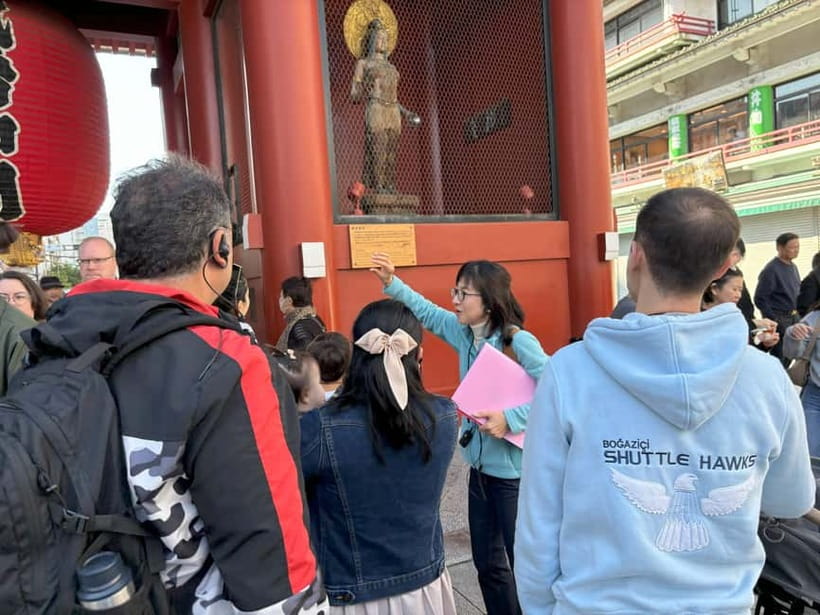
- Kaminarimon’s dragon contrast, where Japanese and Western dragons flip roles
- Nakamise Street symbols and ukiyo-e impact, including how prints reached Europe and helped inspire Impressionists
- Hozomon and a 1,000-year mindset comparison, connecting Japan and Europe in unexpected ways
- One site for two faiths, with Shinto and Buddhist spaces sharing grounds for over a millennium
Asakusa in two hours, from isolation to religious coexistence
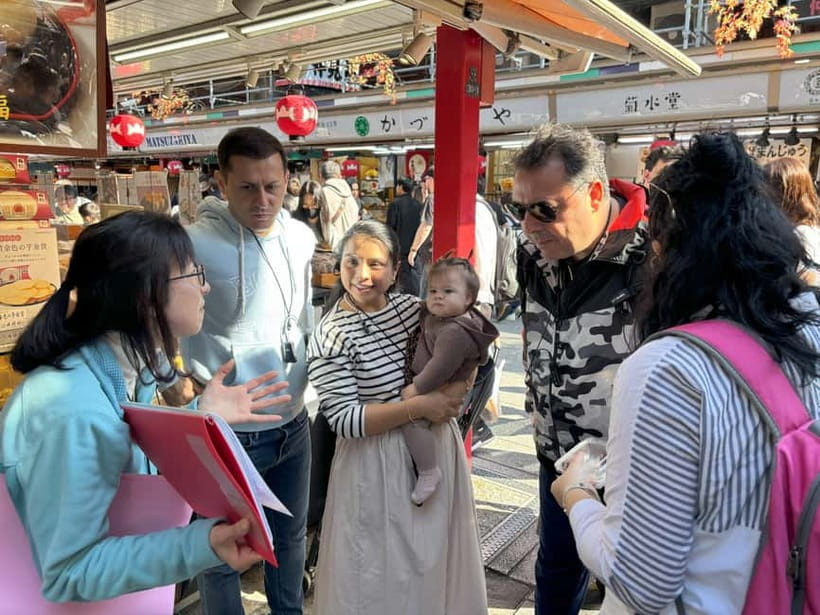
If you only know Asakusa as a place to take photos, this tour changes your lens fast. You start with a river-side history thread, then move gate to gate through classic temple and shrine stops, each one used as a gateway to Japan’s wider story.
The best part is the structure. Instead of treating Senso-ji and the surrounding streets as separate attractions, you get a guided storyline that ties politics, religion, and art together. It’s the kind of tour that helps you walk out understanding how Japan became the country you see today, not just how to pronounce a few street names.
And yes, it covers the big themes without turning into a lecture that makes your legs regret everything.
You can also read our reviews of more walking tours in Tokyo

Getting to the meeting point near Asakusa Station Exit 4
You meet right where it’s easy to find, outside a Burger King next to Exit 4 at Asakusa subway station (G19, Ginza line). The key practical move: when you come up to street level at Exit 4, step outside and look for the Burger King as your anchor.
This matters because you will want to start calm. When you do a history-heavy walking tour, you lose your enjoyment if you’re rushing at the front end, hunting for a group while your brain is still catching up.
If you’re arriving from elsewhere in Tokyo, give yourself a few extra minutes so you can get oriented and then settle into the tour rhythm.
Tokyo cruise vibes at the Sumida Pier: why Japan shut the door
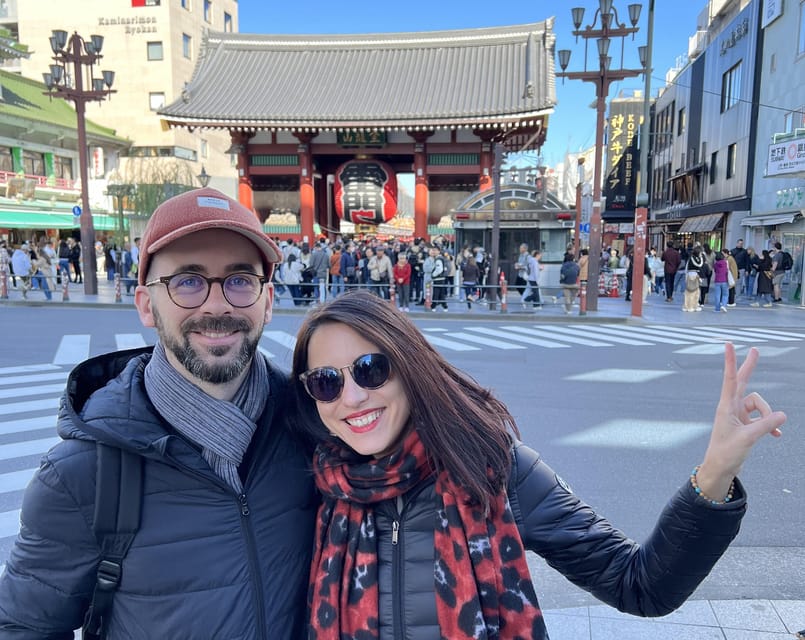
The tour opens along the Sumida River at the Asakusa pier. Even though this segment is brief, it sets up a surprisingly strong big-picture idea: Japan’s isolation was not random, and it had real consequences for trade, knowledge, and the eventual reopening of the country.
You’ll hear why the Edo shogunate sealed the country for over 200 years, and why the Netherlands was permitted to trade while many others were kept out. Then the story pivots to the moment Japan was forced to reopen under outside pressure, with Admiral Perry’s arrival used as the turning point.
What I like about this intro is that the guide doesn’t treat it like a sealed-off past. You connect it to modern Tokyo, including Odaiba’s former gun batteries and the Statue of Liberty replica facing the Pacific. It’s a neat reminder that symbols travel, even when the original meaning changes.
Asakusa Culture Tourist Information Center: your fast religion primer
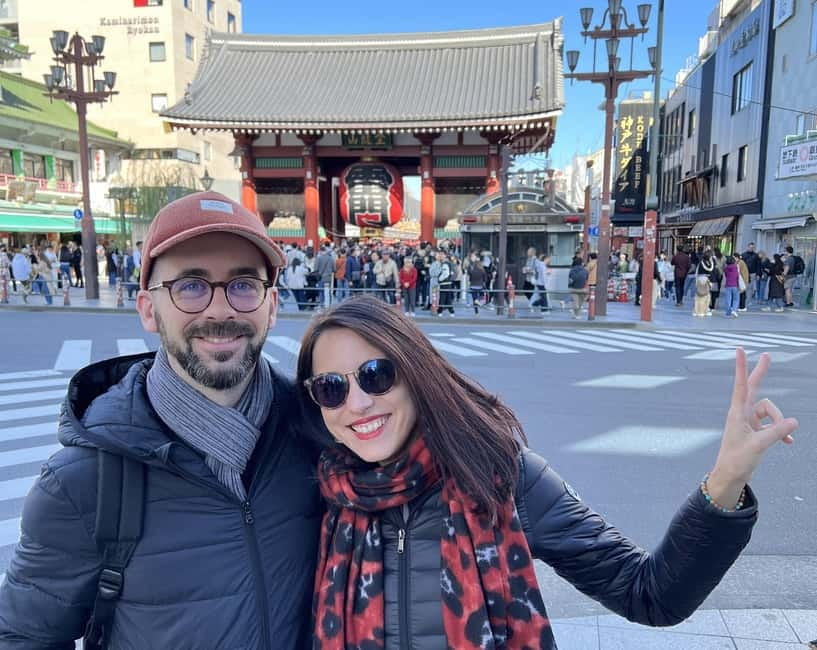
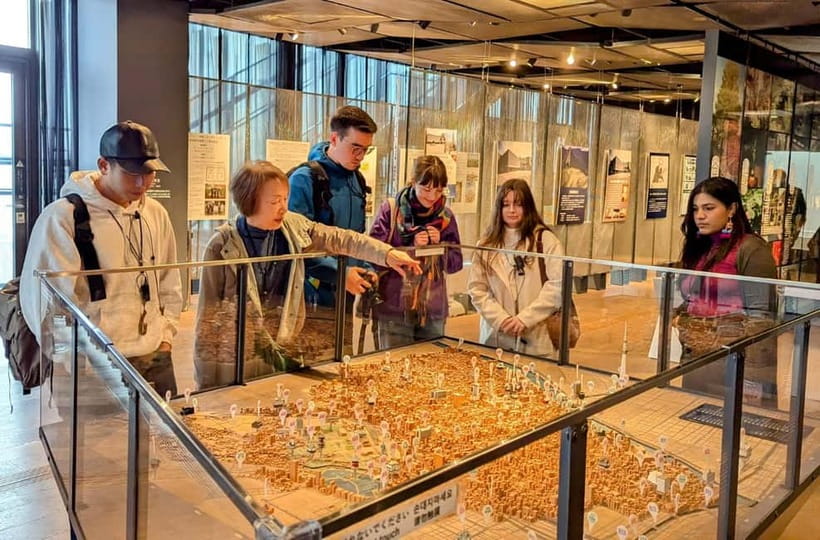
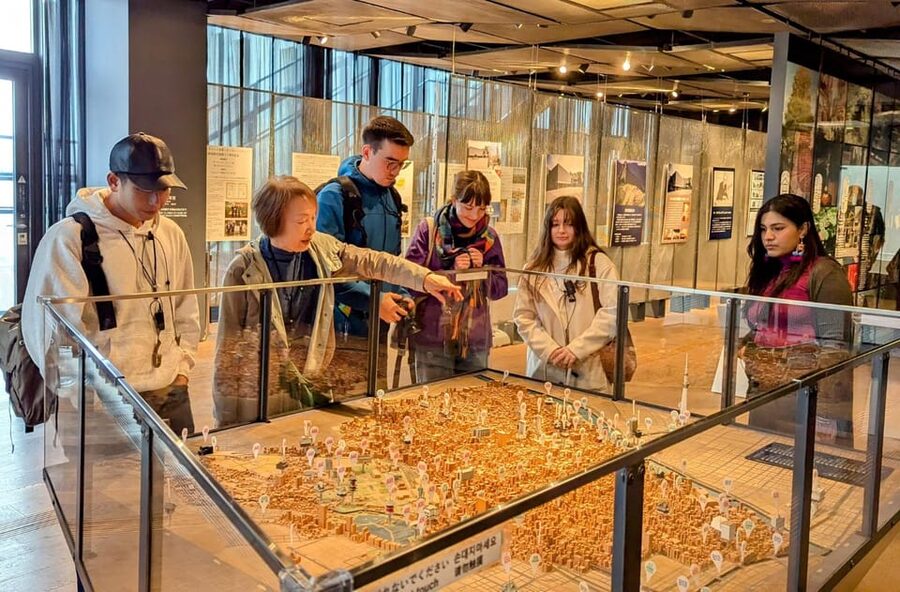
Before you hit the most photogenic gates and worship spaces, you get a clear foundation at the Asakusa Culture Tourist Information Center. This is where the tour does its smartest work early: it gives you the framework to understand what you’ll see at Senso-ji and later at the Asakusa shrine.
The focus is on Japan’s two major religions, Buddhism and Shinto, explained clearly and visually. If you’ve ever watched people pray at different places and felt like you were missing the rules, this section helps you feel less like a spectator and more like a respectful observer.
A bonus is that it makes the later comparisons easier. When you understand what each tradition is doing, the tour’s cross-cultural explanations land better.
Kaminarimon gate and the dragon swap you won’t forget
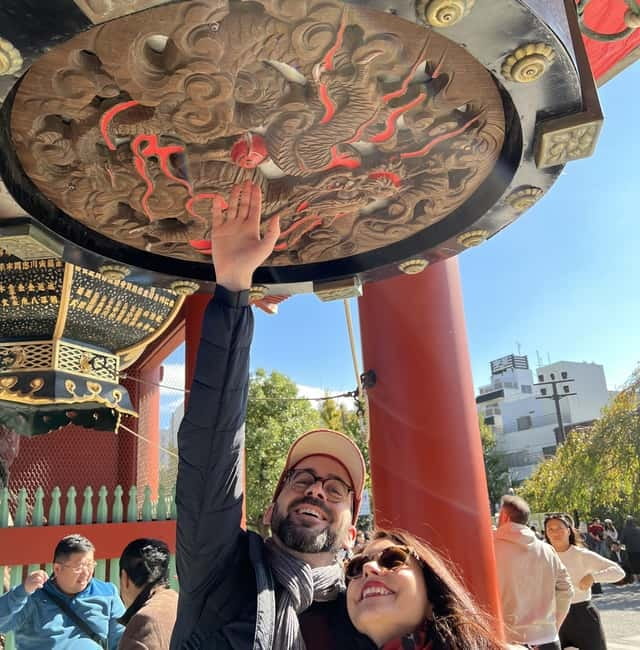
Kaminarimon, the Thunder Gate, is the obvious start for most people. Here, it’s not just a landmark you walk past. The guide uses it to teach a small but memorable cultural contrast: the way Japanese dragons are portrayed and how their role differs from Western dragon symbolism.
This is one of those moments that sticks because it’s visual. You see the gate, you hear the comparison, and suddenly the details around the site make more sense. It’s also a good reset if the earlier history felt heavy. Dragons are a great teaching tool because they force you to pay attention.
You can also read our reviews of more historical tours in Tokyo

Nakamise Shopping Street: vajra symbols and ukiyo-e going global
Nakamise Street is why Asakusa feels like Asakusa. It’s also where the tour turns from monuments to meaning you can find in the details.
You stroll along one of Japan’s oldest shopping streets while learning about Buddhist symbols, including the vajra (tokko). The guide also links the area to art history by explaining how ukiyo-e woodblock prints became world-famous and reached Europe, where they helped inspire Western Impressionist painters.
I like this stop because it answers a question most visitors never think to ask. It’s not only about what to buy. It’s about why the images and symbols became influential far outside Japan, and how cultural exchange works both ways.
Practical tip: Nakamise can feel busy. Keep your eyes up for the guide cues, but don’t fight the crowd by staring straight down at your feet the whole time.
Hozomon Gate: the 1,000-year Japan and West mindset comparison
At Hozomon Gate, the guide introduces one of the tour’s most distinctive ideas: people in Japan and the West shared remarkably similar ways of thinking about 1,000 years ago.
This can sound like a big claim until the guide frames it in a way that’s easier to grasp. The point is not that cultures were identical, but that certain human patterns show up in different places, in different forms, across long spans of time. It’s a reminder that history is connected more than we usually assume.
If you like history that makes you think, this is one of the best stops. If you’re only here for a scenic walk, it may feel like the most abstract segment, so listen closely, then take your time looking at what’s right in front of you after the explanation.
Sensō-ji: oldest Buddhist temple, clear prayer differences
Senso-ji is the centerpiece for many visitors, and this tour treats it as the spiritual hinge of the walk. You’ll get explanations tied to its role as Japan’s oldest Buddhist temple, plus comparisons that help you understand medieval Japanese religious life in relation to Europe.
One of the most useful parts here is the explanation of how prayer differs in Buddhism and Shinto. You’re not just told to be quiet and look respectful. You get a clearer sense of what people are doing and what those actions typically mean.
A fun detail that can come up during temple time is fortune telling at the entrance area, and the guide can help you make sense of it. Even if you skip it, knowing that it’s part of the experience helps you read the space.
Drawback to note: temple areas can be crowded, and crowds make it harder to hear every word. That’s why the headsets matter, and why you should stay close enough to catch directions when the group funnels forward.
Asakusa Shrine: the two-faith arrangement that actually works
The tour ends at Asakusa Shrine, where many visitors are surprised to see a Shinto shrine and a Buddhist temple share the same grounds, with worshippers and history that have coexisted for over a millennium.
This is one of the tour’s most meaningful messages: the religious coexistence you see here is not an accident or a modern performance. It’s a long-standing local reality, and the guide helps you understand why it can exist peacefully.
I also like that this ending doesn’t leave you with just facts. It gives you a way to interpret what you’re seeing. When you know the framework for Buddhism versus Shinto, the shared space becomes easier to understand instead of feeling confusing.
If you want a final takeaway that changes how you look at Japan, this is it.
Headsets, snack tastings, and where the $58 value really lands
At $58 per person for about 2 hours, the value comes from three things: a certified English guide, headsets for groups of 3 or more, and traditional snack tastings. The headsets are more than comfort. They help you keep up when you’re weaving through gates and dense areas where sound can get messy.
The snack tastings are a small but pleasant payoff. They turn the walk from pure sightseeing into something more like a guided neighborhood experience. It’s also a good excuse to slow down when you need a breather.
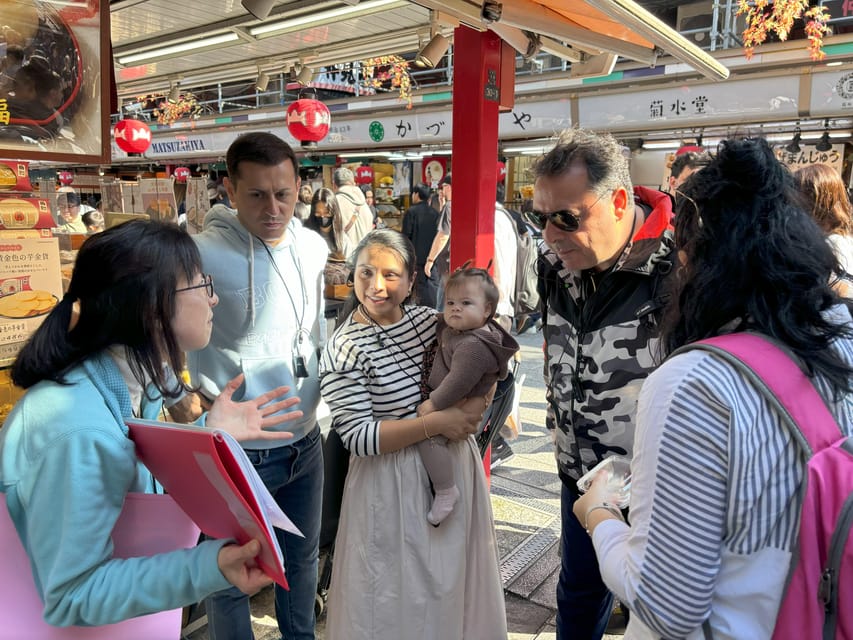
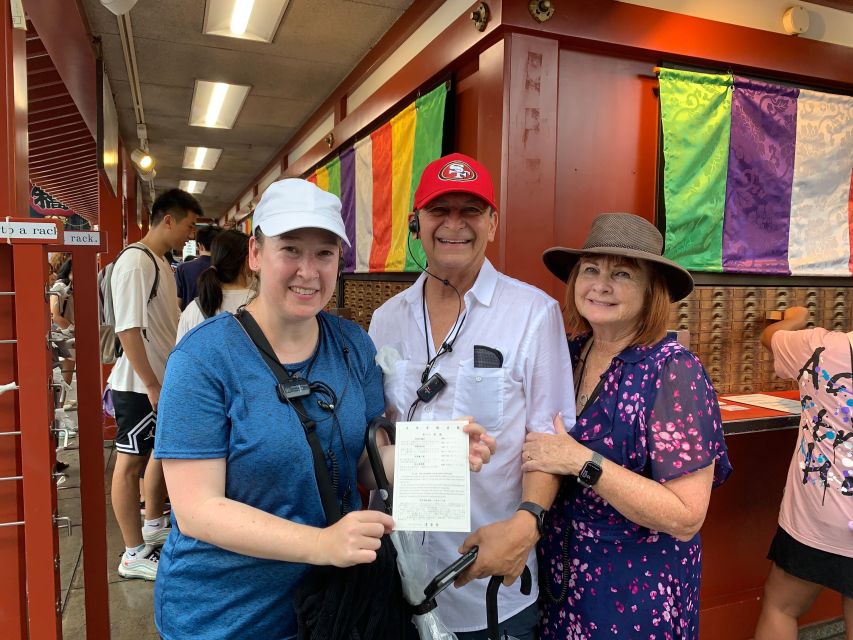
About the guide quality: many people highlight guides like Choco and Sachi for being engaging and clear, with some bringing visual printouts to help explain concepts. That matters because some ideas on this tour, like the cross-cultural art comparisons, land better when you can see what the guide is describing.
One consideration to keep in mind: headsets can sometimes have echo or slightly weird audio for some listeners. If you’re sensitive to that, bring your best listening focus and adjust as needed when the guide moves positions.
Who this tour fits best, and who should skip it
This is best for you if you want a big-picture handle on Japan, not just a checklist of spots. It’s also great if you like understanding symbols and connections, like how ukiyo-e influenced Europe, or why Japanese and Western dragon imagery can feel like a mirror swap.
It is less ideal if you have limited mobility, since the route is described as not suitable for people with mobility impairments. The operator may try to accommodate specific needs if you reach out first, but you should plan as if you will do moderate walking outdoors.
Kids can do it too, and the tour has a history-focused approach with short, digestible segments. If you bring an 8-year-old or a curious teen, the story style and visual comparisons tend to help keep them engaged.
For seniors or anyone who needs very low walking, you may want to consider a different, slower option.
Final call: should you book this Asakusa history walk?
I think you should book this tour if you want Asakusa to mean something. It gives you clear religion grounding, ties Japan’s political turning points to modern Tokyo symbols, and adds art history connections that make your photos feel smarter.
Skip it if you mainly want to wander at your own pace, or if you cannot handle a moderate walking route outdoors. Also, if you prefer history strictly in museum settings, this tour’s strength is being outdoors among the actual gates and worship areas, where the stories work best when you can see them.
If you’re aiming for one guided experience in Asakusa that gives you context fast, this is a solid choice.
FAQ
How long is the Asakusa big-picture history walk?
The tour lasts about 2 hours.
What is the price per person?
It costs $58 per person.
Where do I meet the guide?
Meet in front of a Burger King restaurant next to Exit 4 of Asakusa subway station (G19) on the Ginza line. Step outside when you reach Exit 4.
Is the tour in English?
Yes, the tour guide is English, and English audio support is included.
What is included in the ticket price?
Included are a certified guide, a walking tour, headsets for groups of 3 or more, and traditional snack tastings.
Is hotel pickup provided?
No, hotel pickup and drop-off are not included.
Does the tour run in bad weather?
It operates rain or shine, so dress for the weather.
Is there walking involved?
Yes, the tour includes a moderate amount of walking.
What should I bring?
Bring comfortable shoes and water, plus weather-appropriate clothing.
Can children join?
Children younger than 6 can join without charge. The tour is recommended for adults due to its historical focus, but families are welcome.
More Historical Tours in Tokyo
More Walking Tours in Tokyo
More Tour Reviews in Tokyo






Not for you? Here's more nearby things to do in Tokyo we have reviewed


Asakusa Tours, side by side.
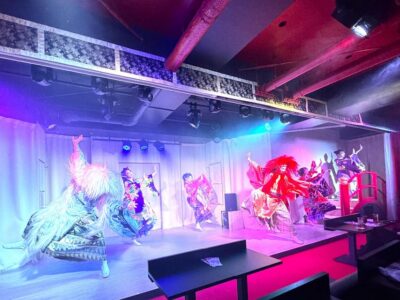 ★ 4.8Japanese Dance Cabaret Theater Asakusa-Kaguwa TicketFrom $492,270 reviews
 ★ 4.7Meiji Shrine, Asakusa, Skytree Bus Tour and CruiseFrom $1221,986 reviews
 ★ 4.9Roll and Authentic Sushi Making Class in AsakusaFrom $581,957 reviews
 ★ 4.8Asakusa Walking Tour with Sensoji Temple VisitFrom $221,583 reviews
 ★ 5.0Tokyo Asakusa Rickshaw TourFrom $421,375 reviews
 ★ 4.5Tokyo Panoramic 1 Day: Meiji Shrine, Asakusa, Odaiba and SKYTREE®From $851,222 reviews
 ★ 5.0Tokyo Go Kart: Asakusa, Skytree, and Akihabara **IDP MUST**From $99988 reviews
 ★ 4.7Asakusa, Skytree & Akhihabara Go-Kart City ExperienceFrom $96761 reviews
This tour also belongs to