
Review · TSUKIJI MARKET TOURS
Classic Tsukiji Food Tour
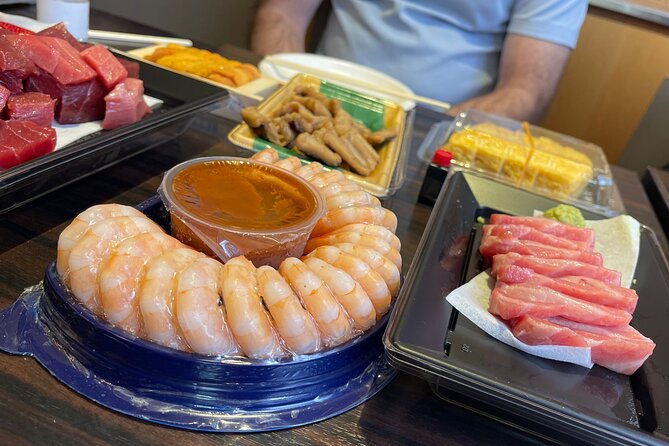
A morning at Tsukiji feels like a food time machine. This classic outer Tsukiji Fish Market walking tour leads you through market streets, long-running food traditions, and local breakfasts you would not easily piece together on your own. You also get a quick shrine stop, plus a sweet finish that helps the whole experience feel rounded, not rushed.
I especially like the focus on the outer market (where vendors stayed, even after the wholesale shift), and I love that the tour includes a full Tsukiji specialty seafood breakfast plus tastings as you go. Another plus: the guiding style is repeatedly praised, with guides such as Asami, often teamed with Jordan or Asha, known for making the group feel comfortable and well taken care of.
One consideration: it’s not set up for people who avoid seafood entirely. The tour says it’s not recommended for vegans or no seafood, even though it can accommodate vegetarian, pescatarian, and gluten-free diets.
Key highlights you should know
- Small group size (max 10) keeps the walking pace friendly and questions easy
- Breakfast and tastings are built in, not an afterthought you pay extra for
- Turret Coffee Tsukiji kicks things off with a drink before you hit the stalls
- Hongan-ji and Namiyoke Inari Shrine add a calm, meaningful break mid-walk
- Outer Tsukiji focus means you experience the market streets that still feel historic
- Bring cash if you plan to buy snacks or souvenirs, since cards are not generally accepted
Outer Tsukiji still matters, even after the wholesale move
Tsukiji is one of those Tokyo areas where the idea matters as much as the location. Yes, people have heard the wholesale fish auctions and top-level wholesale operations moved away, but the story didn’t end. The outer market area still concentrates the food that made Tsukiji famous in the first place, and this tour leans into that reality.
What I like about this setup is that it does not chase an imaginary “old auction” that most visitors can’t realistically see. Instead, you walk through the parts of Tsukiji where shops, restaurants, and seafood specialists continue their daily work. The tour frames this as a market tradition going back more than 100 years, and that shows in the way vendors and traders keep the neighborhood’s identity alive.
Practically, this makes the experience easier to enjoy. You can snack, learn what you are eating, and still end with breakfast that feels like a proper meal, not just a few bites. And since you are moving through stalls and food streets with an English-speaking guide, you get context fast, so the whole morning clicks.
You can also read our reviews of more food & drink experiences in Tokyo

Price and value: what $231 gets you (and what it doesn’t)
At $231 per person for about 3 hours, this tour is not the cheapest way to eat in Tsukiji. But it’s also not priced like a generic “walk and take photos” thing. The value is in three places that matter to your morning:
First, your guide is included. You get a local English-speaking guide who leads the walk and explains what you’re seeing and tasting. In a market like Tsukiji, that guidance is the difference between “interesting” and “I actually understand what I’m looking at.”
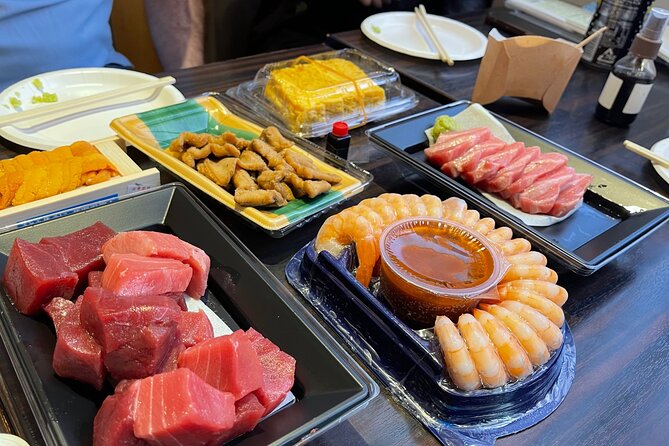
Second, food is built into the ticket. You get one drink included and a full Tsukiji specialty seafood breakfast, plus tastings along the way. Markets can get expensive if you decide to freestyle. Having core items covered lets you spend your attention (and appetite) without constantly checking costs.
Third, group size is capped at 10 travelers. That often turns into better pacing. You’re not stuck waiting behind a long line of people while you stand in the street looking hungry.
What is not included is also worth noting. You’re on your own for transportation, and additional drinks or food cost extra. Also, if you want to buy souvenirs or extra snacks, the tour info specifically says to bring cash, because credit cards are not generally accepted.
So, if you want a guided breakfast with tastings and cultural context, this price can make sense. If you only want a quick stroll and you’re happy mapping it yourself, you could spend less. But you’d likely trade away the tastings and the “why this, why here” explanations that make Tsukiji feel personal.
Starting at Turret Coffee Tsukiji: an easy meetup that sets the tone
Your morning begins at Turret Coffee Tsukiji, with a start time of 8:30 am. The address listed is 2-chōme-12-6 Tsukiji, Chuo City, Tokyo 104-0045.
I like this kind of meetup for two reasons. One, coffee first means you’re not starting your walking route already stressed or half-fueled. Two, it gives you a moment to settle in before you hit the market streets where things can feel intense if you’re cold, tired, or confused.
You’ll also use a mobile ticket, which is handy because it reduces the “where’s my paper voucher” problem. And since the tour is described as near public transportation, you’re not locked into a complicated ride plan.
Before you leave, I’d also think about shoes. The tour is for people with at least moderate physical fitness, which usually means more time on your feet than you expect. You’re walking through a market area, not wandering a mall.
A short shrine stop at Tsukiji Hongan-ji
One of the more memorable moments is the pause at Tsukiji Hongan-ji. The stop is listed at about 5 minutes, with admission ticket included.
Even if you are not planning a deep religious visit, shrine stops like this matter because they place Tsukiji in the real rhythm of the neighborhood. Market traders and food workers have long had rituals and beliefs connected to luck, protection, and gratitude. A quick stop like this gives you a chance to slow down and reset mid-walk, instead of feeling like a constant snack sprint.
It also helps that this tour keeps the timing tight. A shrine moment can be too long on some food tours, turning “culture” into a nap. Here, it’s brief enough to feel respectful without breaking your appetite.
Tsukiji outer market tastings: where the vendors still do their thing
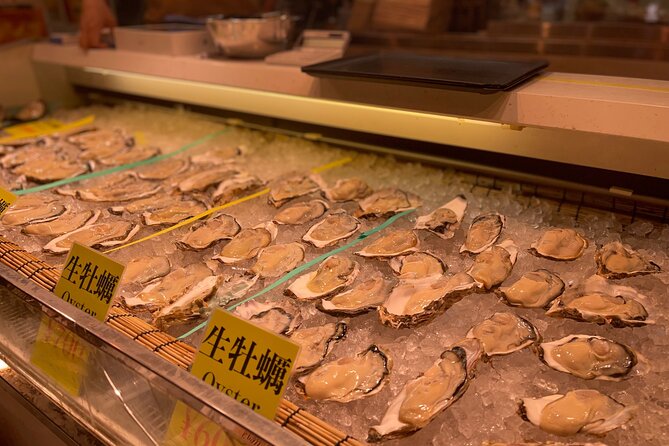
The tour’s core food energy happens in the Tsukiji Outer Market segment. This stop is listed at about 20 minutes and includes admission ticket.
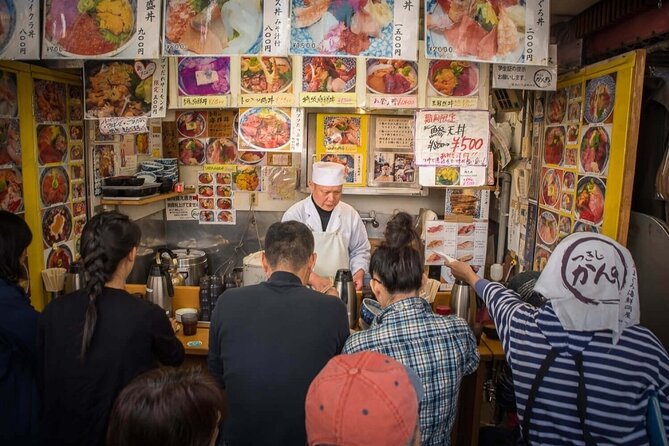
This is where you spend time touring the seafood specialty area and meeting vendors who make Tsukiji what it is. The description emphasizes that these traders have elected to stay in this part of town rather than move, which is a big deal for your experience. It means you’re not just sightseeing a “historic zone,” you’re seeing the market culture that still operates day-to-day.
You’ll also get a special tasting break with seasonal bites. I like that phrase because it implies you’re not eating the exact same items every day. Seasonal foods tend to be more interesting, and you’re less likely to end up with a “tourist tasting menu” that feels generic.
There’s another practical benefit: tastings taught by a guide help you learn how to order and eat without guessing. In Tsukiji, “just point” can lead you to foods you don’t understand. Here, you can get the context while you’re already standing there.
Dietary notes are also clearly laid out. The tour states it accommodates vegetarian, pescatarian, and gluten-free needs. It also says it’s not recommended for vegans or no seafood, so if your restrictions go beyond those categories, you should reconsider.
More Tokyo tours and experiences for the shortlist



The Tsukiji Fish Market area: seeing the atmosphere without needing the auction
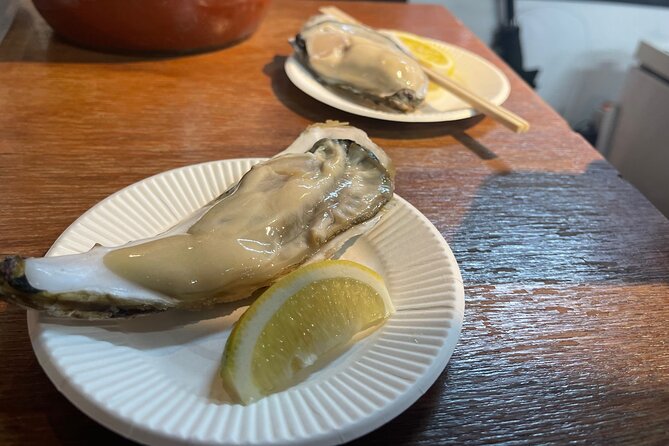
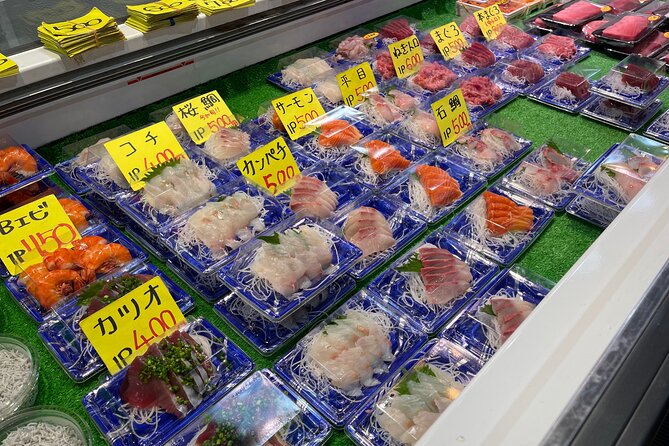
The itinerary also includes time at the Tsukiji Fish Market area itself, again listed at about 20 minutes. The description acknowledges that the wholesale vendors have moved, but it also calls this part of town one of Tokyo’s best food areas, with restaurants and market shops, some dating back far in the past.
This stop is more about atmosphere and food streets than it is about auctions. You may not be watching the highest-pressure wholesale action that people associate with old Tsukiji headlines, but you still get the sense of a working food hub.
I think the guide-led angle is what makes this part worthwhile. Without context, you could wander and miss why certain places matter. With guidance, you understand what you’re seeing and you connect it to the foods you have already tasted. That makes the neighborhood feel like one coherent place instead of a set of unrelated stalls.
Also, this kind of stop helps if you’re a first-timer. You get orientation quickly, which is huge in Tokyo markets where everything feels close together but not always easy to navigate.
Namiyoke Inari Jinja and the sweet finish
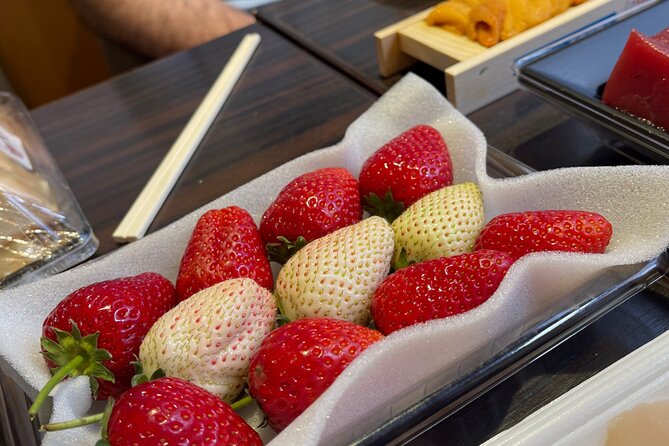
To wrap the morning, you stop at Namiyoke Inari Shrine (Namiyoke Inari Jinja) for about 5 minutes, with the admission ticket included.
This final shrine stop lands at the right time, after you’ve built your hunger and your understanding. It gives you a calmer moment to stand, look around, and let the morning’s sights settle. It’s also a nice contrast to the sensory intensity of fish stalls.
Then the tour ends on a sweet note with a Japanese snack. The specific item is not listed in the information provided, but the concept matters. After seafood and savory bites, the sweet finish helps your taste buds reset. It also gives you a clean end point for photos, souvenirs, or one last decision about what to buy nearby.
Practical tips so you can enjoy the morning instead of fighting it
Here are the things I’d plan for before you go, based on the details you’re given.
Bring cash for extra purchases. The tour info explicitly says that credit cards are not generally accepted. That matters if you want to buy souvenirs, extra snacks, or take something home for later.
Expect light weather sensitivity. The experience requires good weather. If it’s canceled due to poor weather, you should be offered a different date or a full refund. If you hate plans being changed, check forecasts but also accept that a market morning is still a walking outdoor experience.
Use the market calendar mindset. The tour notes that the market has its own calendar, and substitutions can happen due to restaurant schedules, public holidays, weather, and other unforeseen circumstances. In other words, the route is flexible enough to keep you fed and moving.
Know your diet limits ahead of time. The tour says it can do vegetarian, pescatarian, and gluten-free. It also warns it is not recommended for vegans and no seafood. If you’re unsure where you fit, clarify before booking so you don’t show up expecting one thing and get another.
Pack for standing and walking. Moderate physical fitness is required. Even when the stops are short, the total time is about three hours and you’re in a market zone where you’ll likely be standing, walking, and turning corners.
If you’re solo, reach out early. The tour notes that solo travelers should email for details. That’s a small thing, but it can make your booking experience smoother.
What makes the guides matter: Asami, Jordan, and Asha style
This is one of those tours where the guide experience seems to drive everything else. The reviews highlight a feeling of warmth and real friendliness, with guides named Asami paired with Jordan or Asha in different outings.
What that means for you is simple. Markets can be overwhelming. If the guide is patient and clear, you spend your time tasting and learning, not trying to figure out where you’re supposed to go next.
It’s also repeatedly described as intensely informative, covering foods beyond fish and sharing useful cultural context. That matches the tour’s structure: coffee, market walking, shrine stop, outer-market tastings, and a real breakfast. You’re not just eating. You’re learning how Tsukiji’s food traditions connect to the neighborhood.
Who should book this Tsukiji outer market tour, and who should pass
This tour is a strong fit if you want a guided breakfast and tastings in Tsukiji’s outer market area, especially if you’re visiting Tokyo for the first time or you don’t want to guess your way through seafood counters.
It’s also family-friendly, and children must be accompanied by an adult. For kids 10 and above, passport information copy is required. If you travel with a child and that applies, plan ahead so your booking goes smoothly.
I’d also recommend it to solo travelers who want an easy group structure, since the group is kept small at 10 travelers.
On the flip side, it’s not ideal for strict vegan or no-seafood needs. If your dietary restrictions fall outside the listed options, look for another tour that matches your needs exactly.
And if you absolutely hate standing and walking, keep in mind the “moderate physical fitness” note and choose accordingly. The time is only about three hours, but it’s still a walking morning.
Should you book the Classic Tsukiji Food Tour?
If your main goal is a guided Tsukiji breakfast with tastings, plus real context for what you’re eating, I think this is a smart booking. The included items make it feel like you’re paying for a morning program, not piecing together multiple purchases on your own. And the small group size and repeated guide praise suggest you’ll get a warm, organized flow.
I’d say book it if you:
- want outer Tsukiji market streets rather than auction-style sightseeing
- appreciate a structured tasting route with a full seafood breakfast included
- are okay bringing cash for extra stops
I’d hold off if you:
- need a vegan, no-seafood itinerary
- want a purely self-guided wander and you plan to handle every meal on your own
Bottom line: this tour is best when you want Tsukiji to be more than a quick photo stop. It’s a morning built around food, guidance, and the neighborhood feel that still makes Tsukiji worth getting up for.
FAQ
How long is the Classic Tsukiji Food Tour?
The tour is about 3 hours.
What time does the tour start, and where do I meet?
The start time is 8:30 am. You meet at Turret Coffee Tsukiji, 2-chōme-12-6 Tsukiji, Chuo City, Tokyo 104-0045.
What food and drinks are included?
The tour includes one drink and a full Tsukiji specialty seafood breakfast, plus tastings during the market stops.
Are vegetarian or gluten-free options available?
Yes. The tour lists vegetarian, pescatarian, and gluten-free options. It also notes it is not recommended for vegans or no seafood.
Is cash required during the tour?
The tour information advises bringing cash if you plan to buy souvenirs or food, since credit cards are not generally accepted.
What is the cancellation policy?
You can cancel for free up to 24 hours in advance for a full refund. If it’s canceled due to poor weather, you’ll be offered a different date or a full refund.
More Food & Drink Experiences in Tokyo
More Tours in Tokyo



More Tour Reviews in Tokyo

Not for you? Here's more nearby things to do in Tokyo we have reviewed






Tsukiji Market Tours, side by side.
 ★ 5.0Tokyo Tsukiji Fish Market Food and Culture Walking TourFrom $993,184 reviews
 ★ 5.0Tsukiji Fish Market Food and Walking tourFrom $301,724 reviews
 ★ 4.9Tsukiji Fish Market Guided Walking TourFrom $221,397 reviews
 ★ 5.0Tokyo Sushi Making Class in Tsukiji with Professional ChefFrom $491,177 reviews
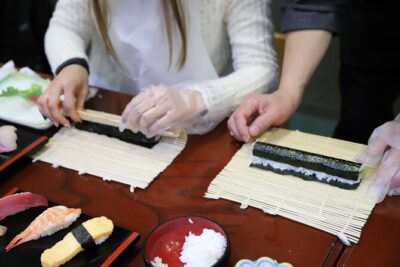 ★ 5.0Tsukiji Fish Market Guided Tour and Sushi Making with Pro ChefFrom $104775 reviews
★ 4.7Tsukiji Fish Market Food and Culture Walking TourFrom $96757 reviews
★ 5.0Tsukiji Fish Market Guided Tour and Sushi Making with Pro ChefFrom $104775 reviews
★ 4.7Tsukiji Fish Market Food and Culture Walking TourFrom $96757 reviews
 ★ 5.0Tsukiji Fish Market: Street Food & Culture Walking TourFrom $33669 reviews
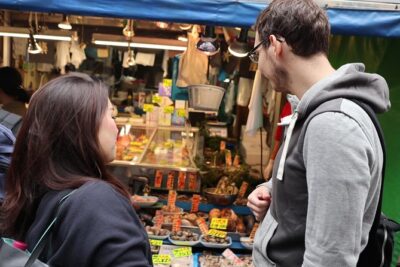 ★ 5.0Tsukiji Fish Market Small-Group Food Walking TourFrom $87621 reviews
This tour also belongs to