
Review · COOKING CLASSES
Ebisu Food Tasting Experience with Japanese Cooking Class
Food smells beat guidebooks every time. This Japanese home-cooking experience pairs a friendly mother-daughter team with real, everyday dishes, taught fully in English. You start around Ebisu Garden Place with a local shopping stop, then move into a home kitchen where Mari and Ayumi guide you step by step and finally sit down to enjoy what you made.
I especially like the hands-on pace and the fact that you get practical skills, not just watching someone cook. I also like that the class is small, with a maximum of 4 travelers, so you can ask questions without feeling rushed. One possible drawback is that the hamburger steak course has no vegetarian option, so if you eat vegetarian, you’ll likely want the temaki sushi course.
Key points before you book
- Mother-daughter duo in charge, with Mari teaching and Ayumi interpreting and assisting in English
- English-first instruction, so you can join comfortably even if you do not speak Japanese
- Local supermarket ingredient shopping at Ebisu Garden Place, so you understand what you are buying and why
- Two course choices: temaki sushi or Japanese hamburger steak set meal
- Small group size, up to 4 travelers, which keeps the experience personal
- Optional drinks like sake or craft beer to round out the meal
Ebisu home cooking with Mari and Ayumi’s English-first teaching
The best cooking classes in Tokyo feel like someone invited you into their regular life. This one does that, starting with the people running it. Mari is a professional culinary expert featured in TV programs and magazines. Her daughter, Ayumi, is the bilingual interpreter and assistant. Together, they guide you through everything in English, so you are not stuck translating while your food boils over.
What you get here is structured, calm teaching. No cooking experience is required, and the class is designed for international visitors who want to learn how Japanese home meals actually come together. That matters because most “cook with me” experiences are more about performance than technique. Here, you learn the logic of the meal, from ingredient choices to the order you cook things in.
The other thing I appreciate is the tone. You cook together, then you eat at the table as part of the same experience. That turns the class from a short hobby into a conversation, and it gives you a natural way to ask questions about Tokyo life beyond food.
You can also read our reviews of more food & drink experiences in Tokyo


Where you meet and how the Ebisu start sets the tone
You meet at Ebisu Station Police Box1-chōme-5-5 Ebisuminami, Shibuya, Tokyo 150-0022. The area is convenient, and it is near public transportation, which helps if you are fitting this into a busy sightseeing day.
From there, the experience includes a stop at Ebisu Garden Place. Practically, this means you are not just being driven from point A to point B. You begin with a real-world Tokyo moment, then build from there. Even if you only have a short time in the city, this kind of start helps you get your bearings fast: transit, neighborhood rhythm, and how locals think about everyday groceries.
The experience ends back at the meeting point. That loop is useful for planning, because you avoid the headache of figuring out how to get back after you are done eating and slightly too happy.
The ingredient-shopping stage at Ebisu Garden Place
One of the smartest parts of this class is that you start by exploring a local Japanese supermarket. This is where the learning becomes practical.
Instead of just being handed ingredients, you get to see how Japanese cooks think about basics. You learn which items matter for the dishes you are making and what to look for. You also get the chance to ask questions in English while the ingredients are right in front of you.
The mother-daughter team also tends to go beyond the checklist. I like the personal attention described by past participants, including how Ayumi and Mari explain different ingredients and products based on what you are curious about. And if you want something specific, they may even take you to extra stores to find what you need. That is a big deal for anyone who wants to bring something home in their mind, not just a recipe list.
For you, the payoff is simple: when you later try to cook at home, you know what you are substituting and why. Grocery literacy is a real skill.
Cooking in a cozy home kitchen, step by step
After shopping, you move into the home kitchen and start cooking together. The class is built around guided steps, which is great if you are nervous about doing things right. You do not need special technique before you arrive, because you are coached through each stage.
You can expect a collaborative workflow. That means you are not stuck doing one tiny task the whole time, unless you want to be. The goal is to build confidence with each dish component, from preparation to cooking to assembling.
Also, the pace is designed for conversation. Since everything is taught in English, you can ask why certain steps happen in a certain order, like when eggs are cooked for texture or how seasoning is balanced. If you enjoy learning through dialogue, this is a class that supports that style.
Course choice: Temaki sushi, tamagoyaki, and teriyaki chicken
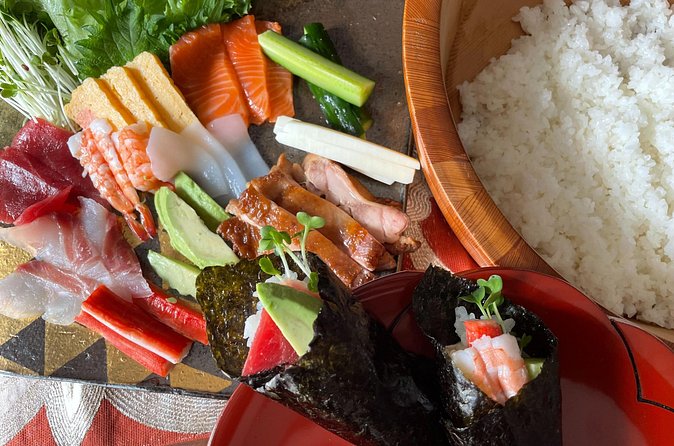
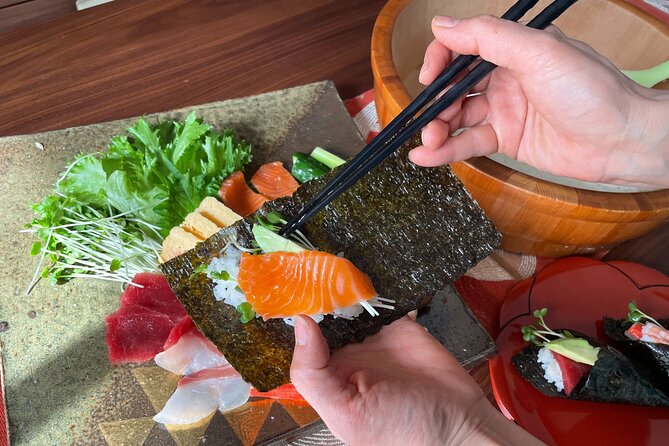
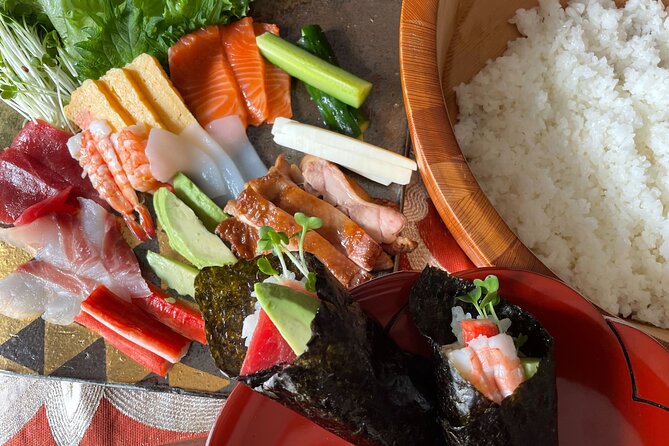
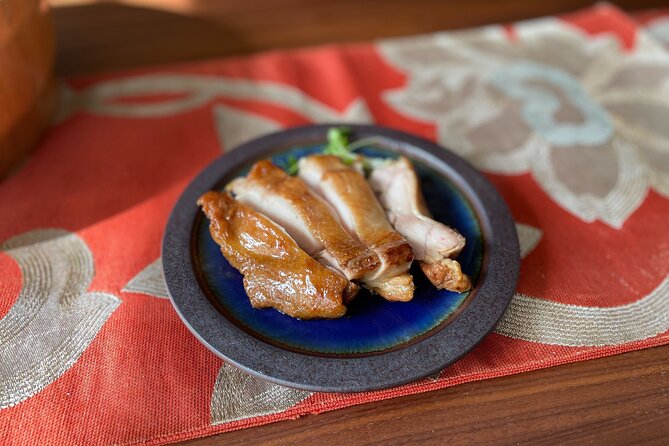
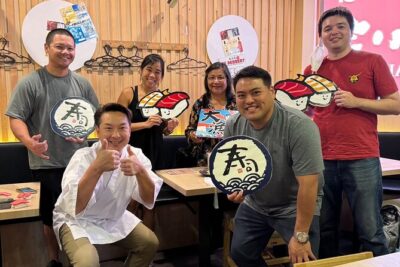
The Temaki Sushi Course is the option to pick if you want variety and more hands-on assembly. The cooking starts with sushi rice, then tamagoyaki, a classic Japanese omelet, followed by teriyaki chicken. After you have those building blocks, you roll your own sushi.
What makes this course feel more “home” than “restaurant” is that you are not just assembling pre-made pieces. You are creating the components. That teaches you how the rice is handled, how tamagoyaki is shaped and used, and how teriyaki chicken fits into the flavor plan.
Fresh fillings come next, with options including fish, vegetables, or tofu. If you eat vegetarian, this course offers a vegetarian option. That flexibility is important because many Japanese cooking experiences quietly assume everyone eats fish. Here, you can choose a path that fits your diet without turning the class into an awkward workaround.
If you like the idea of learning multiple small techniques in one evening, temaki sushi is the most satisfying option. It is also a fun choice for couples and small groups because everyone can participate in rolling, even if you are not a sushi expert.
More Tokyo tours and experiences for the shortlist
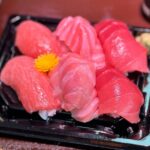
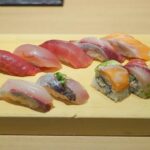


Course choice: Japanese hamburger steak set meal
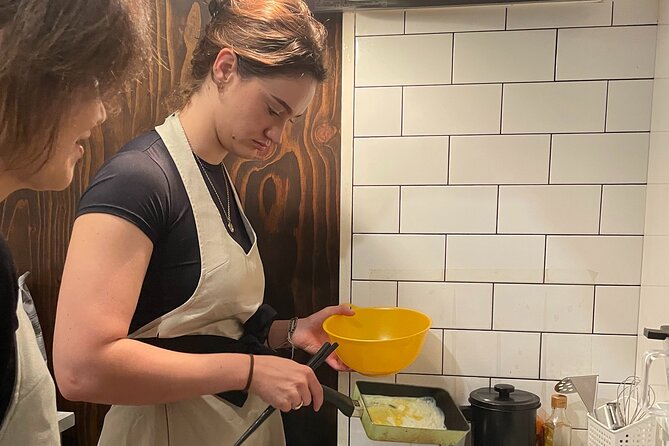
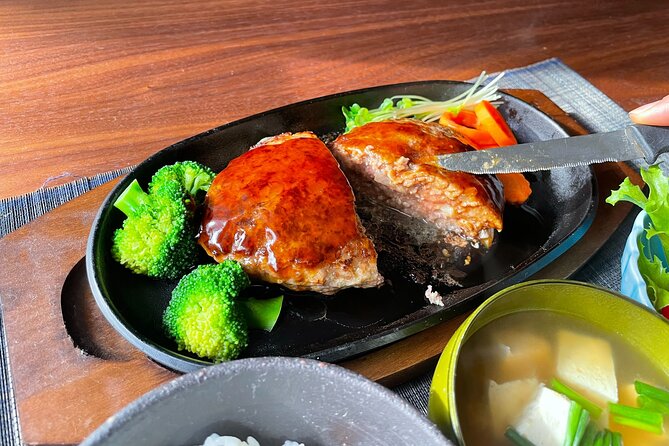
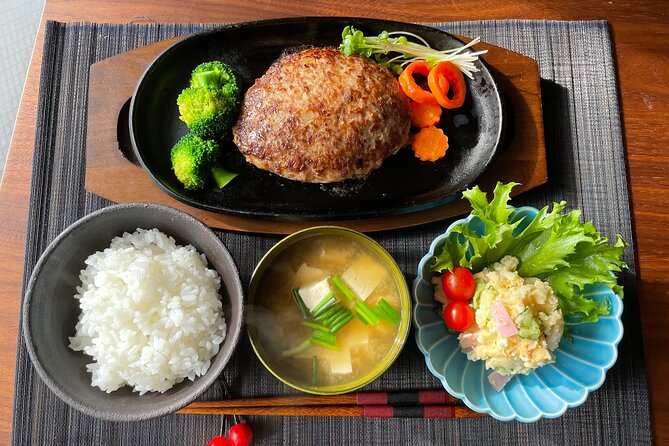
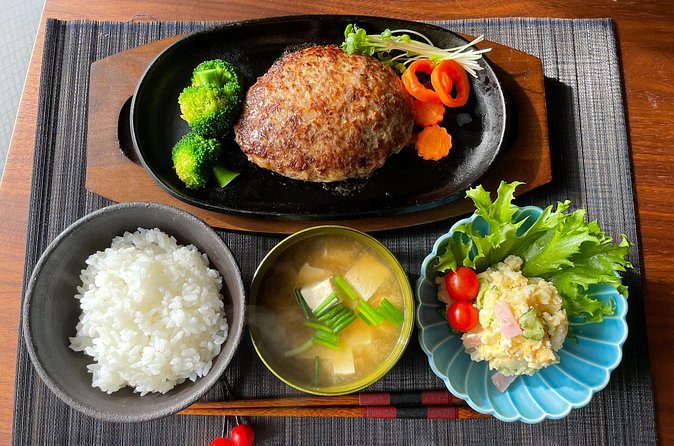
The Japanese Hamburger Steak Course is a comfort-food style class. You prepare a full set meal centered on hambāgu, then enjoy potato salad and miso soup as the sides.
This course is likely best if you want something that feels familiar even if you have never had Japanese hamburger steak before. Hambāgu has a distinctive texture and flavor profile compared to many Western versions, and learning it in a structured class format is a great way to understand what makes it taste Japanese.
The key consideration is dietary: there is no vegetarian option for this course. So if vegetarian is part of your travel planning, you’ll want to choose the temaki sushi route instead.
For anyone who likes straightforward meal structure, this is the easiest course to imagine repeating at home. You cook, then you eat a complete plate in one sitting, and you get a feel for how Japanese home meals balance a main dish with supporting flavors.
Drinks and the social part of eating what you made
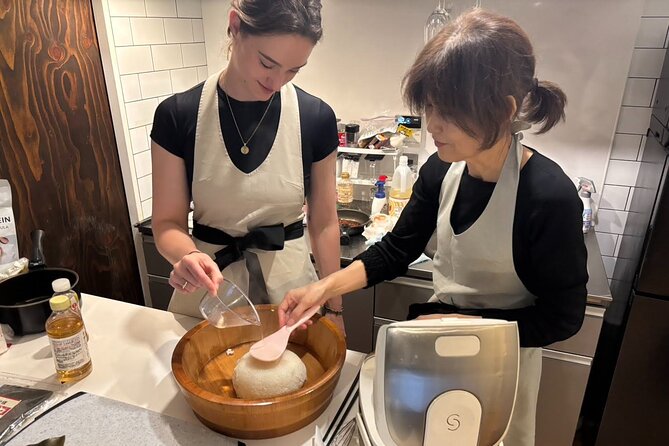
After cooking, you sit down together and enjoy the meal. This is not a quick grab-and-go. The class supports a slower, social finish, with time to talk.
There is also an optional drinks add-on. Depending on what is available that day, you might have sake or craft beer. If you want a relaxed end to your Tokyo day, this can turn the meal into a mini celebration. If you prefer no alcohol, you are still eating the same homemade dishes with the same guidance.
The meal moment is also where the cultural exchange becomes real. Since Mari and Ayumi live in Tokyo and have over 15 years of experience living in the city, they can share local tips and help you plan parts of your trip. This is especially useful if you want advice that is not just generic internet recommendations.
Value and price: what $78 buys you in Tokyo terms
At $78.04 per person for about 3 hours, this is not a bargain-basement activity. But value in Tokyo often comes down to three things: how much time you get, how much you learn, and how personal the experience feels.
Here, you get all three. You are in a small group of up to 4 travelers, and you are taught entirely in English. You also get the ingredient-shopping experience and the full meal you cooked. In practical terms, you are paying for coaching time plus the learning advantage of seeing how dishes are put together in the home style.
The 3-hour duration also matters. Many “short” classes feel rushed and leave you with half-built skills. This one gives enough time to shop, cook, and actually sit down. If you plan to eat in Tokyo anyway, a meal included with structured instruction is a strong deal compared to paying for a restaurant meal plus a separate learning activity.
One more value angle: you can take the techniques home. Even if you never make temaki sushi again, you can still use what you learned about rice, omelet texture, seasoning, and building a Japanese-style plate.
Who should take this class, and who might not love it
This works especially well for:
- Solo travelers who want a friendly, guided plan and a chance to meet locals through conversation
- Couples who want something more meaningful than just a dinner reservation
- Small groups that prefer participation over watching
- Food-focused travelers who want practical skills, not just photos of dishes
- International visitors who want English instruction without a language barrier
You might not love it if:
- You want a very competitive, high-energy cooking showdown style. This is calm, home-based learning.
- You are vegetarian and want the hamburger steak course, since there is no vegetarian option for that menu.
Also note the course offerings are different, so your choice should match your dietary needs and your taste mood.
Timing, group size, and what to bring to feel comfortable
The class lasts around 3 hours. You get a mobile ticket, which is a convenient setup for staying hands-free while in Tokyo. Group size is capped at 4 travelers, so the experience is designed to stay intimate.
Since instruction is in English and you do not need cooking experience, the main thing you need to bring is curiosity. If you have dietary restrictions beyond the stated vegetarian availability in the temaki course, you might want to clarify ahead of time when booking.
And dress like you are going to cook and sit down. Home kitchens mean you might stand, chop, and handle hot components during your turn, even with guidance.
Should you book the Ebisu Food Tasting Experience with Japanese Cooking Class?
I think this is a strong book for most visitors who want a more personal side of Tokyo. If you value ingredient knowledge, step-by-step guidance, and an actual meal at the table, this class fits the bill. The mother-daughter team of Mari and Ayumi, with instruction entirely in English, makes it easy to relax and learn.
My advice for making the call is simple:
- Choose Temaki Sushi if you want hands-on rolling, a mix of components, and a vegetarian option
- Choose Japanese Hamburger Steak if you want a comfort-food set meal and do not need vegetarian accommodations
- If you hate shopping experiences, you might want to consider whether the supermarket stop is your kind of activity. Here, it is a core part of the learning
Overall, this is the kind of evening that gives you more than a meal. You leave with a clearer sense of how Japanese home cooking is built, and with local trip tips that come from people who actually live Tokyo life.
FAQ
FAQ
What course options are available?
You can choose between a Temaki Sushi Course or a Japanese Hamburger Steak Course.
How long is the experience?
The experience is approximately 3 hours.
Is the class taught in English?
Yes. The lessons are taught entirely in English, with a bilingual interpreter and assistant supporting instruction.
Do I need any cooking experience?
No cooking experience is required. You will be guided through each step.
What dishes are included in the Temaki Sushi Course?
You make sushi rice, tamagoyaki, and teriyaki chicken, then roll your own sushi with fresh fish, vegetables, or tofu.
What dishes are included in the Japanese Hamburger Steak Course?
You prepare a meal with hambāgu (Japanese hamburger steak), potato salad, and miso soup.
Is there a vegetarian option?
There is a vegetarian option for the Temaki Sushi Course. There is no vegetarian option for the Japanese Hamburger Steak Course.
Are drinks included?
Optional drinks may be available, such as sake or craft beer.
Where do we meet the group?
You meet at Ebisu Station Police Box1-chōme-5-5 Ebisuminami, Shibuya, Tokyo 150-0022, Japan.
What is the cancellation policy?
Cancellation is free up to 24 hours in advance for a full refund. If you cancel less than 24 hours before the start time, the amount paid is not refunded.
More Food Experiences in Tokyo
More Food & Drink Experiences in Tokyo
More Tour Reviews in Tokyo





Not for you? Here's more nearby things to do in Tokyo we have reviewed












Cooking Classes, side by side.
 ★ 5.0Ramen & Gyoza Cooking Class in Tokyo with Local Supermarket VisitFrom $122823 reviews
 ★ 4.6Easy Ramen Cooking Experience in Kabukicho, ShinjukuFrom $29321 reviews
 ★ 5.0Ramen and Sushi Cooking Class with Sake Pairing Set in TokyoFrom $79291 reviews
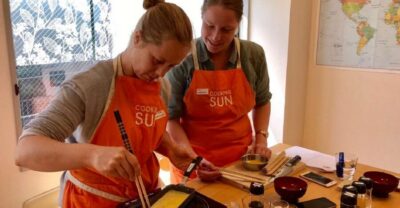 ★ 4.9Wagyu and 7 Japanese Dishes Cooking ClassFrom $67273 reviews
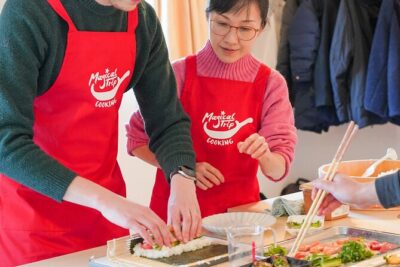 ★ 5.0Tokyo Washoku 4-hour Cooking Class: From Market to TableFrom $79253 reviews
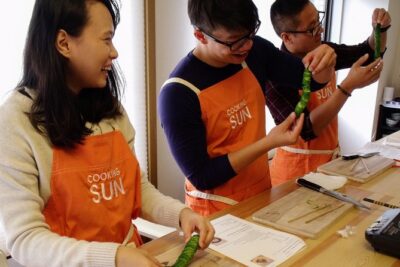 ★ 5.0Small-Group Wagyu Beef and 7 Japanese Dishes Tokyo Cooking ClassFrom $72190 reviews
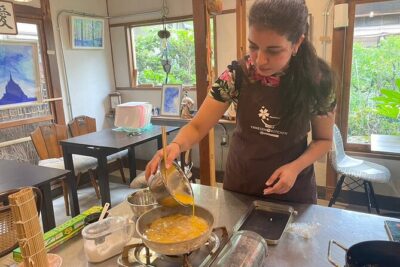 ★ 5.0Private Home Cooking in Yanaka – Local Flavors in a Warm SettingFrom $122173 reviews
 ★ 5.0Tokyo Sushi Making Experience & Japanese Cooking ClassFrom $59150 reviews
This tour also belongs to