

Review · TOKYO CITY TOURS
Explore the Local “Non-touristy” Side of Tokyo: Jujo and Akabane Walking Tour
Tokyo has a quieter side. This Jūjō and Akabane walking tour takes you through historic shopping streets, local neighborhoods, and a few calming breaks, guided in a small group capped at eight. You start in Jūjō, then finish at Akabane after about three hours of city-watching that feels way more everyday than sightseeing.
I really like the small group size. With a max of eight, you get more back-and-forth with the guide, and the tour doesn’t feel like a line you have to keep up with. I also love the food and local-life details, including foodie stops and a tea tasting, plus temple learning around offerings and prayers.
One possible drawback: food and drinks are not included. If you have a sweet tooth or you want to snack at every stop, budget a bit extra beyond the tour price.
Key highlights you will feel on this walk
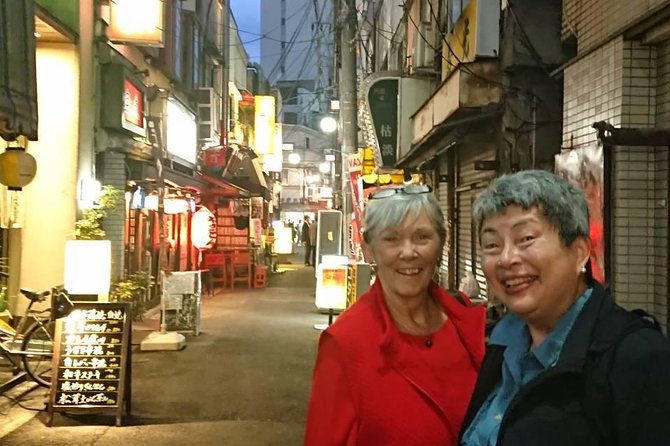
- Max eight people, more conversation so questions about daily life do not get rushed
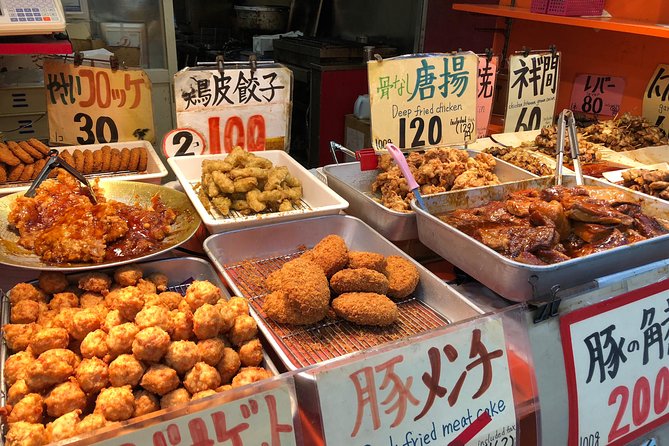
- Jujo Ginza shopping arcade with prepared foods, fresh items, and clothing, all in a classic old-street format
- Shimizuzaka Park reset with trees and a long roller slide that locals still use
- Inatsuki Castle remains and Ota Dokan tying a ruined site to the story of Edo castle building
- Akabane Ichibangai izakaya street where midday drinks and casual neighborhood rhythm are part of the scene
- Tea tasting and temple etiquette including hands-on learning about offerings and prayers
Why Jūjō and Akabane are worth your afternoon
If Tokyo sometimes feels too polished, this is the fix. The Jūjō and Akabane neighborhoods lean into everyday rhythms: shop doors, snack aisles, local parks, and streets where people linger without needing a reason.
What makes this tour practical is the focus. Instead of bouncing between top landmarks, you walk through places locals actually shop and relax. You get context along the way, so the streets do not just look cool, they make sense.
You can also read our reviews of more walking tours in Tokyo


Price and value for a small group walk at $71.53
At $71.53 per person for about three hours, you are paying for three things: a guide, translation and local context, and a route designed to keep you moving between the right spots. The tour includes local taxes and the local guide, but it does not include food and drinks or transportation to and from the meeting points.
For me, that usually means the value shows up if you care about culture that is not just photo stops. If you want to know what you are seeing in a shotengai (shopping street), what people buy, and why a park or ruin matters to the area, the guide time is the real benefit.
Also, this tour gets booked ahead, based on its typical advance purchase timing. If your dates are firm, I would reserve early rather than gambling on availability.
Meeting points and timing: starting at Jūjō Station, ending at Akabane
This tour starts at 3:00 pm at Jūjō Station (Tokyo, Kita City area) and ends at Akabane Station, at the ticket gate. There is no hotel pickup, so plan your own subway or train ride to Jūjō.
The pacing is set for moderate fitness. You should be comfortable with a walking tour around neighborhood streets and a couple of sites that may involve some uneven ground. It is not described as strenuous, but it is also not a totally flat stroll.
You also get a mobile ticket, which makes day-of logistics simpler once you arrive.
Jujo Ginza Shopping Arcade: the classic Tokyo shopping street experience
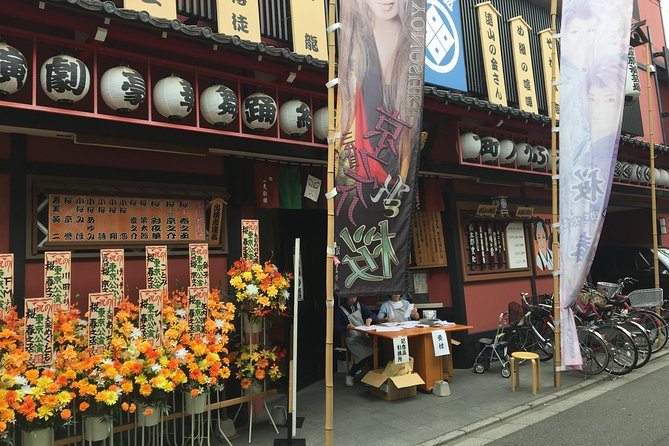
The tour’s anchor is Jujo Ginza Shopping Arcade, a historic shotengai known as one of Tokyo’s best old shopping streets. You can spend a full hour here, and the structure of the place does a lot of the work for you.
Why it is worth your time:
- It is a real mix of goods, including prepared foods, fresh items, and clothing.
- With so many shops in one long corridor, you get a strong sense of how local shopping works, not just one or two specialty stores.
- The guide helps you notice what you might otherwise skip, including the kinds of wares vendors focus on.
Practical tip: go slow through this section. It is tempting to treat it like a photo walk, but the point is to watch how vendors display food and everyday products, and to listen for what the guide highlights.
Possible drawback: if you hate crowd energy, the arcade’s popularity can still feel lively even though the tour is framed to be less touristy.
Shimizuzaka Park: a quiet pause where locals actually hang out
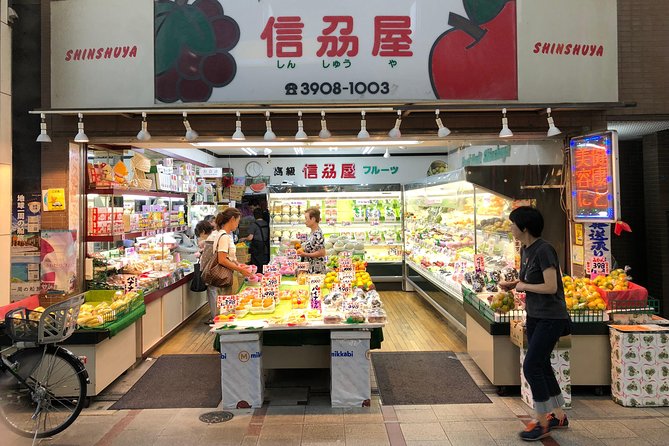
After the shopping street, the tour gives you breathing room at Shimizuzaka Park. You only have about 20 minutes, but it is a smart reset.
This park is described as a quiet oasis surrounded by trees. It even has a roller slide about 52 meters long, plus a pond and other kid-friendly features. The most useful context you get is the social one, meaning it is used by neighborhood residents as a community center.
Why this matters on a walking tour: parks are where you see how the neighborhood decompresses. You can tell where families come, where people sit, and how the space feels in daily life rather than as a viewpoint.






Inatsuki Castle Remains: ruins with a direct Edo-era connection
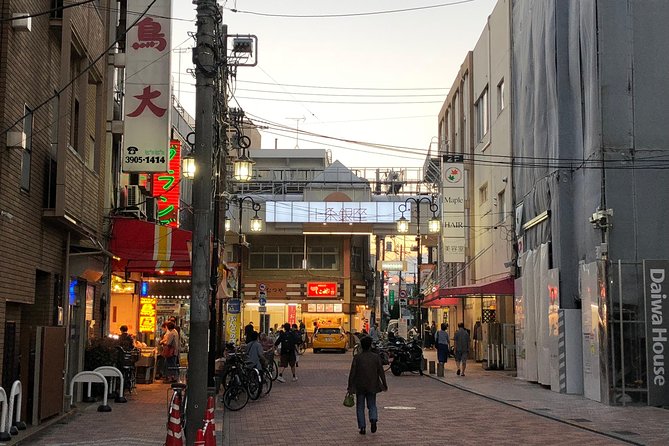
Next comes Inatsuki Castle Remains. The time is shorter, around 15 minutes, but the historical link is specific and memorable.
This is a ruin created by Ota Dokan, a 15th century warlord who is known for building Edo castle. You are walking around a site elevated about 21 meters above sea level, and there is also a statue associated with Ota Dokan.
What I like about adding ruins like this is that it gives texture. Tokyo is full of buildings, but ruins remind you the city has layers. Even if you are not a hardcore history person, this kind of connection helps you understand why certain areas developed where they did.
A small consideration: the stop’s admission is not included in the tour. So if there is a fee you encounter on-site, plan for that.
Akabane Ichibangai Shopping Street: izakayas during the afternoon
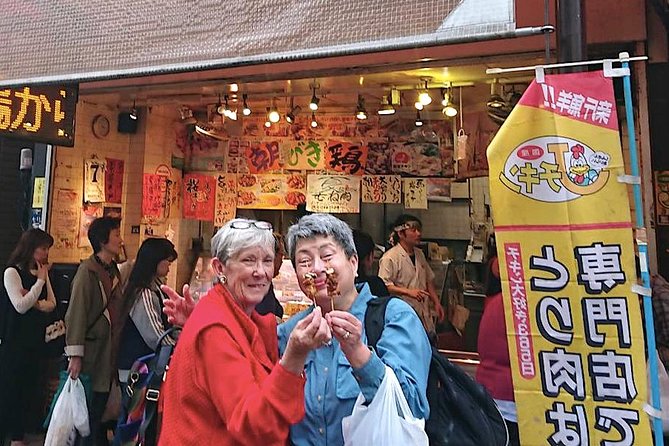
The ending stretch is Akabane Ichibangai Shopping Street, a lively corridor with several dozen pubs and izakayas. The tour gives you about 40 minutes here, and this is one of the most “lives-in-Japan” sections of the walk.
A key detail is timing. Many places are open at noon, and you might spot older men enjoying a mid-afternoon cup of sake. That is not a scripted nightlife moment, it is the local rhythm.
Why this is valuable for you:
- You see how neighborhood drinking spots function as everyday social spaces.
- You get a feel for what a streetscape looks like when it serves regular locals, not just late-night crowds.
- Since your tour ends here, you can also choose what to do next based on your energy level.
The temple and tea tasting moments that make it feel personal
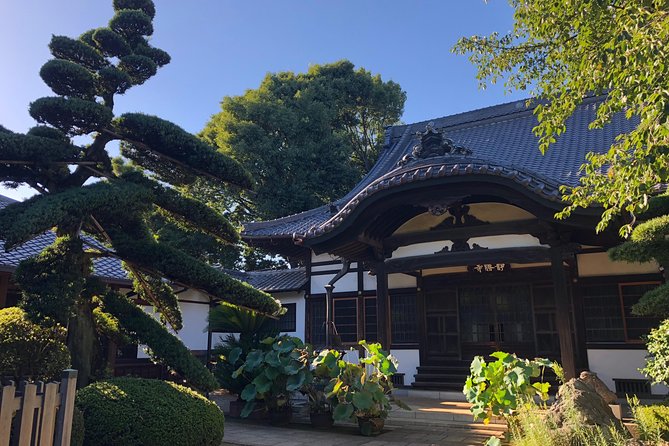
One reason this tour earns strong praise is that it does not treat culture as a lecture. You get practical experiences tied to everyday Japanese manners and tastes.
On this walk, you should expect food-related information and tastes, plus a tea tasting. You also get a temple visit where you learn how to make offerings and prayers, including the basics of what the gestures mean.
For me, these are the moments that stick. Shopping streets are easy to enjoy, but etiquette and small traditions are what help you return home and actually behave with more confidence the next time you are in a temple space.
Important note: tea and food are included only as part of tastings, not as full meals. Since food and drinks are not included, you may still want to plan a light snack before you go, then budget a little for anything extra you decide to buy during the tour.
What the guide does (and why it changes the whole walk)
A big part of the value is how the guide connects places to daily life. The tour uses local insight, including pointing out the types of shops you see, what people do at different times of day, and how small spaces like parks or shopping arcades fit into community life.
In one review, the guide named Fumiko was praised for insight and learning, especially around foodie information, tea tasting, and temple learning around offerings and prayers. That matches the best kind of guiding style for this kind of tour: practical, specific, and friendly.
When your guide does this well, you stop thinking of Tokyo as a checklist of attractions and start seeing it as a set of neighborhoods with habits and routines. That is the non-touristy goal, and it is easier to reach when the guide can explain what you are seeing while you are seeing it.
How much walking is involved, really?
The overall duration is about three hours, which usually translates to a steady but manageable pace. You will be moving between four stops: an arcade, a park, castle remains, and an izakaya street. Even though the listed time at each spot is relatively short, the walking and time spent looking around adds up.
If you have moderate mobility needs, it is best to be honest with yourself. The tour is described as requiring moderate physical fitness, so bring comfortable shoes and expect city pavement and some uneven sections, especially near the ruin.
Should you plan extra money for snacks?
Yes, in a simple way. Food and drinks are not included, but the tour’s strongest “fun” moments involve food context and tastings. If you find yourself wanting to buy a snack at a shop you discover during the walk, you will likely want to do it.
My practical approach:
- Treat the tastings as the guided intro.
- Decide after each tasting if you want to go back for something on your own.
- If you skip buying during the tour, you still walk away with a better sense of what to look for next time.
Who this tour suits best (and who might prefer something else)
This tour fits you if:
- you want to see Tokyo neighborhoods beyond the usual landmarks
- you enjoy shotengai shopping street energy and small local scenes
- you care about etiquette and culture you can use, like temple offerings and prayers
- you like a guided experience that still feels like you are wandering with a friend who knows the area
It might not be the best fit if:
- you want a major landmark focus with lots of sweeping views
- you prefer a fully self-guided tour where you choose every stop
- you hate spending extra money on food while you travel
Booking timing and your best strategy
Because it typically sells out some time ahead, I recommend booking as soon as you lock in dates. That way, you can plan your afternoon without stress.
And since the end point is Akabane Station, it is easy to keep going after the tour. You are dropped into another neighborhood with plenty of options.
A quick checklist before you go
- Comfortable shoes for about three hours of walking
- A bit of cash or card for extra snacks and drinks
- A light layer if you plan to stay outside after the tour ends
- Curiosity, because the whole point is noticing details with a guide
If you want a Tokyo experience that feels more like real life, this is a very solid choice.
Should you book this Jūjō and Akabane walking tour?
I would book it if you want Tokyo to feel human. You get old-school shopping street life at Jujo Ginza, a calm break at Shimizuzaka Park, a meaningful cultural anchor at Inatsuki Castle Remains tied to Ota Dokan, and a genuine neighborhood end at Akabane Ichibangai.
The deciding factor for many people is the non-touristy learning: foodie tips, tea tasting, and temple etiquette around offerings and prayers. If that sounds like your kind of sightseeing, this tour delivers more than just scenery.
If your main goal is big-name monuments, you may find this more subtle. But if you want the Tokyo you see when you are not trying to impress anyone, this is the kind of afternoon that makes the city click.
FAQ
How long is the Jūjō and Akabane walking tour?
It runs for about 3 hours.
What is the group size?
It is a small-group tour with a maximum of eight people.
How much does the tour cost?
The price is $71.53 per person.
What is included in the price?
Local taxes and a local guide are included.
What is not included?
Food and drinks are not included, and there is no hotel pickup or drop-off, and no transportation to or from attractions.
Where do I start the tour?
You start at Jūjō Station.
Where does the tour end?
You end at Akabane Station, at the ticket gate.
What time does the tour start?
The start time is 3:00 pm.
Is there any admission fee for the stops?
Some stops list free admission, while Inatsuki Castle Remains has admission not included.
What is the cancellation policy?
You can cancel for free up to 24 hours in advance for a full refund.
More Walking Tours in Tokyo

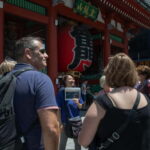

More Tours in Tokyo


More Tour Reviews in Tokyo
Not for you? Here's more nearby things to do in Tokyo we have reviewed












Tokyo City Tours, side by side.
 ★ 5.01-Day Tokyo Bus TourFrom $12914,250 reviews
 ★ 4.5TOKYO SKYTREE® Admission ticketFrom $1311,192 reviews
 ★ 4.6teamLab Planets TOKYO Digital Art Museum Entry TicketFrom $259,779 reviews
 ★ 4.0Mt Fuji & Hakone Cruise, Drum Show Bullet Train 1 Day from TokyoFrom $1497,413 reviews
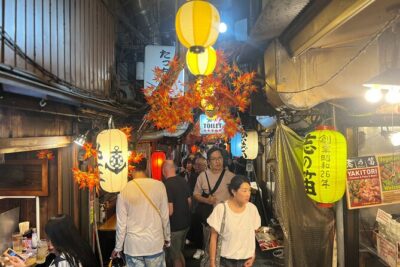 ★ 5.0Shinjuku Food Tour (13 Dishes at 4 Local Eateries)From $866,603 reviews
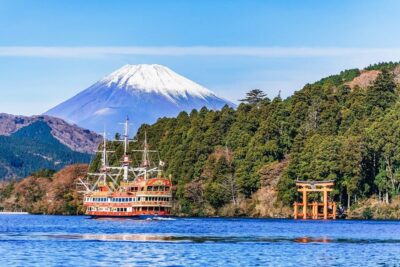 ★ 4.4Tokyo Mt Fuji 5th St & Hakone Cruise Bus Tour w/Bullet TrainFrom $1545,024 reviews
 ★ 5.0Flagship 2-Hours Official Street Go-Kart Tour – Tokyo Bay ShopFrom $644,974 reviews
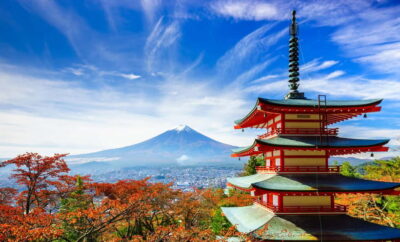 ★ 4.5From Tokyo: Mount Fuji Full-Day Sightseeing TripFrom $684,970 reviews
This tour also belongs to