
Review · TSUKIJI MARKET TOURS
Guided Tsukiji’s Local Food Tour
Tokyo smells like breakfast gold.
This small-group Tsukiji Market tour is a smart way to eat your way through the outer fish market, learn what still matters there after the wholesale move, and get help reading Japanese-only menus. I like that you are not wandering solo in a maze of stalls, you are moving with a plan and a guide who can steer you to spots worth the stop.
My favorite parts are the street-food tastings and the way the guide turns snacks into stories. You’ll sample classics such as savory tamagoyaki, grilled seafood, and green tea ice cream, plus you’ll hear how Tsukiji became what it is today. A personal note from the experience vibe: the guide, Hisayoshi Kioka (called Yoshi), has been praised for English that makes the whole morning feel easy.
One thing to consider: the tour does not include street-food costs, so you’ll want JPY 2,000 to 5,000 cash ready for what you decide to buy on the walk. Also, it runs in the morning and needs good weather, so you may need flexibility if plans get affected.
Key points before you go
- Small group, max 4 people, so you’re not lost in a crowd.
- Start at 8:00 am, the hour that makes Tsukiji feel more manageable.
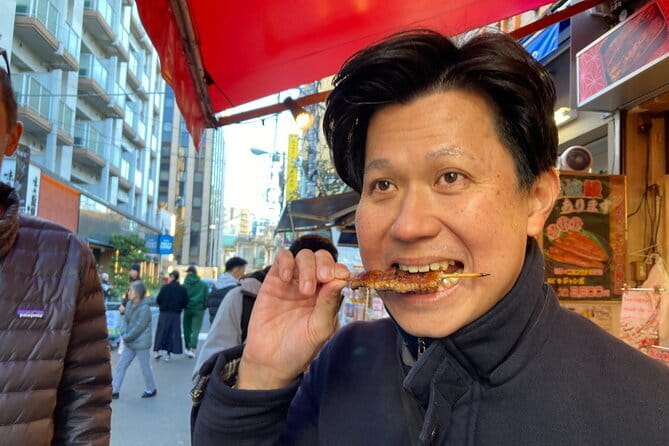
- Tokyo street-food samples like tamagoyaki and grilled seafood, plus green tea ice cream.
- Learn the outer market history, with context beyond what you read online.
- Finish at Namiyoke Shrine, a convenient place to keep exploring afterward.
- Bring cash in yen, since street-food purchases are on you.
Tsukiji at 8:00 am: why this timing matters
Tsukiji is one of those places where time changes everything. Go late and you get the leftovers of the morning rush. Go at 8:00 am and you get a smoother flow, more energy at the stalls, and a better shot at actually enjoying your food instead of just squeezing past elbows.
This tour fits that morning rhythm. It runs about 1 hour 30 minutes, so you’re not committing your whole day to one neighborhood. It’s long enough to sample several items and still feel like an experience, not a quick drive-by.
The walk format also helps in a practical way. Tsukiji is packed, and even if you love crowds, it can get chaotic fast. Having a guide means you spend your energy deciding what to eat, not trying to interpret everything around you.
You can also read our reviews of more food & drink experiences in Tokyo

The guide factor: Hisayoshi Kioka, called Yoshi
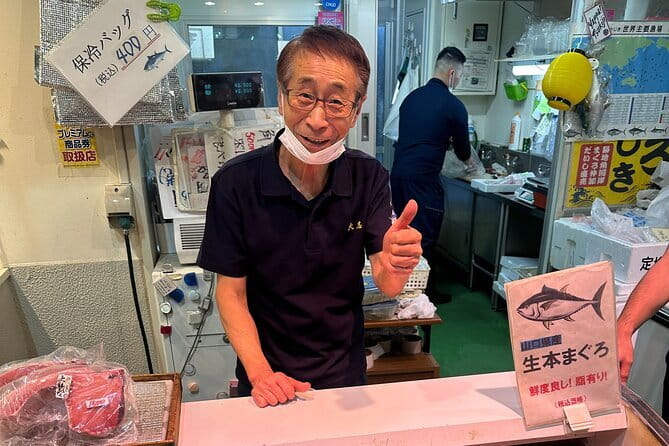
The biggest advantage here is the human one: your guide. The experience is led by Hisayoshi Kioka, and people know him as Yoshi. That name matters because the praise is consistent: friendly, clear explanations, and English that works well when you want to understand what you’re eating.
What does that mean for you on the ground? It means you’re less likely to get stuck at a stall with a menu you can’t read. It also means you can ask basic questions without feeling rushed or awkward, like what something is, what to try first, and how to order.
I also like that this is positioned as a local insider walk. You’re not just following a checklist. You’re getting recommendations for nearby shops and restaurants during the tour, which can make the rest of your Tsukiji visit easier after you finish.
Where the tour takes you: Tsukiji outer market basics
You start at 4-chōme-8-1 Tsukiji, Chuo City, Tokyo 104-0045 and your main stop is the Tsukiji Fish Market area, specifically the outer market. Even though the wholesale fish market has moved to Toyosu, the outer streets are still active with vendors selling seafood, traditional snacks, and market treats.
This matters because many visitors arrive expecting one thing and find another. The outer market is different. It’s not the same as the wholesale hub, but it’s still the part where you can walk, graze, and take in the culture through food.
The tour also sets expectations correctly. You’ll be strolling through market streets and getting introduced to recommended shops, each with its own specialties. You’re not just looking, you’re eating while learning how the place works.
What you’ll actually eat: tamagoyaki, grilled seafood, and green tea ice cream
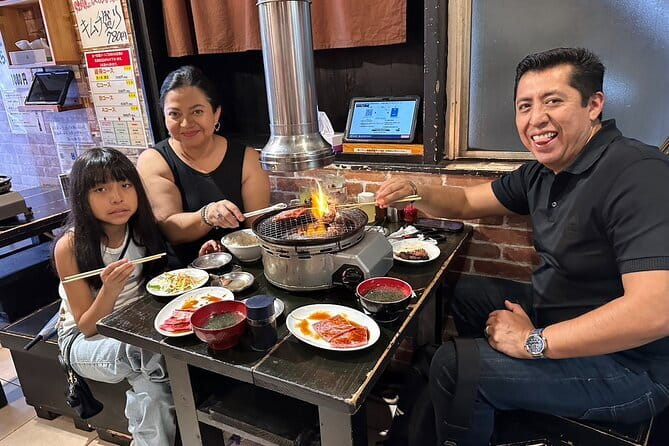
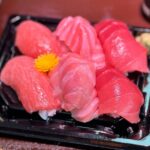
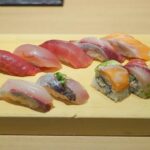
The tour highlights are clear: you’ll try local specialties such as grilled seafood and green tea ice cream, and you’ll get street-food tastes like savory tamagoyaki.
Here’s why I think these choices are good. Tsukiji can overwhelm you if you try to sample everything at once. These items are approachable and iconic, so you can taste variety without needing a food degree.
Also, the mix helps you understand the market’s personality. Seafood tells you one side of Tsukiji. Tamagoyaki shows the everyday snack culture. Matcha and green tea desserts help you cool off and reset, which is useful when you’ve been walking and standing in line.
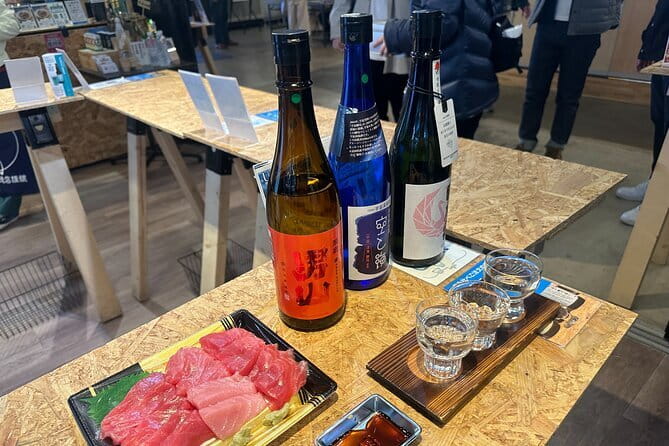
Some groups report trying additional items during the morning, including tuna and oysters, and even sake. That’s not guaranteed in the data, but it does match the overall idea: you’re trying a range of foods that show Tsukiji at breakfast speed. Your guide helps you decide what fits your group and what’s available in the moment.
Learning the Tsukiji story without getting stuck in facts
You’ll learn about Tsukiji Market’s history from your guide, with the key point being how the scene changed when the wholesale function moved to Toyosu. That context is valuable because it explains why you’re walking the outer market instead of watching the old wholesale routine.
The practical payoff is you’ll understand what you’re seeing right now. Markets like this can look like just stalls and signboards, but there’s logic behind the flow, the vendors’ specialties, and the way food culture developed there.
And because your guide is leading small-group conversations, you’re more likely to remember the story. Instead of reading a paragraph and moving on, you connect the history to the food in your hand.
More Tokyo tours and experiences for the shortlist


Navigating crowds and language barriers the smart way
Tsukiji is crowded by nature. Even when things feel calmer, you’re still dealing with narrow lanes, busy stalls, and the reality that many menus are Japanese-only.
This tour’s structure helps with that. You’re not trying to decode ordering on the fly. You’re with someone who knows the area inside and out and can handle the language barriers if you need help.
The small group size, up to 4 travelers, also changes the experience. In a bigger tour, you often feel like a passenger, not part of the process. Here, you’re more likely to get your questions answered and move at a human pace.
Price and value: is $32.52 worth it?
At $32.52 per person, this is priced for a short, guided sampling walk rather than a full meal experience. The important detail is what’s included versus what isn’t.
You do get: a professional local guide, shop introductions during the tour, and a comfortable walking experience with culture and history added in. That’s the core value. The guide is what converts Tsukiji from chaos into a plan.
What you pay separately for: street-food purchases. You’re told to bring about JPY 2,000 to 5,000 cash for buying food. That means you’re budgeting for your tastings, not getting a prepaid feast.
So is it good value? For most people, yes, because Tsukiji is hard to do well without local help. If you’ve ever tried to DIY a market crawl, you know how quickly money gets wasted on stops you later realize were mediocre or confusing. Paying for guidance tends to steer that risk down.
Meeting point and the Namiyoke Shrine finish
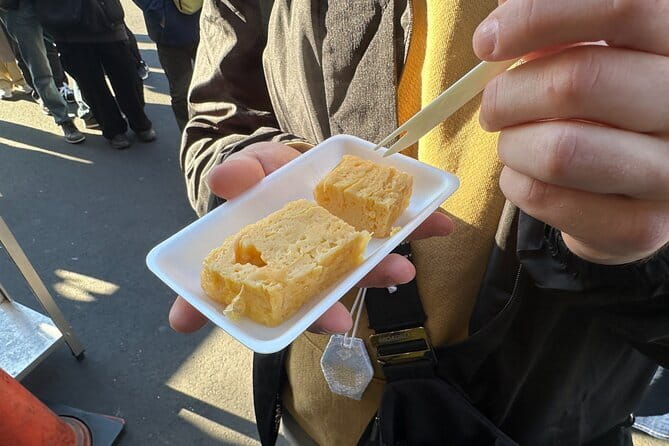
You start at 8:00 am at the Tsukiji address listed for the tour. The finish is right near the action at Namiyoke Shrine, which sits next to the market area. Ending there is practical because you can continue exploring without needing a long transfer.
This kind of ending matters more than it sounds. A lot of food tours dump you back at a subway station. Here, you finish closer to the food streets, which makes it easier to keep your momentum going if something catches your eye after the tour wraps up.
A shrine finish also gives a nice reset after standing and eating for ninety minutes. It’s a small pause, then you can decide where to go next in Tsukiji.
What to bring, how to eat like a pro
This is a walking, street-food style morning, so pack for the physical reality.
Bring:
- Cash in yen for street-food purchases (about JPY 2,000 to 5,000)
- A phone for the mobile ticket
- Comfortable shoes, because you’re spending most of the 1 hour 30 minutes on foot
Eat smart:
- Try a small bite first, then decide what you want more of.
- Pace yourself. Green tea ice cream can come at any time, but you’ll usually want it after something savory so your stomach gets a breather.
- Don’t overbuy. The guide’s shop recommendations are meant to help you sample multiple types without loading up on one thing.
Also note the experience requires good weather. If it’s canceled due to poor weather, you’ll be offered another date or a full refund.
Who should book this Tsukiji local food tour
Book this if:
- You want a small-group Tsukiji morning with help navigating stalls and Japanese-only menus.
- You like street food and iconic bites, not just a photo tour.
- You want both food and context, meaning you’ll learn why Tsukiji looks the way it does today.
- You want recommendations for nearby shops and restaurants during the tour, so you can keep eating after.
Skip it if:
- You need a fully seated, restaurant-style meal format. This is a walking market experience, and the street-food purchases are mostly on you.
- You are not flexible with timing or weather. The tour depends on good weather and runs at 8:00 am.
Should you book this Tsukiji local food tour?
If you want a Tsukiji visit that feels guided but still fun and food-first, I’d say yes. The price is reasonable for what you get, mainly because you’re buying the guide’s local know-how, not just snacks. The small group size and the fact that the tour is designed around practical tastings like tamagoyaki, grilled seafood, and green tea ice cream makes it a strong way to experience Tsukiji without getting lost.
If you’re already very confident in Tsukiji and love figuring everything out alone, you could DIY it. But if you’d rather trade a little money for clarity, better choices, and smoother ordering, this tour is a very sensible move.
FAQ
How long is the Guided Tsukiji’s Local Food Tour?
The tour lasts about 1 hour 30 minutes.
What time does the tour start, and where does it meet?
The start time is 8:00 am. The meeting point is 4-chōme-8-1 Tsukiji, Chuo City, Tokyo 104-0045, Japan.
Where does the tour end?
The tour ends at Namiyoke Shrine right next to Tsukiji Fish Market, in the Tsukiji area (Tokyo, 104-0045).
What food will I get to try?
You can sample local specialties such as grilled seafood, tamagoyaki, and green tea ice cream. The tour is described as offering many local street-food style items.
Do I need cash for food?
Yes. Street-food purchases are not included, and it’s recommended to bring about JPY 2,000 to 5,000 in cash.
What if the weather is bad?
This experience requires good weather. If it’s canceled due to poor weather, you’ll be offered a different date or a full refund.
More Food & Drink Experiences in Tokyo
More Tours in Tokyo





More Tour Reviews in Tokyo


Not for you? Here's more nearby things to do in Tokyo we have reviewed












Tsukiji Market Tours, side by side.
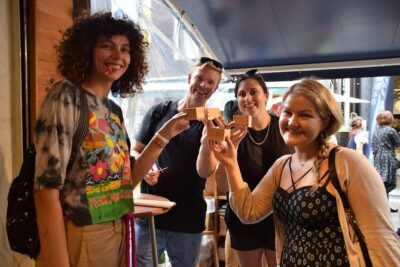 ★ 5.0Tokyo Tsukiji Fish Market Food and Culture Walking TourFrom $993,184 reviews
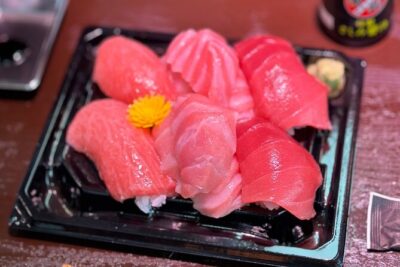 ★ 5.0Tsukiji Fish Market Food and Walking tourFrom $301,724 reviews
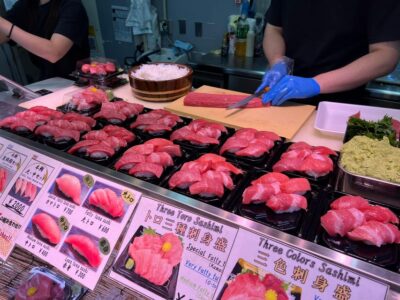 ★ 4.9Tsukiji Fish Market Guided Walking TourFrom $221,397 reviews
 ★ 5.0Tokyo Sushi Making Class in Tsukiji with Professional ChefFrom $491,177 reviews
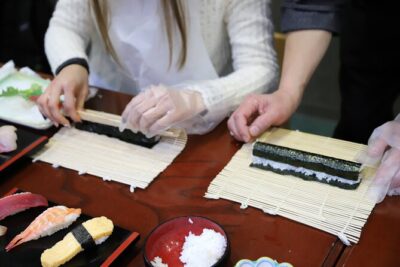 ★ 5.0Tsukiji Fish Market Guided Tour and Sushi Making with Pro ChefFrom $104775 reviews
★ 4.7Tsukiji Fish Market Food and Culture Walking TourFrom $96757 reviews
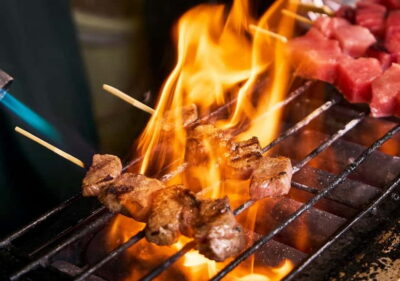 ★ 5.0Tsukiji Fish Market: Street Food & Culture Walking TourFrom $33669 reviews
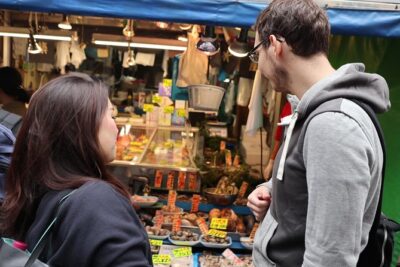 ★ 5.0Tsukiji Fish Market Small-Group Food Walking TourFrom $87621 reviews
This tour also belongs to