
Review · TOKYO TEA & SAKE EXPERIENCES
Japanese Sweets Making & Tea Ceremony in Yokohama, suburban Tokyo
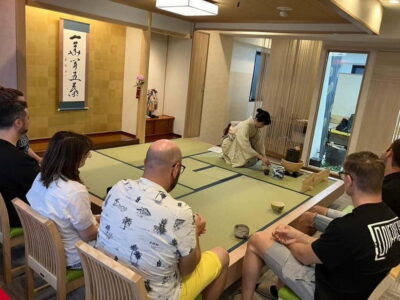
Tatami, tea, and wagashi in one afternoon. This Yokohama experience pairs hands-on Japanese sweets making with an in-home tea ceremony lesson, so you go from mixing dough to learning how to be a proper guest. It takes place in a private home in the Azamino area, close to suburban Tokyo vibes, not a showroom.
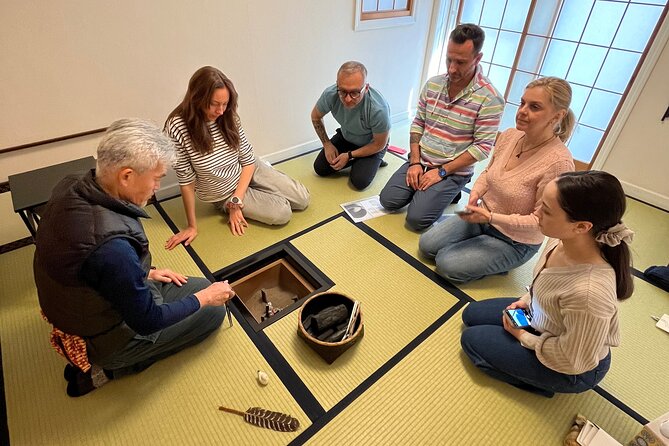
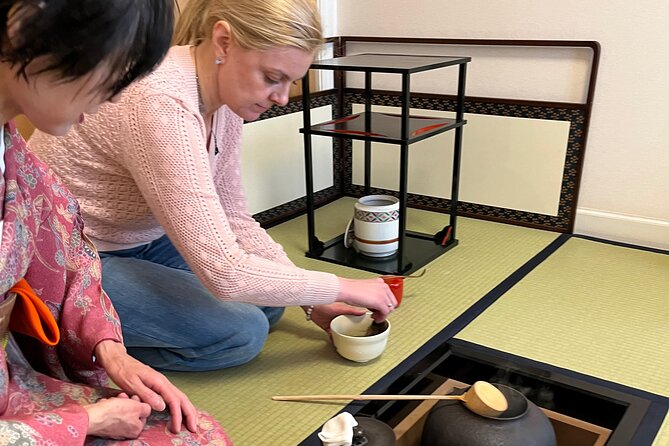
I like two things most. First, you don’t just watch, you make five pieces of wagashi and then eat what’s part of the ceremony flow. Second, you’ll see the rare charcoal step, where charcoal is added to boil the water, and that detail gives the whole session a real sense of tradition. One thing to consider: the tea portion happens in a tatami room, and you need socks to enter.
If you want a low-stress, small-group cultural class, this fits well. The group max is 4 travelers, and your host, Ikuyo-san, keeps things friendly and relaxed while still teaching the proper pace.
Key Things You’ll Notice Right Away
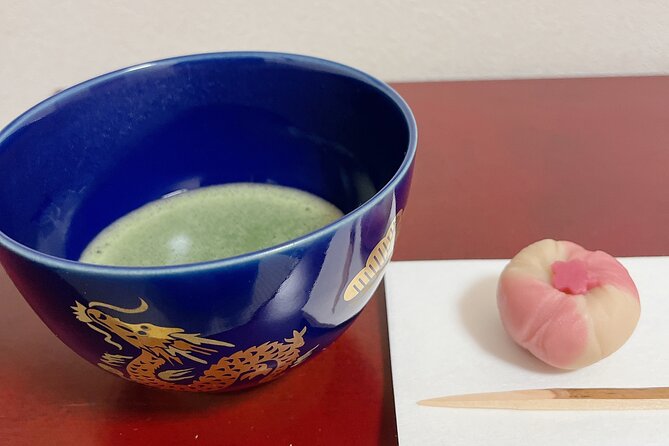
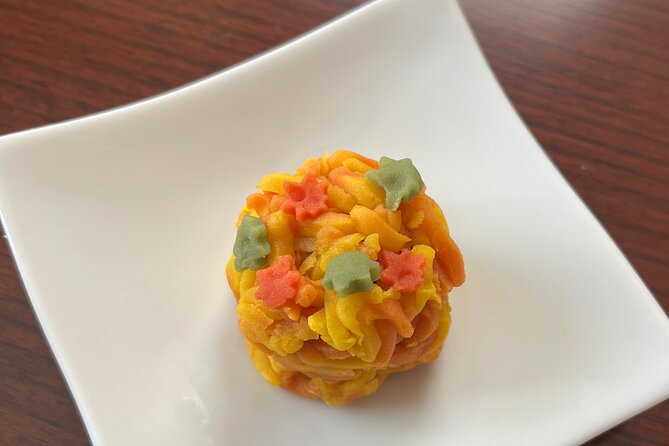
- Season-based wagashi selection: Ikuyo-san chooses what you make based on the season, using styles like Nerikiri, Gyuhi (mochi), Manjyu, and more.
- Small group setting: with a maximum of 4 travelers, you get time to ask questions and slow down when you need to.
- Charcoal-boiled water demonstration: you’ll see the charcoal procedure for the tea water, a step described as rare even for Japanese people.
- You make matcha part of the time: after watching the tea process, you’ll mix matcha yourself.
- You take some sweetness home: you drink two cups of matcha, eat two pieces of wagashi, and take home the remaining four pieces.
- Tatami guest etiquette, not a lecture: you’ll practice being a guest in a traditional tatami room while eating wagashi.
What’s Special About This Yokohama Wagashi And Tea Lesson
This class is built around two linked skills. You start with wagashi, then you shift into tea ceremony mode and taste what you made in the correct setting. That pairing matters. Too many tea experiences focus only on sipping and manners. Here, your work at the start gives you context for the tea at the end.
Also, it’s not a factory tour or a rushed performance. It’s in a private home in Yokohama’s suburbs, which changes the feel immediately. The setting supports calm, conversation, and hands-on learning. You can tell Ikuyo-san’s goal is for you to leave understanding the flow, not just collecting photos.
You’ll start from Azamino Station at 1:30 pm, with an end back at the same meeting point. If you’re staying in Yokohama or visiting nearby suburban Tokyo, this is a manageable afternoon plan.
More Tokyo tours and experiences for the shortlist

What You Make: Seasonal Wagashi Types And Why It Matters
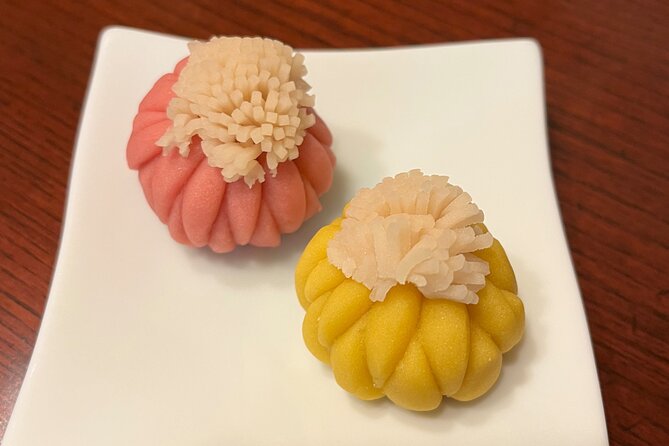
Wagashi is not one single dessert. It’s a whole world of shapes, textures, and seasonal meanings. In this class, Ikuyo-san selects the wagashi type based on the season, so your choices are tied to the time of year instead of a fixed menu.
You might make styles such as Nerikiri, Gyuhi (mochi), and Manjyu. Even if the exact type changes, the teaching approach stays clear: you work from dough, then shape and finish your sweets in a guided way.
Why that seasonal decision is valuable for you:
- You learn that wagashi is seasonal design, not just sugar.
- You see how the tea experience connects to food choices, because the sweets and tea are meant to support each other.
- You get a story while you work, since the tea master explains the history and you can ask questions.
If you’ve ever wondered why Japanese sweets look so carefully crafted, this format answers that directly.
The Wagashi Making Session: 90 Minutes Of Real Hands-On Work
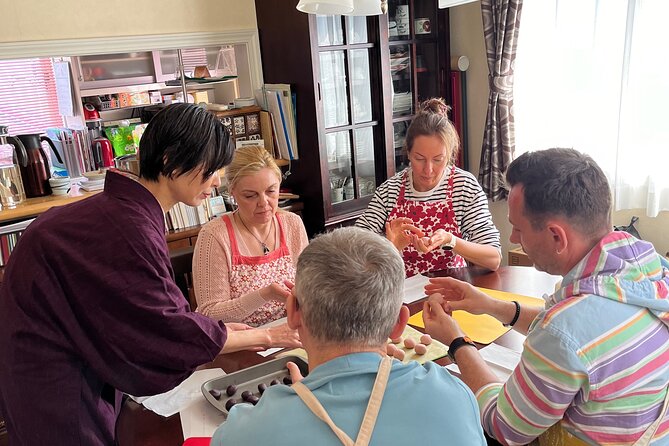
The wagashi portion is about 1.5 hours. You make five pieces of wagashi during this time, and one piece is set aside to be used as part of the tea ceremony sequence.
You’ll start from dough. That matters because it turns this from a decorating class into a true craft lesson. You learn the feel of the ingredients and the basics of shaping. From a learning standpoint, this is a big deal. If you only handle finished sweets, you miss how much technique is built into the process.
At the same time, the class doesn’t trap you in technical terms. Ikuyo-san runs it as a culture lesson with practical steps. You’ll have time to ask questions, and she sets a welcoming tone, which helps if you feel a little nervous at first.
Practical note: you don’t need to bring anything for the wagashi making part. The only mandatory item for the session is your socks for the tatami room later.
Entering The Tatami Room: Guest Etiquette You Can Actually Use
After you finish shaping your wagashi, you’ll shift into tea ceremony mode inside a traditional tatami room. This is where the experience turns from craft to cultural practice.
You’ll learn how to be a guest during the tea ceremony while you eat wagashi you made. Instead of just watching tea being served, you’ll understand what comes next and why people do things in a certain order.
A couple of details make this feel authentic:
- You enter a tatami setting, which changes your posture and pace.
- You eat the sweets in the flow of the ceremony, not at random times.
One consideration before you go: you must wear socks to enter the tatami room. If you show up without them, the class can’t really start the way it’s designed.
If you’re the type who likes etiquette lessons because they make everyday travel smoother, you’ll appreciate this part. Even if you never host a tea gathering, you’ll come away knowing how the ceremony is structured and what guests are expected to do.
The Charcoal Procedure And The Matcha Setup
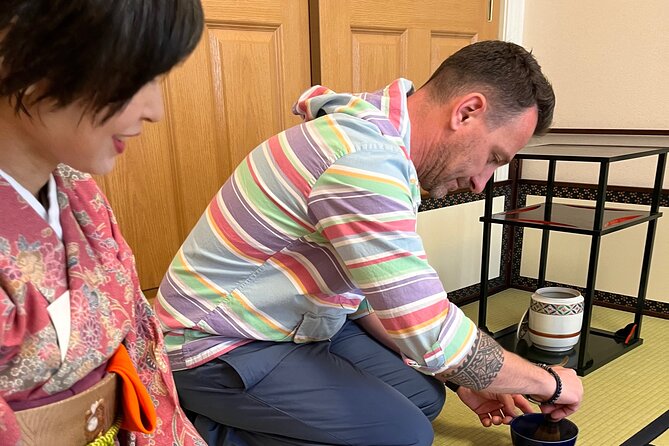
This is one of the most memorable parts of the day. The tea master shows you the charcoal procedure, where charcoal is added to boil the water. The description calls this rare, even for Japanese people, and it’s easy to see why.
From your perspective, this isn’t just “interesting.” It gives you a tangible reason the tea ceremony feels different from grabbing tea at a café. The water process is part of the ritual, and seeing it firsthand makes the ceremony feel physical and grounded.
During the procedure, you can eat wagashi. Then Ikuyo-san makes matcha for you, which helps you understand what the texture should feel like before you try it.
After that, you’ll get to try mixing matcha yourself with the wagashi setup provided for you. You’ll drink two cups of matcha across the session, and you’ll eat two pieces of wagashi during the ceremony rhythm.





DIY Matcha Mixing: What You Learn Beyond the Sip
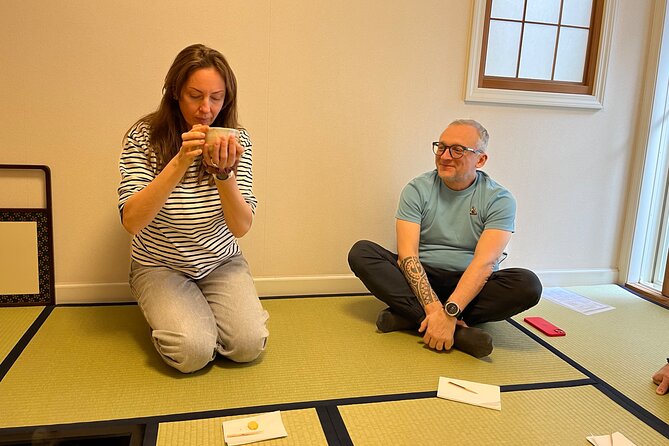
Making matcha yourself is where a lot of the value lives. Watching is fine, but mixing gives you a skill. In this class, you’ll try mixing matcha after you’ve seen the process.
You’ll also hear the history and background of Japanese tea ceremony from the tea master. That doesn’t have to be a dry lecture if the teacher keeps the story tied to what you’re doing in the moment, and that’s the tone here.
If you’re traveling with kids or teens, this segment often works well because it’s hands-on and visual. One of the strongest impressions from the class style is that Ikuyo-san can work comfortably with different ages and keeps the atmosphere friendly. That matters in a workshop setting, because the best classes adapt to the group.
How Long It Takes, What You Eat, And What You Take Home
Plan on about 3 hours total for the full experience, including wagashi making and the tea ceremony portion.
Here’s the payoff you can count on:
- You make five pieces of wagashi.
- One piece is used for the tea ceremony.
- You drink two cups of matcha.
- You eat two pieces of wagashi during the session.
- You take home four pieces of wagashi after everything is done.
That take-home portion is a practical bonus. It means you’re not walking away with only a memory. You’ll also have something to share or snack on later, which is especially nice if you’re trying to avoid overbuying sweets at tourist spots.
Also remember: Ikuyo-san prepares extra wagashi and dried Japanese sweets for you during the tea portion. That’s part of why you can eat and taste multiple things without stressing over portion limits.
Price And Value: Is $97.55 A Fair Deal?
At $97.55 per person for about three hours, this class can feel like good value when you break down what’s included.
You’re getting:
- Ingredients and guidance to make your wagashi.
- Matcha during the ceremony, plus time to drink two cups.
- A private-home tea ceremony atmosphere with a teacher explaining history and allowing questions.
- The rare charcoal procedure demonstration.
- A small group size (max 4).
- Wagashi to take home (four pieces).
What you are not paying for is a big “museum” overhead. The setting is personal and intimate, and that’s part of why the class format makes sense at this price.
If you’re comparing to experiences where you only watch, the difference is simple: here you touch the craft, you learn the guest flow, and you actively participate in matcha making.
Timing From Azamino Station, Plus Nearby Plans That Fit
The meeting point is Azamino Station, and you start at 1:30 pm. The activity ends back at the meeting point, so you don’t have to solve the logistics of getting across town afterward.
Pickup is offered, which can make this easier if you’re not in easy walking distance from the station. The class is also listed as near public transportation, so even without pickup, it’s not a remote inconvenience.
A smart move is to plan something nearby before or after. For example, Yokohama Ramen Museum is about 15 minutes from Azamino Station. If you like food-focused itineraries, you can pair these two visits without turning the day into a travel puzzle.
Who This Experience Is Best For
This class is especially good if:
- You want hands-on Japanese culture, not a passive show.
- You like food craftsmanship and want context for why sweets look and feel the way they do.
- You’d rather learn tea ceremony basics in a calm, small-group setting.
- You enjoy asking questions and want a teacher like Ikuyo-san to guide you step by step.
It may not be ideal if you want a very fast, high-energy activity. This is more about careful pacing and respect for the ritual, and that’s the point.
If you’re a solo traveler, small group also means you won’t get lost. If you’re traveling as a family, the format is interactive and can work well with kids, since there’s plenty to do with your hands.
Practical Tips So You Don’t Miss Anything
A few simple things will make the day smoother:
- Bring socks for the tatami room. This is required.
- Wear something easy for sitting and moving around comfortably.
- If you feel nervous, that’s normal. The experience is designed to feel welcoming, and Ikuyo-san’s approach helps people settle in fast.
- Come with at least a couple of questions. The tea master explains the history of tea ceremony, and you can ask about what you notice during the process.
One more practical tip: because the workshop ends back at Azamino Station, keep your next plan close to that area. It reduces stress and keeps your afternoon feeling like one cohesive block.
Should You Book This Wagashi And Tea Ceremony Workshop?
Yes, if you want a genuine culture class that rewards participation. This isn’t only about tasting. You’ll make wagashi, learn tea ceremony guest etiquette on tatami, see the charcoal water step, and then try matcha mixing yourself. The small group size and take-home wagashi make it feel like a complete experience, not a quick stop.
Book it if you’re in the Yokohama area for a few days and want something different from shopping, temples, or restaurant hopping. If you’re short on time, the three-hour block is still workable, especially with the Azamino location.
If you strongly dislike barefoot-ish cultural settings, the tatami sock requirement might be a dealbreaker. Otherwise, this is a thoughtful, hands-on way to understand Japanese sweets and tea as one connected tradition.
More Dessert Tours in Yokohama
More Tour Reviews in Yokohama



Not for you? Here's more nearby things to do in Yokohama we have reviewed






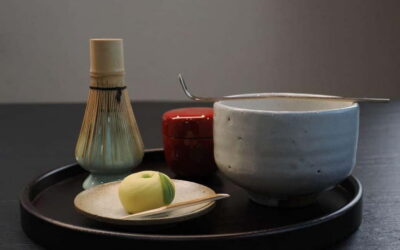
Tokyo Tea & Sake Experiences, side by side.
 ★ 5.0Traditional Tea Ceremony with a Tea MasterFrom $38528 reviews
 ★ 5.0Sake Tasting Masterclass in Shinjuku (8+ Varieties with a Pro)From $72271 reviews
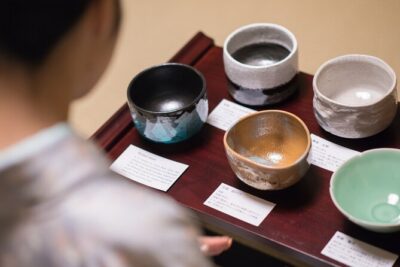 ★ 5.0Tea Ceremony Workshop in Tokyo by the Experienced InstrucorFrom $38189 reviews
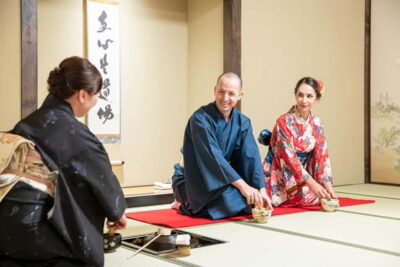 ★ 4.9Asakusa: Kimono Tea Ceremony with Matcha and SweetFrom $66153 reviews
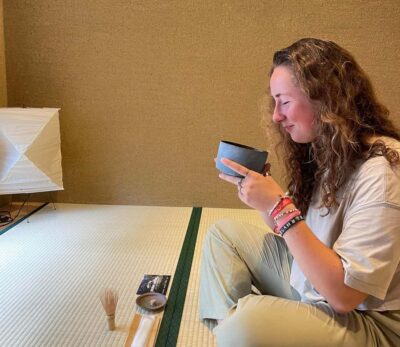 ★ 4.9Tea Ceremony Experience in a Private Tea Room in ShibuyaFrom $30125 reviews
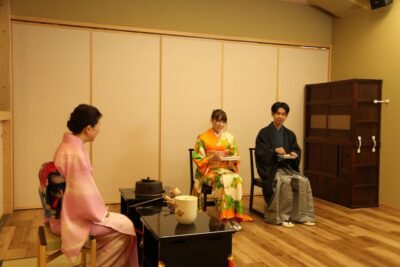 ★ 4.7Practicing Zen with a Japanese Tea CeremonyFrom $63105 reviews
 ★ 5.0Matcha Kimono Tea Ceremony in TokyoFrom $59104 reviews
 ★ 4.9Tea ceremony experience in Japanese-style room 60minFrom $4586 reviews
This tour also belongs to