
Review · TOKYO CITY TOURS
Old Town Tokyo: Shinagawa-Juku Walking Tour
Tokyo has a lot of wow. Shinagawa-Juku shows a quieter one: Edo-era lanes, shrines, and temple backstreets you would easily miss if you wandered on your own. This small-group tour is built to keep you moving through real neighborhoods, with a guide leading the way so you are not stuck guessing at tiny turns.
I like two things right away. First, the group stays small, up to 8 travelers, so questions land and you can actually hear your guide while walking. Second, you get coffee and/or tea to keep you comfortable as you cover about 3 hours of stops and strolls.
One drawback to plan for: lunch is not included, and you will finish at a different station than you start. If you are hungry, you will need to sort food on your own after the tour.
Key points to know before you go
- Max 8 people means you get a real conversation, not a lecture through a crowd
- Hot drinks included so the walk feels easier while you move between Edo-era sites
- Edo-era Shinagawa to Old Tokaido Road context that helps the places click
- Temple and shrine stops in less obvious side streets, not just big highlights
- Free admissions at multiple stops, with one included shrine entry
Shinagawa-Juku feels close to the action, but older on foot
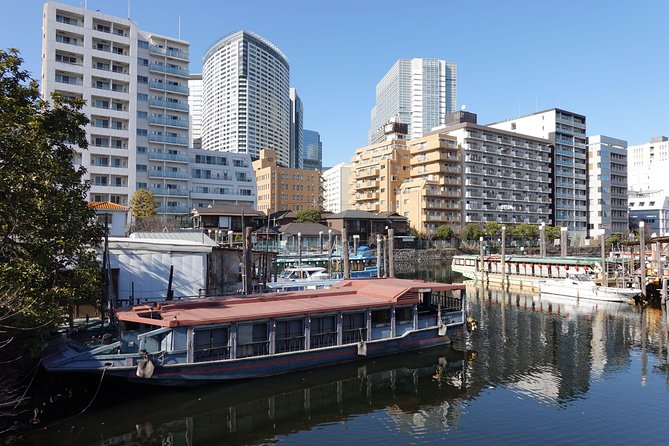
Shinagawa gets treated as a big transit hub. This tour helps you see a different side, one shaped by the Old Tokaido Road, the route that connected Tokyo and Kyoto. Walking here is the point. You follow your guide down back alleys and smaller streets where the neighborhood scale is human and the history is easier to picture.
The best part is how the tour teaches you to read the area. Instead of seeing a temple or a street and moving on, you get context on why that location matters. The stops connect into a story about movement, travelers, and local life around Shinagawa-Juku.
It also helps that the tour is designed as small group walking. You are not shouting across a busload of people. You stay close enough to follow directions, and you can ask simple questions while you are still standing in front of what you came to see.
You can also read our reviews of more walking tours in Tokyo

Price and value: what $94.88 buys you in real touring time
At $94.88 per person for about 3 hours, this is not the cheapest option in Tokyo. But it can be good value if you care about guidance and reducing friction.
Here is what you do get that matters:
- An English speaking guide
- Coffee and/or tea during the walk
- Multiple planned stops that are free admission (so you are not stacking paid entries)
- A shrine admission included at one of the stops
Then there is what you do not get:
- Lunch
- Transport fees
- Hotel pick up and drop off (only if you add it for an extra fee)
So the value math is straightforward. You are paying for a focused route, English explanations, and a smooth pace that keeps you from getting lost in an older neighborhood. If you were to do this DIY, you would likely spend time figuring out which lanes connect and which spots actually relate to the Tokaido story. Paying for a guide can be the difference between an evening that feels accidental and one that feels guided.
Also, it is averaging booked around 37 days in advance. That is a hint that popular dates fill up, especially with a maximum of 8 travelers.
Where to start and finish: Kitashinagawa to Shimbamba by design
The tour starts at Kitashinagawa Station (1 Chome-1 Kitashinagawa, Shinagawa City) and ends at Shimbamba Station (2 Chome-18-1 Kitashinagawa area). The start point is listed as 1 stop from the major Shinagawa Station, which is useful because Shinagawa is a major hub.
That ending point matters. Ending at Shimbamba means you are not just circling back to where you began. It is part of the route logic, and it also means you should plan your next step before you arrive. If you want dinner near a particular station, look at your map early and line it up.
One more practical note: the tour is marked as near public transportation, and service animals are allowed. So getting to the meeting area should be manageable without a car.
The itinerary in plain English: what each stop is really for
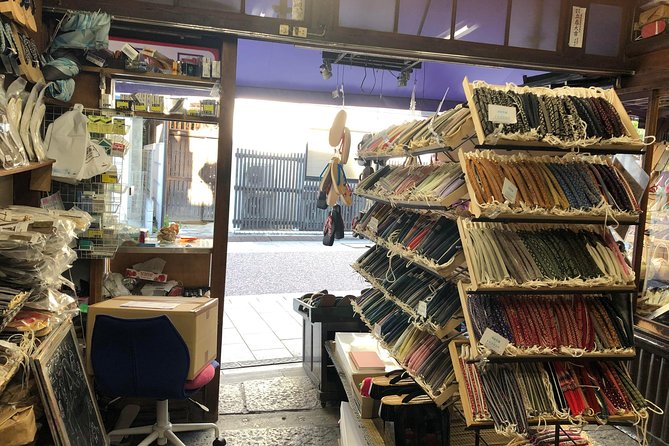
This tour is paced in segments, with a mix of parks, heritage streets, and religious sites. Several stops list free admission, which is great because you can keep your spending predictable while still visiting places tied to the old route.
Stop 1: Shinagawa-Ura Park, a fishing shoreline story
Your first stop is Shinagawa-Ura Park. The key idea here is Edo-era life near the shore. In that period, the area near Shinagawa was used for fishing, and a small, prosperous fishing village grew from it.
Now, commercial fishing is no longer the use of the area, but the tour uses the park as a starting point so you can picture how this neighborhood supported travelers and daily life. The tone is easy at the beginning, about 15 minutes, so it sets you up without rushing you.






Stop 2: Kyu-tokaido Street, the old travel corridor
Next comes Kyu-tokaido Street, tied to the Old Tokaido Road. This was the first stop for travelers heading from Tokyo toward Kyoto, and it was busy with inns and shops serving people on the move.
If you like history that feels specific, this is where it clicks. You are not just walking past a street, you are walking through the kind of infrastructure that made long-distance travel possible. The stop runs about 1 hour, giving you enough time to take it in and absorb the guide’s explanations.
A nice bonus: this stop is listed as free admission, so you are paying for the route and storytelling, not ticket stacking.
Stop 3: Hozenji Temple, hidden lanes and quiet corners
Then you shift from the main travel idea to the smaller side streets by going to Hozenji Temple. The tour frames this as branching off from the main Tokaido Road, where you find alleyways, local temples, and old houses that look covered in greenery.
You get about 10 minutes here. That time is short on purpose. The goal is not to do a long temple visit. The goal is to show you how side lanes connect to the main story of the district and why these quieter spots feel different.
Stop 4: Shotokuji Temple, seasonal beauty with a specific setting
After Hozenji, you stroll down Shinbaba Street and look at Shotokuji Temple, about 5 minutes. The guide emphasis here is the temple’s setting, especially pretty in autumn due to maple trees.
Even if you are not there in autumn, the value is learning what to look for and why this temple is associated with seasonal views. Quick stops like this work well on a walking tour because you keep the momentum without skipping the moment.
Stop 5: Ebara Jinja Shrine, weather prayers by the river
Next is Ebara Jinja Shrine, about 10 minutes. You get the origin detail that it was established in 709, and that it is worshipped as a place of the dragon god where people pray for rain.
The tour also connects the shrine to its location next to the Meguro River. It includes a story about water use around 1062, tied to taking water from the nearby river. These are the kinds of local details that make the shrine feel like part of everyday life, not just a stop on a checklist.
Stop 6: Shinagawa Shrine, the mini-Fuji idea
The final stop is Shinagawa Shrine, about 50 minutes, and here the admission is listed as included. The shrine was founded in 1187 as a guardian for the post-town in the area.
The standout detail is the fujizuka, described as a mini-Fuji built for worshippers who did not have the strength or money to climb Mount Fuji. That concept is memorable, because it explains how people adapted devotion to real limits. It is a small idea, but it gives you a lens for understanding why religious sites in towns were shaped for local visitors, not just pilgrims.
That longer final stop is a good way to end: you finish with a deeper moment after the earlier pacing that sets context.
Small group + English guide + a built-in break
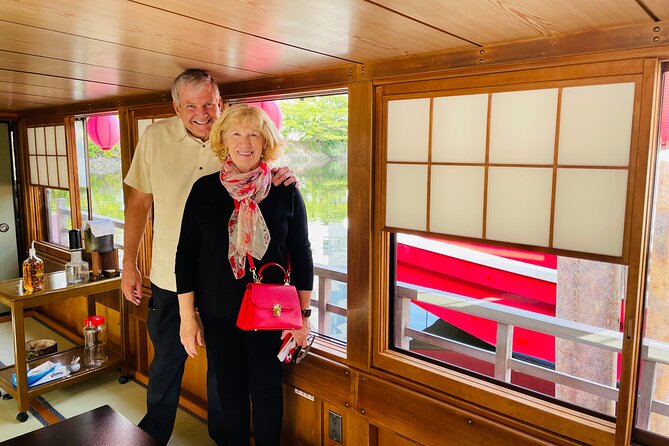
The tour is capped at 8 travelers, and that matters more than it sounds. In Tokyo, walking routes can be tight and information-dense. A bigger group makes you lose time and hearing. A smaller group makes the guide’s explanations land.
You also get an English speaking guide, and the walk includes coffee and/or tea. This is not just comfort. It helps reset your pace between stops, and it makes the overall experience feel intentionally planned.
One guide name that comes up is Charlotte. She gets praised for being friendly and for covering city, culture, the subway system, and local district history. Even if you already know Tokyo transit, a guide who can help you connect the dots between stops and routes is a real advantage, especially if you are navigating after the tour ends at Shimbamba Station.
What you should bring mentally, not just physically

This is a history and culture focused walk through an older portion of Tokyo, tied to the Old Tokaido Road story. You will get the most from it if you come ready to pay attention to how places relate to travelers, daily work, and religious practice in a post-town setting.
Also, lean into the “I would miss this alone” angle. The whole route is built around back alleys and smaller streets. The tour description specifically emphasizes avoiding the risk of getting lost in an older part of Tokyo. Even if you are an experienced walker, having an organized path can save energy for actually enjoying what you see.
And remember, you are on foot for about 3 hours. The tour includes hot drinks, but it does not include lunch. If you want to keep the day flowing, decide what meal plan you will use after you finish near Shimbamba.
Who this walking tour is best for (and who should think twice)
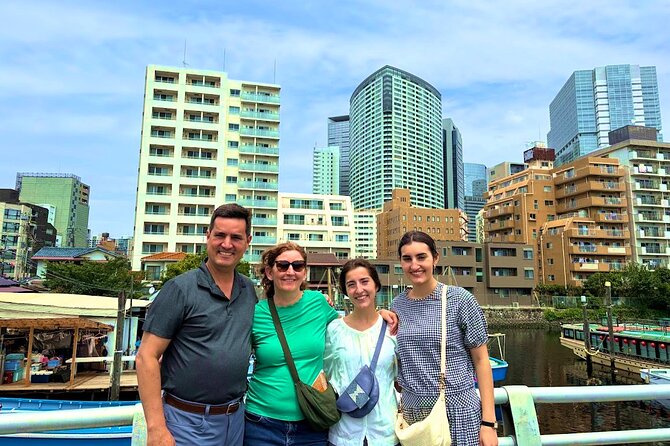
This tour is a good match if:
- You like Edo-era context and want it tied to real stops
- You prefer a small group where you can hear the guide
- You enjoy mixing street heritage with temple and shrine visits
- You want help navigating an older part of Tokyo without getting lost
You might think twice if:
- You want a tour that includes lunch or transportation end-to-end (those are not included)
- You are looking for long visits at multiple major attractions, since this tour is timed for a walking route with several short stops
For most people who enjoy guided city walking, it lands in a sweet spot. It is long enough to feel substantial, but short enough to fit into a full Tokyo day.
Should you book this Shinagawa-Juku walking tour?
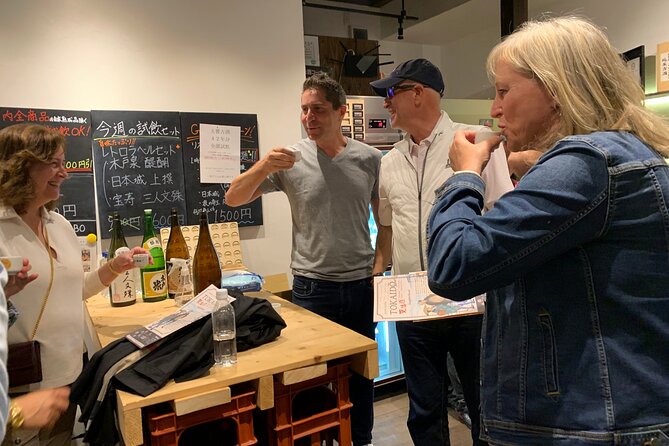
I would book it if you want a guided, low-stress way to connect Shinagawa-Juku to the Old Tokaido Road story. The strongest reasons are the small-group size, the English guide, and the way multiple stops are free admission except for one shrine that is included. Add the coffee and/or tea, and the whole thing feels designed for comfort while still giving you a real slice of neighborhood life.
I would hesitate only if you are trying to keep costs ultra-low or you hate planning food around a 3-hour route that does not include lunch. If that is you, you can still do the area on your own, but you would be giving up the organized connection between street, temple, and post-town context.
If you want an afternoon that feels like Tokyo has layers, this is a solid pick.
FAQ
How long is the Old Town Tokyo Shinagawa-Juku Walking Tour?
The tour lasts about 3 hours.
What is the price per person?
The price is $94.88 per person.
How large is the group?
The tour has a maximum of 8 travelers.
Where do I meet the tour and where does it end?
You start at Kitashinagawa Station (1 Chome-1 Kitashinagawa, Shinagawa City) and end at Shimbamba Station (2-chōme-18-1 Kitashinagawa, Shinagawa City).
What is included in the tour price?
Coffee and/or tea are included, and you get an English speaking guide.
What is not included?
Lunch and transport fees are not included. Hotel pick-up and drop-off is available for an extra fee.
Is admission required for the stops?
Many stops list admission as free, and the Shinagawa Shrine admission is listed as included.
Does the tour require good weather?
Yes. The experience requires good weather, and if it is canceled due to poor weather, you will be offered a different date or a full refund.
Can I cancel for a full refund?
Yes. You can cancel up to 24 hours in advance for a full refund. If you cancel less than 24 hours before the start time, you will not be refunded.
More Walking Tours in Tokyo


More Tours in Tokyo


More Tour Reviews in Tokyo
Not for you? Here's more nearby things to do in Tokyo we have reviewed












Tokyo City Tours, side by side.
 ★ 5.01-Day Tokyo Bus TourFrom $12914,250 reviews
 ★ 4.5TOKYO SKYTREE® Admission ticketFrom $1311,192 reviews
 ★ 4.6teamLab Planets TOKYO Digital Art Museum Entry TicketFrom $259,779 reviews
 ★ 4.0Mt Fuji & Hakone Cruise, Drum Show Bullet Train 1 Day from TokyoFrom $1497,413 reviews
 ★ 5.0Shinjuku Food Tour (13 Dishes at 4 Local Eateries)From $866,603 reviews
 ★ 4.4Tokyo Mt Fuji 5th St & Hakone Cruise Bus Tour w/Bullet TrainFrom $1545,024 reviews
 ★ 5.0Flagship 2-Hours Official Street Go-Kart Tour – Tokyo Bay ShopFrom $644,974 reviews
 ★ 4.5From Tokyo: Mount Fuji Full-Day Sightseeing TripFrom $684,970 reviews
This tour also belongs to