
Review · TOKYO CITY TOURS
Private Customizable Walking Tour of Tokyo
Tokyo can feel huge, fast.
This private, customizable walking tour gives you a guided route through major neighborhoods, with the freedom to choose your start time and how long you stay. You can even get help buying the right day travel pass so you spend less time figuring out transit and more time seeing Tokyo your way.
I especially love the hotel meet-up and drop-off setup. It turns a first day in Tokyo into something manageable, not stressful. I also like that the guide can shape the stops around what you care about, whether that is neon streets, temples, shopping streets, or view decks.
One thing to keep in mind, though: it is still a walking tour. You will be on your feet and moving between areas using the subway, and some of the best skyline stops have optional paid ticket add-ons, so you may want to budget for that and pick what you really want.
Key takeaways
- Private and flexible: choose your start time, neighborhoods, and pacing instead of being locked into a script.
- Hotel pickup helps: you start from your lodging and end back there, which saves real time and energy.
- Subway support matters: the guide can help you plan a day travel pass, so you are not stuck buying tickets one-by-one.
- Big-name areas in one day: Shibuya Crossing, Harajuku, Meiji Jingu, Asakusa, Akihabara, and more can fit into a 4 to 8 hour window.
- Some sights cost extra: Tokyo Skytree, Tokyo Tower, and Shibuya Sky observation tickets are not included.
Private, hotel-to-hotel flexibility in Tokyo
If you hate feeling rushed, this format is built for you. You get a professional guide who comes to your hotel, then you choose how long you want to tour (half-day or full-day) and which areas you want to prioritize. It is private, so you are not negotiating around a group pace or waiting for slow walkers.
What makes it practical is the balance of structure and freedom. The guide knows the city well enough to lead you through the key zones, but the itinerary adapts to your interests as you go. That is where tours like this can turn into the kind of day you actually remember, not just a checklist.
In reviews, guides like Paiva, Laura, and Miko were singled out for being friendly and adaptable. Laura was praised for tailoring the day to keep kids engaged and to meet food needs. Miko was highlighted for helping a first visit feel confident, including guidance for using the subway system.
You can also read our reviews of more walking tours in Tokyo

How the 4 to 8 hour time window really plays out
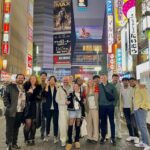
The tour runs about 4 to 8 hours, depending on your choice. Within that window, you will usually spend around 20 to 45 minutes at each stop, which is enough time for a look, a photo moment, and a bit of context without turning the day into a marathon.
Here is how I suggest you think about it: pick one or two “anchor” experiences, then let the rest fill in around them. If your anchor is views, you might focus on Shinjuku’s Tokyo Metropolitan Government observatory and add one of the observation deck ticket options like Tokyo Skytree or Shibuya Sky. If your anchor is shopping and street culture, build around Shibuya, Harajuku, and Akihabara.
Also, since food and drinks are not included, decide early how you want to handle meals. Your guide can point you toward good places, but you should still budget time to eat on your own terms.
Shibuya Crossing and Hachiko: modern Tokyo at street level
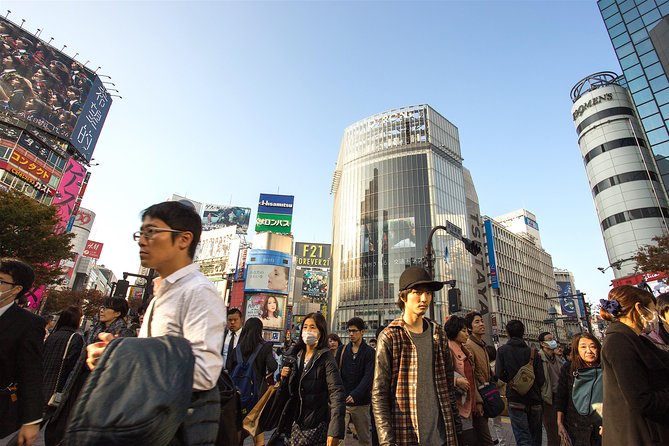
Shibuya is the place that teaches you Tokyo is not just quiet lanes and temples. This stop typically starts with the iconic Shibuya Crossing, described as the busiest pedestrian crossing in the world, and then you can meet the bronze statue of Hachiko.
What I like about including Shibuya early is the energy reset it gives you. You get the big, instantly recognizable scene, then you can decide if you want more of that style of Tokyo or if you prefer to cool off with quieter areas next.
Possible drawback: Shibuya can be packed. If you do not love crowds, treat Shibuya as a quick highlight rather than a long linger, and use the guide to help you move through it efficiently.
Harajuku backstreets near Meiji Jingu: youth fashion and side streets
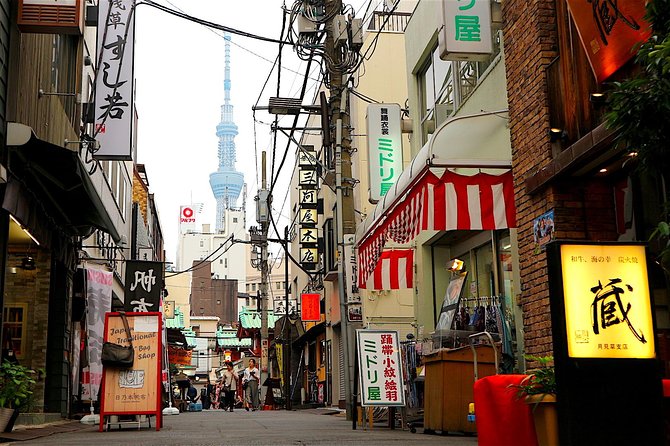
From Shibuya, the tour can shift into Harajuku Street, positioned right next to Meiji Jingu in the day’s plan. Harajuku is known as a youth fashion center, and you can also expect plenty of street art, wacky youth fashion, and photo-ready eats.
What makes this stop valuable is that it is not just about the main street. The guide can steer you into the trendier backstreets, which often feel more interesting than staying on the busiest strip.
If you are coming with a camera, Harajuku is one of the easiest places to get a lot of variety in a short time. If you are not into fashion, you might still enjoy the people-watching and the mix of quirky shops.
Meiji Jingu Shrine: walking from city noise into forest calm
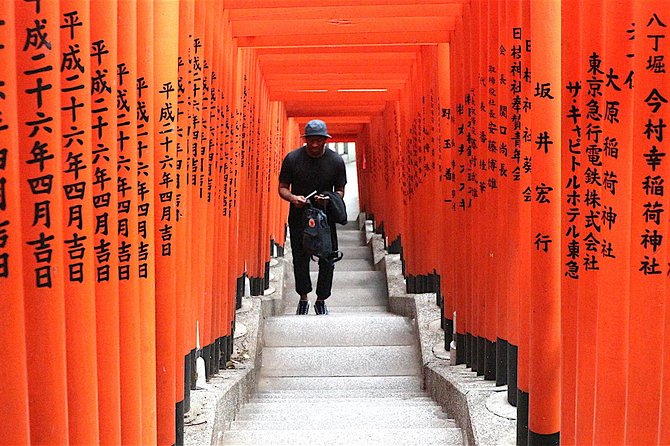
Meiji Jingu Shrine gives you a direct contrast: a huge forested setting, tied to Japan’s indigenous religion of Shintoism. The scale is part of the point, with a 700,000 square meter forest setting that changes your pace the moment you arrive.
This is also one of the stops where a guide adds real value. You will not just see buildings and paths, you will get the meaning behind the space and what you are supposed to notice.
Timing note: you typically get around 30 minutes here, which is enough for the main experience. If you want a deeper, slower visit, you may need to shorten other stops or switch to a full-day option.
You can also read our reviews of more private tours in Tokyo

Shinjuku’s skyline view and the neon district effect
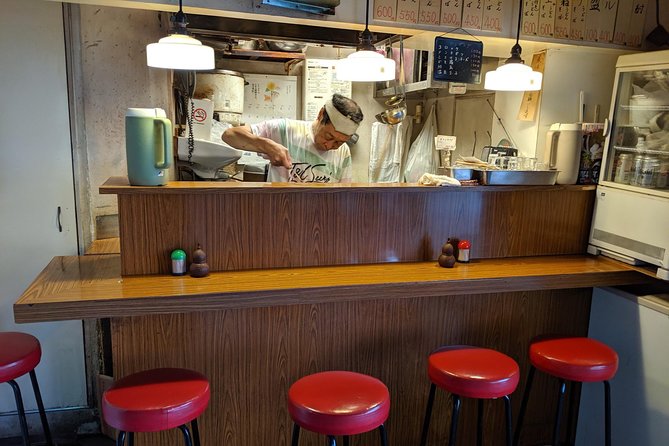
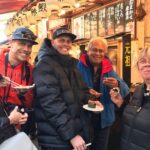
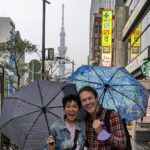
Shinjuku is where Tokyo’s “big-city” feel hits hardest. You get the entertainment district atmosphere with tall buildings and neon lights, plus the chance to see an overview of Tokyo from the observatory on the 45th floor of the Tokyo Metropolitan Government building.
I like Shinjuku because it is visual. You can stand in one spot and understand how Tokyo is laid out, then later your walks around other neighborhoods make more sense.
Consideration: this kind of viewpoint stop is popular, so it can add stress if you hate lines. The tour keeps it efficient, but if views are your only priority for Shinjuku, you may want to focus on that and keep the wandering portion lighter.
Asakusa and Senso-ji: traditional streets plus shopping energy
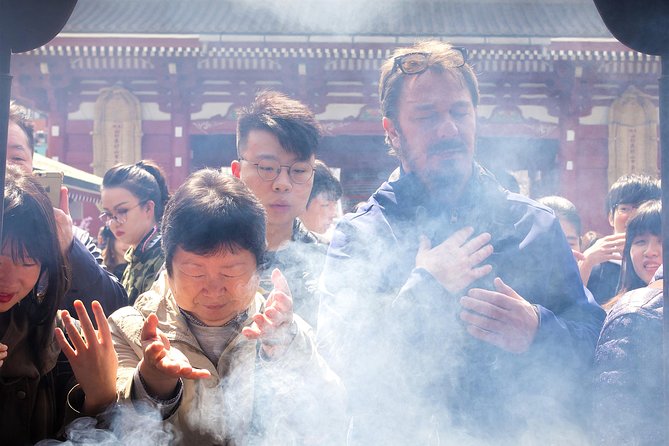
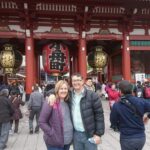
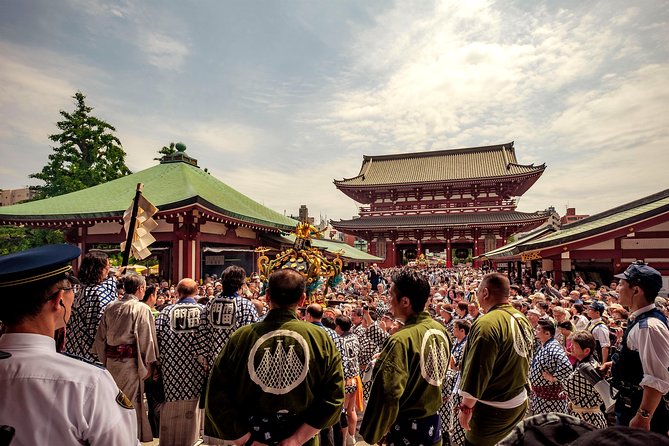
Asakusa is the historic center of Tokyo, with Tokyo’s oldest temple area and lots of traditional craft shops. A common plan includes time at Nakamise Shopping Street, a 250 meter stretch of stalls on the approach to the temples.
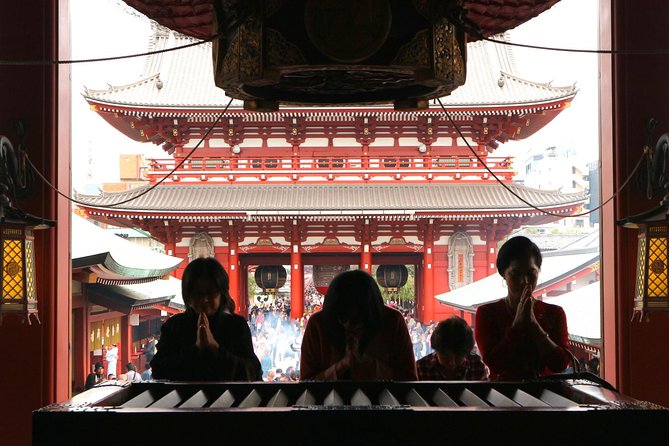
Then you go into Senso-ji Temple, which dates back to 628, with a Buddhist lens to the visit. This combo works well because it gives you both the street approach experience and the temple focus.
What to watch: you will see plenty of souvenir shopping, but the real win is having time to understand what you are looking at. With a guide, you can separate what is just touristy from what reflects local tradition and how it fits the temple area.
Akihabara: anime, manga, and electronics overload (in a good way)
If you want Tokyo’s pop culture side, Akihabara is the stop. The area is known for anime, manga, video games, and electronics, so it can feel like sensory overload, fast.
This is also a great place to use a private guide if you have specific interests. Even without deep specialty shopping, you get oriented quickly, so you do not waste time wandering in the wrong direction.
Possible drawback: if you are not into that world, Akihabara might feel like a lot of visual noise. In that case, use the guide to shorten this stop and spend more time where your eyes actually want to stay.
Marunouchi, Imperial East Gardens, and Nihonbashi: Tokyo’s layers
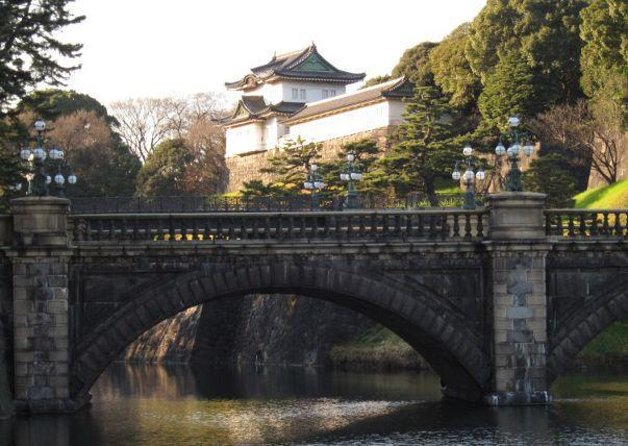
Marunouchi is the sleek business district around the Imperial Palace area, and it is a nice contrast after the more chaotic streets. This is a good zone for impressive architecture and major landmarks like Tokyo International Forum and Tokyo Station.
Then you can step into the East Gardens of the Imperial Palace and see Edo Castle remnants, including moat walls. The Edo Castle ruins angle is a clever way to make history feel physical instead of abstract.
Nihonbashi rounds out the “layers” theme by pointing back to the original center of trade and commerce from the Edo period. The idea here is to connect what you see today to how Japanese cooking and commerce developed over time, with traditional food and craft shops nearby.
Practical tip: this section is one of the easiest places to take short breaks and just absorb the city. It is a nice pacing change compared with the louder entertainment zones.
Tsukiji outer market and Yanaka: food focus and a quieter Tokyo mood
Tsukiji is a food and market culture stop, focusing on the former home of the world’s largest fish market and the famous tuna auction. The inner market and auction have moved to Toyosu, but the outer market still draws crowds with fresh seafood and busy stalls.
If you love watching how markets work, Tsukiji gives you that “Tokyo in action” feeling. It is also a strong place to ask your guide for practical food directions, since this is exactly the kind of stop where knowing what to buy and where to go can save time.
Yanaka offers the shift to a more nostalgic downtown feel, with temples, sweets, and a tea house experience that includes a traditional tea ceremony. There is also mention of exploring the cemetery and learning about Japanese traditions.
What I like here is the contrast. You get one market that is visually loud and one neighborhood that feels slower. Together, it balances your day so you do not end Tokyo the same way you started it.
Skyline add-ons: choosing between Skytree, Tokyo Tower, and Shibuya Sky
Some of the most famous viewpoints are optional ticket add-ons, not included. Tokyo Skytree is described as the world’s tallest tower at 634 meters, and Tokyo Tower and Shibuya Sky are also available with ticket options.
How you choose depends on what view style you want. Shibuya Sky is known for a 360-degree observatory, Tokyo Tower is a major post-war economic symbol, and Skytree is the huge vertical icon.
My advice: pick one paid viewpoint if you are trying to control costs, and treat the rest as backups for later. You can always return to Tokyo for a second day of views, but you cannot undo a day that is overloaded with paid ticket stops and long queues.
Subway help and getting your day to flow
Even with hotel pickup and drop-off, this is still a walking tour, and you use the subway between areas. The tour notes that public transportation costs are excluded, which matters because it means you should plan for transit spending and card setup.
The silver lining is that your guide can help you purchase a travel pass for the day. That is not a small detail. If you get the pass right, you waste less time at ticket machines and can keep moving instead of stopping to figure out the system mid-day.
If this is your first time using Tokyo’s transit, a private guide is a confidence booster. In one review, Miko was praised specifically for helping with subway navigation and giving a complete overview of the city in about six hours.
Price and value: what $202.18 per person buys you
At $202.18 per person, you are paying for a private, professional guide plus hotel pickup and drop-off. The value is strongest when you would otherwise feel stuck choosing between neighborhoods, fighting crowds, or getting lost on transit.
This tour is especially good value if you fall into any of these categories:
- It is your first time in Tokyo and you want the city organized for you.
- You have kids or specific interests and need the day tailored, like Laura did for a family in a five-star review.
- You want several major neighborhoods in one day without the hassle of group logistics.
Do watch the exclusions. Food and drinks are not included. Observation deck tickets for Skytree, Tokyo Tower, and Shibuya Sky are not included. Public transportation costs are also excluded, even though the guide can help with a travel pass.
One more note: children aged 11 and under are free of charge, as long as they are listed. That can make the cost much easier to justify for families.
Who this tour suits best, and who might skip it
This tour fits best if you want control. You pick the start time, select the neighborhoods you care about, and go at your own pace with a guide steering your route.
It also makes sense if your priority is mixing Tokyo’s styles: neon streets like Shibuya and Shinjuku, shrine and temple culture like Meiji Jingu and Senso-ji, then electronics and pop culture in Akihabara, and market food at Tsukiji.
It might be less ideal if you prefer a car-based tour, because the format is still walking plus subway. Also, if your biggest goal is only one or two places and you are very independent, you may find other options cheaper.
Should you book this private customizable walking tour?
I would book it if you want a first-visit day that feels organized but not rigid. The hotel pickup and drop-off, the subway pass help, and the private customization are the practical reasons this works, especially when you plan to cover a lot of Tokyo without wasting time.
Book it with a plan for paid add-ons. Decide in advance whether you want Skytree, Tokyo Tower, or Shibuya Sky, and treat the rest of your time as walking and street exploration.
Skip or reconsider if you dislike walking between districts, or if you prefer that every ticket and meal is included. This tour is about guidance and logistics, not bundled attractions and dining.
FAQ
Is this a private tour?
Yes. This experience is private, so only your group participates.
Do you get hotel pickup and drop-off?
Yes. The guide meets you at your hotel and provides drop-off for convenience.
How long is the tour?
You can choose a half-day or full-day option, and the duration is approximately 4 to 8 hours.
Can I customize the route and start time?
Yes. Your itinerary is designed according to your interests, and you choose your start time and how long you’d like to tour.
Are subway costs included?
No. Public transportation costs are excluded. The guide can help you purchase a travel pass for the day.
Are attraction tickets included for viewpoints like Skytree and Shibuya Sky?
Tickets for observation decks such as Tokyo Skytree, Tokyo Tower, and Shibuya Sky are not included. They can be added on.
Is food included in the price?
No. Food and drinks are not included.
Are children welcome?
Yes. Children aged 11 years and under are free of charge if you tell the provider they are coming.
What if the weather is bad?
The experience requires good weather. If it is canceled due to poor weather, you will be offered a different date or a full refund.
Are service animals allowed?
Yes. Service animals are allowed.
More Walking Tours in Tokyo
More Tours in Tokyo




More Tour Reviews in Tokyo


Not for you? Here's more nearby things to do in Tokyo we have reviewed












Tokyo City Tours, side by side.
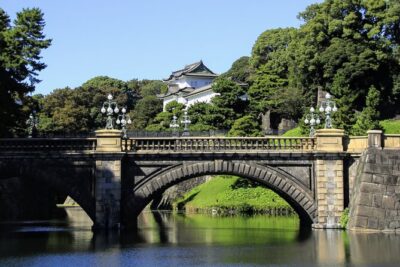 ★ 5.01-Day Tokyo Bus TourFrom $12914,250 reviews
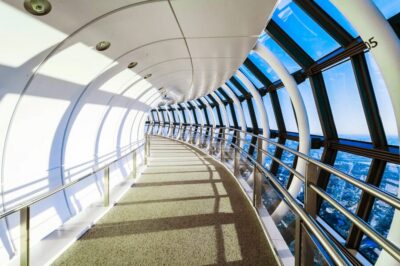 ★ 4.5TOKYO SKYTREE® Admission ticketFrom $1311,192 reviews
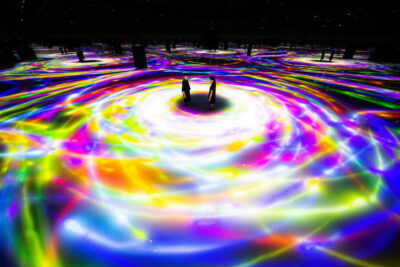 ★ 4.6teamLab Planets TOKYO Digital Art Museum Entry TicketFrom $259,779 reviews
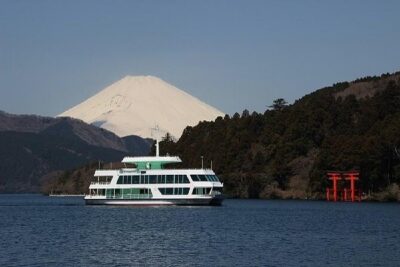 ★ 4.0Mt Fuji & Hakone Cruise, Drum Show Bullet Train 1 Day from TokyoFrom $1497,413 reviews
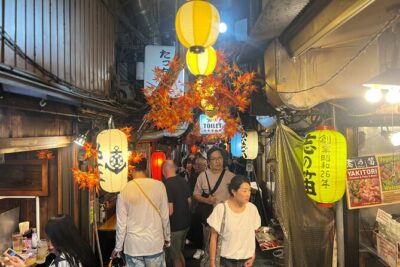 ★ 5.0Shinjuku Food Tour (13 Dishes at 4 Local Eateries)From $866,603 reviews
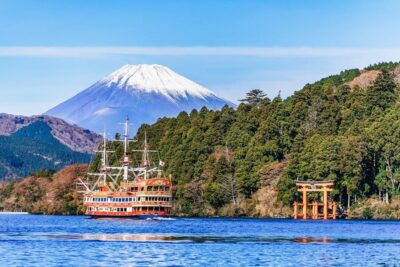 ★ 4.4Tokyo Mt Fuji 5th St & Hakone Cruise Bus Tour w/Bullet TrainFrom $1545,024 reviews
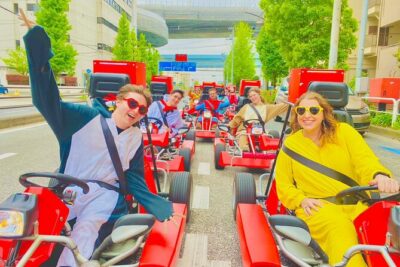 ★ 5.0Flagship 2-Hours Official Street Go-Kart Tour – Tokyo Bay ShopFrom $644,974 reviews
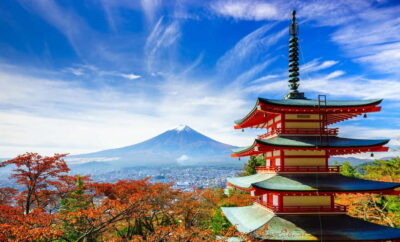 ★ 4.5From Tokyo: Mount Fuji Full-Day Sightseeing TripFrom $684,970 reviews
This tour also belongs to