
Review · KAMAKURA DAY TRIPS
Private Kamakura Early Morning Tour (Tokyo Departure Available)
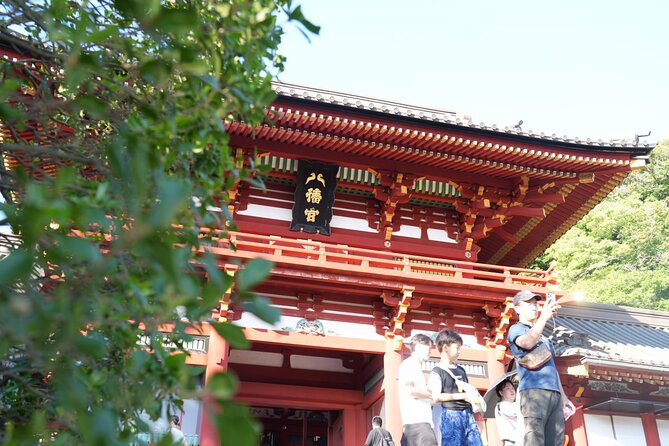
Kamakura feels calmer at dawn. This early-morning private-style tour from Tokyo is built around small groups and a tight route that hits the big spiritual sights without wasting your day. I especially like the combination of an English-speaking local student guide and a day plan that keeps you moving, even when temple lines start forming. The main thing to plan for is that admission tickets and food are not included, and some stops involve walking on uneven ground.
You’ll get a peaceful slice of medieval Japan, but with modern ease: max 8 people, a guided pacing strategy, and a mobile ticket. If you choose the Tokyo Station departure option, the transportation fee to Kamakura is included, but the tour ends in Kamakura, not Tokyo. That matters, because you’ll want a plan for the trip back.
This is a great match if you like early starts, walking, and learning the real stories behind famous places. You’ll also get that bonus feeling that you are not just rushing from photo spot to photo spot. One recent example: a guide named Hana helped someone who was a bit lost at Tokyo Station, and got them lined up quickly.
Key highlights from this Kamakura early morning plan
- Small group size (max 8) for a calmer pace and more personal explanations
- English-speaking local student guides who make the sites feel human, not just historical
- Coast views at Hasedera from a hillside temple setting
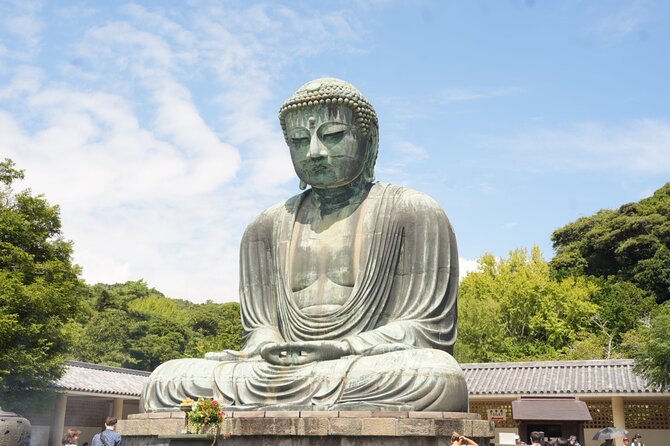
- Kotoku-in Great Buddha experience focused on the massive 11-meter Daibutsu
- Hōkokuji Bamboo Temple with a quiet grove that changes the mood fast
- Tsurugaoka Hachimangū connected to samurai-era origins, including Minamoto no Yoritomo
Kamakura at First Light From Tokyo Station
Kamakura works best early. Temples and shrines are already active by late morning, but the morning hours help you actually hear what the place is about, instead of just moving through crowds. This tour is designed around that idea, with a roughly 6-hour route that starts in the morning and keeps the order logical.
The logistics are also refreshingly straightforward. You meet at Kamakura Station (1-chōme-1-15 Onarimachi, Kamakura), and you get an English-speaking guide who handles the flow between sites. If you pick the Tokyo Station departure option, you get the transportation fee from Tokyo to Kamakura included. The key detail is that the tour ends at Kamakura, so the ride back to Tokyo is not automatically part of the package.
That one-way setup can be good value. You get to spend the time in Kamakura, not on a long return schedule. You’ll just want to think ahead: either you stay in Kamakura a bit longer, or you line up your own trip back after the tour ends.
One more practical bonus: the operator runs the experience under GuideMe Japan, and they share visual examples on Instagram (at @guidemejapan). If you like planning with your eyes first, that can help you see how the route feels in real life.
You can also read our reviews of more private tours in Tokyo
Stop 1: Hasedera Temple, Coast Views and Kannon on the Hillside
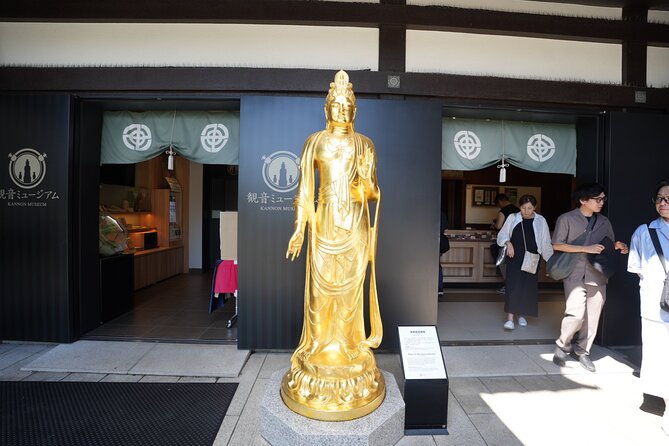
Hasedera Temple is famous for two things you can feel immediately. First, it sits high on a hillside, so it gives you that dramatic coastline viewpoint that is hard to recreate elsewhere. Second, Hasedera is known for an 11-headed statue of Kannon, the goddess of mercy. Even if you do not know the religious details, you’ll recognize the significance because the guide will explain what you’re looking at and why this kind of devotional art matters.
Expect a scenic, partly uphill walking experience. The temple is tranquil, but the terrain means you should wear shoes with good grip. This is where the tour’s “moderate physical fitness” note becomes real. If your feet are the weak link, plan your pace and take breaks when you need them. The good news is that this tour includes time at the stop (about 1 hour), so you are not getting yanked through in a rush.
A drawback to keep in mind: admission is not included. That means you should either budget for the entry fee or wait until you arrive to buy tickets on-site. Either way, do not assume the $54.87 covers everything besides the guide and the included transportation.
The payoff is worth it. If you want one stop that feels like a postcard without being generic, Hasedera delivers. The coast view gives you that “Kamakura is not Tokyo” perspective, and the Kannon statue anchors the stop in something meaningful.
Stop 2: Kotoku-in Great Buddha, What Makes the Daibutsu Special
Then you head to Kotoku-in, home of the Great Buddha of Kamakura, also called the Daibutsu. This is the kind of site that is hard to exaggerate. The bronze statue is massive, standing over 11 meters tall, and that scale changes how you experience it. Up close, you stop thinking in words and just start noticing details.
The tour gives you about 1 hour at Kotoku-in. In that time, the guide helps you look beyond the obvious. You’ll learn why the statue is famous and what its age signals about Kamakura’s temple culture. The Great Buddha dates back to the 13th century, which places it firmly in medieval Japan, not as a recent “wow for tourists” construction.
Admission is not included here either, so budget for the entry ticket if one is required when you go. Also, because this is such an iconic site, you may see crowds at peak times. The early morning timing helps, but it is still a famous destination.
What I like about this stop on the tour is how direct it is. There is less “route sightseeing” and more “stand and take it in.” If you are tired of long temple-hopping that feels like checkmarks, this one gives you a moment of stillness and awe.
Practical tip: bring a lens cloth or at least be ready for smudges. Bronze and outdoor exhibits can collect dust fast, and photos will look better when you take 10 seconds to clean before shooting.
Stop 3: Hōkokuji Bamboo Temple and a Calm That Hits Fast
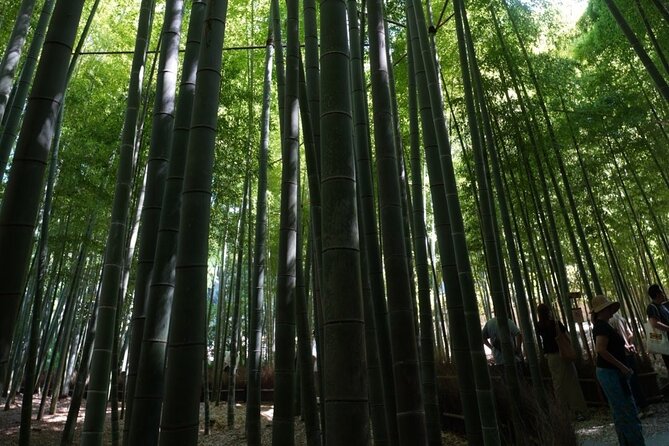
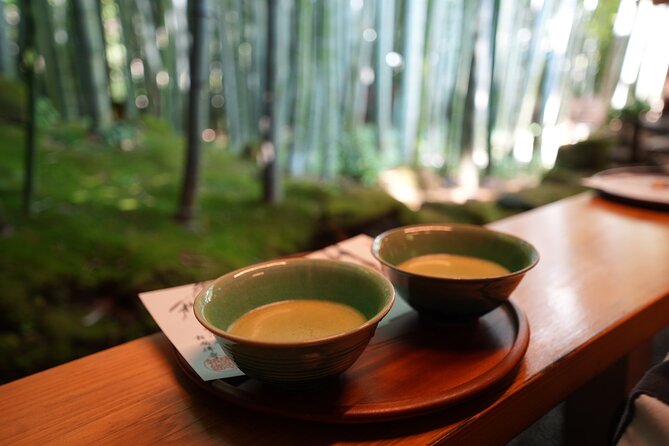
Next comes Hōkokuji, often called the Bamboo Temple. The reason is simple: you walk into a temple experience dominated by a grove of towering bamboo stalks. The mood shift is the whole point. One minute you’re in the public flow of Kamakura, the next you’re in a quieter pocket where the air feels different and your attention slows down.
You get about 1 hour here, which is a sweet spot. Long enough to wander, but not so long that you start dragging. Admission is also not included, so keep your budget flexible.
The bamboo setting is beautiful, but it is also useful for your trip rhythm. After Hasedera’s hillside and Kotoku-in’s big icon moment, Hōkokuji resets your senses. This makes the rest of the morning feel smoother, especially when you still have one major stop after this.
If you are the type who likes silence, you’ll appreciate that this grove is not just for photos. The guide’s explanations help you connect the bamboo to the Zen temple setting, so it does not become a quick scenic walk. It stays a meaningful visit.
One consideration: bamboo groves can feel darker and cooler than the open areas outside. If you are sensitive to temperature swings, consider bringing a light layer.
Stop 4: Tsurugaoka Hachimangū Shrine and the Samurai-Era Story
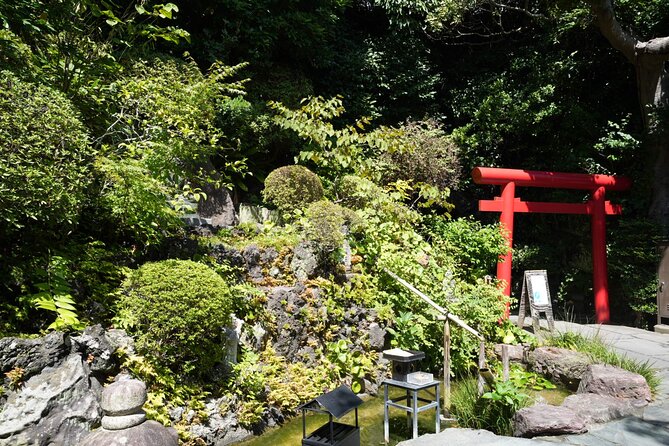
Tsurugaoka Hachimangū is Kamakura’s most important Shinto shrine, and it is the emotional center for the city’s samurai connection. This is not just another temple name. The shrine is tied to Minamoto no Yoritomo, the first shogun, and that connection is what gives the morning its historical backbone.
You’ll get about 1 hour at this stop. The guide will point out the shrine’s significance and help you connect the setting to the broader story of Kamakura’s political role in medieval Japan. Even if you only remember one person from the trip, Yoritomo is worth anchoring to, because it connects the shrine to the city’s identity.
Admission is not included here either. Depending on current rules at the shrine, you might still need an entry ticket for certain areas, so treat admissions as a separate small cost you should expect for most stops on this route.
What makes Tsurugaoka Hachimangū work well on an early morning tour is contrast. You start with coastal hillside calm, move to the towering Great Buddha, then to bamboo quiet, and end with a shrine that brings the samurai story back into focus. By the time you arrive, you are primed to notice symbols and to listen for meaning.
If you like architecture and processions, this is a strong finisher. If you want pure scenic walking, it still delivers, but it is more “cultural wayfinding” than pure nature.
More Tokyo tours and experiences for the shortlist

Price and Logistics for a One-Way Tokyo to Kamakura Morning
At $54.87 per person, this tour has a clear value angle: you pay for the guide and the transportation to Kamakura (if you choose the Tokyo Station departure option). You do not pay for admissions or food. That can actually be a good thing, because it gives you control. You can decide how much you want to spend on meals based on your tastes and energy level.
Let’s break down the costs you should anticipate beyond the tour price:
- Temple and shrine admissions are not included
- Food and drinks are not included
- You may want local snacks for the morning, especially because you are doing multiple stops
So where is the value? It is in how efficiently the route is arranged and how much context the guide provides. A max group of 8 means you spend less time negotiating for attention, and more time getting clear explanations while you’re standing in the right place. That is the part that often turns a rushed itinerary into an actually satisfying half-day.
Transportation is also partially included, and the detail matters. Tokyo Station departure covers the ride to Kamakura, but the tour ends in Kamakura. You can then choose whether you want to stay longer in Kamakura or go back to Tokyo with help from the guide. That flexibility is useful, especially if you want to add a late lunch or a short walk around town before heading back.
Timing wise, plan for a moderate walking pace over about 6 hours. It is not a grueling hike, but it is not a sit-all-day museum outing either. Comfortable shoes are not optional if you want to enjoy the experience.
Should you book this Kamakura early morning tour?
Book it if you want a focused Kamakura day without the stress of planning every connection yourself. This is a strong choice for first-timers who want the core highlights: Hasedera, the Great Buddha at Kotoku-in, the bamboo grove of Hōkokuji, and Tsurugaoka Hachimangū. It is also a good match if you like small groups, because max 8 makes the experience feel more like a shared morning with someone who knows the route.
Skip it, or at least think twice, if you want everything fully included. Admissions and food are not part of the price, so you should be comfortable paying a little extra on the day. Also, the tour ends in Kamakura, so you need to be ready with your return plan.
If you like early starts, this tour makes the morning count. And if you want a guide who can help you navigate the sites in plain English, this one is set up for that.
FAQ
How long is the Kamakura early morning tour from Tokyo?
It runs for about 6 hours.
Is the tour private?
It is a private tour, and only your group participates. The group size is capped at a maximum of 8 guests.
Where does the tour start and end?
The start and end are at Kamakura Station (1-chōme-1-15 Onarimachi, Kamakura, Kanagawa 248-0012, Japan).
Does the price include transportation from Tokyo?
If you book the Tokyo Station Departure option, the transportation fee from Tokyo to Kamakura is included. The tour ends in Kamakura, so return transportation is not included.
Are admission tickets to temples and shrines included?
No. Admission tickets are not included for the stops listed.
Are food and drinks included?
No. Food and drinks are not included.
What is the tour like in terms of walking and fitness?
You should have a moderate physical fitness level, since you will be walking at multiple sites.
Does the tour use mobile tickets?
Yes, it includes a mobile ticket.
Is free cancellation available?
Yes. You can cancel for a full refund up to 24 hours in advance of the experience start time.
More Private Tours in Tokyo
More Tours in Tokyo





More Tour Reviews in Tokyo


Not for you? Here's more nearby things to do in Tokyo we have reviewed












Kamakura Day Trips, side by side.
 ★ 4.5Kamakura & Enoshima Day Trip including Temple TicketsFrom $581,375 reviews
 ★ 4.5Mt. Fuji, Kamakura, Big Buddha, & Lake Ashi Day TripFrom $49867 reviews
 ★ 4.5From Tokyo: Kamakura & Enoshima 1-Day Bus TourFrom $66189 reviews
 ★ 5.0Kamakura Historical Walking Tour with the Great BuddhaFrom $98129 reviews
 ★ 5.0Kamakura Private Tour: Temples, Nature, and the Great BuddhaFrom $98121 reviews
 ★ 5.0Kamakura Walking Tour – The City of ShogunFrom $35100 reviews
 ★ 5.0Kamakura 8 hr Private Walking Tour with Licensed Guide from TokyoFrom $20180 reviews
 ★ 4.1Kamakura & Enoshima Day Tour with Pickup & Train RideFrom $1361 reviews
This tour also belongs to