
Review · TOKYO CITY TOURS
Private Walking Tour: The Little Kyoto of Tokyo, Kagurazaka
Kagurazaka feels like Tokyo’s time machine. On this private walking tour, you’ll move through cobblestone lanes and old wooden fences tied to the early Edo period, plus shrines and temple stops that explain why this neighborhood is nicknamed the Little Kyoto of Tokyo.
I especially like how the route blends real everyday streets with major historical anchors, so you don’t just see sights, you understand the setting. I also like that you get a multilingual local guide and a private format, which makes it easier to ask questions and go at a comfortable pace.
One possible drawback: it’s only about 2 hours, so if you want long temple time or extra shopping breaks, you’ll need to budget some added personal time before or after the tour.
Key highlights you will feel on this walk
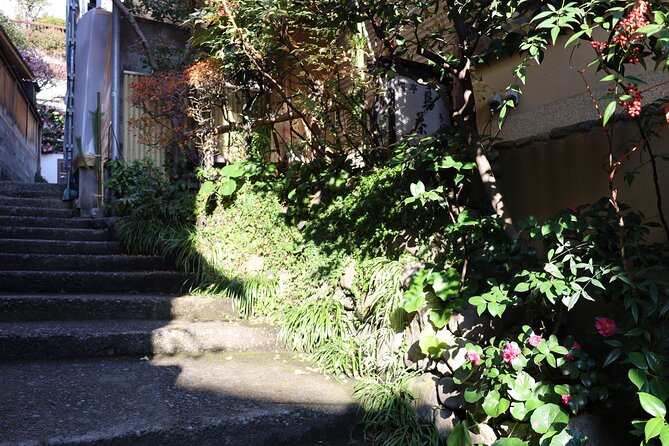
- Little Kyoto style streets: cobblestones, black wooden fences, and a calmer pace than most central Tokyo areas
- Edo-era connections from 1636: Kagurazaka’s street history links back to Tokugawa Iemitsu
- Free-entry stops on the route: shrines and a major temple listed with free admission
- AKOMEYA TOKYO in la kagū, by Kengo Kuma: a warehouse renovation turned food and ingredient shopping stop
- A private tour that actually stays flexible: your group only, with a guide who can answer questions
Kagurazaka in two hours: a quieter Tokyo with Kyoto vibes
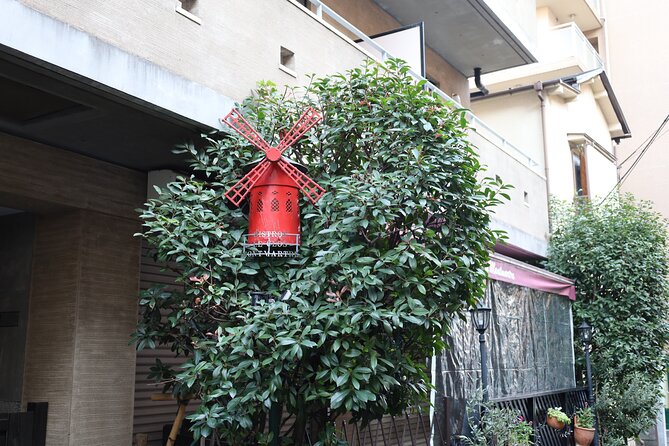
Kagurazaka is one of those neighborhoods where the street layout does half the work for you. You walk on cobblestones, pass black wooden fences, and the whole area feels like it’s trying to stay peaceful even though it’s surrounded by Tokyo’s motion.
What makes this “Little Kyoto” idea work is the mix. You’re not dealing with a staged theme park version of old Japan. Instead, you’re walking through a real neighborhood where you can see layers, from shrine and temple spaces to small shopping lanes and residential streets.
Over the course of the tour, you’ll likely notice a thread: Kagurazaka is tied to the Tokugawa era, yet it still operates like a living neighborhood. That’s why it works so well for visitors who want something different from the usual big-ticket Tokyo circuits.
You can also read our reviews of more walking tours in Tokyo


Price and value: what you’re really paying for at $104.05
The price is $104.05 per person for a tour that runs about 2 hours. That sounds simple, but value here comes from the mix of private guidance and the number of meaningful stops packed into the route.
You’re not paying for a single attraction. You’re paying for a guide to connect the dots between street history, religious sites, and food culture, including a high-end ingredient and rice-focused shop stop. Also, the tour is listed as using a mobile ticket, which tends to make check-in smoother and less stressful while you’re already navigating stations.
There’s also mention of group discounts, which matters if you’re traveling as a small party. If you’re two to four people, the per-person cost can feel more reasonable because you’re splitting the “private guide” value across a group.
The only clear “watch-out” on value: the tour is short, and the route doesn’t include snacks. If you want to sample sweets or small bites along the way, plan to pay for those yourself.
Where you start and finish, and why it changes your day
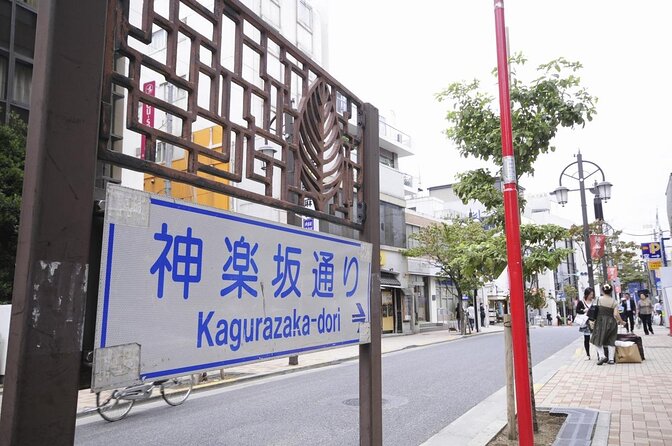
The tour starts at Kagurazaka Sta. Yaraicho in Shinjuku and ends at Iidabashi Station, West Exit. That matters because it can help you shape the rest of your day without backtracking.
You’re also close to public transportation, so you can usually connect to other Tokyo plans without too much fuss. The end point at Iidabashi is handy if you’re heading toward central areas later, and it gives you a clean “tour chapter” without dragging the experience out.
Time-wise, the tour is about 2 hours. On a day where you’re also doing big attractions, that’s a plus. You get an older-feeling neighborhood experience without sacrificing an entire afternoon.
Stop 1: AKOMEYA TOKYO in la kagū and why food stores can teach culture
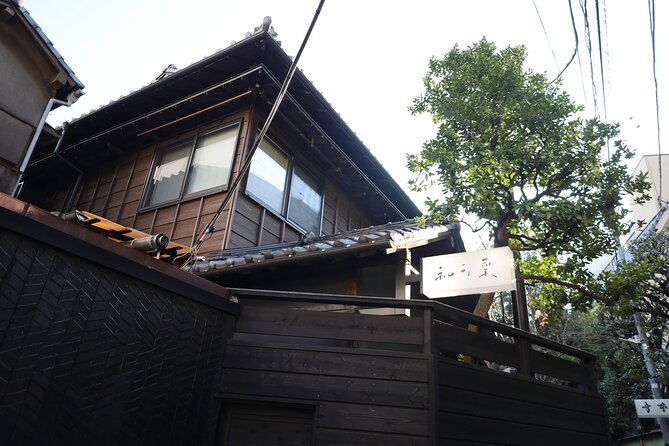
Your first stop is AKOMEYA TOKYO in la kagū, a commercial facility renovated by architect Kengo Kuma from a warehouse of Shinchosha Publishing Co. Even if you don’t buy much, this place is worth a quick look because it frames Japanese food culture in a visual way.
The shop focuses on high-quality items like rice, dashi, and seasonings. That’s not random retail talk. On a neighborhood tour, it’s a shortcut into how people think about cooking, flavor, and everyday ingredients.
If you like practical souvenirs, this is the kind of store where you can pick up something small that still feels useful. Rice-related products and seasonings can travel better than fresh food, and they’re a real reminder of the cultural theme of your walk.
One consideration: it’s a shopping stop. If you’re not interested in stores, keep your expectations light here. Spend the time you need to understand what it is, then move on.
Stop 2: Akagi Shrine, a relocation story tied to migration
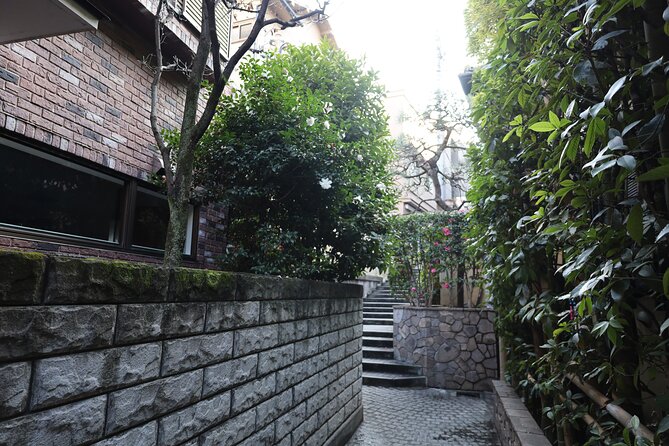
Next up is Akagi Shrine. The shrine is connected to Ohgoshi Hikotaro Shigeharu, who migrated from the foot of Mount Akagi in Gunma in 1300. The shrine was later relocated to its current location in 1555, so the site carries a sense of movement and change.
That timeline matters for how you read the neighborhood. You’re not only seeing Edo-era vibes. You’re seeing how earlier roots carried forward, then adjusted over time to where the community needed them.
This stop is also listed as free admission, so you can treat it like a quiet pause on the walk rather than a paid “must-see.” When you’re in Japan, these kinds of shrines are also good places to slow down, look at details, and reset your attention.
A gentle reminder: shrine etiquette still matters. Keep voices low, watch your footing on paths around the grounds, and let your guide handle any specific do’s and don’ts for your group.
You can also read our reviews of more private tours in Tokyo

Stop 3: Zenkoku-ji Temple and Bishamonten’s national protection role
The tour then heads to Zenkoku-ji Temple, specifically linked with Bishamonten. The information here is vivid: it says Bishamonten was established in 1595 in Nihonbashi Bakurocho under orders from Tokugawa Ieyasu, the first shogun of the Edo shogunate, to protect the nation.
After that, the entry notes that fires occurred and the temple went through changes, with rebuilding and later developments. Even if you don’t memorize every date, the point of the stop is clear: religious spaces were tied to state thinking, not just local worship.
For you, this is the moment where Kagurazaka’s “Little Kyoto” feeling becomes more than aesthetics. You start understanding how power, religion, and the idea of protection all shaped what people built and where.
Like the other stops, this is listed as free admission, so you’ll feel less pressure and more freedom to simply watch and listen.
Stop 4: Tsukudo Hachiman Shrine and Saicho-linked Amitabha
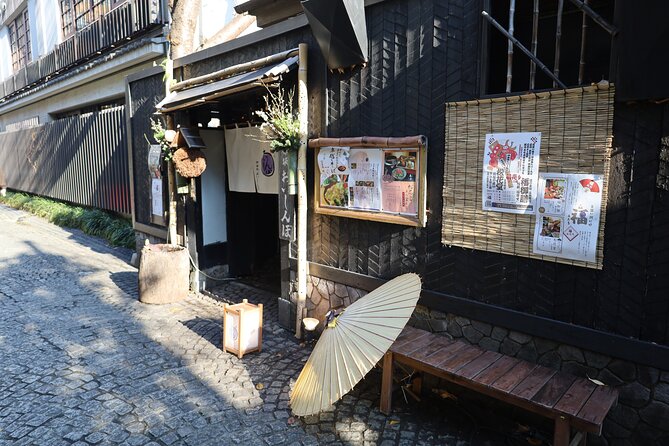
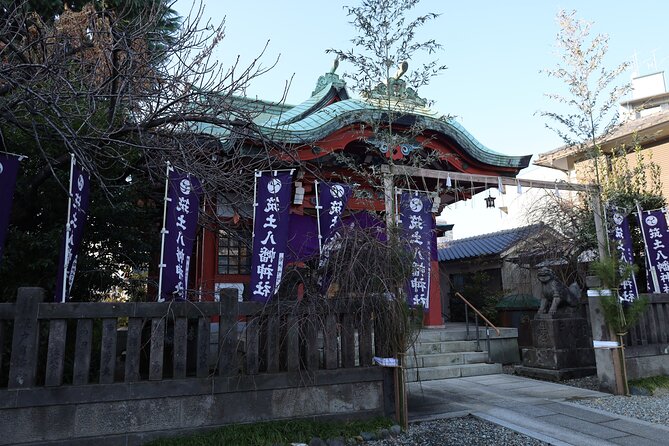
After Zenkoku-ji, you’ll visit Tsukudo Hachiman Shrine. It’s described as very old, believed to have been established about 1200 years ago.
The most interesting detail here is religious cross-connection: the description says a statue of Amitabha Buddha is enshrined in a small shrine, and the statue was carved by Saicho. Saicho is linked to Japanese Tendai Buddhism, so this stop gives you a glimpse of how different strands of belief can coexist at a single location.
This can be a “pause with meaning” stop. Hachiman shrines are often associated with protection and guardianship, and adding Amitabha and Saicho to the story makes the religious landscape feel more interconnected than you might expect.
Admission here is also listed as free, which is a nice perk when you’re paying for a guided tour mainly for the interpretation and route design.
Stop 5: Remains of Ushigome Gate, the Edo Castle outer moat story
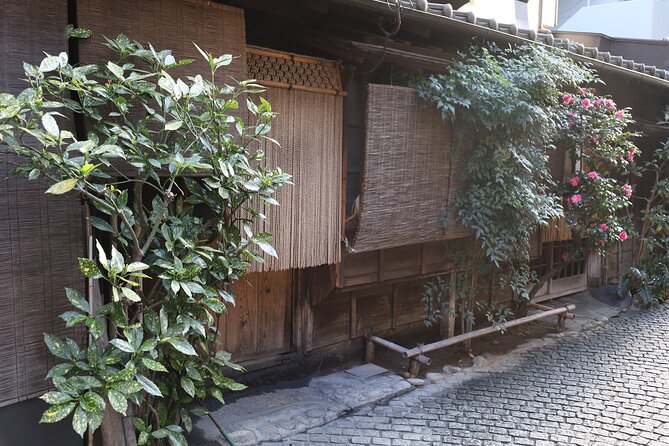
The final sight focus is the remains of Ushigome Gate, located in the outer moat of Edo Castle. The information says it was constructed in 1636, which lines up with the broader theme of Kagurazaka’s street origins tied to the Tokugawa era.
You’ll be looking at stone walls that remain from a structure that was once massive. This kind of stop is great because it turns “history in words” into something physical. Instead of just hearing dates, you can see scale in the leftover structure.
It also reinforces why the neighborhood feels special. Kagurazaka isn’t only about traditional lanes. It’s also about how Edo-era infrastructure influenced movement, boundaries, and what grew up around those zones.
Again, the stop is listed as free admission, but the value is the guide’s framing, helping you connect the gate remains to the idea that Kagurazaka’s street was constructed in 1636 and shaped by the shogunate.
The walk itself: cobblestones, heart-shaped stones, and the chance of geisha sightings
The itinerary isn’t just about five “pin” stops. The experience is built around walking Kagurazaka’s street network, including the cobblestone paths that define the neighborhood feel.
The tour description also points to small visual details like heart-shaped stones and the possibility of encountering geisha. You should treat that as a maybe, not a guarantee. Tokyo is always evolving, and sightings depend on time of day and chance.
That said, what I like about the emphasis on these details is that they push you to look around. You’re encouraged to slow down, notice textures, and watch the mix of older architecture with daily life.
You also get a sense that Kagurazaka connects to samurai culture, shrines and temples, and even Japanese modern literature mentioned as part of what the guide covers. In practical terms, that means the walk helps you build a story of the neighborhood, not just a list of landmarks.
Private format and multilingual guidance: why it changes how you experience the neighborhood
This is a private walking tour, so only your group participates. That matters for two reasons.
First, you can ask questions without waiting for a larger group to catch up. Second, the guide can adjust pacing, so you spend time where you’re curious instead of rushing to keep the schedule for others.
The guide is listed as multilingual, including English, French, German, and Spanish. That’s a big deal because Kagurazaka is full of small symbolism and layered context. If you can understand the explanation clearly, you get much more out of each stop.
The tour is also described as having been booked around 5 days in advance on average. That suggests it’s popular enough to plan ahead, especially if you’re traveling during busy weeks.
Practical tips so the two hours feel smooth
Keep your footwear solid. The walk includes cobblestone paths, and that can get slippery or uneven depending on conditions. Comfortable shoes are your best “ticket” for enjoying the pace.
Bring a little cash or a card for snacks if you want them. The tour description makes it clear snacks are not included, but it points to local treats like traditional Japanese sweets, doughnuts, tofu desserts, and items from butcher shops such as croquettes.
Plan your expectations around food shopping. The AKOMEYA stop is a store focused on rice and seasonings, so if you only want sightseeing, you might feel the time is more retail-heavy. If you like ingredients and cooking culture, it’s a fun place to browse.
Also, remember the tour uses a mobile ticket and you’ll be moving between two stations. Before you go, check the meeting point at Kagurazaka Sta. Yaraicho and confirm how you’ll reach it from where you’re staying.
Who should book this Kagurazaka tour
This tour fits best if you want a short, well-planned walk that mixes old Tokyo with real neighborhood flavor. It’s ideal for people who like history but don’t want museums, and for anyone who enjoys religious architecture and the stories behind it.
It’s also a good choice if you like food culture and appreciate ingredient-focused places like AKOMEYA TOKYO in la kagū. If you love geisha district neighborhoods, you’ll likely enjoy the atmosphere, even if sightings are not guaranteed.
If you’re the type who needs a longer itinerary with extended time in each place, you may find 2 hours a bit tight. In that case, use this as your foundation walk, then add extra time on your own.
Should you book this private Little Kyoto walk?
If you want a calm Tokyo neighborhood experience with strong historical context, I think this is a smart booking. You get a private guide, a route that concentrates several meaningful stops, and the chance to experience Kagurazaka at a walking pace instead of a rushing checklist.
Book it if:
- you want Kagurazaka street culture plus shrines and temple context
- you prefer a 2-hour plan that doesn’t eat your whole day
- you like browsing thoughtful food and ingredient shops
Skip it, or plan extra time, if:
- you want snacks included or a full food tasting program
- you want long visits inside each religious site
- you need a longer itinerary to satisfy your pacing style
If you’re visiting Tokyo for the first time or you’ve already done the big-ticket items, this is the kind of tour that makes your day feel different without making it complicated.
FAQ
How long is the Kagurazaka private walking tour?
The tour lasts about 2 hours.
Where does the tour start and where does it end?
It starts at Kagurazaka Sta. Yaraicho, Shinjuku City, Tokyo 162-0805, and ends at Iidabashi Station, West Exit.
Is this tour private or shared?
This is a private tour/activity, so only your group participates.
What languages are available for the guide?
The tour includes a multilingual local guide in English, French, German, and Spanish.
Is admission included for the stops?
The listed stops show free admission ticket entries for each site on the route.
Does the tour include snacks?
No, snacks are not included. The description suggests you can enjoy local delicacies on your own, such as traditional sweets, doughnuts, tofu desserts, and croquettes.
How do I get the tour ticket?
The experience includes a mobile ticket.
When will I receive confirmation after booking?
Confirmation is received within 48 hours of booking, subject to availability.
Can I cancel and get a refund?
No. The experience is non-refundable and cannot be changed for any reason.
Is it near public transportation, and is it accessible for most people?
It’s near public transportation, and it states that most travelers can participate. Service animals are allowed.
More Walking Tours in Tokyo


More Tours in Tokyo






More Tour Reviews in Tokyo


Not for you? Here's more nearby things to do in Tokyo we have reviewed












Tokyo City Tours, side by side.
 ★ 5.01-Day Tokyo Bus TourFrom $12914,250 reviews
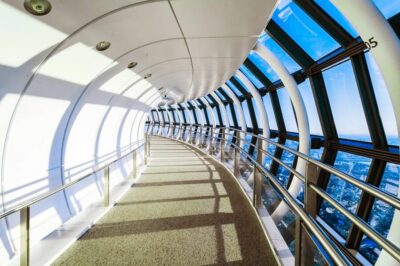 ★ 4.5TOKYO SKYTREE® Admission ticketFrom $1311,192 reviews
 ★ 4.6teamLab Planets TOKYO Digital Art Museum Entry TicketFrom $259,779 reviews
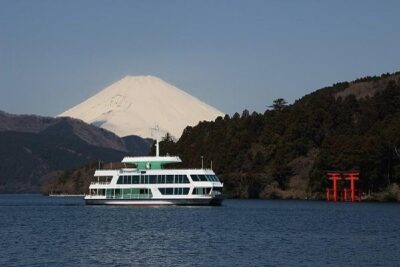 ★ 4.0Mt Fuji & Hakone Cruise, Drum Show Bullet Train 1 Day from TokyoFrom $1497,413 reviews
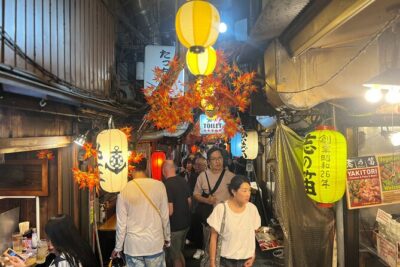 ★ 5.0Shinjuku Food Tour (13 Dishes at 4 Local Eateries)From $866,603 reviews
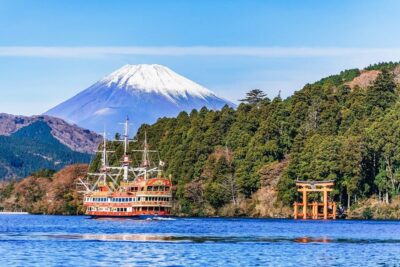 ★ 4.4Tokyo Mt Fuji 5th St & Hakone Cruise Bus Tour w/Bullet TrainFrom $1545,024 reviews
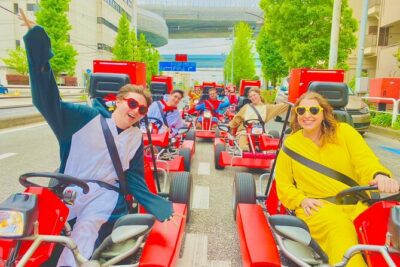 ★ 5.0Flagship 2-Hours Official Street Go-Kart Tour – Tokyo Bay ShopFrom $644,974 reviews
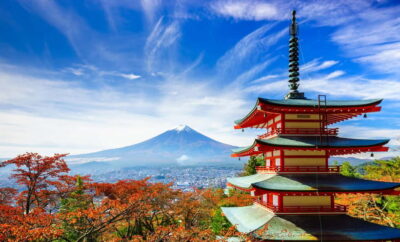 ★ 4.5From Tokyo: Mount Fuji Full-Day Sightseeing TripFrom $684,970 reviews
This tour also belongs to