
Review · TOKYO CITY TOURS
The Old Quarter of Tokyo – Yanaka Walking Tour
Old Tokyo is still here, if you know where to look. This Yanaka walking tour takes you on foot through temples and neighborhood lanes, with stories that make Japanese religion and daily life feel personal, not academic. I especially loved the small-group pace and the way the guide kept pointing out details I would have missed if I’d wandered alone.
Two things I like a lot: you get meaningful cultural context at each stop, and you also have breaks built in, like the stop at Ueno-Sakuragi Atari. One consideration: this is a walking tour in a residential area, so it can feel quieter and more contemplative than Tokyo’s big-ticket sights, and some sites mark tickets as not included.
Quick hits on the Yanaka walk
- Small-group comfort: up to 10 people, so questions actually get answered.
- Real neighborhood route: you’re not just hopping between famous landmarks.
- Temple and shrine contrasts: Buddhist and Shinto sites side by side.
- Yanaka Cemetery customs: a chance to understand local mourning etiquette.
- Photo-friendly stops: from torii gates to old wooden streets.
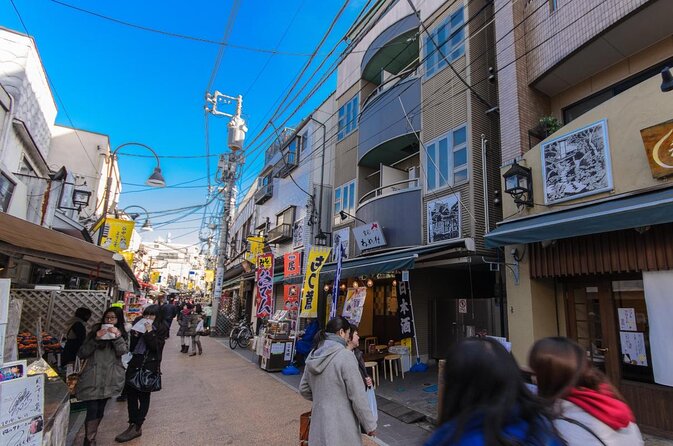
- End at Yanaka Ginza: a practical finish where you can snack and shop.
Why Yanaka feels like old Tokyo, not a museum
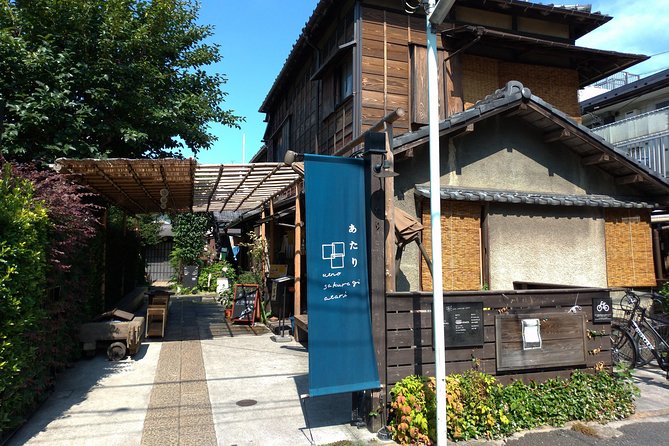
Yanaka is the kind of place that makes Tokyo feel human. Instead of the usual skyline and neon, you get wooden homes, side streets, and religious spaces where people still behave with everyday rhythm.
The tour’s focus is also a gift: it ties sights to story. When you learn what a temple was built to do, or what visitors are expected to do at a shrine, the area starts to make sense as a living part of the city, not a set-piece for photos.
You can also read our reviews of more walking tours in Tokyo


Starting at Nippori, ending at Yanaka Ginza (and how the 3 hours flow)
You meet at Nippori Station, specifically at 2 Chome-19 Nishinippori in Arakawa City. The walk runs about 3 hours and finishes at Yanaka Ginza in Yanaka, Taito City.
Group size is capped at 10 travelers, which matters because the route includes lots of small observations. You’ll get time at each stop rather than feeling rushed from one location to the next.
Also, it’s a mobile-ticket tour. That helps in Tokyo, where you do not want to hunt for paper in the middle of a busy station.
Tennoji Temple and the Yanaka Buddha from 1690
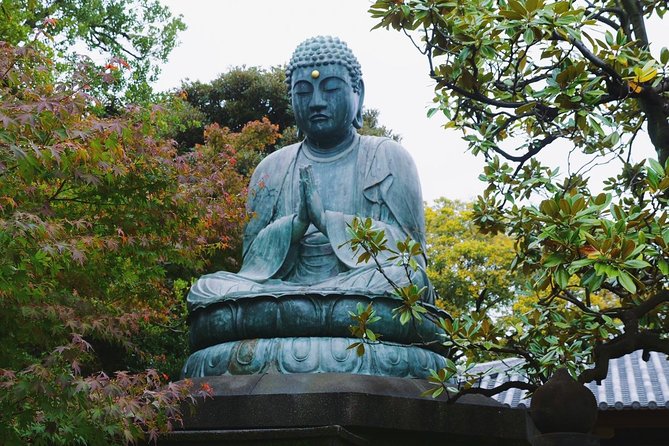
Tennoji Temple is where the tour gets its historical footing. You’ll see the Yanaka Buddha, created in 1690, and you’ll hear how the temple’s story connects to Japanese religious thinking.
This is the kind of stop that sets your frame of mind for the rest of the walk. Once you understand what people came here for, the cemetery, shrine etiquette, and the other religious sites stop feeling random. They feel like parts of one big cultural system.
Good news for logistics: the stop lists free admission.
Yanaka Cemetery: a respectful look at customs and everyday meaning
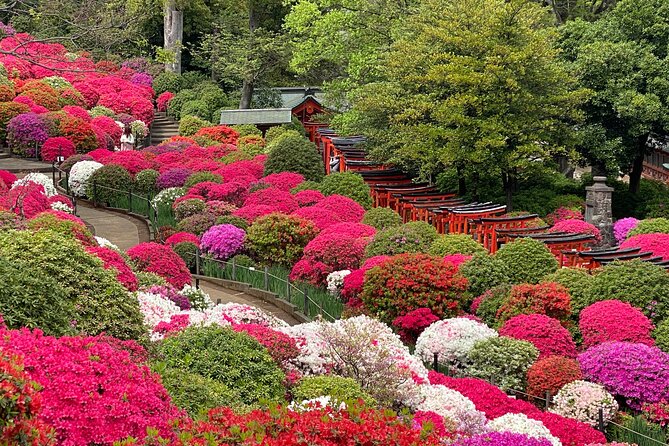
Then you head into Yanaka Cemetery. This is not a scary or theatrical stop. You’re there to understand what a Japanese cemetery is like and the customs locals follow.
That matters because cemeteries often look confusing when you don’t have context. Here, the focus is on how people show respect and how the space operates as part of community life.
Admission is listed as free, so you’re paying for the guide’s context, not an entry fee.
Practical note: bring your attention, not just your camera. This stop rewards quiet observation.
Ueno-Sakuragi Atari: the break inside renovated 80-year-old houses
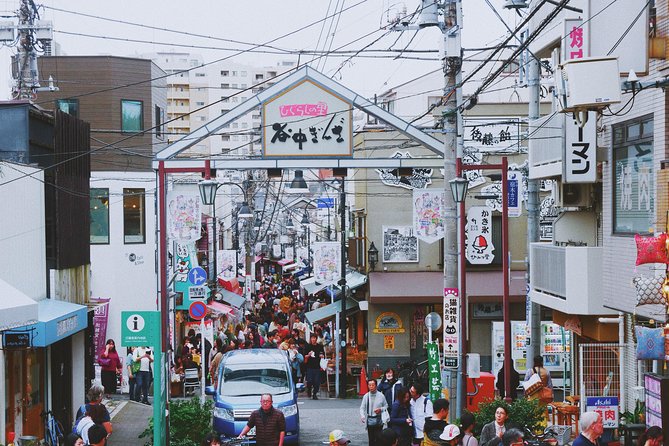
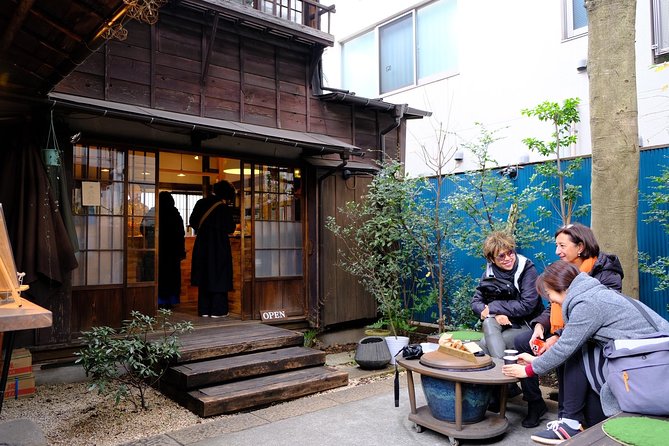
Next comes a change of pace at Ueno-Sakuragi Atari. It’s a community-style break located in renovated 80-year-old wooden houses, now used as a cafe, bakery, and a beer hall.
You’ll get about 15 minutes here. It’s short, but it’s a smart pause, especially during Tokyo walking days. The tour format keeps you moving, then lets you breathe before the next temple and shrine stops.
Admissions here are marked as not included, and food and drinks are also not included in the tour price. Still, this stop is valuable because it shows how older structures can stay useful, not frozen in time.


The cyder tree symbol and Enju-ji’s legs-of-strength wishes
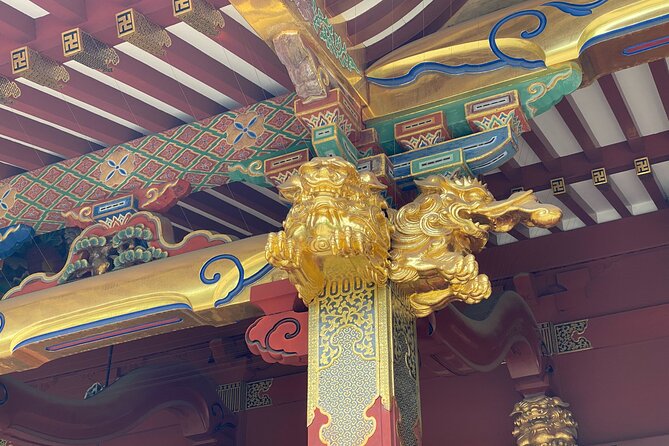
A key Yanaka landmark is a 100-year-old cyder tree, described as a symbol of the neighborhood. It’s the kind of moment that slows you down for a second, even if you’re moving quickly the rest of the time.
After that, you reach Enju-ji Temple. The tour highlights that this is not a typical “Buddha God” stop. Instead, Enju-ji enshrines a god of strong legs. You’ll see wooden boards with wishes written by people dealing with foot problems.
This is one of the most human-feeling parts of the walk. You’re not just looking at architecture or worship halls. You’re seeing what people hope for, and how that hope is recorded on simple boards.
Admission is listed as not included for Enju-ji, so keep a little flexibility in your budget if the site requires a fee.
Nezu Shrine’s red torii gates, shrine etiquette, and photos that actually work
Nezu Shrine is where Yanaka turns photogenic without feeling staged. You’ll see many red torii gates, compared to the torii-lined feel people associate with Fushimi Inari in Kyoto.
You’ll also have time to learn shrine etiquette. That’s more than “be quiet.” It helps you understand what to do with your hands, how to behave while passing areas of worship, and how not to treat the shrine as a theme park backdrop.
This stop runs about 20 minutes, with free admission listed. That combination is a win in Tokyo: enough time to see the gates well and still keep the walk flowing.
Bring something for shade if it’s sunny. One review noted a hot and humid day around 35 degrees, and comfort matters on a three-hour route.
Hebimichi back street life and Yanaka Ginza snacks at the finish
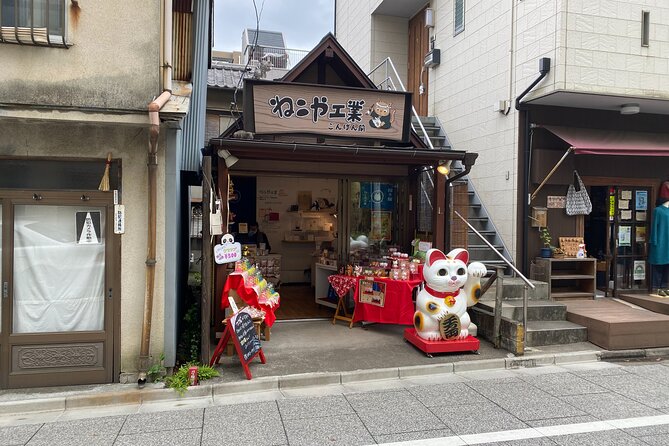
After the shrines, you’ll step into Hebimichi, a back street in the residential area. This is where you get a close look at daily life rather than just monuments. It’s also one of the best parts for people who want Tokyo that feels normal, not curated.
Then you finish at Yanaka Ginza Shopping Street. The guide explains the shopping street and where to look for typical everyday shops. You can try local foods and sweets, but food fees are not included in the tour price.
This ending is practical. Many walking tours end nowhere useful, or at a train entrance with no reason to stay. Here, you’re put near a place where you can naturally continue your evening.
Guides, small-group energy, and why names matter here
The tour is led by an English-speaking local expert, and the guide quality is a big reason this works. In the groups highlighted, guides like Polina, Aya, Junko, Mami, Rei, Kiyo, Mei, and Mommi repeatedly showed the same pattern: clear explanations, good pacing, and lots of room for questions.
One guide, Aya, used laminated photos to help connect the stories to what you were actually seeing. Another set of comments praises guides for being funny and kind, which sounds like a small thing until you realize it changes how long religious or historical topics feel during a walk.
Even the group dynamic helps. With a maximum of 10 people, your guide is more likely to notice who needs extra time or who has a follow-up question.
Value check: is $40 worth it for a 3-hour Yanaka walk?
At $40 per person for about 3 hours, you’re paying for local interpretation and time. The good angle is that several stops are listed with free admission, including Tennoji Temple, Yanaka Cemetery, and Nezu Shrine. That means the cost is mostly about the guided experience, not entrance fees stacking up.
It’s also a good value because Tokyo guide options can easily become “see this, see that” with little context. Here, you’re getting explanations that tie together Buddhist and Shinto spaces, cemetery customs, and neighborhood history markers like the cyder tree.
Two budget notes to keep it fair:
- Food and drinks are not included, including at Ueno-Sakuragi Atari and during the Yanaka Ginza stop.
- Some stops are marked as not included for admission, like Ueno-Sakuragi Atari and Enju-ji.
If you’re the kind of traveler who wants meaning, not just photos, this price tends to feel reasonable. If you’re only chasing top attractions, you might feel more satisfied with a busier sightseeing tour.
What to bring so the walk feels easy, not exhausting
This is a walking tour. Wear comfortable shoes with grip, because old neighborhoods often have uneven pavement and steps near temples.
If you’re visiting during hot or humid weather, plan for it. A review specifically warned about sun and heat, so bring basic protection like a hat and water.
Also, bring your curiosity. The tour is strongest when you treat religious etiquette and cemetery customs as learning moments, not as “just another stop.”
Who should book this Yanaka walking tour
This tour fits you if you want:
- a calmer Tokyo, not the rush of central districts
- walking routes that show daily life in a real neighborhood
- religion context that explains how Buddhism and Shinto can coexist in everyday spaces
- a guide who can answer questions and connect sights to stories
It might not be the best match if you want long museum time, major shopping hours, or a fast hit of the biggest Tokyo landmarks. Yanaka is slower by design.
You’ll also appreciate the small-group format if you like a back-and-forth style rather than passive listening.
Should you book this tour of Yanaka?
I’d book it if your goal is to see Tokyo with context. The stops are varied, the pace is built for understanding, and the route ends somewhere you can keep exploring on your own.
Book it especially if you enjoy temples, shrines, and neighborhood streets, and you like learning the “why” behind what you’re looking at. And if you’re flexible with a bit of admission variation and you’re ready for walking through a quiet residential area, this feels like an efficient way to get the Yanaka side of Tokyo that most first-time itineraries miss.
FAQ
How long is the Yanaka walking tour?
The tour lasts about 3 hours.
What is the price per person?
The price is $40.00 per person.
How many people are in the group?
The tour has a maximum of 10 travelers.
What’s included in the tour price?
You get a guided walking tour with an English-speaking local expert and photo opportunities throughout.
What is not included?
Food, drinks, and personal expenses are not included, and gratuities are optional.
Where do I meet and where does the tour end?
You start at Nippori Station (2 Chome-19 Nishinippori, Arakawa City). The tour ends at Yanaka Ginza (3-chōme-13-1 Yanaka, Taito City).
Are admissions included for every stop?
Not every stop lists free admission. Tennoji Temple, Yanaka Cemetery, and Nezu Shrine are listed as free, while Ueno-Sakuragi Atari and Enju-ji Temple are listed as not included.
Is the tour affected by weather?
Yes. The experience requires good weather, and if it is canceled due to poor weather, you will be offered a different date or a full refund.
Are service animals allowed?
Yes, service animals are allowed.
More Walking Tours in Tokyo


More Tours in Tokyo


More Tour Reviews in Tokyo
Not for you? Here's more nearby things to do in Tokyo we have reviewed








Tokyo City Tours, side by side.
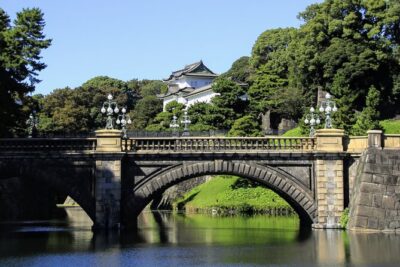 ★ 5.01-Day Tokyo Bus TourFrom $12914,250 reviews
 ★ 4.5TOKYO SKYTREE® Admission ticketFrom $1311,192 reviews
 ★ 4.6teamLab Planets TOKYO Digital Art Museum Entry TicketFrom $259,779 reviews
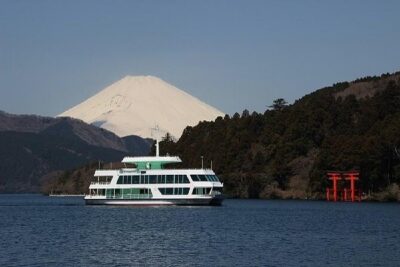 ★ 4.0Mt Fuji & Hakone Cruise, Drum Show Bullet Train 1 Day from TokyoFrom $1497,413 reviews
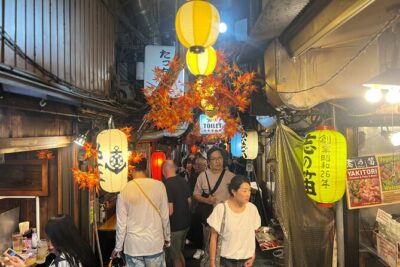 ★ 5.0Shinjuku Food Tour (13 Dishes at 4 Local Eateries)From $866,603 reviews
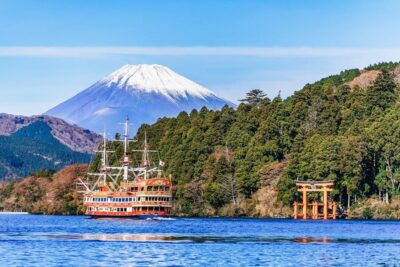 ★ 4.4Tokyo Mt Fuji 5th St & Hakone Cruise Bus Tour w/Bullet TrainFrom $1545,024 reviews
 ★ 5.0Flagship 2-Hours Official Street Go-Kart Tour – Tokyo Bay ShopFrom $644,974 reviews
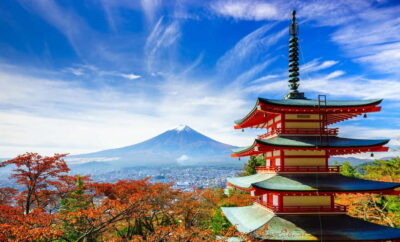 ★ 4.5From Tokyo: Mount Fuji Full-Day Sightseeing TripFrom $684,970 reviews
This tour also belongs to