
Review · ASAKUSA TOURS
Tokyo Asakusa Temple & Shrine Walking Tour with Local Guide
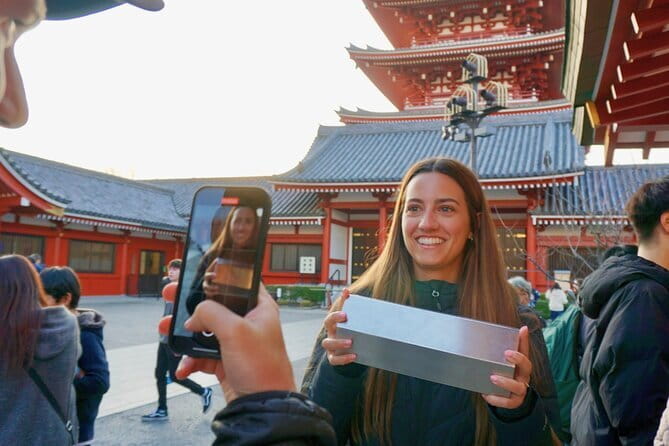
Asakusa moves fast, but you do not have to. I like this tour’s small group setup, capped at eight, and I love that the guide explains the rituals you might skip on your own, like temizu cleansing and omikuji fortune slips. One possible drawback is the format is a 2-hour walk, so if you want to linger in every shop or pause for long photo stops, you may feel slightly rushed.
You get a true “follow the route” experience. The guide navigates through Asakusa so you are not bouncing between streets and train exits, and the explanations are timed to what you are actually standing in front of. It is a practical way to see major sights without turning your day into a map project.
At the end, you are not just looking at famous buildings. You walk away understanding how the area mixes temple and shrine traditions, plus what to do during prayer moments. If you like your sightseeing with context and gentle guidance, this one fits well.
Key things that make this Asakusa walk worth your time
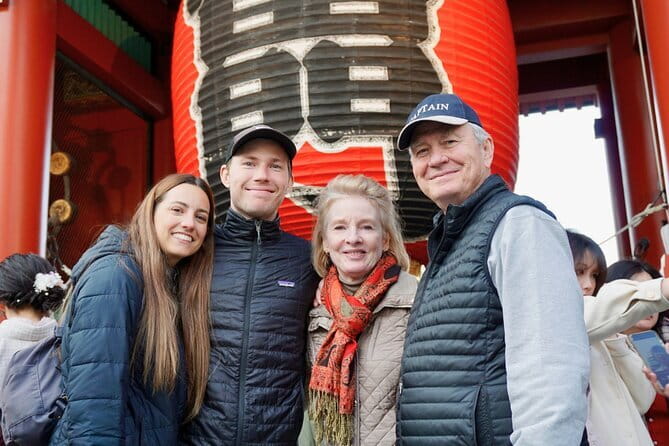
- Small group max eight means you can ask questions and keep up without losing your place.
- Mobile ticket keeps things simple, especially when you are hopping between stops.
- Ritual support for temizu cleansing, prayer, and omikuji so you know what you are doing.
- Route navigation so you do not get scrambled in Asakusa’s streets.
- Sensoji highlights on foot including Kaminarimon and the lantern story.
- Nakamise Street included so you get the shopping street context, not just the shopping.
A short guided loop through Asakusa’s top sacred spots
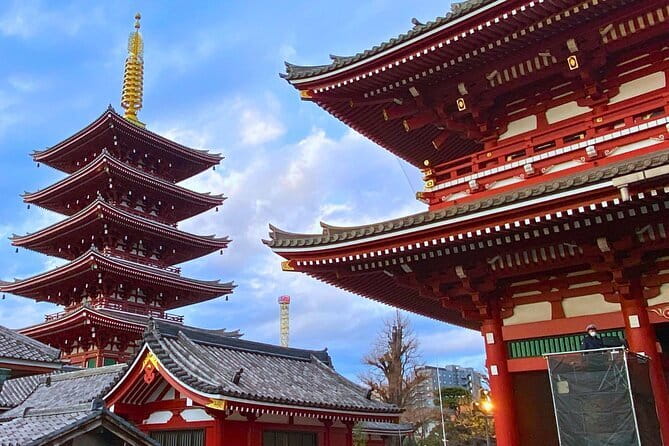
This is a focused, 2-hour walking tour centered on the big-name spiritual sites in Asakusa. You are not trying to cover every corner of the neighborhood. Instead, you hit the landmarks people come for, then you get the meaning behind what you see.
I like how “easy” the experience feels. You are given a path to follow, and the guide handles the flow. That matters in Asakusa, because the area is full of people, stalls, and side streets, and it is easy to waste time figuring out where to go next.
You also get practical cultural context. The tour specifically calls out a guide explaining shrine and temple rituals, including fortune-telling slips and hand cleansing. That turns Sensoji and Asakusa Shrine from postcard stops into something you can participate in.
You can also read our reviews of more walking tours in Tokyo

Start at Azumabashi, learn the Sumida River gateway
You meet near Azumabashi at Burger King Asakusa Azumabashi in Taito City. That location is handy because it puts you close to the river area that acts like a gateway to old Tokyo.
Before you hit the main temple approach, you get a quick look at Azumabashi Bridge and the Sumida River views. Even if the skyline is modern, the point here is to help you picture the neighborhood’s location and why people associate Asakusa with traditional Tokyo.
This start also sets a good pace. You are not instantly shoved into a crowd at the first landmark. You get a moment to orient yourself, then you move forward with a guide who keeps you pointed in the right direction.
Kaminarimon and Sensoji: what the Thunder Gate means
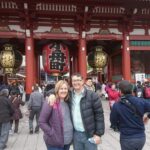
At the core of the tour is Sensoji Temple, Tokyo’s oldest and most famous Buddhist temple. Your guide leads you through what you are seeing and ties it to the area’s cultural significance, not just dates and names.
One standout stop is Kaminarimon, also called the Thunder Gate. The tour includes the story behind its famous large red lantern, described as weighing 700kg. It also covers why the gate is called Kaminarimon, plus the idea that the structure has been repeatedly reconstructed due to fires.
I love that this kind of context changes how you look at a sight. When you know the lantern’s scale and the rebuilding history, the gate stops feeling like a simple photo backdrop. It becomes a symbol of how Asakusa endured and kept rebuilding.
Nakamise Shopping Street: snacks and souvenirs with context
From the temple approach, you stroll along Nakamise Shopping Street, the classic lane lined with traditional shops. The tour makes this more than a walk past snack signs. Your guide shares stories about the street’s origins and its role in temple visits.
This is useful because Nakamise can feel chaotic if you do not have a plan. With a guide, you get the “why” behind the street, so you are not only hunting for souvenirs. You can also time your browsing to the flow of the group instead of freezing at the first cart you see.
Also, remember the tour does not include personal purchases. Snacks and souvenirs you buy during the walk are your own expense. That is normal, but it helps to keep a rough budget so you do not get surprised.
Hozomon Gate: the architectural and symbolic checkpoint
As you move deeper toward the temple grounds, you pass the Hozomon Gate. This stop is highlighted as an important cultural property protecting the temple grounds, and your guide explains its architectural features and symbolism.
I find gate stops like this do two jobs. First, they give you a physical marker of where you are in the complex. Second, they offer a pause point where the guide can translate what looks like just another structure into something meaningful.
If you like the “how it is built and why that matters” angle, you will probably appreciate this part. And if you do not, it still works because it breaks up the walking so you are not staring nonstop at stalls and crowds.
You can also read our reviews of more guided tours in Tokyo


Asakusa Shrine and the rituals you can actually try
The tour includes visits to both Sensoji Temple and Asakusa Shrine. That is important, because Asakusa is one of those places where temple and shrine traditions sit side by side, and people often experience both in the same visit.
What really makes this section special is the hands-on ritual part. The tour specifically includes authentic Japanese rituals such as temizu cleansing, prayer, and omikuji fortune-telling.
Here is what to expect in practice:
- Temizu cleansing is the hand-washing ritual you do near water basins before prayer.
- Prayer is guided so you know what the moment is for and how people typically perform it.
- Omikuji fortune-telling is the paper slip practice, where you draw a fortune and then interpret it based on what you receive.
Even if you have seen videos online, doing it with a guide helps. It reduces guesswork, and it keeps you from accidentally doing something in the wrong order. It also helps you notice small etiquette details you might miss if you are just rushing toward your next landmark.
You will also learn about the blending of Shinto and Buddhism. The tour frames it as a cultural overlap, not a confusing mash-up. That matters because it explains why both shrine and temple elements show up during the same stroll.
Small group max eight, and why navigation matters here
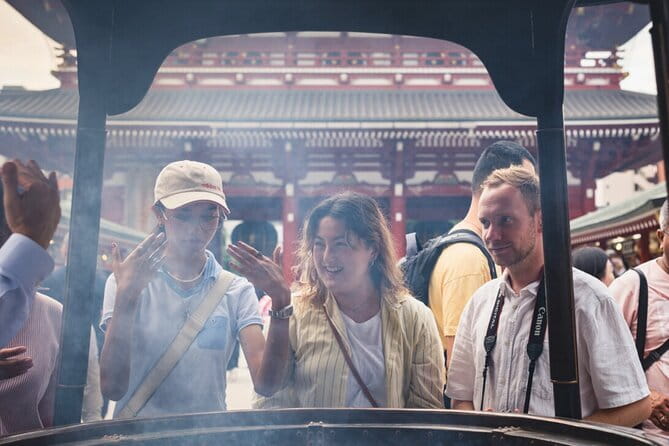
The tour caps group size at eight travelers. That is a sweet spot in places like Asakusa. You still see the crowds because you are in the real neighborhood, but you do not feel like you are getting swallowed by a large bus group.
A smaller group also helps with questions. The tour promises no language barriers through the guide’s explanations of rituals and landmark meaning. In real life, that means you can ask what something is for or what step comes next without slowing everyone down.
The navigation piece is not just convenience either. Asakusa has lots of side streets and visual distractions. A guide routing you means you do not waste time retracing your steps or missing a key gate.
So yes, you get photos. But you also get your bearings fast, which is honestly the bigger win.
Price of $19.82 for a guided 2-hour walk, and what that includes
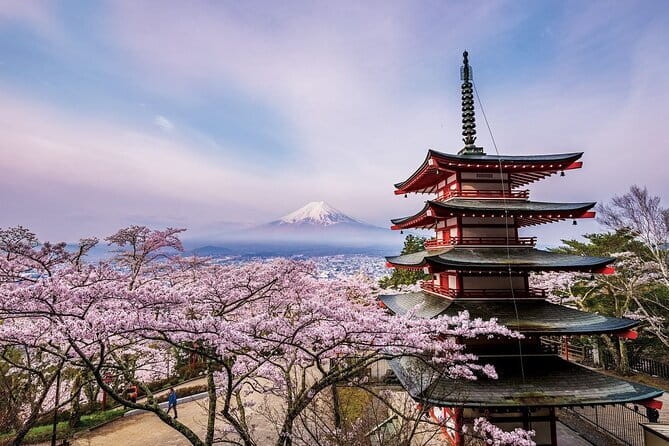
At $19.82 per person, this is priced like a budget-friendly walking tour. The best way to see the value is what you are paying for: guidance, context, and ritual coaching, not entry fees.
Sensoji is listed with admission ticket free for that stop. So the cost mostly goes toward the guide experience and keeping the route smooth. You also get a mobile ticket and a small-group cap, which helps avoid the frustration of getting lost or stuck behind a big pack.
If you are sightseeing solo or with someone who does not read Japanese signage well, the guide’s explanations and navigation can be worth more than the ticket price. You are essentially buying time savings and cultural clarity in one go.
If you already know Asakusa inside out and you love wandering with zero structure, you might feel this is more guided than you prefer. But for most first-time visitors, it is a reasonable value.
Who this tour suits best (and who might want a different style)
This works best if you want to see the main Asakusa highlights without planning every turn. It also fits if you enjoy temple and shrine etiquette, rituals, and explanations, even if you are not an expert on Japanese religion.
It is also a good pick if you are short on time. Two hours is long enough to cover key landmarks like Sensoji, Kaminarimon, Hozomon, and Nakamise, plus the rituals. You still get to experience the neighborhood energy, but the tour keeps you focused.
Who might skip it? If you are the type who wants long, unhurried shopping sessions, and you want to spend extra time inside buildings at your own pace, this could feel tightly scheduled. The tour is set up for forward movement, not for deep lingering.
Also, if you are only interested in architecture photos and you do not care about ritual context, you might get less from the guided parts.
Before you go: practical tips for a respectful, easy walk
You do not need anything fancy to do this tour, but a few basics help you have a smoother time.
Start with shoes. You will be walking through a temple approach and shopping street, plus moving between gates. Wear comfortable footwear that handles crowds and uneven surfaces.
Bring some cash or a card for your own snacks and souvenirs, because personal purchases are not included. It is easy to get tempted on Nakamise, and planning ahead keeps the decision fun instead of stressful.
Finally, be ready to participate in ritual moments. Even if you are unsure how it works, the guide is there for temizu cleansing, prayer, and omikuji fortune-telling. A respectful attitude goes a long way, and it makes the experience feel personal instead of awkward.
Should you book this Tokyo Asakusa Temple & Shrine Walking Tour?
I would book it if you want a simple, low-friction way to experience Asakusa’s top sights with cultural meaning attached. The small group cap, the guided navigation, and the ritual coaching are the big reasons. You get structure without feeling locked into a rigid itinerary.
I would not book it if you already know exactly where you want to go and you prefer total freedom. This tour is built for people who want help with route and ritual steps, not for people who want to freestyle every stop.
For most visitors, $19.82 for a 2-hour guided walk that includes Sensoji, Asakusa Shrine, Nakamise Street, and hands-on rituals is a strong value proposition. It is also a great way to make your first Asakusa visit feel organized, not overwhelming.
FAQ
How long is the Asakusa Temple & Shrine walking tour?
The tour runs about 2 hours.
What is the group size limit?
The experience has a maximum of 8 travelers.
Where is the meeting point?
You start at Burger King Asakusa Azumabashi, located in Taito City near Kaminarimon.
How do you get entry information for the tour?
You receive a mobile ticket.
Is admission to Sensoji included?
Admission for the Senso-ji Temple stop is listed as free.
What rituals are included during the walk?
The tour includes temizu cleansing, prayer, and omikuji fortune-telling.
Is the tour accessible for most people?
Most travelers can participate.
Is the tour refundable if I change my mind?
Yes, free cancellation is available up to 24 hours before the experience starts for a full refund.
More Walking Tours in Tokyo
More Tours in Tokyo






More Tour Reviews in Tokyo


Not for you? Here's more nearby things to do in Tokyo we have reviewed












Asakusa Tours, side by side.
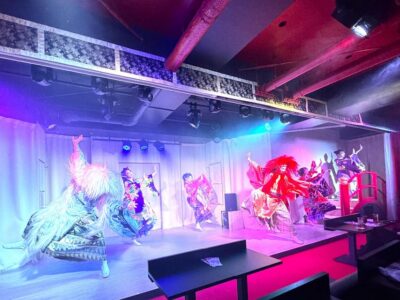 ★ 4.8Japanese Dance Cabaret Theater Asakusa-Kaguwa TicketFrom $492,270 reviews
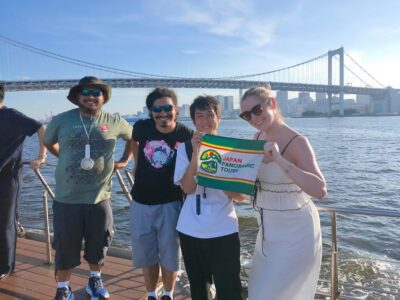 ★ 4.7Meiji Shrine, Asakusa, Skytree Bus Tour and CruiseFrom $1221,986 reviews
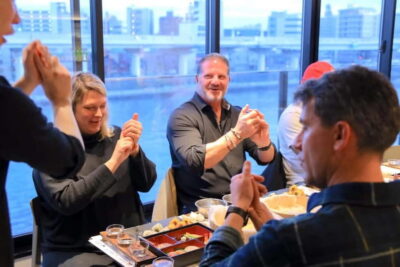 ★ 4.9Roll and Authentic Sushi Making Class in AsakusaFrom $581,957 reviews
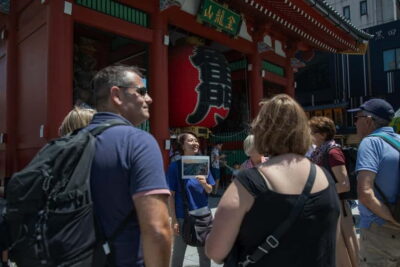 ★ 4.8Asakusa Walking Tour with Sensoji Temple VisitFrom $221,583 reviews
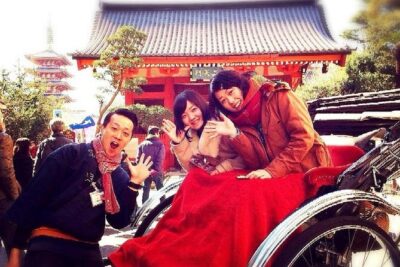 ★ 5.0Tokyo Asakusa Rickshaw TourFrom $421,375 reviews
 ★ 4.5Tokyo Panoramic 1 Day: Meiji Shrine, Asakusa, Odaiba and SKYTREE®From $851,222 reviews
 ★ 5.0Tokyo Go Kart: Asakusa, Skytree, and Akihabara **IDP MUST**From $99988 reviews
 ★ 4.7Asakusa, Skytree & Akhihabara Go-Kart City ExperienceFrom $96761 reviews
This tour also belongs to