
Review · ASAKUSA TOURS
Tokyo: Asakusa Temple & Shrine Walking Tour with Local Guide
Temple etiquette gets a lot more fun. This is a small-group Tokyo walking tour that leads you through Sensoji and Asakusa Shrine, with a local guide explaining how Shinto and Buddhism mix in real life. You’ll also get photo stops and practical, on-the-ground guidance, so the big sights feel less confusing and more meaningful.
I especially like the way this tour turns “temple hopping” into hands-on rituals. Temizu hand washing, omikuji fortune slips, and incense smoke for physical and mental well-being are all part of the experience, with help from your guide when you have questions or need translations. Another big plus is the small group size of up to 8, which keeps the pace relaxed even when Asakusa is crowded, and makes it easier to ask things like Nicolas or Nico-style guides do well in past tours.
The main consideration is that it is still a two-hour walking route, with lots of getting around on foot. If you have low fitness or any mobility limits, the tour notes that it is not suitable for wheelchair users, and comfortable shoes plus water really matter, especially on hot or rainy days.
Key highlights at a glance
Sensoji and Asakusa Shrine with both Shinto and Buddhist context
Hands-on cultural rituals like temizu and omikuji
Hidden side shrines and smaller temple spots most people miss
Photo stop strategy, including a viewpoint over the temple area
Up to 8 people, so your guide can answer questions in real time
No dress code and tattoos welcome, so you can focus on the experience
Start at Azumabashi Bridge, then rise above the crowds
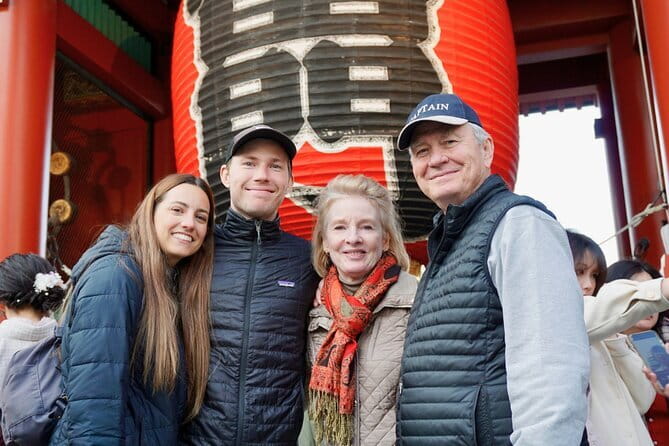
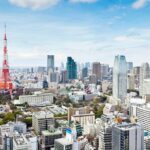
Asakusa works best when you see it from more than one angle. This tour begins at Azumabashi Bridge, where you get riverside views and a quick look toward Tokyo Skytree. It sets the tone fast, because you go from big Tokyo landmarks to old-town temple streets without that usual whiplash.
One of the smartest parts is that you start with a view stop before you head into the densest sections of Sensoji. There’s a pause at the top of the Asakusa Culture Tourist Information Center, where you’ll see a hidden view point over the temple grounds. That’s a practical move. Even if you love photos, the real value is orientation: once you understand the layout from above, the gates and main buildings feel like a place you can read.
You’ll also hear the tour’s signature local detail, the nickname for what locals call the golden poop. It’s funny on the surface, but it’s also a good example of what your guide is doing throughout. They are connecting history, daily temple life, and the quirks that make old Tokyo feel human.
You can also read our reviews of more walking tours in Tokyo

Kaminarimon’s lantern story, and why gate etiquette matters
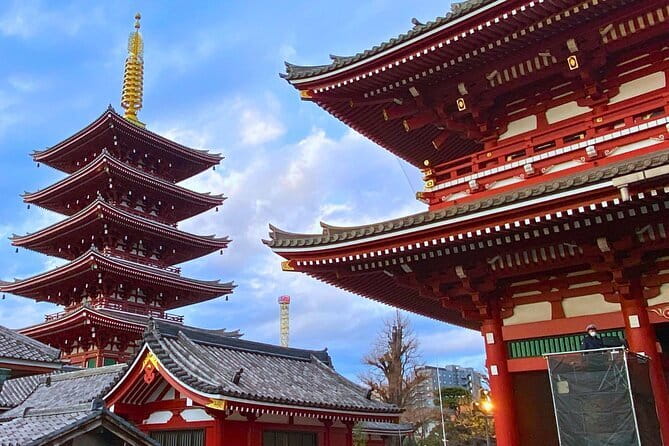
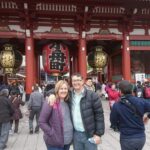
Next comes the Kaminarimon Gate, the Thunder Gate, where the red lantern weighs 700kg. Your guide shares the story behind it and explains the name, so the gate stops being just a famous photo background and starts feeling like a symbol with context. That matters because Asakusa is full of signs and rituals that look similar at first glance. A short story helps you spot what’s meaningful.
You’ll also learn how to move correctly through torii gates. That sounds minor, but it changes the way you experience the space. Instead of wandering anywhere, you follow the respectful flow of the shrine and temple areas. The tour also covers bowing the correct way, which is one of those things most first-time visitors guess at and then second-guess.
If you care about etiquette and want to avoid awkward mistakes, this is where the guide’s approach really shows. Names like Nicolas and other past guides (including Nico and Joe in different groups) have been praised for answering questions clearly and making the pacing feel personal rather than rushed.
Nakamise Street: treats, souvenirs, and the meaning behind them
Nakamise Shopping Street is where Asakusa usually goes loud. Lots of snacks, lots of stalls, lots of people angling for the perfect picture. This is also where a guide can either get you through fast or help you enjoy the street.
On this tour, your guide explains the cultural significance behind common treats and souvenirs you see along the walkway. You’re not just handed a shopping list. You learn why certain sweets and items show up here, and you get practical direction on where to find the good stuff without getting lost in the crowd.
A key advantage is translation support. If a label confuses you, or you want to know what people are actually praying for at the stalls, you can ask. That flexibility is handy when you’re traveling solo or with a family and you do not want a rigid script.
And yes, this is also a photo moment section. Your guide will steer you toward better angles, so you’re less likely to end up with the same crowded shot everyone gets. Even on busy days, the tour keeps giving you a reason to pause, look, and understand.
Hōzōmon Gate and entering Sensoji the right way
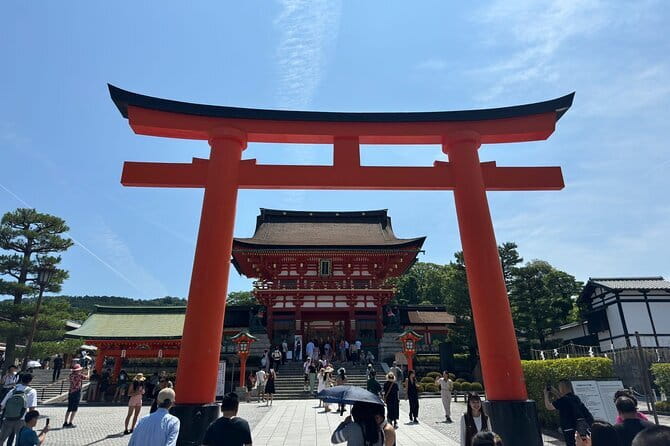
The Hōzōmon Gate is the threshold into the main Sensoji temple area. The walk feels like it tightens up here, and this is where learning the right temple behavior pays off.
Inside, your guide teaches proper Buddhist-style prayer. That includes how you approach the space and what actions mean, which helps you participate confidently even if you do not speak Japanese. You’ll also pick up etiquette like bowing expectations and side walking rules through gate areas, including torii gates.
Then come the rituals that make this tour stand out. You’ll practice temizu, the hand washing ritual. You’ll learn about omikuji, the fortune slips people draw for guidance. And you’ll hear how incense smoke is used for healing, both physical and mental. The tour is not treating rituals like party tricks. It frames them as everyday spirituality you can understand with a little context.
One of the most useful things I look for in a cultural tour is whether you can actually do something. Here, you are not only watching. You are participating with help. That makes it far more memorable than just taking photos of incense burners.
The heart of Asakusa: smaller shrines and the Shinto and Buddhism mix
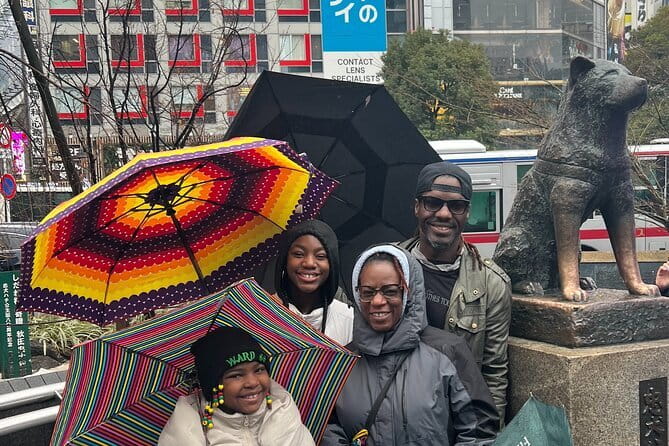
The biggest educational advantage is that the tour refuses to be only about the two headline sites. Between the major gates and the main temple halls, you’ll visit smaller tucked-away shrines and temple spots that reveal Asakusa’s spiritual life in a more layered way.
This is where you learn how Shinto and Buddhism coexist. You’ll see it not as an abstract lesson, but as a sequence of spaces with different rituals. For example, you’ll learn how rituals look and feel different even when the overall goal of worship is similar. Your guide also explains how temizu, omikuji, and incense fit into that daily mix.
You might also notice that even many Japanese people do not fully spell out the nuances of this overlap. The tour’s approach gives you a simplified but honest framework for what you are seeing. That reduces the confusion factor a lot, especially if you are visiting Asakusa as your first Tokyo temple experience.
Past groups have highlighted guides who keep explanations clear and relaxed. One guide experience that comes up often is how patience and pacing help when kids are with you, like Nana guiding a family group through the area while answering questions in ways children could handle.
You can also read our reviews of more guided tours in Tokyo
Asakusa Shrine: what changes when the focus turns Shinto
After Sensoji, you shift to Asakusa Shrine, which is the clean contrast that makes the tour click. Your guide walks you through how the shrine process differs from the Buddhist temple style you just experienced.
This is where you’re likely to start noticing details on your own. Bowing patterns, gate behavior, and the feel of worship can all be subtly different. The tour helps you connect those differences to the religions behind them, without turning the walk into a lecture.
If you are the type who likes to understand what you are seeing, this section is a reward. It answers the inevitable question: Why does this feel similar but not the same? By the end, you should be able to describe the difference in your own words, at least at a basic level that makes future visits easier.
Why the $30 price often feels fair for what you get
At $30 per person for about two hours, this tour is not trying to be the cheapest option in town. But it also is not charging like a premium day-long experience.
Here is what you are paying for, in practical terms:
You get a small group limited to 8 participants, with a live guide in English or French. That matters because Asakusa can be chaotic, and translation plus etiquette coaching saves time and stress. You also get more than one major sight. You get Sensoji, Asakusa Shrine, smaller side shrines, and multiple guided photo stops including a high viewpoint.
The ritual practice is another big value driver. Doing temizu and omikuji correctly, with context, is part of the cost. You also get guidance on best photo spots and where to find vendors worth your attention along Nakamise. That is the kind of help that is hard to replicate on your own quickly, especially if you want to do it respectfully.
If you want a fast, casual stroll with no explanations, you might find better value elsewhere. But if you want your first temple visit in Tokyo to feel understandable and not overwhelming, this price is easier to justify.
Group size and guide style: you can actually ask questions
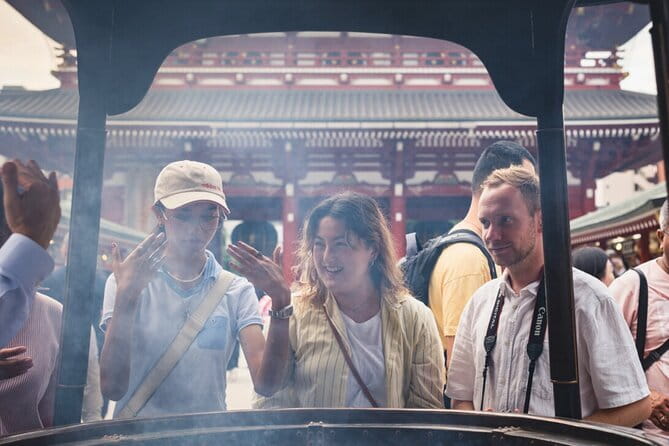
This tour’s small-group format shapes the experience in a very real way. With a limit of 8, your guide can pause and respond. You are not stuck waiting for the next time the leader looks back at your group.
Guides mentioned in past groups include Nicolas, Nico, Erik, Lino, Diane, and Joe. Across those names, the common theme is relaxed pacing plus room for questions. One guide style that shows up in feedback is how guides make the walk feel like exploring with a local friend rather than herding people through a checklist.
This matters because Asakusa is both scenic and busy. Even when you do not plan to go far off the main route, crowds can slow you down. With a smaller group and a guide who knows where to pause, you spend more time seeing and learning, and less time bumping through lines.
Practical tips: shoes, water, weather, and kimono rentals
Wear comfortable shoes. This is a walking tour through temple and shrine areas, plus shopping streets, plus multiple stops. The tour explicitly recommends comfortable walking shoes and bringing water, and notes that vending machines are available during the walk.
Dress for the weather. The tour runs rain or shine, so bring a light layer or rain protection as needed. Also note the rules: smoking is not allowed, drones are not allowed, and alcohol or drugs are not allowed.
Good to know if you want a classic photo moment: the tour partner offers kimono rental nearby, about two minutes from the meeting point. Your guide can help you ask about it if you are interested. That kind of practical option is useful because it avoids the typical scramble of searching for rentals right before your walk.
Also, the tour is designed to be casual. There is no dress code, tattoos are welcome. That lowers the friction for travelers who prefer to dress for comfort instead of worrying about temple expectations.
Should you book this Asakusa temple and shrine walk?

Book it if you want your Asakusa time to feel guided, respectful, and less confusing. This is especially smart as a first Tokyo temple experience because you get context before you enter major spaces, and you learn how to participate in rituals like temizu and omikuji without guessing.
Skip it or choose another option if you need minimal walking or have mobility limitations. The tour notes it is not suitable for wheelchair users and people with mobility impairments, and it also calls out low fitness as a factor.
If your goal is simple sightseeing only, you might get by on your own. But if you want the stories behind the Thunder Gate, the etiquette basics, and the Shinto and Buddhism contrast between Sensoji and Asakusa Shrine, this is a strong use of two hours.
FAQ
How long is the Asakusa Temple and Shrine walking tour?
It lasts about 2 hours.
What is the group size?
The group is limited to a small group, up to 8 participants.
Where is the meeting point?
The meeting point may vary depending on the option booked, but it uses Burger King Asakusa Azumabashi as a starting location.
Which places are included in the tour?
You visit Sensoji Temple and Asakusa Shrine, plus smaller local temples and shrines along the way. You also stop at major spots such as Azuma Bridge, Kaminarimon, Nakamise Street, and Hōzōmon Gate, along with other photo and visit stops.
What rituals will I do during the tour?
The tour includes interactive rituals such as temizu (hand washing) and omikuji (fortune telling). It also includes incense smoke for healing, both physically and mentally.
What languages are the guides?
The live guide speaks English and French.
Is there a dress code or are tattoos allowed?
There is no dress code. Tattoos are welcome.
Can I book if plans change?
You can reserve now and pay nothing today, and you can cancel up to 24 hours in advance for a full refund.
Is this tour suitable for everyone, including wheelchair users?
No. It is not suitable for people with mobility impairments, wheelchair users, or people with low level of fitness.
Are there restrictions during the tour?
Yes. Smoking, drones, alcohol, and drugs are not allowed.
More Walking Tours in Tokyo
More Tours in Tokyo





More Tour Reviews in Tokyo


Not for you? Here's more nearby things to do in Tokyo we have reviewed












Asakusa Tours, side by side.
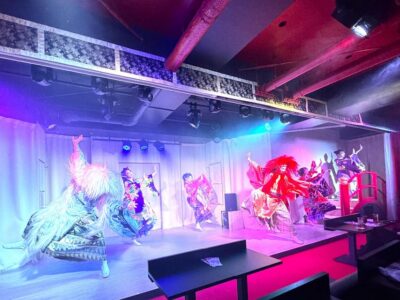 ★ 4.8Japanese Dance Cabaret Theater Asakusa-Kaguwa TicketFrom $492,270 reviews
 ★ 4.7Meiji Shrine, Asakusa, Skytree Bus Tour and CruiseFrom $1221,986 reviews
 ★ 4.9Roll and Authentic Sushi Making Class in AsakusaFrom $581,957 reviews
 ★ 4.8Asakusa Walking Tour with Sensoji Temple VisitFrom $221,583 reviews
 ★ 5.0Tokyo Asakusa Rickshaw TourFrom $421,375 reviews
 ★ 4.5Tokyo Panoramic 1 Day: Meiji Shrine, Asakusa, Odaiba and SKYTREE®From $851,222 reviews
 ★ 5.0Tokyo Go Kart: Asakusa, Skytree, and Akihabara **IDP MUST**From $99988 reviews
 ★ 4.7Asakusa, Skytree & Akhihabara Go-Kart City ExperienceFrom $96761 reviews
This tour also belongs to