
Review · TSUKIJI MARKET TOURS
Tokyo: Classic Tsukiji Food Tour
Tokyo starts with fish and steam. This Classic Tsukiji morning tour mixes breakfast, market walking, and smart food stories so you understand what you are tasting. You also get a stop at a shrine tied to the area’s long timeline, which gives the food a cultural frame, not just a snack run.
What I like most is how the tour acts like a food orientation for Japan. You sample a range of Tsukiji Outer Market specialties, plus traditional sweets, and you learn how regional and seasonal choices shape Japanese meals. Second, the experience is built for conversation, with a small group limited to 10 and an English-speaking guide who helps you move through the alleys with confidence.
The main consideration is physical. The walking level is listed as advanced, and the market is tight and crowded, so comfortable shoes matter a lot. Also, the pace is food-heavy, so come hungry and plan to slow down afterward.
Key points at a glance
- A 3-hour, breakfast-first start that gets you eating quickly, not just browsing
- Tsukiji Outer Market tastings plus traditional Japanese sweets included
- Regional and seasonal food that helps you spot what is unique to Japan
- Guides who steer you to the right stalls, with examples like Yappy, Kay, and Shigeki
- Advanced walking through narrow lanes, so wear shoes you trust
Tsukiji Outer Market: Why this morning feels different
Tsukiji is one of those Tokyo places that can overwhelm you fast. The best way to enjoy it is to go early, when you can actually see the work behind the food. This tour is designed for that timing. You start with a local breakfast, then you move into the market area from a position of understanding, not confusion.
Even if you know Japan already, Tsukiji has a specific rhythm. You’ll see fish displays, pickles, spices, and the small details that make Japanese food taste like Japanese food. The guide keeps pointing out what matters, like why a certain cut matters, or what kind of seasoning you should expect in a regional dish.
I also like that the tour is built around seasonal and regional flavors from around Japan. That turns Tsukiji from a one-note seafood show into a broader food lesson you can carry into your next meals.
You can also read our reviews of more food & drink experiences in Tokyo
Meeting point and pacing at Turret Coffee Shop in Tsukiji
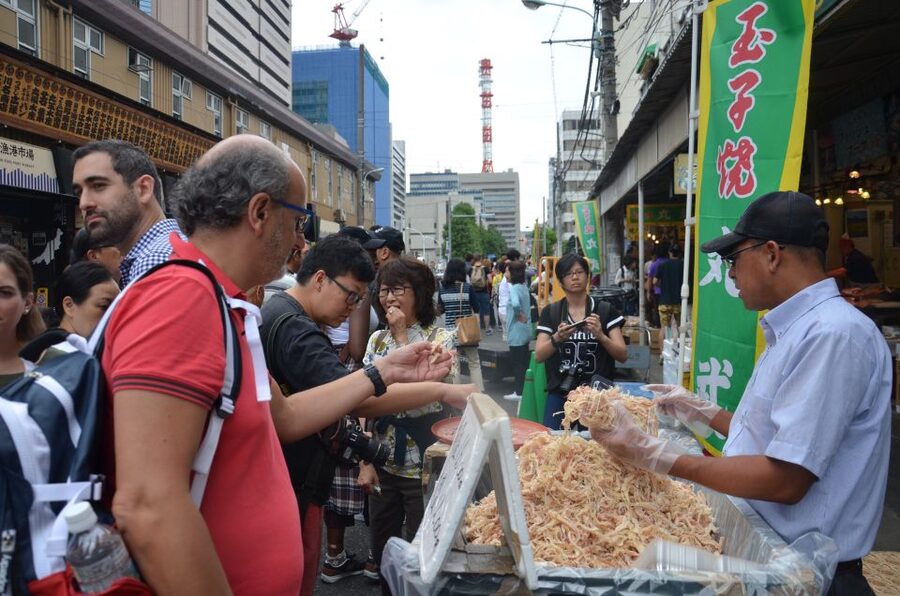
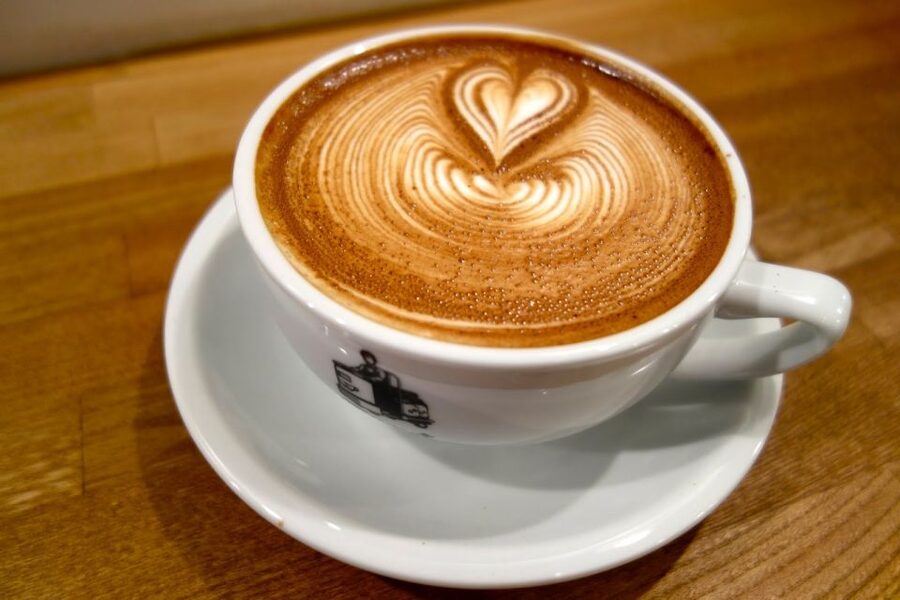
You meet at Turret Coffee Shop in Tsukiji, take Exit 2, and your guide is there holding an Arigato Travel sign. This matters because Tsukiji area streets can feel maze-like. Clear signage at the start means less stress, and you stay focused on the experience.
The tour lasts 3 hours, which is enough time to eat a proper breakfast and still do multiple tastings without dragging on. But you should plan your day around it. There is a lot of walking through market-side lanes, and the tour notes list the walking level as advanced. Expect uneven, crowded spaces and plenty of standing at stalls.
Also note what is not allowed. Baby strollers are not permitted, and unaccompanied minors are not permitted. If you are traveling with kids, you’ll need to confirm age rules and bring the required documents, since children must be accompanied by an adult.
Breakfast stop: grilled fish, miso soup, and the start of flavor education
The tour includes breakfast at a local restaurant. This is not a quick coffee-and-muffin moment. People describe breakfast like a highlight: grilled fish such as mackerel or black cod, plus miso soup, plus other classic Japanese breakfast components.
One detail I love in how this is framed is the idea that breakfast is a skill. You learn to notice texture and balance. For example, grilled fish is not just seafood, it is about fat, smoke, and salt timing. Miso soup teaches warmth and depth without heavy seasoning. Rice ties it all together so the meal feels complete.
You’ll likely see tamagoyaki mentioned in the tour atmosphere, and the aroma of egg cooking is part of what sets your senses up for the rest of the morning. Even if you are not an egg person, breakfast in Japan is often the easiest way to understand how refined flavors can still feel simple.
Eat what you are served. Then ask questions. That’s where guides make the difference.
Tsukiji Outer Market tastings: learning what to buy and how to choose
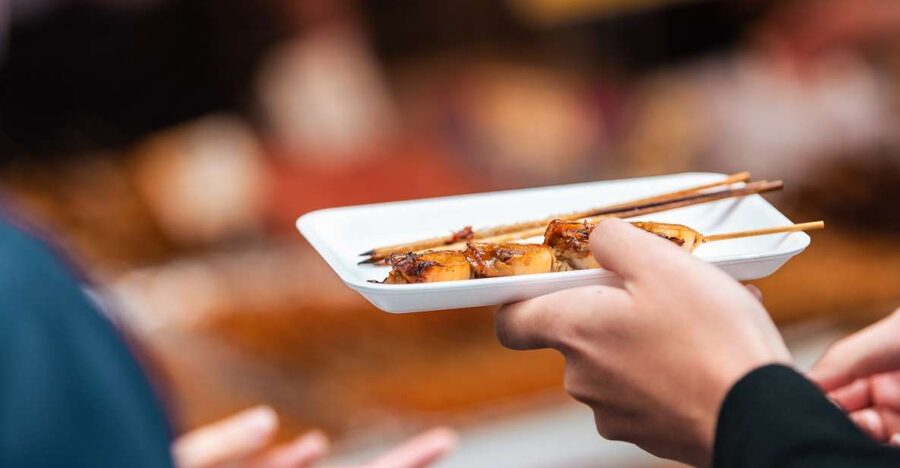
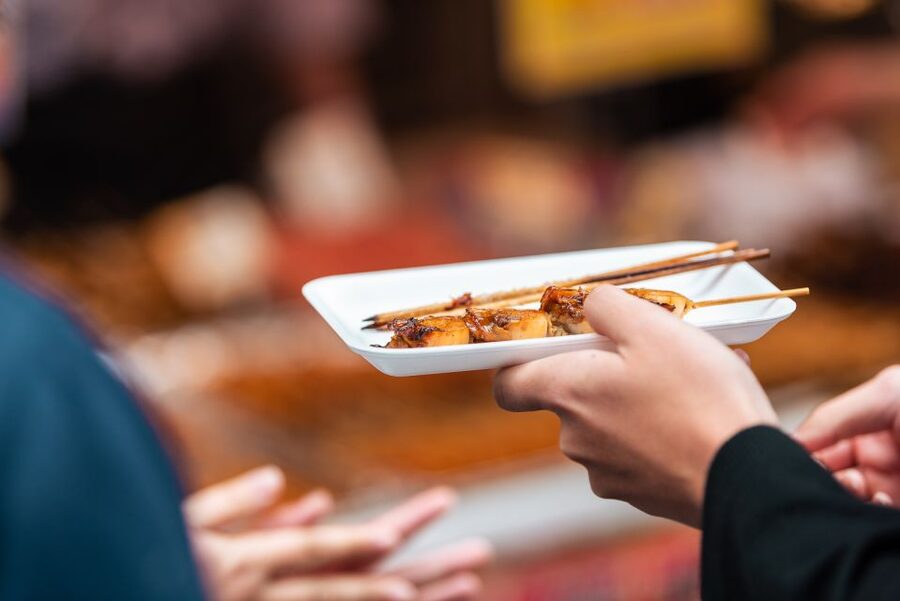
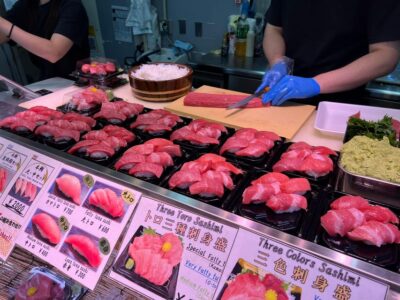
After breakfast, you walk through the Tsukiji Outer Market area and sample different foods. The included tastings are a big part of the value, because they do the hard work for you. Without a guide, you can end up at stalls that look good but are not the best choice for your tastes, your hunger level, or your comfort with Japanese menus.
The guide’s job is not only to hand you food. It is to help you understand the logic behind it. From past tours, guides like Yappy are described as funny, fast-moving, and story-rich, with extra time added when the group needs it. Guides have also been praised for navigating narrow alleys packed with people while still pointing out what to notice.
Here is what this means for you on the ground:
- You get to taste several different styles of seafood, not just one repeated bite.
- You learn how freshness shows up in flavor and texture, not just marketing words.
- You get clearer on what to look for if you want to repeat something later on your own.
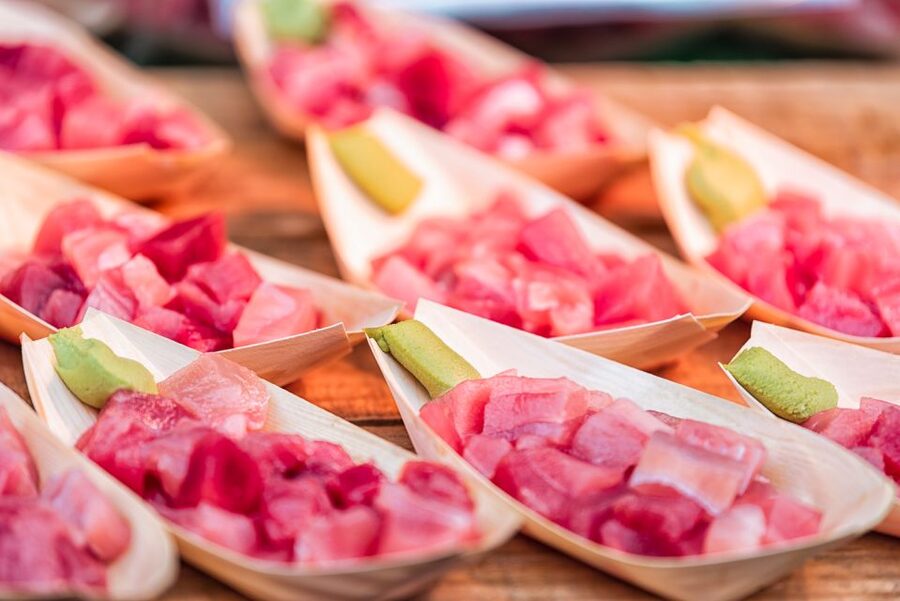
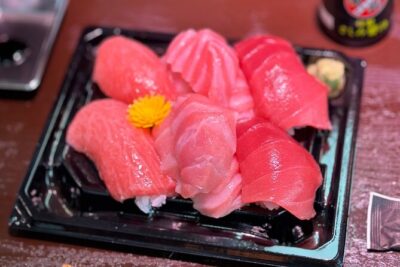
And yes, many people come to Tsukiji specifically for seafood. You’ll get that, including sashimi quality that gets called out as some of the best. But the tour also pays attention to variety: pickles, spices, and regional touches that help you understand Japanese eating patterns.
Wasabi technique, sweets, and the picnic logic
A standout element in multiple tour experiences is the way guides handle the details. One example from a previous tour: learning how to grate fresh wasabi. That sounds small until you taste it. Fresh wasabi changes the bite and aroma in a way that pre-made versions often cannot match.
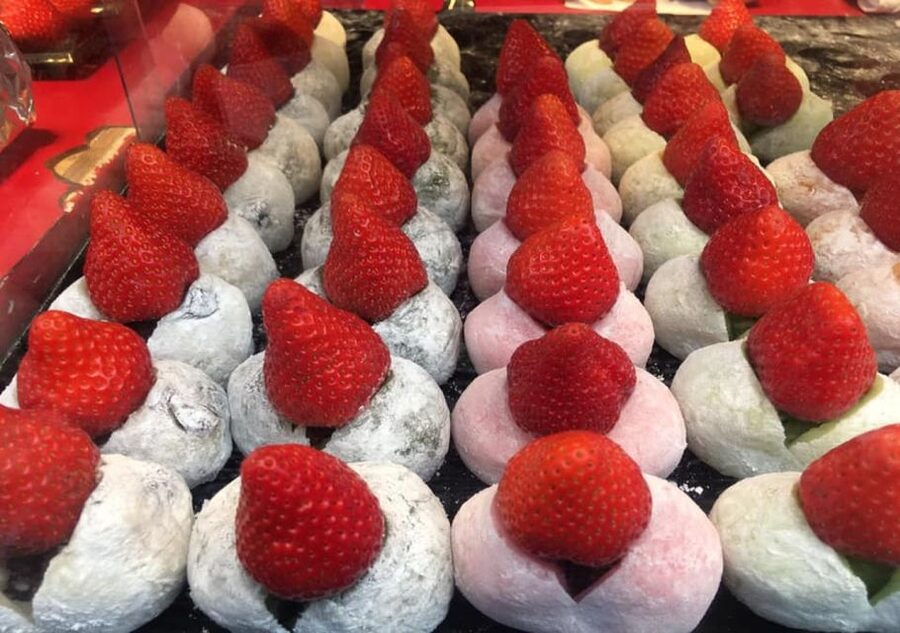
You also get traditional Japanese sweets included. That’s a smart move because it keeps the tour from turning into all seafood, all the time. Sweets give your palate a reset and also show another side of Japanese food culture: careful sweetness and texture.
One of the best practical ideas from this tour style is how some guides expand beyond just tasting. For instance, Yappy’s approach was described as helping a group shop for items to make a picnic of sashimi after the tour. Another useful example is how guides can bring you toward related shopping, like a knife shop recommendation nearby when someone asked about Japanese knives.
You do not have to buy anything fancy to benefit. But knowing what to buy, how to pair flavors, and where to shop with confidence makes the tour feel like more than eating. It becomes a tool.
More Tokyo tours and experiences for the shortlist


The shrine stop: why the tour adds culture, not just food
This morning walk includes an exploration of a shrine with over 300 years of history tied to the area. You’ll be given context and stories, and it helps explain why people treat the Tsukiji area as more than a market.
Food culture in Japan is not separate from spirituality, timing, and community roles. A shrine stop may not sound like your idea of a food tour. But it adds meaning. It also gives you a chance to slow down a bit, regroup, and absorb the larger picture while the guide shares background stories.
If you like food and you also like understanding the Why behind it, this is the part that makes the tour feel grounded. It is not random sightseeing layered on top. It is part of how markets fit into everyday Japanese life.
English guide, small group size, and the power of named experts
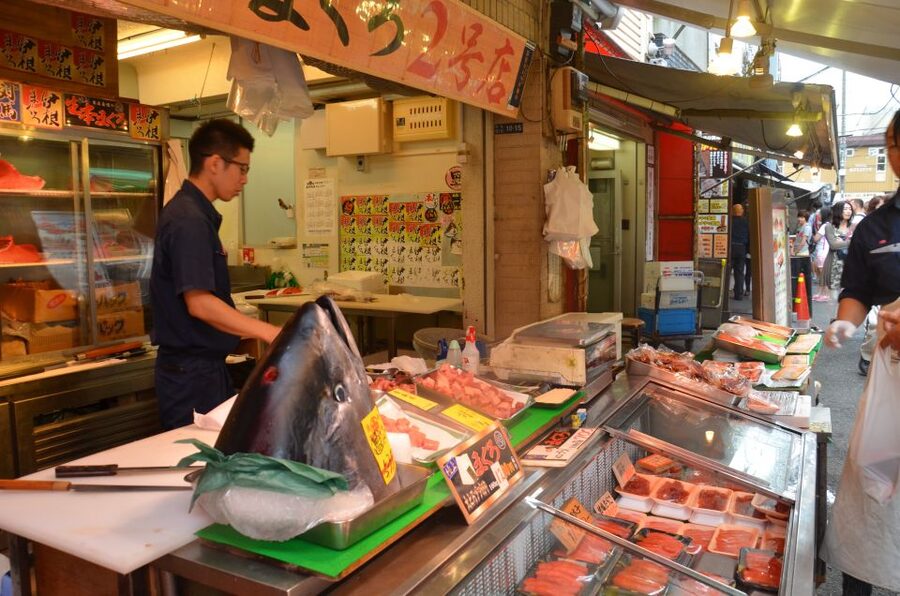
The tour is led by a live English guide, and the group size is limited to 10 participants. That small cap matters. In a crowded market, you cannot spread out and hope for the best. A compact group makes it easier for the guide to check on you, explain what you are looking at, and move you through bottlenecks without losing the thread.
What I also find valuable is that guides come with real personality. People mention guides by name, and the names show up repeatedly:
- Yappy, described as humorous, story-driven, and willing to spend extra time
- Kay, noted for confidence in the market, plus stand-out food experiences like oysters described as tasting extremely fresh and a unique dessert
- Shigeki, praised for handling New Year crowds and delivering an authentic experience
- Sandra, praised for strong English and lots of useful information
- Josh, mentioned for practical help like setting up Suica passes on phones
You might not get the same guide as the person who wrote your favorite review. But the pattern is clear: the best part is how the guide turns a maze into a guided lesson.
Price and value: what $181 buys you in real terms
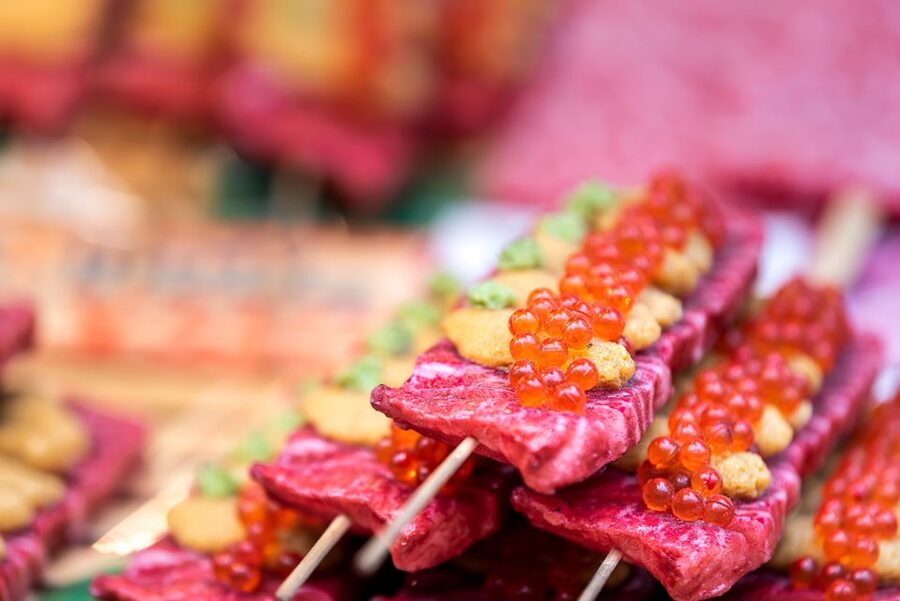
At $181 per person, you are paying for more than a few tastings. You are paying for translation, market navigation, and the selection decisions that help you eat well in a place that is hard to read alone.
Think of it like this: Tsukiji can be expensive even when you are just making choices on your own. This tour groups together breakfast, multiple tastings, traditional sweets, and regional and seasonal bites in a guided format. That is valuable if your goal is to taste widely and learn quickly.
It is not automatically the cheapest way to eat in Tokyo. But it can be one of the better ways to spend a morning if you want to leave with:
- better instincts for what to order later
- fewer wrong turns and menu dead-ends
- a clear sense of what makes Tsukiji distinct
If you are the kind of traveler who can follow your nose and enjoy wandering, you might not need this. If you want structure, explanations, and a high success rate for meals, the price starts to make sense fast.
Who this tour suits, and who should think twice
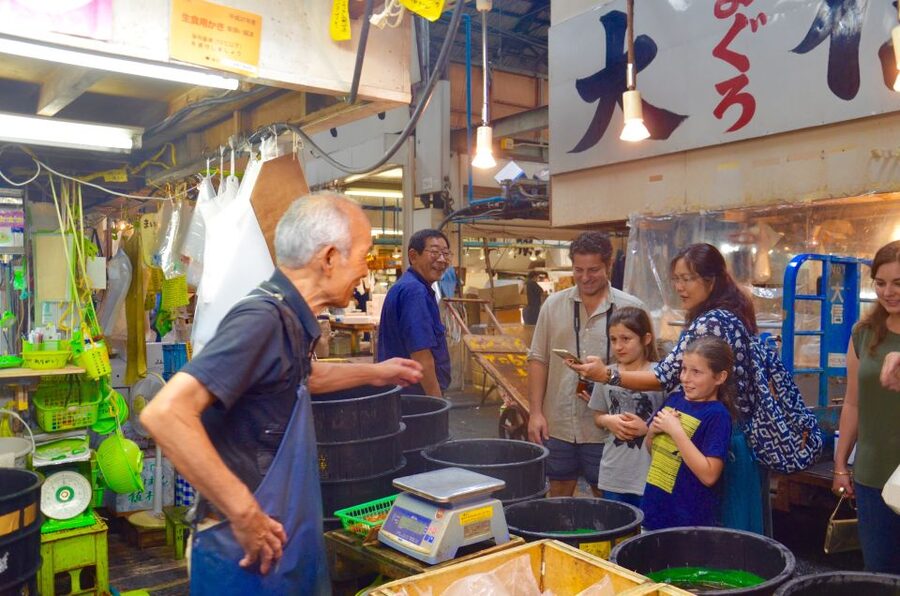
This works great for first-timers to Japan because it acts like a crash course in how Japanese food choices are made. It also works well for repeat visitors because you still get market-specific knowledge and small techniques, like wasabi preparation, that you might not pick up on your own.
You should think twice if you:
- have mobility issues or struggle with long, crowded walking (the tour lists the walking level as advanced)
- need stroller access, since baby strollers are not allowed
- are traveling with unaccompanied minors, since they are not permitted
If you love seafood, you’ll probably be very happy. But the tour’s value is not only fish. It’s the mix of seafood, pickles, spices, sweets, and the regional and seasonal angle that keeps it interesting.
After the tour: how to use Tsukiji skills in the rest of Tokyo
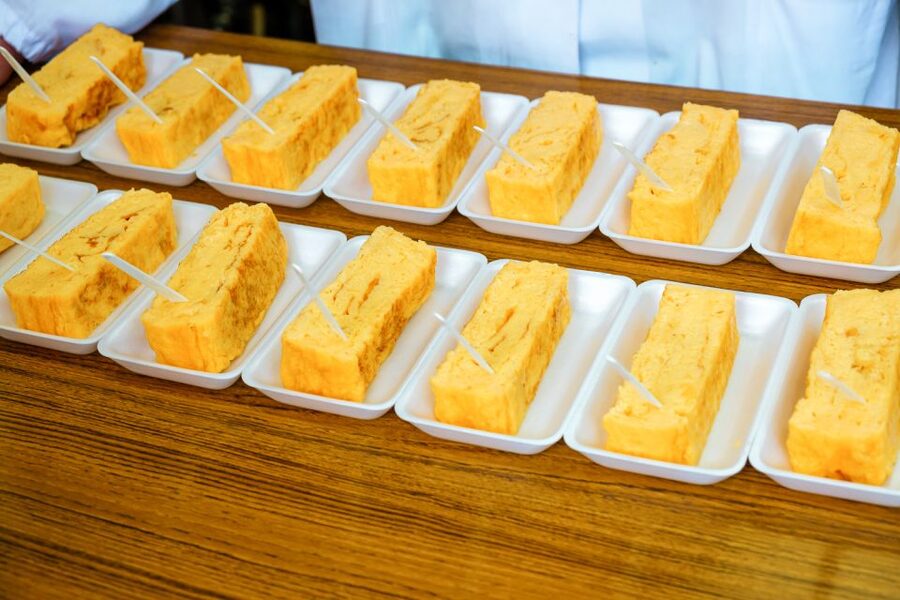
One of the best things guides often do is connect your morning learning to the rest of your day. Examples from past tours include recommendations after the market, like points of interest in Ginza and practical shopping ideas.
Even if you do not follow every suggestion, you can use the tour in a simple way. When you go to your next restaurant, you’ll be able to ask better questions. You’ll also know what flavors you already liked, so you can choose with less guesswork.
That is the real win here. You are not just eating. You are building your Japan food instincts one morning at a time.
Should you book the Classic Tsukiji Food Tour?
Book it if you want a 3-hour, breakfast-first food experience that makes Tsukiji readable. If you like learning alongside eating, and you want multiple tastings plus traditional sweets without spending your morning figuring out where to go, this is a strong bet.
Skip it if you hate crowds and tight walking routes, or if you are traveling with a stroller and need that flexibility. Also, if you are not into seafood, the market focus might feel like too much.
For most people who come hungry and ready to walk, this tour offers excellent value for the time. The high satisfaction rate and the repeated praise for guides like Yappy, Kay, and Shigeki point to the same theme: the guide experience is the difference between seeing Tsukiji and understanding it.
FAQ
What is the duration of the Tokyo Classic Tsukiji Food Tour?
The tour runs for 3 hours.
Where do I meet the guide?
Meet at Turret Coffee Shop in Tsukiji (take Exit 2). Your guide will be holding an Arigato Travel sign.
What is included in the tour price?
The price includes breakfast at a local restaurant, food tastings from the Tsukiji Outer Market area, traditional Japanese sweets, and regional food from around Japan.
Is hotel pickup included?
Hotel pickup is not included. It can be arranged for an additional charge.
What should I bring, and do I need a passport?
Bring your passport. A copy of your passport is required for children aged 10 and above.
Is the walking level difficult?
Yes. The walking level is listed as advanced. Comfortable shoes are important.
Can I cancel after booking?
You can cancel up to 24 hours in advance for a full refund.
More Food & Drink Experiences in Tokyo
More Tours in Tokyo




More Tour Reviews in Tokyo


Not for you? Here's more nearby things to do in Tokyo we have reviewed








Tsukiji Market Tours, side by side.
 ★ 5.0Tokyo Tsukiji Fish Market Food and Culture Walking TourFrom $993,184 reviews
 ★ 5.0Tsukiji Fish Market Food and Walking tourFrom $301,724 reviews
 ★ 4.9Tsukiji Fish Market Guided Walking TourFrom $221,397 reviews
 ★ 5.0Tokyo Sushi Making Class in Tsukiji with Professional ChefFrom $491,177 reviews
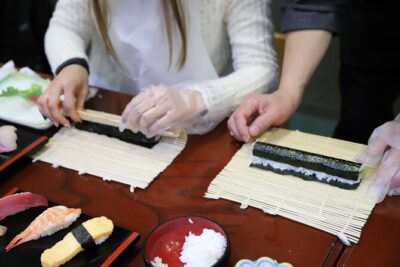 ★ 5.0Tsukiji Fish Market Guided Tour and Sushi Making with Pro ChefFrom $104775 reviews
★ 4.7Tsukiji Fish Market Food and Culture Walking TourFrom $96757 reviews
★ 5.0Tsukiji Fish Market Guided Tour and Sushi Making with Pro ChefFrom $104775 reviews
★ 4.7Tsukiji Fish Market Food and Culture Walking TourFrom $96757 reviews
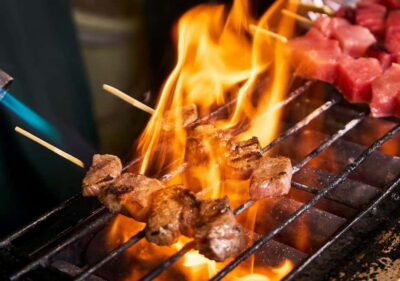 ★ 5.0Tsukiji Fish Market: Street Food & Culture Walking TourFrom $33669 reviews
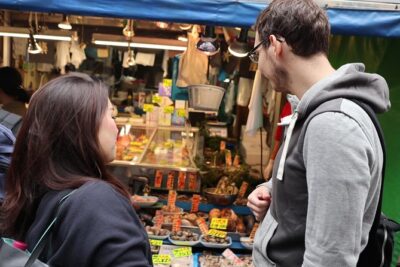 ★ 5.0Tsukiji Fish Market Small-Group Food Walking TourFrom $87621 reviews
This tour also belongs to