
Review · SHINJUKU TOURS
Tokyo: Dark Side of Tokyo Shinjuku Red Light Walking Tour
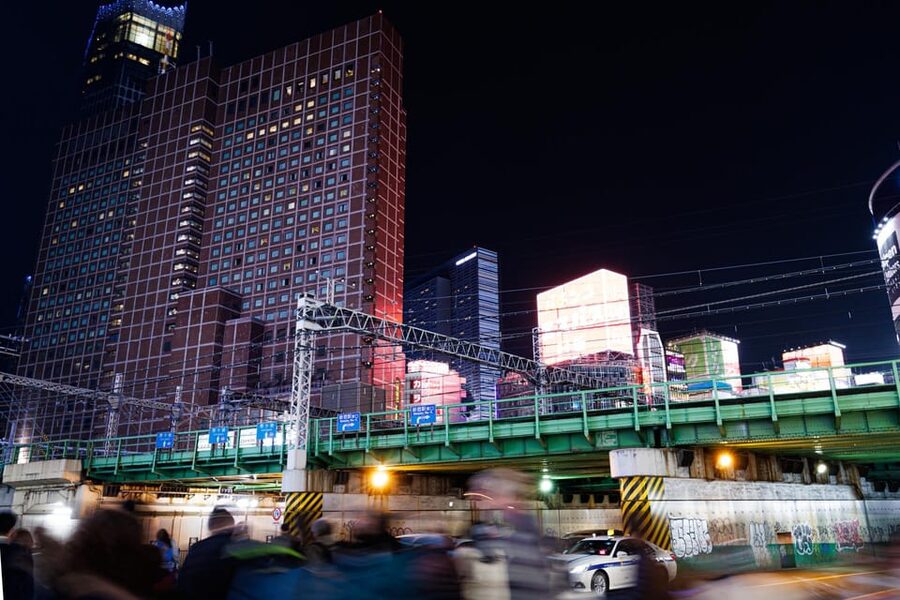
Neon Tokyo has another face. This Shinjuku after dark walking tour puts Kabukicho and its surrounding nightlife on a guided route, with clear stories and practical recommendations as the lights come up. I really like that the tour is built for first-time navigation in one of Tokyo’s busiest after-hours areas.
The second thing I love is the way the guide helps you read what you are seeing, from the district’s red-light roots to today’s mix of bars and entertainment, including LGBTQ-focused nightlife areas. The only real drawback is logistics, the meeting point can be confusing on your first night, and they do not wait for late arrivals.
Key Things You’ll Notice on This 2-Hour Shinjuku Night Walk
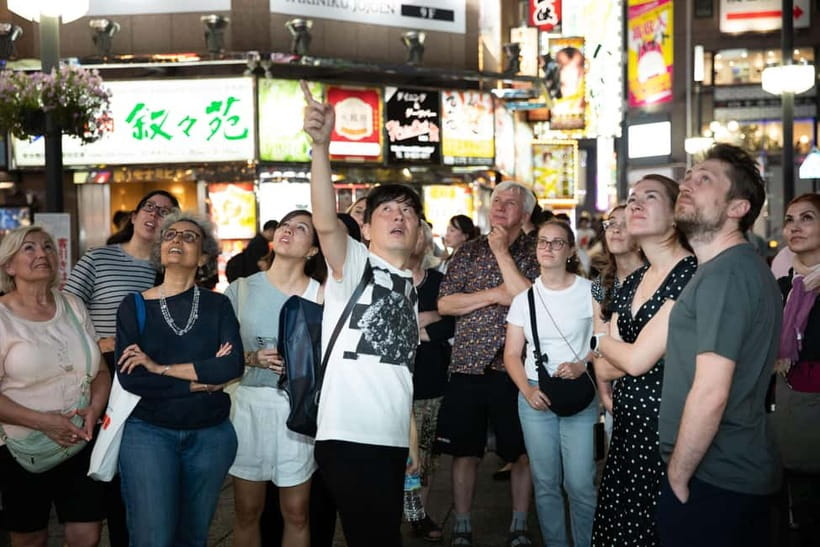
- A guide-led route through Kabukicho’s side streets so you spend less time guessing and more time understanding.
- Stop-by-stop pacing that keeps things moving without feeling like a sprint, especially around Kabukicho.
- Real neighborhood context for how the area evolved from a red-light district into an all-hours entertainment zone.
- Omoide Yokocho, Golden Gai, and 2 Chome on the same night, so you get a quick sampler of Shinjuku nightlife styles.
- Food and drink recommendations during the walk, so you know where to return after the tour ends.
- Spanish or English guidance with a guide who talks with you, not just at you.
Why Kabukicho Feels Like a Different Tokyo at Night
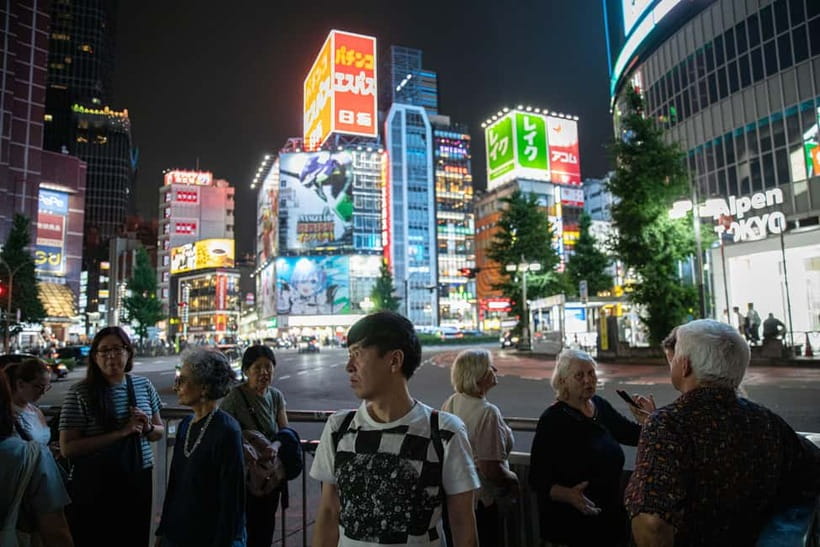
Shinjuku after dark has a personality that daytime Tokyo just doesn’t show. The neon signs are loud, the sidewalks feel narrow, and the whole area runs on small venues, quick conversations, and late-night energy.
This tour works because it is not only about lights. You get a guided route that connects what you see to why the district looks and behaves the way it does. You are also walking with a guide through the kinds of alleys and streets you might skip on your own, simply because they are hard to place on a map in the dark.
I also like that the tour stays street-level. You are not stuck in a classroom voice. Instead, you are out in Shinjuku as the neighborhood does what it does, with the guide helping you decode it so it feels less random.
You can also read our reviews of more walking tours in Tokyo

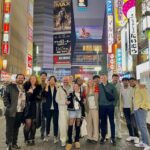
Entering Shinjuku: Meeting at the East Exit Police Box
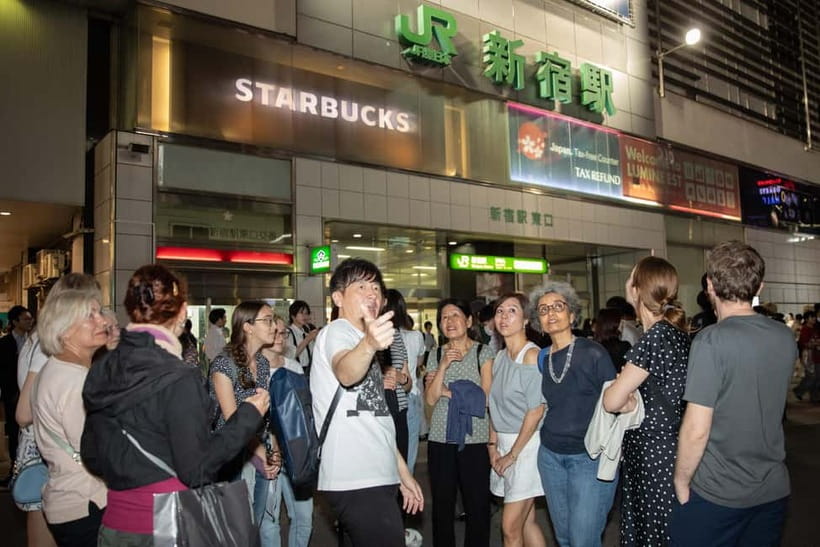
Your biggest practical challenge is the start. There are two starting options depending on what you book: Shinjuku Tourist Information Center or Shinjuku Station East Exit Police Box. Either way, you are in a train-station maze, and Shinjuku Station is one of the busiest in the world.
Do not plan to stroll in “sometime near” start time. The tour notes that the meeting point is difficult to find for first-timers, and the group does not wait for late customers. If you tend to wander when you are nervous, I’d do a quick pre-walk during the afternoon or send someone in your group to scout the exact spot.
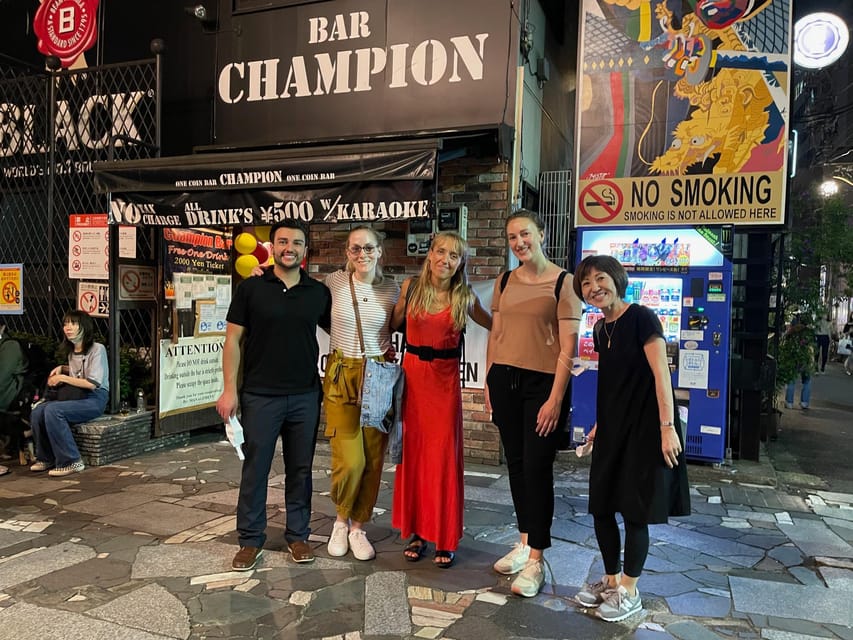
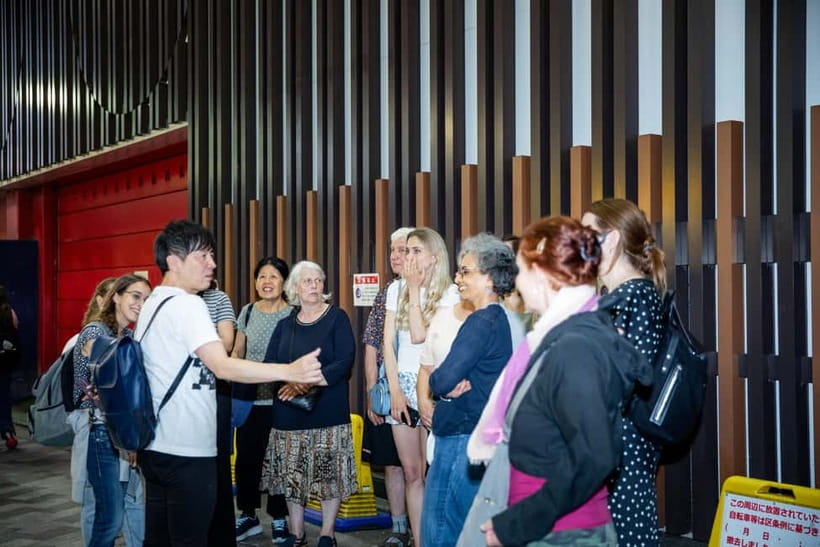
Once the guide has you together, the tour begins with a short guided moment around the meeting point area. Think of it as a setup so you know what to watch for and how the night layout fits together.
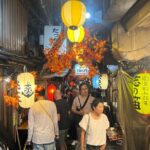
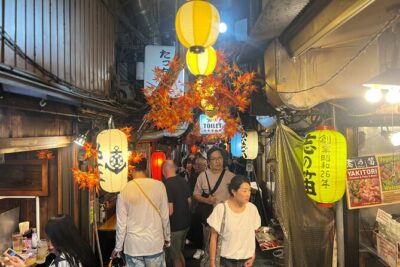
Omoide Yokocho Stop: Where the Night Feels Up Close
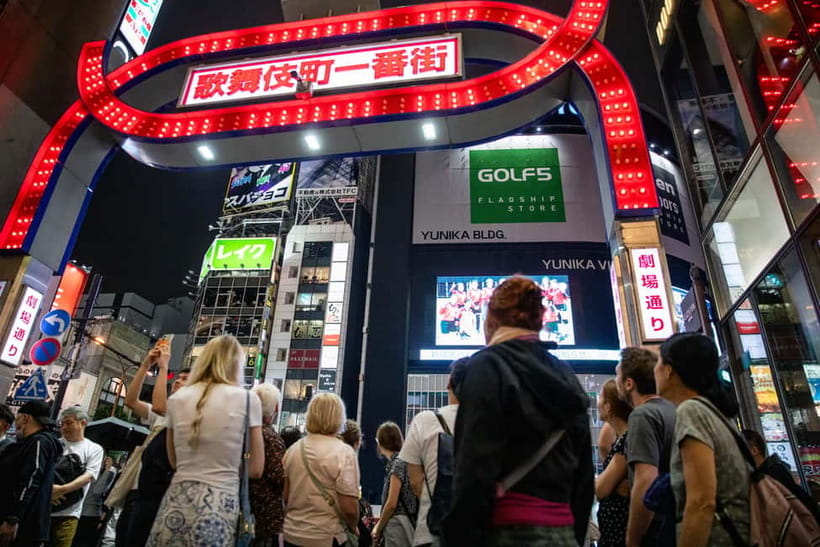
One of the first named stops is Omoide Yokocho, and the timing matters. You spend about 20 minutes there on the route, which is long enough to actually take in the atmosphere, but short enough that you still have daylight-level stamina for the rest of the night.
What makes this stop special on this kind of tour is the contrast. You start seeing the nightlife patterns that run through Shinjuku, from compact streets that feel made for foot traffic to places where people come to snack, sit, and keep talking as the evening rolls on.
The guide’s role here is practical. Instead of just pointing and moving, you get context for what you are looking at, plus food recommendations that help you decide what to try after you have your bearings.
Kabukicho Main Stretch: Neon, History, and the “Why” Behind It
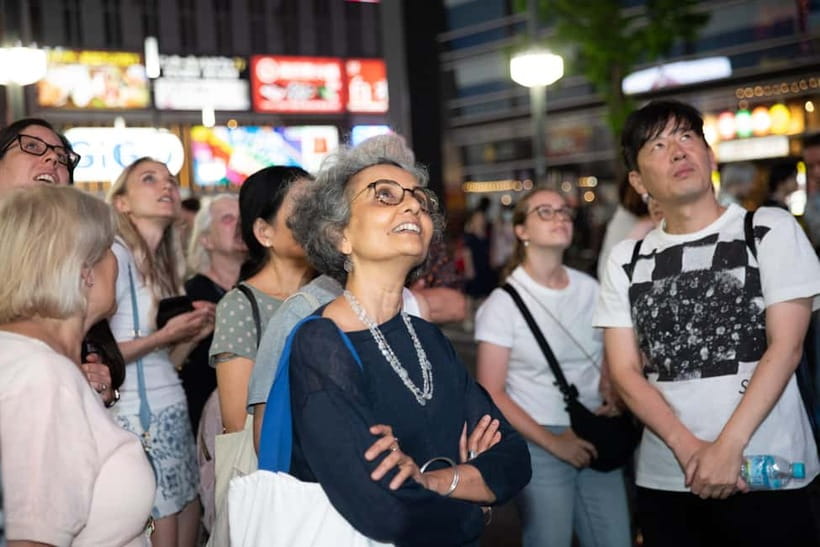
The heart of the walk is Kabukicho, where you spend about 40 minutes. This is the biggest block on the route for a reason. It is where the district’s scale hits you, and where it is easiest to see the blend of old and new.
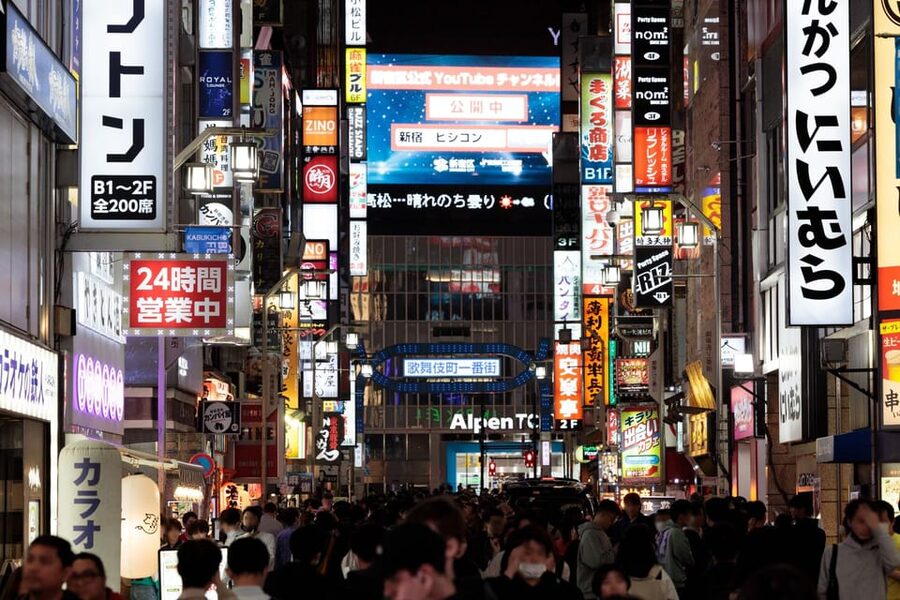
Kabukicho is described as the largest and one of the most active entertainment areas in Tokyo. You will see neon signage, entertainment complexes, and the kind of street scene where bars, izakayas, and other venues sit close enough that you can smell the situation even before you read the labels.
You also get the district’s arc: Kabukicho evolved from its earlier red-light identity into a multifaceted entertainment destination. That background changes how you interpret the neighborhood. Instead of thinking, Why is this place like this?, you start thinking, Okay, this is how it became this.
This is also the part of the tour where the guide-led storytelling usually lands best. Guides in this company are often mentioned as funny and engaging, and that matters because Shinjuku can feel intense if you do not have a narrative to hold onto. A sense of humor does not just break the ice, it keeps you comfortable walking the tight lanes.
Golden Gai and 2 Chome: Tiny Venues, Big Personality
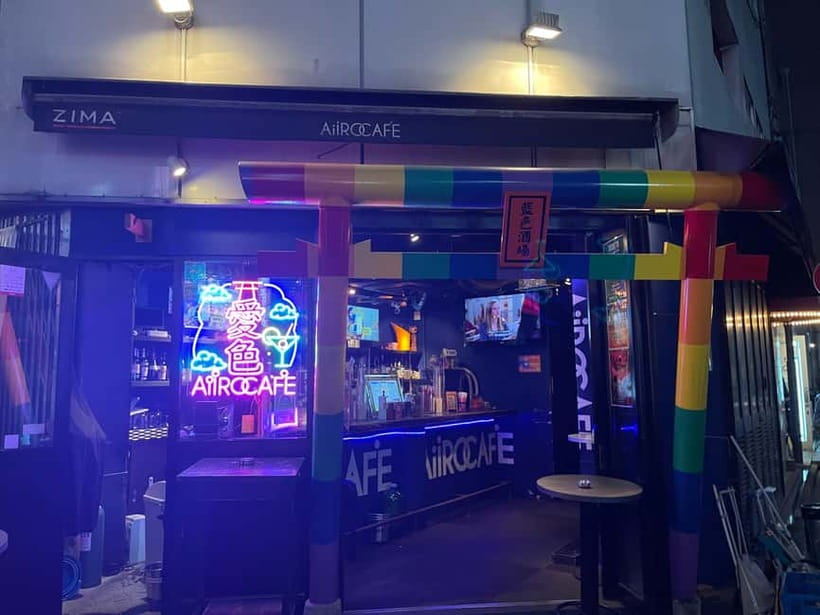
After Kabukicho, the route moves to Golden Gai for about 20 minutes, then to 2 Chome for about 20 minutes. This part of the walk is valuable because it shows you that Shinjuku is not one single nightlife style.
Golden Gai and 2 Chome are both part of the named nightlife zones you can later return to on your own, and the tour helps you understand the difference in vibe across districts. If you like the idea of testing a few neighborhood feels in one night, this pacing is exactly what you want.
Also, this is where I think the guide’s food and drink suggestions become extra useful. You are not just collecting sights. You are building a short list for your next two or three evenings in Tokyo. Many guides on this route are known for giving specific recommendations, including meal and ramen follow-ups, so you can keep the momentum going after the tour ends.

Hanazono Shrine: A Breather From Neon Noise
The route includes Hanazono Shrine for about 20 minutes. That stop is not random. It gives you a pause from the densest nightlife blocks and helps you see the neighborhood as more than only signs, clubs, and alleys.
Even if you do not consider yourself a shrine person, this kind of stop helps you reset. Tokyo’s nightlife districts can run together in your brain. A calm, traditional reference point gives the rest of the night meaning, because it shows the layering that makes the city what it is.
It is also a good moment for questions. The guide can explain cultural signals you might have missed earlier, especially around how people behave after dark and how the district’s identity fits into the broader city.
Food Recommendations and Nightlife Etiquette (No Alcohol on the Tour)
This tour includes a guide, and it is designed for walking and observing, not for bar-hopping while holding a drink. Alcohol and drugs are not allowed on the tour.
That rule matters for two reasons. First, it keeps the group more focused during the walk, especially when you are learning how to navigate. Second, it fits the idea that this is a culture-and-neighborhood tour, not a party cruise.
You still get food and drink recommendations, though. The guide is there to steer you toward places to eat or where you might want to come back later. Several guides are described as good at giving restaurant pointers that you can use immediately, which is a practical win if you want an easy plan for dinner or a late bite.
If you want to taste Tokyo’s nightlife food but you hate making decisions in the moment, this tour helps. You leave with a few targeted options instead of staring at menus while jet-lagged.
Price, Duration, and What Value Actually Means Here
At $29 per person for 2 hours, the math is pretty straightforward. You are paying for guided walking through several named Shinjuku nightlife areas, plus history and restaurant recommendations along the way.
For a neighborhood like Shinjuku, the value is mostly in the guide time. You could try to DIY your route, but you would likely lose time figuring out where things are, which lanes are worth your attention, and how to connect one district to the next. This tour compresses that learning into one night.
The proof point is the overall rating shown for this experience, 4.7 with hundreds of reviews. I treat those numbers as a signal, not gospel, but they do suggest the guides tend to do well with communication, humor, and answering questions.
Two hours is also a sweet spot. Long enough to get a real feel for the district, short enough that you can still function after. It is especially good on your first night in Tokyo, when you want to get your bearings fast and build a repeatable plan.
Who This Tour Fits Best, and Who Should Skip It
This tour is not suitable for children under 18. So keep it for adults or older teens traveling with adults.
It also makes the most sense if you want more than sightseeing. If you like learning how neighborhoods work, how nightlife evolves, and where to eat without guessing, you’ll get a lot out of this.
If you hate walking at night or get anxious in crowded areas, consider whether Kabukicho style streets feel good to you. The tour is guided and helps with context, but you are still in a busy entertainment hub.
On the other hand, if you like chatting with a guide, asking questions, and getting straight recommendations for what to do next, this kind of night walk is a strong fit. Multiple guides mentioned in recent bookings are described as friendly and engaging, with a humor style that helps the night feel manageable rather than overwhelming.
After the Tour: How to Use Your New Shinjuku Map
You end with drop-off locations listed as Shinjuku Golden-Gai and 3 Chome. That is actually helpful, because it places you in areas you can explore further without rerouting back to the station.
My advice is simple: use the recommendations during the tour as a shortlist, then pick one place to return to the same night. With the context you get from the guide, you will understand the neighborhood cues you might otherwise miss, like what kind of venue you are stepping into and what kind of crowd and mood to expect.
If you have more time in Tokyo, you can also turn this into a repeat route. Shinjuku rewards return visits. One evening gives you the layout. Another evening lets you go deeper at your own pace.
Should You Book This Shinjuku Dark Side Walking Tour?
Book it if you want a guided way to understand Shinjuku at night, especially Kabukicho and nearby nightlife zones. The 2-hour format is efficient, the guide role is strong, and the tour is built around street-level context and food recommendations you can use right away.
Skip it if you need a kid-friendly activity, you dislike crowded nightlife areas, or you strongly prefer to drink on a tour. Alcohol is not allowed here, and the experience is more about walking, stories, and practical guidance than consuming drinks together.
If it is your first or second night in Tokyo and you want to get oriented fast, this is one of the better ways to do it. You will leave with a clearer mental map and a more confident plan for where to go next.
FAQ
How long is the Tokyo Shinjuku Red Light Walking Tour?
It runs for 2 hours.
Where is the meeting point in Shinjuku?
You can meet at one of two options, the Shinjuku Tourist Information Center or the Shinjuku Station East Exit Police Box. The meeting point may vary based on what you book.
What languages are available for the live guide?
The live guide offers Spanish and English.
Is alcohol allowed on the tour?
No. Alcohol and drugs are not allowed.
Is this tour suitable for children?
No. It is not suitable for children under 18.
Can I cancel or pay later?
Yes. You can reserve now and pay later, and you can cancel up to 24 hours in advance for a full refund.
More Walking Tours in Tokyo

More Tours in Tokyo

More Tour Reviews in Tokyo
Not for you? Here's more nearby things to do in Tokyo we have reviewed




Shinjuku Tours, side by side.
 ★ 5.0Shinjuku Food Tour (13 Dishes at 4 Local Eateries)From $866,603 reviews
 ★ 5.0Tokyo Bar Hopping Tour in Shinjuku (All-You-Can-Drink + Dinner)From $1063,587 reviews
 ★ 4.9Shinjuku Food Tour (15 Dishes and 4 Eateries)From $852,033 reviews
 ★ 5.0Best of Shinjuku: Izakaya Food Tour (4 Stops, 14+ Tastings)From $921,863 reviews
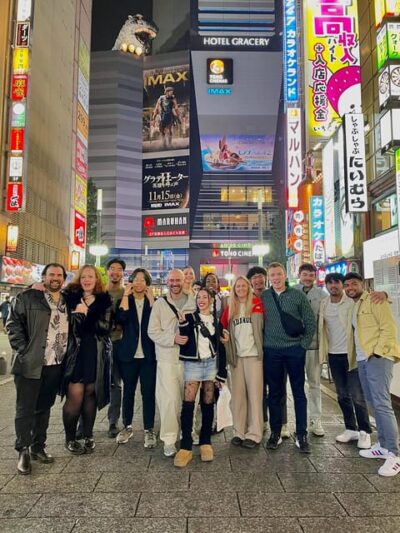 ★ 4.9Shinjuku Local Bar and Izakaya Guided Walking TourFrom $341,794 reviews
 ★ 5.0Tokyo Shinjuku Chopsticks Making ClassFrom $201,763 reviews
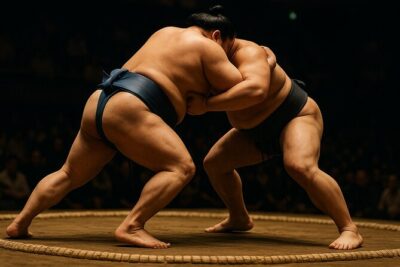 ★ 5.0Tokyo Shinjuku Sumo Show & Experience with PhotoFrom $791,750 reviews
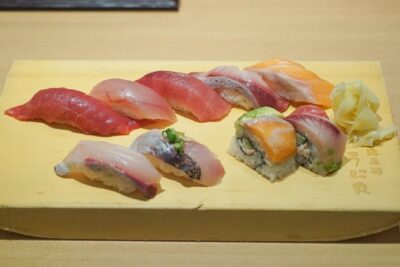 ★ 5.0Tokyo Night Foodie Tour in Shinjuku – Seasonal Sushi, Wagyu BeefFrom $1111,161 reviews
This tour also belongs to