
If you think Tokyo is all neon, this walk changes your mind. You’ll start at Otsuka Station, then trade city noise for Ikesan Park and back again, with anime spotting and China Town energy in between.
I especially like the way the tour connects everyday Tokyo life with the big-name pop-culture side, without making either one feel like a gimmick. I also like that you get actual pauses for photos and a coffee break, not just nonstop walking.
One consideration: it is not a quiet, fully seated tour, and it is not suitable for wheelchair users or people with mobility impairments, so wear good shoes and expect uneven city sidewalks.
Key things I’d prioritize on this Ikebukuro walk
- Meeting at JR Otsuka Station south exit, plus a quick tram view at the start to set the local tone
- Ikesan Park with contrasts, where families gather and you see high-rise towers right next to greenery
- Anime character spotting inside a major shopping mall, with time to browse and take pictures
- A dedicated coffee break at a café in and around the park area
- China Town flavor near Ikebukuro, plus time around station-area streets and event-style energy
- A finish at Global Ring Cafe, so you can keep the day going nearby
Ikebukuro in 90 minutes: parks, anime, and China Town energy
This is the kind of Tokyo tour that works when you want variety without spending the whole day commuting. You get a compact route that blends local neighborhoods (starting in Otsuka) with the more famous Ikebukuro identity: shopping, anime character culture, and the street life around the station area.
At $21 for a 90-minute guided walk, you are paying for two things: someone to point out the details you might miss on your own, and a structured route that keeps you moving through multiple areas efficiently. The good news is you are not locked into one theme. Nature, pop culture, and food-market browsing all show up, but each part has a reason in the flow.
You will also like the private group format. That matters in Tokyo, where big group tours can feel like a slow conveyor belt. Here, the experience feels more adjustable to what you care about.
You can also read our reviews of more walking tours in Tokyo
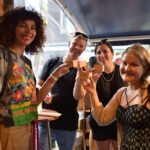
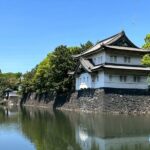
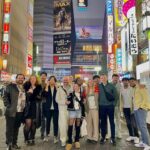
Starting at JR Otsuka Station and spotting trams like a local
Your meet-up point is the south exit of JR Otsuka Station. If you like having a clear target, use the provided coordinates to find it fast: 35.7318105, 139.7282482. Plan to arrive about 5 minutes early, because the tour starts promptly.
Right up front, you will watch the trams in front of the station. It sounds simple, but this is a great way to shift from tourist mode to Tokyo mode. In many neighborhoods, that first minute of observing local transport tells you what kind of day it will be: practical, lived-in, and on schedule.
You’ll also have an early taste of local sweetness as the tour begins. The tour does not include food or drinks later on, so treat this first stop as a built-in welcome and a chance to get comfortable with the pace.
Two quick viewpoints that teach you how to read the neighborhood
After the station area, you move through the neighborhood on foot, with a couple of short walking segments and photo stops. Think of these as orientation breaks. They help you understand the layout before you hit the more iconic sights.
These viewpoints are not just for pictures. They set up one of the tour’s key themes: contrast. Tokyo is often photographed as flat grids of skyscrapers, but here you see how residential towers sit beside everyday public spaces, and how the city’s rhythm changes from street level to park level.
The walk between points is also where you can start practicing local observation: storefront signage, neighborhood street flow, and the small cues that tell you where families hang out versus where people mainly shop.
Ikesan Park: where local families gather under big city towers
One of the biggest highlights is Ikesan Park, a place that locals use, especially families. This matters because it is not a park staged for tourists. You get the real feel of people spending time outdoors, and you get it right after starting in a hotel-and-station area.
The setting is the magic trick. You experience greenery and open space, while the surrounding high residential towers keep reminding you you are still in Tokyo. That tension is what makes this part memorable. It gives you a break from shopping intensity without fully escaping the city.
During your time here, the tour builds in photo stops and a slow rhythm so you can actually look around. You are not sprinting from one Instagram angle to the next.
Coffee break time: easy, useful, and actually timed well
After you settle into the park atmosphere, you get a coffee break at cafés inside and outside the park area. This is one of those details that makes the tour feel considerate. A 90-minute walk can feel long if it is all movement, but the pause helps you reset.
Even though the tour does not include snacks or drinks, the coffee stop is built into the route, so you are in the right place if you want something warm or a quick caffeine hit. I like this approach for independent travelers. You can choose what fits your budget and preferences instead of being forced into a specific item.
Practical tip: if you plan to take photos around café seating, arrive at least a few minutes early within the break time. Those minutes help you avoid the awkward scramble when the group regroups.






The visitor center stop: browsing, shopping, and getting better context
Next comes a visitor center stop with photo time and a longer block for browsing, shopping, and sightseeing. This is a smart slot in the route because it happens after you’ve already seen the park vibe.
A visitor center is useful for one simple reason: it helps you leave the tour with better navigation instincts. Even if you do not buy anything, you tend to understand the area faster. You also get a chance to ask questions through your guide in a low-pressure moment.
This part can be great if you like souvenirs or practical items, since you have shopping time included in the plan. Just keep in mind the tour does not include foods or drinks, so bring a plan for spending based on your preferences.
Ikebukuro shopping mall: anime spotting without feeling lost
Then the tour turns toward the fun, pop-culture side. You explore a famous Ikebukuro shopping mall with plenty of opportunities to spot popular anime characters.
What I like about this stop is how it is framed. Instead of treating anime as a separate world, the walk threads it into the overall Ikebukuro identity, where shopping and fandom culture naturally overlap. You get to see how anime characters live on street-level signage, store fronts, and mall displays.
You also get time to walk through and look, which is key. In Tokyo malls, it is easy to get separated from your group if you speed ahead. Here, the structure gives you permission to browse.
If you are an anime fan, you’ll likely enjoy the photo opportunities most. If you are not, you can still use this time as a crash course in how Japanese marketing and pop culture show up in everyday commercial spaces.
Around-the-station energy, China Town atmosphere, and event-style street life
After the shopping, you experience Ikebukuro culture and street atmosphere near the station area, including the China Town area. You also pass by places where events are held, which helps the neighborhood feel less static.
This is where the tour earns its name. You are not just seeing a single district. You are sampling the station-area rhythm, where the energy shifts quickly depending on time of day and what’s happening on the streets.
The good part is that this segment feels like it belongs to the rest of the walk. You went from Otsuka’s trams to Ikesan Park’s calm to a mall full of anime. Now the station area pulls you back into the louder, more social side of Ikebukuro.
Food-market time: street snacks on your terms
The tour includes time to check out Ikebukuro’s food market and local snacks around this area. Since the tour does not include any foods, snacks, or drinks, this is your chance to pick what you want, when you want it.
Even without guaranteed tastings, I find this stop valuable because it helps you avoid the common Tokyo mistake: buying the wrong thing too late and realizing you could have chosen better. You’ll have a short, focused block to look at options, decide fast, and still keep the walking pace.
If you want to make this part easier, eat lightly before the tour. That way you can enjoy one snack or small bite and not feel stuffed during the final stretch.
Finishing at Global Ring Cafe: a friendly landing spot
You end at Global Ring Cafe. Ending near a café is practical in a city where your legs might be the limiting factor, not your curiosity. It also makes it easier to continue your day without needing to immediately plan the next transit step.
If you want a seamless next move, consider using the finish location as your reset point. Grab water, review photos, and decide whether you want more shopping, more streets, or to head toward dinner.
About the guide and why Ren’s style matters
Two of the standout points from the guide experience are clarity and friendliness. In the feedback you can see that the guide, Ren, came across as friendly and informative, and that he helped people connect dots between the different parts of Ikebukuro.
Another valuable detail is how flexible Ren can be. One note highlights that he can tailor the walk on the spot to match your interests. That is a big deal on short tours, because you only have 90 minutes. If your guide adjusts to you, you end up feeling like you got more value from that limited time.
Also, the tour runs with a live guide in Japanese, English, or Chinese, depending on your selection. A multilingual guide matters in Tokyo, especially if you want quick explanations of what you are seeing rather than vague pointing.
Who this tour is best for, and who should choose differently
This tour is ideal for you if you want a first taste of Ikebukuro that includes more than one vibe in a short time. It works well when you like walking, want photo-friendly stops, and enjoy the mix of everyday city life with anime shopping culture.
It is also a good match if you want a guide to help you navigate areas like the China Town zone and the shopping mall without getting overwhelmed. The short structure keeps you from wandering too far off track.
Skip this tour if you need step-free access or a wheelchair-friendly route. It is not suitable for people with mobility impairments or wheelchair users, so be honest about what your body can handle.
Price and value: what $21 gets you in Tokyo time
At $21 per person for 90 minutes, the price feels fair because you are paying for more than just movement. You get:
- a guided route through Otsuka and Ikebukuro areas
- time at Ikesan Park, plus café access in the park zone
- a shopping mall segment built around anime character spotting
- a visitor center stop with browsing and shopping time
- station-area China Town atmosphere and photo opportunities
- a final hand-off at Global Ring Cafe
The tour does not include food, snacks, or drinks, so plan on spending extra if you want to eat during the snack market portion or buy coffee. Still, the built-in breaks help you control your budget because you decide what to buy.
If you are comparing options, treat this as a short, guided sampler. It is not a full-day cultural deep dive, and it does not promise set meals. What it does offer is a clean mix of Tokyo styles in a way that feels easy to manage.
Should you book this Ikebukuro walking tour?
Book it if you want a well-paced sampler of Ikebukuro that includes Ikesan Park, anime shopping stops, and China Town station-area atmosphere, all with a friendly guide like Ren. It is especially worth it for first-time visitors who want context without committing to a half-day tour.
I would also book it if you like structure. The route has enough variety that you will feel you saw a lot, but it still has pauses for photos and a café break so you do not feel rushed.
Skip it if your mobility needs make city walking difficult. And if you have strict food expectations, remember foods, snacks, and drinks are not included, so you will be choosing and paying as you go.
FAQ
Where is the meeting point for the Ikebukuro tour?
You meet at the south exit of JR Otsuka Station.
How long is the Tokyo Ikebukuro Popular Spots and Backstreets Walking Tour?
The tour lasts 90 minutes.
How much does the tour cost?
The price is listed at $21 per person.
What are some key places you visit on the walk?
You visit Ikesan Park, explore a popular Ikebukuro shopping mall with anime characters, spend time around a café area in and outside the park, and experience Ikebukuro culture including the China Town area near the station. The tour finishes at Global Ring Cafe.
What’s included in the tour price?
The tour includes the tram viewing at the start by Otsuka Station, a visit to Ikesan Park, exploring the shopping mall for anime characters, visiting a café area in the park zone, and experiencing Ikebukuro culture and atmosphere.
Are foods, snacks, or drinks included?
No. Foods, snacks, and drinks are not included.
What language options do you have for the guide?
The live guide is offered in Japanese, English, and Chinese.
Is the tour private?
Yes, it is a private group.
Is this tour suitable for wheelchair users or mobility impairments?
No. It is not suitable for people with mobility impairments or wheelchair users.
More Walking Tours in Tokyo
More Tours in Tokyo
More Tour Reviews in Tokyo
Not for you? Here's more nearby things to do in Tokyo we have reviewed












Tokyo City Tours, side by side.
 ★ 5.01-Day Tokyo Bus TourFrom $12914,250 reviews
 ★ 4.5TOKYO SKYTREE® Admission ticketFrom $1311,192 reviews
 ★ 4.6teamLab Planets TOKYO Digital Art Museum Entry TicketFrom $259,779 reviews
 ★ 4.0Mt Fuji & Hakone Cruise, Drum Show Bullet Train 1 Day from TokyoFrom $1497,413 reviews
 ★ 5.0Shinjuku Food Tour (13 Dishes at 4 Local Eateries)From $866,603 reviews
 ★ 4.4Tokyo Mt Fuji 5th St & Hakone Cruise Bus Tour w/Bullet TrainFrom $1545,024 reviews
 ★ 5.0Flagship 2-Hours Official Street Go-Kart Tour – Tokyo Bay ShopFrom $644,974 reviews
 ★ 4.5From Tokyo: Mount Fuji Full-Day Sightseeing TripFrom $684,970 reviews
This tour also belongs to