
Review · IMPERIAL PALACE TOURS
Tokyo: Imperial Palace, the history of Japan (ENGLISH GUIDE)
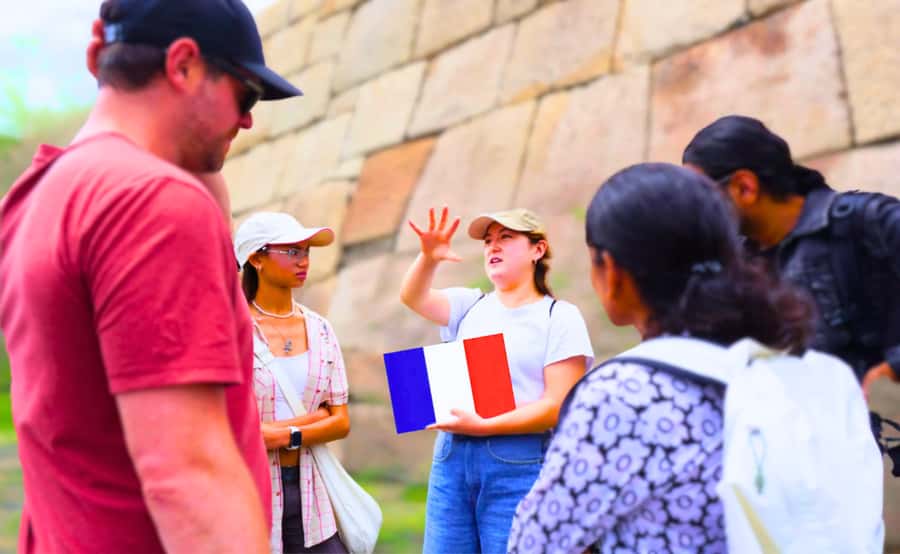
A quiet walk through history beats big museum days. This Tokyo Imperial Palace tour uses the eastern gardens and palace ruins to explain how Japan became the country you see today, with the bonus of smart photo guidance and a look at koi fish found only here. I particularly liked how the pace is easy for questions, and how the guide connects what you see on the ground to real historical shifts. One thing to watch for is that it does not include access to the inner palace.
If your main goal is standing in the former Edo Castle center, you will be slightly frustrated. But if you want context, atmosphere, and practical highlights across the grounds, this tour delivers. You start at a Starbucks meeting point, walk through the Otemon gate area, and finish back where you began, with weather-appropriate clothing recommended because the tour runs in good weather or bad.
Key Highlights You Can Plan Around
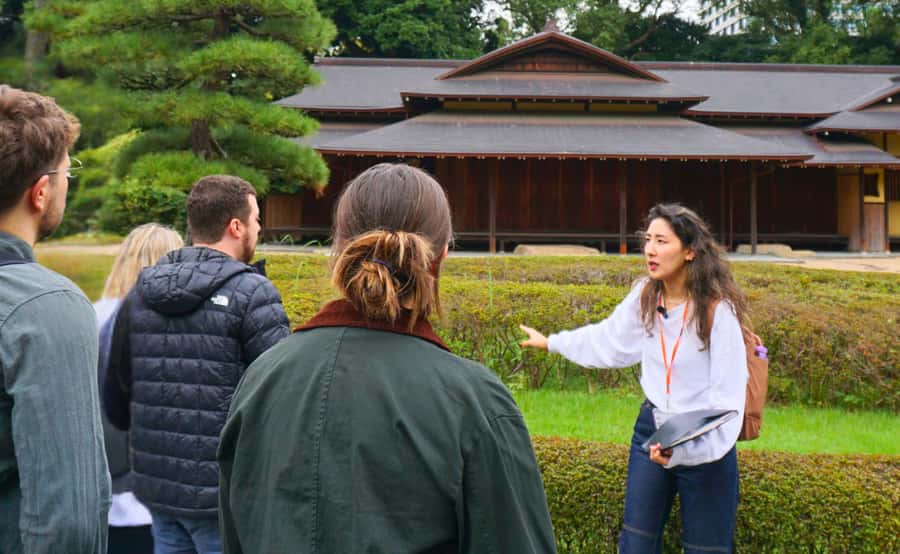
- Otemon main gate start with a clear path through the palace grounds and gardens
- No inner palace access, so you focus on ruins, gardens, and history explanations
- Miniature former palace structure to understand what is no longer standing
- Special koi fish that are unique to this location
- Trees from different prefectures that turn a stroll into a living map
- Photo spots timed into the walk for better angles and easier pictures
Eastern Imperial Gardens: The History You Actually Walk Through
Tokyo’s Imperial Palace grounds can feel intimidating at first, mostly because people expect the big castle they have seen in old photos. This tour shifts your focus to what is still here and what the guide can explain without rushing you. You are walking in the eastern gardens of the former Edo Palace, in spaces where serenity helps the stories land.
I like that the tour is not just facts. You move from gate to garden to ruins, and each stop adds one more piece to the bigger picture of Japan’s evolution. It is one of those experiences where the setting makes the history easier to remember.
The best part for me is the balance between calm and curiosity. You get time to look around, and you also get a guide who can answer questions. In one standout example, the Franco-Japanese guide Nicolas made the walk feel like a conversation, with topics that ranged from Japanese mythology to language and life in Japan.
You can also read our reviews of more guided tours in Tokyo


Getting There Smoothly: Tokyo Station or Otemachi to Starbucks by Wadakuramon
Logistics matter more than people think, especially in Tokyo where you can lose time inside station mazes. The meeting plan here is simple: take the train to Tokyo Station or Otemachi Station, then walk about 5 to 10 minutes to Wadakuramon Fountain Park. In the park, head toward Starbucks where the guide waits.
Look for the Sunrise Adventure sign held by your guide near the fountain. That detail is worth your attention because it prevents the classic first-10-minutes panic, the kind that makes you late and flustered before the tour even starts.
The tour ends back at the meeting point, which is a nice convenience. You can plan the rest of your day without needing a complicated second location.
Through the Otemon Gate: Why the Main Castle Isn’t There
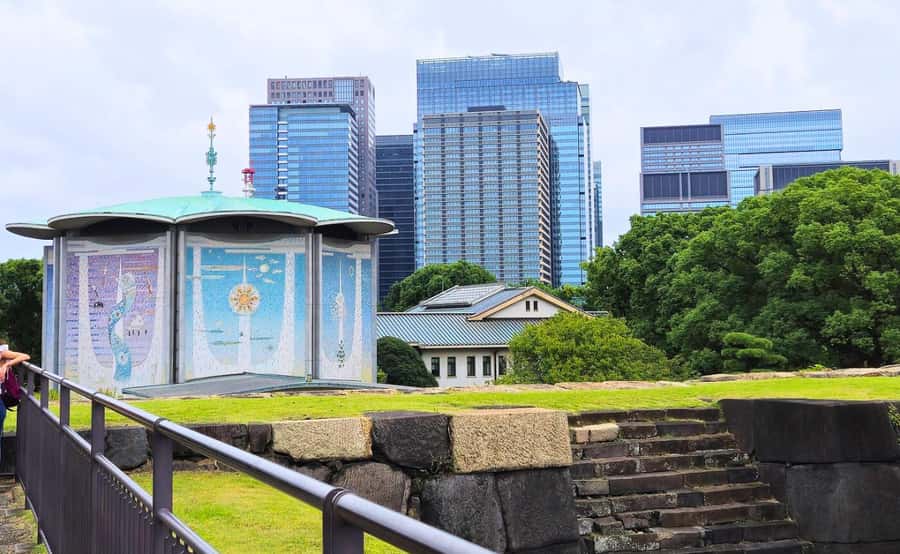
You begin by heading to the large main gate, called the Otemon. That moment matters because it frames your walk, you are entering a space where Japan’s past is literally built into the route. Once you pass through, you follow your guide across the palace grounds at a steady walking pace.
Here’s the key expectation to set up properly: the main castle no longer exists. Your guide explains why, and you also get to see a miniature structure of the former palace. I appreciate this approach because it answers the inevitable question you will have while looking at open space, you are not left guessing.
That miniature model is more than a cute detail. It helps you understand scale and layout while you are standing somewhere the original structure is gone. It turns confusion into comprehension, and it gives your photos a better story, not just a pretty view.
Oriental Garden Stroll: Photo-Friendly Calm and Clear Interpretations
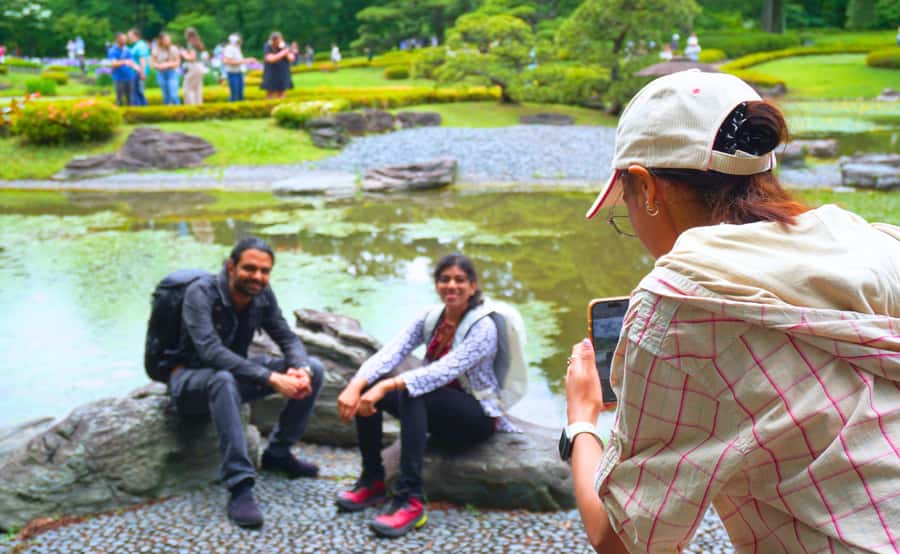
After the gate area, the walk continues into the oriental garden. This is where the experience shifts from “I’m in a historic place” to “I understand how the place was meant to feel.” The gardens are a kind of design language, and a good guide makes you notice how each turn changes the mood.
You also get guided stops for the best photo angles. That might sound like a bonus, but it helps in practice. In a place like this, you can waste time hunting for the perfect angle. Instead, you walk to viewpoints that match the story, so your photos feel intentional.
Even if you are not a photography person, this section is useful because it gives you time to see the grounds rather than just pass through. The tour’s tone stays calm while the guide keeps building the historical timeline, so you do not feel overwhelmed by information.
One small but important note: you should dress for the weather. The tour runs in good weather or bad, and you will be outdoors for walking and garden viewing.
Former Soldiers’ Barracks, Edo Castle Base, and the Koi You Came For

A big reason to book this kind of walking tour is that it helps you picture what happened in the exact spots you stand today. The walk covers the former soldiers’ barracks area, which adds a more human layer to Imperial Palace history. You are not only thinking about rulers and ceremonies, you are also seeing where daily military life would have shaped the space.
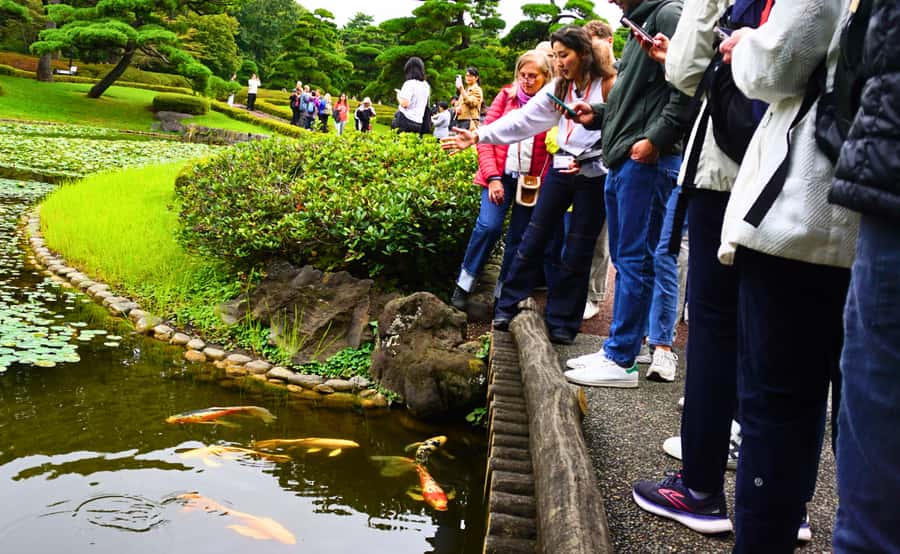
Then comes one of the most memorable, hands-on highlights: special koi fish. The koi breed here is unique, found only in this location, and it is one of the highlights that stands out in the tour description. I like seeing animals included in history walks, because it keeps your attention grounded in the present while the guide talks about the past.
You also visit the former base of Edo Castle, more than 350 years ago. That stop helps connect Edo-era Tokyo to the modern city identity. It also gives you a concrete anchor, you can point to the area and say, this is where a major chapter began, not just where a museum plaque sits.
This section is also where the tour’s pacing really matters. If you move too fast, you miss the serenity and you miss the details. Here, the guide keeps the walk moving, but it is still slow enough that you can look, ask, and take photos without feeling rushed.
You can also read our reviews of more historical tours in Tokyo




Trees from Different Prefectures: A Living Map of Japan
One surprise benefit of this tour is that it uses everyday nature as a historical tool. You get to marvel at trees from different prefectures of Japan. It’s a simple idea, but it changes how you read the grounds.
Instead of seeing one uniform “palace garden,” you start noticing diversity in the living elements. The guide uses those details to connect geography and identity, showing how Japan’s varied regions can be represented in one carefully managed space.
If you like travel that mixes culture with observation, this part is a good payoff. You can look up, notice the different trees, and remember the explanation that put them into context. It is a small stop, but it turns a quiet area into something you actively interpret.
How the Tour Explains Japan’s Big Changes Without Making It Dry
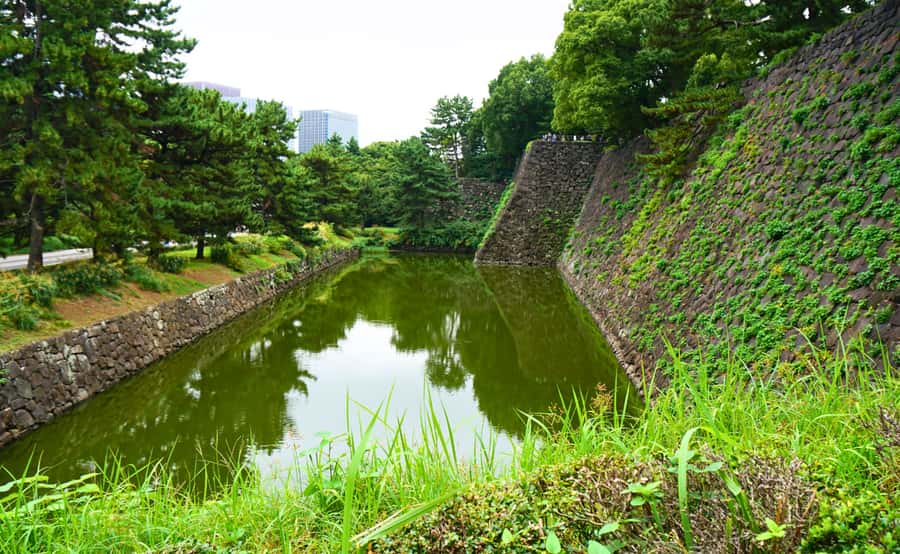
Japan’s history can sound complicated on paper, but this tour aims to make it understandable through what you can see. The story is about how Japan evolved from its earlier era into the country it is today, using the former palace grounds as your timeline.
I like that the guide does not treat the tour like a lecture. In at least one experience led by Nicolas, the conversation style helped people ask questions about Japanese mythology and even everyday topics like language. That kind of Q and A makes the history feel less distant.
It also helps that the tour touches on multiple themes: the palace grounds, the lost main castle, the Edo Castle foundation area, and the soldiers’ barracks space. Together, they paint a fuller picture than a single landmark would.
If you are the type who gets bored when history becomes dates only, this approach is worth it. You are learning by looking, and you are learning because the guide keeps tying the visual details back to the story.
Price and Value: What $40 Buys You Here
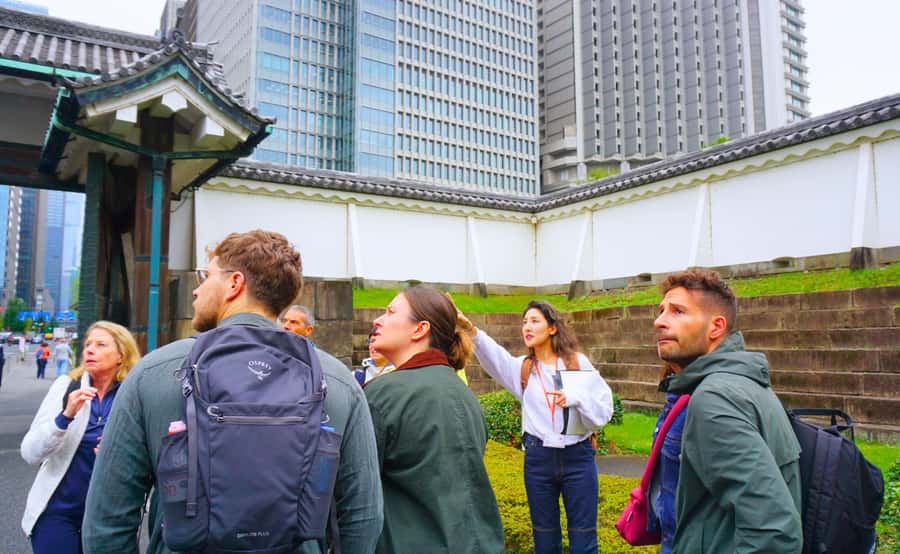
At $40 per person, this tour sits in the “reasonable guided walk” category. The key value is not just the sightseeing. It is the way the guide helps you interpret the grounds that you might otherwise find confusing or overly formal to explore on your own.
Included in the price is a French guide and a historical walking tour. That matters because you are paying for explanation, timing, and route flow, not just entry to a viewpoint. You also get practical help for photos, which can save you time and effort.
What you are not paying for is access to the inner palace. That is the main tradeoff. If you want the most restricted, interior areas, you will need a different option. But for many visitors, focusing on eastern gardens, ruins, koi, and contextual history is the smarter use of time.
Who Should Book, and Who Might Want a Different Format
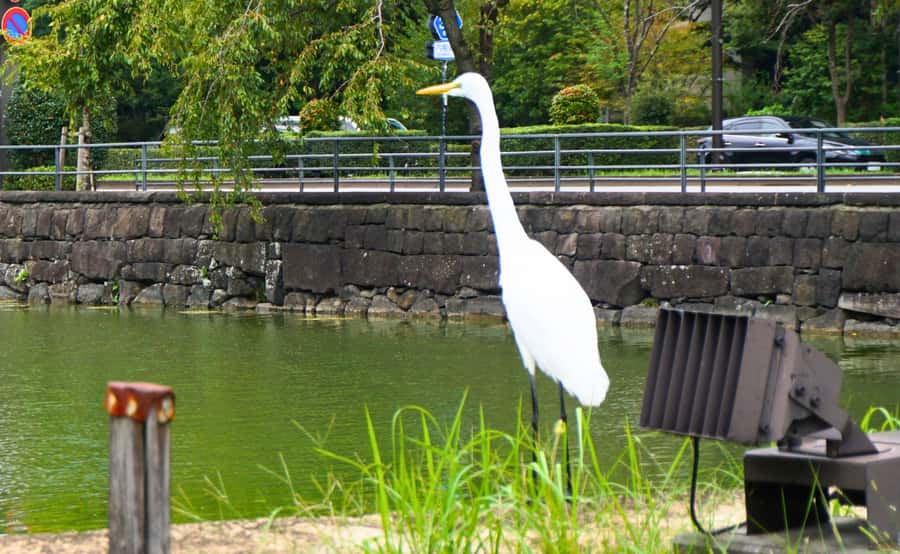
This tour fits best if you want history with atmosphere. It is ideal if you like guided walking experiences that stay outdoors, mix quiet garden time with meaningful explanations, and keep room for questions.
I also think it works well for first-time visitors who feel overwhelmed by the Imperial Palace area. Instead of trying to map it out alone, you get a guided route that starts at an easy-to-find Starbucks meeting point and ends back at the same location.
If you are determined to access the inner palace areas, you should skip this one. It does not include that. Also, if you hate walking in all weather, factor that in, since the tour runs in good weather or bad.
Finally, if you enjoy small-group energy, this tour can deliver. One experience shared a group of 5 that made conversation easy and friendly, which is exactly what you want for a history-focused walk.
Should You Book This Imperial Palace History Walk?
Yes, I would book it if your goal is to understand the Imperial Palace grounds through the eastern gardens, ruins, and Edo-era connections. The combination of Otemon gate entry, the miniature former palace structure, the special koi, and the guide-led explanation is a solid value package for $40.
I would not book it if your priority is inner palace access, because that is explicitly not included. I also suggest wearing weather-ready clothing and arriving early enough to be at the Starbucks meeting point on time, since the tour starts without you if you are more than 10 minutes late.
FAQ
How much does the Tokyo Imperial Palace history tour cost?
The price is $40 per person.
Where does the tour start?
The tour starts at a Starbucks inside Wadakuramon Fountain Park, where your guide is waiting with a Sunrise Adventure sign.
Which train station should I use?
You can take the train to Tokyo Station or Otemachi Station, then walk about 5 to 10 minutes to Wadakuramon Fountain Park.
What language is the guide?
The guide is listed as French, and the experience is described as having a French guide.
Does the tour include access to the inner palace?
No. Access to the inner palace is not included.
What parts of the palace area will I see?
You will walk through the palace grounds and eastern oriental gardens, with stops that include palace ruins, the area related to former soldiers’ barracks, and the former base of Edo Castle. You will also have the chance to see a miniature structure of the former palace.
Is there anything special to see related to koi fish?
Yes. The tour highlights special koi fish that can only be found here.
What should I wear?
Wear clothing appropriate for the weather. The tour takes place in good weather or bad.
Are drones and smoking allowed?
No. Smoking is not allowed, and drones are not allowed either.
Can I reserve and pay later, and what about cancellation?
You can reserve & pay later, meaning you book your spot and pay nothing today. You can cancel up to 24 hours in advance for a full refund.
More Historical Tours in Tokyo
More Guided Tours in Tokyo



More Tour Reviews in Tokyo





Not for you? Here's more nearby things to do in Tokyo we have reviewed









Imperial Palace Tours, side by side.
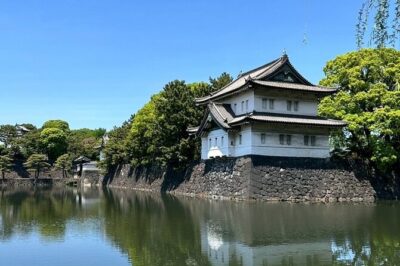 ★ 5.0Imperial Palace and Shogun Historical Walking TourFrom $222,251 reviews
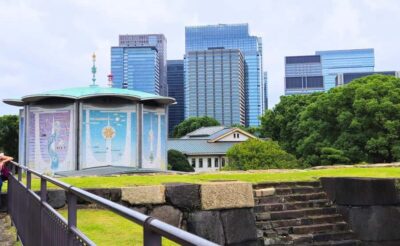 ★ 4.9Imperial Palace Japanese History Walking TourFrom $32987 reviews
 ★ 4.9Imperial Palace and Shogun Walking TourFrom $16935 reviews
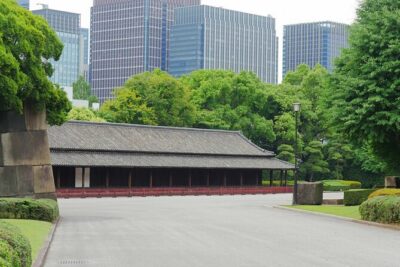 ★ 5.0Imperial Palace East Garden and Edo Castle Walking Tour in TokyoFrom $25510 reviews
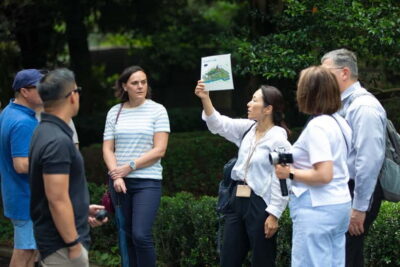 ★ 4.8Imperial Palace East Gardens Walking TourFrom $19353 reviews
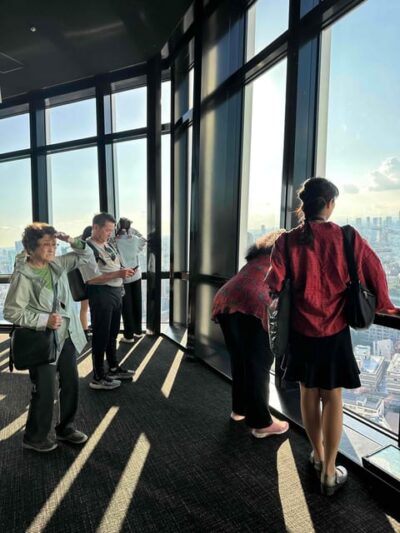 ★ 4.5Imperial Palace, Sensō-ji Temple, & Tokyo Tower TourFrom $40339 reviews
 ★ 5.0Tokyo Castle, Imperial Palace, Shogun & Garden Walking TourFrom $31211 reviews
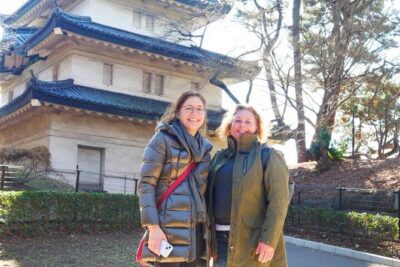 ★ 4.7Edo Castle & East Garden of the Imperial Palace TourFrom $42112 reviews
This tour also belongs to