
Review · MEIJI SHRINE TOURS
Tokyo: Meiji Shrine Walking Tour with Local Guide
Tokyo slows down at Meiji Jingu. On this guided walk, I love how the sacred forest turns the volume down fast, and I love getting clear ritual guidance for bowing, cleansing, and praying.
The tour is simple and low-stress, but it is still a walking experience through shrine grounds and paths. If you do not handle long strolls well, wear comfy shoes and plan for a steady pace.
Key points you will care about
- Serenity with a guide: You walk the grounds with context, not just photos.
- Rituals explained step by step: Bowing, cleansing, and praying in the traditional way.
- Torii etiquette you can use: Learn the left-side walking tip for the approach.
- The quiet Imperial Fishing Platform: A calm corner most people miss.
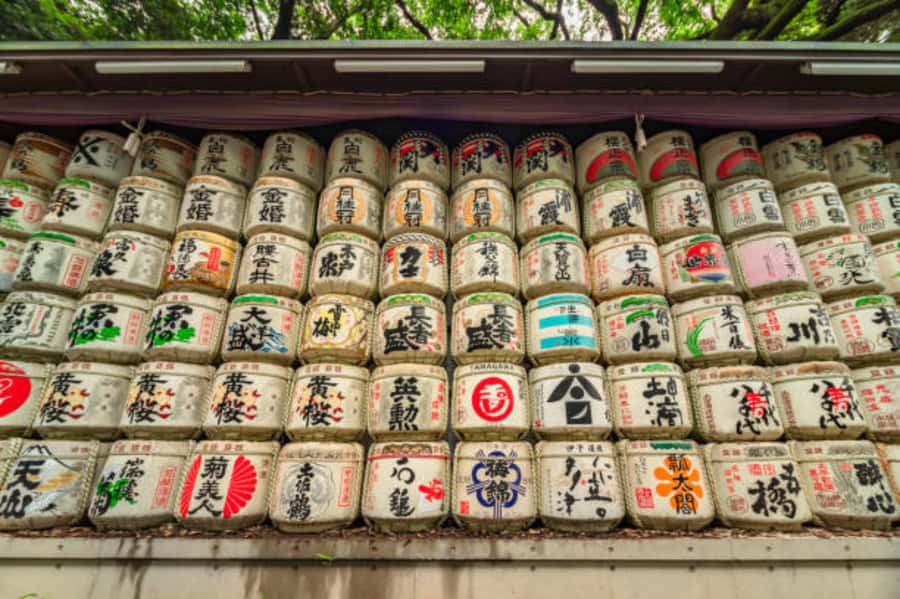
- Little details near the main shrine: Turtle stone and sazare stone make the visit feel more real.
- Easy next stop: The walk ends near Harajuku Station, so you can keep going.
Walking From Crowds Into Meiji Jingu’s Green Quiet
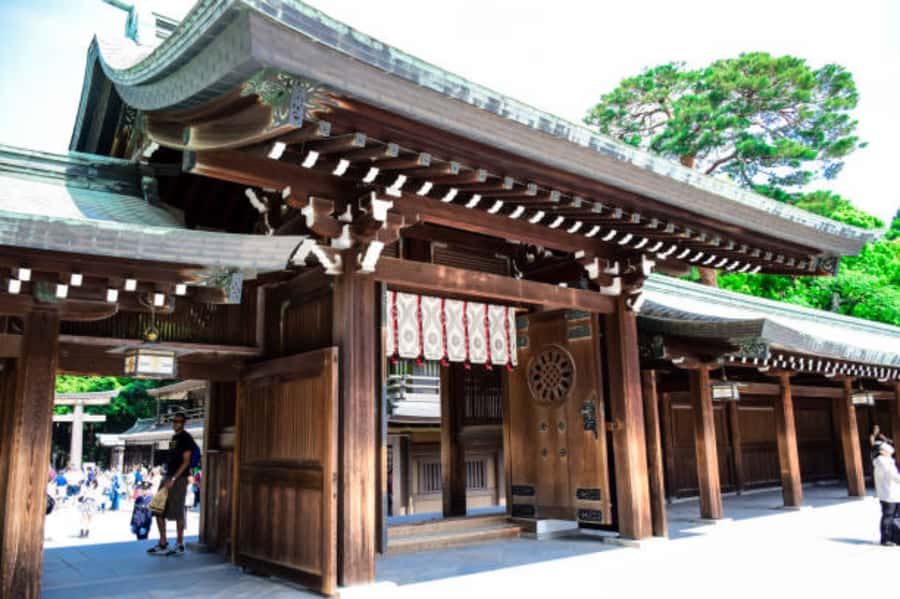
Meiji Shrine is one of those Tokyo places that can feel like a movie set, until you slow down and actually look around. This tour helps you do that. You start by getting away from the crush and into the sacred forest atmosphere, where sound changes and even your walking pace seems to drop.
What makes this tour feel different is that it is guided, not just sightseeing. You are shown how the shrine space works, what matters on the route, and why certain spots feel more meaningful than others. That shift is what turns a famous landmark into something you remember.
You can also read our reviews of more walking tours in Tokyo


Finding Your Guide and Staying Comfortable
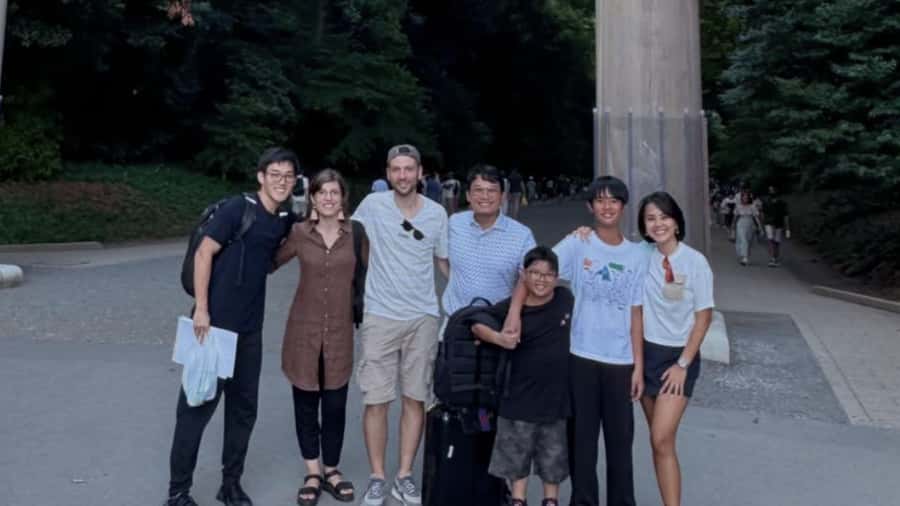
You meet the guide who is holding a blue A4-sized board. It is an easy visual marker, and once you spot it, you can relax and focus on the walk.
Come with comfortable shoes. This is still a walking tour, and shrine grounds include paths that are not made for sprinting. Bring a camera if you like photos, because there are intentional photo stops during the route.
The tour runs in English (and Japanese is also listed as available). That matters here, because the experience is heavy on correct ritual behavior. If you are unsure what you are supposed to do, the guide is the difference between awkward guessing and confidence.
Outer Worship Hall: Bow, Cleanse, Pray the Traditional Way
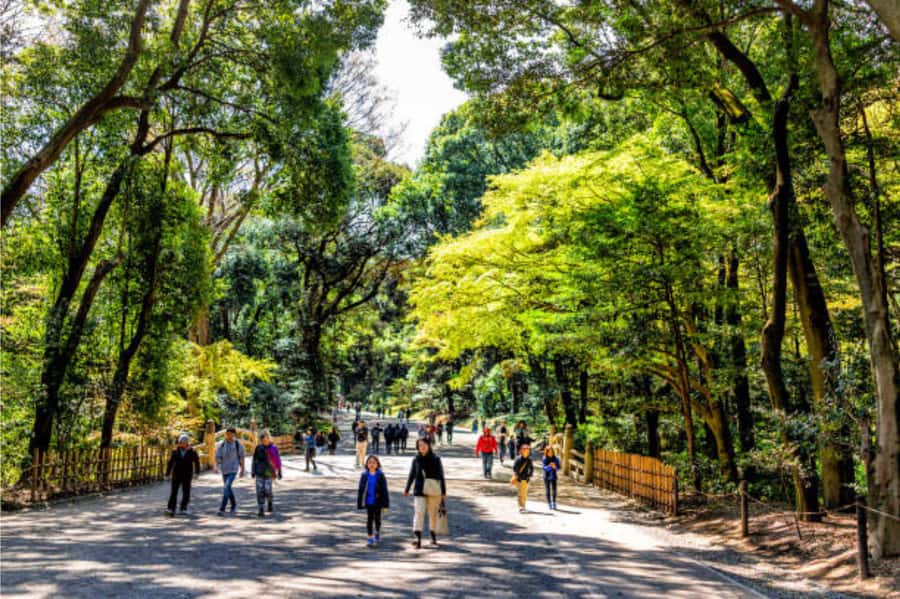
The first major stop is the Outer Worship Hall, where locals come to make wishes and offer respect. This is a good place to start because it sets the tone. You see how serious and everyday the shrine can be at the same time.
Then comes the practical part: the guide teaches you how to bow, how to do the cleansing, and how to pray in the way Tokyoites do, similar to how people approach worship during New Year’s. Even if you have visited shrines before, I like having someone show you the motions and explain what the steps are for.
This is also where you learn the rhythm of the visit. You are not just walking forward and hoping for the best. You get a sense of when to pause, when to follow the line of worshippers, and how to move respectfully through the space.
Torii Etiquette and the Left-Side Rule on the Approach
The torii gate at Meiji Jingu is iconic, and you can easily just walk through it like a photo stop. The guide adds meaning right away.
One of the best teaching moments is the etiquette around the approach path. I learned from the guide that the central part of the approach is where the gods walk, so visitors should walk on the left side. That is exactly the kind of detail that makes you feel like you are participating, not just passing through.
The guide also explains highlights of the torii itself and what you are stepping into as you move down the approach. Once you understand the logic of the route, the long corridor of trees and stone does not feel random. It feels planned, like the shrine is directing your attention.
The Emperor’s Quiet Corner: Imperial Fishing Platform
Next, you visit the Imperial Fishing Platform, a calmer pocket of Meiji Shrine that most casual visits skip. This is a place where your brain stops hunting for big sights and starts noticing stillness.
The tour frames it as a rare look into the Emperor’s pastimes and Japan’s quiet reverence for nature. You are not being asked to perform anything here. The value is in slowing down and seeing how a shrine can hold history and a softer kind of respect at the same time.
I like that this stop breaks the pattern of main-hall sightseeing. It helps you understand Meiji Jingu as more than just the postcard route. You start seeing how the shrine grounds are designed to create pockets of atmosphere.
You can also read our reviews of more guided tours in Tokyo






Turtle Stone and Sazare Stone, Details You Only Notice With a Guide
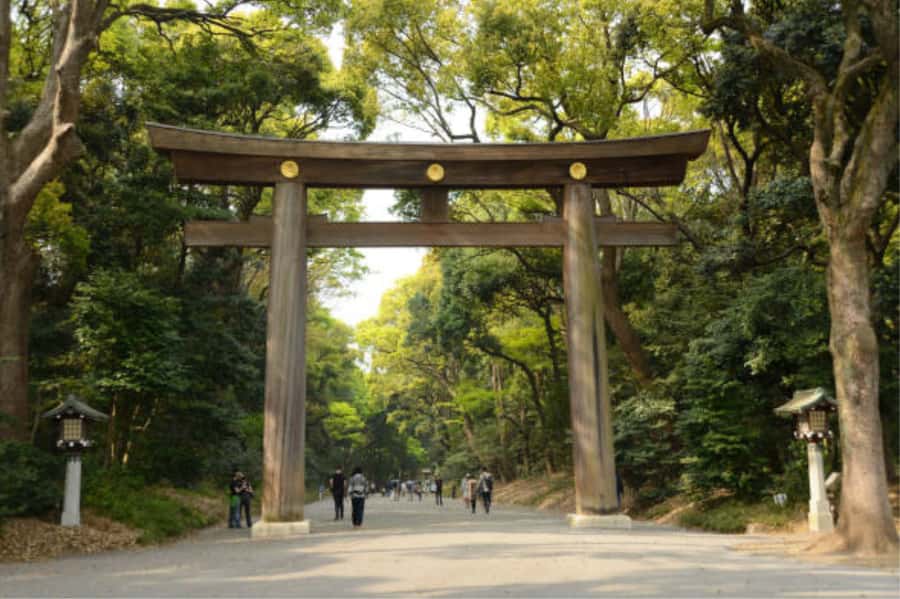
Meiji Jingu has plenty to look at, but some of the meaning hides in the details. This tour helps you catch those clues.
You get a look at the back of the main hall and learn about specific stones, including the turtle stone and the sazare stone. These are the kinds of things that are easy to miss if you are scanning for the next big view. With the guide’s explanation, they become anchors that connect the physical space to the shrine’s traditions.
Even if you are not the type who studies religious symbols, this kind of context changes your experience. It is not about memorizing facts. It is about feeling the thought behind the place, one small element at a time.
How the Sacred Forest Shapes Your Visit (Not Just Your Photos)
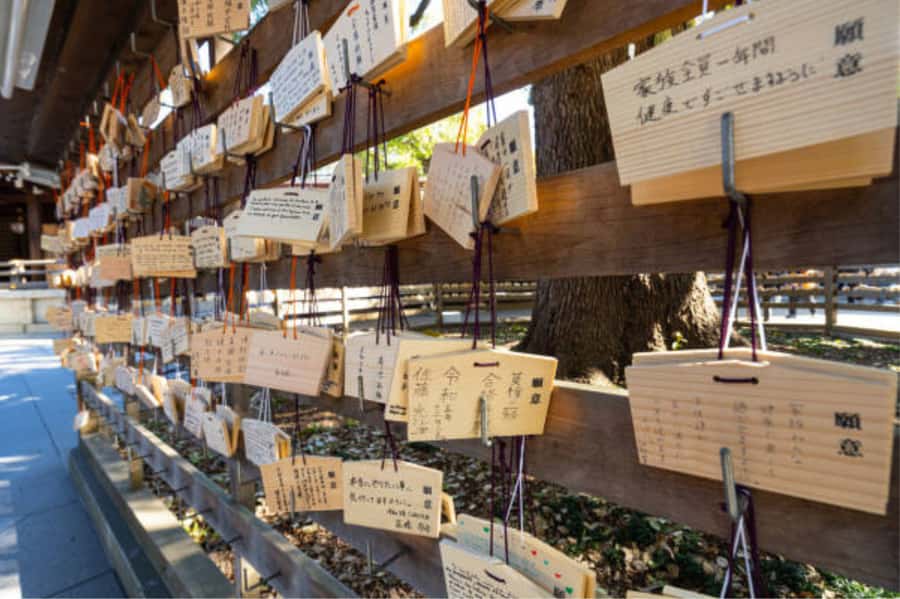
A shrine walk can either feel like a checklist or like a calm pause. This experience leans toward calm, mainly because you keep getting told what to notice and why.
The artificially created sense of a sacred approach is something the guide points out, including how the route helps shape a space where worship feels more focused. That matters more than you might think. In busy Tokyo, even famous places can feel like they are competing for your attention. Here, the guide keeps redirecting you back to the intent of the space.
The guide also shows you how different parts of the shrine work together, from outer worship areas to quieter corners. By the time you reach the end, you understand the property as a system, not just a set of highlights.
Finish Near Harajuku Station, Then Keep Moving
The walk ends near Harajuku Station for easy access to your next stop. That is practical, because Harajuku is right there waiting with cafes, shopping streets, and people-watching.
You also finish around a bicycle parking area. It might sound ordinary, but it adds a nice reality check. You go from shrine ceremony and forest quiet to everyday Tokyo routines, all within steps. The tour includes time to chat about how locals blend ancient customs with modern life, even in places that look purely functional.
This ending setup is smart. You can transition without needing a complicated plan, and you avoid the feeling of being stuck far away from transportation after a calm visit.
What $20 Gets You, and Why It Feels Like Value
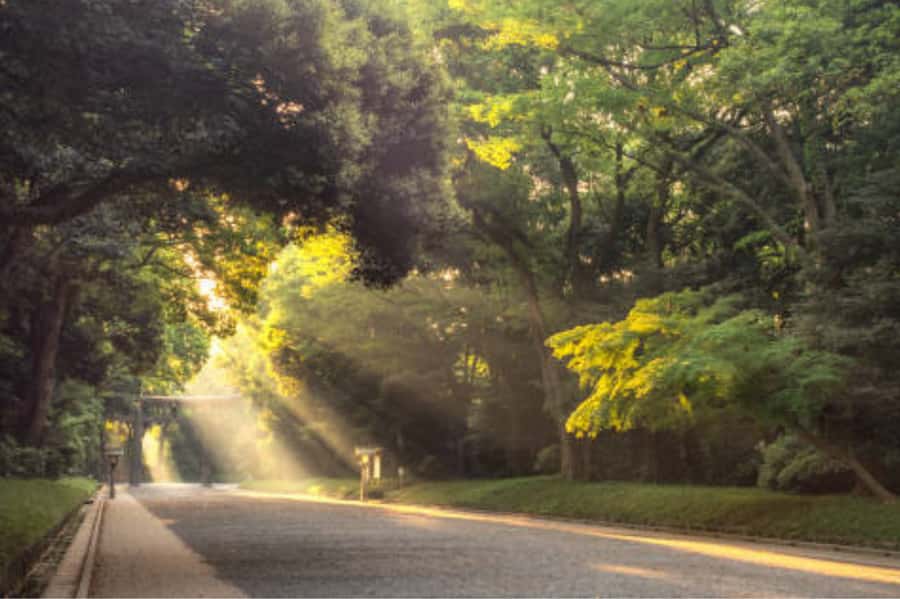
At $20 per person, this is priced like a practical half-day add-on, not a premium museum tour. For that money, you get a local guide, a walking tour, cultural insights, and photo stops.
The real value is the ritual instruction and etiquette coaching. If you try to figure out bowing, cleansing, and how to behave at the torii and approach by yourself, you will spend energy on guesswork. A guide compresses that learning curve into a short route, so you can spend your time actually worshipping or reflecting.
You also get small details like the stone explanations and the behind-the-scenes view of the main hall back area. Those are the kinds of things that rarely come up in a simple self-guided walk because you would not know to look for them.
If your goal is a more meaningful Meiji Jingu visit with less awkward uncertainty, this price feels fair.
Should You Book This Meiji Shrine Walking Tour?
Book it if you want Meiji Jingu to feel understandable and respectful, not like you are just drifting through. The combination of forest serenity, ritual coaching, and specific etiquette tips like the left-side approach makes this a stronger experience than a standalone stroll.
Skip it or rethink it if you hate walking or you need a very relaxed itinerary with lots of sitting breaks. This is still a guided walk, and the point is movement through the shrine grounds.
If you are heading into Harajuku after, it is a nice pairing. You get a calm spiritual reset in the morning or afternoon, then you can bounce into youth-culture Tokyo without wasting time getting across town.
FAQ
Where do I meet the guide?
You meet the guide who is holding a blue A4-sized board.
What language is the tour in?
The tour is conducted in English, with Japanese also listed.
What should I bring?
Bring comfortable shoes for walking and a camera for photo stops.
What will I learn to do during the tour?
The guide teaches you how to bow, cleanse, and pray in the traditional way.
Where does the tour end?
The tour ends near Harajuku Station, and it finishes back at the meeting point area.
Can I book and pay later?
Yes. You can reserve and pay later, which means you book your spot and pay nothing today.
More Walking Tours in Tokyo

More Tours in Tokyo






More Tour Reviews in Tokyo


Not for you? Here's more nearby things to do in Tokyo we have reviewed












Meiji Shrine Tours, side by side.
 ★ 4.7Meiji Shrine, Asakusa, Skytree Bus Tour and CruiseFrom $1221,986 reviews
 ★ 4.5Tokyo Panoramic 1 Day: Meiji Shrine, Asakusa, Odaiba and SKYTREE®From $851,222 reviews
 ★ 4.9Meiji Shrine Walking Tour — Shinto & Imperial SystemFrom $23266 reviews
 ★ 5.0Meiji Jingu Shrine and Shinto Culture Walking TourFrom $19245 reviews
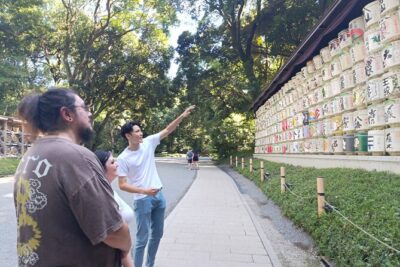 ★ 5.0Meiji Shrine and Shinto Culture Walking TourFrom $18225 reviews
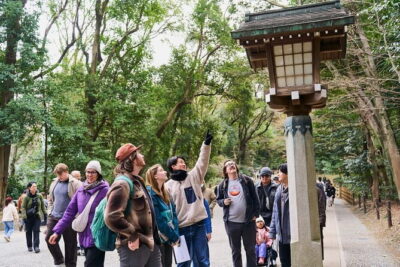 ★ 5.0Meiji Shrine Walking Tour — Shintoism & Imperial SystemFrom $21209 reviews
 ★ 5.0Tokyo Morning Tour : Meiji Shrine, Asakusa and Fish MarketFrom $72102 reviews
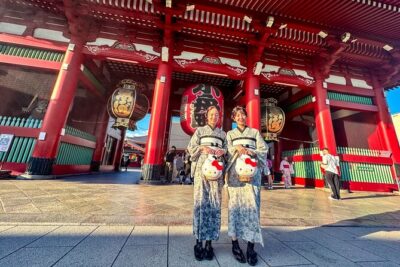 ★ 5.0Full Tokyo: Meiji Shrine, Imperial Palace, Asakusa & SkytreeFrom $3978 reviews
This tour also belongs to