
Review · TOKYO CITY TOURS
Tokyo: Private Walking Tour With Fresh Eyes, Local Hearts
Tokyo makes sense with a local beside you. I like the private format and the tailored walking route options, so you are not stuck with a one-size-fits-all loop. One thing to consider, this is a walking and public-transport style tour, so comfortable shoes and a bit of transit budget matter.
You also get real human follow-up before you meet up. After booking, the guide contacts you within 2 weeks via WhatsApp or email to shape the itinerary around your interests, and guides such as Toko and Momo are specifically called out for being friendly, patient, and practical when plans change. Best of all, your group stays together the whole time, so you can ask questions as you go, not at the end of a museum lecture.
Key highlights to know before you book
- Pick a duration that fits your day, from 1 hour up to a full 8 hours
- Get itinerary help in advance, with a guide reaching out within 2 weeks by WhatsApp or email
- Choose your Tokyo mix, temples and shrines, shopping streets, markets, and major landmarks
- Start where it’s easiest, meeting points can be in Shibuya, Shinjuku, or Tsukiji, with hotel pickup optional
- Expect walking plus public transport, and plan for transit fares since they are not included
- English or Japanese support, plus wheelchair accessible routing on request
Why a private walking tour helps you understand Tokyo fast
Tokyo is huge, and the neighborhoods can feel like different cities. A private walking tour helps because you are not just seeing famous places, you are learning how to move, what to notice, and why each area feels the way it does.
I also like that the tour is built to match your schedule. You can go short and hit the headline moments, or you can slow down for temple time, shrine details, and neighborhood wandering. It is also a good fit for first-timers who want to ask basic questions about directions and transit without feeling silly.
One more practical win: because it is private, the guide can adjust to what you care about. If you have an infant, need more bathroom stops, or want elevator detours, the tour style has shown it can accommodate that kind of real-world logistics.
You can also read our reviews of more walking tours in Tokyo


Choosing 1, 2, 4, 6, or 8 hours without wasting your time
The biggest decision is simply how much time you want to walk and move around. The tour offers set options, and your guide will shape the route from the available stops.
Here is how I think about it when you are planning:
- 1 to 2 hours works best for a compact loop with one or two major anchors, like Shibuya Crossing plus a nearby stop, or Tsukiji Outer Market plus a quick temple or shrine feel.
- 4 hours is the sweet spot for mixing one iconic area with a quieter cultural stop. You get variety without feeling like you are rushing.
- 6 to 8 hours is where the tour can feel like a real day out: gardens, shopping streets, and multiple shrines or neighborhoods in one continuous story.
If you want the biggest value, do not plan to cram too many “must sees” on your own. Let the guide build a route that makes sense in one direction, so you spend more time outside and less time figuring out where to go next.
How the guide builds your route before you meet
This tour has a built-in advantage that many group tours lack: the guide reaches out within 2 weeks before the start. You discuss what you want to see, what you want to avoid, and how much time you have. The guide also arranges the plan around your schedule.
Guides like Toko are specifically praised for helping people get oriented fast, including walking through how the train system works for getting around major neighborhoods. That matters because Tokyo transit can feel intimidating on day one, even if you can read the signs.
Another detail I appreciate: pickup is optional. If it makes sense for you, the guide can pick you up from your hotel or another location you request. If not, the meeting point is designated in areas you choose interest in, such as Shibuya, Shinjuku, or Tsukiji. That gives you control over how much you want to simplify day-of logistics.
Imperial Palace, Tsukiji Outer Market, and Shibuya Crossing: big landmarks with practical context
A common starting pattern for shorter tours is to choose a smooth cluster of central highlights. The stops included make it easy to do that.
Tokyo Imperial Palace gives you a sense of the city’s formal, ceremonial side. Even if you do not spend hours inside, it sets a tone. Expect guided sightseeing and walking that helps you read what you are seeing instead of just passing by.
Tsukiji Outer Market is ideal for people who like street-level Tokyo. The guide can point out where people gather, what is worth a short look, and how to navigate the market flow without getting stuck. If you are sensitive to crowds, consider asking your guide to time the walk to keep it comfortable.
Shibuya Crossing is the payoff for modern Tokyo energy. The point here is not only to stand at the crossing, it is to understand how the neighborhood layers work around it. For many first-timers, it is also a handy reference point, so the rest of your trip feels less chaotic.
Possible drawback of this cluster: it can be a lot of movement in a short time. If your day is already packed, go easy on your shoe and energy plan, because walking and public transport are part of the deal.
Meiji Shrine, Yoyogi Park, and Takeshita Street: calm steps then pop culture
This part of Tokyo is a nice contrast on one outing, you get traditional shrine atmosphere and then you can bounce back into youth-forward street scenes.
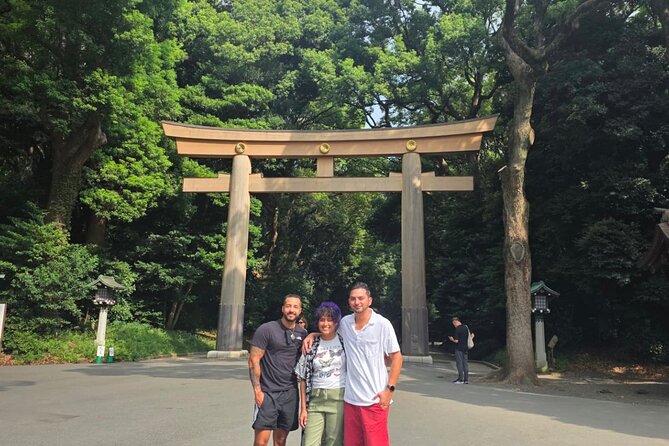
Meiji Shrine is a classic stop for a reason: it feels like a shift away from the city’s noise. With a guide, you tend to notice small details you would miss alone, like how the space is used and what to look for as you walk.
Yoyogi Park is a natural follow-on because it gives you breathing room. It is also useful if you are juggling family pacing, since it offers open space for breaks.
Then you can jump to Takeshita Street, which is where Tokyo goes loud and colorful in a hurry. This stop is great if you want the on-the-street fashion and shopping energy. The only consideration is crowding, so having a guide matters for finding your path through.
You can also read our reviews of more private tours in Tokyo
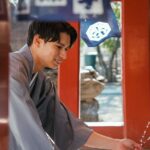

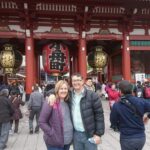
Asakusa Culture Tourist Information Center plus Asakusa Shrine: old Tokyo with good wayfinding
If you want a more traditional feel, Asakusa Culture Tourist Information Center is a smart first step. It acts like a reset button: you can get oriented, understand what areas are nearby, and make confident choices for the walk.
Then comes Asakusa Shrine, which is a major cultural anchor. With guided sightseeing and walking, you are not just looking at the buildings, you are learning how the area works as a pedestrian space. This stop is especially valuable if it is your first time seeing how Tokyo’s temple districts are laid out.
If you are short on time, this is one of the best “quality per hour” sections. If you are longer, it becomes a base for additional neighborhood wandering that your guide can tailor around your interests.
Shinjuku, Shinjuku Gyoen National Garden, and Golden Gai: contrast on one day
Shinjuku can feel like a whole universe by itself. The tour options let you experience it in layers, from city scale to quiet edges.
Shinjuku is where you get the big-city view and the sense that Tokyo never stops changing. A guide helps you understand which directions are easiest and where to slow down instead of just moving with the crowd.
Shinjuku Gyoen National Garden is the counterpoint. This stop is a good choice when you want a calmer pace after busy streets. Even a shorter garden visit can feel like you reset your focus.
Golden Gai is for people who like micro-neighborhoods and old-school bar vibes. Since it is a guided walking stop, you can learn what to look for and how the alley layout works without getting lost.
One practical consideration: Shinjuku is spread out. If you pick a shorter tour, ask your guide to keep the routing efficient so you do not spend your limited time in transit.
Akihabara Electric Town and Super Potato Akihabara: electronics plus playtime
Akihabara is not just tech, it is a whole sensory experience. If you have any interest in electronics, games, or anime-adjacent street life, this section is where it happens.
Akihabara Electric Town gives you the core district feel, with lots to see as you walk. With a local guide, you can focus on what fits your interests rather than getting overwhelmed by the sheer number of stores.
Super Potato Akihabara adds a different angle, a more niche stop that feels like a specific collector-style side of Akihabara. This works well if you want Tokyo shopping, but you also like the idea of browsing with a purpose.
If you are not into shopping, you can still use this as a cultural contrast stop, but consider keeping it for the middle or later part of your day, when you have the energy to browse.
Gardens around Tokyo: Hama-rikyū, Kiyosumi, Koishikawa, and Rikugien breaks
One reason people love guided Tokyo days is that you can include a garden break without giving up on the sights. This tour includes several garden options, which means your guide can choose the best fit for your time and mood.
- Hama-rikyū Gardens works when you want a different kind of Tokyo scenery in a relatively direct outing.
- Kiyosumi Gardens can be a slower, calmer stop that breaks up shopping and city walking.
- Koishikawa Kōrakuen is another garden option that gives you a change of pace and a chance to slow down your day.
- Rikugien is great if your itinerary has you bouncing between neighborhoods and you want open space and planned viewpoints.
The value here is simple: gardens help you recover while still feeling like you are doing something Tokyo-specific. A guide also helps with pacing, so you can get the main experience without feeling like you missed the point.
Ueno Park, Ameyoko Shopping Street, and Ueno Toshogu Shrine: museums, snacks, and a shrine anchor
In many itineraries, Ueno becomes a catch-all. With this tour, you can shape it into something balanced.
Ueno Park is the natural base, giving you a big public-space feel. It is a good stop to reset your walking rhythm.
Then Ueno Ameyoko Shopping Street adds a market-street vibe. This is where the shopping energy shifts from department-style to street-style, and it is a great place to grab a snack break if your schedule allows. Since meals are not included, treat this as an opportunity to plan your own bite sizes.
Finally, Ueno Toshogu Shrine brings the cultural anchor back. A guided walk through a shrine area is often where you feel the difference between looking at something and understanding how the place is used.
Tokyo Tower, Zojo-ji, Nezu Shrine and Nezu Museum, plus Kanda Shrine: a mix of landmark views and quieter culture
This part of the route is for people who like mixing big viewpoints with calm, reflective stops.
Tokyo Tower is the landmark-style payoff. A guide helps you position your walk so you can see it as part of the neighborhood, not just as a photo stop.
Zojo-ji Temple, Tokyo pairs well here. It gives you the temple atmosphere close to a major city icon, a contrast that feels very Tokyo.
If you want a different shrine tone, Nezu Shrine is included, and Nezu Museum can add a cultural stop for a more museum-style pace. That combination is useful when you want a break from shopping streets but still want to feel active.
Kanda Shrine rounds out the shrine cluster. It is a good choice if you want one more culturally grounded walk stop without it taking over the whole day.
Gotokuji temple: a quirky add-on for people who like personality
Gotokuji temple is on the menu, and that is a good sign for people who like Tokyo with character. It can be a memorable stop because it is not just the standard first-time list.
If your schedule is tight, consider adding it only if you still have energy for walking and if it matches your interest. Otherwise, keep your time for the bigger central anchors.
Practicalities: meeting points, hotel pickup, and paying for transit
Here is the part that can make or break your day: how you get started and how much time you spend in transit.
Pickup is optional. If you choose it, your guide can pick you up from your hotel or another requested location. If you do not, the meeting point is designated in one of the areas you care about, such as Shibuya, Shinjuku, or Tsukiji.
Transportation fees are not included, so you should budget for transit. Since the tour involves walking and public transportation, pack light and plan for steps and station changes. If you have mobility needs, the tour is listed as wheelchair accessible, but you should still use your pre-tour chat to confirm the route style that works for you.
Price and value at about $25 per person
At $25 per person, the value is mainly about what you get for that money: a private local guide, guided walking, and a custom itinerary. Even a short tour can be a smart purchase because it saves you time and reduces the mental load of figuring out routes, pacing, and what to prioritize.
This tour is priced per person, and since it is private, it can make the most sense when you have at least a couple people who want the same day plan. If you are traveling solo, it still can be worth it for the orientation help and the flexibility, especially if it is your first days in Tokyo.
What you should know up front: meals and drinks are not included, and transportation fees are not included either. So think of the tour as the guide and the route value, and plan your own food breaks along the way.
Should you book this private Tokyo walking tour?
I would book it if you want Tokyo that feels personal, not a checklist. It is especially useful when:
- it is your first visit and you want practical help moving between neighborhoods
- you care about temples, shrines, and local streets, not only big-name photo spots
- you want a plan that can adjust to your pace, including real-life needs
I might skip or shorten it if you hate walking, or if your day is already full and you just want one landmark. In that case, you may feel this tour is more movement than you need.
If you do book, do one simple thing that helps a lot: spend a few minutes telling your guide what you like, what you do not, and how you want the day to feel. Guides like Toko and Momo are highlighted for turning those preferences into an itinerary that actually works.
FAQ
Is this tour private?
Yes. It is a private tour/activity, and only your group participates.
How long is the tour?
You can choose from 1, 2, 4, 6, or 8 hours, depending on availability.
Where do we meet for the tour?
A meeting point is designated based on the selected option and your interests, such as Shibuya, Shinjuku, or Tsukiji. Pickup from your hotel is optional.
Does the guide pick up from my hotel?
Yes, hotel pickup is optional. The guide can pick you up from your hotel or another location you request.
What languages are available for the guide?
The live tour guide is available in English and Japanese.
What is included in the price?
Included are hotel pickup, the private tour format, tour customization, a local guide, guided tour time, and local insights.
Are meals included?
No. Meals and drinks are not included.
Are transportation fees included?
No. Transportation fees are not included, and the tour involves walking and public transportation.
Is the tour wheelchair accessible?
It is listed as wheelchair accessible.
When will the guide contact me after I book?
The guide contacts you within 2 weeks before the tour start to discuss, create, and arrange your itinerary.
What is the cancellation policy?
Free cancellation is available up to 24 hours in advance for a full refund.
More Walking Tours in Tokyo


More Tours in Tokyo






More Tour Reviews in Tokyo


Not for you? Here's more nearby things to do in Tokyo we have reviewed












Tokyo City Tours, side by side.
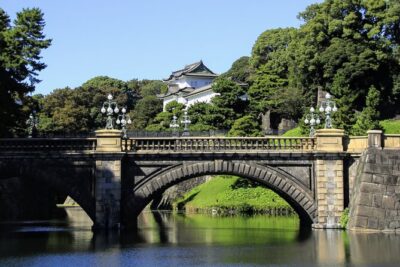 ★ 5.01-Day Tokyo Bus TourFrom $12914,250 reviews
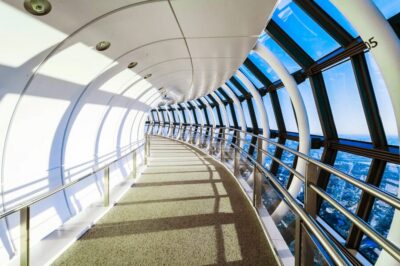 ★ 4.5TOKYO SKYTREE® Admission ticketFrom $1311,192 reviews
 ★ 4.6teamLab Planets TOKYO Digital Art Museum Entry TicketFrom $259,779 reviews
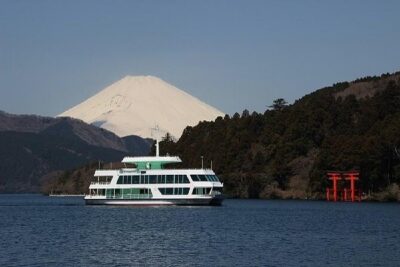 ★ 4.0Mt Fuji & Hakone Cruise, Drum Show Bullet Train 1 Day from TokyoFrom $1497,413 reviews
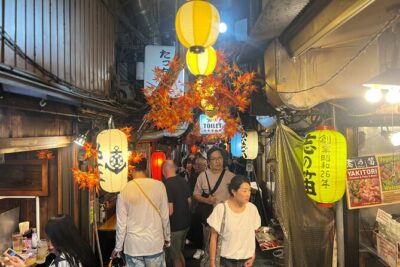 ★ 5.0Shinjuku Food Tour (13 Dishes at 4 Local Eateries)From $866,603 reviews
 ★ 4.4Tokyo Mt Fuji 5th St & Hakone Cruise Bus Tour w/Bullet TrainFrom $1545,024 reviews
 ★ 5.0Flagship 2-Hours Official Street Go-Kart Tour – Tokyo Bay ShopFrom $644,974 reviews
 ★ 4.5From Tokyo: Mount Fuji Full-Day Sightseeing TripFrom $684,970 reviews
This tour also belongs to