
Review · TOKYO SAMURAI EXPERIENCES
Tokyo: Samurai Experience with Lunch and Guided Tour
Samurai basics, plus lunch in old Tokyo. I love how the day pairs kimono rental with real beginner training, and how the Kagurazaka walk connects samurai spirit to Shinto shrines and Zen. One thing to plan around: the lunch is vegetarian only, and the tour does not offer vegan or gluten-free meals.
You get a small group (up to 9) and an English guide, so you can actually ask questions while you move through Tokyo’s quieter back streets. The trade-off is simple: it’s a 4-hour schedule with walking, and it is not a sit-and-watch experience.
Key highlights you will feel right away
- Kagurazaka with a local guide in streets tied to Edo-era samurai homes
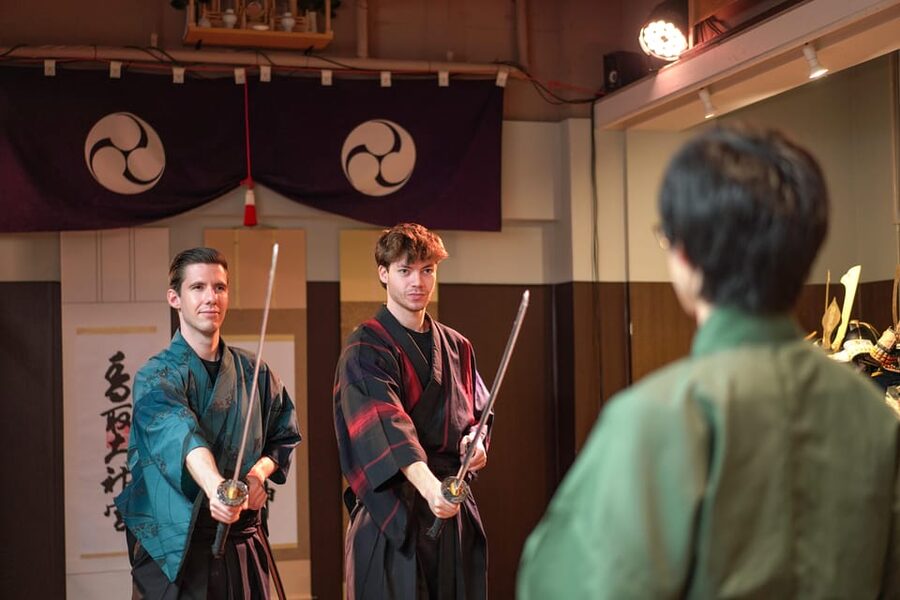
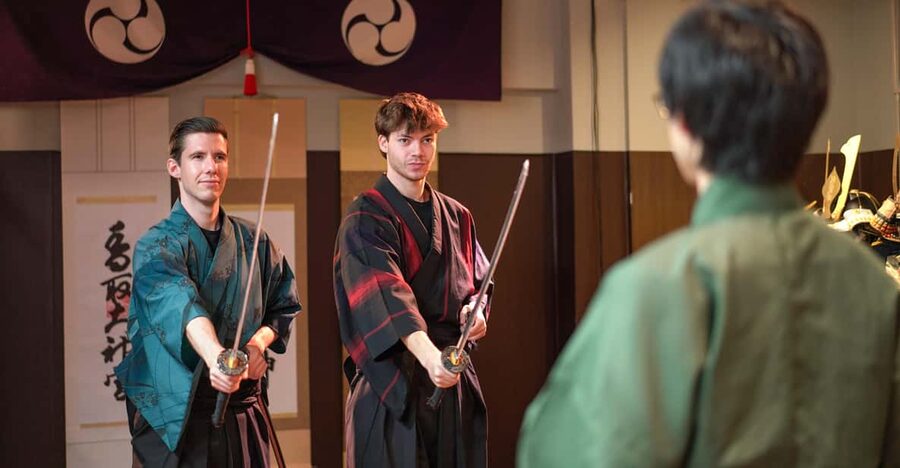
- Samurai fundamentals taught by professional instructors in a beginner-friendly way
- Live samurai performance that makes the training feel real, not staged
- Kimono rental included, with lots of photo moments
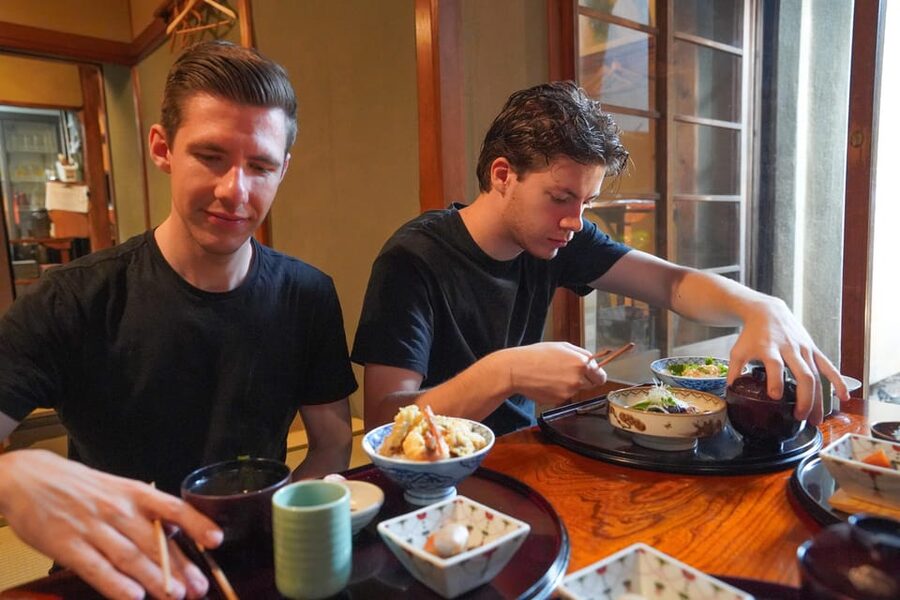
- Lunch in an old Japanese house plus one traditional food or sweet
Kagurazaka’s Edo-era feel, and why it sets up samurai culture
Kagurazaka is one of those Tokyo districts where history shows up in the street plan. You are not just hearing about the samurai. You are walking in a neighborhood associated with Edo-era residences, so the stories land better.
The guide keeps the focus on how samurai culture connected outward. You learn how the samurai spirit was shaped alongside religious life, including Shinto ideas and the Zen worldview. That matters because it is easy to reduce samurai to swords and fighting. This tour nudges you to see the other half: discipline, restraint, and the mindset behind the actions.
If you like “place plus meaning,” this is a strong match. You also get the kind of pacing that lets you look up. With a small group, you are more likely to notice details like old lanes, shrine-related textures, and the way the neighborhood funnels you from one moment to the next.
You can also read our reviews of more guided tours in Tokyo



The meeting point and the 4-hour rhythm near Iidabashi
The tour starts at the Aoyama Flower Market at Ecute Edition Iidabashi, right by JR Iidabashi Station on the west exit side. The good news is that this meeting spot is easy to find, and it is the type of central location that helps you arrive without a half-day detour.
The whole experience runs about 4 hours. You split the time between guided walking, the samurai portion, and meals. That structure is a big part of the value. You are not stuck in one mode the entire day.
Logistics to keep in mind: there is no hotel pickup, so you will rely on trains and your own arrival. Also, the tour starts on time, and being late matters. Plan to show up early enough to collect yourself, especially if you are wearing anything you want to swap around for the kimono portion.
Zenkokuji on the walk: temples, mindset, and respectful context
One named stop is Zenkokuji, with a short guided walk time. Even when the stop is brief, it is part of the tour’s bigger goal: linking samurai life to spiritual ideas.
Here is how I think about it for you. When you stand near a Japanese temple space, the “why” becomes easier. The guide’s explanations connect the samurai not just to weapons, but to the moral and mental training that shaped behavior. That perspective helps your later training lesson feel grounded. You are not learning moves in a vacuum.
It is also useful if you are curious about the everyday side of Japanese tradition. You get a sense of continuity, how older belief systems shaped conduct, and how that conduct translated into the samurai approach to life.
Putting on the kimono and learning katana basics (with training that doesn’t intimidate)
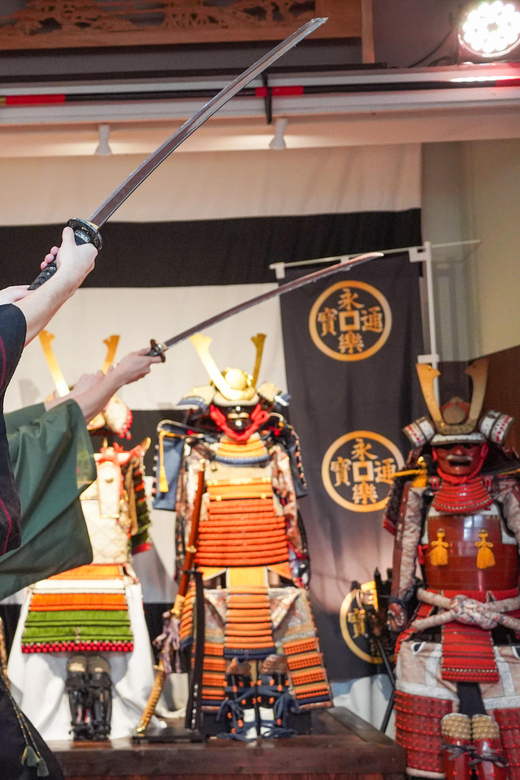
The centerpiece is the Samurai Experience, about 1 hour, and it includes kimono rental. This is where the tour becomes hands-on.
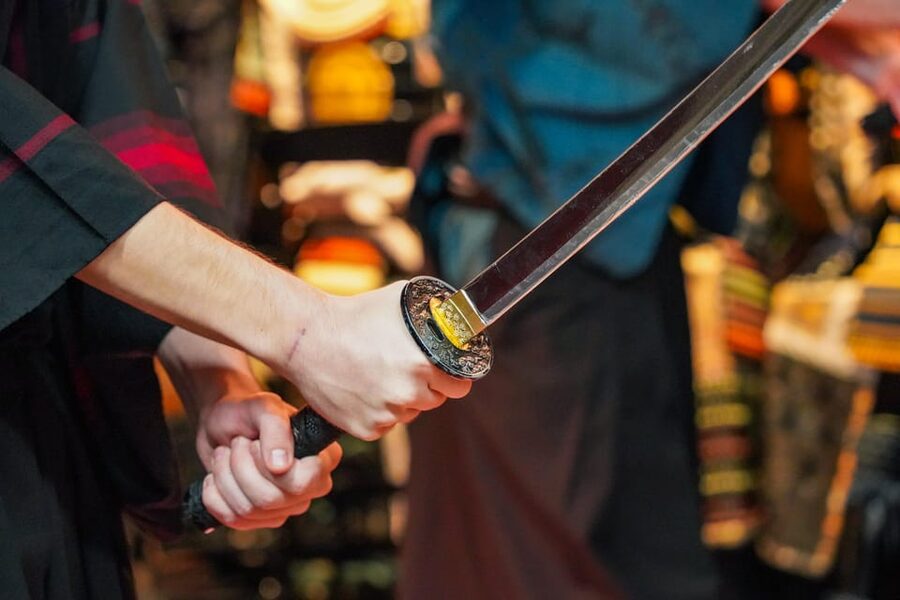
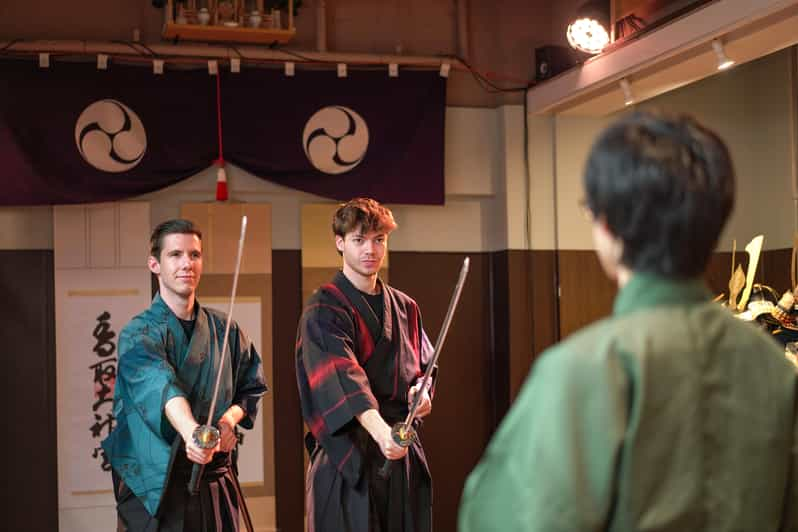
The instructors teach beginners in a staged way. You learn the basics of samurai fighting and movements, with emphasis on form and control rather than trying to look cool instantly. That approach is exactly what makes this worth doing for first-timers. You get help with steps as you go, so you are not guessing.
You should also expect professional energy from the training team. In past sessions, guides and staff have been described as dynamic in how they walk you through katana basics. That matches what you want in a short training block: clear cues, fast feedback, and enough repetition to make the moves feel doable by the end.
Practical note: kimono sessions are not like trying on a costume and walking away. You are participating in the experience, so wear shoes that you can slip out of if needed, and be ready for outfit adjustments. If you get even slightly nervous about movement, this is still designed for beginners.
Watching a live samurai performance, then practicing with guidance
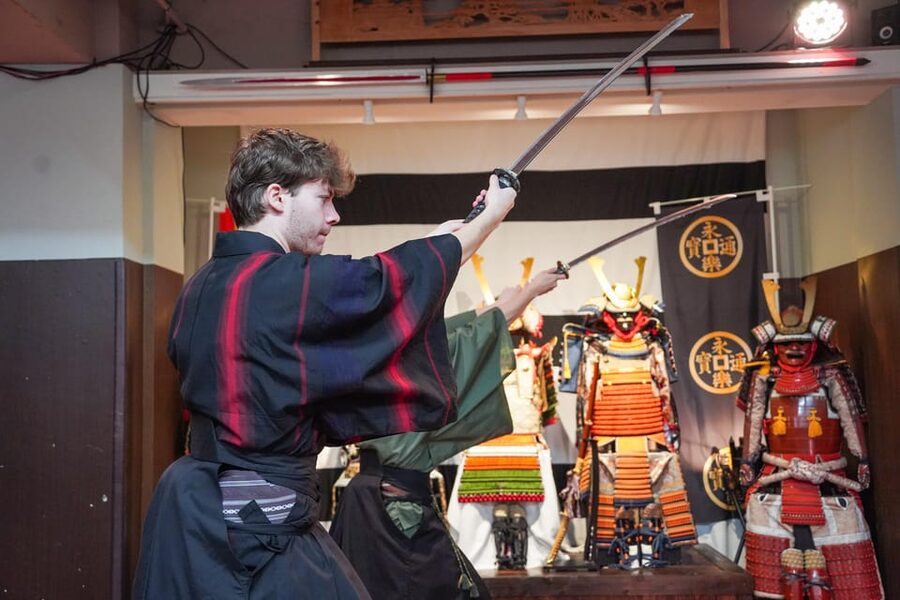
Before or alongside the lesson, you also get a live performance by professional samurai actors. This is not just entertainment. It is a teaching tool.
The performance gives you something to compare your own movement to. When you later practice, you can feel how the stance and rhythm shape the whole look. It also builds momentum, which is important on a half-day tour. You finish the day feeling like you did something tangible, not only watched a show.
Then you put the new skills to work in a guided practice session. Again, the key is that you are not thrown into complicated choreography. You are guided through what you learned, step by step, with enough structure to help you get it right.
And yes, this is one of the best parts for photos. You get kimono moments, action-style moments, and the fun “look, I actually learned this” moments. The guided photos are also helpful if you do not travel with a camera partner who knows where to stand.
More Tokyo tours and experiences for the shortlist






Lunch in a 70-plus-year-old Japanese house, plus a traditional snack or sweet
After the training, you shift gears into food and neighborhood time. Lunch is served in an old Japanese house, over 70 years old, described as a former teahouse that once served geishas. Even if you do not know the full background, the setting helps you slow down. You can feel the difference between a rushed meal and a planned pause.
The lunch includes a vegetarian option. Vegan and gluten-free are not available, and there is no shellfish allergy accommodation. If you have dietary restrictions beyond vegetarian, you should treat this as a “choose carefully” situation. Also note that allergy-free meals cannot be guaranteed, since food is prepared in kitchens outside of the tour operator.
For what you can expect taste-wise, you also get a Kagurazaka treat during the tour. You can choose one traditional food or sweet, and common options include chimaki or steamed buns, plus the possibility of modern sweets. This is a nice touch because it keeps the tour from being all “lesson” and no flavor.
One standout from past guests: the restaurant meal has been described as delicious, and the lunch setting helped make the day feel complete. That matters because kimono training can be tiring. When the meal feels good, you leave happier, not just “educated.”
Exploring Kagurazaka lanes after lunch, shopping, and local snacks
Once you finish eating, you do more walking. The tour includes extra guided time through Kagurazaka, plus a shopping window and local snacks time.
This is where you get the quiet Tokyo feel: narrow streets, old-school atmosphere, and the kind of side lanes that you might miss if you were rushing between major stations. One past comment highlights places like a geisha alley style street as the kind of out-of-the-way stop that makes the walk feel special.
The tour also includes some local-snack time, while one traditional treat is already built in. So you likely come away with a little variety without spending extra money at every corner.
If you like browsing small shops, this part helps. If you prefer minimal shopping, you can still benefit from the street time and snack stops. The group size keeps it easier to follow the guide.
Price and value: what you really get for $162 in Tokyo
At $162 per person for about 4 hours, this is not a budget activity. But it can be good value if you want a lot in one organized block.
Here is the simple value math from what is included:
- Kimono rental tied directly to the training experience
- A full guided walk with local context
- A live samurai performance
- A beginner-friendly samurai movements lesson plus guided practice
- Lunch in a traditional old house
- One traditional food or sweet
- English guide time (about 3.5 hours of guided support)
So you are paying for structure, access, and coordination. That is the difference between “DIY samurai museum day” and “I learned moves in a guided class, wore a kimono, then ate lunch somewhere historic.”
If you already planned a kimono rental and a separate museum visit, this tour may feel efficient. If you do not care about hands-on movement and are mainly chasing visuals, you might find a more lightweight Tokyo tour better suited.
Who this tour fits best, and who should skip it
This tour is a strong match if you fall into any of these buckets:
- You like Japanese history and want a storytelling-based walk, not just photos
- You want hands-on martial arts basics, even if you have zero experience
- You enjoy theater-style performances and want them tied to what you learn
- You are traveling with kids aged 4 and up and want a memorable, photo-friendly activity
- You want a small-group day with an English guide
It may not be for you if:
- You need vegan, gluten-free, or shellfish-allergy support (not available as stated)
- You use a wheelchair, because wheelchair users are not suitable for this experience
- You want hotel pickup or a no-walking schedule, because there is no pickup and you will walk through the district
Also, take the “start on time” rule seriously. If you arrive late, you cannot join and there is no reschedule option stated for late arrivals. Build a buffer into your plan.
What the best version of this day looks like for you
If you book this, I recommend you arrive ready to participate, not just watch. Bring a mindset of trying. The training is beginner-friendly, but it still asks you to move and learn, not stand quietly.
For comfort:
- Wear practical shoes for walking around Kagurazaka.
- Keep your hands free during the walks, then let the guide handle the rest during the training and kimono portion.
- If you are sensitive about diet, request the vegetarian option in advance as required, since it cannot be changed on the tour day.
For learning:
- Ask one real question during the walking portion about how the samurai mindset connects to Shinto or Zen. Those small questions make the later training feel more meaningful.
And for photos:
- Use the fact that the guide helps you with photo moments. You do not need to be a photographer to get good shots.
Should you book the Samurai Experience with Lunch in Kagurazaka?
Book it if you want a well-paced Tokyo half-day where the story comes first and the action follows. The combination of Kagurazaka streets, a kimono rental, a live performance, and a guided class plus lunch in an old house is a full package for $162, especially with a small group size.
Skip it if your priority is only food or only scenic sightseeing, because you are signing up for training and organized practice. And if vegan, gluten-free, or allergy needs are part of your trip, you should look for a different activity that can truly meet your requirements.
If you want a hands-on samurai day in central Tokyo that feels authentic instead of generic, this one is a solid choice.
FAQ
How long is the Tokyo Samurai Experience with lunch and guided tour?
The total duration is about 4 hours.
What is included in the price?
It includes a 1-hour Samurai Experience with kimono rental, lunch with a vegetarian option (vegan and gluten-free are not available), a local English guide (about 3.5 hours), and one traditional food or sweet you can choose during the tour.
Is hotel pickup included?
No, hotel pickup and drop-off are not included.
Is the tour suitable for children?
The tour is open to participants aged 4 and older.
Can the tour accommodate vegan or gluten-free diets?
No. Vegan and gluten-free options are not available, and shellfish allergy requests cannot be accommodated.
How big is the group?
It is a small group limited to 9 participants.
More Guided Tours in Tokyo



More Tours in Tokyo






More Tour Reviews in Tokyo


Not for you? Here's more nearby things to do in Tokyo we have reviewed












Tokyo Samurai Experiences, side by side.
 ★ 4.6Samurai Ninja Museum Guided tour and ExperienceFrom $271,010 reviews
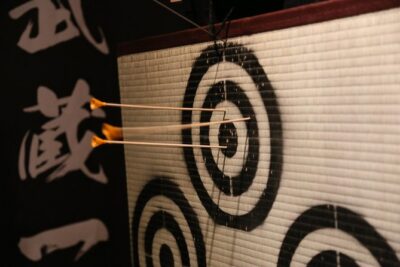
 ★ 5.0Samurai Sword & Archery Class from Samurai DescendantFrom $193603 reviews
 ★ 5.0Best Samurai Experience in TokyoFrom $65458 reviews
 ★ 5.0Ninja Experience (Family Friendly) at Samurai Ninja Museum TOKYOFrom $47441 reviews
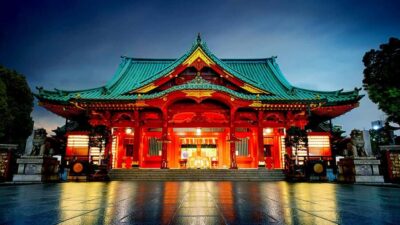 ★ 4.6Samurai Entertainment Night Show in Kanda ShrineFrom $41417 reviews
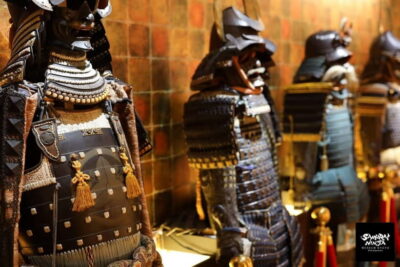 ★ 4.8Samurai Ninja Museum Asakusa: Samurai Sword Lesson & TourFrom $63306 reviews
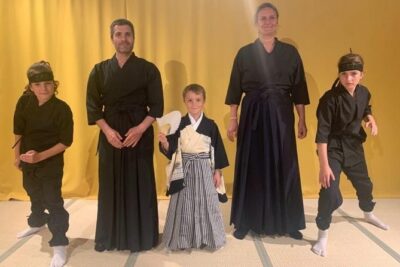
 ★ 5.0Ninja Samurai 2-hour hands-on lesson by Japanese master in TokyoFrom $86194 reviews
 ★ 5.0Samurai Sword Experience (Family Friendly)at SAMURAI MUSEUM TOKYOFrom $65168 reviews
This tour also belongs to