
Review · SHIBUYA TOURS
Tokyo Shibuya Crossing & Hidden Streets Walking Tour
Shibuya feels like it runs on people. This 2-hour Tokyo walk turns the classic photo stop at Shibuya Crossing into a broader Shibuya neighborhood circuit, with a small group capped at 12 so you can actually follow along. I like that the route mixes major landmarks with quieter lanes, so you get context for what you are seeing, not just snapshots.
My favorite part is the pacing and the guide-led navigation, especially around places most first-timers skip, like Miyashita Park and Nonbei Yokocho. The one drawback to plan for is physical effort and wayfinding, Shibuya has hills and the meeting spot inside Mark City can be tricky if you arrive late or distracted.
Key highlights worth showing up for
- Small-group cap (12 travelers) keeps the walk from feeling like a stampede
- Shibuya Crossing plus the real nearby streets so you see more than the one intersection
- Myth of Tomorrow mural at Shibuya Station adds a striking, free art stop before the chaos
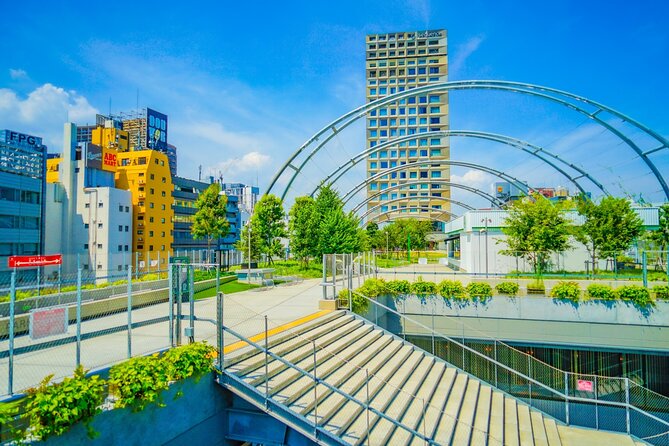
- Miyashita Park shows a modern, multi-level take on Shibuya public space
- Nonbee Yokocho and Maruyamacho backroads trade crowds for alley atmosphere and local history
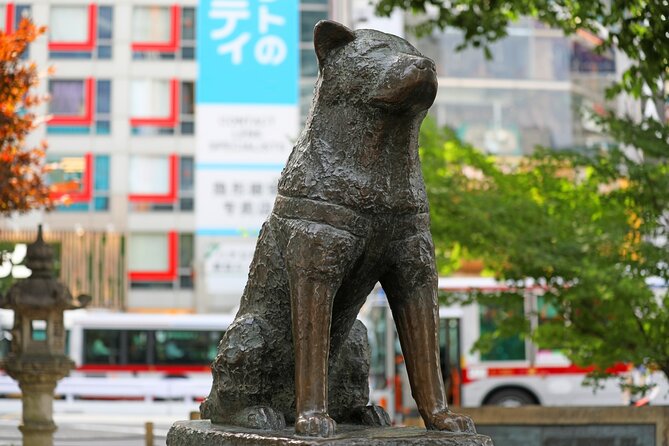
- Hachiko as the finish gives you an easy next-step landmark right by Shibuya Station
How a Shibuya Crossing tour actually helps you see the district
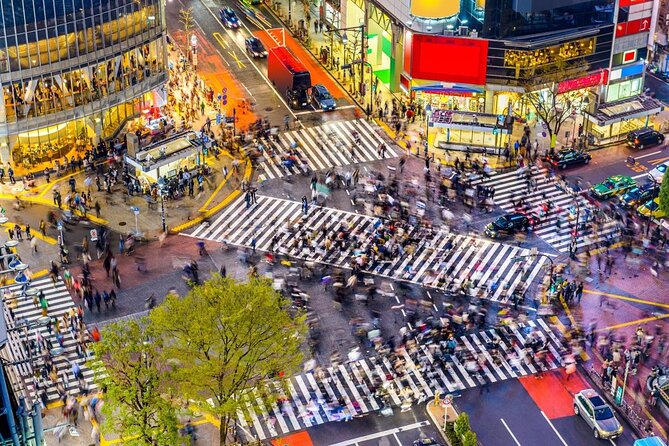
Tokyo’s Shibuya is famous for one reason, that scramble of pedestrians at the crossing light. But the rest of the area is where Shibuya becomes interesting, the side streets, the little shopping lanes, the parks wedged into dense city blocks. This tour works because it uses your guide to connect those dots fast, without turning the walk into a stressful map problem.
The best tours do two things well. First, they keep you oriented, especially around Shibuya Station where exits and alleys can feel like a maze. Second, they point you toward places that make Shibuya feel like a neighborhood, not an exhibit.
With this one, you get both. You start near Mark City, end near the Hachiko statue, and the route is designed so you are constantly moving through “different Shibas” rather than repeating the same corridor.
You can also read our reviews of more walking tours in Tokyo

Price and what $25 buys you in real terms
This tour costs $25 per person, and the listing includes all fees and taxes. For Tokyo, that is an easy price point if you are in town for a short time, because the walk covers multiple areas in about 2 hours.
You are also not paying for attractions, the stops listed here are free entry stops like the Myth of Tomorrow mural and the public spaces around Shibuya. That matters because it shifts your budget away from admission tickets and toward time and guidance.
Is it a big-ticket “must splurge” experience? Not really. It is more like a smart orientation walk. If you want maximum depth on one topic, a longer specialized tour might suit you better. But if you want the layout of Shibuya and a handful of places to revisit later, this price is a very workable deal.
Meeting and finishing at Mark City and Hachiko, and why it matters
You start at SABON Shibuya Mark City, East Mall, on the 3rd floor. The address is clearly provided, Shibuya, Dogenzaka (inside Shibuya Mark City), and the tour ends at the Hachiko Statue area by Shibuya Station.
This matters because Shibuya Station is the kind of place where being five minutes off can cost you a lot of time. Several people have flagged difficulty finding the meeting point, especially because it sits inside a large mall. My practical advice is simple: arrive a bit early, screenshot the address, and look for the exact storefront name at the exact level the tour specifies.
The finish at Hachiko is a gift. It is a strong landmark with clear visibility, and it puts you close to transit no matter what direction you are heading next.
The Shibuya “orientation” sequence: what the route is doing
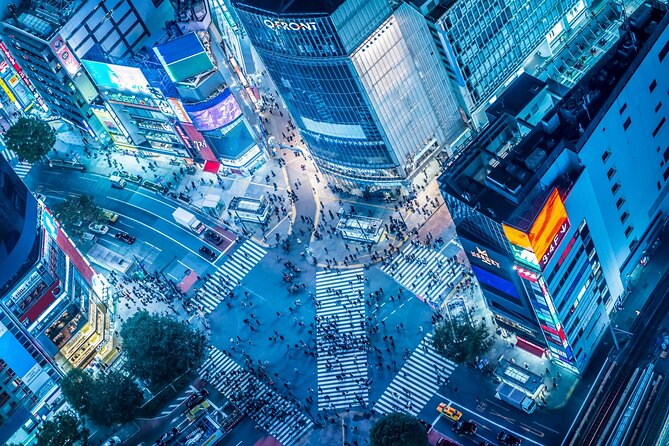
This tour runs as a loop around the Shibuya core. You begin with an attention-grabbing art stop inside the station area, then you hit the famous crossing, then you branch into parks and lanes. Near the end you move through shopping streets and a district that carries older Tokyo patterns, before ending with the Hachiko statue.
That structure is useful. It breaks Shibuya into digestible chunks. You are not just staring at one thing and hoping it makes sense, you are walking through different layers of the neighborhood, in a logical flow.
You also get guide-led “where to stand” moments around major areas. People consistently say the guide helps them not get lost, and in Shibuya, that is more valuable than any postcard.
Stop 1: Myth of Tomorrow mural in Shibuya Station
The first stop is Myth of Tomorrow, a large mural by Taro Okamoto located in the Shibuya Station area. It is free to see, and it sets an unexpected tone before you step out into the loud street chaos.
What I like about starting here is that it gives you a frame for modern Tokyo. Shibuya is loud and futuristic on the surface, but the station area mural reminds you that Tokyo’s pop and public spaces also carry memory, reflection, and message.
Time here is short, about 10 minutes, so think of it as a quick, powerful primer. If you want to linger longer, you can always come back after the walk. The guide’s job is to point you toward what to look for quickly, without slowing the rest of the group.






Stop 2: Shibuya Crossing, or the Scramble you finally understand
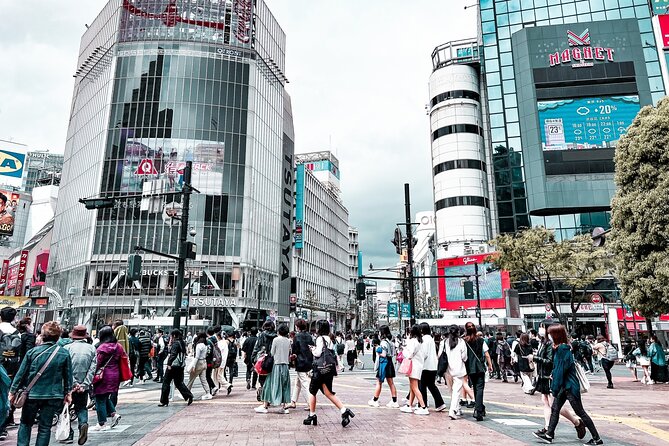
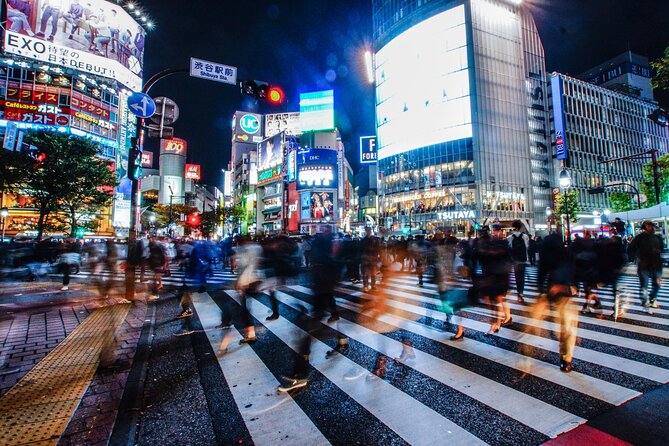
Then you step right into Shibuya Crossing. This stop is iconic for a reason: the intersection is built for motion, and it feels like the whole district exhales when the light changes.
A key value of a guide here is not just commentary. It is timing and movement. You do not want to lose your group while trying to film from the perfect spot. A good guide helps you stay together, choose a workable viewpoint, and cross when it makes sense.
You also get more than “watching.” In at least one experience, the walk included actually crossing the intersection, which is a very different feeling than standing on the curb. You learn the rhythm fast, and you can recreate that later on your own.
Plan for crowds. Shibuya is always busy, and this is one of the busiest intersections in the world. If you hate crowds, you might want to take a breather after the crossing and let your brain reset before the next lane.
Stop 3: Miyashita Park, where Shibuya goes multi-level
Next up is Miyashita Park, a public space that turned into something more than a standard park. It is a multi-level urban renewal project, with the feel of a stacked hangout area rather than a flat grassy patch.
This is a good stop because it changes the tempo. You go from street-level intensity to a more layered space where people gather, move, and pause. The timing here is about 20 minutes, so you actually have a chance to look around.
The practical benefit for you is mindset. Miyashita Park helps you see how Shibuya keeps reinventing itself without abandoning public life. It also gives you a place to regroup and cool down, especially if the weather is warm and humid.
Stop 4: Nonbee Yokocho for tiny alleys and bar-hopping energy
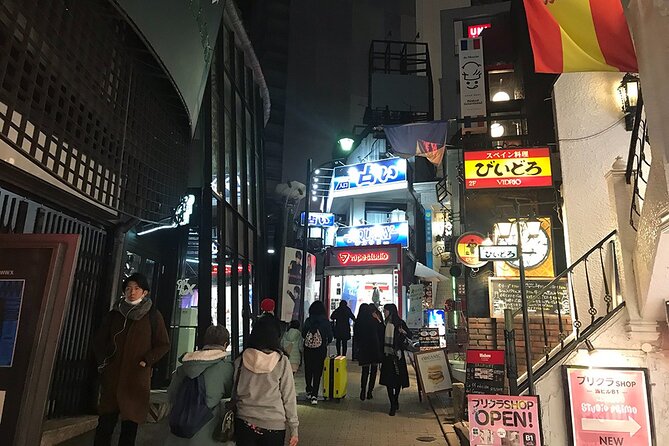
Then comes Nonbee Yokocho, often translated as Drunkard’s Alley. This is where Shibuya shifts from showpiece landmarks to close-up street life.
It is a small stop, around 5 minutes, but it hits an important theme. Shibuya has these narrow lanes hidden near bigger streets, where the atmosphere feels older and more human. The alley layout also makes it easy to spot what kind of food and drink spots exist there, even if you do not stop for a full meal during the walk.
If you enjoy planning your evenings, bring a notebook brain here. One guide recommendation style that comes up a lot is pointing people toward where locals eat and drink, and this alley area is exactly the kind of place your guide can use to steer you toward a first-night drink without guessing.
Stop 5: Shibuya Center-gai, shopping streets with youth culture
From the alley you head into Shibuya Center-gai, a pedestrian shopping street at the heart of the district. This stop is about 10 minutes, and it is less about quiet strolling and more about understanding the street’s character.
Center-gai is where you feel Shibuya as a youth and fashion hub. You see storefronts, snack stops, and the kind of retail that fits Tokyo’s fast-changing trends. Even if you do not plan to shop, it is worth using this moment to read the neighborhood.
A small caution: shopping streets can be visually intense. If you are trying to conserve energy, do not overcommit. Let your guide show you the main features, then decide on your own once the tour ends.
Stop 6: Maruyamacho, a former red-light district turned modern backstreet
Next is Maruyamacho, an area tied to an older era in Tokyo as the city’s former red-light district. Today, it functions as a trendy neighborhood with a mix of old and newer textures.
This stop works because it gives you historical perspective without turning the walk into a lecture. You get context for why certain streets feel the way they do, and why Shibuya has those layers instead of one single identity.
Expect a short stop, about 10 minutes. Use it to understand the shape of the district, then you can choose to revisit later at your own pace. If you want more culture depth, you might find this portion is more snapshot than deep course. That said, it is still a smart way to get oriented about how Shibuya evolved.
Stop 7: Hachiko Statue, the ending landmark you can use immediately
Finally you reach Hachiko, the bronze statue outside Shibuya Station. It is a beloved landmark, and as a finish point it is perfect because it is easy to locate and hard to confuse with anything else.
A good walking tour ends with a “you are ready” moment. Here, you finish near a major transit hub, with a cultural anchor point that helps you reorient fast. It is also a natural place to decide what to do next, because it is surrounded by options.
If you are trying to plan the rest of your day, this is where you can pivot. You can head toward shopping, dinner, or a bar area. Your guide’s restaurant and bar tips, when they come up, often help here, because it is the time you actually want a practical recommendation.
What I think the best guides do on this walk
A lot of the value in a Shibuya walking tour comes down to the guide. In the feedback you provided, several guide names show up, including Loc, Rio, Grey, Zac, Daichi, and Dixce. What stands out is not just facts, it is how they handle the experience.
Many praised guides for being friendly and easy to talk to, and for answering questions patiently. That matters because Shibuya creates real questions fast, like where to stand, how to cross, and what kind of shops and alleys are worth a second look.
Some also mention that the guide helped shape the night, with bar and eatery recommendations. One specific tip that came up is to ask your guide about love hotels, because guides can explain where they fit into Tokyo life and which areas are worth noticing.
Also, pace adjustments come up. One experience mentioned breaks during humidity and a pace adjusted for a senior traveler. Shibuya walking can be harder than it looks on a map, so a guide who manages effort makes the whole thing better.
Things to watch out for before you go
Two practical issues came up repeatedly: finding the meeting point and the physical walk.
The meeting point is inside Mark City, and it can be confusing if you arrive late or do not use the provided address carefully. Give yourself buffer time and confirm the floor and store.
Also, Shibuya has hills, and at least one review mentioned uphill walking. Plan comfortable shoes and a water plan. If it is hot or humid, expect to slow down a bit and take the breaks your guide recommends.
One more consideration: the tour is about highlights and orientation. If you want deeper cultural training or longer stops at each landmark, you may feel the walk is too fast in places. A few people expected more depth, so match your expectations to the style, short stops, varied sights, and guide context.
Who should book this Shibuya Crossing and Hidden Streets walking tour
Book this if you are:
- On a first visit to Tokyo and want Shibuya Crossing plus the surrounding neighborhood
- Short on time but want a plan you can trust
- Curious about Shibuya’s mix of modern public space (Miyashita Park) and side-street life (Nonbee Yokocho)
- The type who likes to ask questions and collect ideas for where to eat and drink next
Skip it or look for an alternative if you want:
- Long museum-style explanations
- A quiet, slow walk with minimal crowds
- A route designed for minimal walking or steep terrain
Should you book it?
If you want a smart, value-packed way to understand Shibuya quickly, I think this tour earns its place. $25 for a two-hour, small-group walk that hits Shibuya Crossing, Miyashita Park, Nonbee Yokocho, and ends at Hachiko is a practical use of your time.
The decision comes down to your tolerance for crowds and walking hills. If you can handle that, and you like having a guide point out the places you would probably miss on your own, this is a strong booking.
FAQ
How long is the Shibuya Crossing and Hidden Streets walking tour?
The tour lasts about 2 hours.
How much does the tour cost, and what is included?
It costs $25.00 per person, and all fees and taxes are included. Tips for the guide are not included.
What is the group size limit?
The tour has a maximum of 12 travelers.
Where do I meet for the tour?
You meet at SABON Shibuya Mark City, East Mall, 3F, at the address in Shibuya (Dogenzaka, 1-chome, 123).
Where does the tour end?
The tour ends at the Hachiko Statue near Shibuya Station.
Is the ticket mobile, and do I need to worry about weather?
You receive a mobile ticket. The experience requires good weather, and if it is canceled due to poor weather you are offered a different date or a full refund.
More Walking Tours in Tokyo


More Tours in Tokyo


More Tour Reviews in Tokyo
Not for you? Here's more nearby things to do in Tokyo we have reviewed












Shibuya Tours, side by side.
 ★ 5.0Official Street Go-Kart in ShibuyaFrom $763,435 reviews
 ★ 4.9Street Kart Experience in ShibuyaFrom $741,484 reviews
 ★ 5.0Shibuya Meltdown Nightlife Tour: All-You-Can-Drink Bar HoppingFrom $1061,058 reviews
 ★ 5.0Shibuya Official Street Go-Kart in Shibuya AnnexFrom $69972 reviews
 ★ 5.0Shibuya Food Tour (13 dishes and 4 Eateries)From $77770 reviews
 ★ 5.0Best of Shibuya Food TourFrom $217612 reviews
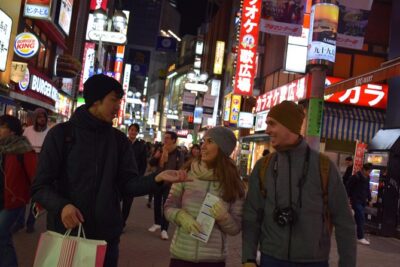 ★ 4.8Shibuya Highlights Walking TourFrom $19601 reviews
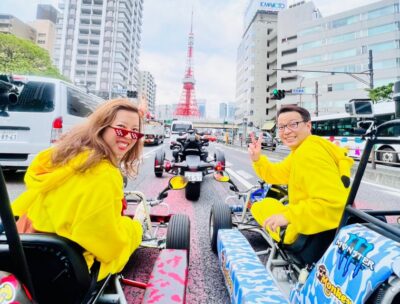 ★ 4.7Premium Go-Kart Tour with Tower & Shibuya CrossingFrom $116528 reviews
This tour also belongs to