
Review · SHINJUKU TOURS
Tokyo: Shinjuku Nightlife & Secret Backstreets Walking Tour
Neon has a pattern, and Shinjuku teaches it fast. This 90-minute night walk is built for first-time orientation, with local guides leading you through Shinjuku’s loud highlights and the quieter side alleys most people miss. When I think about how Tokyo feels at night, the stops like Omoide Yokocho, Golden Gai, and Hanazono Shrine are the kind of places that help it all click.
What I love most is the guide-led focus on stories, not just photos. Guides like Sota and Ai bring the area’s shift from a former red-light district into today’s nightlife hub to life, then point you toward spots you would not find on your own. I also like the practical, hands-on touches, like the vending machines with slot-machine style features that add fun to the walk.
One thing to consider is pacing and weather. It is rain or shine, and the route involves real walking in busy areas, so you need comfortable shoes and an umbrella or raincoat if rain shows up.
Key Takeaways Before You Go
- A 90-minute night route that helps you understand Shinjuku fast
- Guide-led history from former red-light days to today’s nightlife scene
- Stops built around famous pockets plus the backstreets between them
- A vending machine drink moment, plus playful slot-machine style machines
- A nighttime shrine stop that slows the lights down for a moment
- Many guides tailor their explanations, with people like Sota, Ai, and Mao often praised for Q and A
Shinjuku at Night, Why a Short Walk Works
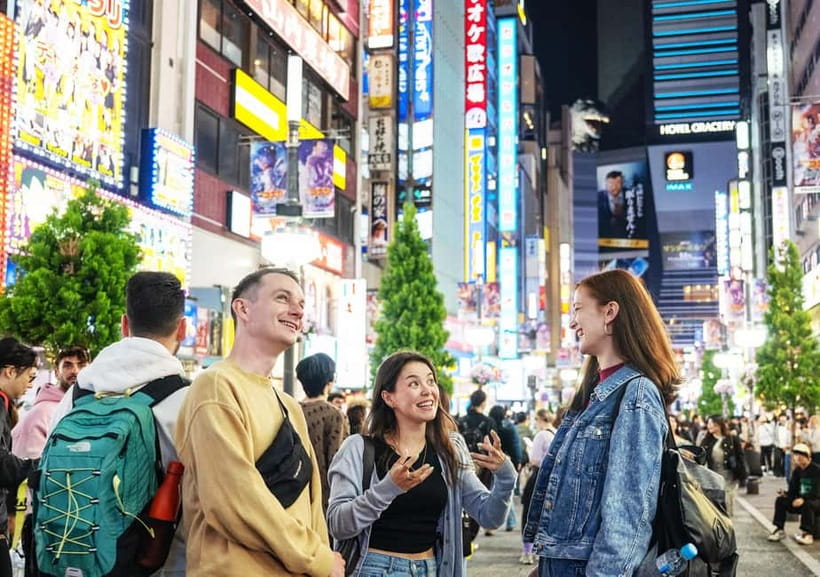
Tokyo’s big neighborhoods can feel like a theme park if you only pop in for a photo. Shinjuku works differently at night, because the lights do more than decorate, they guide your attention. This tour is short on purpose, 90 minutes, so you get a high-impact orientation without blowing half your evening.
The best part is how the tour mixes big-name districts with the narrow in-between streets. You get a sense of the whole Kabukicho area too, including the scale of dining and drinks, with that long stretch of 300 restaurants and bars the district is known for. Then the guide connects it to the human story underneath, including how the area evolved from earlier red-light activity into the nightlife hub you see now.
And yes, you will walk. The route is designed for evening flow, not for sightseeing at a lazy pace. If you are the type who likes stopping for snacks, taking extra pictures, and lingering, plan a second visit later. This tour is your map and your context.
You can also read our reviews of more walking tours in Tokyo

Finding Your Start at Shinjuku Station East Exit Police Box
You will meet at 新宿警察署 新宿駅東口交番, the Shinjuku Station East Exit Police Box area. The address is 3-38-1 Shinjuku, Shinjuku-ku, Tokyo, and the tour notes coordinates of 35.6917846, 139.7011327 if you want to plug it into a map.
Look for your guide holding a sign that says Local Guide Stars. The tour also mentions that the photo of the meeting point is included in the materials, so it is smart to check that before you head out at night. Shinjuku is busy, and at night, that matters.
Tip: arrive a bit early, even if you feel confident with your train route. The first 10 minutes matter because it sets the group rhythm for the rest of the walk.
The 90-Minute Route, Stop by Stop
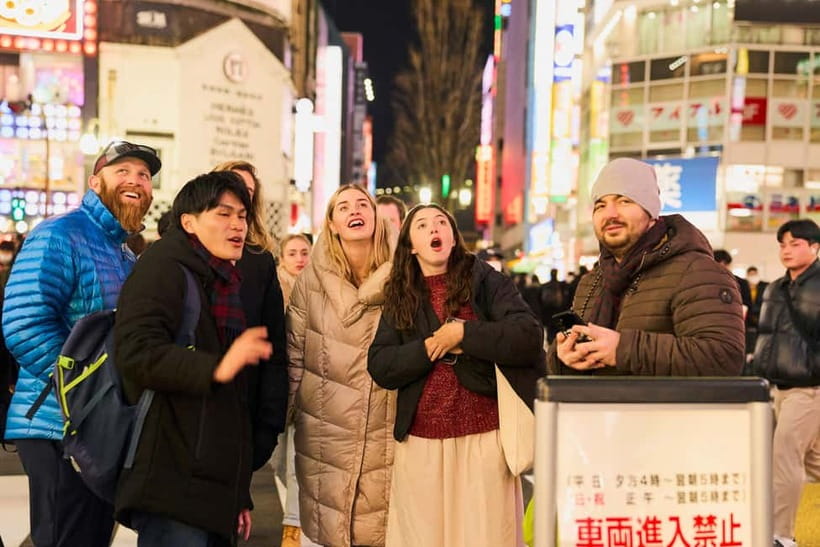
This tour is built like a circuit. You start with an easy lead-in, move into the nightlife zones, then finish with a shrine moment that gives your eyes a reset.
Shinjuku Station East Exit Police Box: The Easy Group Set-Up
The tour starts with a short guided segment right by the station area. This is not just a formality. It is where you learn what the guide is going to focus on, how the route flows, and what to notice as you move deeper into Kabukicho.
If you are worried about getting overwhelmed, this part helps. Shinjuku can feel like a maze, and the early guidance makes the later alleys feel less random.
Omoide Yokocho: A First Taste of the Old-Pattern Streets
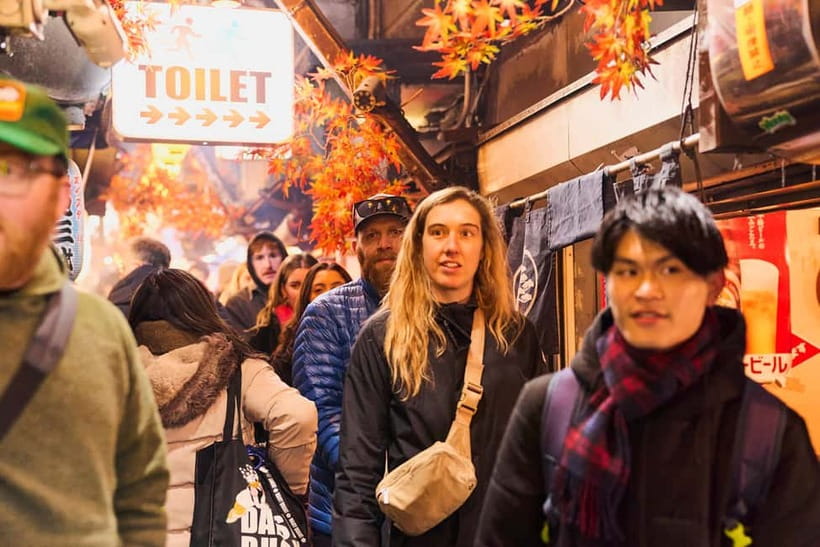
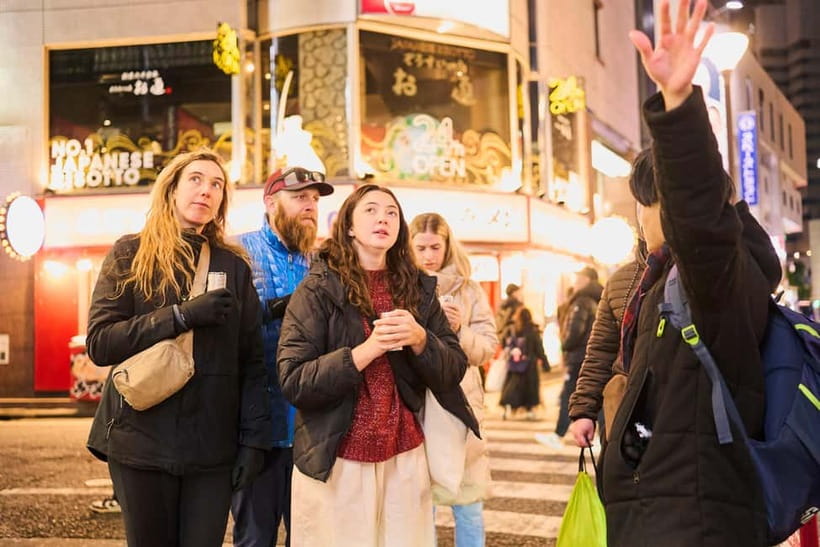
Next you head toward Omoide Yokocho, with a guided portion around 10 minutes. This stop is important because it gives you an immediate sense of Shinjuku’s street-level culture. It also sets up how the guide will interpret what you see, from signage to the way the area feels when the crowd thickens.
What to watch for here: lighting, crowd flow, and how people move between tiny spaces. Even if you are not going to eat on this walk, the guide is giving you a mental model you can use later when you pick a restaurant.
Potential drawback: if you are expecting a long, sit-down meal stop, this tour is not built for that. Think of it as orientation plus “where to go after.”
You can also read our reviews of more nightlife experiences in Tokyo



Kabukicho: The Nightlife Engine and the History Thread
Then you transition into Kabukicho, with another guided segment about 10 minutes. This is the tour’s big context piece, where the guide connects Kabukicho’s past to its current nightlife shape.
The tour specifically frames Kabukicho as a former red-light district that evolved into a bustling nightlife hub. Your guide uses that story to explain why the district feels the way it does today: dense, loud, and packed with places to drink and eat.
You will likely notice how the area feels layered. There are the main lanes with major energy, and then the side streets that feel more like “Tokyo” in a small, human scale.
Tokyu Kabukicho Tower: A Breath, Then Views
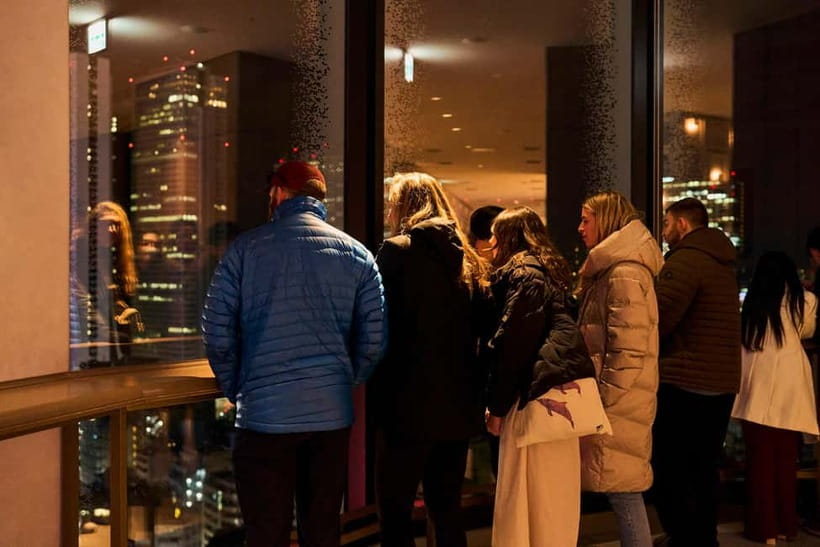
You get a longer visit here, about 30 minutes at Tokyu Kabukicho Tower. This is a mid-tour reset. Even when you are walking through neon streets, it helps to pause and look out, because it gives you orientation you cannot get from street level.
Some guides are known for giving a chance to see more from an elevated view area during this stop. Even if you are not a big observation-deck person, this break helps you regroup, reframe the chaos, and remember what direction you are heading next.
Time note: 30 minutes is enough for a relaxed look, but not enough to treat it like a full attraction day. You are still in “night orientation mode.”
Golden Gai: Small Doors, Big Atmosphere
After the tower, you move to Golden Gai for about 10 minutes, guided. Golden Gai is famous for its tight bar lanes and tiny spaces, and this stop is where the tour’s “secret sauce” feeling really shows up.
Your guide’s job here is not to hype you into buying something. It is to show you how to read the place. You learn what kind of vibe to expect, what to look for, and how to avoid stepping into the wrong kind of venue if you are not sure what you are walking into.
This is also where the tour’s best party trick shows up: you can admire the scene, then get practical recommendations for where to go next.
Hanazono Shrine: The Night Stop That Cools Your Eyes
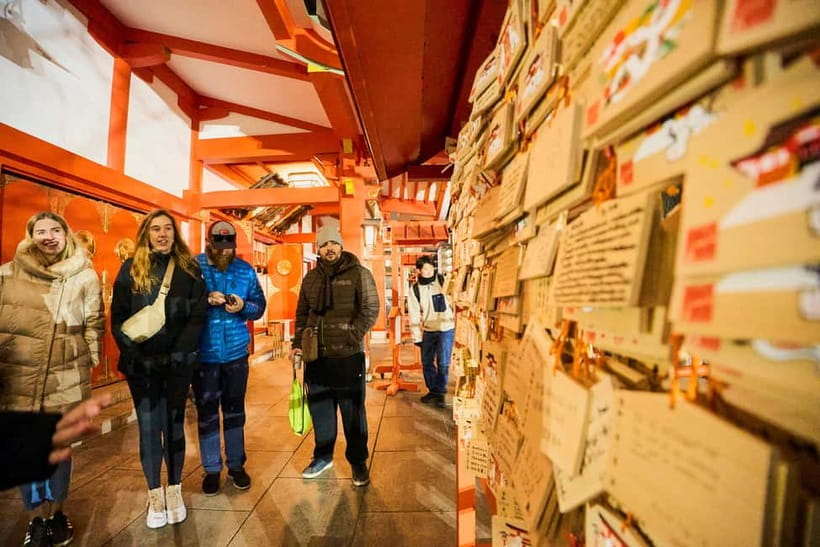
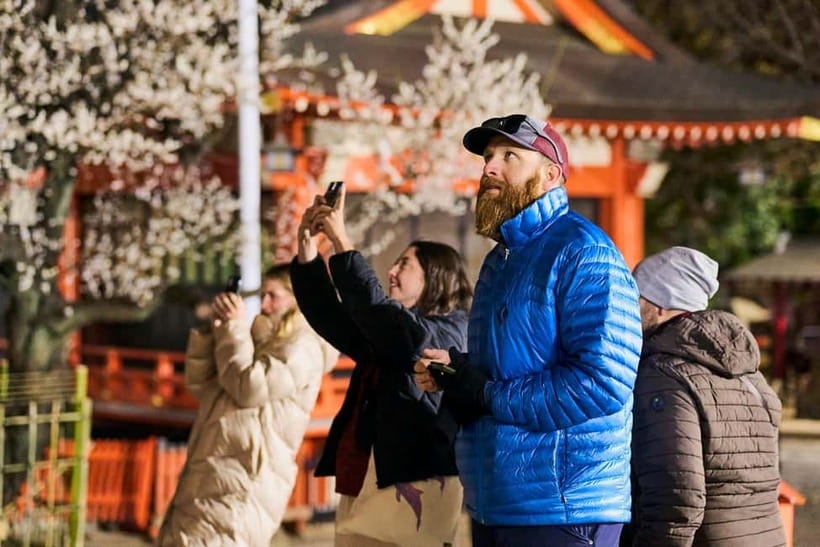
Then it is Hanazono Shrine, with a guided stop around 15 minutes. This is one of the tour’s best ideas because it changes the tempo. Between bright signage and packed alleys, a shrine stop adds quiet, and it makes the rest of Shinjuku feel more meaningful.
The tour notes a nighttime shrine atmosphere, and that is exactly what you are aiming for here: a pause in noise and crowds long enough to feel Tokyo’s contrast. Even if you do not have strong religious interest, the change of pace is the point.
Tip: dress warm enough for a night walk. Shrines can be cooler than you expect once you slow down.
The Final Foot Steps Back
You then return on foot for a short walk, about 5 minutes, and end back at 新宿警察署 新宿駅東口交番. That wrap-up matters because it helps you connect the route you just walked with the map in your head.
By the end, you should feel like Shinjuku is no longer random. You should know where the major pockets are, and where the side alleys start.
The Guide Factor, Why Names Like Sota and Ai Matter
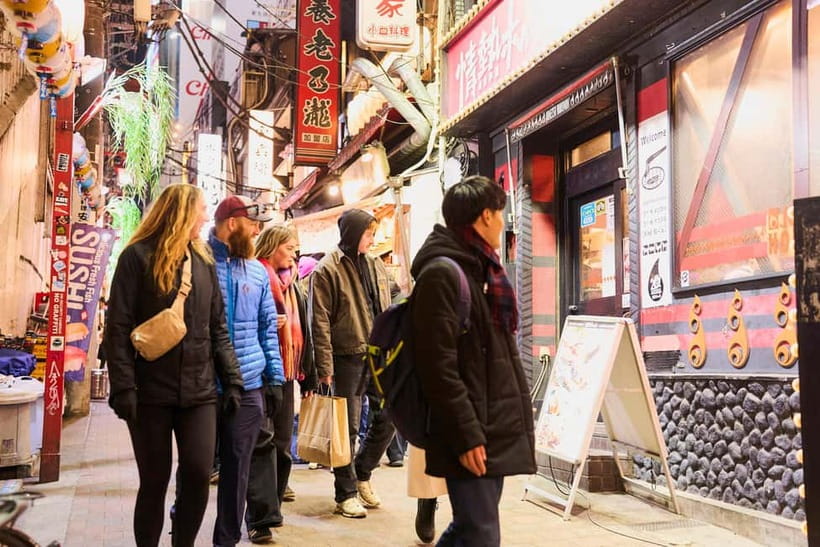
A walking tour in Shinjuku lives or dies by the guide. The tour experience here is built around local storytelling, and the reviews you can learn from in this data consistently highlight guides who explain clearly and answer questions.
Guides including Sota, Ai, Mao, Chihiro, Akira, and Kawa are repeatedly praised for being friendly, answering questions, and sharing practical tips on where to eat and what to avoid. One consistent theme is tailoring, where guides adjust their explanations to match what you are interested in.
You will also notice guides who do more than point. They set you up to interpret the area. That is what makes the difference between a photo walk and a real introduction.
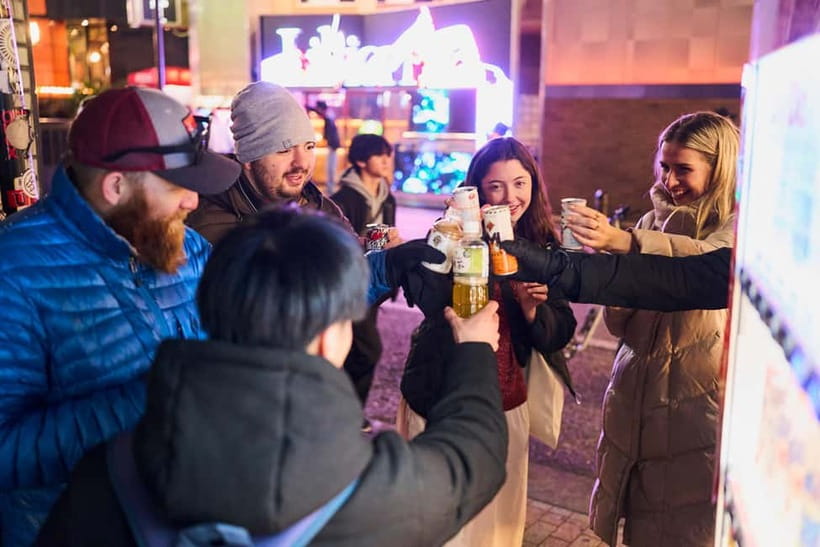
One practical note from the included drink detail: the tour description says you will get a vending machine drink recommended by the guide. Still, I would treat it as something to confirm right at the start. If it is important to you to get that drink, ask early so there is no confusion later when shops and timing get tight.
Price and Value: What $22 Gets You in Real Life
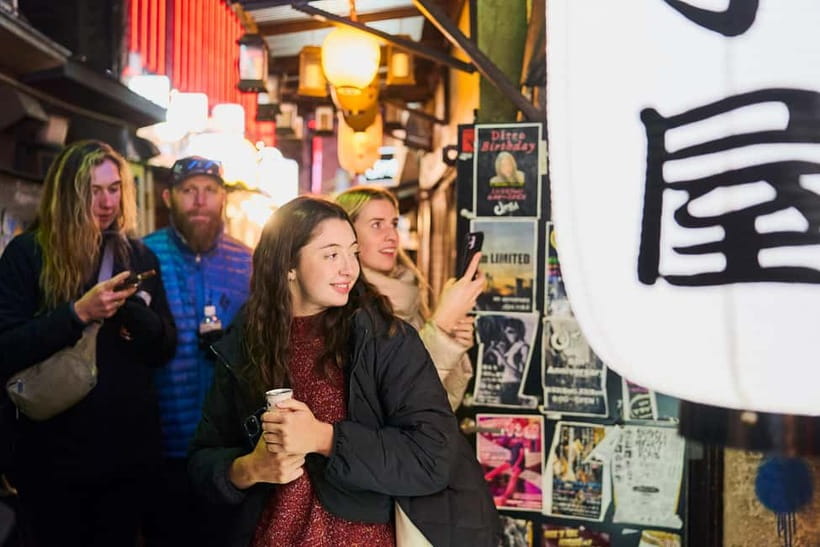
$22 for 90 minutes might sound small until you price the alternative. If you try to self-navigate Shinjuku’s nightlife zones from scratch, you will likely spend more time guessing than exploring. You might also miss the most useful part, which is knowing where people actually go and how to approach the district respectfully and safely.
This tour gives you:
- A local guide leading the route
- A structured evening circuit through major nightlife corners
- Practical recommendations built into the walk
- A vending machine drink moment (or at least a clear stop where it is meant to happen)
- A shrine visit for contrast and pacing
Is it a full-night drinking crawl? No. Is it a fast, affordable orientation to one of Tokyo’s most confusing districts at night? Yes. For many people, that value is the whole point of booking.
If you are only in Tokyo for a short stop and you want to understand where to return later, this is a strong use of time.
Rain, Shoes, and the Reality of Night Walking
The tour runs rain or shine, and it explicitly asks you to bring an umbrella or raincoat when it rains. It also says to wear comfortable shoes and to dress for warm clothing.
That matters in Shinjuku because the crowd gets close, and sidewalks can feel narrow when it is wet. If you show up with cute but unforgiving shoes, you will feel it by the shrine stop, not at the end.
A small planning tip: bring a compact umbrella that you can manage one-handed, if possible. Also, if you like photos, keep your camera accessible, because the best neon moments come when you are moving.
Who This Tour Fits Best
This is a great pick if:
- You are in Tokyo for the first time and Shinjuku is your main night zone
- You want a guided introduction to Kabukicho, Golden Gai, and the surrounding lanes
- You like nightlife but also want cultural context, not just flashing signs
- You want something timed and efficient, 90 minutes, with a clear start and finish
It can also work well for families. In the feedback data here, guides are described as kind and accommodating for groups with young kids. The tour is still a walking tour, so it is not for everyone who hates walking, but it is not treated like a hard-party-only experience either.
If you are a hardcore nightlife expert already, you might feel like you are getting an overview. But even then, the vending machine slot-style element and the shrine contrast can add something new.
Should You Book This Shinjuku Night Tour?
Book it if you want a practical first look at Shinjuku at night, guided by locals who can explain the area’s shift from former red-light days into a nightlife center. The mix of Kabukicho history, Golden Gai atmosphere, and the nighttime shrine stop is exactly the kind of contrast that helps you enjoy Tokyo more after the tour ends.
Skip it or think twice if you hate walking, dislike crowded areas at night, or expect a long sit-down food experience. This one is fast, it is concentrated, and it is designed to set you up for your next choices.
If you go in with comfortable shoes, a rain plan, and a curious mindset, you should come away with a much better handle on where to wander when the lights turn up.
FAQ
How long is the Tokyo: Shinjuku Nightlife and Secret Backstreets Walking Tour?
The tour duration is 90 minutes.
How much does the tour cost?
It costs $22 per person.
Where is the meeting point?
You meet at 新宿警察署 新宿駅東口交番, Shinjuku Station East Exit Police Box, at 3-38-1 Shinjuku, Shinjuku-ku, Tokyo.
What time does the tour start?
The tour lists starting times based on availability. You can check your available slots when booking.
What languages are available for the live guide?
The live tour guide offers English and Japanese.
What is included in the price?
The tour includes a walking tour with a local guide and one vending machine drink recommended by the guide.
Does the tour run in the rain?
Yes, it runs rain or shine. The tour advises bringing an umbrella or raincoat when it rains.
What should I wear for the tour?
Wear comfortable shoes for walking, and dress warmly.
Is the tour wheelchair accessible?
Yes, it is listed as wheelchair accessible.
What is the cancellation policy?
You can cancel up to 24 hours in advance for a full refund.
Can I reserve now and pay later?
Yes, you can reserve now & pay later.
More Walking Tours in Tokyo
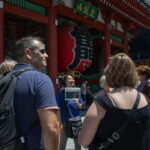

More Tours in Tokyo






More Tour Reviews in Tokyo


Not for you? Here's more nearby things to do in Tokyo we have reviewed












Shinjuku Tours, side by side.
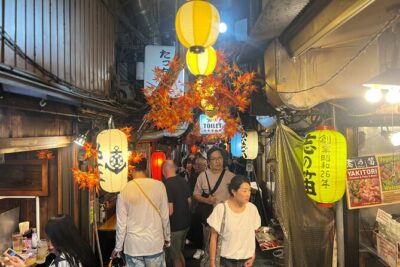 ★ 5.0Shinjuku Food Tour (13 Dishes at 4 Local Eateries)From $866,603 reviews
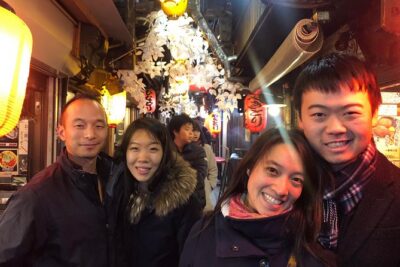 ★ 5.0Tokyo Bar Hopping Tour in Shinjuku (All-You-Can-Drink + Dinner)From $1063,587 reviews
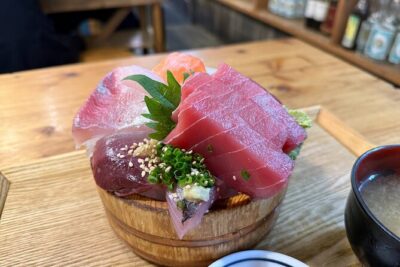 ★ 4.9Shinjuku Food Tour (15 Dishes and 4 Eateries)From $852,033 reviews
 ★ 5.0Best of Shinjuku: Izakaya Food Tour (4 Stops, 14+ Tastings)From $921,863 reviews
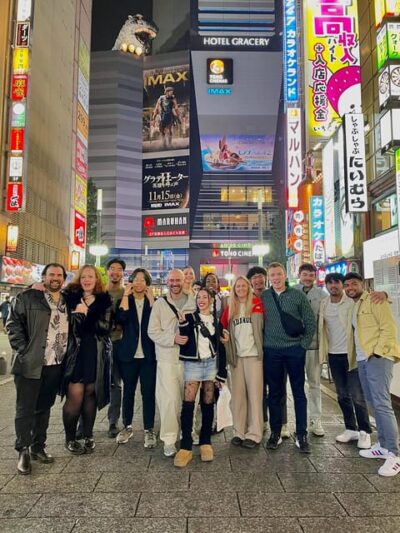 ★ 4.9Shinjuku Local Bar and Izakaya Guided Walking TourFrom $341,794 reviews
 ★ 5.0Tokyo Shinjuku Chopsticks Making ClassFrom $201,763 reviews
 ★ 5.0Tokyo Shinjuku Sumo Show & Experience with PhotoFrom $791,750 reviews
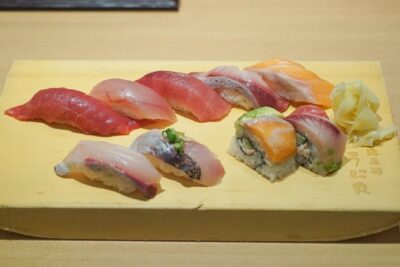 ★ 5.0Tokyo Night Foodie Tour in Shinjuku – Seasonal Sushi, Wagyu BeefFrom $1111,161 reviews
This tour also belongs to