
Review · TSUKIJI MARKET TOURS
Tokyo: Tsukiji Fish Market Culture Tour with Sashimi Tasting
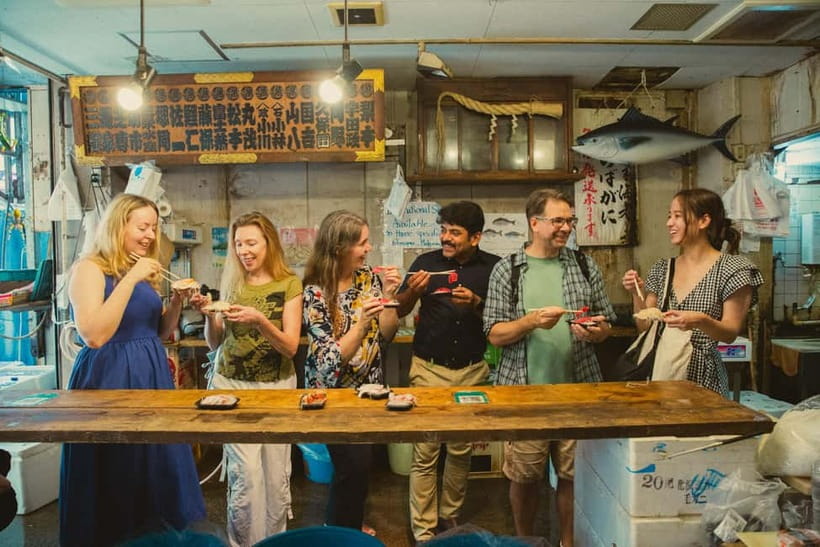
Eat Tsukiji without getting lost. Tsukiji can feel like a fish-shaped maze, but this small-group culture tour steers you to the best seasonal finds and explains what you are actually looking at. I like that you get an English-speaking assistant to translate the market rhythm and shopping etiquette, and you also get a sashimi tasting so you are not just walking by food.
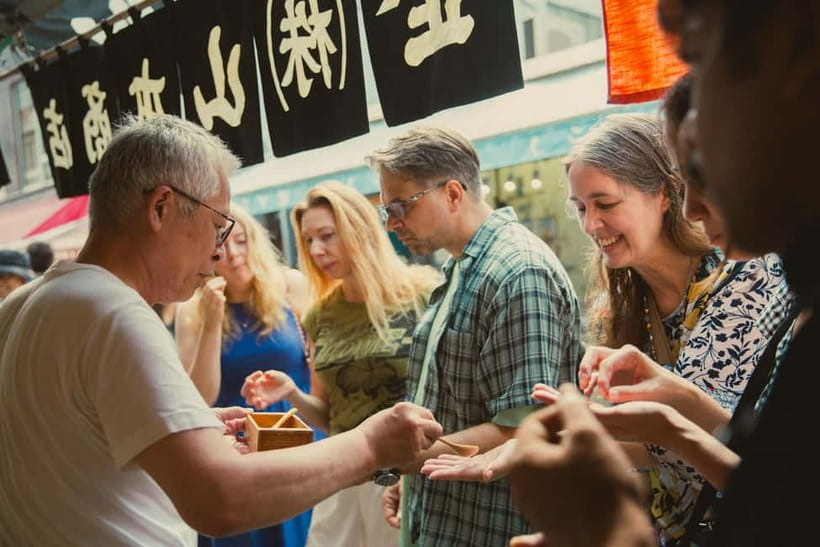
What I like most is (1) the tight focus on Tsukiji’s outer market, where you see hundreds of stalls and learn how locals choose fish, and (2) the small group size, which makes it easier to ask questions at the stands your guide introduces, including guides like Taka, Shun, and Shoko. The vibe is practical, not lecture-y.
One thing to consider: food is not fully included. You get the sashimi tasting and some free samples that can vary by day, so if you want a full meal experience, set expectations for this as more tasting-and-learning than sit-down dining.
Key Highlights Worth Your Time
- Sashimi tasting included, with surprising generosity for a “sample” stop
- Small group (up to 10) for smoother conversations at stalls and better guidance
- Outer market backstreets plus recommendations for where to shop and eat next
- English-speaking assistants who share context, like market culture and how fish gets selected
- Cash-friendly shopping tips, since many stalls are cash only
- 90 minutes guided, then you keep exploring on your own at your pace
Tsukiji Outer Market: A Fast, Friendly Way to Understand the Food Scene
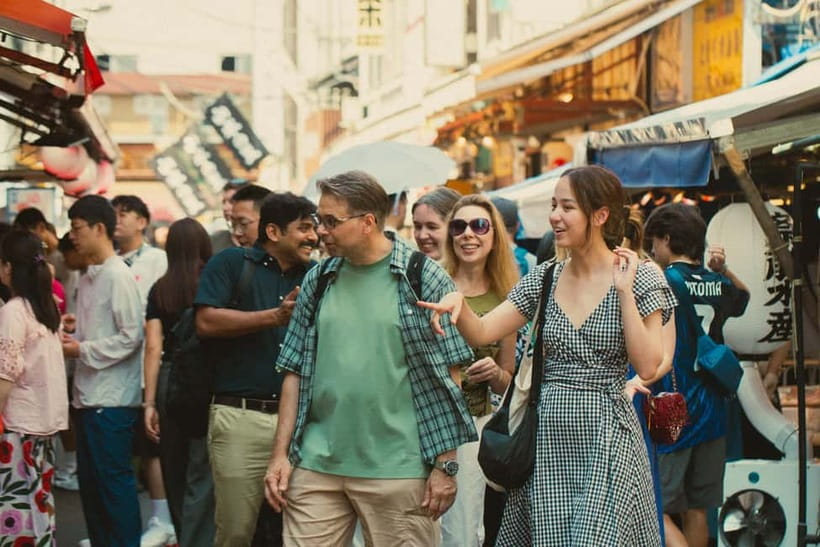
Tsukiji’s outer market is famous, but it is also easy to mess up as a visitor. You show up, you see a lot of seafood, you hear noise, and then you realize you have no clue what is seasonal or why one stall looks busier than another. This is exactly where the tour helps.
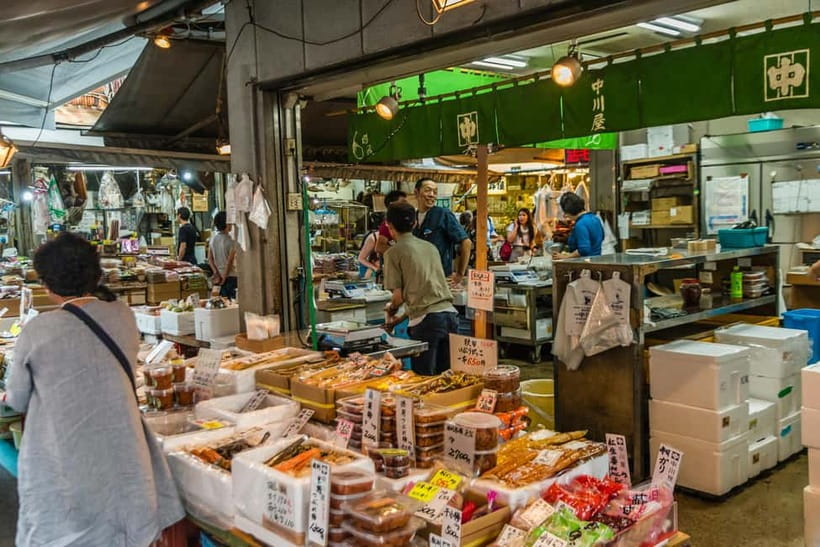
You start with an English-speaking assistant who guides you through the outer market lanes like someone who knows where people slow down for a reason. The market has 400-plus shops, so on your own you are basically gambling on timing and signage. On this tour, you are getting a guided path, plus a translation layer for what you are seeing.
The other smart choice here is the pace. The guided portion runs about 1.5 hours. That is long enough to build understanding and taste something real, but not so long that you feel dragged through stalls. After the tour, you get to keep going and shop or snack at your own speed, using your guide’s recommendations as a map.
You can also read our reviews of more food & drink experiences in Tokyo


Where You Meet and How the Tour Actually Moves
The meeting point can vary depending on which option you book. You may start around Tsukiji Hongwan-ji Temple or near the Tsukiji Bon Marche souvenir area (築地ボン・マルシェ築地みやげコーナー). Either way, the goal is the same: you are positioning close to where the outer market energy starts.
The tour flow is straightforward:
- You get a guided walk through the outer market
- You hit a tasting stop with sashimi
- You are introduced to shops, with local friend-style handoffs, so you know how to approach counters
- Then you are dropped at one of the two starting-area options, usually back near the temple area or the souvenir corner
This matters because Tsukiji is not a museum layout. You will be turning corners, crossing small lanes, and walking between clusters of vendors. Having a route matters more than you think, especially if you want to enjoy your photos without constantly backtracking.
One practical note on timing
The overall duration is listed as 90 minutes to 4 hours. That range makes sense because you do not just “finish” at the end of the guided walk. You are encouraged to continue exploring afterward. If you shop and eat a little, half-day energy is realistic.
The Sashimi Tasting: What Included Means, and What to Watch For
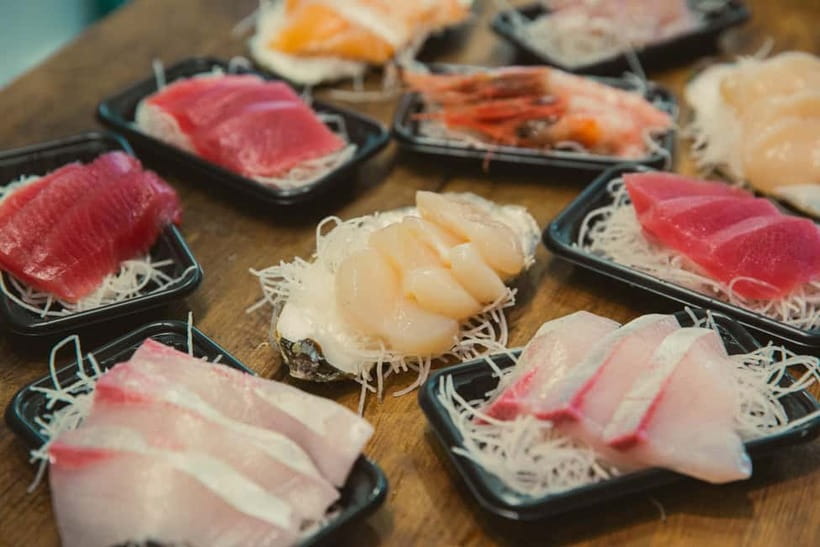
Let’s talk sashimi, because that is the reason most people book. The tour includes a sashimi tasting, and it is repeatedly described as more than a tiny bite for the price. The key point is that it is a tasting, not an all-you-can-eat meal.
You should think of the tasting as:
- a chance to compare textures and cuts you might not notice on your own
- a learning moment, where your assistant can explain what you are eating and why it is served that way
- a confidence boost, so when you later choose what to buy or eat, you have a baseline
Also, the tour notes that food is not included in the full, meal sense. They do try free samples, and the exact items can vary by day. One review mentioned sake being part of the experience, which lines up with the idea that what you sample can shift depending on what vendors are offering that day. So, do not assume the exact same menu every time you go.
If you are picky, good news: this format helps you try a few things quickly while someone guides your choices. If you are a “I want my fish portion first” type, plan to continue after the tour so your day does not feel cut short.
Backstreet Outer Market Walking: Tips You Can Use Immediately
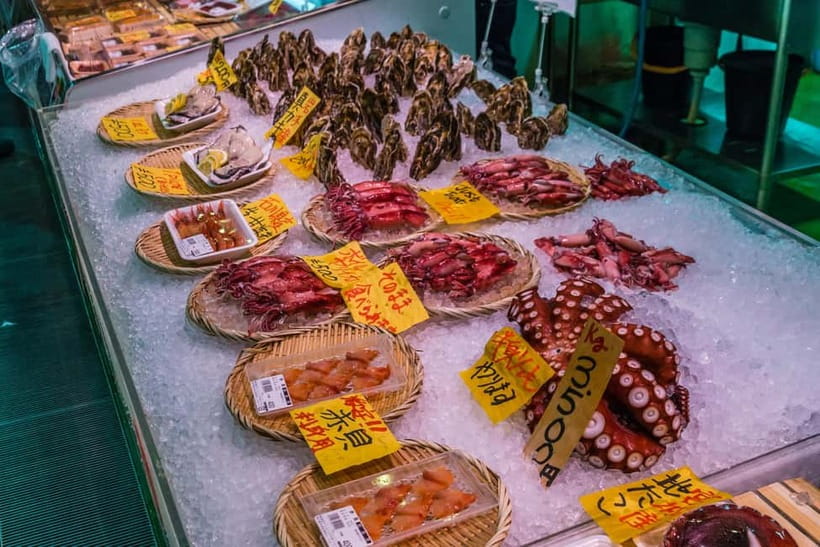
The most useful part of Tsukiji for first-timers is not just where to go, it is how to go. This tour focuses on the backstreets of the outer market, which is where you get the closest-to-real feeling of how vendors and regulars move.
Your assistant helps in a few key ways:
- pointing out shops that match what is seasonal
- giving shopping guidance that prevents you from wasting time at stalls that are more tourist-focused than food-focused
- introducing you to vendors so you know how to ask, what to look for, and what to expect
In market culture, speed and respect matter. One reason some people are disappointed with tours like this is when they expect a nonstop food crawl. Even here, the tour is designed around taste plus context, not a marathon eating session. That is why the best approach is to treat the tasting as the anchor, then let your guide’s picks shape where you spend your independent time afterward.
You can also read our reviews of more shopping tours in Tokyo

You will likely need cash, even if you planned to be card-only
The tour specifically notes that many local spots accept cash only. That is one of those “small detail” issues that can ruin your mood in the moment. I recommend bringing enough yen to cover:
- snacks you want to buy after the tour
- any seafood-related shopping you decide on during your free time
- small souvenirs at the start or end area
Also, wear shoes that can handle a lot of walking. Tsukiji is not gentle on your feet.
Tsukiji Hongwan-ji Temple as a Start Point, Not a Detour
One of the tour’s two starting options is Tsukiji Hongwan-ji Temple, and one of the drop-off options can be there too. That might sound like an off-topic stop if you are purely chasing food.
But here, it works as a practical orientation moment. It helps you anchor where you are before stepping into the market’s tight lanes. It also sets the tone for how Tsukiji operates: part food market, part community space, with culture woven into the daily flow.
Just keep your expectations aligned. This is still a market tour, and the best time cost is how quickly you transition to the outer market lanes and tasting.
The Guides: English Assistance That Actually Helps You Shop
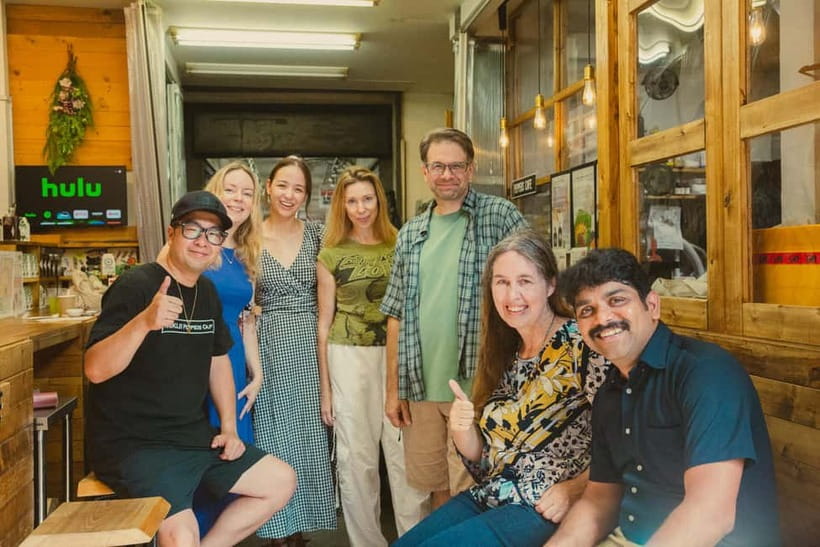
The tour is guided in English, and the difference between a good market guide and a mediocre one is whether you can ask questions without feeling awkward. Based on the guide names shared in feedback (like Taka, Shun, and Shoko), the emphasis seems to be on friendly, clear explanations and a conversational approach.
I like this because Tsukiji is full of details that you would miss otherwise:
- what “good” looks like in fish you are not used to
- why seasonal matters
- how vendors think about quality and selection
The guide also gives recommendations for where to shop and dine. That is valuable because after the tour you are on your own, and you do not want to spend that time wandering with no plan.
Price and Value: Why $38 Can Be a Good Deal, If You Want the Right Thing
At $38 per person, this tour sits in an accessible range for a guided food experience in Tokyo. The value comes from three parts working together:
- A guided route through a large, confusing area (400-plus shops).
- Sashimi tasting, which gives you a real food anchor instead of just sightseeing.
- Practical shopping tips, including cash-only reality and how to approach vendors.
If you are the type who would otherwise wander aimlessly and end up eating whatever looks easiest, the guide can save time and help you spend money smarter. You also benefit from small group size (up to 10), which makes it easier to get answers while you are standing at a stall.
If you are expecting a full meal plus a long, all-food route, you might feel the price is light on food volume. Remember: food is not included as a full package, and free samples vary.
Weather, Walking, and Comfort: The Stuff That Impacts Enjoyment
The tour runs rain or shine. That is Tokyo reality, and it means you should plan for wet pavement and slick steps. Bring a lightweight rain layer and keep your camera protected.
It also involves a moderate amount of walking and is not wheelchair accessible. If you have any mobility limits, you will want to plan your own pace carefully.
For your comfort, I suggest:
- comfortable clothes (you will be close to food smells and crowded aisles)
- comfortable shoes
- a camera, since outer market textures and displays are photo-friendly
- cash, because you will likely want to buy something after the tasting
Who This Tour Suits Best (and Who Might Want Another Option)
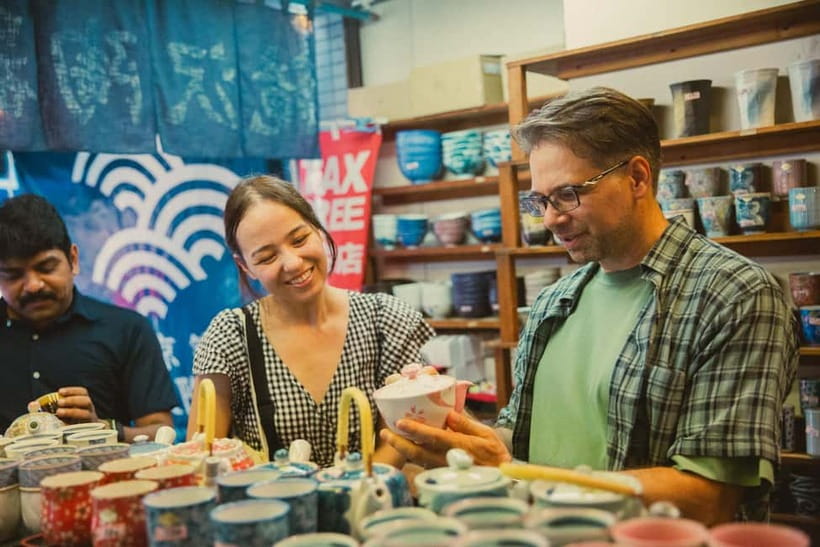
This is a great fit if you:
- want a guided entry point into Tsukiji without spending hours figuring it out
- like learning just enough to make smarter food choices
- enjoy informal market conversations and vendor recommendations
- prefer a small group and an English-speaking guide
It may be less ideal if you:
- only care about eating a huge amount, not learning market culture
- want every minute to be a food-only stop, not a balance of tasting and context
- are sensitive to walking and crowded lanes
In other words, it is best for people who see food as part of the market story, not just the final product.
After the Tour: How to Use Your Guided Picks to Keep Going
One of the smartest features is that you are not locked into an ending program. You are sent off to continue exploring Tsukiji Outer Market at your own pace. That means you can:
- return to stalls your guide recommended
- buy something you felt curious about but did not want to commit to during the tour
- snack based on your own appetite level after the sashimi tasting
Your best strategy is simple: use the tour to narrow your options, then let your preferences decide. That turns Tsukiji from a stressful checklist into a fun hunt.
Should You Book This Tsukiji Sashimi Culture Tour?
I would book this if you want a smart, time-saving way to experience Tsukiji’s outer market culture with an English assistant and a real sashimi tasting. At this price, the value mostly comes from guidance in a maze, plus tasting that gives you confidence for what to seek next.
I would think twice if you are coming strictly for a big meal or if you know you get frustrated when a tour mixes food with history and cultural context. This is more tasting plus navigation than full-board dining.
If you go with the right mindset, you will likely leave with two wins: better market sense and better choices after the tour ends.
FAQ
How long is the Tsukiji Fish Market culture tour?
The tour duration is listed as 90 minutes to 4 hours. The guided tour is about 1.5 hours, and you continue exploring afterward on your own.
Where can the tour start and end?
The meeting point and drop-off can vary by option. Possible start and end areas include Tsukiji Hongwan-ji Temple and the Tsukiji Bon Marche souvenir area.
Is sashimi tasting included?
Yes. The tour includes a sashimi tasting as part of the experience.
Is food included on the tour?
Food is not included as a full meal. The tour includes sashimi tasting and may include free samples that vary depending on the day.
What should I bring?
Bring comfortable shoes, a camera, comfortable clothes, and cash, since many local spots only accept cash.
What is the cancellation policy?
You can cancel up to 24 hours in advance for a full refund. The tour also offers reserve now & pay later to keep plans flexible.
More Food & Drink Experiences in Tokyo

More Tours in Tokyo





More Tour Reviews in Tokyo


Not for you? Here's more nearby things to do in Tokyo we have reviewed












Tsukiji Market Tours, side by side.
 ★ 5.0Tokyo Tsukiji Fish Market Food and Culture Walking TourFrom $993,184 reviews
 ★ 5.0Tsukiji Fish Market Food and Walking tourFrom $301,724 reviews
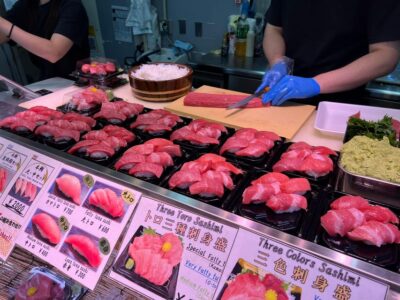 ★ 4.9Tsukiji Fish Market Guided Walking TourFrom $221,397 reviews
 ★ 5.0Tokyo Sushi Making Class in Tsukiji with Professional ChefFrom $491,177 reviews
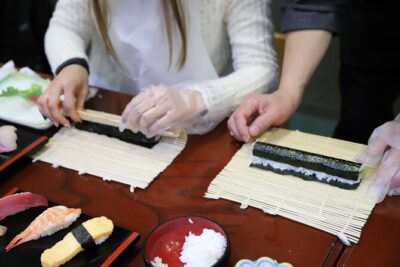 ★ 5.0Tsukiji Fish Market Guided Tour and Sushi Making with Pro ChefFrom $104775 reviews
★ 4.7Tsukiji Fish Market Food and Culture Walking TourFrom $96757 reviews
★ 5.0Tsukiji Fish Market Guided Tour and Sushi Making with Pro ChefFrom $104775 reviews
★ 4.7Tsukiji Fish Market Food and Culture Walking TourFrom $96757 reviews
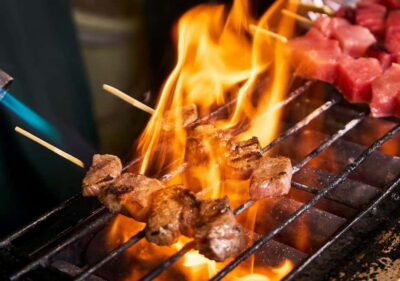 ★ 5.0Tsukiji Fish Market: Street Food & Culture Walking TourFrom $33669 reviews
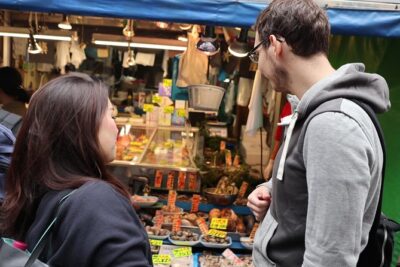 ★ 5.0Tsukiji Fish Market Small-Group Food Walking TourFrom $87621 reviews
This tour also belongs to