
Review · TSUKIJI MARKET TOURS
Tokyo Tsukiji Food & Culture Private Tour Licensed Guide
Fish markets feel like Tokyo in 3D. This private, licensed Tokyo food and culture tour is interesting because you get a government-licensed English-speaking guide who keeps the day organized while you sample fresh foods and learn how Japan’s history and behavior show up through what people eat. I especially like the flexibility to choose your sites from the start, so the walk matches your tastes instead of forcing a fixed checklist. One consideration, though: you will pay for food, drinks, and transportation during the tour (entrance fees too, if any), so plan a little budget on top of the $141.
On a 6-hour option, you typically see 3 to 4 areas, including the big fish market world and then street food and shopping zones like Asakusa and Ueno. I also like that the meeting is simple, your guide meets you in your hotel lobby or at your requested train station, and you set off on foot so you start fast. The day runs rain or shine, so pack for cold, wet weather if you’re traveling in shoulder seasons.
From the guide stories in the wild, the best part is usually the human touch. Guides like Kenji Kasama plan in a way that fits what you asked for, and Naomi handled the train system in a clear, practical way when weather threw curveballs. You will walk a lot, and it’s a shopping and tasting day, so if you hate crowded streets or you want zero extra spending, this may not be your ideal match.
Key Highlights You’ll Care About
- Private, government-licensed guide who can explain what you’re seeing and how to behave in food spaces
- Toyosu plus Tsukiji areas for a one-day crash course in Tokyo’s seafood culture
- Choose your stops from Toyosu Market, Tsukiji Old Fish Market, Kappabashi, Tsukishima, Yanaka Ginza, and more
- Shopping built into the food route, especially Kappabashi’s kitchenware and fake food samples
- Rain or shine operation so you are not stuck waiting for weather to cooperate
- Smart public transport help, including guidance like how to use transit cards when needed
Why Tokyo Tsukiji and Toyosu Still Drive the Food Story
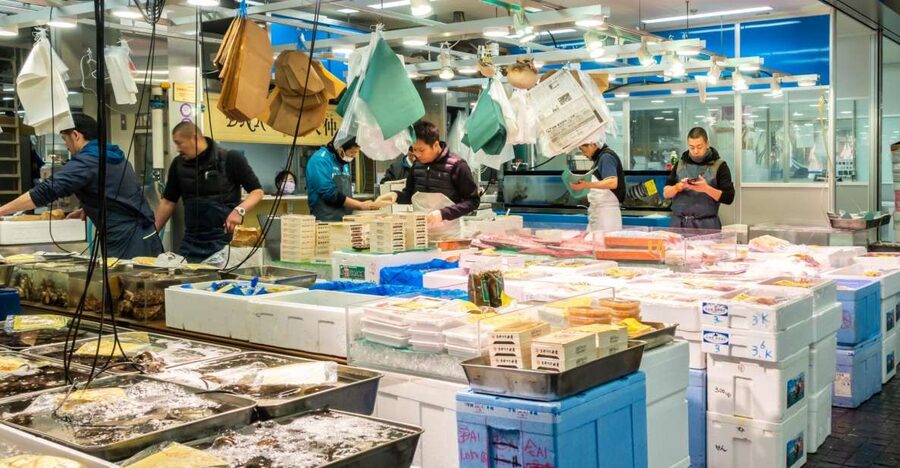
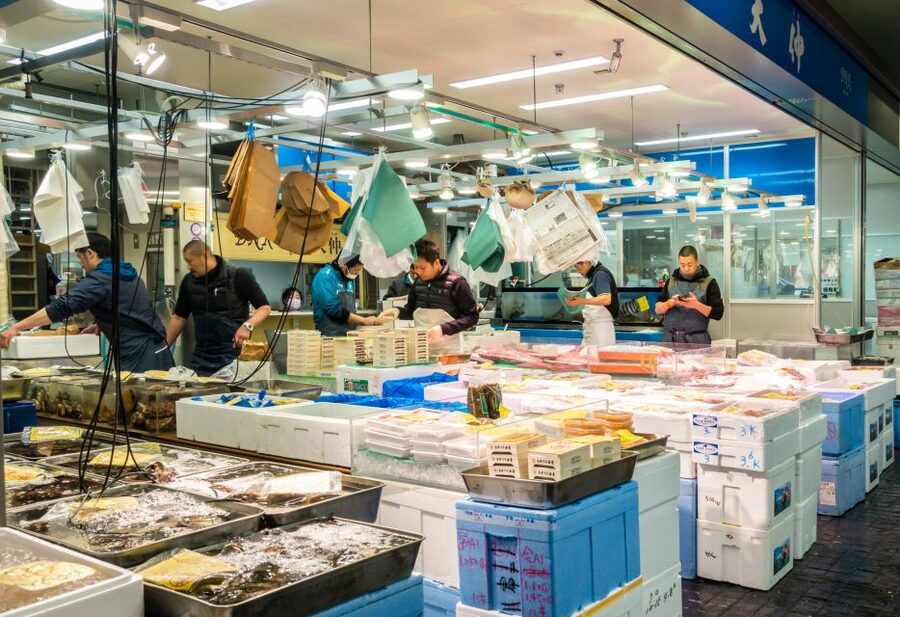
If you want to understand Tokyo food, you start at the source. Toyosu and Tsukiji are not just famous names. They are where Japan’s seafood culture becomes visible in real time, from how stalls operate to how people shop and talk about ingredients.
What I like about this tour’s focus is that it treats food as culture, not as a checklist. Your licensed guide can connect what you’re tasting or looking at to broader patterns in Japanese life, including etiquette and everyday habits around markets. That matters because a market can feel overwhelming. With a guide, you spend more time noticing the details that actually teach you something, instead of just walking through crowds.
Another big win is that this tour is designed as a “one-day, do-it-all” flow inside Tokyo. You’re not stuck bouncing around with no plan. You’re building a story: seafood first, then street food and specialty shopping neighborhoods afterward.
You can also read our reviews of more food & drink experiences in Tokyo

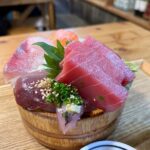
6 Hours, 3 to 4 Stops, and How the Site Choices Work
The tour comes in two timed options: a 4-hour version (usually 2 to 3 sites) and a 6-hour version (usually 3 to 4 sites). In practice, that means the 6-hour option is for people who want more than one flavor lane, and time to move between markets and shopping streets without feeling rushed.
The “choose your sites” part is genuinely useful. After booking, you can inform your guide which locations you want from the list, including:
- Toyosu Market
- Tsukiji Old Fish Market
- Kappabashi Street, known for kitchen supply shops and fake food samples
- Tsukishima’s Monja Street
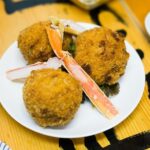
- Yanaka Ginza, famous for yummy fried croquettes
For me, that’s the difference between a generic tour and a custom Tokyo day. If you’re more into seafood, you can stack the market time. If you want a food crawl plus shopping, you can steer toward Asakusa and Ueno zones afterward. And if you want variety beyond fish, Monja Street and Yanaka Ginza add a different kind of Tokyo comfort food.
Plan your mindset for a walking day. Even when you’re moving efficiently between areas, you are going to be on your feet in busy streets and market lanes. Comfortable shoes matter more than you think.
Toyosu Market and Tsukiji Outer Market: What to Expect on Foot
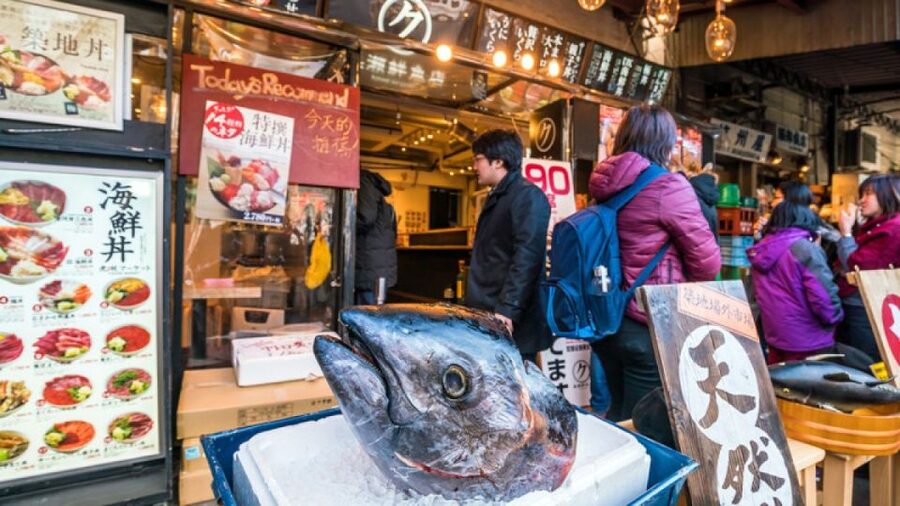
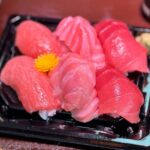
Inside Tokyo’s market world, the sights hit fast: seafood scale, the pace of vendors, and the way everything revolves around freshness. This tour is specifically built to cover an efficient day inside Tokyo’s two famous fish markets, including Toyosu and the outer Tsukiji fish market area.
Because your guide is licensed and experienced, you are not just seeing stalls, you’re learning the “how” and the “why.” The guide’s explanations can help you understand why certain foods are treated as special, and how Japanese market behavior works day to day. One theme that comes through strongly from real guide-led experiences is that the best guides focus on correct behavior and practical context, not only food facts.
You can also expect some food tasting. Many guide formats in this style include food tastings as part of the value, and the tour is clearly positioned as a food-and-culture experience. Still, keep in mind the tour does not include food and drink costs, so you may pay for tastings depending on your guide and what you select that day. It’s smart to ask your guide what tastings are planned when you meet.
Weather is another real factor here. The tour runs rain or shine, so if it’s cold, wet, or both, the market can feel sharper on your hands and face. Bring layers you can adjust quickly, plus something that protects you from drizzle.
Asakusa Street Food and Ueno’s Ameyoko: Eating Tokyo Like a Local
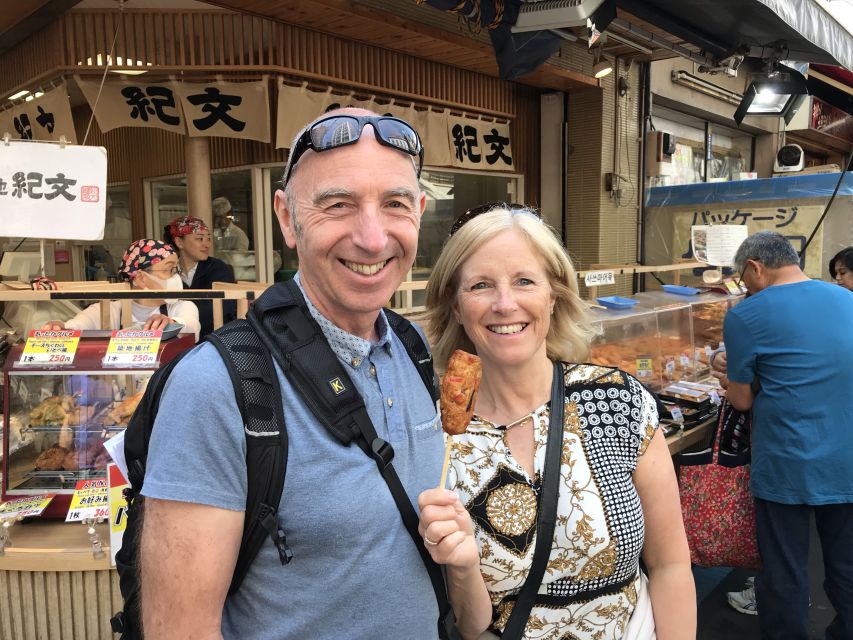
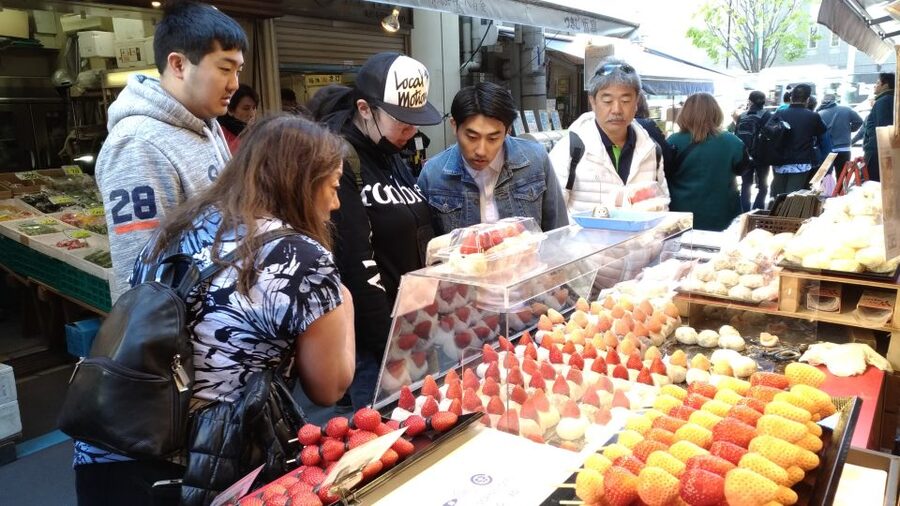
After the market portion, the tour shifts from ingredient source to street-level Tokyo. Asakusa shopping street is built into the plan, and it’s known for authentic street food atmosphere. This is where you go from seafood culture to the everyday Tokyo food that people grab while they walk, browse, and snack.
Then you move into Ueno’s Ameyoko area. Ameyoko is the kind of place where food and shopping get mixed together naturally, so your guide can help you pick what fits your tastes and what is practical to try while you’re walking. The best guides keep it efficient: short stops, clear instructions, and just enough explanation so you understand what you’re buying instead of guessing.
One rainy-day detail that came up in guide experiences: Naomi handled transport smoothly and then adapted to conditions, with an art museum stop turning into a highlight. That tells you something important. If the weather shifts the day, a good guide keeps moving and adds context rather than cancelling the day.
Kappabashi Kitchenware Shopping: Where Fake Food and Real Ideas Meet
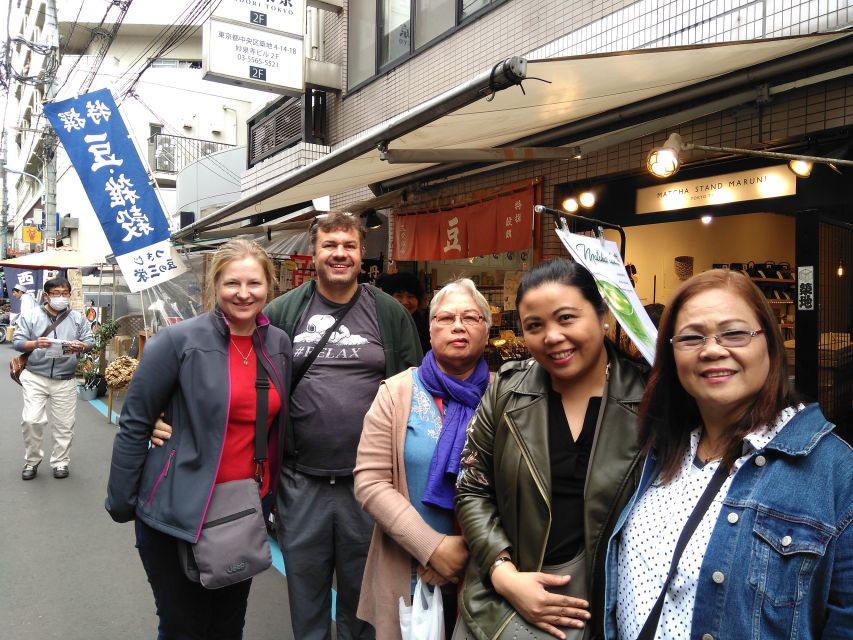
If you like cooking gadgets, this is the stop that makes people grin. Kappabashi Street is known as a kitchenware wonderland, with kitchen supply shops and fake food samples galore. The fake displays are more than decoration. They help you see how Japanese menus get communicated visually, and they’re often the easiest way to identify what a place is serving without language barriers.
What you might love here is the shopping contrast: you’re coming from a seafood market where things are real and fresh, and you shift into a street where food culture gets packaged into models, tools, and souvenir-like displays. Even if you do not buy anything, it’s fun to browse with your guide explaining what different shops focus on.
Also, Kappabashi is a good place to plan small purchases that travel well. Many people prefer kitchen items over large, fragile souvenirs. Since entrance fees and food costs are not included, your main extra spending here will likely be what you choose to buy.
More Tokyo tours and experiences for the shortlist

Tsukishima Monja Street and Yanaka Ginza Fried Croquettes: Pick Your Comfort-Food Mood
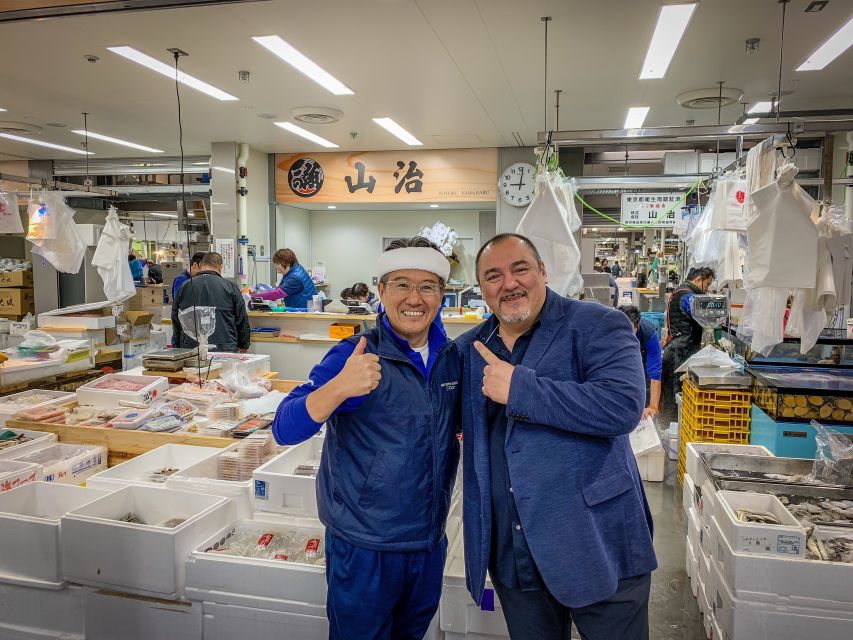
Not every food day has to be only about seafood. That’s why Tsukishima’s Monja Street and Yanaka Ginza are on the optional list.
Tsukishima’s Monja Street points you toward monja culture, a different street-food vibe from typical market seafood. If you want Tokyo food that feels more casual and hearty, this can be a strong third or fourth stop when you’re on the 6-hour route.
Yanaka Ginza brings you to a classic pocket of Tokyo street life, and the focus here is on fried croquettes. Fried foods are comforting in colder weather, and croquettes are an easy way to end a long food walk because they’re satisfying and portable.
The practical tip is simple: choose these stops based on your mood, not just their fame. If you are tired of fish flavors, put Monja Street and Yanaka Ginza in the mix. If you love seafood and want to go deeper, keep the day heavier on Toyosu and Tsukiji areas.
Private Licensed Guides: How the Best Ones Actually Change Your Day
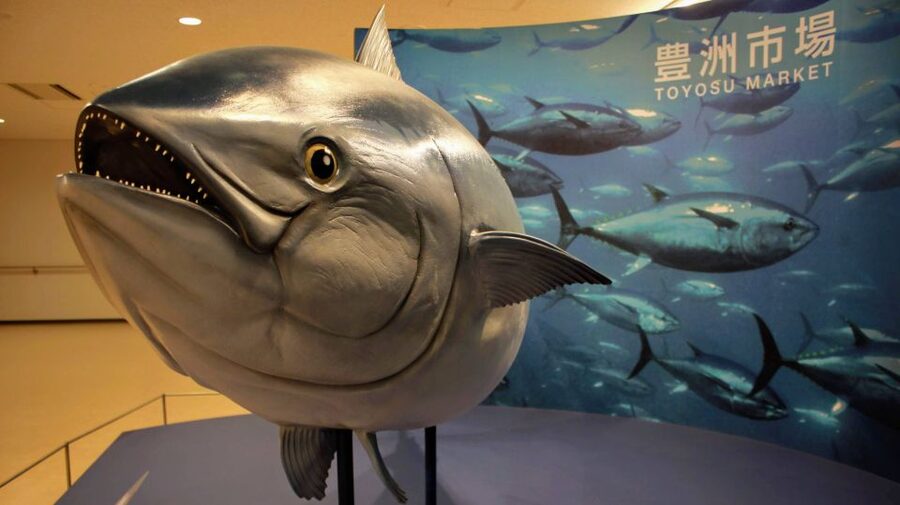
A private tour is not just about avoiding crowds. It’s about using time smarter. With a licensed guide, you get someone who can handle logistics on your behalf and still keep the day interesting.
The guide stories show consistent strengths. Kenji Kasama, for example, created itineraries that included locations guests specifically requested, and he patiently led groups through public transportation they would have struggled with alone. Naomi’s guidance on buying a train card is another real-world example of what helps most, especially if you’re new to Tokyo transit.
Punctuality and safety also come up. Yasuho Suzuki was described as professional, friendly, punctual, and fun, with careful guidance through a walking-heavy day. That combination matters because markets and shopping streets can turn chaotic fast, and you want someone who knows how to keep the group together.
There are also personal touches that make the day feel human, like one guide letting a daughter use his fan during the tour. Those small moments aren’t the point of the itinerary, but they signal what you should look for in a good guide: flexibility, warmth, and attentiveness.
In short, the private licensed guide is the engine. They decide the pace, interpret the food, and help you navigate Tokyo without turning the day into stress.
Price and Logistics: What $141 Buys, and What You Must Budget
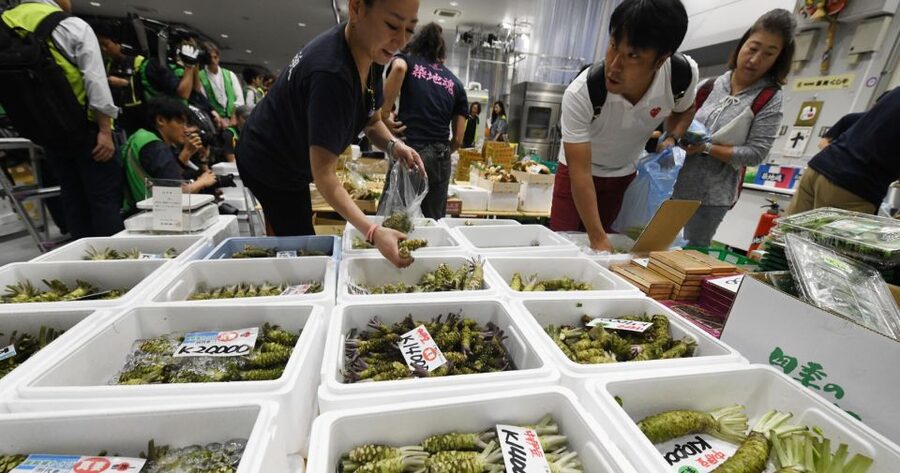
Let’s talk value straight. The price is $141 per person for the 6-hour option. You are paying for:
- a private 4 or 6-hour tour (depending on option)
- the services of a licensed local guide
- meet-up on foot in Tokyo’s 23 wards
What is not included:
- food and drink
- entrance fees
- public or private transportation fees during the tour
That last part matters. The tour uses public transportation or private taxis, but you pay those transit costs separately. The good news is that the guide handles transit navigation, and that can save you time and mistakes. The hidden cost is simply cash you need to carry for meals, drinks, and transit.
So is $141 fair? For Tokyo, it can be. You’re buying guided market access plus multiple neighborhoods, plus a guide who can customize the sites you want to see. If you would otherwise pay for multiple paid experiences or you would hire someone just to manage navigation, this can be efficient. But if you already know Tokyo markets well, and you plan to self-tour without spending on guided time, you might feel the value is less.
A smart way to decide: estimate your “extra spending” day budget. Add meals you’ll want at Asakusa and Ameyoko, plus whatever you buy at Kappabashi. Then compare it to the guide cost. Usually, you will land in a reasonable total, but it helps to plan ahead.
Who Should Book This Tokyo Food and Culture Tour
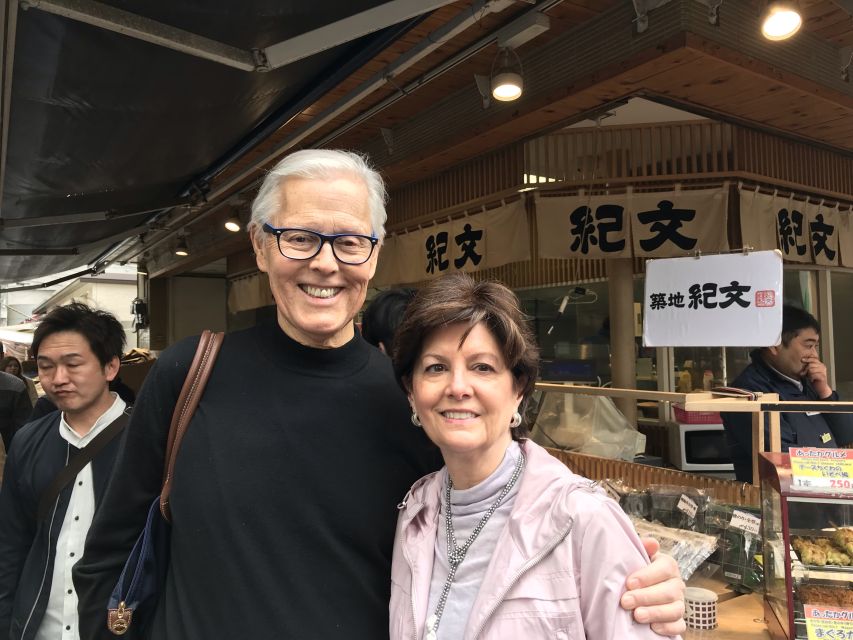
This is a strong fit if:
- you want Tokyo food context, not just photos
- you like the idea of markets as the starting point, then street food and shopping afterward
- you want a private licensed guide who can adjust based on your requested sites
- you enjoy browsing food culture through kitchenware and street snacks, not only eating
It’s also a good choice for first-time visitors who feel nervous about navigating busy areas. The guide experience described in multiple cases, including train-card help and practical routing, is exactly what reduces stress.
Consider skipping or switching plans if:
- you hate walking days, even with guidance
- you want a tour where all food and transport costs are included
- you prefer to explore markets independently with no explanations or custom route
Should You Book It?
I’d book this tour if you want your Tokyo day to feel like a guided food narrative, starting with seafood at Toyosu and Tsukiji and then moving into street food and shopping neighborhoods. The private licensed guide is the big differentiator, and the site-choice flexibility makes it feel personal rather than templated.
I would not book it if you want a fully self-contained package with no extra spending for food and transportation. Also, if you’re traveling at a time when cold rain is likely and you know you hate wet market conditions, factor in layers and plan for that reality.
If you do book, my best advice is simple: spend time choosing your 3 to 4 sites for the 6-hour option based on your food goals. Want seafood depth? Prioritize Toyosu and Tsukiji areas. Want variety and shopping? Add Kappabashi, Asakusa, and then pick either Tsukishima Monja Street or Yanaka Ginza fried croquettes to round it out.
FAQ
What is the price for the Tokyo Tsukiji Food & Culture Private Tour?
The price listed is $141 per person for the 6-hour private tour option.
How long is the tour, and can I choose between 4 and 6 hours?
Yes. You can choose a 4-hour tour or a 6-hour tour. The 4-hour version typically includes 2 to 3 sites, while the 6-hour version typically includes 3 to 4 sites.
Which parts of Tokyo’s food scene are included?
The tour focuses on Tokyo’s famous fish market areas, including Toyosu and the outer Tsukiji fish market area, plus other local areas chosen from options such as Asakusa shopping street, Ueno’s Ameyoko, and Kappabashi, along with selectable sites like Tsukishima’s Monja Street and Yanaka Ginza.
Can I choose the sites I want to see?
Yes. After booking, you can inform your guide post booking of the sites you would like to see from the provided list.
Is food and drink included in the price?
No. Food and drink are not included.
Are entrance fees included?
Entrance fees are not included.
How do we get around during the tour, and do I pay transport?
The tour uses public transportation or private taxis, and transportation fees are not included. You will need to pay for transportation separately during the tour.
Where will the guide meet me?
Your guide meets you at your hotel to start the day, or at the train station you request, and they will be waiting about 10 minutes before the scheduled pickup time. You then set off on foot from there in Tokyo’s 23 wards.
Is the tour private and wheelchair accessible?
Yes. It is a private group tour, and it is listed as wheelchair accessible.
Does the tour run in rain?
Yes. The experience takes place rain or shine.
What is the cancellation and payment flexibility?
It offers free cancellation up to 24 hours in advance for a full refund. It also includes a reserve now & pay later option, so you can book and pay nothing today.
More Food & Drink Experiences in Tokyo
More Tours in Tokyo




More Tour Reviews in Tokyo


Not for you? Here's more nearby things to do in Tokyo we have reviewed












Tsukiji Market Tours, side by side.
 ★ 5.0Tokyo Tsukiji Fish Market Food and Culture Walking TourFrom $993,184 reviews
 ★ 5.0Tsukiji Fish Market Food and Walking tourFrom $301,724 reviews
 ★ 4.9Tsukiji Fish Market Guided Walking TourFrom $221,397 reviews
 ★ 5.0Tokyo Sushi Making Class in Tsukiji with Professional ChefFrom $491,177 reviews
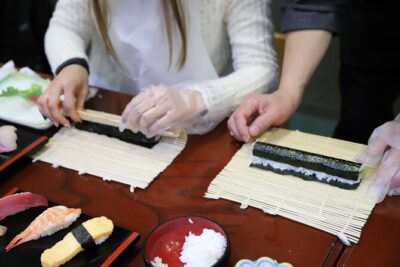 ★ 5.0Tsukiji Fish Market Guided Tour and Sushi Making with Pro ChefFrom $104775 reviews
★ 4.7Tsukiji Fish Market Food and Culture Walking TourFrom $96757 reviews
★ 5.0Tsukiji Fish Market Guided Tour and Sushi Making with Pro ChefFrom $104775 reviews
★ 4.7Tsukiji Fish Market Food and Culture Walking TourFrom $96757 reviews
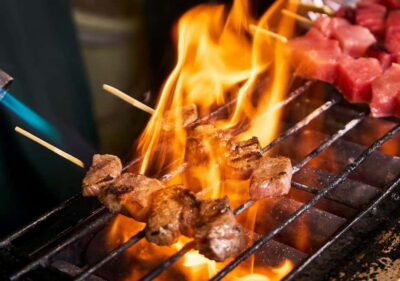 ★ 5.0Tsukiji Fish Market: Street Food & Culture Walking TourFrom $33669 reviews
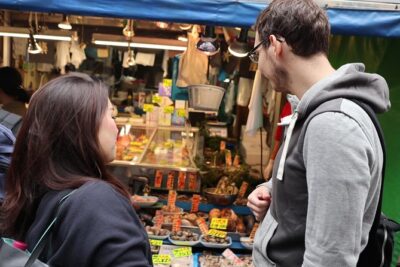 ★ 5.0Tsukiji Fish Market Small-Group Food Walking TourFrom $87621 reviews
This tour also belongs to