
Review · TSUKIJI MARKET TOURS
Tsukiji Fish Market: Street Food Tour with Tasting
Tsukiji turns a walk into food class. I like this tour because you don’t just stare at stalls, you get guided street-food tastings plus real market know-how. What makes it fun is the mix of flavors, the hands-on food craftsmanship, and the way you end up understanding how Japanese cooks build umami.
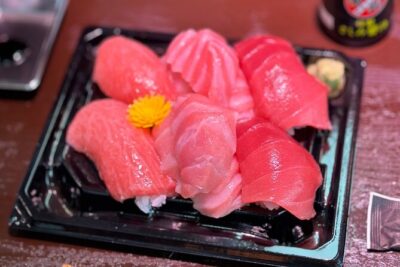
Two things I really like: first, the tasting set is well paced and specific, not random bites. You’ll sample premium sushi or a seafood rice bowl, wagyu beef skewer, wagyu menchi katsu, tamagoyaki (sweet omelette), grilled eel, shumai, and a strawberry dessert, plus a special wasabi set from your guide.
One thing to consider is that Tsukiji is active and people pack in. If you hate crowds or you want maximum freedom to wander on your own, you may feel a bit guided and time-boxed.
Key highlights you’ll feel during the tour
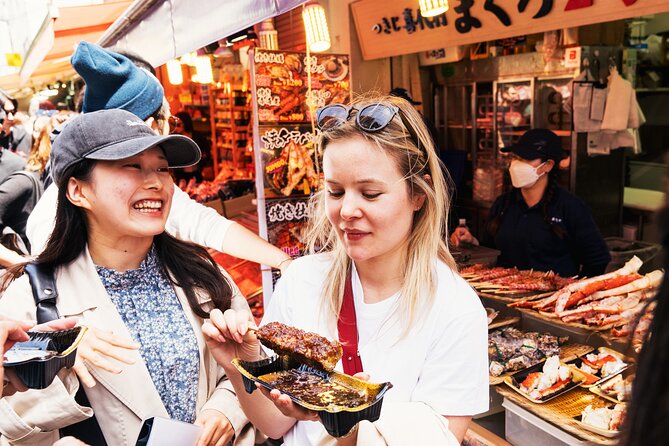
- A planned tasting set that covers sushi, fried snacks, grilled eel, dumplings, and dessert
- Fresh wasabi pairing, added intentionally to raw fish so you taste the difference
- A real fish filleting show with traditional technique focus
- A small group (max 15) so your guide can keep you moving
- Temple stop for contrast, a quick cultural reset from the market heat
Tsukiji street-food tasting, and why it feels more than food
Tsukiji isn’t just a place to eat. It’s a place to learn the logic behind Japanese food, from how fish is handled to how flavors get layered. This tour is built around that idea. You’ll start in the market area, then move through a fish cutting performance, step into the market trading atmosphere, and finish with a temple stop that grounds the whole day in culture.
I like that it’s practical. You’re not handed a thick script of history and left to interpret it alone. Instead, you get food that matches what you’re seeing. That matters because market food only makes sense when you connect it to technique, ingredients, and timing.
And the guide factor is real. When you’re standing in the middle of a famous market, it’s easy to miss what’s important. A good guide helps you notice the craft, choose wisely, and understand what you’re tasting.
You can also read our reviews of more food & drink experiences in Tokyo


Meeting at Tsukiji Hongwanji Temple, a calm start before the food rush
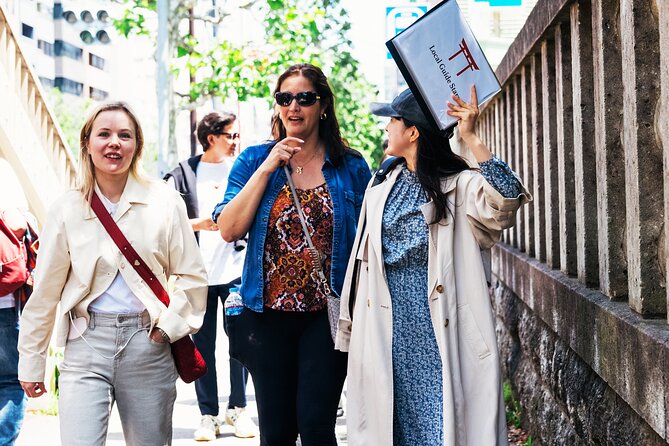
The tour meets at 築地本願寺本堂3-chōme-15-1 Tsukiji, Chuo City, Tokyo 104-0045, Japan. I like this meeting point because it’s not one of those mystery corners. It’s a clear landmark area, and it also sets the tone. You begin with a slice of formal Japanese culture right next to the food world.
The ending goes back to the meeting point too, so you’re not left navigating your way out with a full stomach and scattered energy. The tour also uses a mobile ticket, which is simple and keeps your day from turning into paperwork.
Most travelers can participate, and the duration is about 2 hours. That’s a good length for Tsukiji. Long enough to eat well and learn, short enough that you’re not counting minutes while the market noise wears you down.
Jogai Market street food, where the guide does the heavy lifting
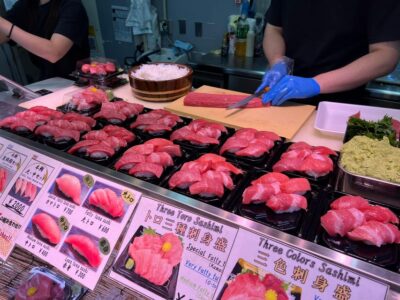
Your first stop is Tsukiji Jogai Market, with time to explore Japanese food culture through street food. Admission here is free, so you’re paying for guidance and tastings rather than entry fees.
This part is where the tour earns its value. Tsukiji Jogai can be intense. If you show up alone, you might end up eating whatever looks convenient. With a guide, you get a better flow. You move at a pace that fits the market rhythm, and you learn what each item is supposed to taste like and why it’s worth your attention.
I also like that you can adapt your food choices. One guide named Kawa is specifically noted for navigating the busy market like a pro, while still allowing some flexibility. That kind of control matters because hunger changes. Preferences change too. If someone in your group wants to switch within the set structure, a good guide makes that possible.
The fish-cutting show, technique you can actually see
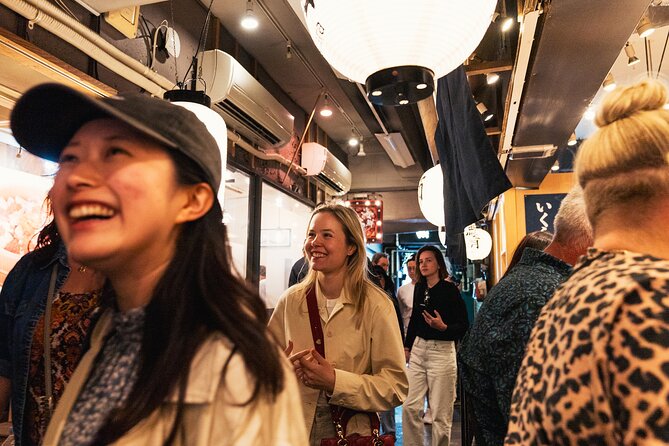
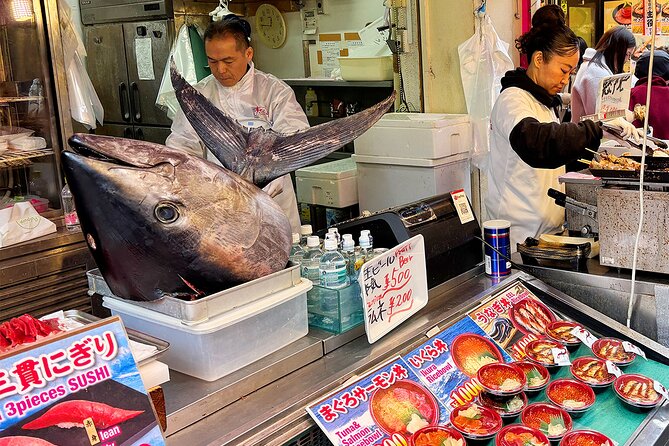
Next comes a fish-cutting show at Tsukiji Jogai Market. This stop is about 30 minutes and includes admission. It’s the kind of experience that turns food from a concept into a craft.
What you’ll get is a chef filleting a whole fish using traditional techniques. Even if you don’t speak Japanese, you’ll understand what’s happening because the movements are clear. More importantly, you can connect the visuals to the tasting later. You start thinking about structure: what parts taste different, why fish freshness matters, and how precise cutting helps texture.
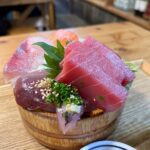
After the show, you’ll enjoy a fresh seafood bowl. This is where the tour smartly closes the loop. You watch the work, then you eat what that work produces. It’s a fast lesson, and it stays with you because your taste buds do the final exam.
Tsukiji Fish Market atmosphere, and what to pay attention to
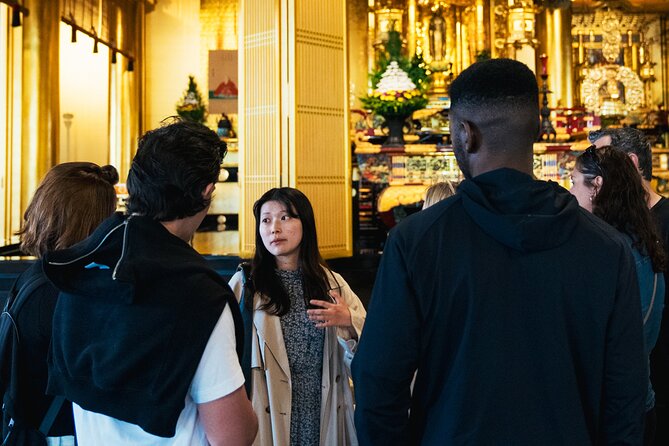
Then you step into Tsukiji Fish Market for about 30 minutes. Admission here is free, and the goal is the authentic market atmosphere where professional traders operate.
This portion is more about observation than just eating. You’ll see how the day feels when you’re near the working end of the supply chain, not a tourist fair. The sights and sounds can be surprisingly educational. You learn how markets run, how speed and organization matter, and why vendors care about freshness and presentation.
If you want to enjoy this part, give yourself one job: watch for repetition. Watch how workers handle fish, how they package, how they keep things moving. That repetition is where the system lives.
Also, if crowds feel like too much, this is the section where you feel it most. The tour helps, but you still need to be comfortable standing in a lively area.
More Tokyo tours and experiences for the shortlist
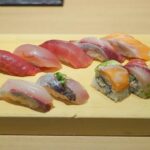


The tasting set: sushi, wagyu, katsu, eel, dumplings, and tamagoyaki
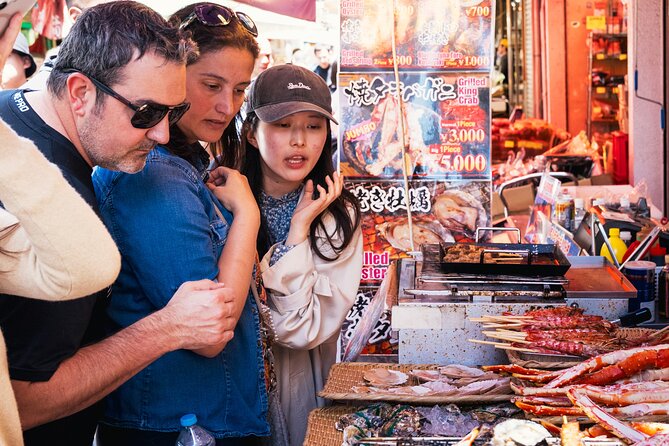
Here’s what you’re actually eating. The tour includes a special set provided by your guide, featuring a mix of premium items and classic Japanese snack logic.
- Premium sushi or a seafood rice bowl
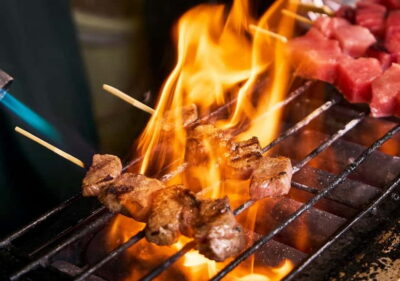
- Wagyu beef skewer
- Wagyu menchi katsu
- Tamagoyaki, sweet omelette
- Grilled eel
- Shumai, dumpling
- Strawberry dessert
You’ll also get a special wasabi set from your guide, which is a standout. One guide named Tomo is noted for adding fresh wasabi as part of the raw fish experience, and the point was clear: fresh wasabi changes everything. The flavor isn’t just heat. It feels sharper, cleaner, and more integrated with the fish. If you’ve only had green paste from a tube, this is the version that makes you understand the difference.
I love how the set covers texture variety. You get soft and silky (tamagoyaki), crisp and fried (katsu), smoky and savory (eel), and juicy bite-sized dumpling energy (shumai). Then the wasabi works like a flavor reset between items.
And the order helps. The tour doesn’t just dump food on you all at once. It builds. Even if you’re not a super picky eater, you’ll have moments where each bite makes sense with the one before it.
Fresh wasabi is not just a condiment
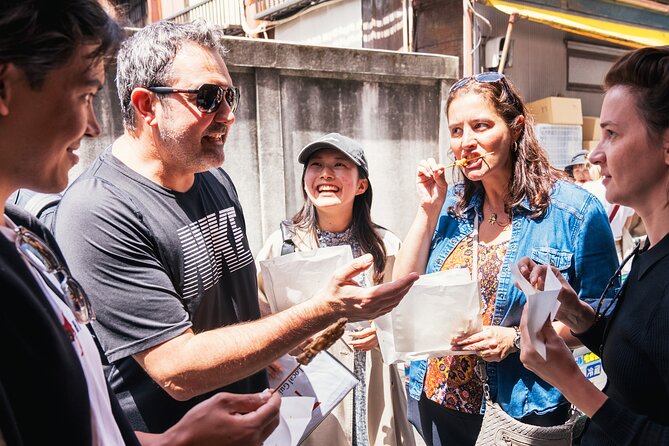
If there’s one thing this tour does right, it’s treating wasabi like food science, not decoration. You get a special wasabi set provided by your guide, and it’s designed to be paired with raw fish.
Here’s why that matters for you. Raw fish can be delicate. If you use wasabi randomly, you might overpower the fish or miss the point. With an intentional pairing, you taste how the wasabi lifts aroma and balances fat and salt.
And when the wasabi is fresh, it behaves differently. It can feel bright and sharp rather than one-note spicy. That changes how you read the fish itself. Suddenly, the quality and handling show up in taste, not just in appearance.
If you’re curious about Japanese food beyond sushi rolls, this is your gateway bite.
Price and value: what $97.55 buys you in real terms
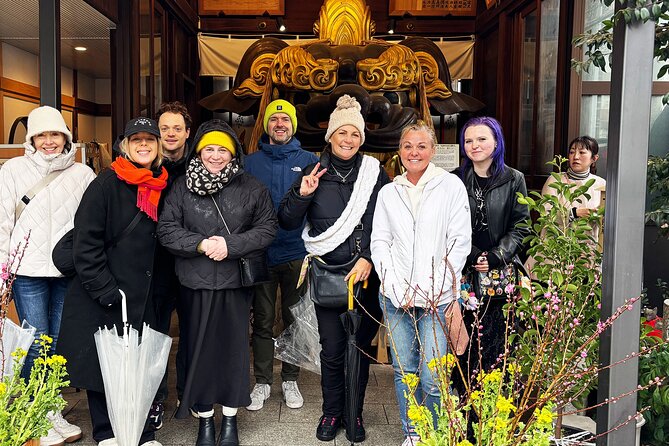
At $97.55 per person, this isn’t a budget snack crawl. You’re paying for a guide, a curated tasting set, and a fish-cutting show with included admission.
So is it worth it? For me, the value comes from three parts:
First, you’re getting multiple prepared tastings, not a single meal you could replicate on your own. The set includes several substantial items, like wagyu skewers, wagyu menchi katsu, grilled eel, and sushi or a seafood bowl.
Second, the wasabi component is included and guided. If you’ve ever tried to do that kind of pairing yourself in a fast market, you know it’s hard. A guide turns guesswork into an actual plan.
Third, you’re paying for explanation and pacing. In a market like Tsukiji, time is the invisible cost. A guided route helps you avoid wandering, missing key spots, or stopping at stalls that don’t match your tastes.
If you love food and want more than photos, this price can feel fair. If you’re only after one small bite, you’d probably spend less alone and risk getting a weaker experience.
Small group size and timing, so you don’t lose your appetite
This tour caps at 15 travelers. That size is important. In big groups, you get separated and you spend your energy trying to catch up. In a smaller group, your guide can keep movement smooth and help you with questions.
Timing matters too. It’s about 2 hours. You still get enough time to taste, watch the cutting show, and enjoy the trading atmosphere without ending up exhausted. For Tsukiji, that balance is key.
It’s also booked on average about 16 days in advance, which tells me it’s popular. If you’re traveling in a busy season, earlier booking is a good idea.
And yes, it uses a mobile ticket. That helps on day-of logistics when you’re juggling transit, weather, and hunger.
The temple stop, why it belongs after the fish
One of the best surprises is that you also visit Tsukiji Hongwanji Temple for about 15 minutes. It’s a free stop and guided, with a focus on Japanese culture and the charm and history of Buddhism.
This part gives you a mental reset. You’ve just been in a market that runs on speed, sales energy, and strong sensory input. The temple stop slows you down. Even in a short time, it can help you process what you ate and what you saw.
For many people, this contrast is what makes the tour feel complete, not just stuffed with snacks. You finish with context, not only calories.
Is this tour for you?
This is a great fit if you:
- Want a structured Tsukiji food experience in about 2 hours
- Like multiple tastings rather than one big set meal
- Enjoy learning how technique shows up in flavor
- Feel more comfortable when a guide helps you navigate busy spaces
It may be less ideal if you:
- Hate crowds and want lots of open time to wander
- Only want a single item like sushi and don’t care about the rest
You’ll still eat well even if you’re not a “foodie.” The tasting set includes familiar Japanese classics like tamagoyaki and shumai, plus more adventurous items like wagyu and grilled eel.
Should you book this Tsukiji street food tasting?
I’d book it if you want a guided “taste-and-learn” day that doesn’t eat up half your schedule. The combination of market atmosphere, a fish-cutting show, and a thoughtfully chosen tasting set is the real draw. The inclusion of a special wasabi pairing is also a strong reason, because it’s one of those details that’s hard to replicate on your own.
Skip it only if you prefer DIY wandering and you’re fine paying less but controlling less. If you want your Tsukiji time to make sense and leave you with better taste memories, this is a solid choice.
FAQ
How long is the Tsukiji Fish Market street food tour?
It runs for about 2 hours.
What is included in the tasting set?
You’ll get a premium sushi or seafood rice bowl, a wagyu beef skewer, wagyu menchi katsu, tamagoyaki, grilled eel, shumai, a strawberry dessert, and a special wasabi set provided by your guide.
Where does the tour start and end?
It starts at 築地本願寺本堂3-chōme-15-1 Tsukiji, Chuo City, Tokyo 104-0045, Japan, and ends back at the meeting point.
Is admission included for the stops?
Admission is listed as free for some stops, while the fish-cutting show stop includes admission.
How large is the group?
The tour has a maximum of 15 travelers.
Do I get a ticket on my phone?
Yes, the tour includes a mobile ticket.
What is the cancellation policy?
You can cancel for a full refund if you cancel at least 24 hours before the experience starts. Free cancellation is available up to 24 hours in advance.
More Food & Drink Experiences in Tokyo
More Tours in Tokyo





More Tour Reviews in Tokyo


Not for you? Here's more nearby things to do in Tokyo we have reviewed












Tsukiji Market Tours, side by side.
 ★ 5.0Tokyo Tsukiji Fish Market Food and Culture Walking TourFrom $993,184 reviews
 ★ 5.0Tsukiji Fish Market Food and Walking tourFrom $301,724 reviews
 ★ 4.9Tsukiji Fish Market Guided Walking TourFrom $221,397 reviews
 ★ 5.0Tokyo Sushi Making Class in Tsukiji with Professional ChefFrom $491,177 reviews
 ★ 5.0Tsukiji Fish Market Guided Tour and Sushi Making with Pro ChefFrom $104775 reviews
★ 4.7Tsukiji Fish Market Food and Culture Walking TourFrom $96757 reviews
 ★ 5.0Tsukiji Fish Market: Street Food & Culture Walking TourFrom $33669 reviews
 ★ 5.0Tsukiji Fish Market Small-Group Food Walking TourFrom $87621 reviews
This tour also belongs to