
Review · NIKKO DAY TRIPS
1 Day Nikko Walking Tour, Toshogu and Kanmangafuchi from Tokyo
Nikko in one day sounds impossible, but it works. This full-day walking tour turns the UNESCO sites of Nikko into a guided, low-stress day trip from central Tokyo. You’ll see the famous Toshogu Shrine, the Jizo-lined Kanmangafuchi Abyss area, and you’ll ride the trains with round-trip tickets handled for you.
What I like most is the combo of small-group pacing and real guidance. The tour uses a licensed English guide interpreter plus an audio service, so you’re not stuck guessing what you’re looking at or what matters. I also like that lunch is flexible, with an included Japanese-style meal option or time to eat on your own.
The main drawback to plan for is the walking and stair time. You’re looking at about 5 km total, plus slopes, steps, and some shoe-off areas at Toshogu, so it’s not a couch-to-shrine kind of day.
Key things to know before you go
- Small group up to 15 people, which usually means more attention when questions pop up.
- Round-trip train tickets from Shinjuku are included, so you don’t have to map rail schedules on your own.
- Jizo statues at Kanmangafuchi (about 70) and a calm seasonal garden feel, with admission free.
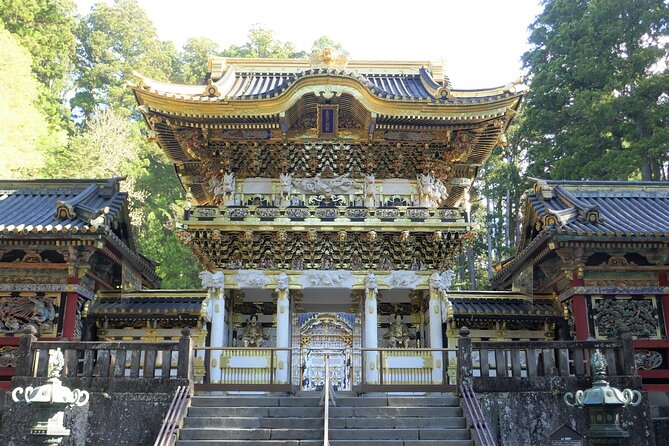
- Toshogu Shrine is the big-ticket stop, with UNESCO sights plus a sleeping cat and three monkey carvings.
- Lunch is only included if you pick a lunch option, and the on-site area can get crowded.
- Weather and safety can change the route, especially in winter or if Kanmangafuchi access is risky.
Why Nikko Works as a One-Day Trip From Shinjuku
Nikko is one of those places that feels made for day trips, because the highlights are concentrated enough to cover in a single organized day. You get UNESCO-level sights without spending your whole trip in transit or hunting for buses. And starting from Shinjuku keeps things practical if you’re already living Tokyo-style.
This tour is built around that reality: you meet in western Shinjuku, travel to Nikko, focus on the key sights, then return by evening. The schedule is long, but it’s organized, with the guide handling the flow so you don’t lose time at transfers or at ticketing.
Also, Nikko rewards slower looking. Toshogu has carvings you’ll miss if you rush. The Kanmangafuchi Jizo statues have that quietly eerie feel, and you’ll want a moment to walk the river edge at an easy pace. A guided structure makes that possible, even with a full day.
You can also read our reviews of more walking tours in Tokyo

Getting There: Trains, Bus Transfers, and How Timing Really Feels
The day starts at 8:40 am at the JTB Sunrise Tours Sales Office in Nishishinjuku. Your tour ends back in the Shinjuku area around 6:30 pm to 7:45 pm, near Shinjuku West Station. That return window matters because it shapes your dinner plans for the night.
You’ll use public transport, and the tour notes that seating is not guaranteed on trains. You’ll take a limited express for the return, roughly a two-hour ride from Tobu Nikko Station toward Shinjuku. On the outbound side, you also get a bus transfer connected to the Kanmangafuchi Abyss area, with seats not reserved there too.
So here’s the real-world advice: show up ready to stand or adjust. This is especially true if you travel during busy seasons. The good news is that the tour time is paced to keep you from constantly running. You’re there to see Nikko, not sprint through it.
Stop 1, Jiun-ji and Kanmangafuchi Abyss: Jizo Along the River
This is where the day turns atmospheric. Kanmangafuchi Abyss is a gorge linked to volcanic activity from Mt. Nantai, and the famous feature is the line of stone statues of Jizo along the river. The tour gives you a specific number to look for, about 70 statues, and it adds a local legend that the count changes when people count them again.
You’ll spend about 20 minutes here, and the admission is free. That may sound short, but the place works best in a slow loop. Even if you only have minutes, you’ll get the “this is why people come” feeling fast.
One practical plus: there’s a botanical garden on the opposite side of the Jizo statues. If the seasonal plants are in good shape, it adds variety beyond the statues and gives your eyes a place to rest.
Also note the seasonal caution. The tour flags leeches from April to November, so you’ll want thick socks that cover your ankles and keep your legs covered. If you’re traveling in those months, pack bug spray and treat this stop like an outdoor walk, not a quick photo break.
Stop 2, Lunch in Nikko: Choose Your Stress Level
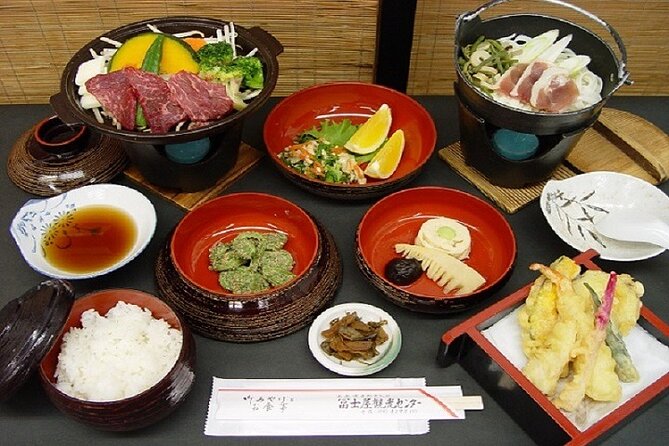
After the Kanmangafuchi area, the tour moves into Nikko for lunch time, about 50 minutes. If you choose the Standard or Vegetarian lunch option, you’ll enjoy a Japanese-style meal that’s included. If you choose the No Lunch option, meals are not included, and you’ll need to find food on your own.
This is where I’d make a personal call based on your travel style. If you like low friction, pick the lunch option. It removes one uncertainty from a full day and keeps you from spending your limited time deciding where to eat.
If you skip lunch, plan ahead. The tour specifically warns that nearby cafes and restaurants can be crowded, so waiting until you’re hungry may turn into a line or a compromise. Even if you’re confident you can find something, having a plan before you depart reduces stress.
Either way, this break is a pacing tool. You get a real reset before Toshogu, which is the big walking and viewing portion.
Stop 3, Nikko Toshogu Shrine: What to Focus On
Toshogu Shrine is the headline stop for a reason. It’s a UNESCO World Heritage Site with centuries of history behind it, and you’ll spend about 1 hour 20 minutes with admission included. This is enough time to see the main highlights without feeling like you’re being chased out the door.
The tour points out a few sights you should treat like must-sees:
- the main hall’s traditional beauty
- the sleeping cat carving
- the three monkey carvings
That trio is a smart way to explore, because it gives you anchors. When you have specific features in mind, you’re not just wandering through crowds with no direction.
Shoes are also a real factor here. The tour notes that shoes must be removed in some areas, so wear footwear that’s easy to take on and off. Comfortable walking shoes matter too because the day includes slopes and stairs.
Also, the order of stops can shift based on road conditions, events, or ceremonies. That doesn’t usually hurt your experience, but it does mean you should think of Toshogu as the fixed centerpiece while other timing can flex a bit.
More Tokyo tours and experiences for the shortlist




Tobu Nikko Station and the Return Ride: The Easy Win
After Toshogu, you head to Tobu Nikko Station for the return. This part is simple but important. You take a two-hour limited express train back toward Shinjuku, and the tour ends around 6:30 pm to 7:45 pm.
This is one of the underrated benefits of the package: you’re not wrestling with which train to take or where to line up after a big day of walking. The guide helps you stay oriented, and you’re given the ticket solution upfront.
One more real-world detail: the tour notes that when roads or conditions change, the itinerary order may adjust. But the return plan stays built into the day, which is what lets you enjoy the sights instead of worrying about your last connection.
Season Changes and Backup Stops: When Kanmangafuchi Is Off Limits
One smart thing this tour includes is backup planning. In winter (around December to mid-March) and in inclement weather, the guide may not be able to ensure safe travel to Kanmangafuchi Abyss. If that happens, the tour will shift you to other Nikko highlights.
The listed alternatives include:
- Futarasan Shrine
- Taiyuuin Mausoleum at Rinno-ji Temple
- Tamozawa Imperial Villa
- Toshogu Museum
- Kanaya Hotel History House
- Nikko Botanical Gardens
If you’re traveling in colder months, this backup plan matters. It can mean you still get a full day of meaningful Nikko sights instead of losing the day. It also helps you avoid the frustration of arriving at a closed or unsafe area.
So the way I’d think about it: you’re booking a guided Nikko day built around UNESCO-grade stops and local context, not just one specific photo viewpoint. That flexibility often makes the day better, not worse.
The Pace, the Walking, and What Comfort Looks Like
This tour is not hard in a technical sense, but it is active. The tour flags slopes and stairs at both Kanmangafuchi Abyss and around Toshogu Shrine. It also estimates about 5 km of walking total, and it asks for moderate physical fitness.
Plan for a day where your legs do most of the work. If you like to take photos while walking, you’ll fit fine. If you need frequent sitting breaks, you may find the timeline a bit tight.
The tour also recommends a backpack rather than a bulky bag that swings. That’s practical because you’ll be moving between stops and you might have moments where your hands need to be free, like buying small things or handling shoe-off areas.
And yes, in warmer months, treat leeches seriously. Thick socks that cover ankles plus bug spray is the move, especially from April to November. That’s not a detail to ignore, because it’s the difference between enjoying the walk and constantly thinking about your legs.
Guides, Audio, and Small-Group Attention That Actually Helps
Small groups are great on paper. This one also gets high marks for the guide experience. In the feedback I saw, guides like Shin and Emi came up as professional, kind, and attentive, with a focus on details that helped people understand what they were looking at.
Even if English is not your top skill, you’re supported. The tour includes a National Government Licensed English Guide Interpreter plus an audio guide service so explanations can continue even when you’re in crowded areas. That audio backup matters in places like Toshogu, where congestion can slow down normal conversation.
Another practical benefit of a guide is handling the human side of travel. The tour context includes solutions for people who have walking difficulties, which tells you the guide is thinking about group management, not just dates on a schedule.
So for me, the value of this tour isn’t only the destinations. It’s the way you get to those destinations and get sense out of the details while you’re there.
Price and Value: What $169.75 Really Buys
At $169.75 per person, this is not a budget filler. But it’s also not just paying for a bus ticket and a vague guide. You’re paying for multiple things that add up quickly if you DIY it.
Included items that drive value:
- Round-trip train ticket from Shinjuku
- Nikko Toshogu Shrine admission
- An English licensed guide interpreter
- Audio guide service
- Optional lunch if you pick the Standard or Vegetarian lunch choice
- Admission fees and transportation costs called out for the itinerary
When you DIY, you pay for train tickets, you figure out how to get to/from the right stations, you pay shrine entry, and you spend time translating and timing your own route. This tour compresses that work into one plan.
The only cost note I’d underline is lunch. If you pick No Lunch, the price is still the same, but you’ll need to budget food yourself. If you already know you want a proper meal break, selecting the lunch option can feel like the smartest “spend once, relax all day” choice.
Should You Book This Nikko Walking Tour?
Book it if you want Nikko sights without logistics headaches. This works well for first-timers who want the main UNESCO highlights plus the atmospheric Jizo statues area, and for people who prefer a guide to handle timing and translations.
I’d also recommend it if you like structure. The tour gives you a clear day flow and protects you from the most common travel mistake in Japan day trips, getting turned around after a long transit day.
Skip or reconsider if you’re not comfortable with walking and stairs. Shoes-off areas at Toshogu and seasonal outdoor conditions at Kanmangafuchi can turn a “quick trip” into a more tiring day than you expect. If you’re sensitive to that, think carefully about your pace and footwear.
If you do book, pack smart: comfortable shoes that come on and off easily, a day bag, thick socks for leech season, and bug spray if you’re traveling between April and November. That’s what lets you enjoy Nikko instead of managing discomfort.
FAQ
Where do I meet the tour, and where does it end?
You meet at the JTB Sunrise Tours Sales Office in Nishishinjuku (2-chōme-2-2). The tour ends at Shinjuku Station (and the end location is described as near Shinjuku West Station).
What time does the tour start?
The start time is 8:40 am.
How long is the tour?
The duration is about 11 hours.
Is lunch included?
Lunch is included only if you select the Standard or Vegetarian lunch option. If you choose the No Lunch option, meals are not included.
What sites are included in the day?
You’ll visit Kanmangafuchi Abyss/Jiun-ji, Nikko for lunch time, Nikko Toshogu Shrine, and then return from Tobu Nikko Station back to Shinjuku.
Do I need to pay for Toshogu Shrine admission?
Yes, but Toshogu admission is included in the tour. Kanmangafuchi/Jiun-ji admission is free.
How much walking is involved?
The tour includes slopes and stairs and involves about 5 km (3 miles) of walking total. A moderate physical fitness level is recommended.
What should I bring for the conditions at Nikko?
Wear comfortable shoes, and know that shoes must be removed in some Toshogu areas. For April to November, the tour recommends keeping legs covered (thick socks covering the ankles) and bringing bug spray due to leeches.
What happens if Kanmangafuchi Abyss can’t be visited safely?
During winter or inclement weather, the tour may guide you to alternative locations such as Futarasan Shrine, Taiyuuin Mausoleum at Rinno-ji Temple, Tamozawa Imperial Villa, Toshogu Museum, Kanaya Hotel History House, or Nikko Botanical Gardens.
More Walking Tours in Tokyo
More Tours in Tokyo


More Tour Reviews in Tokyo

Not for you? Here's more nearby things to do in Tokyo we have reviewed












Nikko Day Trips, side by side.
 ★ 4.6Nikko: Kegon Falls, Lake Chuzenji & Toshogu TempleFrom $891,577 reviews
 ★ 4.5Nikko Toshogu Shrine and Kegon Waterfall TourFrom $841,266 reviews
 ★ 5.0Nikko Full-Day Private Tour with Government-Licensed GuideFrom $155259 reviews
 ★ 4.9From Tokyo: Nikko World Heritage Site Private Full-Day TripFrom $483243 reviews
 ★ 4.3Nikko: Edo Wonderland Edomura Cultural Theme Park TicketFrom $35205 reviews
 ★ 4.8Nikko World Heritage Private Day Trip Hotel Pick-upFrom $390145 reviews
From Tokyo: Nikko World Heritage Sight Full Day Private TourFrom $362127 reviews
★ 4.8Nikko World Heritage Private Day Trip Hotel Pick-upFrom $390145 reviews
From Tokyo: Nikko World Heritage Sight Full Day Private TourFrom $362127 reviews
 ★ 4.9Nikko – Beautiful Full-Day Personal and Private TourFrom $364119 reviews
This tour also belongs to