
Review · IMPERIAL PALACE TOURS
Tokyo: Imperial Palace and Shogun Walking Tour
A tour through the Imperial Palace grounds feels like time travel. You focus on the Imperial Palace East Gardens and the Ninomaru Garden, where koi ponds and carefully preserved ruins make the shogun era feel real, not dusty. Guides like Tony and Izzy also connect the past to what you see in Tokyo today, and the walk stays lively with Q and A.
Two things I really like are the chance to stand near where power was actually wielded, and the way the stoneworks and garden layout make the story easier to picture. The pacing also works well if you are new to Japan. One consideration: this is an East Gardens tour, so you should expect exterior ruins, gates, and garden areas rather than an inside look at palace buildings.
Key Tour Takeaways at a Glance
- Ninomaru Garden koi ponds add a calm, cinematic break from the city
- Edo Castle grounding helps you understand where the Tokugawa shogunate held power
- Massive stone walls give you something tangible to read as you walk
- Well-timed garden sections keep the tour from feeling rushed or overlong
- English guides who answer questions also share practical ideas for the rest of your day
First Steps: Finding Starbucks and Getting Oriented Fast

You meet in front of Starbucks Kokyo Gaien at the Wadakura Fountain Park. If you use maps, it helps to plug in the coordinates (35.6830391, 139.7614181) so you end up at the right exact corner. This is a smart start, because it lets you get oriented before you step into the slower pace of the palace grounds.
From there, you move on foot toward the main gate area, with your guide setting the historical frame right away. That matters. The Imperial Palace East Gardens are not a single landmark you can read in one glance, so you want context before your eyes land on gates, moats, and stone foundations.
You can also read our reviews of more walking tours in Tokyo


Ote-Mon Gate: The Big Entrance with Big Meaning
Your first proper stop is the Ote-Mon Gate. Even early in the route, you learn how gates in this area were about more than decoration. They helped control movement, signal authority, and shape how people experienced the space.
Your guide keeps things straightforward, the kind of explanation that sticks even if you are not a full-time history nerd. I like this format because it turns a “pretty entrance” into a “now I get why it is here” moment.
Imperial Palace East Gardens: Edo Castle Remains in a Quiet Setting

The heart of the tour is the Imperial Palace East Gardens. This is where you see the layered side of Tokyo: the city looks modern, but the ground holds old infrastructure and long political memory. The East Gardens are described as a blend of historical ruins and landscaped areas, and that mix is exactly what makes this stop click.
You will walk through spaces that were part of Edo Castle, the earlier power center that later shaped the Tokugawa shogunate’s grip on Japan. The garden layout and stone remnants help you visualize how protection and governance worked at street level, not just in textbooks.
If you like to compare eras while you travel, this is a good spot to do it. The guide’s stories help you connect the feudal era’s systems to what you see in modern Tokyo’s layout and civic life.
Hyakunin Bansho Guardhouse: Where Order Was Enforced

Next you visit the Hyakunin Bansho Guardhouse. This kind of stop can be easy to miss if you are wandering on your own, because guardhouses sound like “small structures, big meaning.” With a guide, you learn why this guardhouse type mattered in the day-to-day rhythm of control and protection.
You also get a sense of how the palace compound operated as a living security system. That is one reason the tour can feel more “real” than a museum visit. You are moving through the environment where the system would have worked.
Fujimi-yagura Turret Area: Seeing Defense as Architecture
Then comes Fujimi-yagura, a turret-related stop that helps you read the area as defensive design. This is not just a building you point at. It is part of how the site managed visibility, movement, and protection.
Your guide’s storytelling typically makes the architecture understandable fast. You start noticing the patterns, like how stonework and elevation change what someone could see and control.
If you are the type who likes photos, this is another moment where your pictures come out better because you know what you are looking at. It is easier to frame a scene when you understand what it was for.






East Gardens Calm: The Part That Makes People Rebook
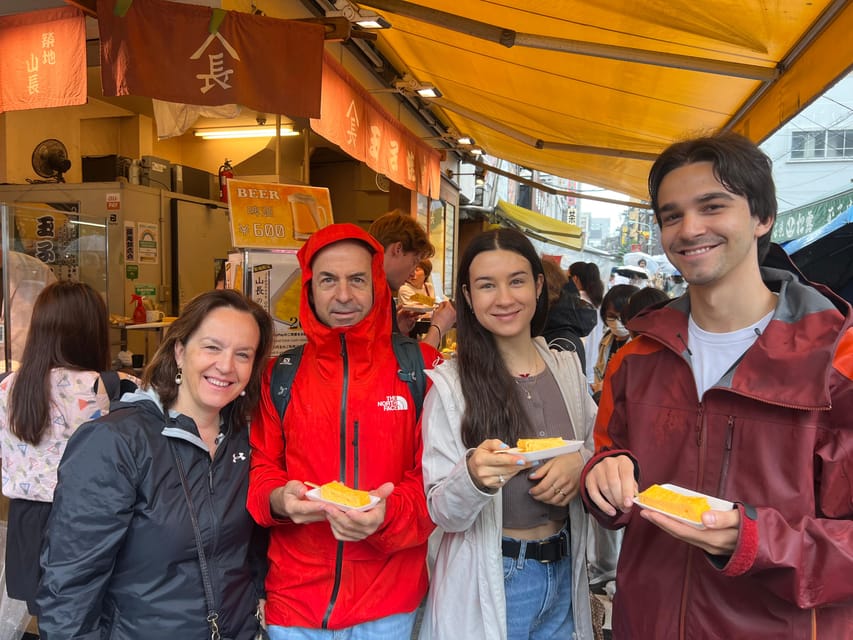
After the earlier structural points, the tour shifts into the most peaceful feeling stretch: the Imperial Palace East Gardens experience with extended walking time. This is where the quiet really shows. The tour stays close to the gardens and open areas rather than turning into a sprint from one stop to another.
A lot of guides also keep the energy balanced. Many groups highlight that the pacing is good, not too fast, and not bogged down. That matters here because you want enough time to actually look at the ponds, stones, and garden paths.
Ninomaru Garden and Koi Ponds: Tranquility with a Political Backstory
The standout highlight is Ninomaru Garden. This is where you see koi swimming in tranquil ponds within the palace grounds. On the surface, it is a beautiful garden scene, but the value of a guided walk is that you also learn what this kind of space communicated.
You spend a focused block of time here, which is great because koi are not something you get to enjoy for five seconds. You will see the water from a few angles as you move, and you can actually watch the fish change direction as people pass.
If you are visiting Tokyo in a rush, this garden section is often the mental reset you did not know you needed. It turns the Imperial Palace into an experience you can feel, not just see.
Reading the Massive Stone Walls Like a Story

One of the tour’s strongest themes is learning to decode the massive stone walls. Even if you do not know the official terms, the physical scale helps you understand why these defenses mattered. Stone walls are not just protective barriers, they also signal status and permanence.
With a guide, those walls become “clues.” You learn to connect the walls, foundations, and moats to the seat of the Tokugawa shogunate. That makes the ruins more than background scenery.
I also like that this part of the walk encourages slow attention. You stop more often, and you see why a particular section matters. That is the difference between taking photos and actually comprehending a place.
How the Guides Make This Tour Worth It
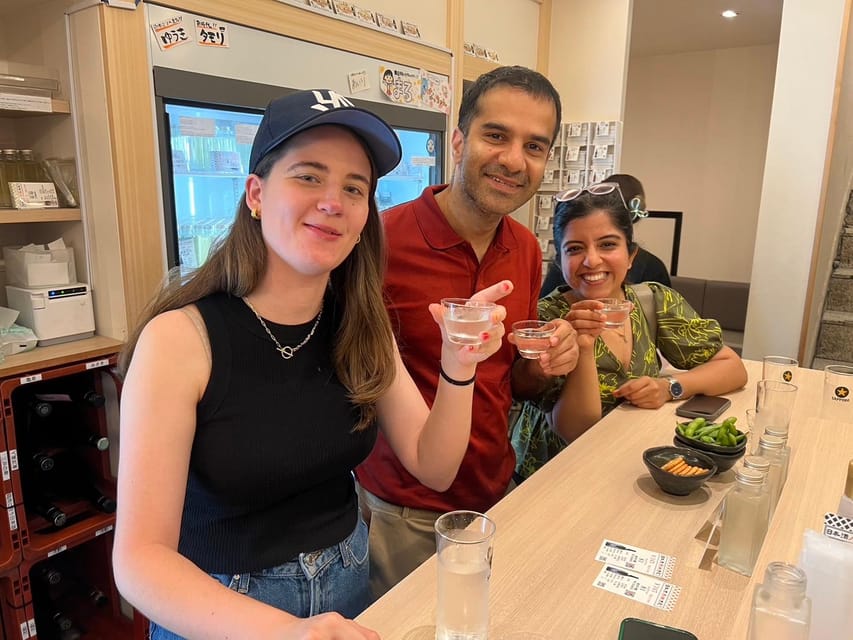
The tour experience depends heavily on the guide, and the guide lineup here has been strong. You will hear names like Tony, Izzy, Blake, Thomas, Miguel, Embla, Jim Allen, and Manny in people’s stories about their tours. Across that variety, the common thread is how well the guide explains connections, not just dates and names.
A lot of guides are praised for answering questions in a clear way and staying friendly. Some also add extra Tokyo context, like suggestions on where to eat nearby or what to do later in your visit. That practical bonus can save you time when you still feel a little disoriented after a first day in the city.
You may also notice humor and light interaction in some guide styles, which helps if your group includes teenagers or if you prefer stories over lectures. One guide even mentioned loaning an umbrella when weather changed, which is a small detail, but it shows the human side of the experience.
Value and Timing: Two Hours for Real Context
At $16 per person and a total duration of about 2 hours, this tour is priced like a budget-friendly history intro, not a premium long excursion. And it makes sense because you are getting a focused walk through key sites rather than a full-day circuit.
Two hours is a sweet spot. You get enough time to reach multiple stops, including Ninomaru Garden, without feeling trapped inside a long schedule. It also helps you fit this into an itinerary around other Tokyo favorites.
One timing consideration: wear shoes you can walk in comfortably. You are outside most of the time, moving between gates, guardhouse areas, turrets, and garden zones.
Practical Tips to Get the Most from the Walk
A few things will help you enjoy the tour more, especially if this is your first time in Tokyo.
First, arrive a few minutes early at the Starbucks meeting point. It reduces stress and gives you time to locate your guide before you start walking. The meeting location is straightforward, but crowds around major areas can still make it easier to be early.
Second, bring a light layer or an umbrella based on the season. Some guides have been known to help when rain pops up, but it is better not to rely on luck.
Finally, come ready with at least one question. If you like culture, ask how the shogunate shaped daily life. If you prefer architecture, ask what a wall or gate design was meant to accomplish. The guide experience here is a big part of why people feel the tour is worth it.
Who Should Book This Imperial Palace East Gardens Tour
This tour fits best if you want a history and culture foundation without the effort of self-guided decoding. It is also a good choice for first-time visitors because it gives you a coherent story of power, protection, and transition from feudal rule to modern Japan.
It is especially appealing if you like gardens with meaning. Ninomaru Garden is the obvious draw, but the rest of the route supports it by explaining why the space mattered.
If your group includes someone who is less into history, this still works because the visual variety keeps attention on track: gates, stone foundations, guardhouse areas, and the koi-filled ponds.
Accessibility: Comfortable Movement Through the Grounds
The tour is marked as wheelchair accessible. That is worth noting if mobility is a factor in how you plan your Tokyo days. Since it is a walking tour, you should still expect walking segments, but accessibility support is explicitly listed.
Should You Book It? My Decision Guide
Yes, you should book this tour if you want a focused Imperial Palace experience with explanations that make the stone walls and gardens easier to understand. The $16 price is strong value for a guided walk that covers multiple stops, includes Ninomaru Garden, and gives you a clean narrative of Edo Castle and Tokugawa-era significance.
Skip it only if you specifically want full palace interior access or a long, all-day plan. This experience is about the East Gardens focus, so the best payoff comes when you enjoy ruins, gates, and garden viewing with context.
If you are trying to get your bearings in Tokyo, this is one of the more efficient ways to do it, because the guide helps you read the place and then apply that understanding to the city around you.
FAQ
How long is the Tokyo Imperial Palace and Shogun Walking Tour?
The tour runs for about 2 hours.
Where do I meet for the tour?
You meet in front of Starbucks Kokyo Gaien, at Kokyo Gaien Wadakura Fountain Park. The provided coordinates are 35.6830391, 139.7614181.
What stops are included on the walk?
The tour includes Ote-Mon Gate, Tokyo Imperial Palace East Gardens, Ninomaru Garden, Hyakunin Bansho Guardhouse, and Fujimi-yagura.
Is the tour guided in English?
Yes, it includes an English speaking live guide.
What is the main highlight?
The highlights focus on exploring the Shogun’s Inner Garden, Ninomaru Garden, including koi ponds, plus stone walls and Edo Castle connections.
How much does it cost?
The price is $16 per person.
Is the tour wheelchair accessible?
Yes, the activity is listed as wheelchair accessible.
What is the cancellation policy?
Free cancellation is available up to 24 hours in advance for a full refund.
Is there a pay later option?
Yes, you can reserve now and pay later, meaning you do not have to pay immediately when booking.
More Walking Tours in Tokyo


More Tours in Tokyo


More Tour Reviews in Tokyo
Not for you? Here's more nearby things to do in Tokyo we have reviewed












Imperial Palace Tours, side by side.
 ★ 5.0Imperial Palace and Shogun Historical Walking TourFrom $222,251 reviews
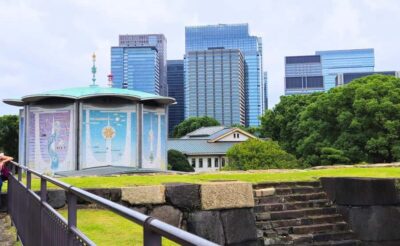 ★ 4.9Imperial Palace Japanese History Walking TourFrom $32987 reviews
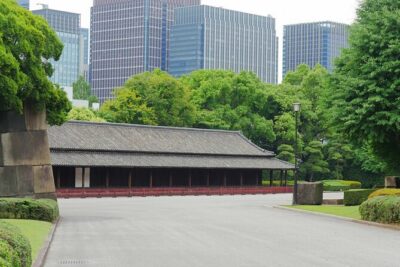 ★ 5.0Imperial Palace East Garden and Edo Castle Walking Tour in TokyoFrom $25510 reviews
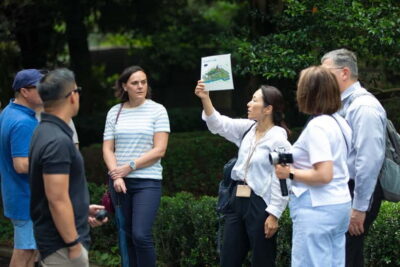 ★ 4.8Imperial Palace East Gardens Walking TourFrom $19353 reviews
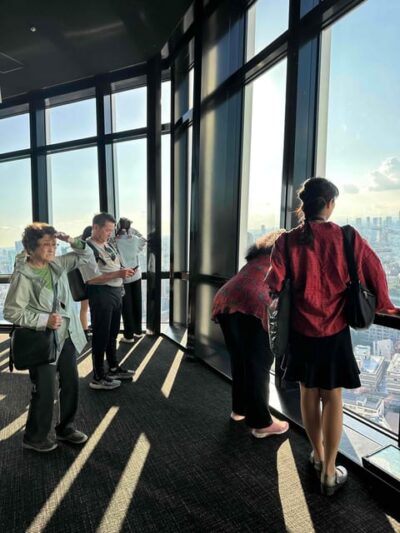 ★ 4.5Imperial Palace, Sensō-ji Temple, & Tokyo Tower TourFrom $40339 reviews
 ★ 5.0Tokyo Castle, Imperial Palace, Shogun & Garden Walking TourFrom $31211 reviews
 ★ 4.7Edo Castle & East Garden of the Imperial Palace TourFrom $42112 reviews
 ★ 5.0Tokyo Private Tour! Edo Castle & Imperial Palace East GardensFrom $65105 reviews
This tour also belongs to