
Review · TOKYO CITY TOURS
Tokyo: Private Walking Tour with a Local Guide
Tokyo can feel like a maze.
That’s where this private, English-led walk-and-train tour shines: you choose the mix of old shrines, iconic districts, and calmer side streets, and your guide shapes the day to fit your interests and energy level.
I especially like the custom route concept. Instead of a fixed checklist, the itinerary is finalized with you about 24 hours before, so you can steer toward what matters most to you, whether that’s spiritual Tokyo, shopping streets, or a smart overview of the city.
One consideration: this is built for walking and public transit. If you’re sensitive to long distances or crowded trains, plan for comfortable shoes and a pace that works for you.
Key highlights before you pick your stops
- English speaking local guides who plan the route around your preferences, not a generic script.
- Hotel or accommodation pickup in central Tokyo, so you start fast and waste less time finding the meeting point.
- Temples and shrine entrance fees are covered, which helps you budget more cleanly for a sightseeing day.
- A smart mix of classic Tokyo and modern neighborhoods, since your route can include places like Asakusa, Akihabara, Shibuya, and Meiji Shrine.
- Public transport know-how that makes moving between districts feel less stressful, especially on a first visit.
Private Tokyo with a guide, not a checklist
At $53 per person for a 2 to 8 hour private tour, the value comes from one big thing: you’re buying time with a person who can turn Tokyo into something you can actually navigate. Tokyo is huge, and without a plan you can burn hours just traveling between areas you barely get to enjoy. With a private guide, you can spend that time walking the places you picked.
The other value is that this tour is designed around real priorities. The experience is private, fully tailored, and delivered by guides who are based in Tokyo and can explain what you’re seeing in plain language, along with practical details like how to use the railway system efficiently.
The tour also scores well because it’s not only about “seeing.” Many guides focus on how Tokyo works day to day, so you come away with context that lasts beyond the photos. With a 4.9 rating from 469 verified bookings, that pattern shows up again and again: guides are responsive, communicative, and good at adjusting mid-day when your interests shift.
You can also read our reviews of more walking tours in Tokyo


How your Tokyo day gets built 24 hours ahead
Your itinerary is not set in stone. You’ll share what you want to see and your interests after booking, and the final route is confirmed about 24 hours before your tour. That matters because Tokyo’s top sights are spread out. Even the difference between a 4 hour and an 8 hour day changes what you can do without rushing.
You also have flexibility inside the time window. The “sample” route includes major areas you can choose from, such as Sensō-ji, Asakusa, Ueno, Ameya-Yokocho, Akihabara, Shibuya Crossing, Harajuku, Meiji Shrine, Tsukiji Outer Market, Ginza, Tokyo Imperial Palace, and Shinjuku. Depending on your selected duration and preferences, your guide will pick the best combination and adjust the pace so you’re not sprinting across town.
One smart detail for first-timers: use your guide as the person who helps you decide between priorities. More than one guide (like Miwa and Rika in past tours) helped visitors make deliberate choices so the day stays enjoyable rather than exhausting. If you feel torn between districts, this tour format makes it easier to pick a route that actually connects.
Sensō-ji and Asakusa, start where Tokyo feels old
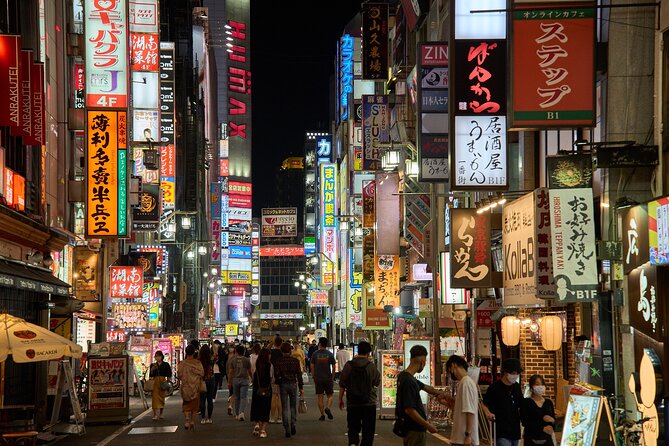
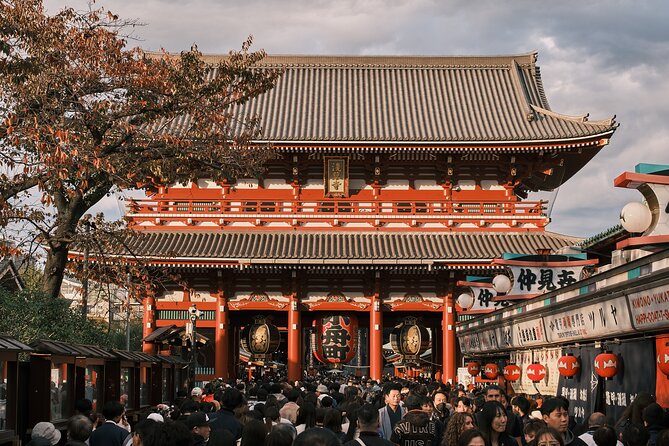
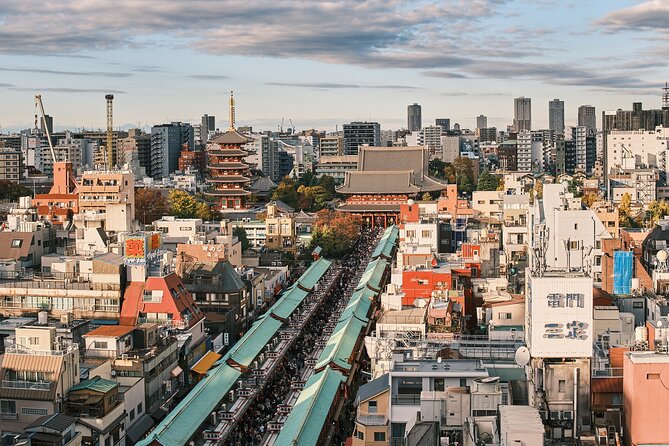
If you’re choosing a first temple day, Sensō-ji and Asakusa are strong anchor points. Sensō-ji is one of Tokyo’s best-known Buddhist temples, and Asakusa is the surrounding neighborhood where the “old Tokyo” atmosphere still lingers even while modern life continues around it.
What I like about this pairing is pacing. Even though these areas are popular, the guide can help you move through the site with intention, so you’re not only collecting landmarks. You’ll get context for what you’re seeing, plus practical tips for navigating the area at walking speed.
A potential drawback: these areas can be crowded depending on timing. Since this tour uses walking and public transit, you should wear shoes that handle uneven crowds and heat. If you’re the type who gets overwhelmed in tight spaces, tell your guide early so they can shape the route to minimize bottlenecks.
Ueno and Ameya-Yokocho, culture plus everyday street life
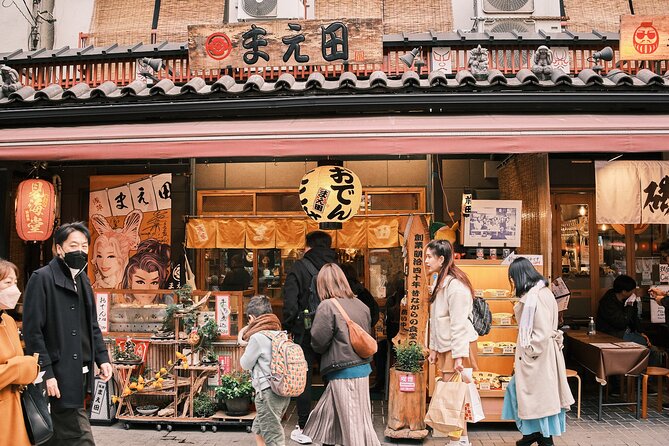
Next, Ueno adds a different texture. It’s a major area for museums and parks, but the tour angle is usually more about atmosphere and neighborhood feel than checklist museums.
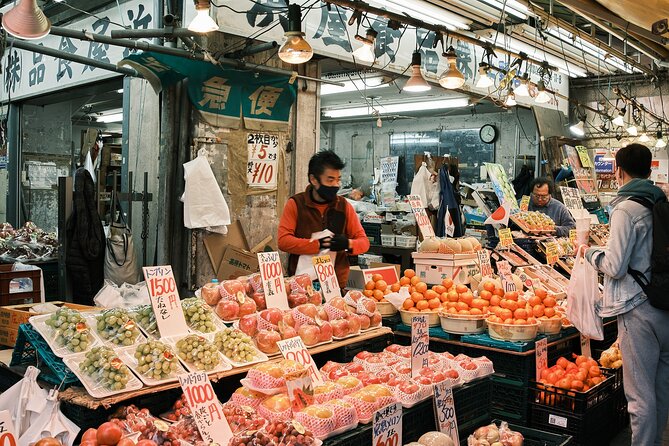
Then comes Ameya-Yokocho, a lively shopping and market area where the vibe is more “local day” than “sightseeing set.” This stop is useful because it helps you see Tokyo through the eyes of daily shopping and street browsing. You’re not just walking past things, you’re learning what people do there and why certain foods and stalls draw attention.
A practical tip: markets are where you can easily spend too much time buying things you do not need. If you want souvenirs, tell your guide your budget and what you like. Many guides are good at steering you toward the right stalls without turning the day into a shopping marathon.
Akihabara, tech and pop culture without the confusion
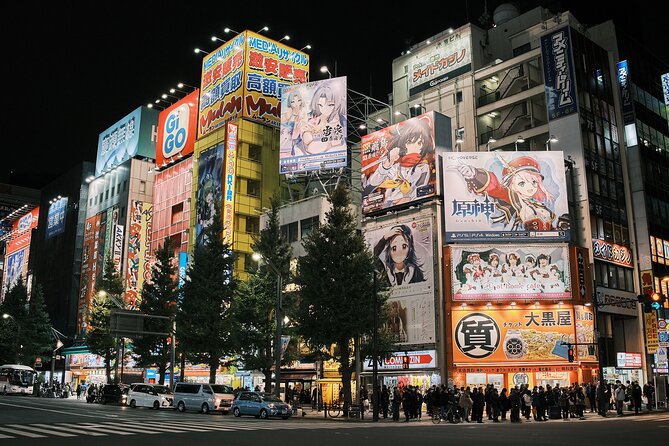
Akihabara is a different world, and it’s also one of those places where first-time visitors can get disoriented fast. With a guide, the value is not only where you go, but how you interpret what you’re seeing.
Even if you’re not a hardcore collector, Akihabara is still interesting for what it represents: Tokyo’s pop culture industries, electronics, and the fan communities that orbit them. A private guide can help you focus on what you care about, whether that’s electronics, character goods, or the broader history of the district.
If you’re short on time, this is also a good place to “taste” rather than do a full deep shop session. A guide can help you decide whether to spend 30 minutes browsing or longer depending on your interests.
You can also read our reviews of more guided tours in Tokyo



Shibuya Crossing, famous for a reason
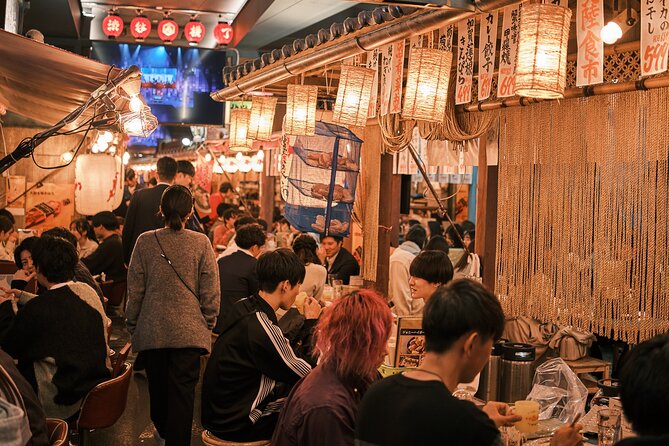
Shibuya Crossing is iconic, and it’s usually included as a quick orientation moment for first-timers. It’s the kind of place that gives you a feeling for Tokyo’s scale, traffic flow, and the choreography of crowds.
That said, there’s a real consideration here: Shibuya Crossing can become a time sink if your priority is tranquility. One of the past tour experiences included a note that they might not select it again after hindsight, which is a useful reminder. If your ideal day is quiet temples and neighborhood wandering, you can keep Shibuya as a brief stop or swap it for another district your guide thinks fits your mood better.
Harajuku and Meiji Shrine, youth energy to spiritual calm
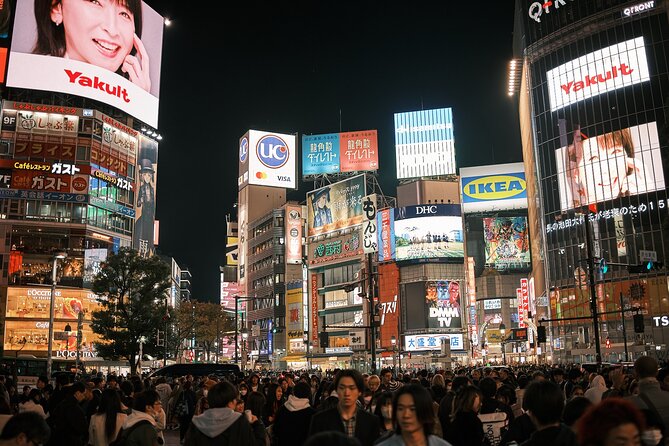
Harajuku works well in a route because it’s a quick shot of modern Tokyo. People visit for fashion, street style, and the youth-forward side of the city. Even if you’re not buying anything, it’s a strong contrast after older temple areas.
Then Meiji Shrine balances the day. It gives you a reset, because it’s a major Shinto shrine set in a calmer environment compared to the shopping streets. In a tailored itinerary, this sequence makes sense: excitement first, then a more grounded place to reflect and slow down.
This is also where your guide’s tone matters. In past tours, guides like Hina and Miwa were praised for explaining spiritual customs and culture in a way that doesn’t overwhelm. That kind of interpretation is what turns a “walk by” stop into an experience you remember with clarity.
Tsukiji Outer Market and Ginza, snack stops with real structure
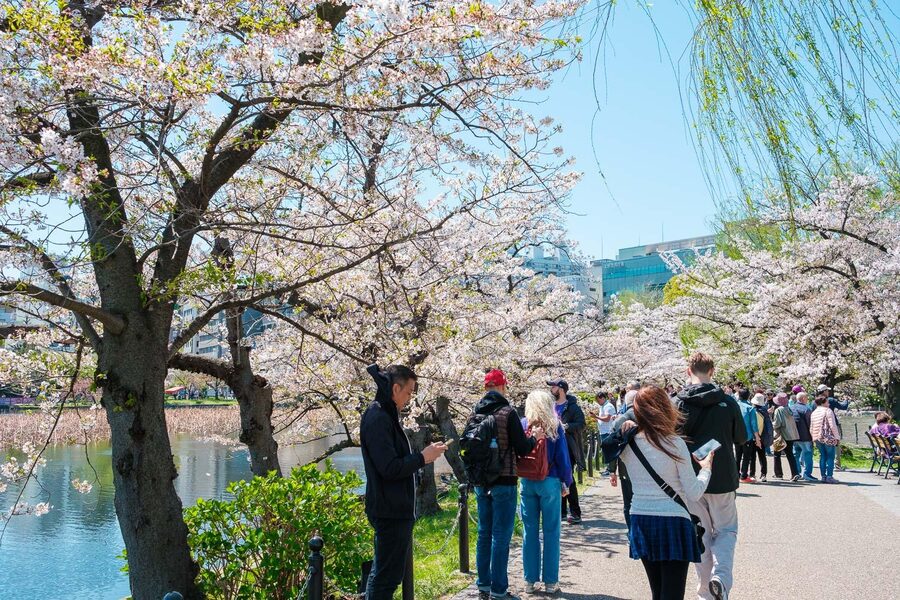
Tsukiji Outer Market is one of the most practical stops for a private guide because it’s crowded and fast-paced, and it can be hard to know where to go without local help. With the right guide approach, you can turn it into a manageable, high-reward food and souvenir stop.
In one reported experience, the tour included free taste tests, plus grilled seafood. That’s the sort of value add you’re looking for: not only getting to the market, but getting you to the right places to sample and understand what you’re eating.
Then Ginza brings you to a different side of Tokyo: polished streets, department store energy, and an easy place to browse if you want a break from temple and market intensity. It’s also a good transition stop if you’re heading toward palace grounds or back into business districts.
If you plan to eat during the tour, remember the tour format: meals are not included, and if you want lunch or dinner, you’re expected to cover the guide’s meal cost as well. I like planning this early, so you’re not scrambling to find something that fits both your tastes and your guide’s schedule.
Tokyo Imperial Palace and Shinjuku, contrast that helps you read the city
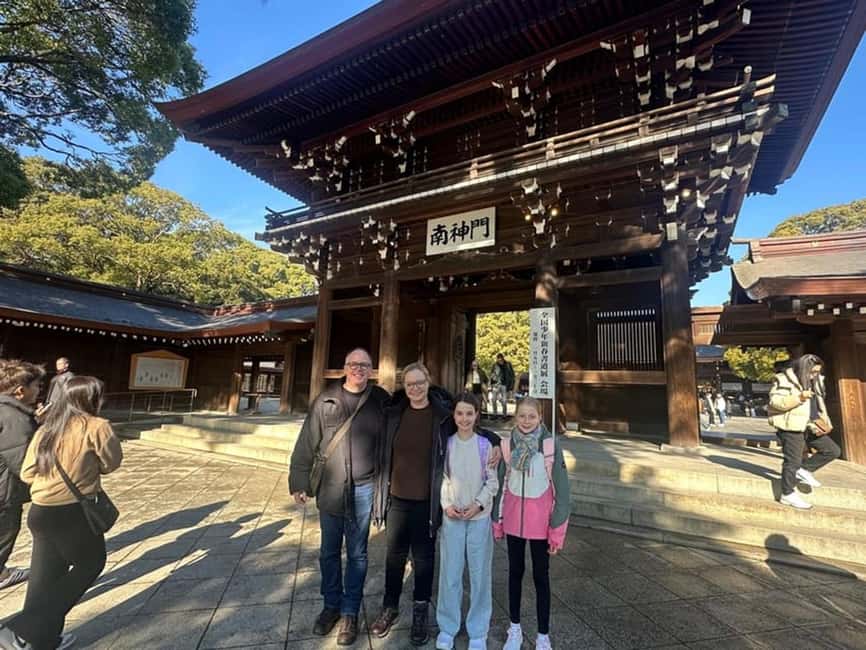
Tokyo Imperial Palace offers a chance to see Tokyo’s historical government core and the calm spaces around it. Even if you don’t spend long inside, this stop gives you a sense of how the city balances modern life with older structure.
Then Shinjuku is the opposite feeling. It’s a district that demonstrates Tokyo’s vertical energy and constant motion. In a private route, Shinjuku is often used as either a lively finale or a mid-day switch point, depending on which neighborhoods you’ve already visited.
This contrast is one of the reasons this tour works. You can build your day so you move from old to new without feeling like you’re jumping randomly across the city.
Public transport strategy, where your time actually gets saved
A private walking tour in Tokyo is only as good as its transport rhythm. The best part here is that your guide travels with you using convenient public transport, so you get to see more with less hassle.
Practical things I’d do before you go:
- Get an IC card ready (like Suica or similar) or make sure you know how to pay for transit smoothly.
- Wear shoes that handle lots of walking and standing. Even “walking tours” often include long subway or train segments.
- If you’re traveling with older family members, fatigue matters. One experience specifically noted that when people couldn’t walk as fast, the guide suggested taxis instead of trains to keep things comfortable.
One more tip based on past feedback: crowded trains can eat into your enjoyment. If your route is heavy on train rides, you may want to discuss a mix of subway stops and fewer longer taxi segments, but understand taxis cost more.
What’s included, and what you’ll pay for
Here’s the money clarity that makes this easier to plan:
- Included: a private walking tour with a local English guide, hotel or accommodation pickup and drop-off, guided temple and shrine visits, and entrance fees for temple and shrine stops.
- Not included: meals and beverages, tickets for additional attractions or special requests, and any extra transport needs beyond the standard public transit approach.
If you add something beyond the standard temple/shrine sites, your guide can help you manage logistics, but you’ll be responsible for the entry tickets for yourself and sometimes for the guide if extra admission applies. If you want a low-stress day, tell your guide upfront what you do and do not want to pay for.
Guide quality, the real reason these tours score high
In the feedback history, guides like Miwa, Rika, Momo, Hina, Yossy, Kanako, Gabriel, and Nao show up repeatedly, and the pattern is consistent. People praise communication, tailoring, and organization, plus the ability to answer questions without turning the tour into a lecture.
A few very practical examples from past tour experiences:
- Rika was credited with being efficient using the railway system and taking lots of photos.
- Miwa was praised for helping visitors choose the right sights so travel time stays reasonable.
- Momo and Momoha were praised for warmth, adjusting pace, and taking care of group needs, including suggestions when visitors felt tired or hungry.
- Kanako was specifically noted as patient and helpful for visitors who needed taxis rather than trains.
That matters because Tokyo navigation is not just directions. It’s also knowing where to pause, when to move, and how to keep the day smooth.
Who this tour suits best, and who should plan differently
This experience is a good fit if you want:
- A first-day orientation to Tokyo’s major districts, plus neighborhood context.
- A route that mixes temples and modern areas without feeling random.
- A guide who can explain what you’re seeing in a way that helps you understand the city quickly.
It’s not suitable for people with mobility impairments or wheelchair users. The tour also does not allow baby strollers, and it bans smoking, drones, and littering. If any of those constraints affect you, it’s worth checking alternatives before booking.
Should you book Tokyo Vibes private walking tour
I’d book this if you want your Tokyo day to feel planned, personal, and time-efficient. At $53 per person, the best value is that you can pay once and get help with route decisions, transport flow, and interpretation of what you’re seeing, while temple and shrine entrance fees are handled.
I would skip or rethink it if your ideal day is very slow and car-free, because this is still a walking and transit format. Also, if Shibuya Crossing or crowded market environments would stress you out, tell your guide early so they can swap in calmer options.
If you do book, do this: choose your priorities first, share your must-sees and your “please avoid” list, and wear shoes that you can stand in for hours. That’s the fastest path to a day that actually feels like Tokyo, not just a checklist.
FAQ
How long is the private Tokyo walking tour?
It runs from 2 to 8 hours, depending on the option you select and the final route your guide confirms with you.
Is this experience private?
Yes. It is a private group experience led by a live English tour guide.
Where do you meet the guide?
Pickup is included at your hotel or accommodation in central Tokyo (or you can choose a preferred meeting place in Tokyo). The tour offers multiple pickup location options across Tokyo wards.
Are temple and shrine entrance fees included?
Temple and shrine entrance fees are covered. Tickets for additional attractions or any special requests are not included.
Can the itinerary be changed based on my interests?
Yes. The itinerary shown is a sample. Your guide finalizes the route based on your preferences, and you’ll receive the confirmed itinerary about 24 hours before the tour date.
How will the guide contact me before the tour?
You’re asked to download WhatsApp because the guide will reach out to you there within 24 hours prior to the tour date.
What should I bring?
Bring a passport or ID card, comfortable shoes, a credit card, and cash.
Is the tour suitable for wheelchair users or limited mobility?
No. It is not suitable for people with mobility impairments and it is not for wheelchair users.
What is the cancellation policy?
Free cancellation is available up to 24 hours in advance for a full refund.
More Walking Tours in Tokyo

More Tours in Tokyo






More Tour Reviews in Tokyo


Not for you? Here's more nearby things to do in Tokyo we have reviewed












Tokyo City Tours, side by side.
 ★ 5.01-Day Tokyo Bus TourFrom $12914,250 reviews
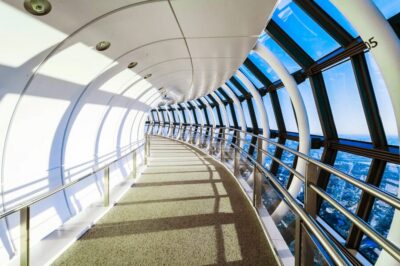 ★ 4.5TOKYO SKYTREE® Admission ticketFrom $1311,192 reviews
 ★ 4.6teamLab Planets TOKYO Digital Art Museum Entry TicketFrom $259,779 reviews
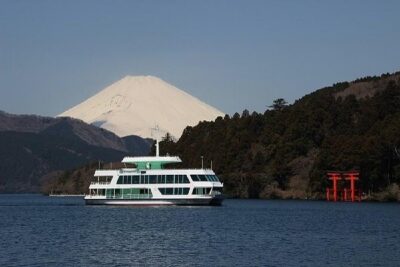 ★ 4.0Mt Fuji & Hakone Cruise, Drum Show Bullet Train 1 Day from TokyoFrom $1497,413 reviews
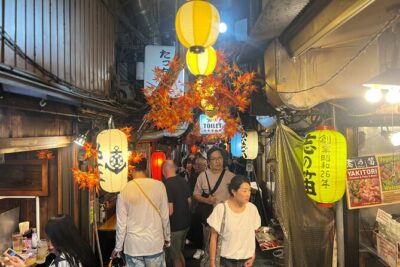 ★ 5.0Shinjuku Food Tour (13 Dishes at 4 Local Eateries)From $866,603 reviews
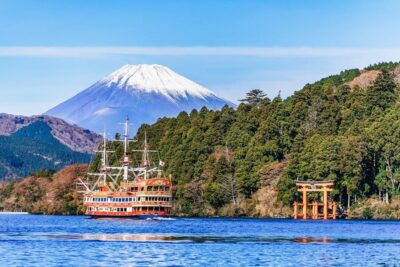 ★ 4.4Tokyo Mt Fuji 5th St & Hakone Cruise Bus Tour w/Bullet TrainFrom $1545,024 reviews
 ★ 5.0Flagship 2-Hours Official Street Go-Kart Tour – Tokyo Bay ShopFrom $644,974 reviews
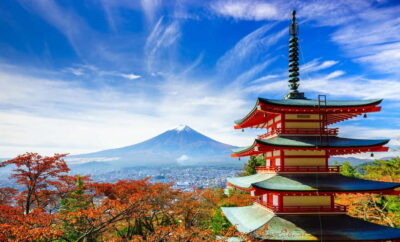 ★ 4.5From Tokyo: Mount Fuji Full-Day Sightseeing TripFrom $684,970 reviews
This tour also belongs to