
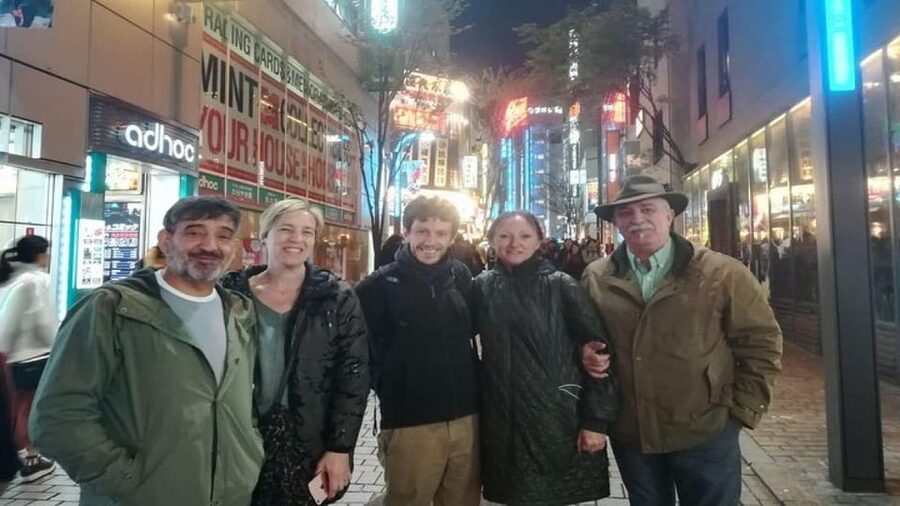
Review · SHIBUYA TOURS
Tokyo Shibuya & Harajuku Walking tour With A Guide
Shibuya hits you fast. This private 3-hour walk is a smart way to see the headline sights in Shibuya and Harajuku, without feeling lost in the crowds, and it comes with real fashion and culture context from your guide.
What I like most is how the guide turns famous places into something you can actually use later, with lots of practical ideas for what to do next. I also love that you hit both sides of Harajuku, from the mainstream fashion magnet to the more alternative lanes where the style feels more personal and less costume-like.
The main drawback is pacing. At 3 hours, the route is full, so if you hate busy legs and nonstop photos, you may wish it were shorter or slower.
Key takeaways
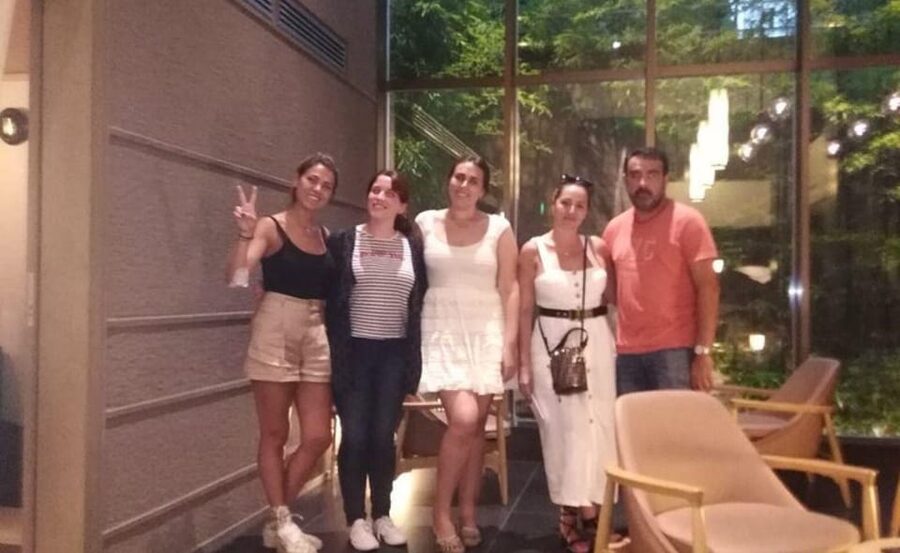
- Private, exclusive group means you can ask questions and adjust the pace
- Shibuya Crossing plus Hachiko gets you oriented fast, then moves you outward into side streets
- Harajuku fashion contrast from Omotesando to Takeshita to the Ura-Harajuku lanes
- Meiji Shrine as a reset gives you a quiet tonal change after the street scenes
- Guide-led tips can help you plan the rest of your Tokyo days, not just this walk
Why this Shibuya and Harajuku walk works as an orientation

Tokyo can be loud in a very physical way. Shibuya is the shortcut to that feeling, with giant crosswalks, steady foot traffic, and constant visual noise. A guided walk here is less about seeing one photo spot and more about learning how the neighborhood flows, where people actually move, and how to navigate the area with less stress.
This tour also fits the way most people travel. You get a focused loop that covers the places on every first-timer list, plus the in-between streets that make the day feel like yours, not a checklist. Because it is private, your guide can steer the pace toward your interests, whether that means more time at storefronts or faster movement to keep you comfortable.
One extra bonus: the guides tend to share useful ideas beyond the route itself. In the experience, names like Sergio and Teresa Calzone come up for being friendly and tuned in to what visitors want to learn and do next. That matters because Shibuya and Harajuku are only fun if you can connect them to the rest of your Tokyo itinerary.
You can also read our reviews of more walking tours in Tokyo

Starting in Shibuya Station, getting your bearings quickly
You start in the Shibuya area, and the meeting point can vary depending on what you booked. Two listed options are near Dolce Shibuya (Hashimoto Bldg.) and another in the Shibuya Station orbit, so plan to arrive a little early and keep your phone handy for the final confirmation.
From there, the goal is simple: get your bearings without wasting your first hour walking in circles. Shibuya Station is a maze, but your guide helps you approach it like a map, not a puzzle. You also get the benefit of going in with momentum, because Shibuya is at its best when you are already moving through it.
Practical tip: wear shoes you can walk in for real. Even with public transport used at times (depending on your option), the day is still mostly feet, and Harajuku streets are narrow, which means you will naturally slow down near stores and crowds.
Shibuya Crossing and Hachiko, the famous sights with context
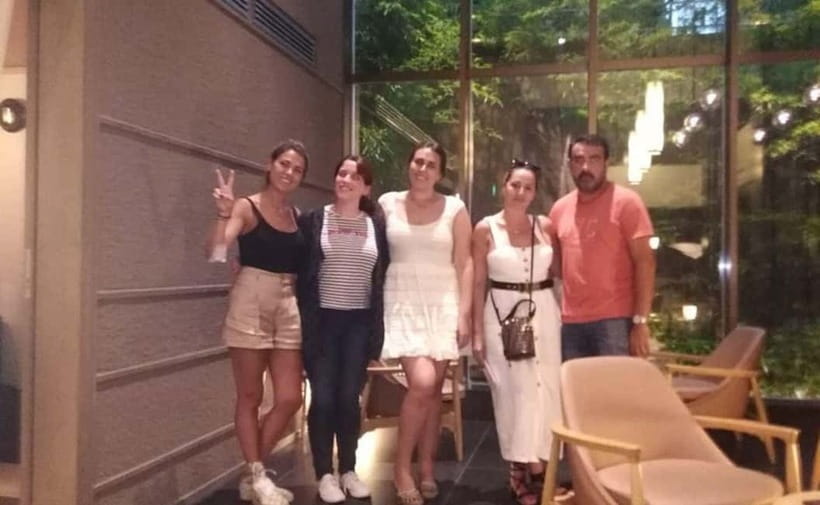
The first true shock is Shibuya Crossing. Even if you have seen it online, nothing prepares you for how the intersection functions as a choreographed flood. Your guide helps you watch what is happening instead of only filming it, which turns the chaos into something you can understand.
Next comes Hachiko, the statue that anchors Shibuya’s identity. It is popular for a reason: it is easy to find, easy to photograph, and it gives you a local reference point for the area. More importantly, it is a good moment to learn how guides connect a landmark to everyday neighborhood life, not just to a famous story you half-remember.
If you care about photos, this part is also useful for setting your camera habit. Look up, not only straight ahead. People frame Shibuya best when they include motion and crowd shapes, not just the intersection lines.
Center Gai and Shibuya 109, seeing how the crowds shop
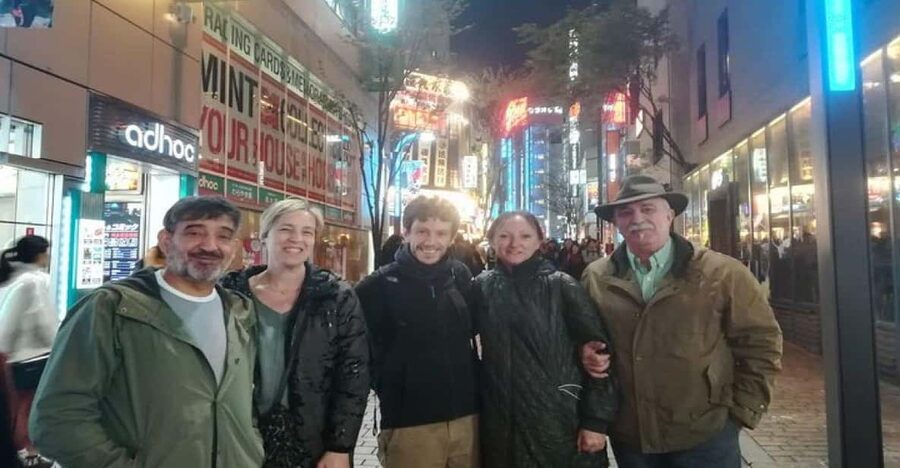
From crossing to shopping streets, the tour shifts gears quickly. You will walk along Center Gai, Shibuya’s main retail stretch. This is where the pace stays fast and the storefronts keep coming. You will also get a sense of how this shopping area works for locals, not just for tourists trying to shop.
Then you visit Shibuya 109, a fashion hub known for its multi-floor energy. Going inside (even briefly) helps you understand what makes Shibuya style different from other Tokyo fashion districts. Shibuya is trend-driven, bold, and often focused on what is new right now.
A practical note: 109 is busy. If you get overstimulated, ask your guide for a small reset, like stepping outside to breathe and then returning. A private format is perfect for that, because you can control the tempo.
Cat Street and Ura-Harajuku, when style turns personal

This is where the tour gets more interesting for people who like street style beyond the obvious. You pass Cat Street, a connector area between Shibuya and Harajuku. The vibe here is more creative and less department-store polished. Expect indie-leaning shops and street art you can actually notice once you are walking slowly instead of rushing.
Next is Ura-Harajuku, an area that often feels like the more alternative side of Harajuku. The tour includes time to explore shops and catch the visual language of the neighborhood, especially where fashion looks less like a uniform and more like individual taste.
This section is also where your guide’s role really shows. Instead of just pointing, a good guide teaches you what to look for: how signage style changes street to street, how shop layouts reflect what they sell, and how youth fashion here differs from the more mainstream lanes.
You can also read our reviews of more guided tours in Tokyo


Takeshita Street and Harajuku, the iconic alley that teaches you Tokyo style
Then comes Takeshita Street, Harajuku’s famous narrow stretch. This is the part you came for if you want candy-colored storefronts, playful accessories, and a visual mix that feels like youth culture in motion.
The lane is narrow, which means it moves at a human speed. You will likely stop often for photos and guided explanations, and you will see how the street’s density changes as you walk deeper. It is also one of those places where it is easy to get swept up, so having a guide helps you keep your attention on what matters rather than only reacting to crowds.
After Takeshita, you spend time in Harajuku, which helps fill the gaps between the headline streets. That transition matters, because Harajuku is not only one road. It is a network of small pockets where different styles coexist.
Omotesando Avenue and the Meiji Shrine reset
After the street-scene intensity, the tour heads toward Omotesando Avenue, known for its upscale, design-minded atmosphere. This shift is not just for variety. It is a useful contrast for understanding Tokyo fashion geography. You go from alley-level youth style to a wider, more architectural kind of street experience where boutiques feel more spaced and curated.
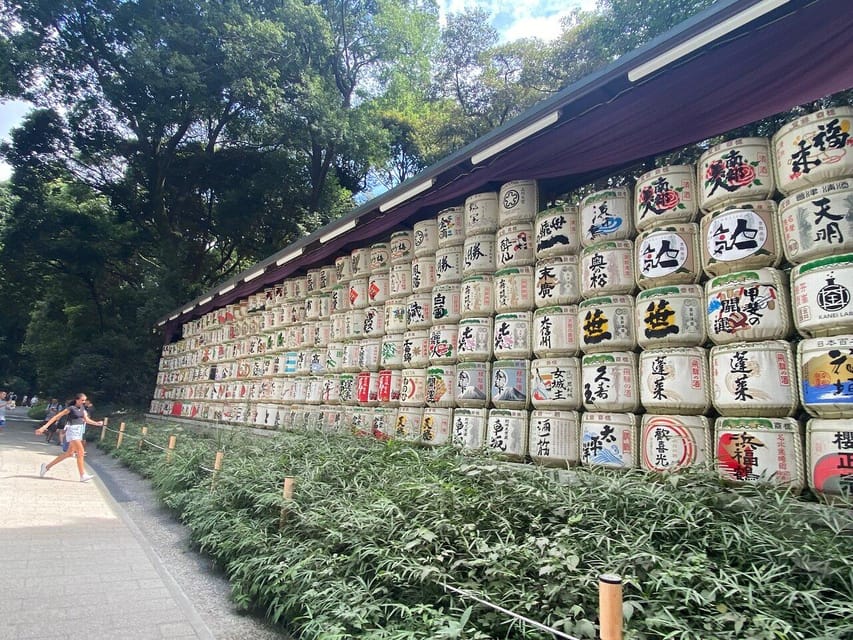
Then there is a brief detour to Meiji Shrine. Even if you only spend a short time there, the approach is a real reset. The change in sound and air is noticeable, and it gives your day a rhythm. You move from heavy visuals to calmer surroundings, and that makes the rest of the walk feel easier to enjoy.
If you like structure, this is a smart ending rhythm. Your brain gets a break right when you might otherwise be tired from constant motion.
Value and pricing: why $53 can make sense
At $53 per person for a 3-hour private walking tour, the value is mainly in three places.
First, it is private and exclusive, meaning you are not sharing your guide with strangers. For Tokyo, that matters. The difference between hearing advice you can use and listening to someone else’s questions is big, especially in neighborhoods where the best details are small.
Second, you are not just buying a route. You are buying guidance. The tour description and the praised reviews point to guides who share extra suggestions for what to do next, including practical context about fashion, architecture, and youth culture.
Third, time is real money. Shibuya and Harajuku are dense. Even if you know where to go, working out the flow and photo order wastes energy. A guided format reduces that guesswork, so you spend your energy on enjoying the streets.
If you are traveling solo or with a partner and you want a structured, stress-reducing day, this price can feel fair. If you prefer complete freedom and zero schedule, you might spend less by going DIY. But DIY tends to be slower to figure out, especially on first arrival.
Who this tour suits best
This is a strong match if you like any of these:
- First-time Tokyo visitors who want a guided orientation to neighborhoods, not a museum day
- People who care about youth fashion and want to see mainstream and alternative scenes in one loop
- Anyone who wants a guide who can help shape the rest of the day, not only walk point to point
- Couples, friends, or families who want a private format so questions do not get lost
It is less ideal if you want long museum-style stops or quiet, slow wandering. The route is built for seeing a lot on foot in a short time, so you will be moving most of the way.
A few practical tips to get the most from the day
- Bring comfortable shoes. Narrow Harajuku streets make you slow down, which means you will feel every step.
- Keep your camera accessible. There are multiple photo moments, especially around major landmarks.
- Plan your expectations for contrast. Shibuya is loud, Harajuku is playful, Omotesando is more polished, and Meiji Shrine is calm. That rhythm is part of the value.
- If you have a specific style interest, tell the guide early. A customization feature means you have a better chance of getting the type of shops and streets you actually care about.
Should you book it?
I would book this if you want a private, 3-hour format that covers the essentials in Shibuya and Harajuku while still leaving room for interesting side streets and a quiet reset at Meiji Shrine. It is especially worth it if you like the idea of walking with someone who can point out what to notice, then suggest how to spend the rest of your Tokyo time.
If you hate crowds or you want a slow, fashion browsing day with lots of sit-down breaks, you might prefer a shorter tour or a DIY route. But if your goal is to see the highlights with useful context and keep your energy from burning out, this one is a solid pick.
FAQ
How long is the Tokyo Shibuya & Harajuku walking tour with a guide?
The duration is 3 hours.
Is this tour private?
Yes. It is a private and exclusive tour, with no one else in your group.
Where does the tour start?
The starting point can vary depending on the option booked. The listed options include Dolce Shibuya (Hashimoto Bldg.) and another Shibuya-area meeting point near Shibuya Station.
What languages are available for the guide?
The live guide is available in English, French, Italian, Spanish, and Portuguese.
Is food or drinks included?
No. Drinks or food are not included.
Does the tour include public transport?
It is a walking tour, and public transport is included depending on the option you select. (Car transportation is not included.)
Is the tour wheelchair accessible?
Yes, the tour is wheelchair accessible.
What is the cancellation policy?
You can cancel up to 24 hours in advance for a full refund.
More Walking Tours in Tokyo

More Tours in Tokyo




More Tour Reviews in Tokyo
Not for you? Here's more nearby things to do in Tokyo we have reviewed





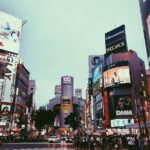

Shibuya Tours, side by side.
 ★ 5.0Official Street Go-Kart in ShibuyaFrom $763,435 reviews
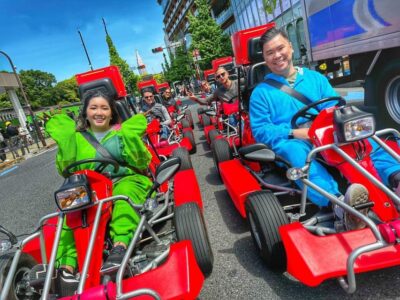 ★ 4.9Street Kart Experience in ShibuyaFrom $741,484 reviews
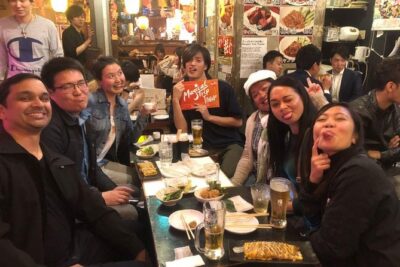 ★ 5.0Shibuya Meltdown Nightlife Tour: All-You-Can-Drink Bar HoppingFrom $1061,058 reviews
 ★ 5.0Shibuya Official Street Go-Kart in Shibuya AnnexFrom $69972 reviews
 ★ 5.0Shibuya Food Tour (13 dishes and 4 Eateries)From $77770 reviews
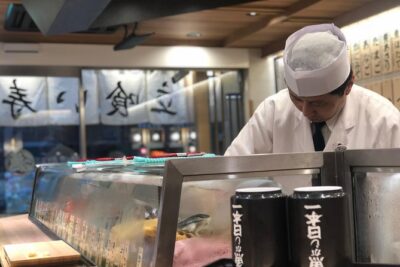 ★ 5.0Best of Shibuya Food TourFrom $217612 reviews
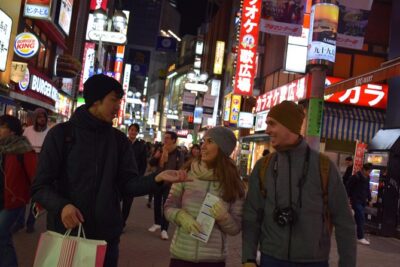 ★ 4.8Shibuya Highlights Walking TourFrom $19601 reviews
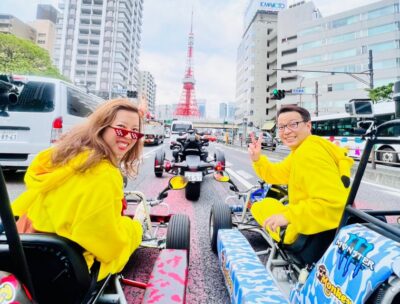 ★ 4.7Premium Go-Kart Tour with Tower & Shibuya CrossingFrom $116528 reviews
This tour also belongs to