
Review · SHINJUKU TOURS
Tokyo: Shinjuku Bar Hopping & Night Walking Tour
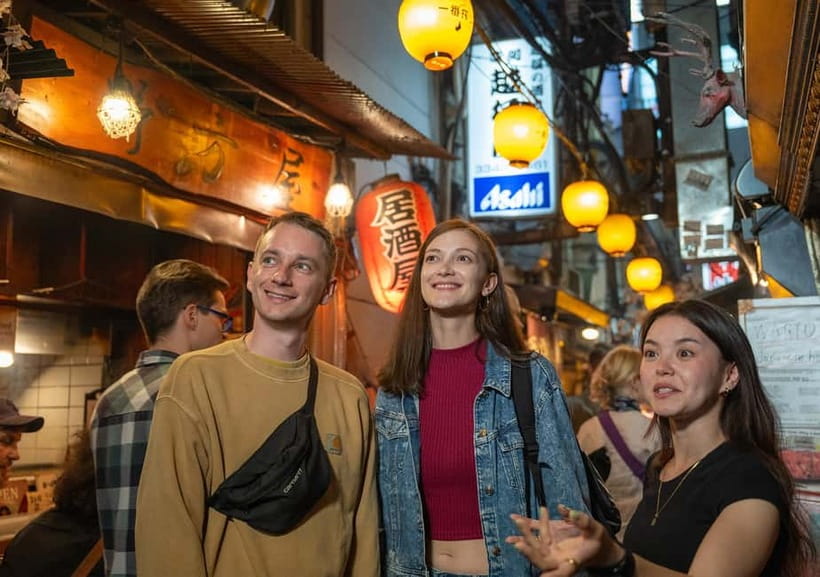
Shinjuku at night feels like a different Tokyo. This 3 hour bar-hopping walk focuses on getting you into the places you would miss on your own, with a local guide and stops built around real drinking culture in Shinjuku. I like how the route works you through the best known zones plus the smaller lanes, from Omoide Yokocho to Golden Gai. One reason I enjoy this style of tour is that your guide handles the tricky parts like getting you seated in crowded spots, not just pointing and sending you off.
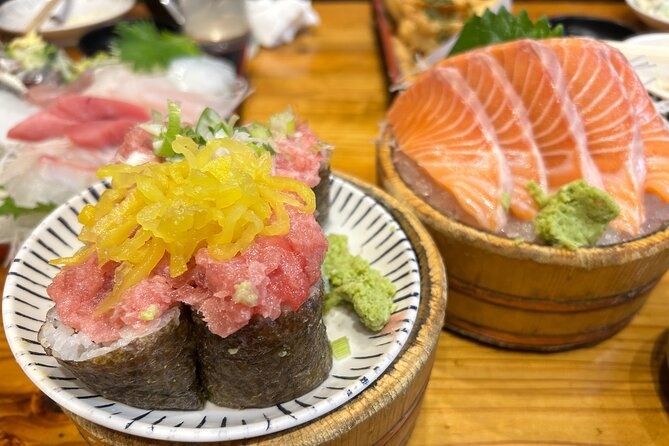
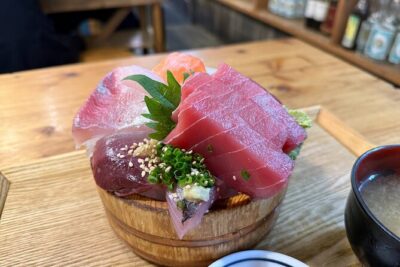
I also really like the food and drinks rhythm. You hit three distinct types of izakayas and bars, and you’re not stuck with one predictable menu. Fresh sushi, crispy kushikatsu, juicy gyoza, and plenty of sake show up in the mix, and guides like Miko and Ayaka are known for making the sake tastings make sense, including the differences between types of sake.
One possible drawback to plan around: food and drinks are not included in the $30 price. Also, seating is limited, so some bars may have you standing, and vegetarian options are limited.
Key points to know before you go
- Three izakayas, three vibes, from Omoide Yokocho to Kabukicho and then Golden Gai
- Reservations handled for the hardest stop, so you spend less time hunting for a table
- Sake is part of the plan, and guides often explain how different sakes compare
- Insider access at Golden Gai, including bars that usually do not welcome new customers
- Cash is required, because you’ll be paying for food and drinks on site
Shinjuku Station East Exit Police Box: Your start line
You meet at Shinjuku Station East Exit at the Shinjuku Police Station East Exit Police Box, at 3-38-1 Shinjuku, Shinjuku-ku, Tokyo. The guide is easy to spot, holding a sign that says Local Guide Stars. This matters because Shinjuku Station can be a maze at night, and the tour starts on time, rain or shine.
Plan to arrive early enough to regroup, not late enough to stress. The tour is very clear about timing, if you miss the group, there are no refunds or rescheduling options. If you’re thinking of wandering before the tour starts, keep it tight so you’re not sprinting at the end.
You can also read our reviews of more walking tours in Tokyo
Omoide Yokocho: Red-lantern izakaya dinner with reservations
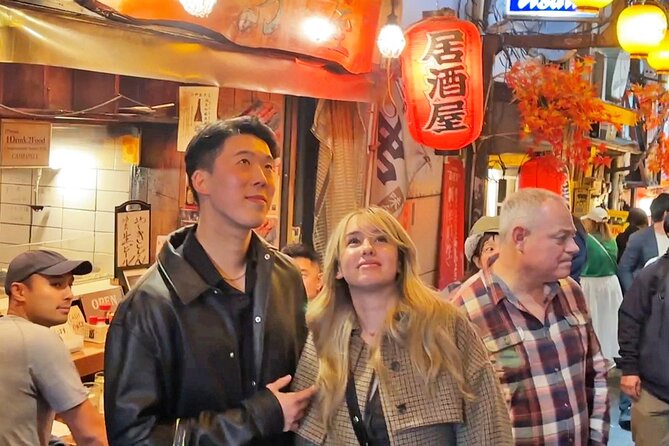
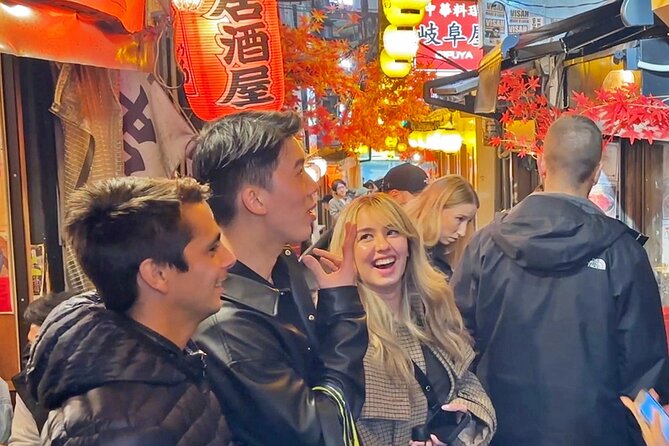
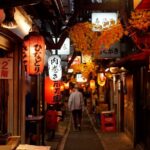
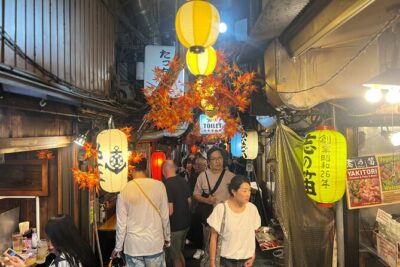
Your first stop is Omoide Yokocho, where the mood is set fast. Expect a narrow maze of tiny places, red lanterns, and after-work crowds filling the evening. Getting a table there can be difficult, and this tour’s big practical advantage is that the guide manages reservations so you can focus on eating and drinking instead of waiting.
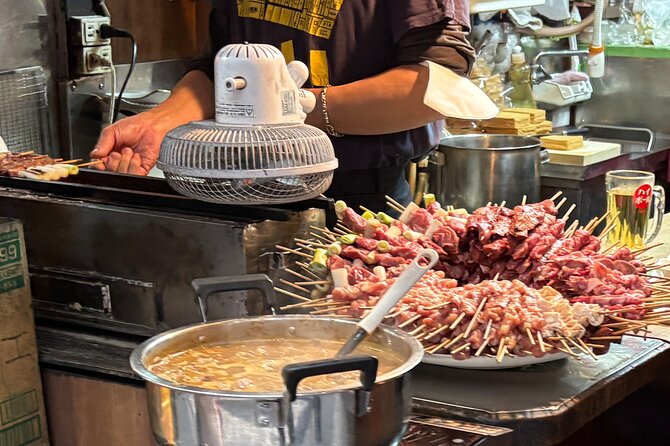
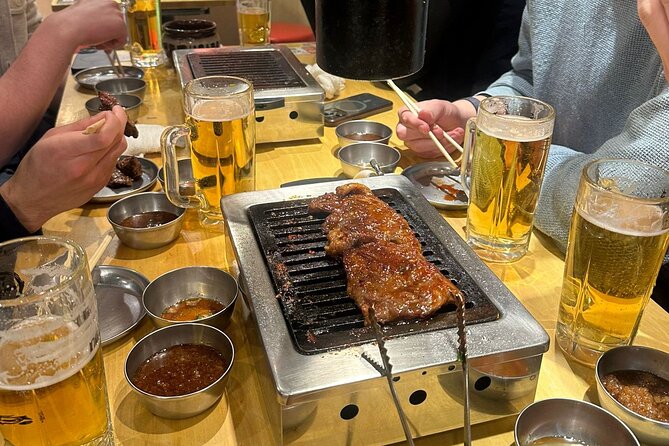
This is your first one hour dinner stop with guided ordering and cultural context. In the best nights, you’re eating things like sushi and other classic izakaya bites as the group settles in. The point is not just the food, it’s learning how the area works at street level, where you feel the energy of people finishing work and moving into the night.
A realistic note: because Omoide Yokocho spots can be small, you may end up standing at some places. If you’re sensitive to crowded interiors, it helps to approach it as a lively street experience rather than a sit-down meal.
Kabukicho neon nights: entertainment district, guide-led pacing
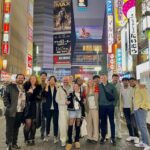
After Omoide Yokocho, you head to Kabukicho, Tokyo’s most famous entertainment neighborhood. This is the area where neon lights and the surrounding cast of characters do the talking. The guide keeps the pace comfortable, so you’re not bouncing between entrances without direction.
The stop is another one hour dinner segment with guided exploration. You’ll get a sense of why Kabukicho feels different from quieter neighborhoods. It’s busy, loud, and packed with distractions, which is exactly why a guide helps. Your goal here is to experience it without turning it into aimless wandering.
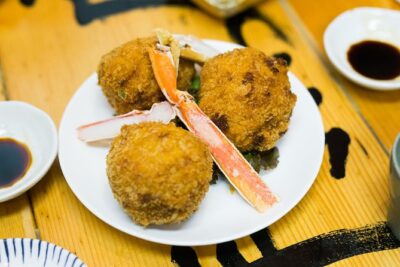
Food highlights you can expect across the overall tour include crispy kushikatsu and juicy gyoza. If you’re the type who worries that nightlife tours become predictable, this is a good counterpoint. The guide steers you toward variety rather than repeating one drink and one snack.
Golden Gai: tiny bars, big stories, and insider access
Golden Gai is where the tour earns its title as a nightlife experience. This is a smaller, alley-focused world, and your guide’s connections help you get into bars that typically do not welcome new customers. The feeling is different too: less about neon crowds and more about tucked-away rooms where people come to relax and linger.
You spend the final one hour at Golden Gai for dinner and guided time. This is also where you’re most likely to see the tour’s playful side, including karaoke at a hidden-away karaoke bar. Some nights include unusual sake moments, like snake sake, depending on what the bar offers and what fits the group.
The practical takeaway is simple. Golden Gai is not a place you want to stumble into with zero plan. Even if you know the area, it can be hard to understand where to go and how to enter comfortably. Having the guide there changes the whole experience from, I hope we find a place, to we are expected and we move smoothly.
Food and drinks: what your $30 ticket covers, and what it does not
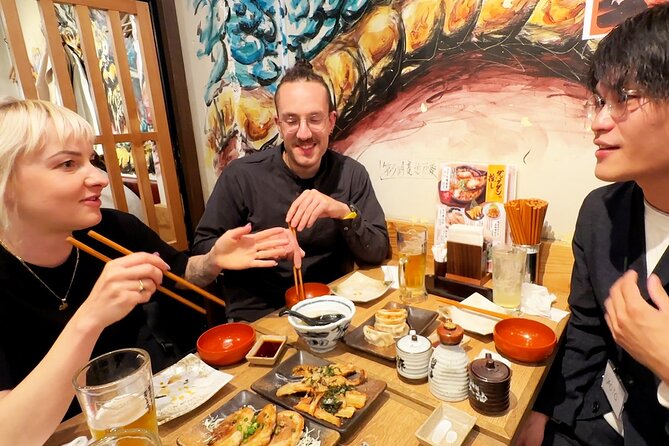
Let’s talk value in plain terms. You pay $30 per person for a 3 hour guided walking tour with a local guide and photos during the tour. What you do not pay for with that price is the food and drinks. On many tours, that gets confusing. Here, the structure is clear, you’re paying for the access and guidance, then ordering food and drinks on site.
In practice, this can be a good deal if you actually want to taste. The tour is designed to get you through multiple stops so you can try different items, not just one meal. Highlights include sushi, kushikatsu, gyoza, and plenty of sake, so you’re not locked into one flavor profile.
One important rule for planning your budget and your evening: by Japanese law, only guests aged 20 and over are allowed to drink alcohol. If your group includes anyone under 20, it changes what you can order and how you enjoy the experience, so check your plans early.
Also remember that some restaurants may have delayed service, and that could extend the tour beyond the scheduled time. It’s normal in small places where staff are handling tight schedules. I think that’s worth building buffer time into your night.
You can also read our reviews of more evening experiences in Tokyo

The walking route: how long you’re actually moving
The itinerary is simple and efficient. You start at the police box near Shinjuku Station East Exit, then walk about 5 minutes to Omoide Yokocho. After that, you move between areas with short walks again, about 5 minutes to return to the meeting point area at the end.
That matters because you’re not constantly trekking across Tokyo. You’re doing a tight loop through one nightlife zone so you can stay in the mood and still feel like you covered real ground.
A useful detail to keep in mind: the guide may occasionally alter the route due to circumstances. If you have concerns, ask in advance for details so you know what flexibility means in your particular departure.
Pace, group size, and guide styles that make a difference
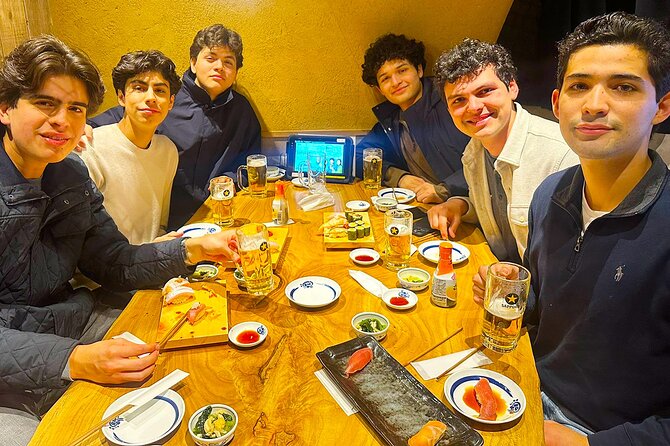
This tour works best when you lean into being with the group. You’ll be walking together, listening, and then stepping into places where the atmosphere is part of the point. Language barriers can show up, and that’s described as part of the experience, but you get English support and Japanese as well.
One of the strongest compliments across the people who’ve done it is the guide quality. Names that come up again and again include Miko, Han, Ayaka, Hajime, Chihiro, Yuki, and Ichiro. What they seem to share is not just the ability to speak, but the ability to make the night feel like an organized local route.
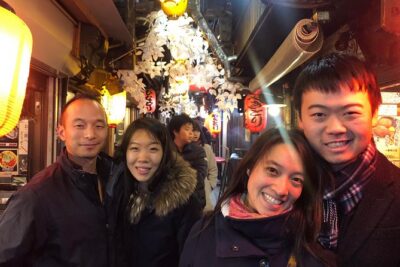
Guide personality matters more than you might think in Shinjuku. Several guests specifically loved humor, friendliness, and the way the guide made them feel comfortable, especially for solo travelers. If you’re traveling alone and worried about nighttime anxiety, this kind of small group format can feel safer and more social.
Group size can vary. Some departures have small groups, even down to four, and occasionally solo bookings happen. When the group is small, you get more chances to ask questions and adjust what you order, which is a real upgrade from a rigid script.
Vegetarian needs and cultural fit
If you eat vegetarian, go in with expectations that are realistic. The tour notes that most Japanese restaurants are not fully equipped to offer vegetarian menus, and vegetarian options are limited. The guide may do their best to accommodate, but the menu choices may not be broad.
I’d also plan for the fact that food and drink service can be delayed in small venues. That does not ruin the tour, it just changes the pace. If you’re the kind of person who needs every minute protected, this might feel less predictable than a museum-style tour.
Cultural and language barriers are part of the experience, which is a polite way of saying you should be comfortable being a little out of your element. In my view, that’s also where the value lives, because the guide is there to translate the situation, not just the words.
Who this Shinjuku night tour suits best
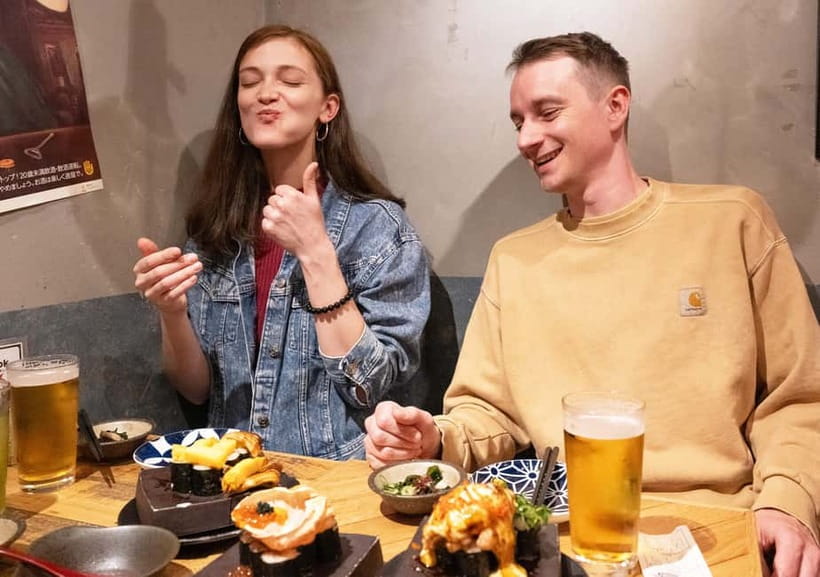
This is a great fit if you want:
- A guided nightlife plan instead of random bar hopping
- Real exposure to three different styles of Shinjuku drinking spots, including Golden Gai’s exclusive-feeling alleys
- A night built around sake and small plates rather than one big restaurant stop
- A social evening that can still feel comfortable, even if you’re alone
It may be less ideal if:
- You do not drink alcohol at all and prefer quiet, sit-down dining over crowded interiors
- You need large vegetarian variety, since options can be limited
- You dislike standing and tight bar seating, since some stops may require it
Should you book this Shinjuku bar hopping tour
I’d book it if this is your kind of evening: three guided stops, a local route through Shinjuku’s signature neighborhoods, and a chance to taste different foods and sake without spending hours figuring out where to go. The $30 price makes sense because you’re buying organization and access, not meals, and the route targets places that are hard to navigate on your own.
If it’s your first night in Tokyo or your first time in Shinjuku, doing it early can be smart. You’ll learn the layout of the areas, and you can return later with better instincts about where you want to linger.
If you want my quick decision rule: book it if you want a guided night out that feels local, and you’re okay paying for food and drinks separately. Pass if your ideal Tokyo evening is quiet, fully catered, and heavily vegetarian-focused.
FAQ
Where do I meet the guide?
Meet at Shinjuku Station East Exit Police Box, in front of the Shinjuku Police Station Shinjuku East Exit Police Box (3-38-1 Shinjuku, Shinjuku-ku, Tokyo).
How long is the tour?
The tour lasts 3 hours.
What is included in the price?
The included items are the walking tour, a local guide, and photos taken during the tour. Food and drinks are not included.
Do I need to pay for food and drinks during the tour?
Yes. Food and drinks are not included, so you’ll pay for what you order at the restaurants and bars.
What should I bring?
Bring cash. Seating can be limited, and some bars may require standing.
Is it only for adults?
Yes. By Japanese law, only guests aged 20 and over are allowed to drink alcohol.
More Walking Tours in Tokyo
More Tours in Tokyo





More Tour Reviews in Tokyo


Not for you? Here's more nearby things to do in Tokyo we have reviewed












Shinjuku Tours, side by side.
 ★ 5.0Shinjuku Food Tour (13 Dishes at 4 Local Eateries)From $866,603 reviews
 ★ 5.0Tokyo Bar Hopping Tour in Shinjuku (All-You-Can-Drink + Dinner)From $1063,587 reviews
 ★ 4.9Shinjuku Food Tour (15 Dishes and 4 Eateries)From $852,033 reviews
 ★ 5.0Best of Shinjuku: Izakaya Food Tour (4 Stops, 14+ Tastings)From $921,863 reviews
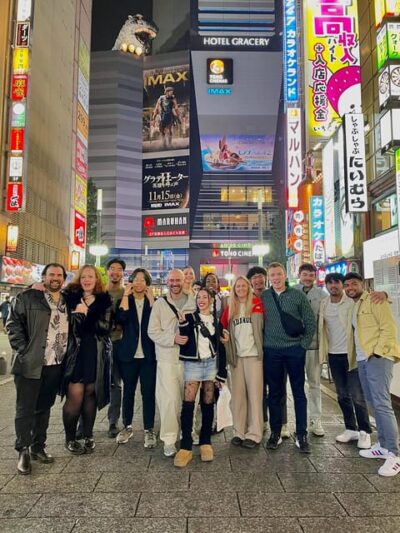 ★ 4.9Shinjuku Local Bar and Izakaya Guided Walking TourFrom $341,794 reviews
 ★ 5.0Tokyo Shinjuku Chopsticks Making ClassFrom $201,763 reviews
 ★ 5.0Tokyo Shinjuku Sumo Show & Experience with PhotoFrom $791,750 reviews
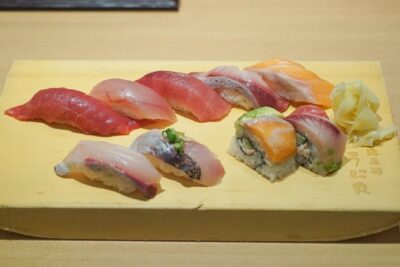 ★ 5.0Tokyo Night Foodie Tour in Shinjuku – Seasonal Sushi, Wagyu BeefFrom $1111,161 reviews
This tour also belongs to