
Review · IMPERIAL PALACE TOURS
Tokyo: Imperial Palace East Gardens Walking Tour
Tokyo slows down in the East Gardens. This 2.5-hour walk pairs Edo Castle leftovers with manicured Japanese garden design, so you get real contrast between old Tokyo and the city you see today.
I especially love how the guide ties the grounds to the shogun era, with stories that feel human, not textbook. And I love the seasonal garden show, from cherry blossoms to fall color, with ponds, bridges, and pruned trees along the way.
One thing to plan for: the tour stays outside, so you do not go inside the Imperial Palace itself, and you’re viewing mostly foundations and defensive remnants rather than a fully restored castle.
Key takeaways before you go

- English, live guide: You get explanations as you walk, not a silent wander
- Honmaru area focus: See the layout through foundation and gate ruins
- Ninomaru Garden time: Traditional composition, stone lanterns, and calm pacing
- Seasonal garden moments: Cherry blossoms in spring, fall foliage later
- Easy meeting point: Start and finish at Starbucks near Kokyo Gaien Wadakura Fountain Park
Edo Castle grounds, right in the middle of Tokyo
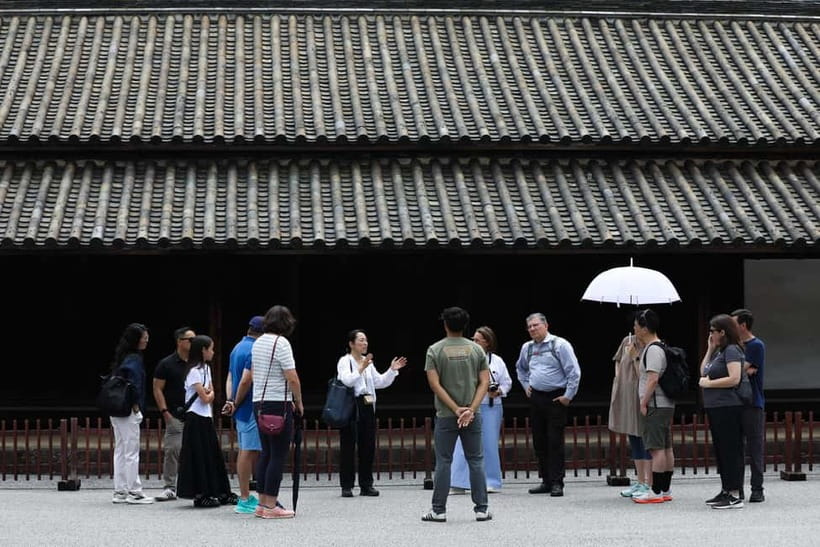
The Imperial Palace East Gardens are one of the best places in Tokyo to understand how the city shifted from feudal power to modern government. These grounds were part of the old Edo Castle area, used by the Tokugawa shoguns during the Edo period.
What makes this tour click is how the walking route turns the space into a story. You’re not just looking at greenery. You’re seeing how a military compound used landscape, walls, and controlled access to function, then how it became a peaceful garden space.
If you like history that you can map with your eyes, this is a great match. You’ll connect names, structures, and purpose as you move, especially around the Honmaru remnants and the Ninomaru Garden.
You can also read our reviews of more walking tours in Tokyo


Meeting at Starbucks by Kokyo Gaien, then starting the slow walk
You meet at Starbucks Coffee at Kokyo Gaien Wadakura Fountain Park. The coordinates are 35.6829933, 139.7611971, and your guide waits nearby. This is useful because Tokyo has a lot of confusing station exits, and having a clearly identifiable meeting anchor removes stress.
The tour runs for about 150 minutes, and it’s a guided walking tour with the guide as your main “ticket.” There’s no mention of needing any special entry pass because the activity does not go inside the Imperial Palace buildings.
A small practical note: wear shoes you’re comfortable walking in. The garden paths are pleasant, but you’ll still be on your feet for a while, and you’ll want to stop when something catches your eye.
Honmaru area remnants: reading the castle layout in ruins
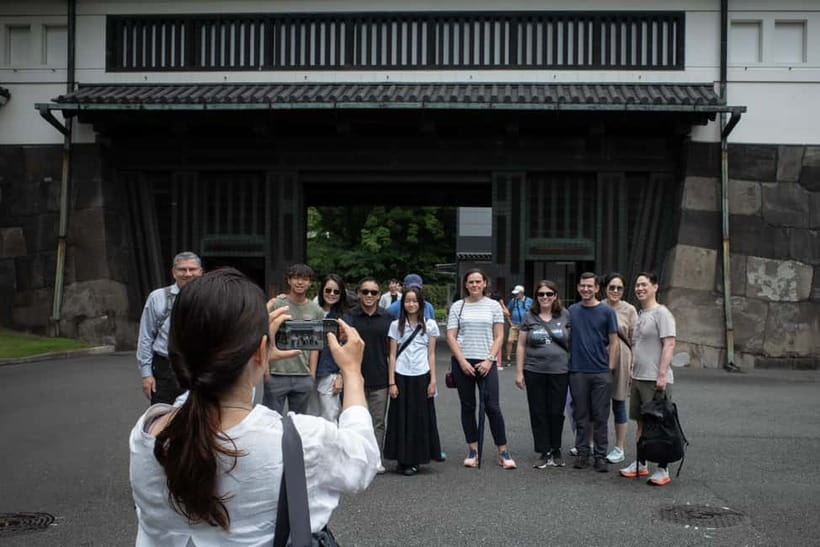
Your route includes the Honmaru area, which was once the main compound of Edo Castle. The big value here is that you can see the skeleton of how the castle worked, even though much of the original buildings are no longer standing.
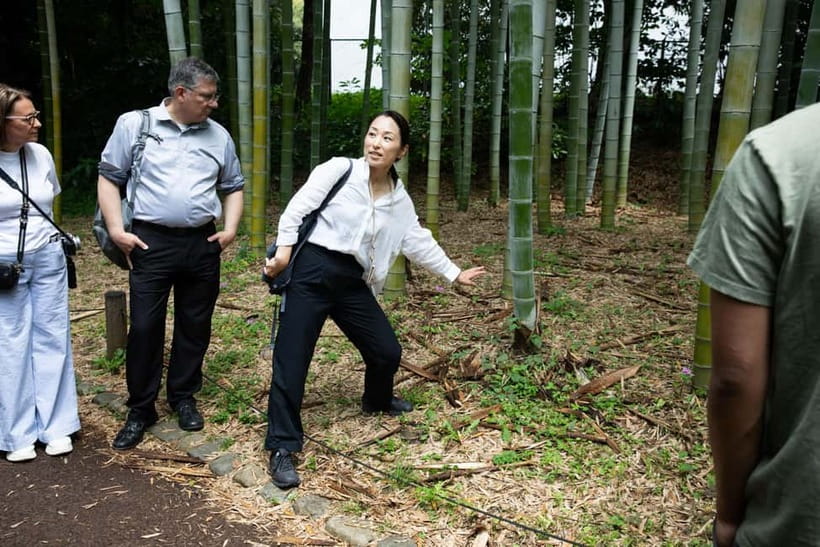
In the Honmaru section, you’ll explore ruins such as foundation areas, gates, and defensive structures. The key is how your guide helps you interpret what you’re seeing. Instead of “old stones,” it becomes a layout lesson: where power was concentrated, how movement would have been controlled, and how defense shaped the grounds.
This part is especially satisfying if you like military architecture or if you ever wondered how castles were built for both command and protection. And it helps to know that the East Gardens preserve features that let you understand the compound, not just admire a park.
Ninomaru Garden: traditional design made for quiet looking
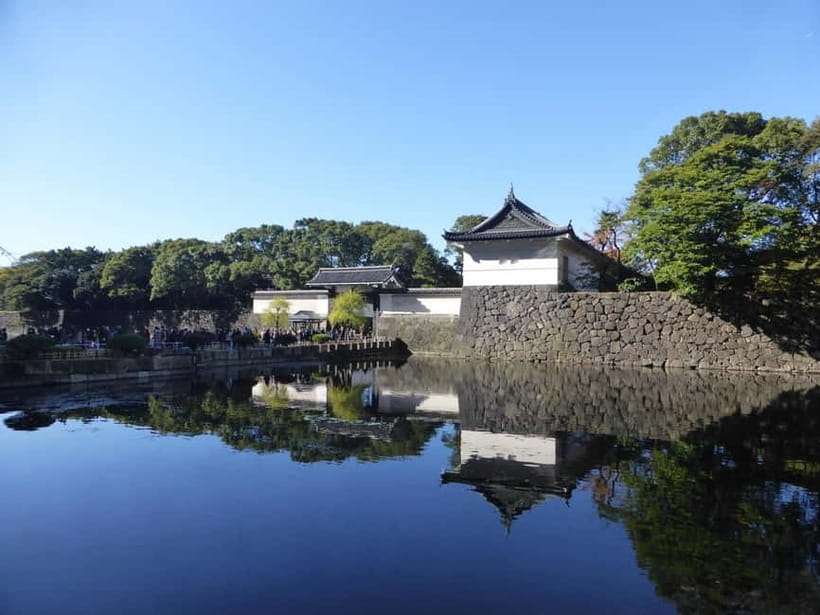
After the more strategic Honmaru remnants, you shift into a garden built for contemplation. The Ninomaru Garden is known for its traditional Japanese design, with a look that rewards slow attention.
Expect meticulously arranged trees and shrubs, plus stone lanterns and carefully shaped elements that guide your sightlines. You’ll also encounter the calm “garden rhythm,” where ponds and bridges create pauses and new angles, even while you’re still walking.
What I like about this stop for visitors is that it gives you a different type of understanding. You go from “how it was defended” to “how space was composed.” It’s like switching chapters, and it makes the whole tour feel balanced.
Also, this is a good moment to slow down and let photos wait a bit. The design is meant for looking, not just snapping. If you’re traveling with family, kids usually do fine here too because the setting is gentle and scenic.
Gardens you can actually picture: ponds, bridges, and pruned trees
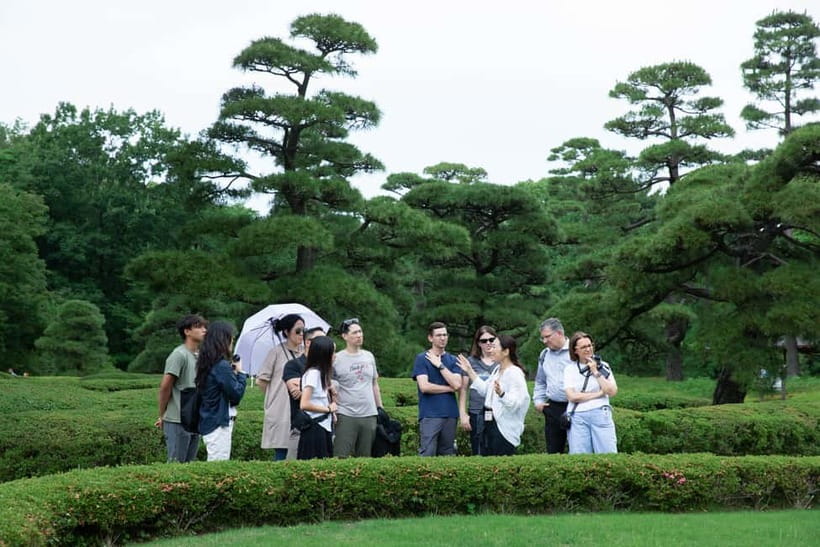
Across the East Gardens, you’ll see classic Japanese garden features: lush greenery, tranquil ponds, graceful bridges, and meticulously pruned bonsai trees. Even if you’re not a garden nerd, these elements help you “read” the place because they create clear visual cues.
You’ll also see historical artifacts around the grounds, including stone walls, guard houses, and watch towers. This is one of the tour’s strongest ideas: the guide helps you notice functional features that most people would walk past.
If you’re the type who enjoys small details, this portion will keep you engaged. Stonework and structures repeat in different forms, and your guide points out what each one suggests about the original compound.





Seasonal moments: cherry blossoms in spring, fall color later
One of the simplest reasons to pick the season you’re visiting is that the gardens are built for it. In spring, cherry blossoms are a standout. In fall, colorful foliage changes the mood and makes the same paths feel totally different.
The tour’s value here is timing. You get guided context while the gardens are at their most photogenic, so you’re not only thinking about what looks pretty. You’re also learning what the space meant across time.
If you’re unsure when to go, here’s a practical way to decide: if you want the most iconic Tokyo photo moment, plan for spring blossoms. If you prefer crisp air and stronger color contrast, aim for fall foliage.
Either way, the garden rhythm helps the 150 minutes feel easier. You’re not trudging from place to place. You’re strolling through a living backdrop.
How the guides make the difference (Kei, Mei, Laura, and more)
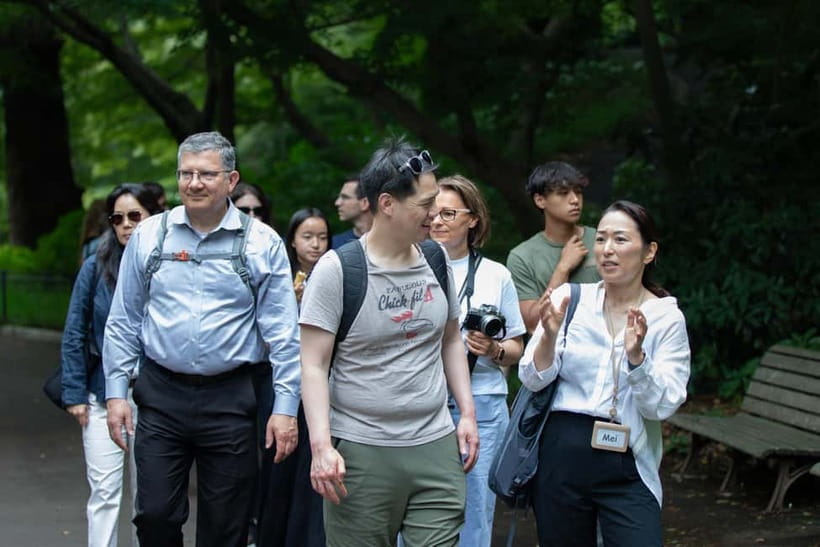
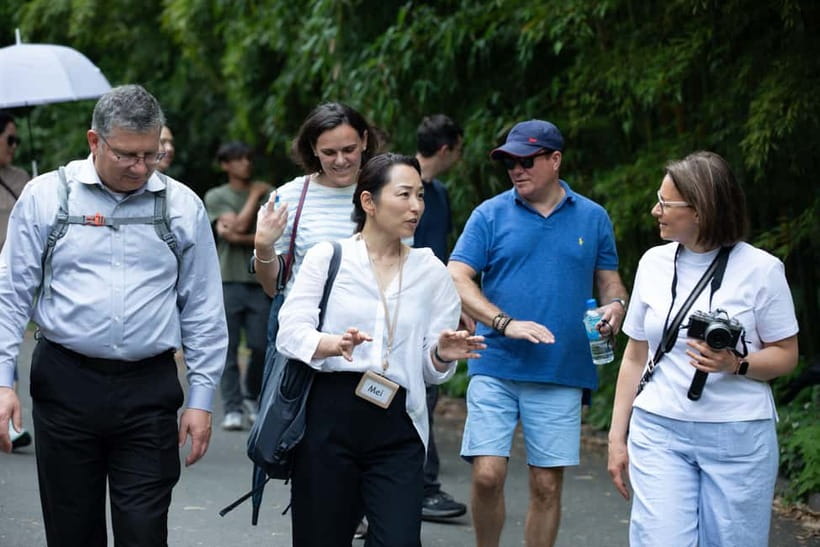
On a tour like this, the guide matters more than almost anything. The best guides do two things at once: they explain what you’re seeing, and they keep the pace comfortable so you can actually look.
From the guides you may encounter, you’ll often hear friendly, story-driven explanations tied to the imperial and shogun eras. For example, guides like Kei and Mei are known for making the experience feel fun while still teaching you how the Edo Castle system worked.
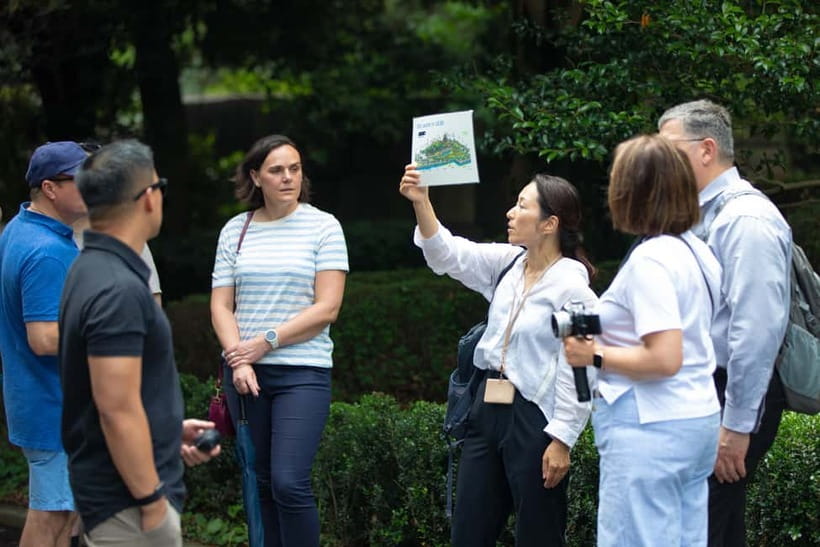
Other guides, such as Laura and Miko, are praised for turning dry details into something you can remember. And one practical advantage that comes up a lot is support with visuals. Some guides have used printed maps and photos to help you understand the layout and the difference between what existed then and what’s preserved now.
There’s also a recurring theme of good pacing, even when weather isn’t perfect. If it’s rainy, you still get your orientation and history, without losing the thread of the walk.
In short, you’re not just buying access to a garden. You’re buying interpretation. That’s what makes this feel like a high-value experience for first-timers to Tokyo history.
Price and value for a 2.5-hour Imperial Palace East Gardens walk
At $19 per person for about 150 minutes, this is priced like a value tour, not a luxury add-on. The best way to judge the price is to look at what you get: a guided walk through multiple key areas, plus explanations that help you understand ruins, garden design, and the Edo-to-modern transition.
It also helps that the meeting point is straightforward and the tour does not require you to purchase separate palace entry as part of the activity. Just remember: the tour itself does not go inside the Imperial Palace, so don’t treat it as an inside-the-palace ticket.
If you’re planning a Japan trip with several big-ticket sights, this is a solid “in-between” experience. It fits easily into an afternoon, it’s not dependent on crowds the way some popular landmarks are, and it gives you a different slice of Tokyo than shopping streets or busy viewpoints.
For couples, solo travelers, and families who want culture without a hard schedule, it’s a smart use of time. For people who hate walking, the only caution is that you’ll be on your feet for the full 2.5 hours, even though the pace is guided.
Who should book this, and who might pass
Book this tour if you want:
- A guided way to understand the Edo Castle layout through Honmaru remnants
- A calmer Tokyo walk focused on gardens, ponds, bridges, and pruned trees
- English explanations that connect feudal power to what you see today
You might pass if:
- You specifically want to tour inside the Imperial Palace buildings, because this activity does not include palace entry
- You need a fully restored, building-heavy site. This route is about foundations, defensive structures, and preserved grounds, not a “complete” castle reconstruction
If you’re doing the usual first-time Tokyo itinerary, this tour adds something that feels distinctly Japanese and distinctly historical. It’s one of the better ways to slow down and learn while you’re walking through Tokyo’s most peaceful center.
Should you book the Imperial Palace East Gardens walking tour?
Yes, if you want value, comfort, and a guide that helps you actually understand what you’re looking at. The $19 price for a 150-minute, English-led walk through Honmaru remnants and the Ninomaru Garden is a strong deal, especially in a city where “self-guided and confusing” is common.
Just set expectations correctly. You’re enjoying the East Gardens and the former Edo Castle grounds, not getting an inside-palace visit. If that matches your goal, you’ll likely leave with clearer context for how Tokyo became what it is now, plus some genuinely beautiful garden time in the middle of the urban buzz.
FAQ
Is the tour inside the Imperial Palace?
No. The tour does not go inside the Imperial Palace. It focuses on the East Gardens and the former Edo Castle grounds.
What is the duration of the Imperial Palace East Gardens walking tour?
The tour lasts about 150 minutes.
Where do I meet the guide?
You meet at Starbucks Coffee – Kokyo Gaien Wadakura Fountain Park. Your guide waits nearby.
What language is the tour guide?
The tour has a live English guide.
Is the Imperial Palace entry fee included?
No. Entry to the Imperial Palace is not included.
What is included in the price?
The activity includes a walking tour and a guide.
How much does the tour cost?
The price is $19 per person.
Is the tour wheelchair accessible?
Yes, the tour is wheelchair accessible.
What is the cancellation window?
You can cancel up to 24 hours in advance for a full refund.
Can I reserve without paying right away?
Yes. There is a reserve now & pay later option, so you can book and pay nothing today.
More Walking Tours in Tokyo


More Tours in Tokyo


More Tour Reviews in Tokyo
Not for you? Here's more nearby things to do in Tokyo we have reviewed









Imperial Palace Tours, side by side.
 ★ 5.0Imperial Palace and Shogun Historical Walking TourFrom $222,251 reviews
 ★ 4.9Imperial Palace Japanese History Walking TourFrom $32987 reviews
 ★ 4.9Imperial Palace and Shogun Walking TourFrom $16935 reviews
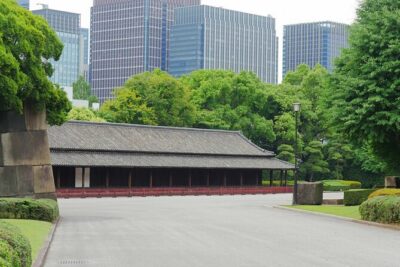 ★ 5.0Imperial Palace East Garden and Edo Castle Walking Tour in TokyoFrom $25510 reviews
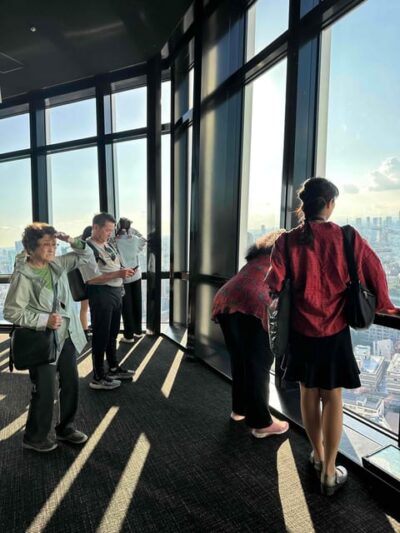 ★ 4.5Imperial Palace, Sensō-ji Temple, & Tokyo Tower TourFrom $40339 reviews
 ★ 5.0Tokyo Castle, Imperial Palace, Shogun & Garden Walking TourFrom $31211 reviews
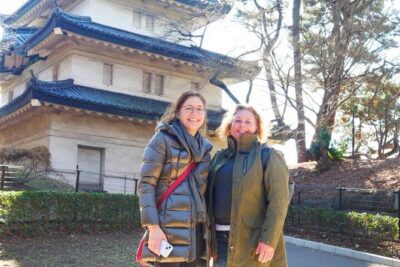 ★ 4.7Edo Castle & East Garden of the Imperial Palace TourFrom $42112 reviews
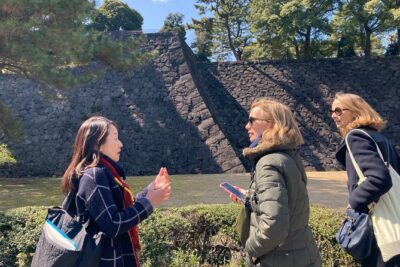 ★ 5.0Tokyo Private Tour! Edo Castle & Imperial Palace East GardensFrom $65105 reviews
This tour also belongs to