
Review · TOKYO SUMO EXPERIENCES
Tokyo: Sumo Keiko Training Tour with Audio Guide & Photo
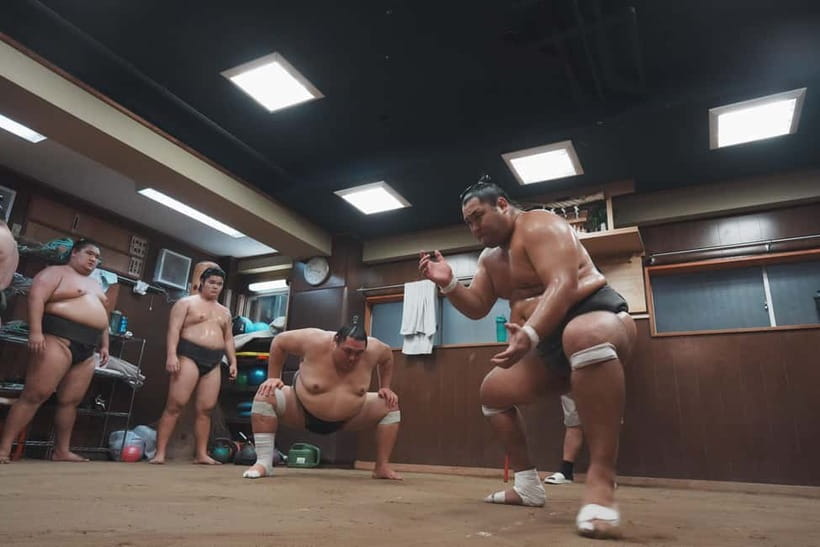
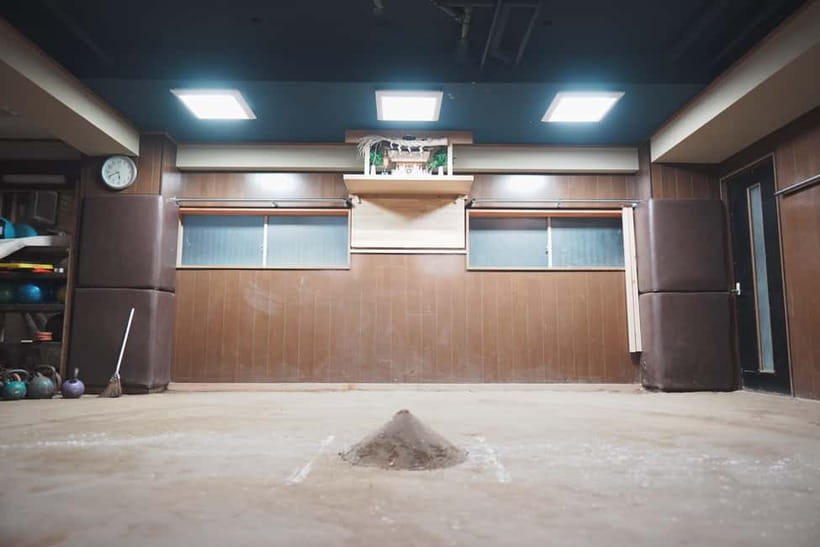
Sumo practice feels different when you are close. This tour takes you into a real Tokyo sumo stable, Nakamura-beya, where you watch a live keiko training session and learn what you are seeing with a 10-language audio guide.
I love the way the experience is set up for comfort, with an air-conditioned venue plus free Wi-Fi and charging stations. One thing to plan for: bench chairs are limited, and you will want your own earphones for the audio guide, since most people sit on cushions.
Key Highlights You Will Actually Feel
- A real pro training session at Nakamura-beya, not a staged performance
- 10 multilingual audio guide covering ranks and training techniques
- Photo with sumo wrestlers, with rules like no flash
- Aircon viewing space with Wi-Fi and charging, rare for this kind of experience
- Walkable extras after at Ryogoku Kokugikan and the Tokyo waterfront
Watching Nakamura-beya Keiko From the Best Kind of Distance
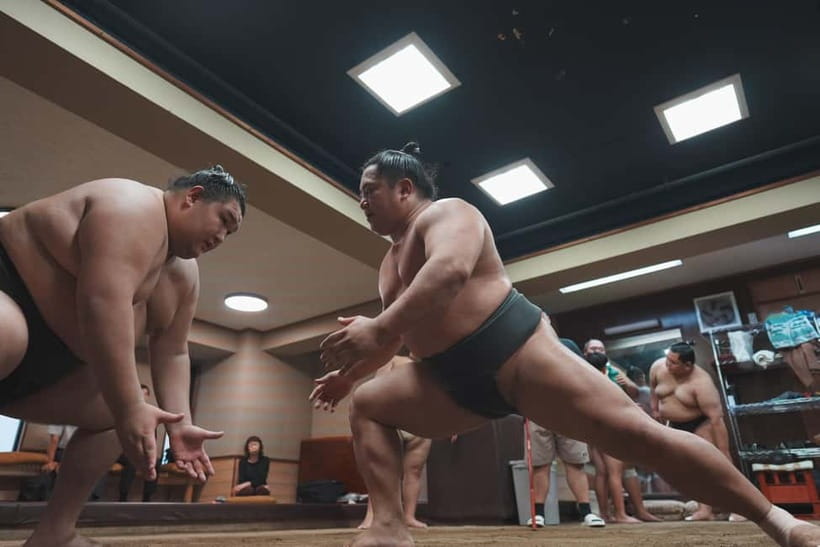
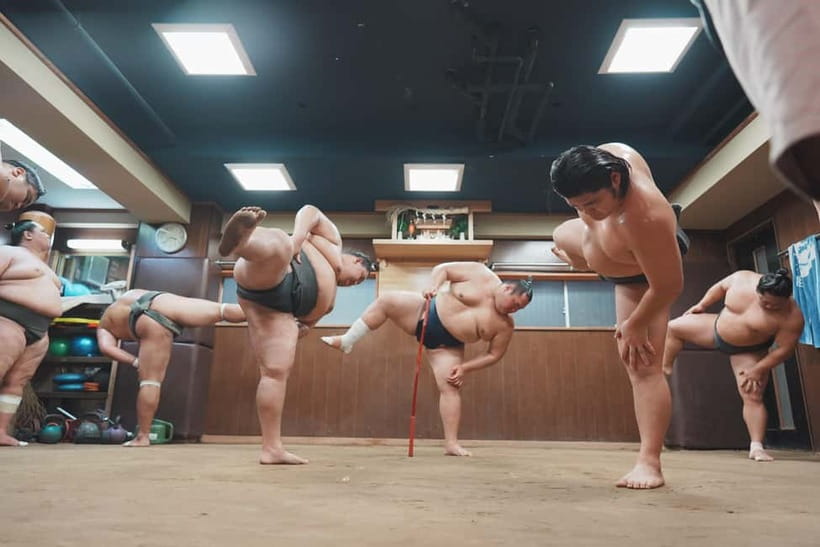
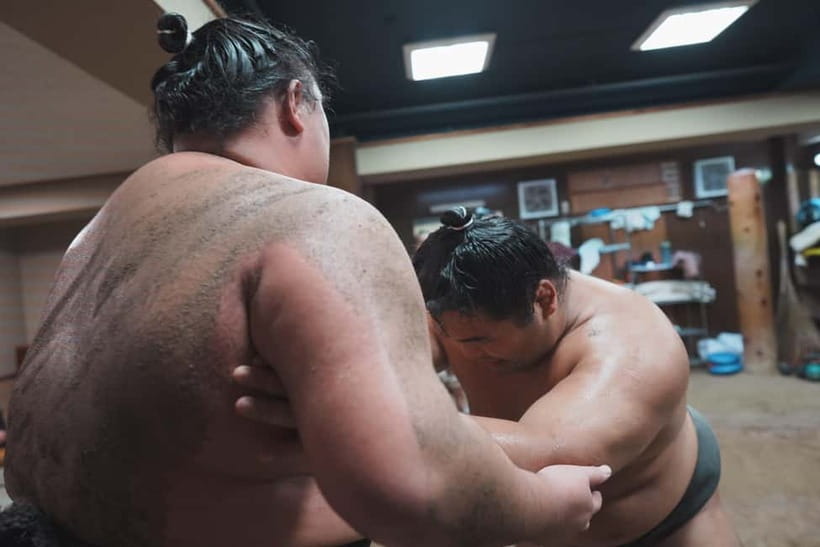
Tokyo sumo has a big, showy side, but keiko is where you learn the sport’s real language. At Nakamura-beya Sumo Stable, you get to see professional wrestlers practice up close while a live guide (English, Japanese, and Korean) helps you make sense of the session.
What surprised me, even as a beginner, is how much technique shows up in training. You are not just watching strength. You are watching timing, balance, and repetition. The tour is built to help you notice those details instead of just staring at big muscles.
And yes, this is in a serious sumo area. Nakamura-beya is next to the Ryogoku Kokugikan National Sumo Arena, so the whole neighborhood feels like sumo lives here.
You can also read our reviews of more guided tours in Tokyo


Finding the Place Fast, Ryogoku Station Makes It Easy
If you like saving time in Tokyo, this is a good sign. The meeting point is just about 2 minutes from JR Ryogoku Station, right by Ryogoku Kokugikan.
That matters because you can keep your day flexible. You are not burning your morning on complex transit or long walks, which makes it easier to pair this with other Ryogoku stops. If you are tight on time, the convenience helps the experience feel less rushed.
What 40 to 90 Minutes of Sumo Training Feels Like
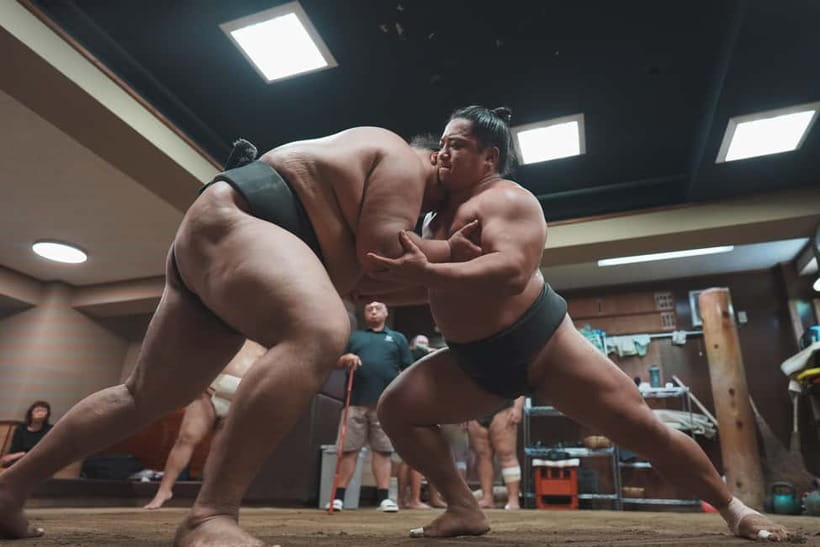
Your visit runs 40 to 90 minutes depending on the session you book, with a listed visit time of about 1.5 hours. Plan to be watching and listening steadily during that window. This is training, so the vibe is quiet, focused, and respectful.
During keiko, you are basically learning by watching. You will see wrestlers practicing key drills and techniques, and the audio guide is there to translate what the motion means. Without that layer, it is easy to miss how skilled the wrestlers are, because the most impressive things can look small from far away.
Seating is another practical piece. There are bench chairs, but the number is limited, with priority for visitors with disabilities. If you do not get a bench chair, you will likely sit on cushions for around 1.5 hours. That is totally doable, but I would not pretend it is like a stadium seat.
Small etiquette rules help make the space work. You will want to keep your voice down, because you are asked to refrain from speaking and watch quietly during practice. This is not the kind of experience where constant chatter feels natural.
The Audio Guide Setup: 10 Languages, One Simple Trick
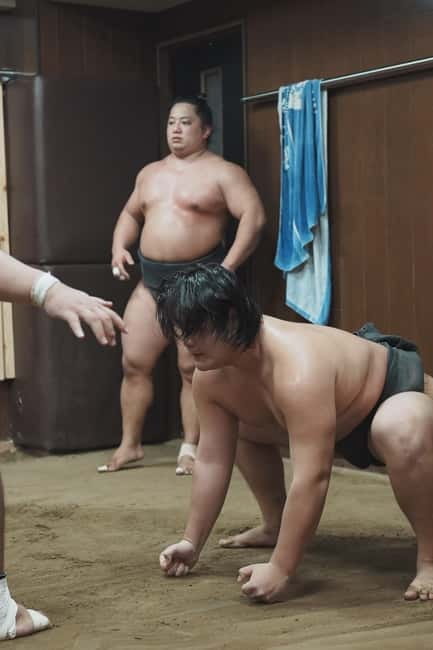
The audio guide is one of the biggest value drivers here. You get explanations in 10 languages, including Chinese, English, French, German, Hindi, Italian, Japanese, Korean, Polish, Spanish, and Portuguese. That is a lot of coverage for one tour.
To use it, you will listen on your phone with your own earphones. The tour notes that if you do not have earphones, you can borrow a pair. Still, bring your own if you can. It is less hassle, and you will be ready right when you arrive.
Here is why the audio guide matters: sumo has ranks and training terms that do not translate instantly. With the audio guide, you are not just looking at bodies doing moves. You are hearing how the system works and why wrestlers train the way they do. The included training pamphlet also supports this, acting like a small companion so you can follow along instead of getting lost.
One practical tip: give your phone battery a little margin. You will be charging at the venue, but planning ahead helps you avoid that late-in-the-tour scramble.
Photo With Sumo Wrestlers, Plus the Rules You Need to Know
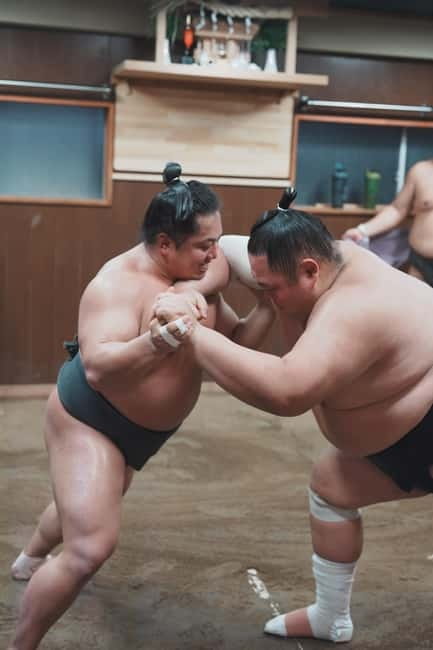
The tour includes a photo with sumo wrestlers, and that is where a lot of people feel the moment click. You go from watching training to having a tangible memory of meeting the world you just observed.
Photography is allowed, but there are clear boundaries:
- no flash photography
- no sunglasses allowed
- bare feet are not allowed
That last one is the kind of rule that can catch you off guard in Japan, especially if you are used to easy footwear decisions. Wear shoes you can keep on comfortably for the session. It also keeps you in line with the stable’s expectations.
Also, use restrooms before joining. If you need a quick stop, do it early so you do not disrupt the flow once training starts.
More Tokyo tours and experiences for the shortlist


After the Session: Ryogoku Kokugikan and the Tokyo Waterfront on Foot
When your viewing time ends, you are set up for an easy continuation of the day. The Ryogoku Kokugikan (sumo museum) is nearby, and the Tokyo waterfront is within walking distance.
This is a smart pairing because it lets you switch gears. You just saw training, and now you can step into a museum setting to connect the practice you watched with the larger world of sumo. Then, if you want a breather, walking toward the waterfront can reset your pace after the intensity of keiko.
If you like structuring days around neighborhoods, Ryogoku is a great choice. You can spend time there without needing to cross half of Tokyo.
Price and Value: Why $85 Makes Sense Here
At $85 per person, this is not a budget tour, but it has several value anchors that are hard to find together:
- You are watching a live pro training session at a real stable, not a performance designed for tourists.
- You get a multilingual audio guide with 10 languages, which adds real interpretation value.
- You get the photo with sumo wrestlers, which turns the visit into a keepsake.
- Comfort upgrades are included, like air-conditioning plus free Wi-Fi and charging stations. In Tokyo, that can be the difference between enjoying the session and counting down minutes.
Also, you are located in a part of town where the “pre and post” time has meaning. Ryogoku Kokugikan and the waterfront are walkable, so your day is not limited to the tour itself.
The main “cost” to consider is not money. It is time and attention. The experience asks you to watch quietly for about 1.5 hours and follow the stable’s rules. If you come expecting a loud, casual attraction, you will feel out of place.
Who Should Book This Sumo Keiko Training Tour
This is a strong fit if you want something authentic and educational at the same time. You will likely enjoy it if you:
- like sports and want technique, not just spectacle
- want a guided explanation with an audio guide in many languages
- prefer real, local experiences over big tourist shows
- are comfortable sitting on cushions for around 1.5 hours
It is not suitable for children under 6, and the rules around speaking and photography mean it may feel more adult-focused than a kid-friendly playdate.
If you are short on time in Tokyo, the location is also a plus. Being near JR Ryogoku Station helps you keep your day running smoothly.
Should You Book Nakamura-beya Keiko With Audio Guide?
I think this is an easy yes if you care about seeing sumo as a craft. The combination of a live keiko session, interpretation through a 10-language audio guide, and the included photo gives you both understanding and a memory.
If you are sensitive to sitting for about 1.5 hours, plan around the limited bench chairs. Bring your earphones, keep your expectations aligned with quiet training etiquette, and you will get a lot out of the time you spend there.
Bottom line: book it if you want real sumo training in Tokyo, explained in a practical way, and you do not need everything to be loud or flashy.
FAQ
How long is the Nakamura-beya sumo keiko tour?
The duration is listed as 40 to 90 minutes, with the visit time noted as about 1.5 hours. You should check available starting times when you book.
What languages are available for the audio guide?
The audio guide is included in 10 languages: Chinese, English, French, German, Hindi, Italian, Japanese, Korean, Polish, and Spanish, plus Portuguese.
Do I need to bring earphones for the audio guide?
Yes, you are asked to bring your own earphones to listen to the audio guide on your phone. If you do not have them, the tour can lend you a pair.
Is the photo with sumo wrestlers included?
Yes, a photo with sumo wrestlers is included. Photography is allowed, but flash photography is not.
What are the rules for what I can wear or bring?
You cannot wear sunglasses, and bare feet are not allowed. Flash photography is also not allowed during the visit.
What age is the minimum for this experience?
The minimum age is 6 years old, and it is not suitable for children under 6.
More Guided Tours in Tokyo



More Tours in Tokyo






More Tour Reviews in Tokyo


Not for you? Here's more nearby things to do in Tokyo we have reviewed












Tokyo Sumo Experiences, side by side.
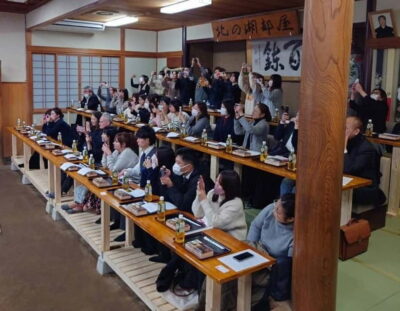 ★ 4.8Sumo Show and Dining ExperienceFrom $792,742 reviews
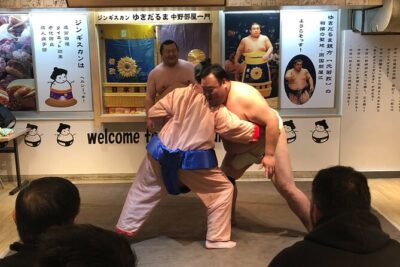 ★ 5.0the SUMO showFrom $891,960 reviews
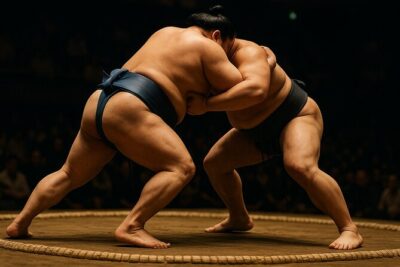 ★ 5.0Tokyo Shinjuku Sumo Show & Experience with PhotoFrom $791,750 reviews
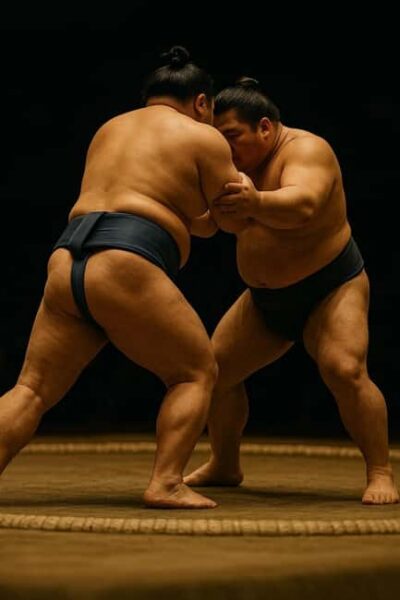 ★ 4.8Sumo Show and Experience in ShinjukuFrom $691,001 reviews
 ★ 4.7Luxury Sumo Show Experience & Japanese cuisine & DrinkFrom $103577 reviews
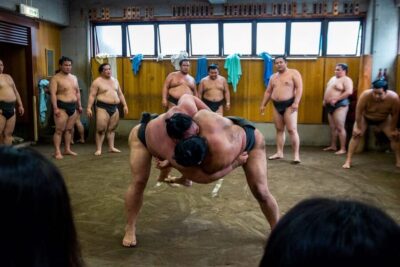 ★ 4.8Sumo Morning Practice Viewing TourFrom $81570 reviews
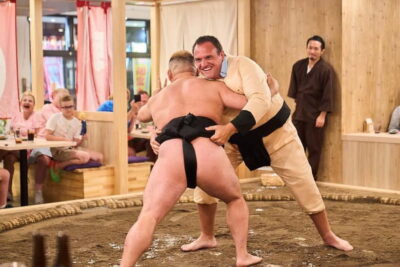 ★ 4.8Tokyo Sumo Experience: Chanko & Mochi with a Former ProFrom $103567 reviews
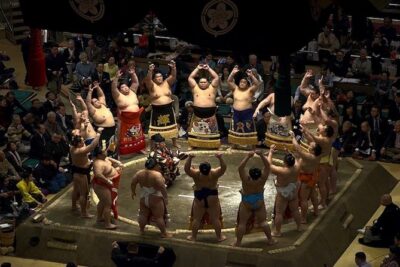 ★ 5.0Ultimate Sumo Tournament: Tokyo, Osaka, Nagoya, FukuokaFrom $184468 reviews
This tour also belongs to