
Review · ASAKUSA TOURS
Samurai Ninja Museum Asakusa: Samurai Sword Lesson & Tour
Katana time in Asakusa. This 2-hour session turns you into a costumed warrior, with a katana workshop plus a museum tour and ninja tryouts.
I especially like the hands-on sword coaching, often led by instructors such as Sensei Ryo, who keep things clear even for first-timers. I also love the mix of training and play, from photo-ready samurai backdrops to trying shuriken as part of the ninja weapons trial.
One heads-up: the whole experience is only 2 hours, so if you want lots of repetition, you may wish you could practice longer.
Key highlights
- Suit up in hakama, plus a samurai helmet and armor for the full look
- Katana lesson with structure, guided by instructors such as Sensei Ryo
- Ninja weapons trial, including shuriken throwing at targets
- Samurai and Ninja Museum tour, with English explanations by the guide
- Photo moments in themed samurai backgrounds that make great Tokyo keepsakes
- Small group feel, with a maximum of 16 participants
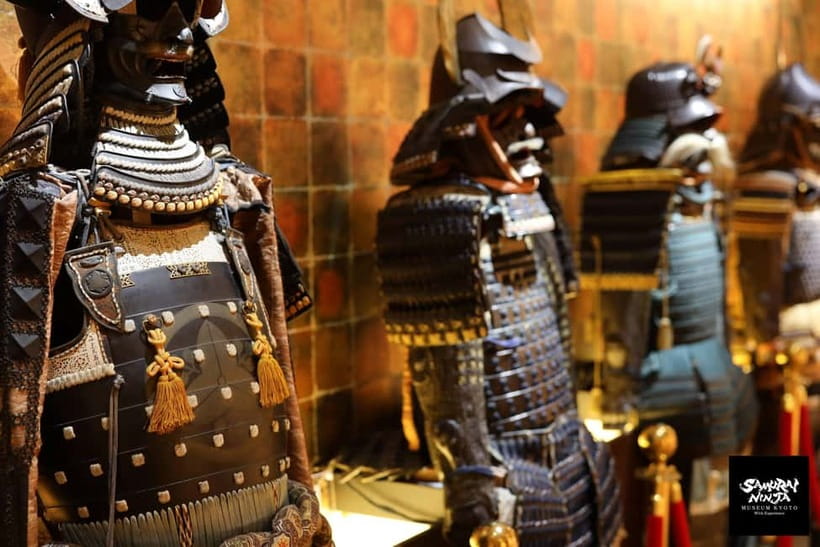
Samurai Armor in Asakusa, Then Katana Basics Right Away
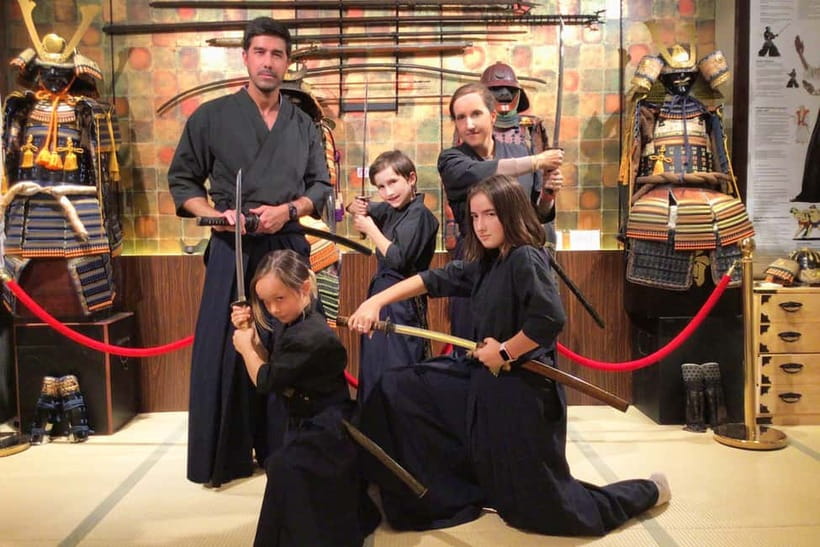
Tokyo has plenty of cosplay. This one adds the training part. The start is all about role-play with purpose, because you put on real costume pieces first, then learn how to move with them. The effect is immediate, and it also helps you understand why armor and stance mattered in warrior life.
You begin by getting into hakama, and then you wear the samurai helmet and armor. That’s not just for photos. It sets your body position and makes the sword lesson make more sense once you’re standing in a warrior-ready stance.
If you’ve ever worried that a sword lesson might be too serious, don’t. The tone stays respectful, but it’s also friendly and fun. Sensei Ryo is known for being professional and patient, and the instruction is designed for complete beginners as well as people with a bit more coordination.
You can also read our reviews of more museum experiences in Tokyo

Hakama, Helmet, Armor: Why the Costume Part Matters
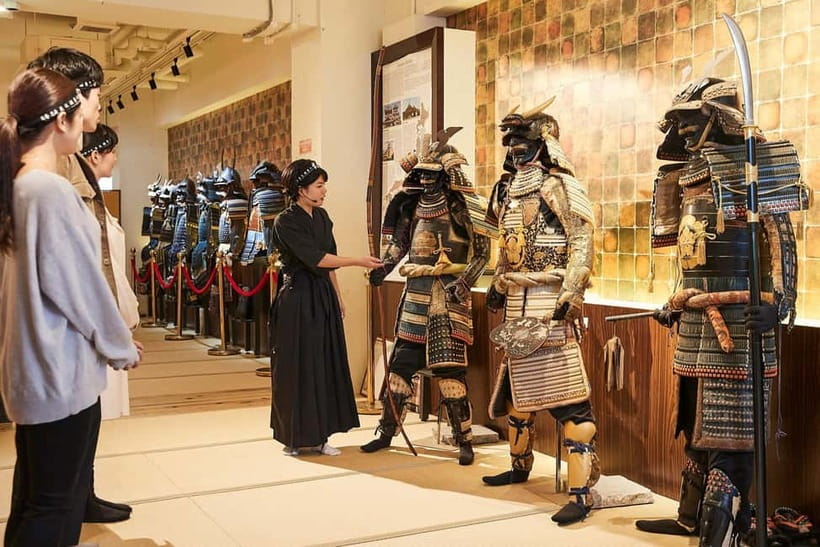
Most “do this, then that” tours skip the hows. Here, the clothing helps you slow down and get your footing. You’re not rushing out the door to a museum. You start inside the warrior look, and that makes the rest of the session feel like one continuous experience.
The hakama is especially useful because it changes how your legs and hips move. Even if you never remember the technical names of positions, you’ll feel the difference in how you step and how you hold yourself.
Then you add the helmet and armor, and suddenly you understand the physical side of the role. It also makes the whole thing visually dramatic, which is why the photo part later feels earned, not staged.
The 2-Hour Katana Workshop: What You Learn and What You Do With It
The main event is the samurai sword lesson, and it’s taught by an English-speaking guide or instructor. The emphasis is on fundamentals you can actually use during drills, not just watching someone demonstrate from the side.
In practice, you get shown basic handling and movement, then you repeat. Many people finish feeling like they can perform at least part of a routine the instructor shows at the start. That matters, because a first-time sword class should leave you with motion you can remember, not just a vague impression.
A common theme from instruction styles is pacing. Sensei Ryo’s approach is often described as calm and polite, with enough repetition to let novices keep up. If you’re traveling with kids or teens, instructors like Kai and Kenny are also noted for making the lesson understandable and engaging without turning it into chaos.
You may also do choreographed practice moves, and in some sessions you handle foam or rubber training swords for supervised partner work. Think family-friendly training with safety and supervision front and center. It’s less about “fight training” and more about learning how distance and timing change your movements.
What makes the workshop feel worth $63
The price includes gear use, not just the teaching. You pay for the full package: sword lesson, hakama use, helmet use, armor use, museum tour, photo time, and the ninja tryout. That combo is what makes this a stronger value than piecing together separate attractions plus a standalone class.
Museum Tour Through Samurai and Ninja Culture, With Real Explanations
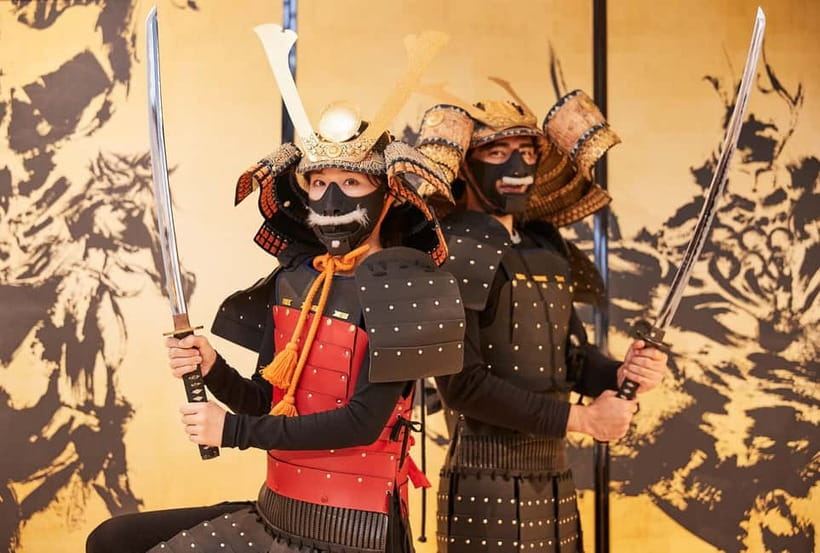
After the training start, you shift from hands-on movement to guided storytelling. The tour in the Samurai and Ninja Museum is in English, and the focus is on the history of samurai alongside the world of ninja.
In plain terms, you get a guided walk that connects time periods and roles. Some sessions include a bigger story arc, from the origins of samurai, through the end of the samurai era, and into how people think about these figures today.
Guides like Ren are frequently praised for explanations that stay lively rather than dry. That matters if you have kids in the group or if you just don’t want a lecture. The museum format, plus the fact that you just wore the armor minutes earlier, helps you remember what you’re hearing.
One practical detail: the museum space can feel tight depending on how many people are in your group. The pacing is fast by design, so if you want to read every label for a long time, plan to use your remaining time in Asakusa to slow down.
More Tokyo tours and experiences for the shortlist




Ninja Weapons Trial: Shuriken Throwing as a Skill, Not a Gimmick
Then you get the ninja side. The experience includes a ninja weapons trial, and shuriken throwing is a highlight. It’s structured enough that a beginner can participate, but it still feels like a real skill challenge.
The best part is the target-based element. You’re not just holding something and hoping for the best. You throw at a target, you adjust based on how the earlier throws landed, and you get that satisfying feeling of improvement in a short time.
If you’re traveling with kids, this portion tends to be the payoff moment. People often call out that the ninja segment works well for children and teens, because it’s active, it’s competitive in a light way, and it doesn’t require prior training.
Adults like it too, because it adds variety. You get a clear contrast: samurai is about controlled posture and sword basics, while ninja is more about aiming and timing.
Photo Opportunities in Samurai-Themed Backgrounds
A lot of tours say you’ll get photos. This one builds photo time into the experience, and the backgrounds are samurai-themed rather than generic selfie spots. That changes the feel. The pictures look like you stepped into a story, especially with the helmet and armor.
The photo moment is also a good reset between training and touring. You’ll likely feel a bit sweaty or out of breath from drills, and the photos give you a reason to slow down and stand properly again.
If you care about photos, bring any small props you like and plan to step into the poses the instructor suggests. You’ll get better results that way, and you won’t waste time trying to figure out angles while your costume is on.
Price and Value: Is $63 for 2 Hours Reasonable?
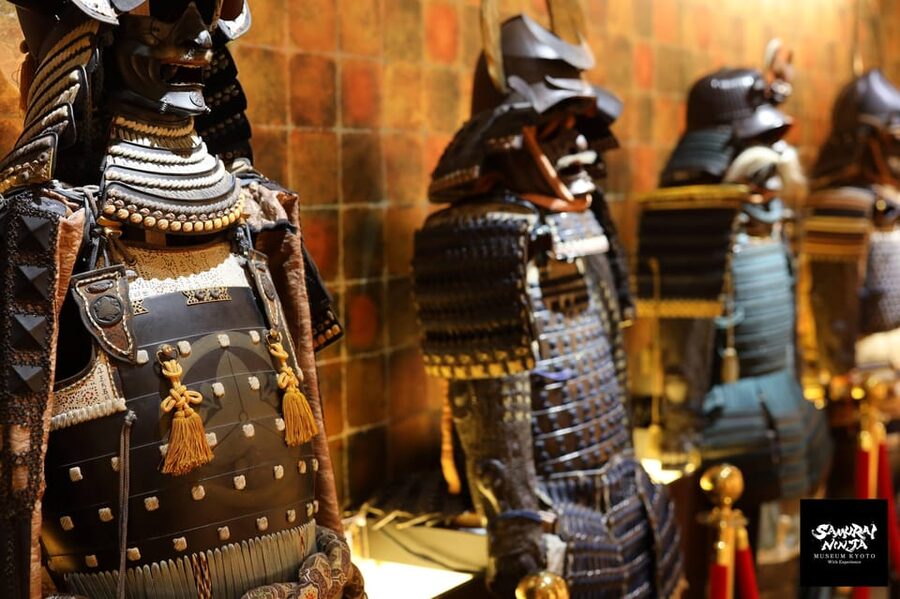
At $63 per person for a 2-hour experience, the real question is value. What you get here is not only a lesson. You get instruction, costume use, museum tour time, themed photo opportunities, and a ninja weapons trial.
If you were to compare it to separate costs, sword training alone in Tokyo can add up quickly. Then add museum time, photo setups, and the gear rental piece. Here, all of that is bundled, and the group size stays small enough that the coaching and attention don’t vanish.
You also get flexibility options, like free cancellation up to 24 hours in advance, and the ability to reserve first and pay later. For Tokyo, where plans can change fast, that matters more than it seems.
Could you find cheaper entertainment? Sure. But the specific combination of wearing armor, learning sword basics, and trying ninja weapons makes this one of the more complete “Tokyo fun plus culture” options.
Group Size and Pacing: What Small Groups Mean in Practice
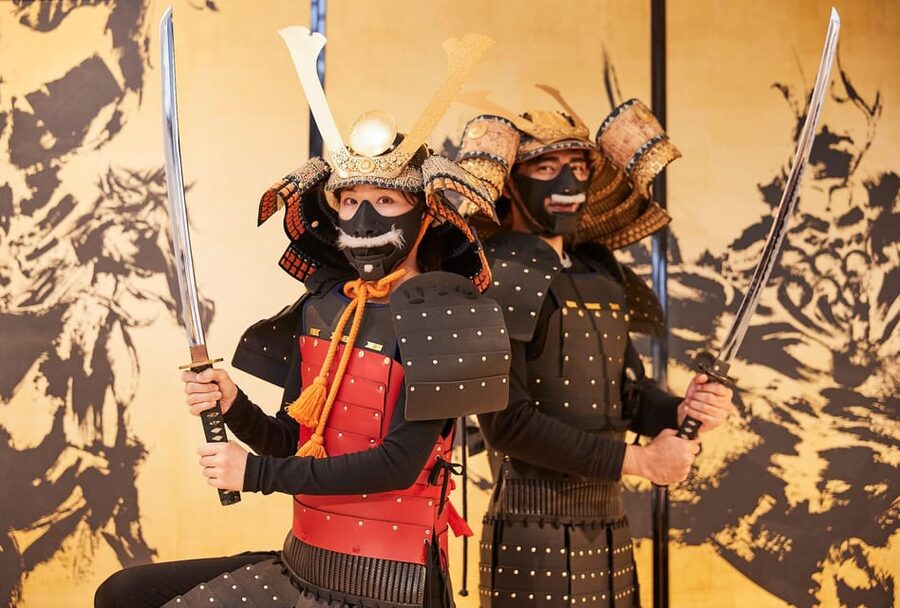
This activity caps at a maximum of 16 participants. That helps in two ways. One, your time with the instructor doesn’t get swallowed by a bigger crowd. Two, the session stays energetic enough for families but still controlled.
If you want a calmer vibe, you may see options for private or small groups. That can be worth it if you’re traveling with very young kids, if someone in your party is a nervous beginner, or if you simply want more time for questions.
The 2-hour duration also means pacing is tight. You’ll likely do a bit of everything, not hours of one skill. If you want a deep, long-form dojo experience, this isn’t trying to be that. It’s trying to be a high-energy, beginner-friendly introduction that leaves you with confidence and photos.
Who This Tour Fits Best in Tokyo
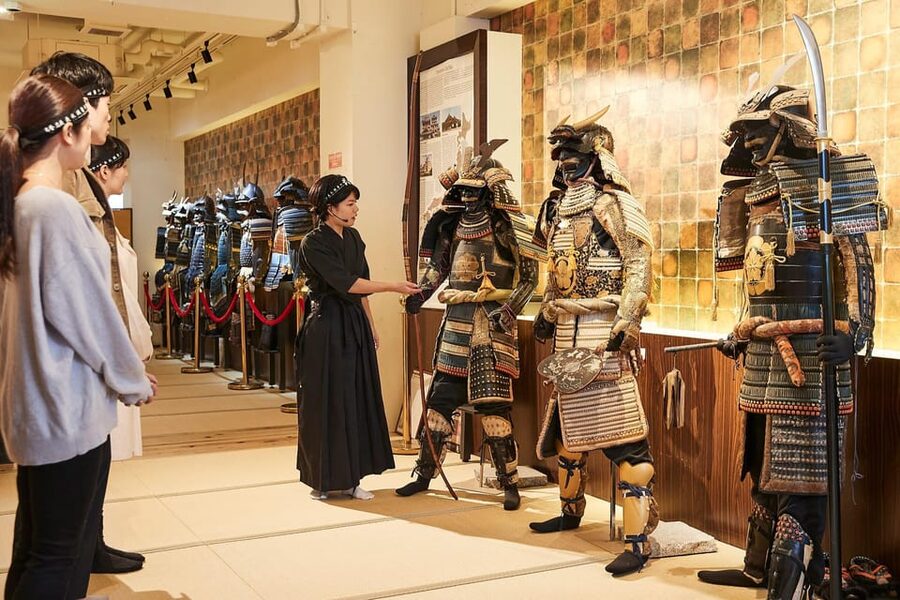
This works well for families, because it combines movement, costumes, and a guided museum walk. Kids typically respond well to the ninja throwing and the structured sword drills, and they also like the theatrical photo portion.
It’s also a great choice for couples or solo visitors who want something different from the usual museum routine. If you’re the type who learns better by doing, you’ll like that your first Tokyo samurai lesson is hands-on, not just observation.
Beginners should feel comfortable signing up, since instruction is designed for novices. Even if you’re not coordinated, the basics are broken down step by step, and the class is structured enough to keep you from getting lost.
If you’re sensitive to noise or crowds, aim for the time slot that feels less busy, and remember the venue space can be compact.
Quick Tips Before You Go
A few practical moves can make the experience smoother.
- Wear comfortable clothes you can move in before you change into the hakama.
- If you’re bringing kids, remind them that the rules are part of the fun, since training is supervised.
- Take a quick look at your schedule, because the 2-hour block includes dressing, training, museum time, photos, and ninja tryouts.
Also, children under 6 cannot enter the samurai venue, so plan accordingly if you’re traveling with younger kids.
Should You Book Samurai Ninja Museum Asakusa?
If you want a memorable Tokyo activity that mixes costume use, katana fundamentals, and ninja shuriken practice all in one 2-hour block, I think it’s an easy yes. The $63 price makes sense because it bundles instruction, gear, museum touring, and photos.
I would only hesitate if you’re searching for a long, advanced sword training program, or if you dislike time-boxed experiences. Otherwise, this is one of the better “do something hands-on” options in Asakusa, especially for families and first-timers.
FAQ
How long is the Samurai Sword Lesson and Tour?
The experience runs for 2 hours.
What’s included in the $63 per person experience?
You get the samurai sword lesson, use of hakama, use of a samurai helmet and samurai armor, themed photo opportunities, and a ninja weapons trial.
Is there a minimum age to enter the samurai venue?
Children under 6 can not enter the samurai venue.
Is the tour guided and in English?
Yes. There is a live tour guide, and the language is English.
Is the activity wheelchair accessible?
Yes, it is listed as wheelchair accessible.
What is the cancellation policy?
You can cancel up to 24 hours in advance for a full refund.
More Museum Experiences in Tokyo


More Tours in Tokyo






More Tour Reviews in Tokyo

Not for you? Here's more nearby things to do in Tokyo we have reviewed












Asakusa Tours, side by side.
 ★ 4.8Japanese Dance Cabaret Theater Asakusa-Kaguwa TicketFrom $492,270 reviews
 ★ 4.7Meiji Shrine, Asakusa, Skytree Bus Tour and CruiseFrom $1221,986 reviews
 ★ 4.9Roll and Authentic Sushi Making Class in AsakusaFrom $581,957 reviews
 ★ 4.8Asakusa Walking Tour with Sensoji Temple VisitFrom $221,583 reviews
 ★ 5.0Tokyo Asakusa Rickshaw TourFrom $421,375 reviews
 ★ 4.5Tokyo Panoramic 1 Day: Meiji Shrine, Asakusa, Odaiba and SKYTREE®From $851,222 reviews
 ★ 5.0Tokyo Go Kart: Asakusa, Skytree, and Akihabara **IDP MUST**From $99988 reviews
 ★ 4.7Asakusa, Skytree & Akhihabara Go-Kart City ExperienceFrom $96761 reviews
This tour also belongs to