

Review · TSUKIJI MARKET TOURS
Tokyo: Tsukiji Market and Hama-rikyu Gardens Guided Tour
Market chaos, then garden calm. That contrast is what makes the Tsukiji Market and Hama-rikyu guided tour such an easy win, pairing Tokyo food culture with a quieter Edo-period retreat at Tsukiji and Hama-rikyu. I especially like how the guide helps you make sense of the food stalls and the market’s sheer variety, and I also like the shift from crowded streets to serene pond views and seasonal flowers.
One catch to plan for is the amount of walking and standing. Wear comfortable shoes, and if you’re pregnant or have mobility limits, double-check whether this tour style fits you.
You get a smooth, time-smart format too. In about 150 minutes to 3 hours, you hit the main sights in a logical order, with guided time plus free time to shop and snack.
Key highlights you’ll actually feel
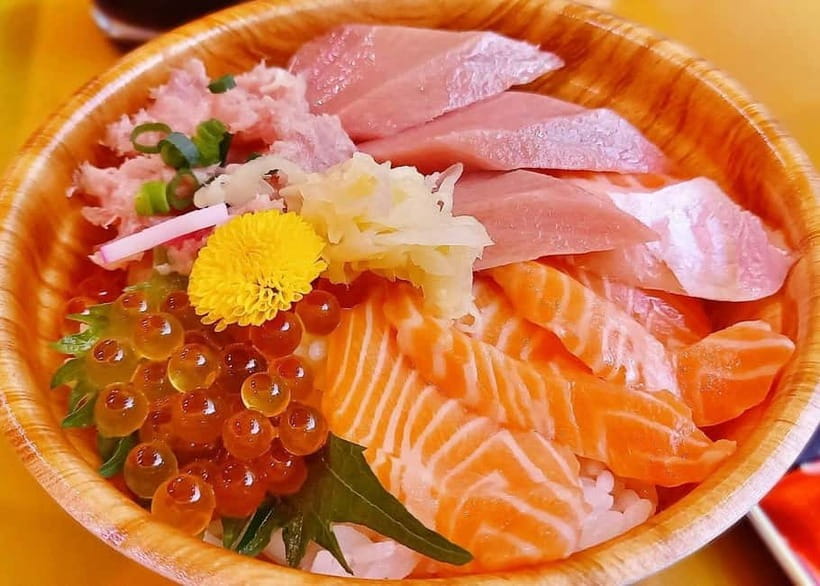
- Tsukiji Hongwanji Temple first: a calm, spiritual start with unique architecture before the market noise.
- Outer Market with real food energy: you’ll see roughly 480 seafood and 270 produce categories and taste along the way.
- Stalls are not included, by design: you’re free to buy what you want, without a forced set menu.
- Edo-period garden timing: Hama-rikyu gives you seasonal flowers and a classic Tokyo skyline backdrop.
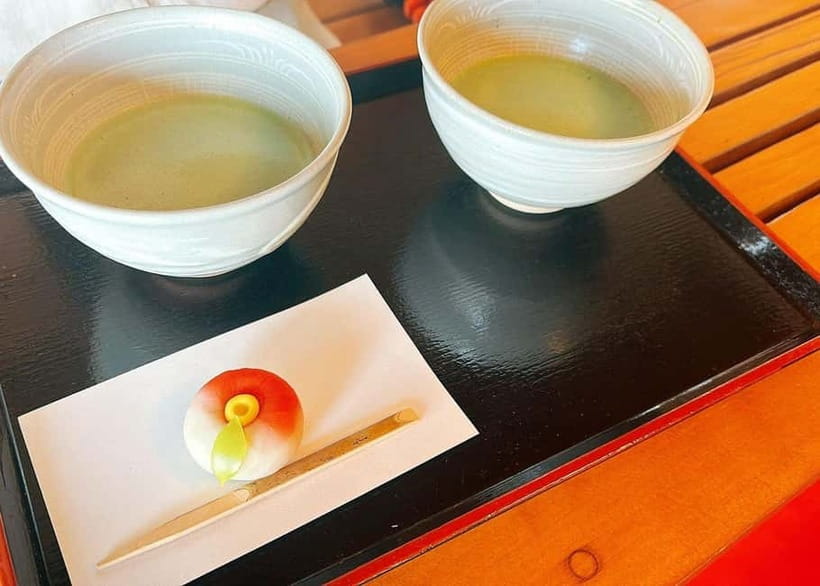
- Optional matcha and wagashi: etiquette talk plus a paid tasting option (about 1,000 yen) on-site.
Tsukiji Hongwanji Temple: a quiet reset before the seafood scene
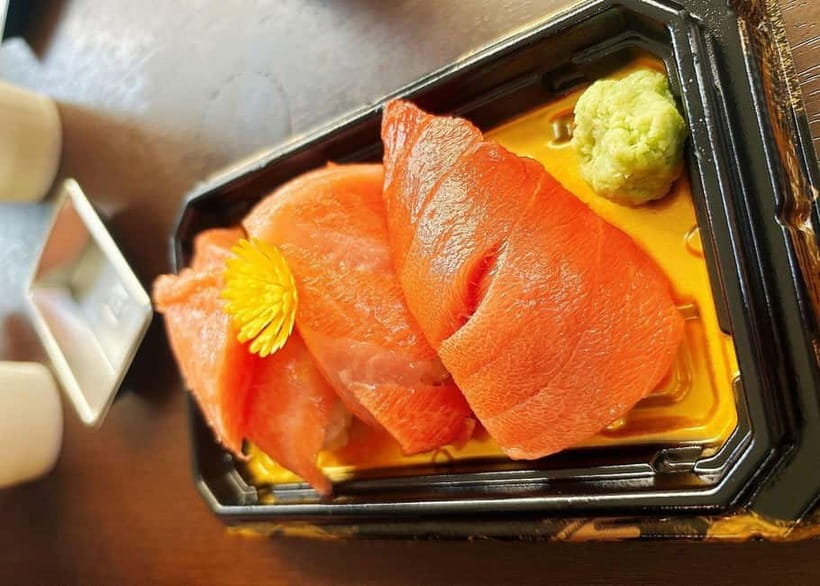
The tour begins where your morning sanity still has room to breathe, in front of Starbucks at Tsukiji Station (the Tsukiji-ekimae storefront). Your guide takes you to Tsukiji Hongwanji Temple for about 15 minutes, and that short stop matters more than it sounds.
Why? Because Tsukiji can feel like information overload once you’re inside. The temple gives you context first: this area has deep roots tied to commerce and daily life, not just Instagram photos. You get a brief look at the temple’s unique architecture and a chance to step into a calmer atmosphere, even if you’re only there for a moment.
Practical tip: treat this first stop like your gear check. From here, the rest of the route is walking, crowds, and plenty of looking up at signs and down at displays. If you can do ten minutes of calm attention at the start, the rest of the tour will feel easier.
You can also read our reviews of more guided tours in Tokyo


Tsukiji Outer Market: how to enjoy the food without getting lost
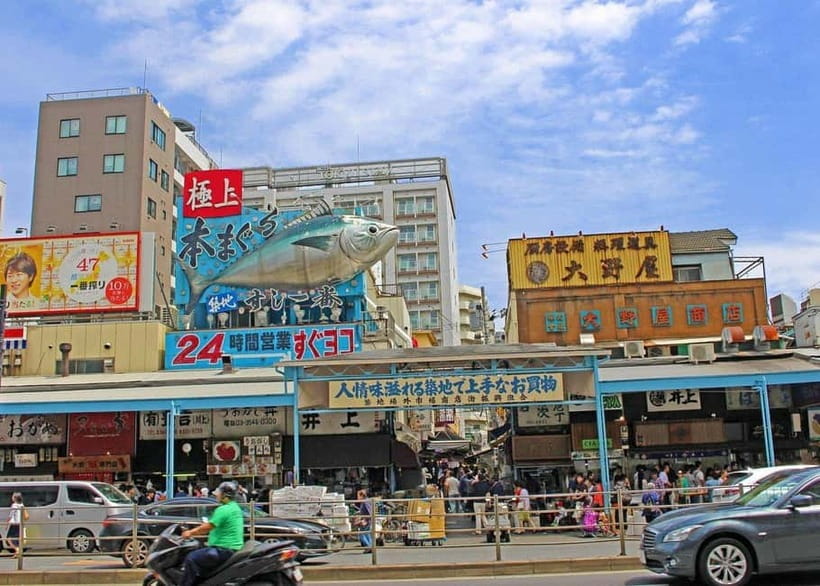
After the temple, you head into Tsukiji Outer Market for guided time plus free time for shopping. Expect about 45 minutes here. This is where the tour earns its keep, because Tsukiji isn’t just a market. It’s a food system.
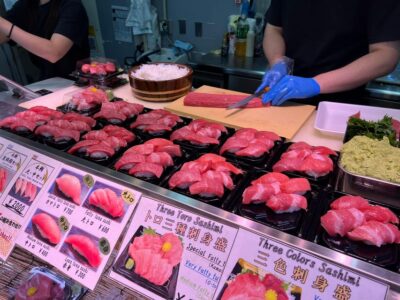
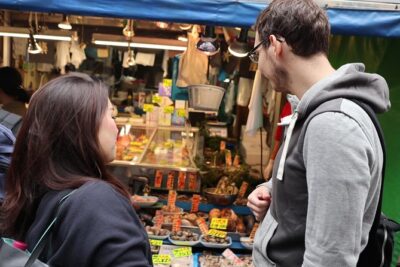
The numbers help you understand why a guide helps: the market handles around 480 types of seafood and 270 types of produce. Standing in front of stall counters, you’ll see how overwhelming it can be to decide what to try. With a guide, you don’t just wander blindly. You learn what to look for, what different stall items usually are, and how Japanese food culture shows up in small bites.
What you can expect to eat as you stroll
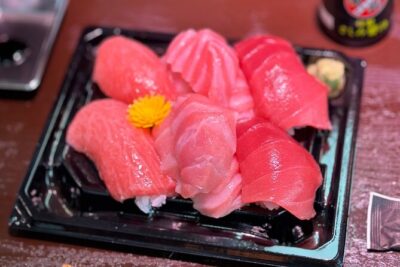
The tour is set up for snacking. You might see and try things like grilled scallops, tamagoyaki (Japanese omelette), sushi, wagyu skewers, and matcha sweets. The exact stalls can vary, but the pattern is consistent: small portions, quick tastes, and lots of variety.
The important detail for value: meals are not included. Foods from stall holders are optional and you pay on-site. That’s actually good for most people. You can taste widely without feeling locked into a specific menu, and you can budget based on your appetite.
Possible downside: if you hate crowds or you’re sensitive to smells from raw ingredients and grilling, Outer Market may feel intense. You’re moving through narrow areas with active vendors, so patience helps.
The guide’s real job: translating chaos into choices
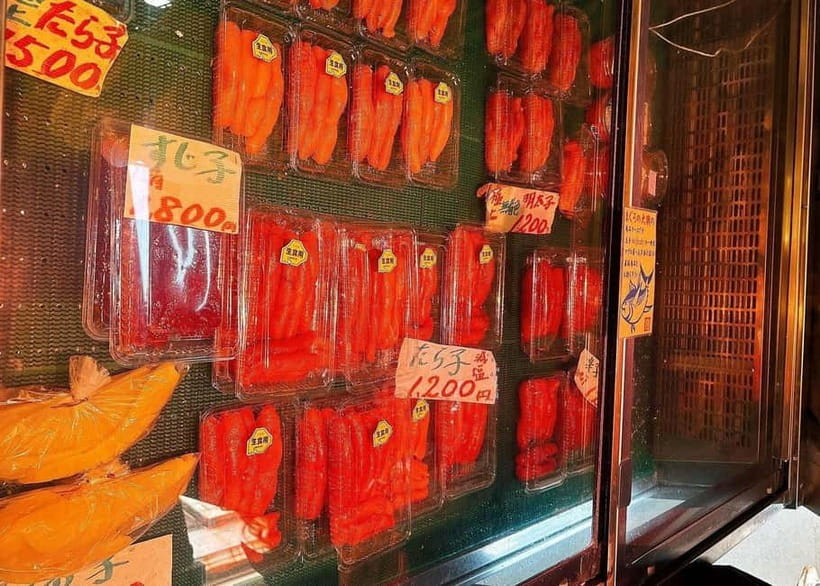
In places like Tsukiji, the guide role is less about reciting facts and more about helping you make smart decisions quickly. Even when you have free time, you’re not starting from zero.
Here’s how that shows up during this tour:
- You’re given a clear order to follow so you don’t waste time backtracking.
- You get help understanding what you’re looking at, especially when it’s unfamiliar (different seafood cuts, different snack formats).
- You get a sense of which foods are best for quick bites versus something you should save for later.
This is also why I like this tour format for first-time visitors. If you only have a short window in Tokyo, you don’t want to spend it guessing which stalls are worth it.
If you want to shop too
Outer Market includes shopping time, and you’ll have chances to buy snacks, dried goods, or other market items. Just keep your expectations realistic: this isn’t a sit-down tasting class. It’s a walk-and-sample experience designed for curiosity and quick wins.
Walking from Tsukiji to Hama-rikyu: a simple, scenic transition
Between the market and the garden, you’ll walk for about 15 minutes. That short transfer is useful, because it changes the feel of the day. Tsukiji is about tight lanes and food intensity. Hama-rikyu is about space, water, and careful views.
Since transportation to and from attractions is not included (it’s a walking tour), your own legs matter. This is another reason to wear shoes you trust. You’ll be on your feet more than you might expect for a tour that’s under three hours total.
Bring a camera and water
The tour notes recommend comfortable shoes, a camera, and water. I agree with all three. Water is the unglamorous hero in hot or humid months. And the camera matters because Hama-rikyu does not only look pretty from one angle. You’ll want photos of pond views, seasonal flowers, and the skyline contrast.
Hama-rikyu Gardens: Edo-period calm with Tokyo views
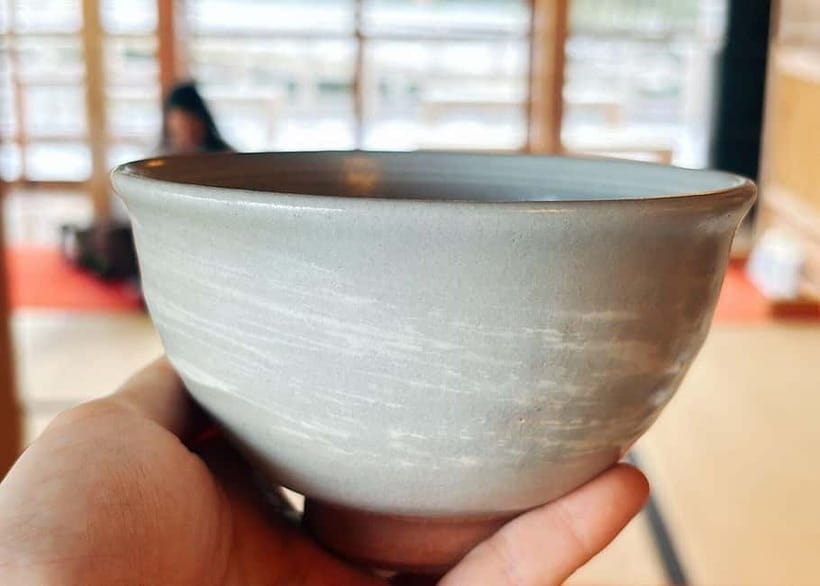
Hama-rikyu Gardens are where the tour flips the mood. You get guided time plus free time for about an hour. This is an Edo-period garden created over 370 years ago, and it’s built around refined viewing: water, promenades, and composed scenes that feel intentionally framed.
Depending on the season, you’ll see a variety of colorful flowers in full bloom. That’s a big reason to schedule this tour when you can, because the visual payoff changes across the year. Even if you’re not a hardcore garden person, the photos still land because the garden isn’t isolated from Tokyo. You get the contrast between the tranquil garden setting and the surrounding skyline.
What you might do here besides sightseeing
There’s also an optional element in the gardens. If you wish, you can learn about Japanese etiquette while doing a matcha and wagashi tasting. This part costs about 1,000 yen and is payable on-site.
Two practical notes about the tasting:
- It’s optional, so you’re not forced to pay if you’d rather focus on walking the garden.
- Matcha and wagashi are small by nature, so think of it as an experience add-on, not a meal.
For me, the etiquette angle is a nice touch because it fits the location. The garden isn’t just scenery. It’s also a cultural setting, where small rituals make more sense than they do on the street.
You can also read our reviews of more shopping tours in Tokyo


Price and value: what $31 buys you and what it doesn’t
At around $31 per person for a 150 minutes to 3 hours tour, this is priced like a “focused highlight” day. The big value points are what the tour includes:
- Hama-rikyu Gardens admission is included.
- You get a local guide for both main segments.
What’s not included is just as important:
- Transportation to and from attractions is not included because it’s on foot.
- Meals are not included.
- Foods at stall holders are optional and you pay on-site.
So what’s the real value calculation? You’re basically paying for guided direction, context, and time management, plus you’re not paying separately for the garden admission. If you enjoy snacking and you plan to try at least a few items at Tsukiji, this tour can end up feeling like a good deal because you’re spending money on food anyway, just with better guidance.
Who this tour is best for
This works well if you:
- Want Tsukiji food culture but don’t want the stress of figuring out the flow alone.
- Like contrasts in travel days, busy food streets followed by a quiet garden.
- Prefer a short, guided plan with room to browse on your own.
It may be less ideal if you:
- Get worn out by crowds quickly.
- Need lots of mobility support, because it’s a walking tour with standing time.
- Are trying to avoid additional on-site spending, since stall food and the matcha tasting are optional extras.
Timing, seasons, and photo planning for flowers
This tour explicitly mentions colorful flowers in full bloom depending on the season. That means your experience can vary in a good way. If you visit during peak bloom, Hama-rikyu can feel almost like a different attraction. If you’re in an off-season window, you can still enjoy the garden form and pond views, but the flower intensity may be lower.
Here’s how to plan your photos without overthinking it:
- Take wide shots first in the gardens to capture the water and skyline contrast.
- Then switch to closer shots when you find flower clusters.
- In Tsukiji, focus on the snack moments and the stall displays rather than trying to photograph everything. The best shots often happen when you pause for a bite.
And remember, the matcha and wagashi tasting, if you choose it, can change your garden timing slightly. It’s optional, so decide based on what you want most, food culture language or pure garden time.
Practical tips so your day goes smoothly
A few small things will make a noticeable difference.
Wear the right shoes
You’ll be walking multiple segments and you’ll be standing in market areas. Comfortable shoes are not a suggestion here.
Stay hydrated
Water is recommended. Tokyo can be hot, and you’ll burn energy moving through crowds plus searching for your next bite.
Plan your budget for optional spending
Foods at Tsukiji stalls are not included, so bring some cash or card for snacks. The matcha and wagashi option costs about 1,000 yen if you want to do it.
Respect the rules
Smoking is not allowed.
Bring your camera
Tsukiji offers food visuals and Hama-rikyu offers garden-water-skyline views. You’ll want both.
Should you book this Tsukiji and Hama-rikyu guided tour?
I think you should book it if you want a short Tokyo experience that feels thoughtfully arranged. It pairs a food-focused stop at Tsukiji with a calm garden break at Hama-rikyu, and the guide helps you turn a chaotic market into smart snack choices. The included Hama-rikyu admission also makes the price feel more balanced than tours that charge extra for entry.
Skip it or think twice if walking in crowds and standing time are tough for you, or if you only want a museum-style pace. This one is hands-on, feet-first, and best enjoyed when you’re ready to move.
If that sounds like your kind of day, this guided walk is a strong way to get both sides of Tokyo in just a few hours: food culture first, quiet garden second.
FAQ
Where is the meeting point?
Your guide waits in front of Starbucks at Tsukiji Station area, specifically the Starbucks Coffee Tsukiji-ekimae store.
How long is the tour?
It runs about 150 minutes to 3 hours, depending on the starting time available.
What does the tour include?
You get a local guide, plus admission to Hama-rikyu Gardens.
What is not included in the price?
Transportation is not included, since it’s a walking tour. Meals are not included, and foods from stall holders are optional and paid on-site. The matcha and wagashi tasting, if you choose it, also costs extra.
Is the matcha and wagashi tasting mandatory?
No, it’s optional. If you want it, it costs about 1,000 yen and is paid on-site.
What languages are available for the live guide?
The guide can be Chinese, English, French, Korean, or Spanish.
Where does the tour end?
The tour finishes at Hama-rikyu Onshi Teien (浜離宮恩賜庭園).
What should I bring?
Bring comfortable shoes, a camera, and water.
Is smoking allowed?
No, smoking is not allowed.
Is this tour wheelchair friendly?
It is listed as wheelchair accessible, but it also states it is not suitable for wheelchair users. If this affects you, it’s worth double-checking details with the operator before booking.
More Guided Tours in Tokyo


More Tours in Tokyo






More Tour Reviews in Tokyo


Not for you? Here's more nearby things to do in Tokyo we have reviewed












Tsukiji Market Tours, side by side.
 ★ 5.0Tokyo Tsukiji Fish Market Food and Culture Walking TourFrom $993,184 reviews
 ★ 5.0Tsukiji Fish Market Food and Walking tourFrom $301,724 reviews
 ★ 4.9Tsukiji Fish Market Guided Walking TourFrom $221,397 reviews
 ★ 5.0Tokyo Sushi Making Class in Tsukiji with Professional ChefFrom $491,177 reviews
 ★ 5.0Tsukiji Fish Market Guided Tour and Sushi Making with Pro ChefFrom $104775 reviews
★ 4.7Tsukiji Fish Market Food and Culture Walking TourFrom $96757 reviews
★ 5.0Tsukiji Fish Market Guided Tour and Sushi Making with Pro ChefFrom $104775 reviews
★ 4.7Tsukiji Fish Market Food and Culture Walking TourFrom $96757 reviews
 ★ 5.0Tsukiji Fish Market: Street Food & Culture Walking TourFrom $33669 reviews
 ★ 5.0Tsukiji Fish Market Small-Group Food Walking TourFrom $87621 reviews
This tour also belongs to