
Review · IMPERIAL PALACE TOURS
Tokyo walking tour around Imperial Palace and Tokyo Station
This walk hits Tokyo’s two faces fast, Imperial Palace calm and Tokyo Station big-city energy. I love the high-impact sights in just 2 hours, and I especially like how the route threads through Marunouchi office buildings before you reach the Nijubashi and Sakuradamon gates. One thing to consider: it is a city walk, so wear shoes you can stand and walk in for the full loop.
I also like that you get proper context from your guide, not just photo stops. Guides I saw referenced, like Mikio, Masahito, and Miho, are praised for adjusting the pace to the group and answering questions in a way that keeps even teenagers engaged. The possible drawback is the small group size, limited to 4, which means you’ll want to show up on time to get the best start.
Key highlights at a glance
- Marunouchi to the Imperial Palace gates in a tightly timed route
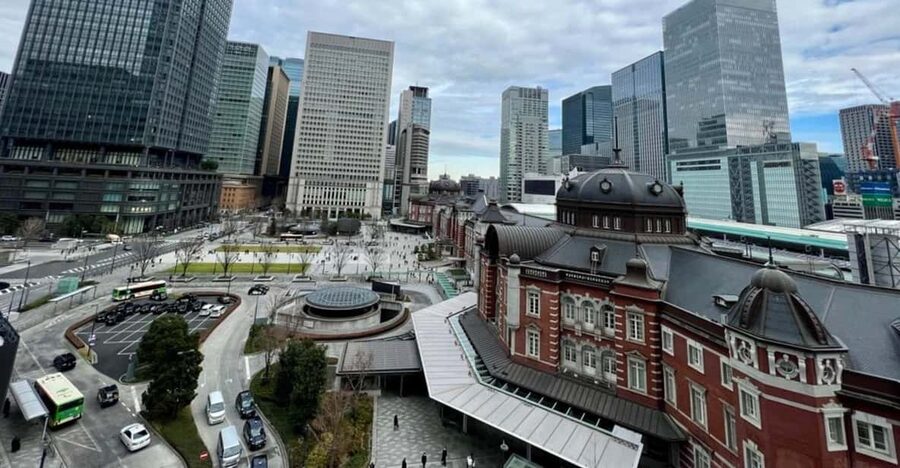
- Tokyo Station viewpoints from the JP building at KITTE (JP Tower)
- Japan Post building and major Marunouchi office landmarks with guided stops
- Meiji Life Insurance Company area, plus Meiji Seimei Kan as a photo-and-story checkpoint
- Nijubashi Bridge history plus the stone and iron details
- Sakuradamon Gate as the walk’s ceremonial finish area
Marunouchi and the Imperial Palace, side by side
This tour is built around a simple idea: Tokyo looks different depending on where you stand. On one side, you get the geometric, business-forward world of Marunouchi and Tokyo Station. On the other, you reach the Imperial Palace outer grounds and the famous gates that signal the transition from modern city power to formal, ceremonial space.
I like that the route starts near Tokyo Station and still keeps the experience focused. You are not wandering aimlessly through the maze. Instead, you are moving stop to stop, with a guide who helps you understand what you are looking at and why it matters.
A small group, limited to 4 participants, changes the feel. You can ask questions and you are not competing with a crowd for a quick explanation at a curbside photo moment. If you come with specific interests, you’ll likely get better mileage out of your questions because the guide can tailor the flow.
You can also read our reviews of more walking tours in Tokyo


Meeting point and the walking rhythm (2 hours, small group)
You meet in front of the POLICE BOX near the Tokyo Station Marunouchi South Exit, at 1-9-1 Marunouchi, Chiyoda-ku. The tour is 2 hours, and the timing includes short guided segments at each key location, so you should plan for steady walking rather than a stop-and-sit pace.
The schedule is broken into guided windows that add up quickly: Tokyo Station (10 minutes), Marunouchi Building (10 minutes), KITTE Marunouchi (15 minutes), Meiji Seimei Kan (30 minutes), Nijubashi Bridge (30 minutes), and Sakurada-mon Gate (25 minutes). That structure helps because you see the big architecture moments without losing the thread.
You also finish at 霞が関駅 (Kasumigaseki Station). That is a nice bonus if you plan to keep exploring after the tour, or if your hotel or next stop is closer to that area.
The Mitsubishi-era Tokyo Station and Marunouchi connection
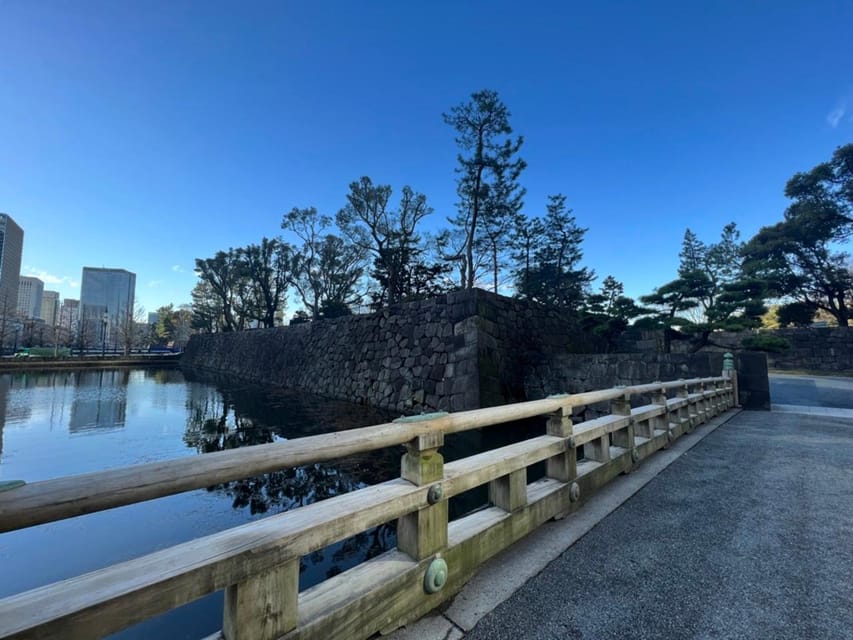
A detail I really like in how this walk is framed: the Marunouchi area was purchased and developed by Mitsubishi Corp since 1890. That is not just trivia. It helps you look at the blocks, the building scale, and the corporate landscape with better context.
When you understand that origin story, Tokyo Station stops being only a train hub. It becomes a centerpiece of a planned, modern city district that grew around transport, business, and prestige. The guide’s job here is to connect those dots while you are standing in the middle of it.
If you are the type who enjoys architecture and city planning, this is where the tour starts paying off. You will spend more time noticing alignments, entrances, and how different building styles share space without feeling chaotic.
Tokyo Station stops: what you see beyond the platform photos
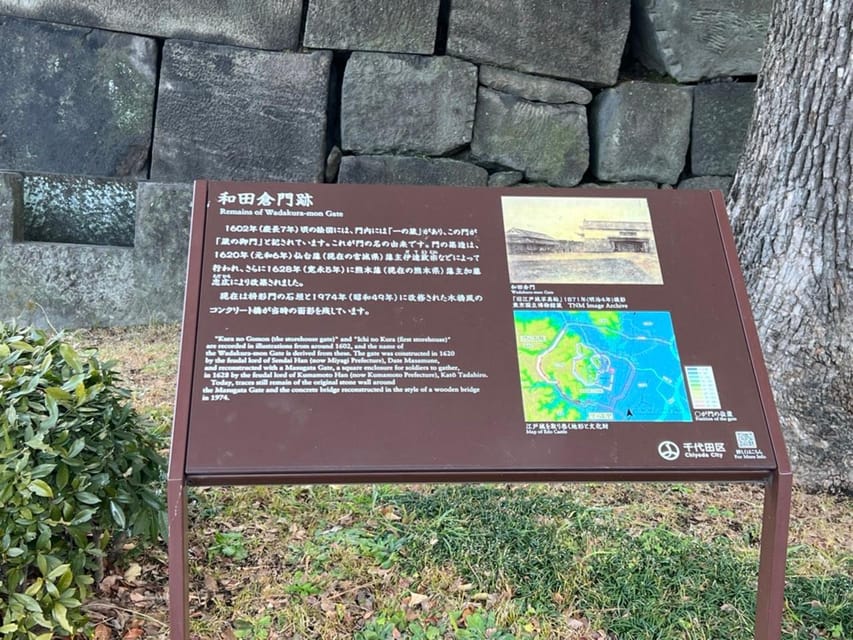
The first major timed stop is Tokyo Station itself, 10 minutes with the guide. Tokyo Station is one of those places where a quick walk-through can turn into a photo-fest if you don’t know what to look for. The value of the tour is that it helps you focus on the exterior design and the surrounding streetscape, then turns those observations into something you can remember later.
Right after that, you move into the Marunouchi Building (another 10-minute guided stop). This is a chance to notice how Marunouchi office buildings sit next to the transit core. You are looking at a district built for movement and commerce, but with a clear sense of order.
Then the tour shifts to Japan Post building through the KITTE Marunouchi area, where a guided stop runs 15 minutes. This is where the experience gets very practical for visitors: it sets you up to grab a strong viewpoint of Tokyo Station from inside the JP building at KITTE.
Getting the KITTE viewpoint right (JP Tower from the right angle)
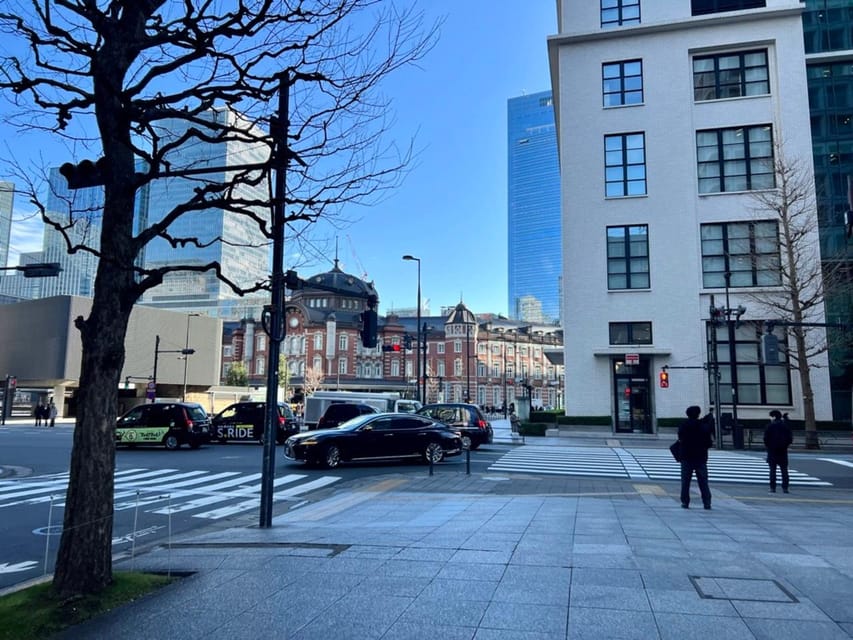
One of the most memorable moments on this walk is the view of Tokyo Station from the JP building, at KITTE. It is a classic angle that works because it frames the station architecture with a “you are elevated” perspective, instead of the street-level chaos of people constantly crossing.
This is also where the tour saves you time. You can absolutely try to figure it out on your own, but you might not know which viewpoint best explains the station’s layout. With the guide, you get the why, not just the where.
I also appreciate that you are not stuck there for half the tour. The stop is long enough to let you take photos, but short enough that you still reach the Imperial Palace gates while the light is reasonable and your legs are still okay.






Meiji Seimei Kan and the office-building aesthetic you can actually learn
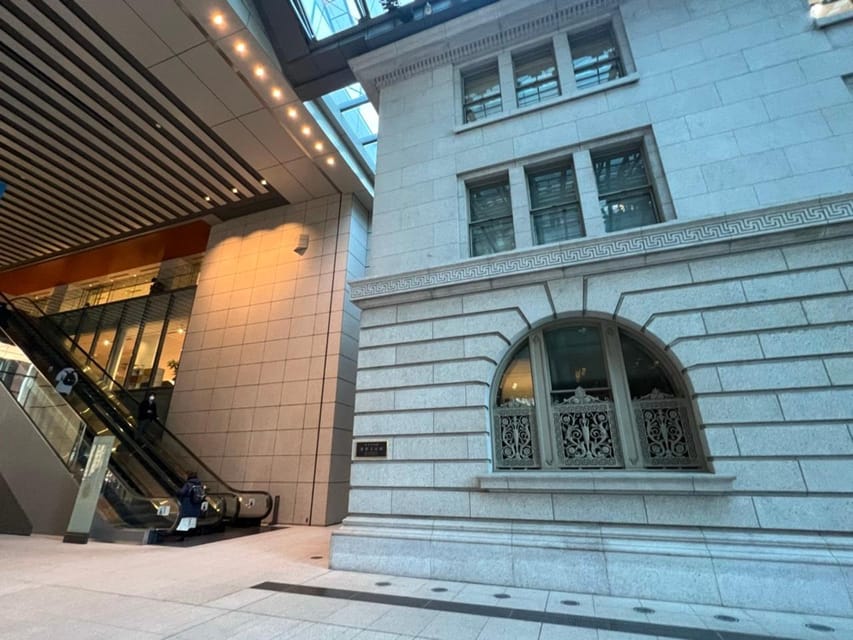
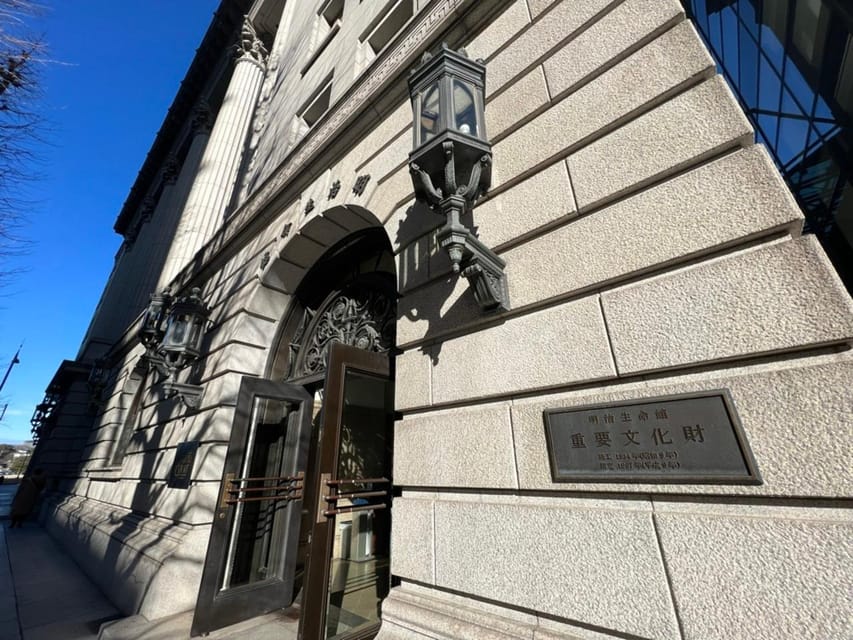
Next is Meiji Seimei Kan, with a 30-minute guided segment. This is one of the tour’s bigger blocks of time, which signals that the guide expects you to slow down and really look.
The tour also references the Meiji Life Insurance Company building, which fits the theme of Marunouchi as a district shaped by major institutions. Even if you are not an architecture superfan, this stop helps you see how design language repeats across Tokyo’s corporate landmarks: large-scale symmetry, careful entry placement, and a sense of formality in the way facades are built.
If you are traveling with a teenager, this is the kind of stop that can work because it is visual and you can ask questions. One of the guide stories I heard tied to Mikio was about engaging teenagers and keeping the learning fun, and this is exactly the type of location that supports that approach.
Imperial Palace outer grounds: the change in pace you feel in your body
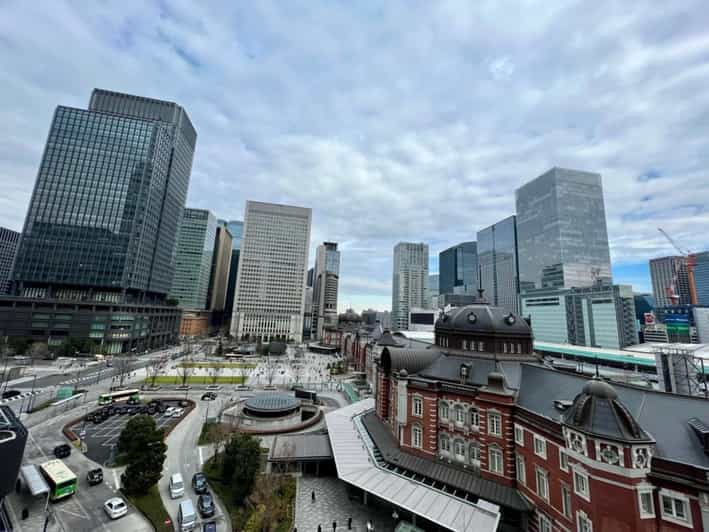
After the station and office area, the tour moves to the Imperial Palace outer garden area. The key word here is outer. You are not promised the inside experience, and that matters because you should treat this as a look at the perimeter, the approaches, and the ceremonial transition points.
What I like about starting from the outside edge is that it gives you a readable contrast. You go from busy streets and hard edges to a slower feel where the space around you changes. Even if you are not visiting at a special seasonal moment, the gates and bridge approach help you understand how Tokyo holds onto formality alongside modern development.
This section is also a good reminder that the Imperial Palace area is not just one landmark. It is a system of routes, walls, and gateway moments that guide how people see and move through space.
Nijubashi Bridge: stone, iron, and a story you can repeat
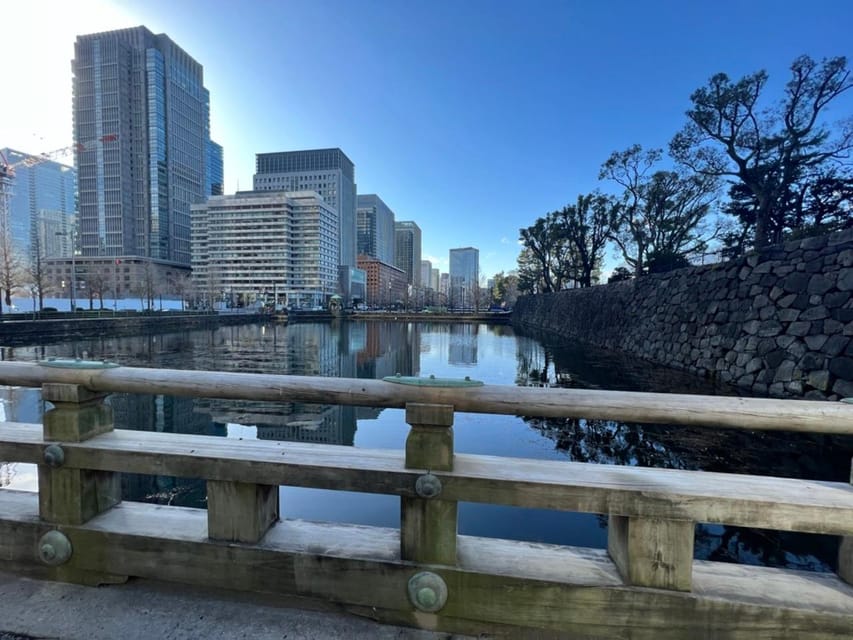
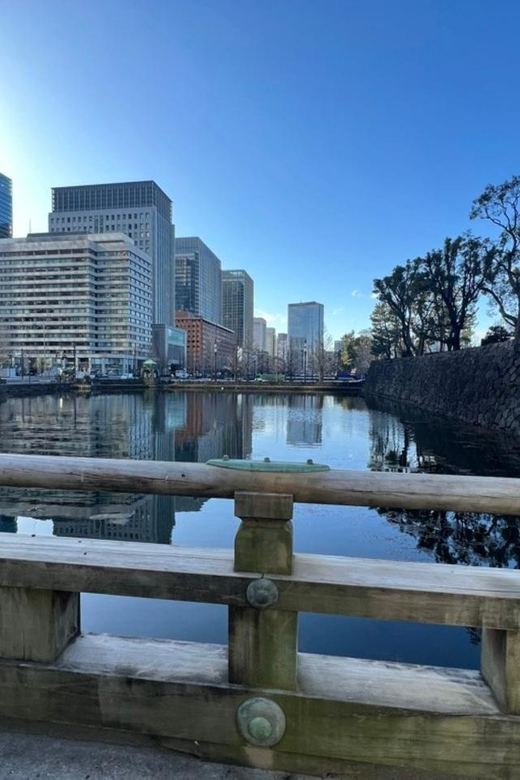
The Nijubashi Bridge stop is 30 minutes. This is a major reason the tour is worth doing with a guide. The bridge is visually striking, but the real payoff is the explanation of its storied history and what makes the stone and iron details meaningful.
When you walk up to Nijubashi, it is easy to see only the photo. With guidance, you learn what the bridge represents in the palace’s layout and why that bridge acts like a boundary marker in the overall complex.
I like that this part of the tour gives you something you can use later. If you see Nijubashi on your own after this, you will likely know what you are looking at beyond the postcard angle. That is how a two-hour tour earns its keep.
Sakurada-mon Gate: closing the ceremonial loop
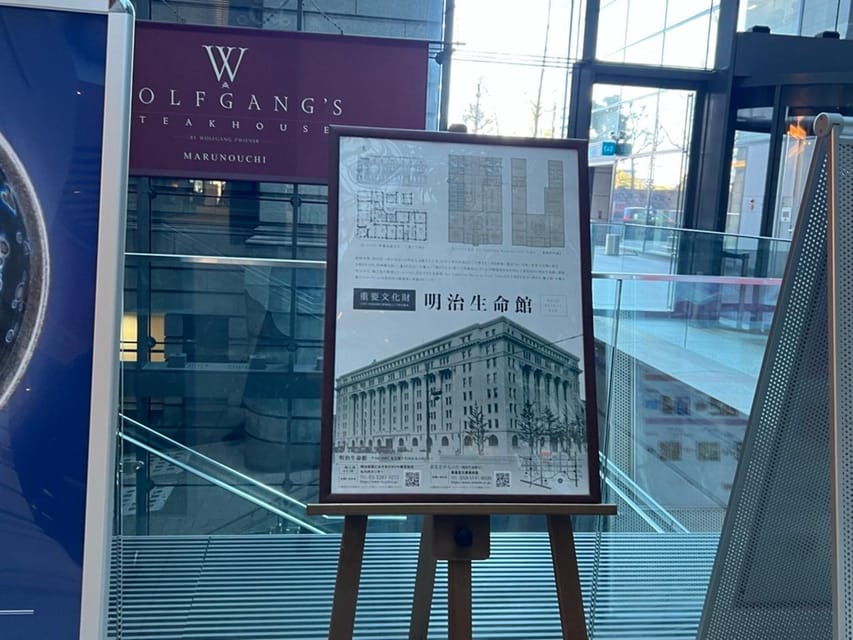
The final big sight is Sakurada-mon Gate, 25 minutes with the guide. This is a satisfying wrap because it lands you at a well-known, ceremonial threshold. The experience feels complete because you have just come through Nijubashi, and now you see the gateway moment that connects visitors to the idea of the Imperial Palace.
If you like the “one district, one theme” approach, this ending works. You have been moving through Tokyo Station and Marunouchi architecture, then shifting into palace-edge symbolism. The guide ties the route together so it feels like one story, not disconnected stops.
You finish at 霞が関駅, which is helpful if your next plan is in central business areas. It is also a practical end point, because you are leaving the tour with a clear direction rather than getting dropped in the middle of a crowded decision zone.
Price and value: is $49 worth it?
At $49 per person for a 2-hour, small-group walk, I see this as value aimed at visitors who want structure. You are not paying for a long attraction ticket. You are paying for guide time, coordination between multiple major landmarks, and explanations that help you interpret what you see at each stop.
The small group limit to 4 is a big part of the value. It reduces the “watch the guide from far away” problem common on larger tours. If you care about getting your questions answered, the group size makes a difference.
Also, the tour covers several high-recognition locations in a tight chain: Tokyo Station, Japan Post building/KITTE viewpoint, Marunouchi Building, Meiji Seimei Kan and the Meiji Life Insurance building area, Nijubashi Bridge, and Sakurada-mon Gate. Doing all of that with a guide who keeps the story straight is more efficient than trying to cobble it together across the city on your own.
Who this tour fits best
I think this is a strong match if you:
- Want an organized 2-hour walk that connects Tokyo Station and the Imperial Palace gates without guesswork
- Like architecture and city layout, especially the contrast between corporate Marunouchi and ceremonial Imperial spaces
- Prefer small groups, where you can ask questions and keep the pace comfortable
- Are traveling with teens, since guides like Mikio have been praised for engaging younger participants in a fun learning style
You might skip it if you already feel confident navigating these sights on your own and you only want photo stops. A guide adds value mainly when you want the meaning behind the view, not just another skyline snapshot.
Should you book Tokyo Station and Imperial Palace walking tour?
If you want a fast, well-structured taste of Marunouchi and the Imperial Palace edge, I would book it. The route makes smart use of time, includes a standout viewpoint from KITTE’s JP building, and ends at Sakurada-mon Gate after the important Nijubashi Bridge moment.
The biggest reason to choose this one is how it is described through real guide experiences: names like Mikio, Masahito, and Miho are linked with flexibility, preference checks, and good question handling. That kind of guide responsiveness matters when you want a tour that adapts to your group, not a rigid script.
If you are in the Tokyo Station to Imperial Palace orbit and you only have a short window, this is a practical way to get oriented fast and leave with more than just photos.
FAQ
What is the duration of the Tokyo Station and Imperial Palace walking tour?
The tour lasts 2 hours.
How much does the tour cost?
The price is $49 per person.
How many people are in the group?
The group is limited to 4 participants.
What languages are available for the guide?
The live tour guide is available in Japanese and English.
Where do I meet the guide?
Meet in front of the POLICE BOX near the Tokyo Station Marunouchi South Exit at 1-9-1 Marunouchi, Chiyoda-ku, Tokyo 100-0005.
Where does the tour end?
The tour finishes at 霞が関駅 (Kasumigaseki Station).
What are the main stops on the route?
The tour includes Tokyo Station, Marunouchi Building, KITTE Marunouchi (JP building view), Meiji Seimei Kan (Meiji Life area), Nijubashi Bridge, and Sakurada-mon Gate, plus the Imperial Palace Outer Garden area.
Are viewpoints included during the tour?
Yes. The tour includes a view of Tokyo Station from the JP building at KITTE Marunouchi.
Is there a free cancellation option?
The activity offers free cancellation up to 24 hours in advance for a full refund.
More Walking Tours in Tokyo


More Tours in Tokyo


More Tour Reviews in Tokyo
Not for you? Here's more nearby things to do in Tokyo we have reviewed












Imperial Palace Tours, side by side.
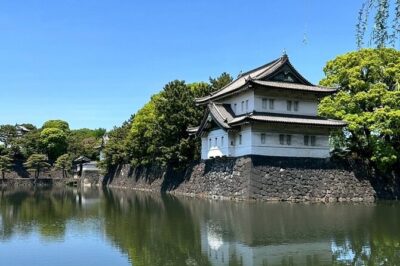 ★ 5.0Imperial Palace and Shogun Historical Walking TourFrom $222,251 reviews
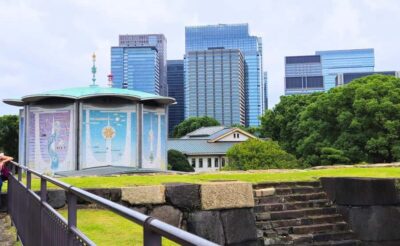 ★ 4.9Imperial Palace Japanese History Walking TourFrom $32987 reviews
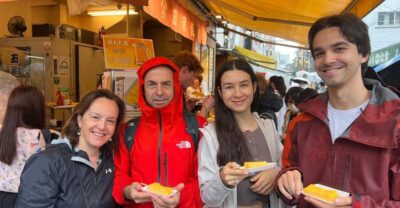 ★ 4.9Imperial Palace and Shogun Walking TourFrom $16935 reviews
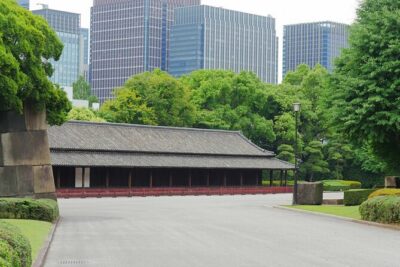 ★ 5.0Imperial Palace East Garden and Edo Castle Walking Tour in TokyoFrom $25510 reviews
 ★ 4.8Imperial Palace East Gardens Walking TourFrom $19353 reviews
 ★ 4.5Imperial Palace, Sensō-ji Temple, & Tokyo Tower TourFrom $40339 reviews
 ★ 5.0Tokyo Castle, Imperial Palace, Shogun & Garden Walking TourFrom $31211 reviews
 ★ 4.7Edo Castle & East Garden of the Imperial Palace TourFrom $42112 reviews
This tour also belongs to