Review · TOKYO
When Emperors Reigned and Shoguns Ruled
Ancient power, calm temples, great photos. This 4-hour Kamakura tour connects the Kamakura Period (1185 to 1333) to what you see on the ground, from shogunate rule to samurai life and the rise of Zen Buddhism. I especially like the mix of classic sights plus real-time photo help from a professional photographer guide, so your day looks as good as it feels.
One watch-out: two of the biggest stops have admission that is not included. Kotoku-in (Great Buddha of Kamakura) and Hasedera Temple both cost extra on the day, so plan for that if you are budgeting tightly.
Key things that make this tour work
- Choose your start time, with options so you can shape your day around crowds and weather
- Photo support built in, with a photographer guide snapping shots as you walk
- Kamakura Period focus, linking sites to the shogunate, samurai, and Zen Buddhism
- Free entry first and middle, since Wakamiya Main Street, Tsurugaoka Hachimangu, and Komachidori do not charge admission
- Small group feel, designed for up to eight people, which makes questions and pacing easier
The Kamakura Period story you can see, not just read
Kamakura can feel like a bunch of famous temples and shrines, unless you get the context. This tour’s strength is that it frames what you are looking at as part of a political and cultural shift. You start with the shogunate government and samurai power, then connect that to how religion moved and why Zen Buddhism grew influential here during the Kamakura Period.
That matters because each site has a different “job.” Some are about authority and ritual. Others are about spiritual practice, art, and how people found meaning in everyday life. When you understand the why, you stop treating the stops like checkboxes and start noticing the patterns: how power expresses itself in buildings, how devotion expresses itself in statues, and how the town’s layout supports a steady flow of visitors.
I also like that the pacing is built for asking questions. You are not stuck listening for long stretches. Instead, you are walking, stopping, looking, and then getting answers that help you interpret what you see.
You can also read our reviews of more tours and experiences in Kamakura.
Wakamiya Main Street and Tsurugaoka Hachimangu: a strong free start
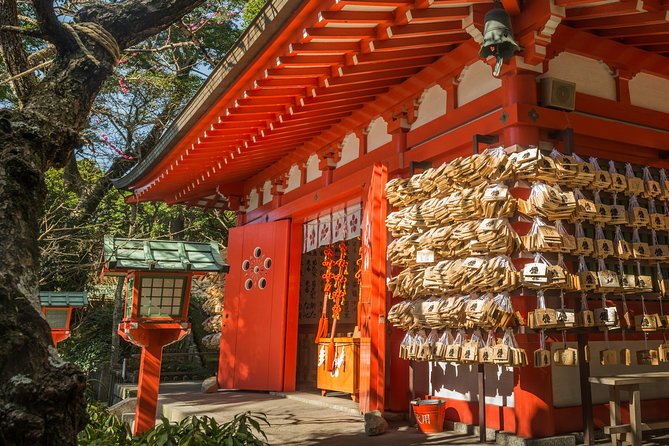
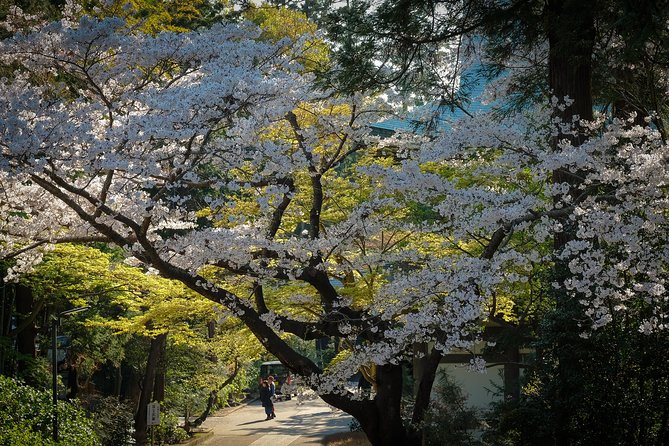
You begin in the best place for first impressions, Kamakura Station, then you head toward Wakamiya Main Street. This is your warm-up stop, about 20 minutes, and it is free. It is a scenic walk to the main shrine area, and it helps you get your bearings fast, before the heavier temple time.
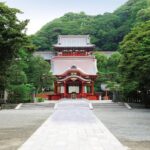
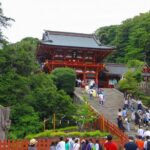
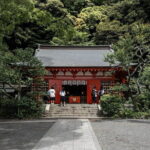
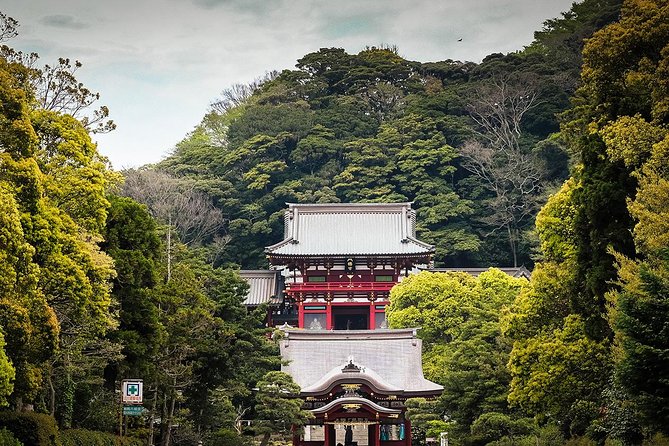
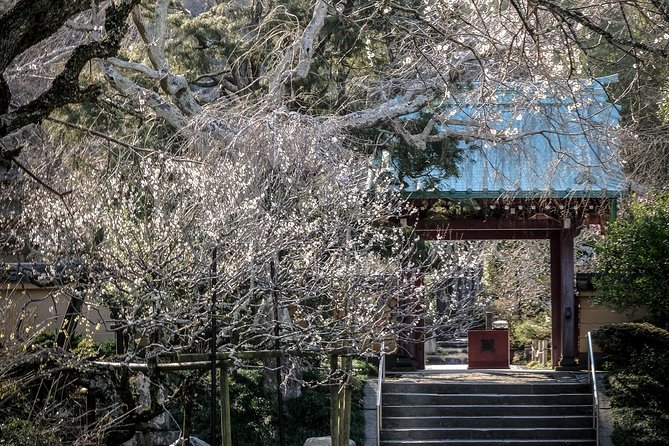
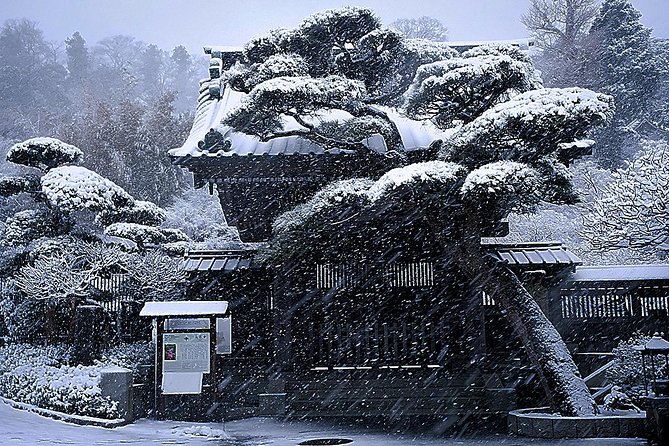
Then comes Tsurugaoka Hachimangu Shrine, the big one at the start of the route. It is free and lasts about 50 minutes. The key detail here is historical and practical: it was built by the first shogun, Minamoto Yoritomo, in the 12th century. The shrine is also described as one of Japan’s three most important Shinto shrines, which tells you this is not a small side stop.
What you get from this combination is balance. Wakamiya Main Street makes you feel like you are stepping into Kamakura life today. Tsurugaoka Hachimangu anchors you in the older layer, so later stops do not feel random. If you like when a tour gives you a storyline you can carry forward, this start delivers.
A small consideration: because this is a popular shrine area, you may see lines and slow movement at peak times. The tour length is short, so you will want to keep your attention on the guide’s timing, not your phone.
Komachidori: the free 50 minutes that keeps the day human
Next is Kamakura Komachidori, the town’s famous shopping street, for about 50 minutes. Admission is free. This stop is not just for shopping. It is a pressure-release valve in the middle of the tour.
Think of it as your mid-day reset. You can snack, browse, and reorient without feeling like you are losing ground. The street is lined with shops and stalls selling sweets, snacks, and souvenirs, so it is an easy way to taste the town and pick up small gifts that do not require a big plan.
If you are traveling solo, this stop can also be surprisingly helpful. You get a change of pace from shrine steps and temple halls, and it is a natural place to take photos that show street life, not just monuments.
Kotoku-in Great Buddha: one of the day’s best sights, with extra cost
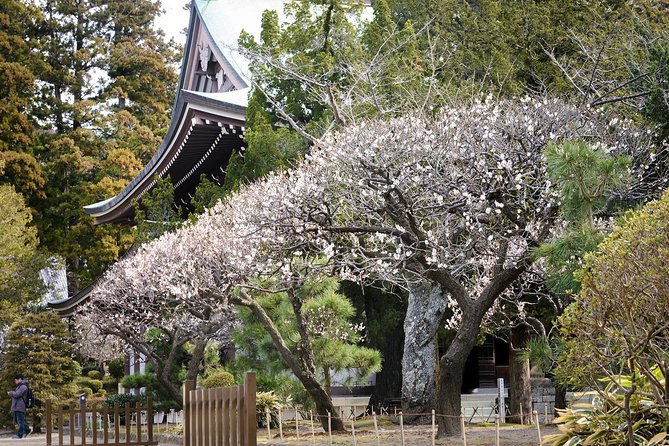
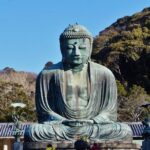
Kotoku-in is the Great Buddha of Kamakura stop, about 40 minutes. Admission is not included, so it is the first place where you will likely pay separately.
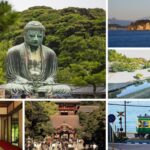
Even if you have seen “big Buddha” images before, the real statue has a different effect. You are looking at a centuries-old bronze figure associated with Amida Buddha, dating back to the 13th century. That date range matters because it places the statue right in the broader period the tour is focused on.
This is the type of stop where the guide’s framing can make a difference. Without context, it can turn into a quick photo and move on. With context, you start noticing what makes a statue like this a cultural landmark, not just an impressive object.
One practical note: because the tour has a fixed flow, you cannot expect unlimited time here. If you are the type who wants long silence in front of monuments, aim to be ready to choose your moments. Spend your first minutes looking with intention, then let the photos come after you have really taken it in.
Hasedera: gardens, ponds, caves, and the 11-headed Kannon
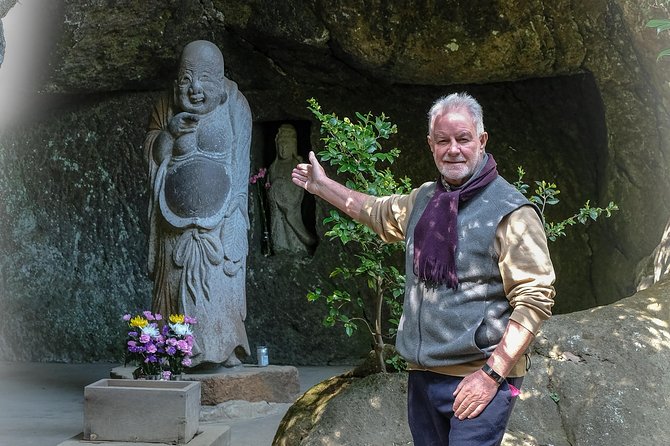
Hasedera Temple is your second paid admission stop, and it is the longest in the itinerary, about 1 hour 20 minutes. Admission is not included.
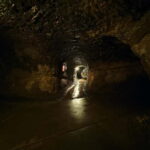
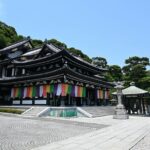
This temple is known for its layered layout, with areas spread across multiple levels. You are not just walking a corridor. You are moving through gardens, ponds, caves, and viewing spaces, which is why this stop can feel fuller than its time slot suggests.
The highlight mentioned is an ancient 11-headed statue of Kannon, the Goddess of Mercy. That detail is worth holding in mind as you walk. Kannon is about compassion, and when you see the statue in context of temple design and water features, it can make the atmosphere feel more purposeful than it would otherwise.
A practical consideration: a multi-level temple means more steps and more walking than the flat street stops. Wear shoes that handle uneven ground. If it is raining, expect slippery surfaces and take your time with footing.
The professional photographer guide: how the photos actually happen
This tour is built around a professional photographer guide, not just a regular sightseeing guide. That is a big deal for two reasons.
First, it saves you from constant guesswork. Instead of standing around trying to get your angle, the guide helps you with timing and framing so you get real photos without eating hours. Second, it keeps the pace moving. You spend time looking at sites, not wrestling with camera settings.
In the reviews, the guide style is repeatedly praised for being flexible and photo-friendly, including taking shots with your camera when needed. The result is a tour that feels personal, even though it follows a clear route.
Another comfort factor: you are grouped with others only up to eight people, and the tour is private, meaning it is only your group. That matters if you want a history explanation but also want to stop for a question without feeling rushed.
Price and value: $108.99 for a 4-hour Kamakura highlight route
At $108.99 per person for about 4 hours, this is not a bargain-basement tour. But it is also not overpriced for what you get, especially if you value guidance plus photography in one package.
Here is where the value comes from:
- You get a local guide plus a professional photographer guide and an escort or host. That is more than a basic talking tour.
- Several major stops are free to enter, including Wakamiya Main Street, Tsurugaoka Hachimangu Shrine, and Komachidori.
- The paid admissions are limited to two key stops, Kotoku-in and Hasedera, so the extra cost is predictable.
Also, the booking pattern tells you something useful. On average, it is booked about 71 days in advance, which usually means people plan it as a fixed anchor on their day. If you want a preferred start time, earlier planning gives you more choices.
If you are traveling as a solo traveler, this setup is especially appealing. The tour is described as a great option for single travelers to groups up to eight people, so you get company without the chaos of a huge crowd experience.
Meeting at Kamakura Station, finishing at Hase Station
The tour starts at Kamakura Station (1-chōme-1-15 Onarimachi, Kamakura, Kanagawa 248-0012) and ends at Hase Station (2 Chome-14 Hase, Kamakura, Kanagawa 248-0016). It also notes Hase Station of the Enoden Line, which is helpful if you plan onward travel the same day.
This is the kind of route design that can reduce hassle. You are not retracing steps all afternoon. Instead, you work your way toward Hase, finishing closer to where you likely want to go next.
You’ll also want to plan around the fact that food and drinks, plus transportation to and from attractions, are not included. That is normal for most walking tours, but it does mean you should budget for snack time on Komachidori and any meals you want later.
Who should book this Kamakura tour
I think this tour is a strong match if you:
- Want the Kamakura Period context, not just photos of temples
- Like a clear route but still want time to ask questions and adjust your pace
- Care about photography enough to want a pro guiding the shot
- Are traveling solo and want a small group experience, up to eight people
- Prefer a moderate walking day focused on the main areas of Kamakura
If you are the type who hates extra costs, remember the admissions that are not included at Kotoku-in and Hasedera. If your main goal is only one or two sites, you might also decide to DIY. But if you want a connected story across several top locations, this route is built for that.
Should you book it?
If you are going to Kamakura for a short window and want the day to feel guided, this is a smart pick. The free entry stops early in the route help you settle in, and the paid stops are the big hitters that anchor the spiritual and artistic side of the story. Add the professional photographer help and the small-group setup, and it becomes more than a list of monuments.
Book it when you:
- Want a single afternoon plan that covers the essentials
- Value explanations that connect shoguns, samurai, and Zen Buddhism to what you see
- Want photos taken for you, without turning the day into a camera boot camp
Skip it if:
- You only want one paid attraction and dislike adding ticket costs
- You prefer total freedom with no guide framing at all
FAQ
How long is the tour?
The tour is about 4 hours.
Where does the tour start and end?
It starts at Kamakura Station and ends at Hase Station (Enoden Line).
What stops are included in the tour?
You visit Wakamiya Main Street, Tsurugaoka Hachimangu Shrine, Kamakura Komachidori, Kotoku-in (Great Buddha of Kamakura), and Hasedera Temple.
Are admission tickets included?
Admission is free for Wakamiya Main Street, Tsurugaoka Hachimangu Shrine, and Komachidori. Admission tickets are not included for Kotoku-in and Hasedera Temple.
What is included in the price?
Included are a local guide, a professional photographer guide, and a tour escort or host.
What is the cancellation policy?
You can cancel for a full refund if you cancel up to 24 hours in advance. Free cancellation is available, and changes made within 24 hours of the start time are not accepted.