
Review · KAMAKURA DAY TRIPS
Sushi Making in a Century Old Kamakura Home
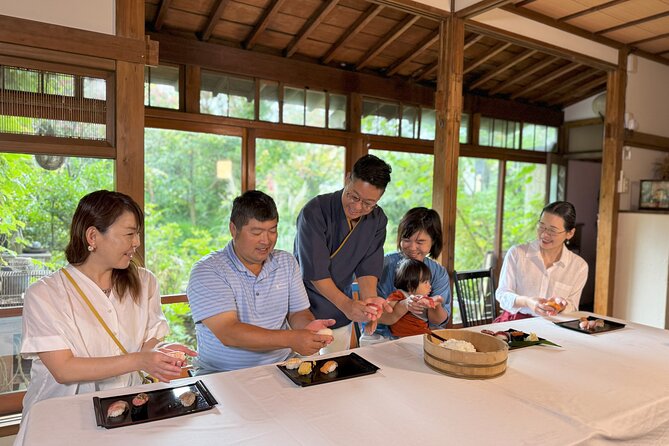
Sushi making in a time-tested home beats a factory demo. I really like the century old Kamakura kominka setting, where you make nigiri while the Enoden train slips past beside the garden. It feels like you stepped into old Japan without giving up a hands-on meal.
Another reason I’d book this is the chef guidance. You learn sushi technique from a master chef with over 20 years of experience in Ginza at top restaurants, so it is not just random rolling and hoping. One thing to plan around: the experience is not recommended for people with food allergies, since you are working with a set of premium seafood ingredients.
Key Highlights You Will Actually Notice
- A rare kominka house: Japanese style with Western touches, preserved and calm.
- Enoden track view from the garden: you can watch trains go by while you eat what you make.
- Ginza-trained sushi technique: learning comes from a chef with long, serious restaurant experience.
- Seasonal seafood nigiri: you’ll make 10 to 12 pieces using high-end ingredients.
- Small group size: maximum 10 travelers, which helps you get personal attention.
- Calligraphy souvenir included: a canvas inscribed with Kamakura Sushi Sake, hand-brushed by a professional calligrapher.
Step Inside a Kominka Near Kamakura Station
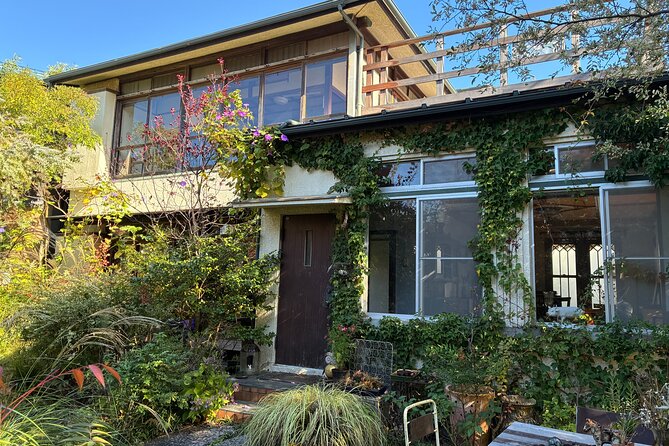
This workshop takes place in a beautifully preserved century old traditional home in Kamakura. You meet in Yuigahama, in an area that is walkable from Kamakura Station and also on the way toward the Great Buddha of Hase. If you are doing a classic Kamakura day, this timing makes sense because you can pair it with other nearby sights without wasting time commuting.
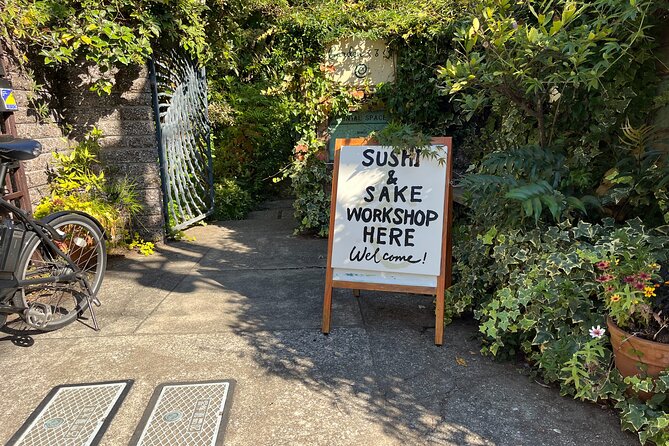
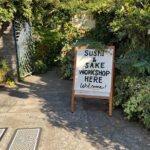
Finding it is the only real early challenge. The place is in a quiet residential neighborhood, so you want to use your map app and arrive a few minutes early. Once you spot the approach, it clicks: colorful trees outside, a calm feel, and a house that looks like it belongs in an old photo book.
Inside, the atmosphere is part of the value. You are not crammed into a modern classroom. You sit in a setting that makes the whole process feel slower and more deliberate, which matters when you are learning technique and building confidence with your hands.
You can also read our reviews of more tours and experiences in Kamakura.
A Small Class and a Chef Who Trained in Ginza
The class runs about 1 hour 30 minutes, starting at 10:30 am, and it caps at 10 travelers. That small size affects your experience. You are more likely to get clear direction, and you are not just watching from the edge of the room.
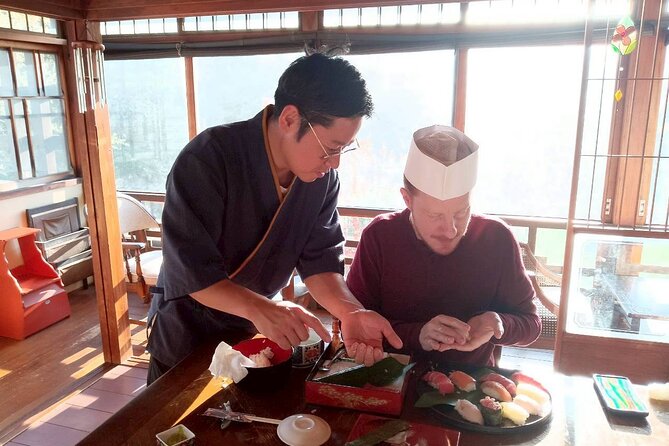
What you are paying for is the chef’s guidance. The instructor is described as a master chef trained and working for over 20 years at Ginza’s most prestigious restaurants. Even if you are a complete beginner, that background typically shows up in how the lesson is structured: fundamentals first, then coaching as you shape the nigiri.
This is also why the “what you’ll eat” part is meaningful. You create 10 to 12 pieces of nigiri, so you are not doing a tiny sample and leaving hungry. It is a real meal you make yourself, supported by a chef who knows how sushi is supposed to be handled.
What You Make: 10 to 12 Pieces of Nigiri With Premium Seafood
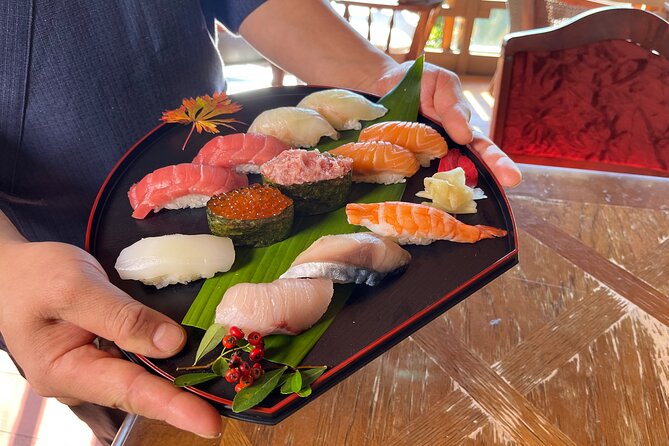
You will learn sushi craft and then make your own nigiri. The workshop is built around 10 to 12 pieces, and the seafood selection depends on the season. The premium ingredients listed include tuna, sea bream, shrimp, squid, yellowtail, and salmon roe.
I like this approach because it keeps expectations realistic. If a tour claims you’ll always get the same exact fish, weather and sourcing can make it messy. Here, you get a seasonal selection, but the ingredients are still described as high quality, similar to what you’d see at high-end sushi places.
Your meal is included as part of the price. That matters because it turns the experience into something more than a class. You are practicing technique and then eating the results, so you can actually connect the lesson to flavor and texture.
One practical thought: go in ready to eat seafood. The experience is explicitly not recommended for food allergies, but even without allergies, if you avoid certain fish or shellfish, you should think carefully. The workshop uses the listed seafood categories, and you will likely need to confirm any restrictions before booking.
Eating in the Garden While the Enoden Runs by
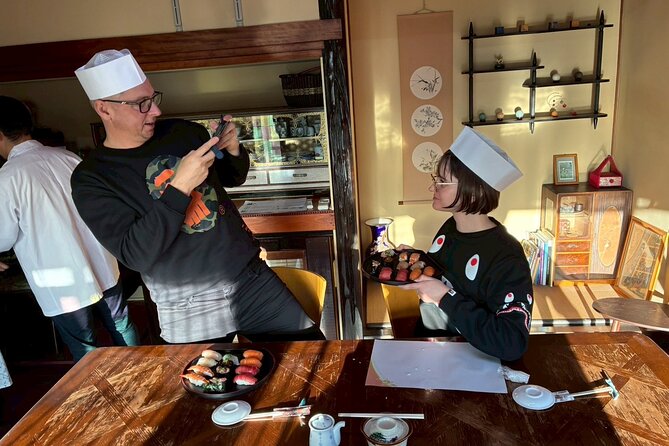
This workshop’s setting is one of the reasons it feels special. The venue is described as having the Enoden train passing right next to the grounds, so you can watch it without leaving the house. It is a charming distraction, but it also adds real “place” to the meal.
The garden setting is calm and green, so you get a bit of quiet time even though you’re actively making sushi. That blend of activity and relaxation is rare. You are learning, but the pace is not frantic.
If you like the idea of building your entire day around small, authentic moments, this is a good anchor stop. You can do temples and viewpoints earlier, then land here for something hands-on and local that still feels like a break.
Mt. Fuji Views You Can Pair With the Workshop
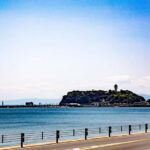
The venue is close to coastal scenery. The description notes that a 10-minute stroll from the venue brings you to the seaside where you can see Mt. Fuji, and that the view can appear like a scene from an ukiyo-e woodblock print beyond Enoshima.
This is not a guarantee you’ll see Fuji from inside the workshop, and conditions matter. But the key point for planning is that this area makes it easy to tack on a viewpoint afterward. If you want a clean route for your Kamakura day, start with your morning sights, do sushi around midday, then take a short walk to the coast to look for that Fuji-on-the-horizon moment.
The Calligraphy Canvas Souvenir, Gift-Worthy and Actually Useful
Besides eating sushi, you get a souvenir that feels thoughtful. There is a complimentary canvas inscribed with Kamakura Sushi Sake, hand-brushed by a professional calligrapher.
This matters because a lot of food workshops hand you something generic you might store in a drawer. Here, the calligraphy style is meant to be a real keepsake, and it connects the experience to the place and theme. If you like bringing home something that feels like it came from a specific moment in a specific neighborhood, this fits the bill.
Price and Value: What You Get for $74.93
At $74.93 per person, this workshop sits in the mid-to-upper range for a food experience. The value comes from three big things you actually receive:
- A Ginza-trained chef teaching fundamentals
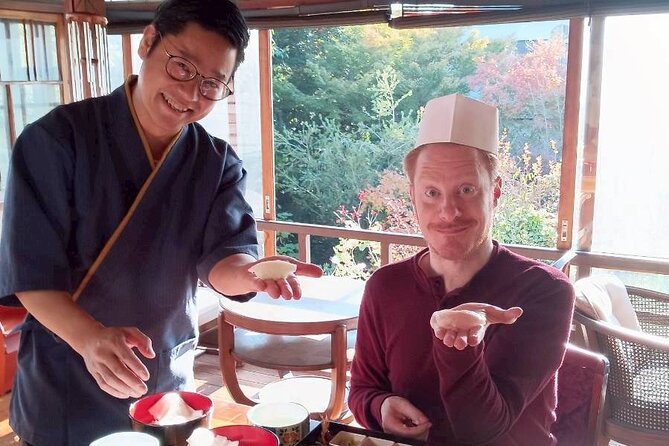
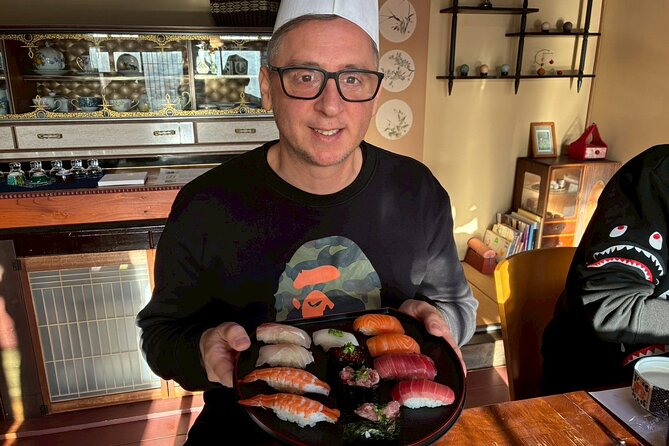
- 10 to 12 pieces of nigiri made by you, as a full included meal
- A premium seasonal seafood selection paired with technique coaching
What is not included also helps you budget. You do not get coffee or tea in the listed inclusions. Alcohol is separate too, with an option for a sake experience course at an additional charge. There is nothing wrong with that, but it does mean you should decide ahead of time if you want the alcohol upgrade.
I also like that the experience is built for a small group. When classes are large, you lose attention, and sushi shaping is very hands-on. Here, the max of 10 travelers supports the “learn and do” goal.
One more planning note: it is commonly booked about 40 days in advance. That suggests demand is real. If you are traveling in peak weeks, lock in your time earlier rather than hoping a spot opens.
Where It Fits in Your Kamakura Day Plan
This is a smart add-on for a Kamakura itinerary because it sits near major highlights. The venue is on the way to the Great Buddha of Hase and roughly a 10-minute walk from Kamakura Station.
A simple flow that works well:
- Start with the classic early stops like temples and the Great Buddha area
- Use the afternoon energy for the workshop, so you’re not fried and rushed
- After the workshop, take that short walk toward the seaside for possible Mt. Fuji views
The time window helps too. A 1 hour 30 minutes experience means you can still move on to dinner plans without your schedule collapsing. This is especially useful if you’re also juggling trains, walking, and other timed activities.
Who This Sushi Workshop Is Best For
This workshop is a strong match if you:
- want an intro-to-fundamentals sushi experience, not just a tasting
- like historic settings, especially kominka homes
- enjoy seafood and want a meal you actively create
- prefer smaller classes where guidance matters
It is less of a match if you:
- need to avoid seafood due to food allergies
- want a long sightseeing outing. This is focused on learning and eating, not a full tour of Kamakura
Practical Tips Before You Go
- Arrive a few minutes early. It is in a quiet residential area, and you want to find it without stress.
- Bring realistic expectations about seafood. The menu is seasonal, and the listed ingredients include multiple types of fish and shellfish.
- Plan for weather. The experience requires good weather, and if it is canceled due to poor weather you’ll be offered a different date or a full refund.
- If you care about tea or coffee, plan to get it elsewhere since it is not included.
Should You Book This Kamakura Sushi Workshop?
If you want a hands-on food experience that feels rooted in place, I think this is worth booking. The combination of Ginza-level chef instruction, making 10 to 12 nigiri, and eating in a century old home with the Enoden train running nearby is a rare mix. You are not just buying sushi, you are learning how to shape it and then enjoying it right there.
The only clear reason not to book is if food allergies are part of your situation. If you can eat the listed seafood categories comfortably, this is one of the more memorable ways to spend a slice of your Kamakura day.
FAQ
How long is the sushi making experience in Kamakura?
The experience lasts about 1 hour 30 minutes.
What food is included in the price?
You’ll make and eat 10 to 12 pieces of nigiri sushi. Coffee or tea is not included.
Where is the meeting point?
The meeting point is 2-chōme-7-12 Yuigahama, Kamakura, Kanagawa 248-0014, Japan. The activity ends back at the meeting point.
Is the class large?
No. The experience has a maximum of 10 travelers.
Is there an option for sake?
Yes. There is an option for a sake experience course for an additional charge.
What if the weather is bad?
This experience requires good weather. If it’s canceled due to poor weather, you’ll be offered a different date or a full refund.
More Tour Reviews in Kamakura
Not for you? Here's more nearby things to do in Kamakura we have reviewed


Kamakura Day Trips, side by side.
 ★ 4.5Kamakura & Enoshima Day Trip including Temple TicketsFrom $581,375 reviews
 ★ 4.5Mt. Fuji, Kamakura, Big Buddha, & Lake Ashi Day TripFrom $49867 reviews
 ★ 4.5From Tokyo: Kamakura & Enoshima 1-Day Bus TourFrom $66189 reviews
 ★ 5.0Kamakura Historical Walking Tour with the Great BuddhaFrom $98129 reviews
 ★ 5.0Kamakura Private Tour: Temples, Nature, and the Great BuddhaFrom $98121 reviews
 ★ 5.0Kamakura Walking Tour – The City of ShogunFrom $35100 reviews
 ★ 5.0Kamakura 8 hr Private Walking Tour with Licensed Guide from TokyoFrom $20180 reviews
 ★ 4.1Kamakura & Enoshima Day Tour with Pickup & Train RideFrom $1361 reviews
This tour also belongs to