
Review · KAMAKURA DAY TRIPS
Private Kimono photo shooting tour in ancient city Kamakura
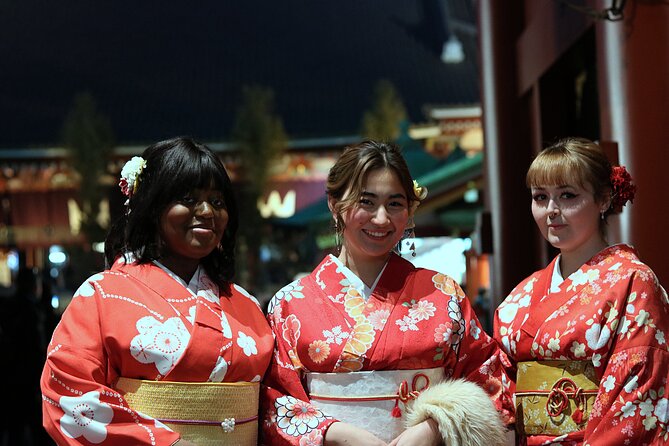
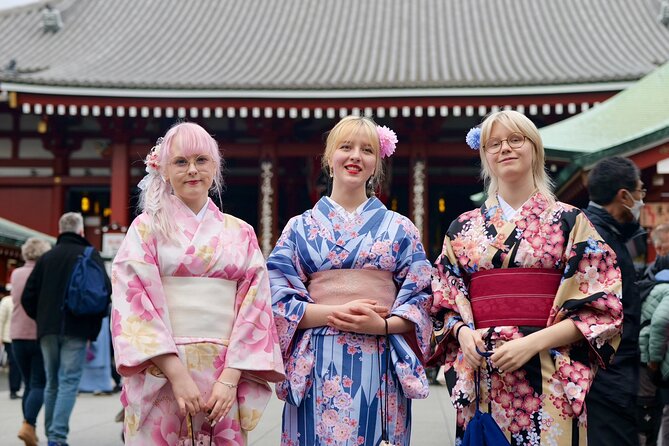
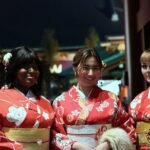
Kamakura looks different when you’re dressed for it. This private kimono photo shooting tour pairs a traditional-wear experience with picture-making at several temples and shrines, then wraps up with time near Komachi Street.
What I like most is the mix of photo-friendly locations and the way the photographer helps you look natural. The tour also stays relaxed, with calm temple stops close to Kamakura’s busiest sights.
One thing to plan for: kimono rental costs extra, and you are trading time for changing and walking, so it’s not a quick photo stop.
Key highlights you’ll care about
- Private only for your group, so you get more time and less waiting around.
- Professional photographer guidance, including posing support so you don’t freeze in front of the camera.
- A calm route through Daigyoji, Myohonji, Jufukuji, plus Tsurugaoka Hachimangu for variety without nonstop crowds.
- Up to 30 edited photos included, plus you can receive all photos you want.
- You choose your outfit from different kimono options, with a non-kimono option available.
- Flexible pacing, since the tour can be customized to where you go.
Kamakura in Kimono: What This Photo Tour Really Feels Like
Kamakura is a place that rewards slowing down. This tour leans into that, dressing you in traditional kimono and then using the city’s temple lanes and shrine approach roads as your photo sets.
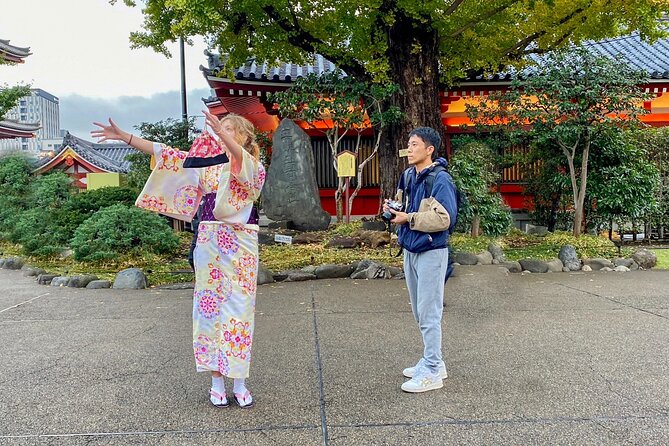
You get a private experience, not a cattle-car session. That matters because you can actually take a breath between shots, and the photographer can adjust angles based on how you’re standing, not how fast you’re walking. I also like that the route starts with calmer spots near the station before moving to a bigger, more famous shrine.
If you want a Kamakura memory that looks like you planned it, this is the kind of activity that delivers. Even if you’re not a “photos person,” you’ll probably end up enjoying it once someone helps you with poses and gets you comfortable.
You can also read our reviews of more city tours in Kamakura
Price and the Real Value When Kimono Rental Is Extra
The listed price is $85.20 per person for a private 2 to 3 hour experience. What makes this feel like good value is that it bundles multiple elements: a professional photographer, photo delivery, bottled water, and a mobile ticket.
The main cost to know up front is that rental kimono is not included. The additional rental fee is 3800Yen. So your all-in budget is basically the tour price plus that rental amount, if you choose kimono.
Photo value is strong here. You can receive all photo you want, and up to 30 edited photos are included. In practical terms, that means you’re not just getting a handful of nice images. You’ll likely have enough edited photos to pick a set for social media, and still keep more unedited options for your own personal folder.
Where You Start, How Long It Takes, and Why Timing Feels Important
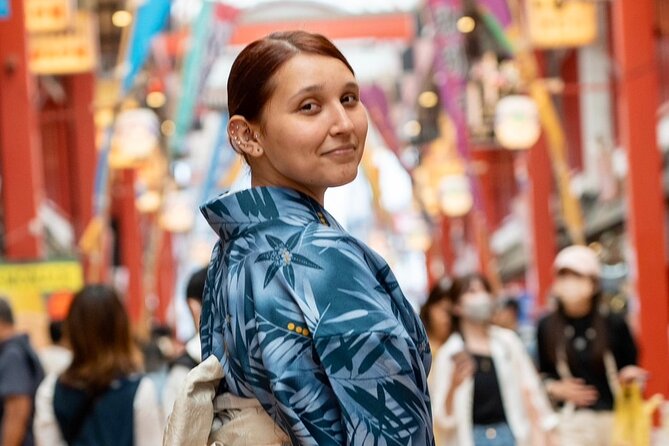
You meet at the Kamakura City Tourist Information Center, 1-chōme-1-1 Komachi, Kamakura. The tour ends back at the meeting point.
The duration is listed as about 2 to 3 hours, and that includes travel and changing time. That matters because kimono changing takes more time than most people expect. If you’re the kind of person who hates rushing, this length is actually a good fit. It gives you room to breathe, do the outfit part calmly, and still hit several photo locations without the day feeling chopped up.
It’s also near public transportation, so getting there is straightforward. And since it’s private, your group sets the pace, not the whole schedule of other people.
Daigyoji Temple: A Quiet Photo Start Beside Kamakura Station
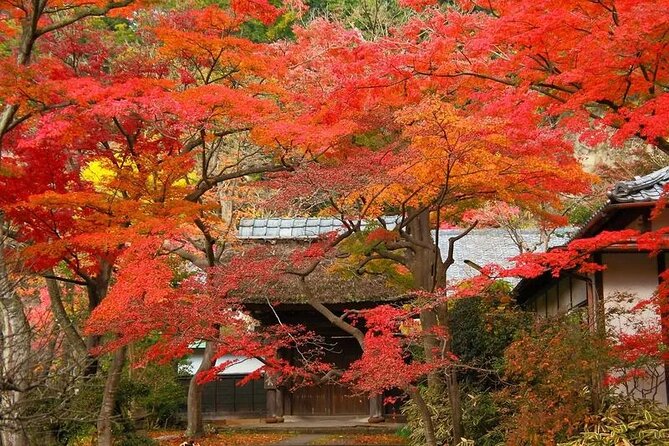
Stop 1 is Daigyoji Temple, about 5 minutes, and admission is free. It’s described as a small temple near Kamakura Station, and that’s exactly why it’s a smart first stop.
Early in the tour, you’re usually still getting used to the kimono and to being photographed. Starting at a calmer temple helps you get into rhythm fast. The setting also makes photo timing easier because you’re not immediately fighting crowds.
Practical tip: if you want photos that feel composed rather than rushed, this first stop is where that happens. You’ll likely get your easiest “warm up” images here, before the route moves to the more iconic shrine area.
Myohonji Temple: Old Wooden Structures and Seasonal Calm
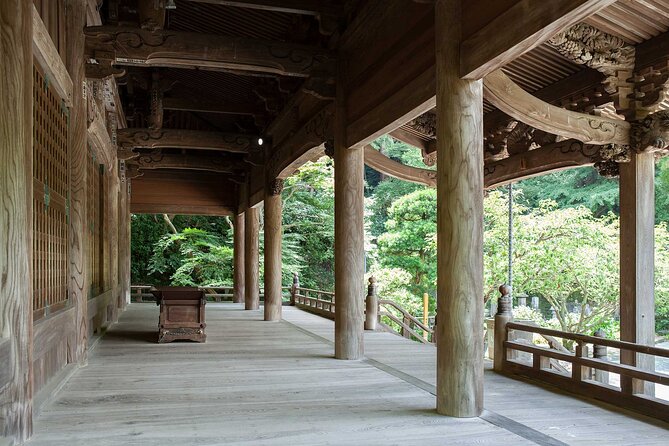
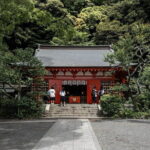
Stop 2 is Myohonji Temple, around 20 minutes, admission free. This place is linked to Nichiren Buddhism (the 日蓮宗, Nichiren sect), founded around 1260, and the setting is known for beautiful seasonal moments like cherry blossoms and autumn leaves.
What I like about Myohonji for photos is the contrast. The experience isn’t only about big photo spots. You also want textured backgrounds, old structures, and a softer atmosphere where your photos feel rooted in the place.
The tour pacing here gives you time to slow down. Twenty minutes is long enough to do a few different photo setups, including calmer corners and the kinds of angles where architectural details show up behind you.
Possible consideration: seasonal lighting matters. If you’re going in low-contrast weather, you may want to lean on the photographer’s guidance for poses and composition so your images don’t all look flat.
You can also read our reviews of more private tours in Kamakura

Tsurugaoka Hachimangu Shrine: The Iconic Approach With Photo-Friendly Breaks
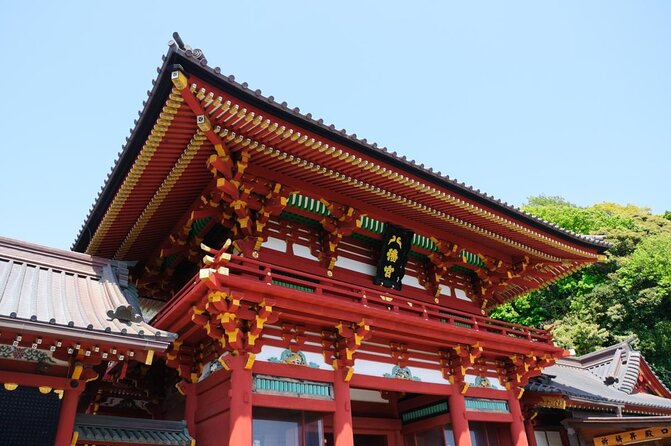
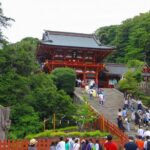
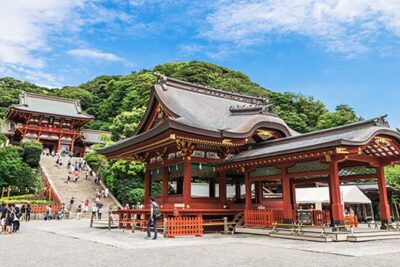
Stop 3 is Tsurugaoka Hachimangu Shrine, about 25 minutes, admission free. This is one of Kamakura’s biggest names, with origins tied to Minamoto no Yoritomo in the 12th century and dedication to Hachiman, a war god and protector of the Minamoto clan.
You’ll likely recognize the vibe right away: the impressive entrance gate, a long approach lined with cherry trees, and a large pond. Even if the crowd level varies day to day, this is still one of the best places in Kamakura for shrine-style photos because there’s so much visual structure to work with.
The tour also builds in a break moment, with the idea of pausing on a bench by the pond. That’s a small detail, but it’s huge for your photos. You get a moment to reset, hydrate, and then come back ready for the next shot.
Jufukuji Temple: A Short Stop With a Tranquil Tree-Lined Approach
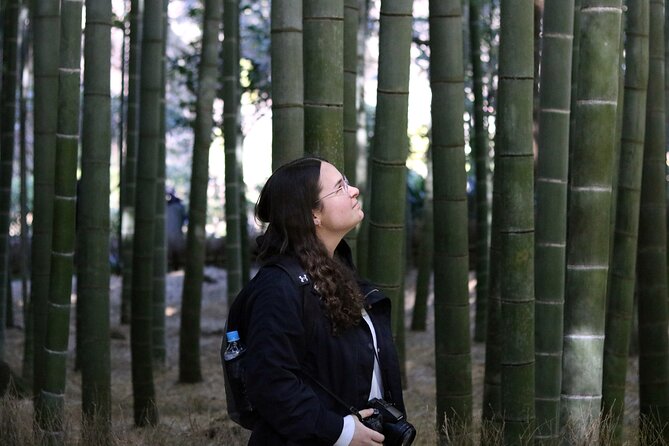
Stop 4 is Jufukuji Temple, about 10 minutes, admission free. It’s connected to Hojo Masako, the wife of Minamoto no Yoritomo, and it’s known for the road leading to the main temple lined with trees, plus a tranquil atmosphere.
This is the kind of stop that works well after you’ve already seen the big shrine. You get a different feel, more intimate and quieter. And with only about ten minutes, it doesn’t drag. It’s a clean “add-on” that boosts variety in your final photo set.
If you care about getting diverse backgrounds for your edited photos, this short temple leg helps a lot. You end the tour not just with shopping, but with images that don’t all come from one style of location.
Komachi Street: Shopping Time and a Natural End to Your Photo Session
There’s a final stop near Komachi Street, the lively shopping street in central Kamakura. It’s named after Ono no Komachi, a famous poetess from the Heian period.
This is your chance to look around boutiques, cafes, and stores for souvenirs and local crafts, then grab a snack. The key is that it’s not competing with the big photo stops, so it feels like a reward after the temple walking.
Even if you’re not shopping, Komachi Street gives you human-scale energy for the end of the tour. You can also use this time to check the photos on your phone, keep your energy up, and plan what to do next in Kamakura.
The Photographer Part: Posing Help and Why It Changes Everything
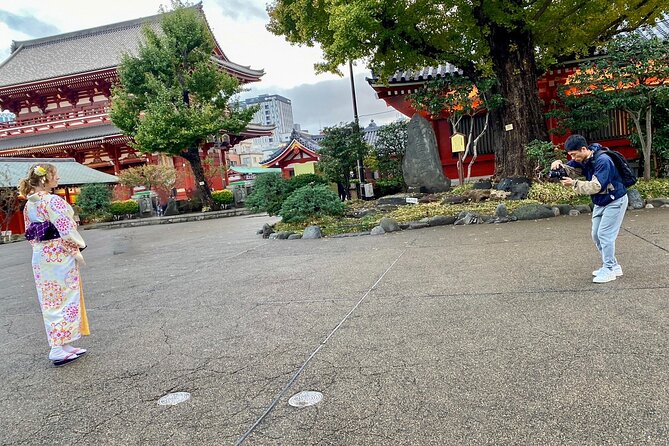
From the reviews tied to this experience, the photographer experience is a major reason people rate it highly. The photographer name you’ll see mentioned is Shuhei, and the recurring theme is simple: he’s friendly, supportive, and gives pose suggestions so you feel comfortable.
That matters more than you might think. A lot of photo tours fail when the subject doesn’t know how to pose. Here, the support seems to do the heavy lifting, including suggesting poses and helping you relax while you’re in kimono.
Also, the tour route includes several calmer locations, which helps with photo comfort. If you’ve ever tried to get a good shot in a crowded area, you know how annoying it is when people keep walking through your frame. This tour’s mix of quieter temple stops helps reduce that problem.
Kimono Selection and the Non-Kimono Option
You’ll choose your favorite kimono from a selection of options. There is also a non-kimono option, so this can work if you want the photo experience and Kamakura walking, but you’re not ready for traditional dress.
What I like about having choices is control. You’re not stuck with whatever outfit is on the rack. Your final photos will match your taste better, and you’re more likely to feel good in what you wear.
One practical point: since kimono rental costs 3800Yen and it isn’t included, decide early whether you’re doing kimono or non-kimono so you’re not making a last-minute budget decision after you arrive.
Photo Delivery: Up to 30 Edited Images and How to Think About Results
The included photography package works like this: you can receive all photo you want, and the set of edited photos is capped at 30.
In real terms, you should plan to review the photos and decide which ones you want to keep as part of your edited selection. The “up to 30” detail is important because it sets expectations. If you want a huge edited set for lots of posts, you might need to choose which shots matter most.
A good strategy is to think like a curator, even if you hate that word. Pick the photos with the best composition, the nicest light, and the ones where your pose looks most natural. If the photographer guided your posing, your favorites will likely be the ones where you’re standing with confidence and the background feels balanced.
Flexibility in Where You Go, Without Losing the Structure
The tour is private and can be customized to where you go. That means you might be able to adjust the walk a bit based on your interests.
Still, the main structure is already laid out through the listed stops. So even if you customize one piece, you’re not losing the core experience. You still get the temple and shrine variety, plus the Komachi Street ending.
This is a good match if you’re traveling with someone with different interests. One person might want more temple calm, while the other might want more street-life variety. The customization option gives you room to compromise.
Weather Matters, Especially When You’re Outside in Kimono
This is an outdoor experience, and it requires good weather. If it’s canceled due to poor weather, you’ll be offered a different date or a full refund.
That matters because kimono sessions are time-based and you want to shoot when light and ground conditions are reasonable. If weather is questionable, check forecasts early and don’t treat the tour like an “anytime” activity.
A smart planning move: keep your Kamakura schedule flexible around this. If it’s your only outdoor photo plan, try not to pack your day so tightly that a reschedule ruins everything.
Who Should Book This Private Kimono Photo Tour?
This works best if you want:
- A private experience with a professional photographer who helps with posing.
- A camera-ready Kamakura route with temple stops, not just one crowded landmark.
- Traditional style without turning it into a complicated production.
It’s also a strong fit for couples, solo travelers who want a guided photo setup, and anyone who wants a “special memory” that looks better than random phone snapshots.
If you want a self-guided kimono day where you roam totally independently, you might feel more freedom doing that. But if you care about photos that look intentionally planned, this tour is built for that.
Should You Book It or Skip It? My Practical Take
I’d book it if you want a structured, photo-focused Kamakura experience with a friendly photographer named Shuhei, calm temple stops, and a clear photo package that includes up to 30 edited photos. The value improves even more if you’re coming to Kamakura anyway, because this tour uses the best mix of settings without demanding you figure everything out alone.
I’d think twice if you’re tightly budgeted. The tour price is clear, but kimono rental adds 3800Yen on top. Also, because changing time is part of the schedule, you need to be okay with a set plan rather than “drop in and out whenever.”
If you’re excited to wear kimono, get pose help, and come away with real edited photos, this is one of those straightforward, low-stress ways to make Kamakura feel unforgettable.
FAQ
How long is the private kimono photo tour in Kamakura?
The tour runs about 2 to 3 hours, and that total time includes travel and changing time.
Where do we meet for the tour?
You meet at the Kamakura City Tourist Information Center, 1-chōme-1-1 Komachi, Kamakura, Kanagawa 248-0006, Japan. The tour ends back at the same meeting point.
Is this tour private or shared?
It is private. Only your group participates.
How many photos do I get, and are they edited?
You can receive all photo you want, and the tour includes edited photos up to a maximum of 30.
Is kimono rental included in the price?
No. Rental kimono costs an additional 3800Yen.
Can I do the tour without renting a kimono?
Yes. There is a non-kimono option available.
Can the tour route be changed to match what I want to see?
Yes. This tour can be customized to where you go.
What happens if the weather is poor?
This experience requires good weather. If it gets canceled due to poor weather, you will be offered a different date or a full refund.
More City Tours in Kamakura
More Tours in Kamakura
More Tour Reviews in Kamakura
Not for you? Here's more nearby things to do in Kamakura we have reviewed

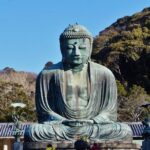
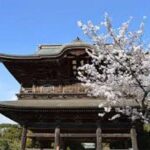
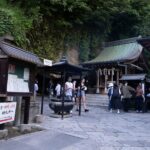
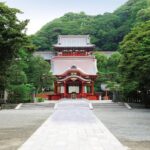

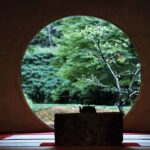
Kamakura Day Trips, side by side.
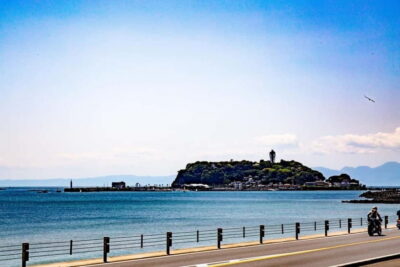 ★ 4.5Kamakura & Enoshima Day Trip including Temple TicketsFrom $581,375 reviews
 ★ 4.5Mt. Fuji, Kamakura, Big Buddha, & Lake Ashi Day TripFrom $49867 reviews
 ★ 4.5From Tokyo: Kamakura & Enoshima 1-Day Bus TourFrom $66189 reviews
 ★ 5.0Kamakura Historical Walking Tour with the Great BuddhaFrom $98129 reviews
 ★ 5.0Kamakura Private Tour: Temples, Nature, and the Great BuddhaFrom $98121 reviews
 ★ 5.0Kamakura Walking Tour – The City of ShogunFrom $35100 reviews
 ★ 5.0Kamakura 8 hr Private Walking Tour with Licensed Guide from TokyoFrom $20180 reviews
 ★ 4.1Kamakura & Enoshima Day Tour with Pickup & Train RideFrom $1361 reviews
This tour also belongs to