
Review · KAMAKURA DAY TRIPS
From Tokyo: Kamakura Full Day Tour with a Local Expert Guide
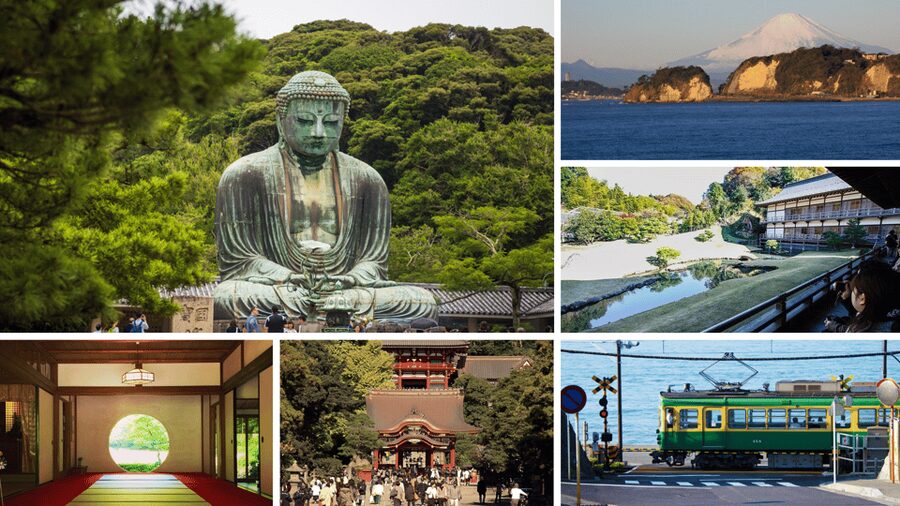
Kamakura feels like a time machine from Tokyo. I like the way this full-day outing is built around iconic sites such as the Great Buddha and Zen temples, so your day has a clear spine. I also love meeting a local guide who actually lives in the area, which turns basic sightseeing into real context. One possible drawback to plan for is the walking pace, and some stair-heavy stretches can be a challenge if your mobility is limited.
The guide experience is a big reason this tour earns its high rating. On recent departures, it has been led by guides such as Florent (Flo), Mike, Brian, Matias, and John, and many guests highlight their warmth and their practical choices for the day. I also like that you are not just shown sights, you are guided to good lunch and better photo stops, including recommendations like matcha ice cream and traditional restaurants, depending on the guide’s flow.
Key highlights
- Local guides who tailor the day so it feels personal, not canned
- Great Buddha stop with standout story details like an 11-headed aspect
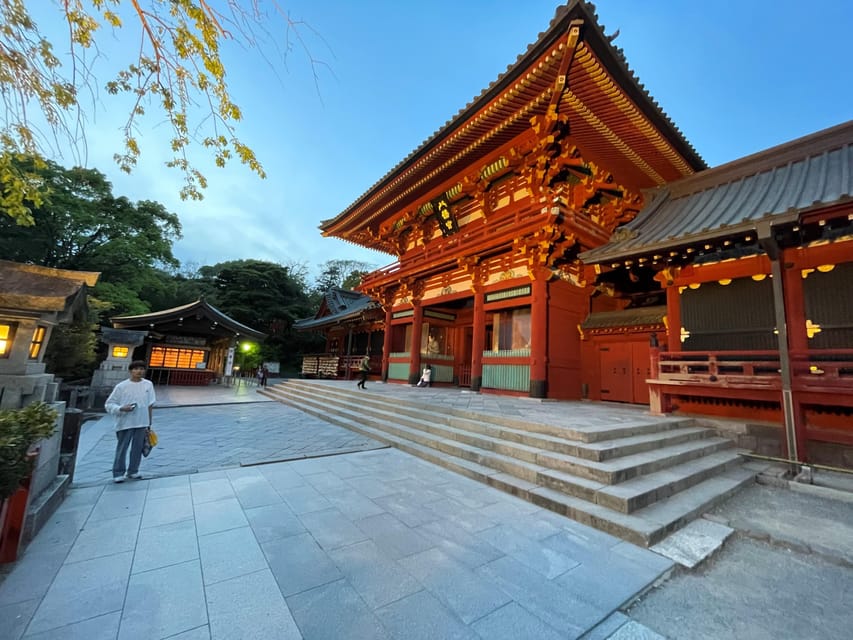
- Tsurugaoka Hachimangu + Zen temples paired for strong culture and calmer garden time
- Scenic photo pauses and walking routes that keep the day moving without feeling random
- Private group feel that makes it easier to ask questions and adjust pacing
Starting in Tokyo, Ending Back in Tokyo (With Time to Actually See Kamakura)
This is an 8-hour Kamakura day that begins with pickup in Tokyo and ends back in Tokyo. You are in good shape if you want a full day without dealing with planning your own route, because the tour handles the flow and keeps you focused on the key places.
You can meet in two ways, either at your hotel or at a meeting point in Kamakura. If your priority is maximizing time on the ground in Kamakura, meeting there can cut down travel time from your side of Tokyo and leave you more room for sightseeing and a bit of shopping.
Since this is a private group, the guide can set a pace that fits your group. That matters in Kamakura, because you are walking through temple grounds and along streets where crowds can pop up. A private setup also helps if you want time for photos without feeling rushed, or if someone in your group has questions that need a longer answer.
You can also read our reviews of more guided tours in Kamakura
How the Great Buddha Stop Changes the Whole Day
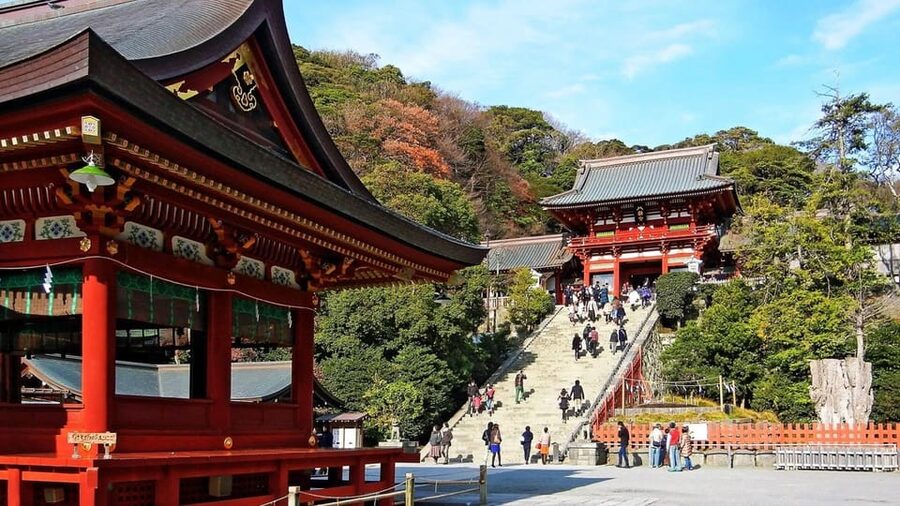
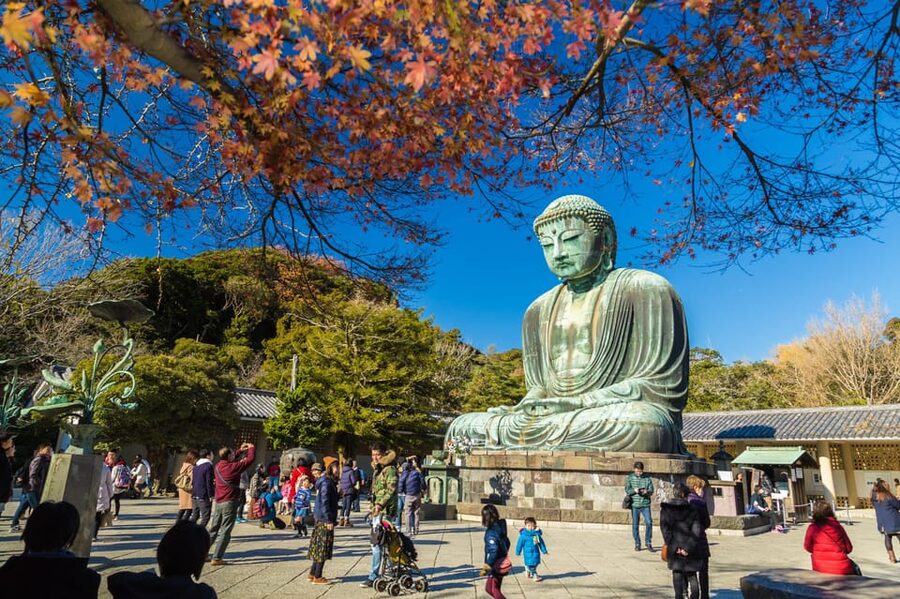
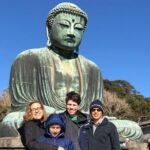
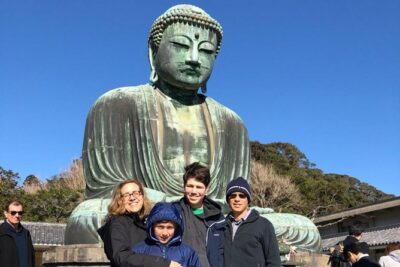
The Great Buddha is the headline, and it is easy to see why. The day is arranged around a guided visit that includes a photo stop plus time to look closely, not just a quick pass-by. Even better, guides are known for giving you story details that make the statue feel more specific than a generic landmark.
One detail that shows up in strong reviews is the story behind the Buddha with 11 heads. That kind of added context changes how you look at the site, because you stop treating it like a photo background and start noticing the parts you would otherwise miss. If you enjoy learning while you walk, this is where the tour pays off.
There is also a practical benefit: once you start with the Great Buddha, your brain gets oriented. After that, the shrine and Zen temple time feels connected, not like you are hopping between unrelated stops.
Potential drawback: if you are expecting a mostly relaxed day with minimal walking, you should know there is still a lot of ground to cover. The Great Buddha stop itself may be manageable, but the full-day pacing adds up, especially if you are not used to stepping between temple areas.
Tsurugaoka Hachimangu Shrine, Where Culture Feels On-Purpose
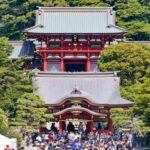
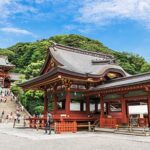
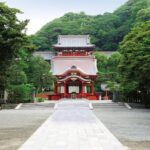
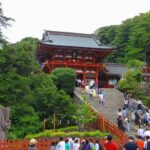
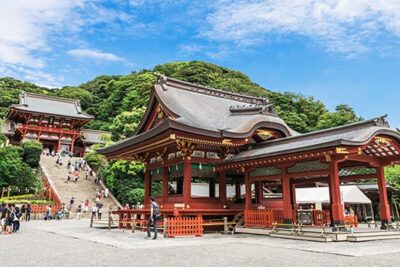
After the Buddha, the tour moves into shrine territory with a guided visit to Tsurugaoka Hachimangu Shrine. This stop matters because it gives you a different angle on Japanese cultural life than the Buddhist icons do. You get to see how shrine space works, and you get a clear sense of how important the site is in the Kamakura experience.
Guides also tend to control the rhythm here. One guest noted that their guide adjusted the day to avoid too many shrine visits, which is a hint at how flexible the day can be. That kind of adjustment can be a gift if you prefer fewer, better stops instead of checking boxes.
The shrine visit is also a good moment to pause and ask questions. In a private group, you can get answers that match what you are noticing in the moment. If you keep your eyes open, you will likely get more out of the guided walk because you can connect the stories to specific features you see around you.
Practical note: even when a shrine visit is calm, it still sits inside a walking day. Comfortable shoes and a willingness to move are the simplest success recipe.
Zen Temples and Garden Time, Without the Guesswork
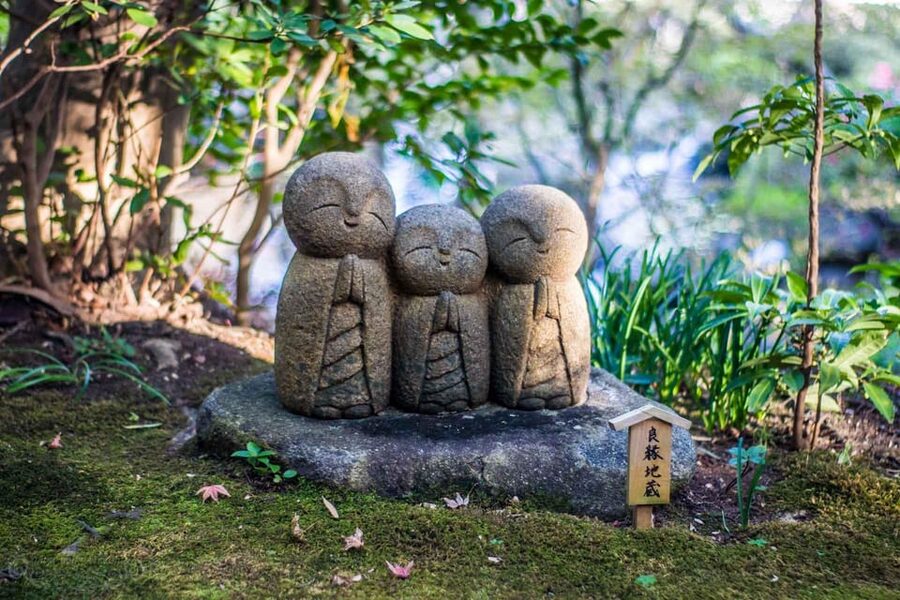
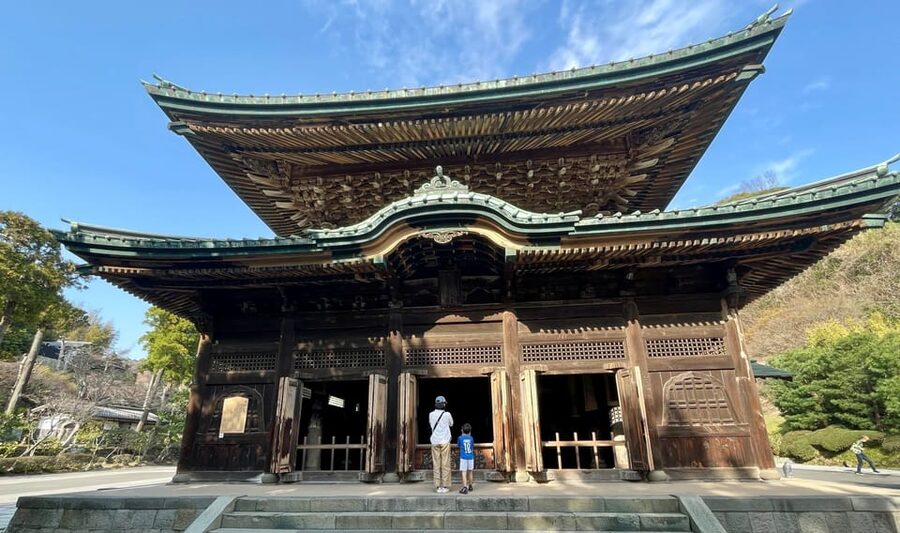
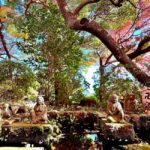
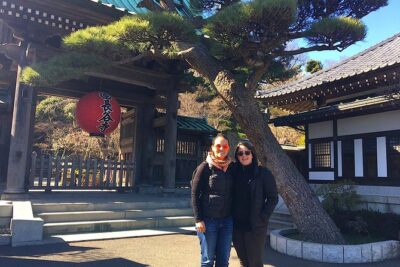
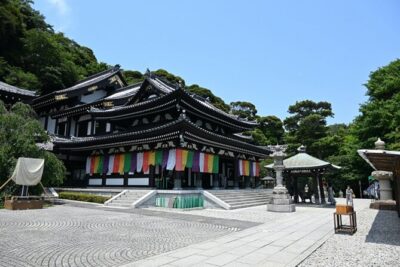
Next up are the Zen temples, described as being around lush gardens and calm grounds. This part of the day balances the more iconic, must-see sites with spaces where you can slow down and take in the atmosphere.
What I like about this pairing is that it gives you two different kinds of sightseeing value. First, you get the big-name sites that people remember on a postcard. Second, you get temple grounds where the guide can point out what to look for, and where the setting itself helps you understand why Zen spaces are experienced differently from fast tourist stops.
The biggest value here is guidance. If you show up alone, you can still enjoy temples, but you might not know what questions to ask or what details to focus on. A local guide can help you interpret what you are seeing in real time.
Possible drawback: gardens and temple grounds are wonderful, but they can also mean uneven paths and more walking than you expect from a “single stop.” If anyone in your group struggles with stairs or long distances, it helps to communicate pace preferences early so the guide can shape the route.
Shopping and Scenic Photo Stops, the Parts That Feel Like a Real Day
This tour is not just a sequence of official landmarks. It also includes time for shopping and sightseeing, plus photo stops and scenic views on the way. That combination is more than filler. It helps your day feel like Kamakura, not like a checklist.
Those middle moments are where you often find the most enjoyable memories. A guide-led photo pause can help you capture places with the right angles, while the shopping window gives you a chance to pick up small souvenirs without turning the whole day into a retail errand.
One detail that came up in the guide praise: Florent was noted for choosing excellent locations to highlight the beauty, culture, and history of Kamakura. Even if you only care about photos, that kind of location choice can change what your pictures look like and how quickly you find the best viewpoints.
More Tokyo tours and experiences for the shortlist
Lunch, Food Costs, and Why the Guide’s Picks Matter

Food and drink are not included, so you should plan to handle lunch on your own. In a perfect world, you arrive hungry and ready to trust the guide’s restaurant suggestions. That is where this tour often shines.
Multiple guides were praised for lunch recommendations. One guest described how Mike, after noticing they needed rest, guided them to a traditional restaurant and even pointed them toward matcha ice cream. Another guest specifically praised the guide for picking good restaurants.
That matters because Kamakura’s food options can be overwhelming if you are trying to decide while you are tired, walking, and managing the schedule. A local guide can reduce that stress, and a good lunch can make the afternoon stops feel easier.
What to consider: temple and park admission fees are also not included, and those costs can vary by stop. One guest said the day worked out fine, but they did want clearer guidance about costs related to food, admission, and transportation. If you are cost-sensitive, it is smart to ask your guide or operator ahead about what you should expect to pay during the day, beyond your own food and drink.
Walking Pace, Stairs, and Who This Day Works Best For
This is a full-day outing with guided walking, so it suits people who can move at an everyday travel pace. It is also listed as wheelchair accessible, which is a strong point for many visitors.
That said, at least one guest mentioned stair-heavy sections related to Enoshima during the day’s schedule. I would treat that as a signal to plan carefully, especially if anyone in your group uses mobility aids or avoids stairs. Even if your tour is labeled accessible, individual routes and segments can still feel challenging depending on where you end up and how the guide structures the timing.
There is also a clear limit listed: the tour is not suitable for people over 95 years. If you are close to that range, you should consider a shorter, lower-stair day so you do not risk exhausting yourselves.
The best way to make this day work is to tell the guide your limits early. In private groups, guides have room to adjust the day. One guest described that their guide adapted and reduced the number of shrine visits to match preferences. That kind of flexibility is exactly what you want if your group needs a slightly calmer schedule.
The Price: Why $116 Can Be Good Value for a Private Local Guide
At $116 per person for an 8-hour day, the price is not “cheap,” but it often feels fair because you are buying time with a local guide plus a planned route that hits the key sites. You are not paying only for transportation, and you are also not paying only for admissions, since those are not included.
What is included is the guide and a walking tour. That means a lot of the value is in the experience design, the explanations, and the route decisions. Reviews consistently emphasize guide passion and the way guides choose locations that highlight the best parts of Kamakura. That is the core service you are paying for.
The not-included items are also important for value math:
- Food and drink
- Transportation costs
- Parks and temples admission
So the real comparison is not just to other tours priced around the same number. It is to any self-guided plan where you pay for train and still have to figure out what to prioritize and how to interpret it. For many people, that planning effort is what the guide replaces.
If you hate planning days, or you want the local context behind the Great Buddha and shrine sites, this price can be a good deal. If you prefer to move slowly on your own and decide on the fly, the cost may feel harder to justify.
What the Guide Personality Brings to the Day (Flo, Mike, Brian, Matias, John)
One of the most praised themes in the experience is how human the guiding feels. Florent and Flo were specifically praised for being understanding and for enthusiasm about the day. Mike stood out for friendly conversation and thoughtful pacing, including helping with rest and lunch decisions. Brian was highlighted with a fun personal connection for a guest from New Zealand.
Matias and John were also praised for knowledge and for a relaxed, pleasant approach that still managed to cover many top sights. Another big plus: one guide helped a guest plan how to navigate the busy rail system the next day. That is a small thing, but it is the kind of practical help that makes a day feel complete.
You should not assume every guide will be the same. Still, the repeated pattern of guides being attentive and adjusting to the group is a strong sign that this tour is built around more than just showing up at sites.
The payoff for you is simple: you spend less time guessing and more time enjoying. When someone can answer questions while you are walking, you do not just see Kamakura. You understand what you are seeing well enough to remember it.
Should You Book This Kamakura Full Day Tour From Tokyo?
Book it if you want a structured day that hits the Great Buddha, Tsurugaoka Hachimangu Shrine, and Zen temples without planning stress. If you also like learning stories that help you look closely, the guide-led context is the main reason this tour earns its strong rating.
Skip it or pick a different format if your group is very limited on walking distance, because this is still a full day on foot and stair-heavy moments can happen. Also consider your budget for food and any park or temple admission fees, since those are not included.
If you are the kind of traveler who likes to make the most of a day trip, this is a solid choice. You are paying for local guidance, smart site sequencing, and a day that feels like Kamakura rather than a rushed commute back to Tokyo.
More Guided Tours in Kamakura
More Tours in Kamakura
More Tour Reviews in Kamakura
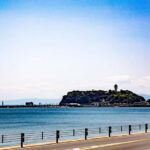
Not for you? Here's more nearby things to do in Kamakura we have reviewed

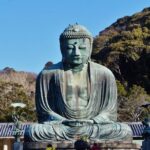

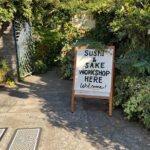
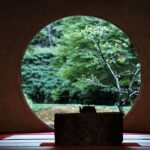
Kamakura Day Trips, side by side.
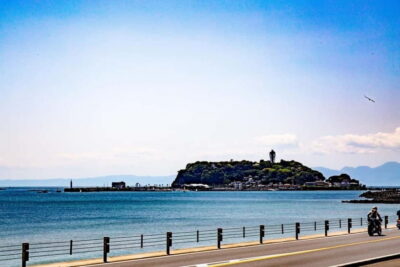 ★ 4.5Kamakura & Enoshima Day Trip including Temple TicketsFrom $581,375 reviews
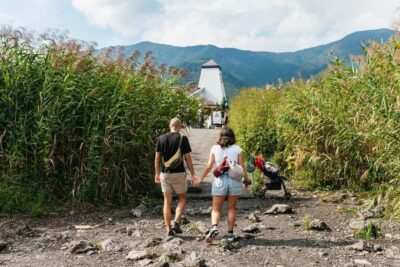 ★ 4.5Mt. Fuji, Kamakura, Big Buddha, & Lake Ashi Day TripFrom $49867 reviews
 ★ 4.5From Tokyo: Kamakura & Enoshima 1-Day Bus TourFrom $66189 reviews
 ★ 5.0Kamakura Historical Walking Tour with the Great BuddhaFrom $98129 reviews
 ★ 5.0Kamakura Private Tour: Temples, Nature, and the Great BuddhaFrom $98121 reviews
 ★ 5.0Kamakura Walking Tour – The City of ShogunFrom $35100 reviews
 ★ 5.0Kamakura 8 hr Private Walking Tour with Licensed Guide from TokyoFrom $20180 reviews
 ★ 4.1Kamakura & Enoshima Day Tour with Pickup & Train RideFrom $1361 reviews
This tour also belongs to